based on 270 reviews


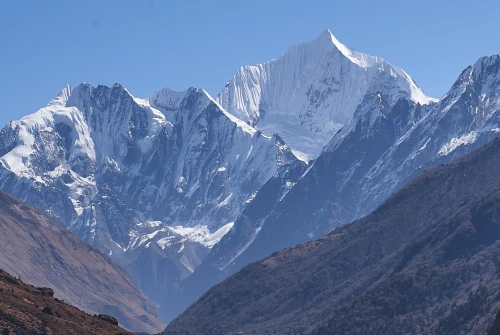
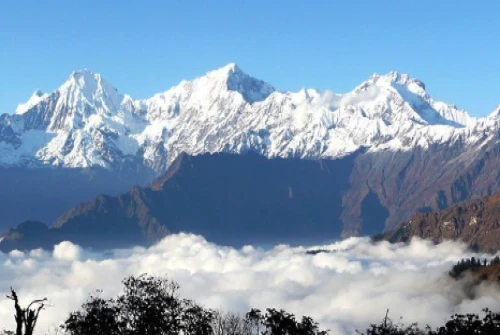
All Nepal Hiking provides a one-of-a-kind hiking experience in a rural community through Shivapuri National Park and Langtang National Park. Helembu hikes offer an extraordinary opportunity to learn about the culture and way of life of the Hyalmo Sherpa, Tamang, and Highlanders. Helambu hiking begins at Sundarijal, northeast of Kathmandu, and continues via Shivapuri National Park. Shivapuri National Park is quite near Kathmandu and provides drinking water for Kathmandu residents. Helambu Valley is well-known for its natural beauty, beautiful weather, and breathtaking vistas of the snow-capped mountains. The Helambu region has traditional Hyalmo-Sherpa mountain communities and lovely rhododendron and pine forests. People from several ethnic groups live in the Helambu valley, including Tamang, Hyalmo, Sherpa, and some Brahmin, Chhetri, and Newar. The Hylmo people's traditional kitchen and dining decorations are particularly inspiring. Their clothing and jewelry are done in their classic style. We also visit Buddhist monasteries, Gompas, Stupas, and Mani walls from one end to the other.
Helambu hiking is forward and short at lower altitudes, with plenty of nature-fearless tourists. The overlooks at Tharepati provide a panoramic view of Annapurna, Ganesh Himal, and the eastern Himalayan range, which includes Mt Everest. People from several ethnic groups live in the Helambu valley, including Tamang, Hyalmo, Sherpa, and some Brahmin, Chhetri, and Newar. The Hylmo people's traditional kitchen and dining decorations are particularly inspiring. Their clothing and jewelry are done in their classic style. We also visit Buddhist monasteries, Gompas, Stupas, and Mani walls from one end to the other. Helambu hiking is forward and short at lower altitudes, with plenty of nature and fewer-fewer tourists. nboverlooks at Tharepati provide a panoramic view of Annapurna, Ganesh Himal, and the eastern Himalayan range, which includes Mt Everest. The trek offers a variety of natural, cultural, and scenic views. We may travel through the habitats of many wild species, such as the rare red Panda, Deer, Beer, Blue-Sheep, Mountain Thar, and Languor, as we journey through the woodlands. Snow-Leopards are frequently spotted in the area. Trek across two national parks weekly, seeing several uncommon vegetation, including wild berries such as Myrica esculent, Kafal locally, and Rubus ellipticus, commonly known as Aiselu, and Nepal's national flower rhododendron.
Best Time for the Helambu Circuit Trek
The Helambu Circuit Trek is accessible throughout the year, but the ideal time to trek is during the autumn (September to December) and spring (March to May) seasons. During these months, the weather is typically mild, with average daytime temperatures ranging from 10-20°C—perfect for trekking. These seasons also offer the clearest skies, providing stunning views of the towering Himalayas and beautiful landscapes.
While trekking in these months, you can expect crisp, cool weather and vibrant scenery, making it the most enjoyable time for trekking in the region. Autumn is particularly popular due to the harvest season, while spring brings vibrant rhododendron blooms along the trail.
Accommodation During the Helambu Circuit Trek
Throughout the Helambu Circuit Trek, accommodation is provided by local tea houses, homestays, and a few basic lodges. These establishments offer moderate services and a variety of meal options. The tea houses are run by the local communities, ensuring an authentic experience while trekking. You can expect essential facilities such as clean beds, hot/cold water, healthy food, and clean bathrooms.
The hospitality from the local people adds a personal touch to your trek, making it a comfortable and culturally enriching journey.
Helambu Trek Difficulty: What to Expect
The Helambu Circuit Trek is a fun-filled, week-long adventure offering a perfect blend of recreation, cultural exploration, and breathtaking landscapes. Starting from Sundarijal, on the northern edge of Kathmandu, the trek involves a series of ascents and descents, with bumpy trails that require sturdy footwear. The terrain is moderate, but it’s essential to be prepared for the challenges of the trek.
Altitude Sickness and Acclimatization
As the trek reaches elevations above 3,500 meters, altitude sickness can be a concern. To minimize risks, we’ve carefully planned a gradual ascent to help you acclimatize to the changing altitude and weather conditions. Our expert guide will be with you every step of the way to ensure your safety and provide immediate assistance in case of an emergency.
Cultural and Spiritual Encounters: Visiting Monasteries
The trek offers a rich cultural experience, taking you through several villages that showcase the traditions of the Yolmo people and Helambu communities. Along the way, you’ll visit historic Buddhist monasteries, Mani walls, Chortens, and prayer flags that are significant to the Tibetan Buddhist culture. Notable monastery stops include Sermathang, Ghangyul, Melamchigaon, and Tarkeghyang. These visits offer a rare opportunity to learn more about Buddhism from the local monks and explore their preserved heritage.
Helambu Circuit Trek Permits
The Helambu Trek takes you through the Langtang National Park, requiring specific permits. You’ll need a Langtang National Park Permit and a Shivapuri Nagarjun National Park Permit to access the trekking routes.
- Shivapuri Nagarjun National Park Permit (for SAARC nationals): NPR 600
- Shivapuri Nagarjun National Park Permit (for non-SAARC nationals): NPR 1000
- TIMS Card (Trekking Information Management System): NPR 1000
- Langtang National Park Permit (for SAARC nationals): NPR 1500
- Langtang National Park Permit (for non-SAARC nationals): NPR 3000