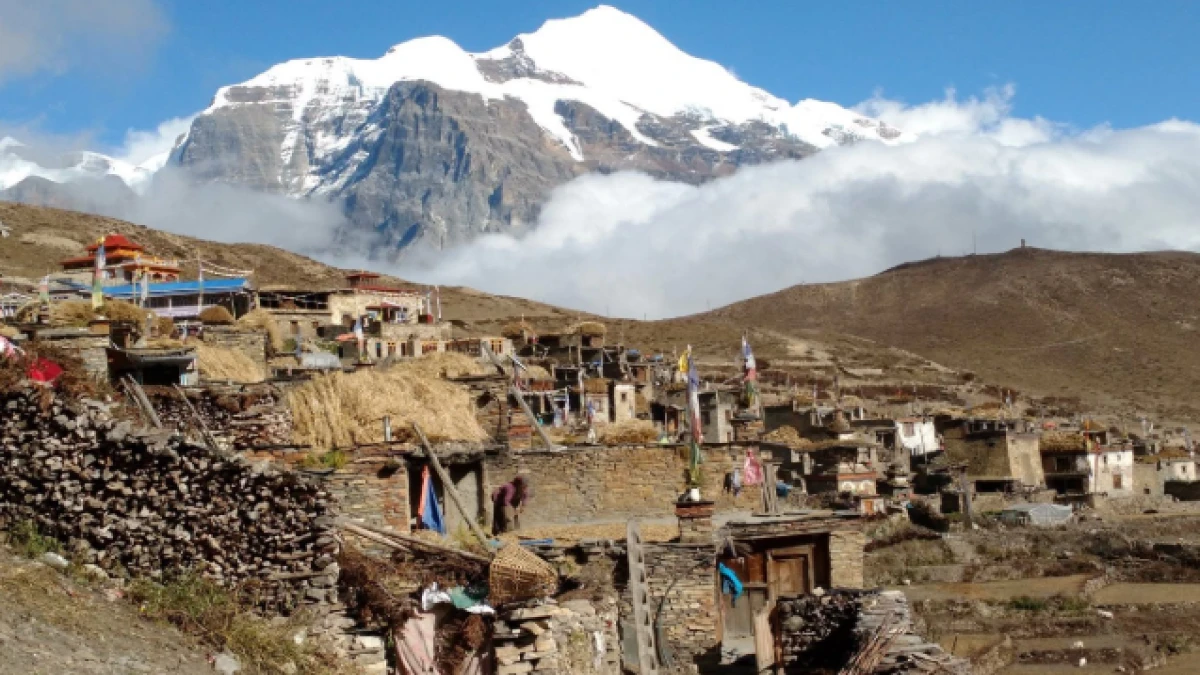
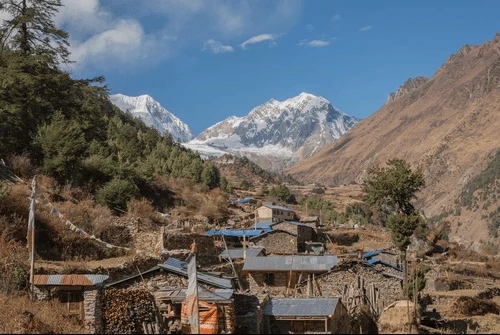
When Is the Best Time to Trek Nar Phu Valley?
Timing significantly impacts your Nar Phu Valley Trek experience, with weather patterns, temperature variations, and seasonal conditions determining trail accessibility and enjoyment levels. Two primary trekking seasons offer optimal conditions, though each presents distinct advantages.
Spring Season (March-May)
Spring emerges as one of the premier seasons for the Nar Phu Valley Trek, with March through May offering increasingly warm temperatures, blooming rhododendrons at lower elevations, and generally stable weather. Early spring (March) can still feel winter-like at higher elevations, with Kang La Pass often requiring crampons and ice axes, while late spring (May) brings warmer temperatures that make high camps more comfortable.
The advantages of spring trekking include crystal-clear mountain views following winter storms, longer daylight hours for photography, and the gradual awakening of the valley's ecosystems. Wildflowers begin appearing by April, lower villages celebrate various festivals, and the snow conditions on passes become more predictable. However, spring also brings pre-monsoon cloud buildup by late May, occasionally obscuring mountain views during afternoons.
Temperature-wise, expect daytime highs around 10-15°C at valley elevations, dropping to -10°C or lower at high camps. The sun's intensity at high altitude can be deceiving; you'll need robust sun protection despite cool air temperatures. Snow on Kang La Pass gradually decreases throughout spring, making late April to early May ideal for those preferring minimal snow trekking.
Autumn Season (September-November)
Autumn represents the peak trekking season throughout Nepal, and the Nar Phu Valley Trek particularly shines during these months. September through November offers the most stable weather, clearest skies, and comfortable temperatures, though you'll encounter more trekkers than in spring (though still far fewer than on mainstream routes).
Post-monsoon air clarity provides the year's best mountain photography opportunities, with crisp, pollution-free conditions allowing views extending 100+ kilometers. The harvest season brings villages to life with agricultural activities, autumn festivals occur in October, and local communities welcome visitors with genuine warmth after the monsoon's isolation. Temperatures remain moderate through October, becoming progressively colder in November as winter approaches.
Early autumn (September) may still see occasional monsoon tail-end storms, while late autumn (November) brings winter's first touches, including snow on high passes and freezing nighttime temperatures at elevation. October strikes the perfect balance: stable weather, comfortable temperatures, clear skies, and vibrant cultural life. However, autumn's popularity means you'll need to book accommodations and permits well in advance.
How Difficult Is the Nar Phu Valley Trek?
The Nar Phu Valley Trek presents a challenging adventure that requires honest self-assessment of your abilities, proper preparation, and realistic expectations about the demands you'll face. This trek ranks as moderately difficult to difficult, depending on your previous high-altitude experience and physical conditioning.
Physical Fitness Requirements
Completing the 13-day Nar Phu Valley Trek demands cardiovascular endurance, muscular strength, and mental resilience developed through consistent training. You'll trek 5-8 hours daily, ascend and descend steep trails, and navigate rocky, sometimes exposed paths that require sure-footedness. The cumulative effect of multiple consecutive trekking days tests both physical stamina and mental determination.
Ideal preparation includes 3-4 months of training before departure, incorporating cardiovascular exercise (hiking, running, cycling) 4-5 days weekly, strength training focusing on legs and core, and progressively longer weekend hikes carrying a weighted backpack. You should comfortably manage 1,000+ meters of elevation gain during training hikes and feel confident trekking 6+ hours in mountainous terrain.
The trek's physical demands increase with altitude, where reduced oxygen makes every step more challenging. Strong legs help during long descents, particularly the steep drop from Kang La Pass, while core strength improves balance on uneven trails. Perhaps most importantly, you need mental toughness to push through difficult moments when fatigue sets in, the weather deteriorates, or altitude affects your well-being.
Altitude Considerations
Altitude represents the Nar Phu Valley Trek's most significant challenge, with the route reaching 5,320 meters at Kang La Pass and spending several nights above 4,000 meters. Acute Mountain Sickness (AMS) threatens all trekkers regardless of fitness level, making proper acclimatization your most important preparation factor.
The 13-day itinerary includes strategic acclimatization days, but individual responses to altitude vary dramatically. Common symptoms include headaches, nausea, sleep disturbances, and reduced appetite, typically appearing above 3,000 meters. Serious conditions like High Altitude Pulmonary Edema (HAPE) or High Altitude Cerebral Edema (HACE) are rare but potentially fatal, requiring immediate descent.
Proper acclimatization follows the "climb high, sleep low" principle, with rest days spent hiking to higher elevations before returning to sleep. Hydration becomes crucial; aim for 4-5 liters of water daily at altitude. The gradual ascent profile of the Nar Phu itinerary allows your body to adapt progressively, but you must listen to your body, communicate symptoms to guides, and never push through serious altitude illness.
Previous high-altitude experience significantly advantages your adjustment, though it doesn't guarantee immunity to AMS. Those who've successfully trekked above 4,000 meters understand their bodies' responses and recognize early warning signs. First-time high-altitude trekkers should approach this journey with extra caution, maintaining conservative acclimatization schedules.
What Permits Are Required for Nar Phu Valley?
Trekking in the Nar Phu Valley requires multiple permits due to its restricted area status and location within conservation zones. Understanding permit requirements, costs, and acquisition processes ensures smooth pre-trek planning and legal compliance.
The primary permit is the Restricted Area Permit (RAP) for Nar Phu Valley, which costs $90 USD for the first 7 days and $15 USD per additional day. This permit can only be obtained through registered trekking agencies; independent trekking isn't allowed in restricted areas. You'll need to provide passport copies, passport-sized photos, and trek with at least one licensed guide.
Additionally, you require the Annapurna Conservation Area Permit (ACAP), which costs 3,000 Nepali Rupees (approximately $22 USD) and covers the broader Annapurna region through which you'll trek. The TIMS Card (Trekkers' Information Management System) costs 2,000 NPR ($15 USD) and tracks trekkers for safety purposes.
Your trekking agency typically handles all permit arrangements, including applications, payments, and document collection. Permits must be arranged in Kathmandu before departure, though the process usually takes only 1-2 days with proper documentation. Keep all permits accessible throughout the trek, as checkpoint officials will inspect them at multiple locations along the route.
Nar Phu Valley Communication and Network
Mobile phone coverage and internet connectivity in Nar Phu Valley is extremely limited to non-existent throughout most of the trek. Ncell, Nepal's largest provider, offers intermittent signals in Koto and occasionally Meta, but coverage disappears completely once you enter the deeper gorge sections approaching Kyang, Phu, and Nar villages. Expect to be completely off-grid for approximately 7-8 days during the core valley section, with no Wi-Fi, mobile data, or internet cafes in Nar and Phu villages. After crossing Kang La Pass, connectivity gradually returns in Ngawal and improves significantly in Manang, where lodges offer Wi-Fi for $3-5 per hour.
Your trekking guide carries satellite phones or communication devices specifically for emergencies, ensuring you can coordinate helicopter evacuation or rescue services if needed regardless of cellular coverage. Inform family and friends before departure that you'll be unreachable for over a week, providing them with your trekking company's emergency contact information. Rather than viewing this as a hardship, embrace the digital detox as a rare opportunity for genuine wilderness immersion without constant notifications and connectivity distractions. Purchase a Ncell SIM card in Kathmandu before the trek, download offline maps and content, and conserve phone battery by using airplane mode throughout the journey.
Nar Phu Valley Trek Duration and Distance Overview
The Nar Phu Valley Trek spans 13 days from Kathmandu to Kathmandu, with 10 days of actual trekking covering approximately 75-80 kilometers on foot through remote Himalayan terrain. The itinerary includes two crucial acclimatization days in Phu village (4,080m) and Nar village (4,110m) before attempting the trek's climax—crossing Kang La Pass at 5,320 meters. Daily trekking times average 5-6 hours, with the Kang La Pass day requiring 8-10 hours of strenuous effort involving 1,210 meters ascent followed by 1,660 meters descent. The total cumulative elevation gain exceeds 4,200 meters, while total descent reaches approximately 3,800 meters throughout the journey.
This carefully designed 13-day duration represents the optimal balance between adequate acclimatization and efficient trekking—shorter itineraries significantly increase altitude sickness risk and reduce cultural immersion opportunities. The gradual ascent profile from Koto (2,600m) through Meta (3,560m), Kyang (3,820m), Phu (4,080m), and Nar (4,110m) allows your body to adapt progressively to thin air before the high pass crossing. The two dedicated rest days aren't optional luxuries but essential safety measures that dramatically reduce altitude illness probability while allowing meaningful exploration of the valley's fascinating medieval villages and ancient monasteries. While some operators offer compressed 11-12 day itineraries, the 13-day version provides the safety margin and cultural depth that makes this challenging trek both achievable and genuinely rewarding.
How Should You Prepare for This Trek?
Proper preparation transforms the Nar Phu Valley Trek from a potential ordeal into an enjoyable, achievable adventure. Your preparation should encompass physical training, gear acquisition, mental conditioning, and logistical planning, starting at least 3-4 months before departure. Physical training forms your foundation, developing cardiovascular endurance through regular hiking, running, or cycling, gradually increasing duration and intensity. Weekend training hikes carrying 10-15kg backpacks simulate trek conditions, building both physical capacity and mental confidence. Include strength training focusing on legs, core, and upper body, which helps with balance, stability, and injury prevention on uneven terrain.
Altitude preparation presents unique challenges since most people can't train at elevation. Consider arriving in Nepal several days early to explore Kathmandu and begin initial acclimatization. Some trekkers use altitude training masks or hypoxic tents, though their effectiveness remains debated. Most importantly, understand altitude sickness symptoms, risk factors, and appropriate responses so you can recognize problems early. Mental preparation proves equally important; research the region's culture, learn basic Nepali phrases, and set realistic expectations about accommodation standards, trail conditions, and physical discomfort. Visualize yourself completing difficult sections, which builds confidence and resilience. Accept that some days will be hard, the weather might not cooperate, and flexibility becomes essential in remote regions.
What Accommodation Options Are Available?
Accommodation on the Nar Phu Valley Trek ranges from simple teahouses to basic lodges, with standards significantly lower than on mainstream routes like the Annapurna Circuit or Everest Base Camp. Managing expectations about comfort levels helps prevent disappointment and allows appreciation of the authentic, minimalist experience.
In lower elevation villages (Koto, Meta), you'll find standard trekking lodges with private rooms, shared bathrooms, and basic amenities, including occasional hot showers (usually for a fee). As elevation increases, facilities become increasingly rudimentary. Phu and Nar villages offer simple stone guesthouses with small rooms, foam mattresses, and shared squat toilets. Electricity may be limited or nonexistent, heating is minimal, and hot showers are rare luxuries.
Most lodges follow similar layouts: a communal dining area with a central stove (sometimes yak-dung-fired), simple menu boards offering dal bhat, noodles, and basic Western dishes, and sleeping quarters that can be cold at night. You'll typically share dining spaces with guides, porters, and local families, creating opportunities for cultural exchange and warmth from both the fire and human company.
Sleeping bags rated to at least -10°C prove essential, as bedding is minimal and nighttime temperatures drop significantly at altitude. Many trekkers also carry sleeping bag liners for added warmth and hygiene. The lodges' simplicity becomes part of the adventure. Appreciating shelter, warmth, and basic food in such remote, harsh environments enhances your appreciation for both the journey and the people who maintain these outposts of hospitality.
What Should You Pack for the Nar Phu Valley Trek?
Packing efficiently for the Nar Phu Valley Trek requires balancing essential gear against weight limitations, preparing for extreme temperature variations, and including both altitude-specific and general trekking equipment. A well-organized pack typically weighs 12-15kg for personal gear (porters carry additional items if hired).
Clothing layers form your primary defense against Himalayan weather:
- Base layers (merino wool or synthetic)
- Insulating mid-layers (fleece or down jacket)
- Waterproof, breathable outer shell jacket and pants
- Warm hat, sun hat, buff/neck gaiter, and sunglasses (UV400)
- Trekking pants (convertible and thermal options)
- Multiple pairs of moisture-wicking socks
- Insulated gloves and glove liners
- Down jacket for high camps (essential at Nar, Phu, and Kang La base camp)
Footwear and accessories:
- Broken-in trekking boots with ankle support
- Camp shoes or sandals for evenings
- Gaiters for snow sections
- Trekking poles (crucial for descents and river crossings)
Technical equipment:
- Four-season sleeping bag (-10°C minimum rating)
- Headlamp with extra batteries
- Water bottles (1.5-2 liters capacity) or hydration system with insulation
- Water purification (tablets, filter, or SteriPEN)
- Personal first aid kit, including altitude medication (Diamox)
- Sunscreen (SPF 50+), lip balm with SPF
Optional but recommended:
- Camera with extra batteries (cold drains batteries quickly)
- Power bank for device charging
- Book or e-reader for evenings
- Small daypack for acclimatization hikes
- Microspikes or crampons if trekking in shoulder seasons
Pack all items in waterproof stuff sacks or dry bags, as mountain weather can change rapidly. Leave unnecessary valuables in Kathmandu, bringing only essential documents (passport, permits, insurance) in waterproof pouches.
How Much Does the Nar Phu Valley Trek Cost?
The Nar Phu Valley Trek costs vary significantly based on service levels, group size, season, and included amenities, typically ranging from $1,200-$2,500 USD for the complete 13-day package. Understanding cost components helps budget accurately and compare operators fairly.
Group size affects per-person costs significantly; larger groups benefit from economies of scale, while private treks for 2-4 people cost more per person but offer flexibility, privacy, and customized pacing. Booking during shoulder seasons (late spring, early autumn) may yield discounts compared to peak October-November periods.
Conclusion: Embark on Your Nar Phu Valley Adventure
The Nar Phu Valley Trek - 13 Days stands as one of the Himalayas' most rewarding adventures, combining spectacular mountain scenery, authentic cultural immersion, and the profound satisfaction of completing a genuinely challenging journey through one of Nepal's last frontier regions. This extraordinary trek offers what modern travelers increasingly seek: authentic experiences far from tourist crowds, meaningful connections with traditional communities, and the opportunity to test yourself against genuine wilderness.
From the dramatic gorges approaching Phu village to the ancient monasteries of Nar, from the exhilaration of crossing Kang La Pass to quiet evenings around yak-dung fires, sharing stories with fellow adventurers.
 based on 270 reviews