How Difficult is the Everest base camp luxury lodge trek ?
The Everest base camp luxury lodge trek is considered challenging due to the high altitudes you will encounter. While the trail itself is relatively straightforward, following well-marked paths and yak trails, the increasing elevation adds to the difficulty. The trek reaches a maximum altitude of 5,545m/18,193ft at Kala Patthar, with a maximum overnight elevation of 5,140m/16,865ft at Gorak Shep. This means that you will experience the effects of altitude sickness as you ascend into the high Himalayas, which can make the trek more physically demanding.
Each day, you will walk for 6-7 hours on average, with the increasing altitude making the effort more challenging as the days go on. You will need to carry a small backpack (around 5kg) containing your essentials such as water, snacks, extra clothing, and your camera. Your main duffel bag will be carried by a porter, allowing you to focus on the trek and enjoy the breathtaking surroundings.
While the trail itself is not technically difficult, the high-altitude trekking involved in the premium lodge Everest Base Camp Expedition demands a good level of physical fitness and mental stamina. The trek reaches altitudes over 5,000m, and you will need to sleep at Gorak Shep, which sits at an elevation of 5,140m/16,865ft. Sleeping at such high altitudes, even for just one night, can have a significant effect on your body, requiring you to take it easy and properly acclimatize.
This trek is perfect for those with a moderate level of fitness and trekking experience. It’s designed to allow trekkers to experience the Everest region in comfort, while still offering a true high-altitude challenge. The carefully planned acclimatization days and well-marked paths make it accessible to adventurers with no previous high-altitude trekking experience, though it’s still important to be mentally prepared for the challenges of trekking at elevations above 5,000 meters. With proper preparation and a positive mindset, the trek will be an unforgettable experience, offering stunning views, cultural immersion, and a personal accomplishment that comes with reaching Everest Base Camp.
Why Choose a Luxury Lodge Trek to Everest Base Camp
Opting for a Luxury Lodge Trek to Everest Base Camp means experiencing the Himalayas in the most comfortable, safe, and efficient way possible. Here’s why this trek stands out:
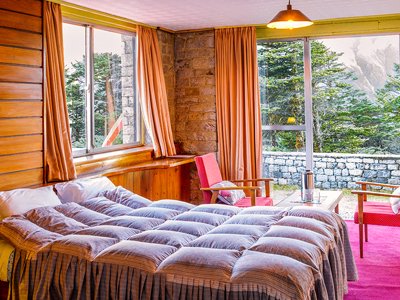
You’ll start your journey by staying at a 5-star hotel like the Ramada by Wyndham Kathmandu Dhumbarahi,Dusit Princess Kathmandu or a similar high-end property in Kathmandu, ensuring you have the best accommodation before heading into the mountains. As you trek through the Khumbu region, you’ll stay at Yeti Mountain Homes or similar luxury lodges, providing high-quality amenities, comfortable beds, and warm hospitality, allowing you to rest and recharge after each day’s trek.
This trek offers private service, which means a more personalized experience. With high staff-to-client ratios, you’ll receive dedicated attention from professional guides and field staff who are experienced in high-altitude trekking, ensuring a smooth and safe journey. The trek is designed to be hassle-free and all logistics, from accommodation to permits, are taken care of, allowing you to focus solely on enjoying the adventure.
On this trek, you’ll be treated to buffet-style meals (breakfast, lunch, and dinner) with a variety of nutritious options to keep you energized throughout the day. You’ll enjoy healthy, fresh food prepared by skilled chefs, ensuring a delightful dining experience in the mountains.
Your safety is a top priority. This trek includes emergency evacuation procedures in place, along with health checks and the carrying of emergency oxygen to ensure you’re always well cared for at high altitudes. Walkie-talkies are provided for groups of 5 or more, ensuring reliable communication between your guides, porters, and staff members. In case of emergencies, assistance is just a call away.
The 14 days Ebc luxury detailed itinerary incorporates well-planned acclimatization days to minimize altitude sickness, giving you ample opportunity to adjust to the elevation before continuing your journey. You'll trek with high-quality equipment, ensuring comfort and safety throughout the trip.
With a 99% success rate, this Luxury Everest Base Camp Trek is designed for those who want a seamless, comfortable, and safe adventure. Whether you’re new to trekking or a seasoned adventurer, this trek offers the perfect balance of luxury and high-altitude adventure, providing an unforgettable experience of a lifetime in the world’s highest mountain range.
Luxury Everest Base Camp Trek Cost
When booking the Luxury Everest Base Camp Trek with Us, the cost covers essential expenses like accommodation, meals, permits, guides, and porters. The trek cost generally falls between $2,500 and $4,000, depending on factors like trip duration, luxury level, and additional services included.
No. of Travellers | Price per Traveller |
1 Pax | US$ 3,899 |
2 - 5 Pax | US$ 3,199 |
6 - 10 Pax | US$ 2,799 |
The cost may vary depending on customizations or any extra activities you choose to include. If you’d like to add extra services or luxurious touches to your journey, such as the helicopter return from Gorak Shep, please contact us for further details.
It's important to clarify what is included in the trek cost to ensure a full understanding of what the journey entails. This helps you plan and prepare for the adventure ahead.
Best Seasons for Luxury Everest Base Camp Trek
The Luxury Everest Base Camp Trek offers an unforgettable journey, and the season you choose can significantly enhance your experience. Whether you're seeking clear skies, comfortable temperatures, or stunning views of the Himalayas, the right timing will make all the difference.
Spring (March to May) is widely regarded as the peak season for trekking to Everest Base Camp. With mild weather, crystal-clear views, and the iconic rhododendron forests blooming in vibrant colors, it’s the perfect time to explore the Everest region. Daytime temperatures range between 5°C to 10°C (41°F to 50°F), while nighttime can dip to -10°C or lower. The well-maintained trails are busy, but the reliable weather and spectacular views of Everest and surrounding peaks make this an ideal season for those seeking a luxurious trekking experience.
Autumn (September to November) is another fantastic time for your luxury trek to Everest Base Camp. With stable weather, brilliant blue skies, and post-monsoon clarity, this season offers some of the best visibility of the Himalayas. Temperatures during the day range from 10°C to 20°C (50°F to 68°F), and nights can drop to -10°C. The crystal-clear air allows for unparalleled mountain photography, making it one of the most sought-after times for both trekkers and photographers alike.
For those who prefer fewer crowds and a more rugged, serene atmosphere, Winter (December to February) can offer an extraordinary experience. Although it’s colder, with daytime temperatures around 5°C to 12°C (41°F to 54°F) and nights dropping to -10°C, the trek offers an exclusive atmosphere of solitude. Snow-covered peaks and a tranquil environment create a magical experience, though some higher-altitude teahouses may be closed due to the cold. Winter trekkers get a truly pristine, quiet journey through the Khumbu region, making it ideal for those seeking a remote adventure.
The Monsoon (June to August) season is generally not recommended for the Luxury Everest Base Camp Trek due to the unpredictable weather, heavy rainfall, and slippery trails. While the landscapes are lush and green, the visibility of the Himalayan peaks is often limited by clouds. The slippery trails and risk of landslides also make this season less ideal for a comfortable trekking experience, especially for those seeking a luxury trekking experience with easy navigation and reliable weather.
In conclusion, the best time to trek to Everest Base Camp is during Spring and Autumn, when you can enjoy clear skies, comfortable temperatures, and stunning panoramic views. These seasons provide the perfect combination of favorable weather, clear mountain views, and a luxurious trekking experience. If you’re planning your Luxury Everest Trek, booking in advance will help secure permits and accommodation for a seamless and comfortable adventure.
Accommodation and Food on Luxury Everest Base Camp Trek
The Luxury Everest Base Camp Trek offers an elevated experience that combines high-end services with the rugged beauty of the Himalayas. From the moment you arrive in Kathmandu, you will be greeted by a representative from All Nepal Hiking who will escort you to a 5-star hotel in a private car, ensuring a seamless start to your adventure.
Accommodation
The accommodations throughout the trek are carefully selected to offer the best comfort at high altitudes. During the 11 nights spent trekking in the mountains, you will stay in luxury rooms with attached bathrooms, a rare treat on most trekking routes. These rooms come equipped with modern amenities, and in some places, you'll even find heated beds and hot showers.
While the luxury level is maintained throughout most of the trek, it's important to note that in more remote locations like Lobuche and Gorakshep, the accommodation may not be as plush as in other areas. However, Himalayan Masters ensures that you still receive the best possible comfort available in those regions.
In Kathmandu, your accommodation will be in a 5-star hotel on a B&B basis, where you’ll stay for 2 nights. On the final night, you will enjoy a farewell dinner at a typical Nepali restaurant with a cultural program to celebrate the conclusion of your trek.
Food
The dining experience is a key highlight of the Luxury Trekking to Everest Base Camp. You will be served hygienic meals throughout the trek, including breakfast, lunch, and dinner, along with seasonal fruits and unlimited tea or coffee to keep you refreshed.
The trek is fully catered with a gourmet menu, offering a mix of local and international cuisines. Whether you crave a hearty meal after a long day of trekking or a sweet treat, the menus cater to various tastes and preferences. You will be able to select your meals from a wide range of options, ensuring that you enjoy nutritious and satisfying food each day.
Breakfast: Freshly baked bread or toast with jam or butter, Tibetan bread, pancakes with honey or jam, eggs, porridge, seasonal fruits, and tea/coffee.
Lunch: Dal Bhat (a traditional Nepali dish), Mo: Mo (dumplings), fried rice, noodles, pasta, seasonal bread, and yogurt.
Dinner: Dal Bhat, soup, thukpa (noodle soup), pizza, spaghetti, yak steak, mo: mo, and chowmin (fried noodles).
You’ll also have the chance to taste local foods such as tsampa (roasted barley flour with milk), gundruk (fermented green vegetables), yak cheese, and Tibetan bread.
The food is prepared by expert chefs, ensuring each meal is both delicious and nutritious, providing the energy needed for the trek. The focus on hygienic and fresh ingredients means you can enjoy your meals with peace of mind, while the luxury lodges provide a comfortable and relaxing environment to unwind after a long day of trekking.
With luxurious accommodations, delectable meals, and top-notch service, the Everest Luxury Trek is designed to give you the best of both worlds: an incredible adventure in the mountains paired with the comfort and service you would expect from a luxury travel experience.
High Altitude, Safety Measures, and Regulations on the Everest Base Camp luxury Tour
Everest Base Camp, located in the Khumbu region of the Himalayas, presents a thrilling but challenging trek. One of the most significant factors to consider during the trek is high-altitude sickness, which typically begins to manifest above 3,500 meters. This occurs due to the decrease in oxygen levels at higher altitudes, which can lead to discomfort and potential health risks.
To prevent altitude sickness, it is essential to ascend gradually, maintain a slow pace, and hydrate regularly. Both overexertion and dehydration are key contributors to altitude sickness, so walking slowly and drinking plenty of fluids are critical measures for avoiding complications.
Altitude Sickness Symptoms
Common symptoms of altitude sickness include dizziness, headaches, nausea, vomiting, loss of appetite, fatigue, and shortness of breath. If you notice any of these symptoms, it’s crucial to inform your professional guide immediately, who will help you take appropriate measures to ensure your safety.
In the event of altitude sickness, descending to a lower elevation is the most effective way to relieve symptoms. Always listen to your guide and do not ignore the early signs of sickness. Early detection and action can prevent more severe consequences.
Safety Measures and Guidelines
Walking Slowly: The key to preventing altitude sickness is maintaining a slow, steady pace. This allows your body to acclimatize and reduces the risk of overexertion.
Avoiding Overexertion: Avoid walking too quickly or carrying heavy loads, as this can cause fatigue and exacerbate the effects of high altitude.
Stay Hydrated: Drink plenty of water throughout the trek. Dehydration can increase your risk of altitude sickness, so keep sipping water regularly.
Avoid Alcohol and Excessive Caffeine: These can dehydrate you and complicate your body’s acclimatization process.
Clothing: Prepare for unpredictable weather by packing warm clothing, including windproof jackets, thermal layers, and gloves. The weather in the Himalayas can change rapidly, especially at higher altitudes.
Navigating the Terrain
Stay Safe Around Animals: The trail is shared with donkeys, yaks, and mules. Always stay on the hillside and avoid walking near the edge of the mountain where animals might pass. This reduces the risk of accidents.
Avoid Walking in the Dark: It's recommended not to trek in the dark, as this can lead to accidents such as sprained ankles, animal attacks, or hypothermia. Always plan your treks to end before dusk.
Landslide Areas: There are certain sections of the trek where landslides are common. Move quickly and carefully through these areas to avoid accidents.
Regulations
Emergency and Evacuation
In case of a medical emergency or accident during the trek, helicopter evacuation is the primary means of reaching medical assistance, especially in remote regions where there are no adequate medical facilities. Due to the remote location of the trek, travel insurance that covers medical expenses and helicopter evacuation is highly recommended.
If you feel unwell or experience a medical issue during the trek, your guide will assist in organizing evacuation by helicopter. The guide will work with local authorities and medical teams to ensure you receive the necessary care as quickly as possible.
Preparation for High Altitude
To ensure you’re ready for the physical and mental challenges of the trek, it’s important to focus on both physical fitness and mental preparedness. The trek requires walking long distances each day, often on steep, rocky terrain, so cardiovascular health is key. However, mental stability also plays a crucial role, as staying positive and focused will help you push through the most demanding moments of the journey.
The Everest Base Camp luxury Tour is an exciting, challenging adventure that requires careful preparation and understanding of high-altitude risks. By following safety protocols, including gradual ascents, staying hydrated, and knowing the symptoms of altitude sickness, trekkers can enjoy a safe and comfortable journey to the foot of the world's highest peak. Always ensure you're well-prepared for emergencies by having travel insurance and being aware of evacuation procedures. Your professional guide will be there to ensure your trek is as safe and enjoyable as possible.
What Makes the Luxury Everest Base Camp Trek Different from a Standard Trek?
The Luxury Everest Base Camp Trek offers a premium, comfortable experience, elevating the traditional trek to the base of Mount Everest. Here’s how it differs from a standard trek:
Comfortable Accommodation: Unlike the standard 14 days ebc trek, which typically involves staying in basic teahouses or lodges, the Luxury EBC Trek offers luxury lodges equipped with heated rooms, private washrooms, Western-style toilets, and sometimes WiFi. Some locations even provide in-room charging facilities, allowing you to stay connected and comfortable at higher altitudes.
Helicopter Transfers: One of the biggest differences is the helicopter flight to Lukla at the beginning of the trek, as well as the helicopter return to Kathmandu after the Kala Patthar hike. This helicopter ride cuts down on the time-consuming trek back to Lukla, saving you three extra days of walking, offering a quicker and more luxurious way to end the journey.
Exclusive Services: The Luxury Everest Base Camp Trek offers private services such as personalized guides and porters who assist you throughout the trek. This ensures a higher success rate and a smoother, more manageable experience, as you're supported by professional staff at every step.
Gourmet Dining: Instead of the simple, standard trekking meals, the luxury trek includes gourmet dining, offering a wider selection of international and local cuisines. Meals are often prepared by expert chefs and cater to your dietary preferences, ensuring you enjoy nutritious, delicious food throughout the journey.
Enhanced Comfort at High Altitudes: The Base camp luxury trek focuses on making the high-altitude trek as comfortable and enjoyable as possible. With luxury lodges, private rooms, and modern amenities, trekkers can rest and recover more effectively, reducing the physical strain that typically comes with altitude challenges.
Overall, the 14 days Luxury Everest Base Camp Trek transforms the classic trek into a more comfortable, time-efficient, and exclusive experience, making it ideal for those seeking to combine adventure with luxury.
Travel Insurance for Everest Base Camp Luxury Trek
Travel insurance is a critical component of your preparations for the Everest Base Camp Luxury Trek. While the trek itself offers a thrilling adventure, the high-altitude conditions and remote location make insurance a necessary safeguard to protect yourself against any unexpected situations.
Why You Need Travel Insurance:
Emergency Medical Coverage: The trek involves walking at high altitudes, which could lead to accidents or illnesses. Comprehensive travel insurance will cover emergency medical bills in the event of injury or illness during your trek.
Helicopter Evacuation: If you suffer from altitude sickness, injuries, or require urgent medical attention, a helicopter evacuation might be necessary. Insurance will cover the significant costs associated with emergency evacuations to safer altitudes or hospitals.
Trip Cancellations or Interruptions: Unexpected events such as personal illness, travel delays, or unforeseen natural conditions could cause cancellations or interruptions. Insurance ensures that you can recoup some of the costs in these circumstances.
Unforeseen Situations: Travel insurance also covers a variety of other potential issues, such as trip delays, lost luggage, or unforeseen personal emergencies.
What to Look for in Travel Insurance for EBC Luxury Trek:
High-Altitude Trekking Coverage: Ensure your insurance specifically covers trekking at altitudes above 3,000 meters (as EBC reaches up to 5,545 meters) and includes potential high-altitude sickness treatment.
Medical Evacuation: Confirm that the policy includes helicopter evacuation from remote trekking areas like Gorakshep or Lukla, which can be quite costly without insurance.
Comprehensive Trip Coverage: Look for a policy that covers trip delays, cancellations, lost gear, and other unforeseen interruptions.
Having travel insurance for your Everest Base Camp Luxury Trek offers peace of mind, knowing that you are financially protected in the event of emergencies or interruptions. It’s a necessary step to ensure your safety, wellbeing, and financial security throughout the journey.
Permits for Everest Luxury Trekking
For your Everest Luxury Trekking, several permits are required to legally access the Everest region and enjoy the scenic beauty of the Himalayas. These permits not only help protect the environment but also contribute to local community development. you’ll need:
Sagarmatha National Park Entry Permit:
This is mandatory for all trekkers entering the Sagarmatha National Park, which encompasses Everest Base Camp and the surrounding peaks. The permit helps fund conservation efforts and preserve the natural beauty of the region.
Khumbu Pasang Lhamu Rural Municipality Entrance Permit:
This permit grants you access to the Khumbu region, where the trek takes place. It supports local development and ensures that the benefits of tourism reach the communities living in the region.
You don’t need to worry about the logistics of acquiring these permits. We will arrange all necessary permits for you, so you can focus on preparing for the trek and enjoy a hassle-free experience. From Sagarmatha National Park to TIMS cards, we take care of everything, allowing you to embark on your luxury Everest Base Camp trek without the extra stress.
What is the Everest Base Camp Luxury Trek?
The Everest Base Camp Luxury Trek is a premium adventure that combines the thrill of trekking to the base of the world's highest mountain, Mount Everest, with the comfort and convenience of luxury accommodations and personalized services. This trek is designed for experienced travellers who want to enjoy the majestic Himalayas without compromising on comfort.
Whether you’ve previously trekked Mount Kilimanjaro, Annapurna Base Camp, or other iconic peaks, but now seek a more refined Everest experience, this trek is tailored for you. It’s also perfect for couples celebrating special occasions, executives with limited time, or anyone who believes adventure travel should be as comfortable as it is exciting.
Throughout the Everest Base Camp Luxury Trek, you will experience high-end lodges with modern amenities, enjoy gourmet meals, and have a dedicated guide and porter to assist you. The trek allows you to fully immerse yourself in the breathtaking scenery and local Sherpa culture while enjoying top-notch services that make the journey smooth and enjoyable.
Where is Everest Base Camp located?
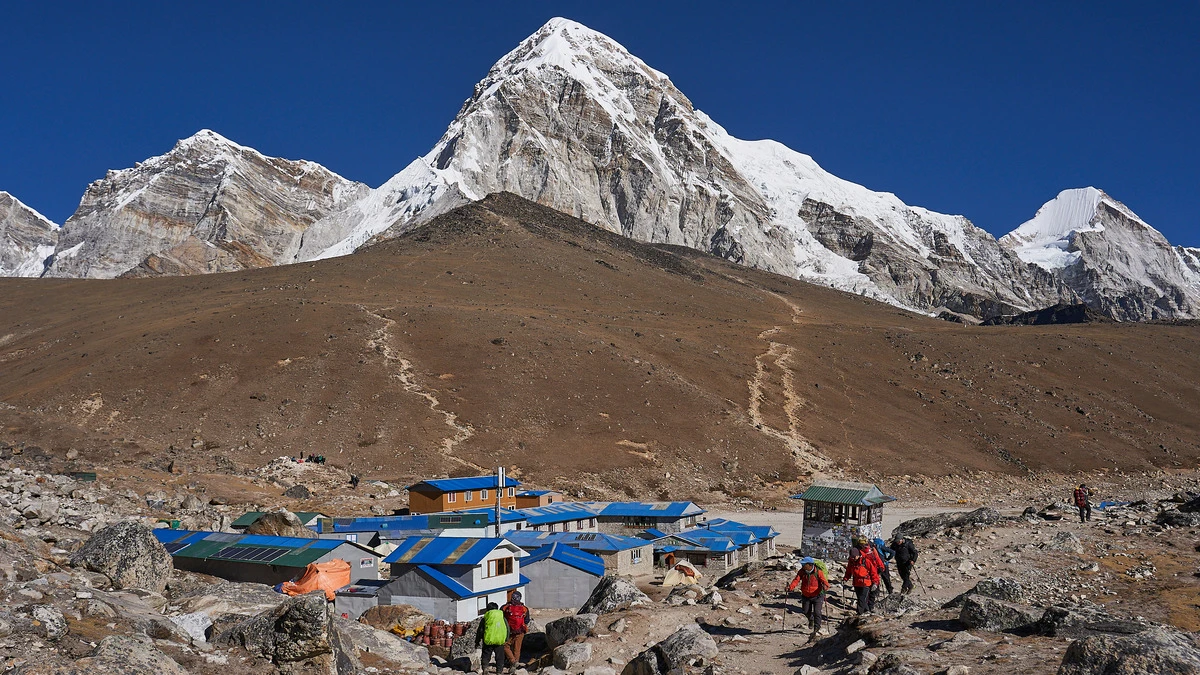
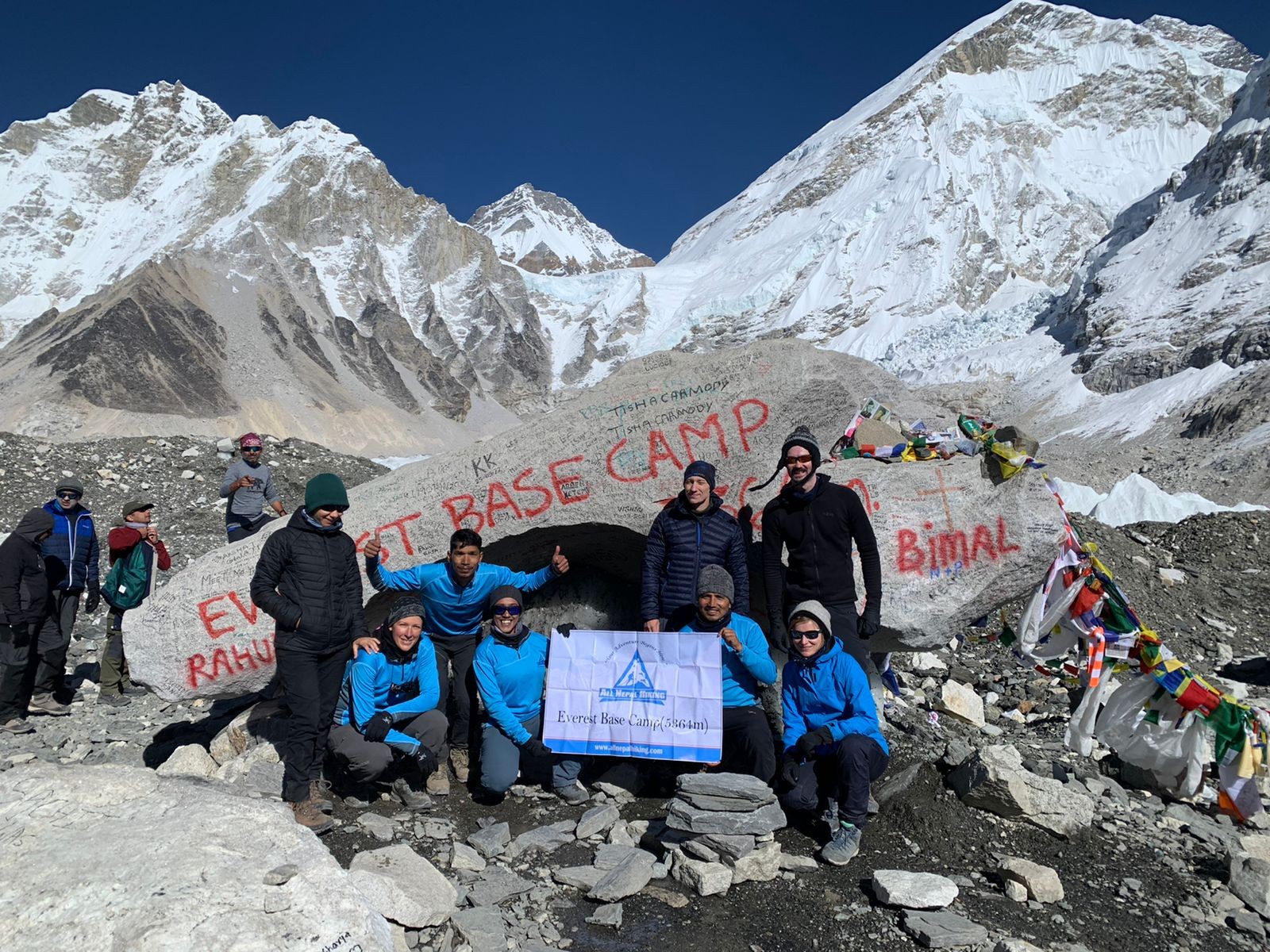
Everest Base Camp is situated in the Khumbu region of northeastern Nepal, at an altitude of 5,364 meters (17,598 feet) above sea level. It’s located within the Sagarmatha National Park, a UNESCO World Heritage Site, and rests on the Khumbu Glacier. The base camp serves as the staging area for climbers attempting to summit Mount Everest and is a popular destination for trekkers aiming to witness the stunning views of the world’s highest peak.
Where is Mount Everest located?
Mount Everest is located on the border between Nepal and Tibet (China). The southern approach to Everest is via Nepal, where the Everest Base Camp Trek begins. Standing at 8,848.86 meters (29,031.7 feet), Mount Everest is the tallest mountain in the world, making it a bucket-list destination for trekkers and mountaineers alike. It is the ultimate goal for adventure enthusiasts seeking to stand at the foot of the highest point on Earth.
Does Everest base camp have wifi ?
Yes, many of the luxury lodges along the Everest Base Camp trek do offer Wi-Fi. However, it’s important to note that the quality and speed of the internet can vary, especially at higher altitudes. Wi-Fi is generally available in popular stops like Namche Bazaar, Tengboche, and Lobuche, but the further you get toward Everest Base Camp, the more intermittent the connection may become due to remote locations and bandwidth limitations.
In the luxury trek experience, you'll likely have access to Wi-Fi in luxury lodges along the way, though it might come with a small fee. Expect faster connections in lower-altitude locations like Namche and slower speeds at places like Gorak Shep and Everest Base Camp due to the challenges of high-altitude connectivity.
If staying connected is important, it's a good idea to bring a local SIM card with data, or some trekkers rely on satellite phones for emergency communication.
Which Everest base camp is more popular ?
The South Everest Base Camp in Nepal is the most popular and frequently visited base camp. Starting with a Kathmandu to Lukla flight, it offers trekkers iconic views of Mount Everest, Lhotse, and Nuptse, along with a cultural experience in Sherpa villages. Key stops like Namche Bazaar and Tengboche Monastery enhance the journey, and acclimatization days ensure a safer trek.
In contrast, the North Everest Base Camp in Tibet offers a more remote, less crowded experience but requires special permits. It’s at a higher altitude of 5,150 meters, and trekkers enjoy views of the north face of Everest.
For most adventurers, the South Everest Base Camp is the go-to for stunning views, cultural immersion, and easier access, while the North Base Camp attracts those looking for a more isolated, challenging trek.
Drinking Water | Stay Hydrated
Staying hydrated is crucial during your Mt Everest base camp treks to maintain your energy levels and well-being at high altitudes. Purified drinking water is readily available at all guesthouses and lodges along the trail, so you can easily refill your water bottles during the trek.
All Nepal Hiking ensures your safety by providing purification tablets for your water. While you can also purchase bottled water along the trail, it’s important to purify water from natural sources such as streams or rivers before drinking, using the provided tablets to avoid any health issues.
Remember to drink plenty of water throughout the day, especially at higher elevations, as dehydration is one of the main contributors to altitude sickness.
Electricity and Battery Charging
During your luxury trek to EBC, you will have access to electricity at most guesthouses and lodges along the route. This means you can conveniently charge your devices such as cameras, phones, and other electronics to capture memories or stay connected with loved ones.
Power outlets are available in common areas of the accommodations, and in some places, you might need to pay a small fee for charging. It’s advisable to bring portable power banks for extra convenience, as charging stations might be limited in remote areas like Gorakshep or Lobuche.
With this added comfort, you can stay powered up without worrying about running out of battery during your adventure.
Typical Day on the EBC Luxury Trek
A typical day on the Everest Base Camp Luxury Trek follows a well-paced schedule designed for both adventure and relaxation. Each morning begins with a wake-up call between 6:00 am to 7:00 am, with the exact time set the evening before during the daily briefing. Your daily itinerary depends on the walking duration for that day’s trek.
Once awake, you'll enjoy a hearty breakfast, prepared fresh each morning, before getting ready to begin the trek. Pack your duffel bag beforehand, as it will be carried by the porter while you enjoy your breakfast. After your meal, you'll set off for your day's walk, which typically lasts 3-4 hours in the morning.
Around midday, a lunch stop will be made at a scenic spot along the trail. Here, you can enjoy freshly made meals, recharge, and relax before continuing. The afternoon walk is usually shorter, and you'll arrive at your destination in time for afternoon tea.
Once you reach your lodge, you'll have some free time to explore the local village, wash your clothes, or simply unwind with a good book. On some days, you may arrive at the lodge early enough to have the afternoon completely free to relax and enjoy the stunning surroundings.
After a satisfying dinner, the evening often ends with leisure activities like playing cards, sharing stories about the day’s trek, or simply enjoying the company of fellow trekkers. The day wraps up with a restful sleep, preparing you for the next day’s adventure. This routine offers a great balance of physical activity, rest, and exploration, ensuring that your luxury trek to Everest Base Camp is both memorable and comfortable.
What if Lukla Flight is Delayed or Cancelled from Kathmandu?
In case the Lukla flight from Kathmandu is delayed or cancelled due to weather conditions or operational issues, we have two options to ensure your trek proceeds smoothly:
Drive to Ramechhap: If flights are unavailable or fully booked at Kathmandu Airport, we will arrange a 5-hour drive from Kathmandu to Ramechhap (Manthali), located around 130 km away. From Ramechhap, you will catch a flight to Lukla. We’ll take care of all transportation and flight arrangements, so you don’t need to worry about logistics.
Helicopter Option: If you want to bypass the drive and get to Lukla quickly, we can arrange a helicopter ride directly from Kathmandu to Lukla. This option offers an exciting, scenic flight over the Himalayas and will get you to Lukla much faster, especially during peak seasons when regular flights may be delayed.
If the flight is delayed further or cancelled, we will postpone the trek by a day or more, depending on the situation, and help you adjust your schedule accordingly.
These options ensure that your luxury Everest base camp hike continues with minimal delays, and you have the flexibility and comfort to choose how you'd like to proceed.
Luxury Everest Base Camp Trek for Female Trekkers
For those seeking the thrill of the Everest Base Camp Trek with added comfort and luxury, the Luxury Everest Base Camp Trek offers an exceptional experience. This trek is designed for female trekkers who prefer a more refined, upscale adventure without sacrificing the awe-inspiring beauty and cultural richness of the Himalayas. Whether you're trekking solo or with a guide, this option combines personalized service, top-notch amenities, and comfort to elevate your journey to Everest's base camp.
On a Luxury Everest Base Camp Trek, female trekkers can expect luxurious teahouses and premium lodges with private rooms featuring comfortable bedding, hot showers, and often even heating. These accommodations are well-equipped to meet higher standards, allowing trekkers to enjoy privacy, comfort, and the added peace of mind that comes with a more intimate, exclusive trekking experience. Prices for private rooms are typically higher, ranging from $10 to $20 per night depending on location and services provided.
Additionally, female trekkers can opt for personal guides and porters for a more tailored, private trekking experience. The daily fees for a female guide or porter typically range between $30 to $50, ensuring a safe, supportive, and enriching trek. With a Luxury Everest Base Camp Trek, you can enjoy a more secure, seamless experience, especially with experienced guides who can handle any challenges and provide personalized attention.
Vegan and Gluten-Free Dining on the Everest Base Camp Luxury Trek
When it comes to food, the Luxury Everest Base Camp Trek offers higher-end dining options, including meals that cater to vegan and gluten-free diets. While traditional options like dal bhat, fried rice, and vegetable soups are still on the menu, these upscale teahouses ensure that all dietary preferences and restrictions are met with care and attention.
For vegan trekkers, many teahouses offer plant-based meals and nutritious snacks, such as nuts, dates, and energy bars. As veganism becomes more widely respected along the trekking route, teahouses in major villages like Namche Bazaar (3,440 m), Dingboche (4,410 m), and Gorak Shep (5,164 m) offer specially curated vegan-friendly options. Vegan snacks can also be sourced in Kathmandu before departure, allowing trekkers to avoid potential difficulties finding suitable meals at higher altitudes.
For those with gluten sensitivities, the luxury trek experience will include gluten-free options, such as boiled rice, omelets, grilled vegetables, and simple vegetable soups. Premium lodges and teahouses are more attuned to dietary restrictions and can accommodate gluten-free requests with greater care. It’s still advisable to bring your own gluten-free snacks (like energy bars, crackers, and instant oats) to ensure you have enough nutrition while trekking in remote areas.
Safety and Comfort on the Luxury Everest Base Camp Trek
The Luxury Everest Base Camp Trek is ideal for female trekkers who want to ensure a comfortable and safe trekking experience. Luxury treks include additional safety measures such as guides with extensive experience, well-maintained trails, and access to emergency communication tools in case of an unexpected situation. Comprehensive travel insurance, along with emergency contact numbers, are always recommended.
The trekking route will also offer additional services, such as helicopter rides from Lukla to Everest Base Camp or luxury helicopter return flights, saving you the time and physical strain of walking down the mountain. For those looking for an unforgettable luxury experience, helicopter tours to Kala Patthar (5,550 m) offer panoramic views of Everest and the surrounding Himalayas from the comfort of a helicopter, allowing you to take in the breathtaking beauty without the lengthy trek back down.
Enhancing Your Luxury Everest Base Camp Trek
With the right preparation and the luxury trekking experience, female trekkers can enjoy a seamless, comfortable, and enriching journey to Everest Base Camp. Whether you’re seeking personalized guides, premium accommodations, or vegan and gluten-free dining, the Luxury Everest Base Camp Trek is the perfect way to explore the world’s highest peak while enjoying comfort, privacy, and top-tier service.
With its breathtaking scenery, rich cultural interactions, and empowering atmosphere, the Luxury Everest Base Camp Trek offers an exceptional opportunity for female trekkers to enjoy the adventure of a lifetime with added luxury and ease. It’s the ideal option for those who want to immerse themselves in the beauty of the Himalayas, while ensuring their journey is as comfortable and stress-free as possible.
Where Does the Everest Base Camp Trek Start?
The Everest Base Camp Trek begins in Kathmandu, Nepal's bustling capital. From there, the journey to Lukla, the gateway to the Himalayas, depends on the season. During Spring (March to May) and Autumn (September to November), trekkers typically take a direct flight from Kathmandu to Lukla. This flight, lasting around 35 minutes, offers stunning aerial views of the Himalayas, giving you a taste of the adventure ahead. However, in Winter (December to February) and Rainy season (June to August), direct flights are less reliable due to weather conditions, so you'll need to drive 6 hours from Kathmandu to Ramechhap/Manthali and then take a 20-minute flight to Lukla. Since flights depart early in the morning, you’ll need to leave Kathmandu around midnight (12-1 am) to catch the flight from Ramechhap.
Once you arrive in Lukla, whether from Kathmandu or Ramechhap, you’ll meet your porters and guide, and your trekking journey begins. The first leg of the trek takes you on a 2-3 hour hike to Phakding, your first overnight stop. The route from Lukla to Phakding offers spectacular landscapes and a glimpse of the Sherpa villages along the way. This marks the start of your EBC Trekking adventure, with each step bringing you closer to the world-famous Everest Base Camp.
For those looking for more luxury on their trek, the Luxury Everest Base Camp Trek offers a similar start but with added comfort. You’ll enjoy a scenic flight to Lukla and stay in luxurious lodges with private rooms and premium amenities. Your trekking experience will be complemented with personalized services and comfort-focused accommodations, allowing you to immerse yourself in the beauty of the Himalayas while enjoying a more relaxed journey. If you opt for the EBC Luxury Tour, the experience is even more indulgent, with exclusive accommodations, higher-end services, and a focus on making your adventure as comfortable and luxurious as possible while still enjoying the full thrill of the trek.
Whether you're going for a standard EBC Trekking experience or booking the Luxury Everest Base Camp Trek or EBC Luxury Tour, the trek starts in Kathmandu and takes you on an unforgettable journey through the heart of the Himalayas to Everest Base Camp.
Distance of the Mount Everest Base Camp Nepal Luxury Trek
The Mount Everest Base Camp Nepal Luxury Trek covers a total distance of approximately 130 kilometers (80 miles) round trip, spread across several days of trekking.
Distance from Lukla to Phakding: 8.5 km (5.3 miles)
Distance from Phakding to Namche Bazaar: 10.5 km (6.5 miles)
Distance from Namche Bazaar to Tengboche: 10.5 km (6.5 miles)
Distance from Tengboche to Pheriche: 10.5 km (6.5 miles)
Distance from Pheriche to Lobuche: 12 km (7.5 miles)
Distance from Lobuche to Gorak Shep: 4.5 km (2.8 miles)
Distance from Gorak Shep to Everest Base Camp: 5 km (3.1 miles)
Distance from Everest Base Camp to Kala Patthar: 3 km (1.9 miles)
Distance from Kala Patthar to Pheriche: 12 km (7.5 miles)
Distance from Pheriche to Namche Bazaar: 14 km (8.7 miles)
Distance from Namche Bazaar to Lukla: 15 km (9.3 miles)
While the distances may seem long, the luxury trek ensures that trekkers enjoy comfortable accommodations and acclimatization days, making the trek easier and more enjoyable.
Elevation Gain on Everest Base Camp Luxury Trek
The Everest Base Camp Luxury Trek begins with a scenic flight from Kathmandu (1,400 m) to Lukla (2,800 m), gaining 1,400 m (4,593 ft) in elevation. From Lukla, you'll trek to Phakding (2,610 m), gaining 100 m (328 ft) over 3-4 hours. From Phakding, you’ll ascend towards Namche Bazaar (3,440 m), gaining 830 m (2,723 ft) over 6-7 hours, marking the first significant altitude gain.
The journey continues from Namche to Tengboche (3,870 m), with an elevation gain of 430 m (1,411 ft) over 5-6 hours. Trekking from Tengboche to Deboche (3,820 m), you’ll gain 150 m (492 ft). The trek continues from Deboche to Dingboche (4,410 m), gaining 590 m (1,936 ft) over 6-7 hours.
You’ll have an acclimatization day at Dingboche before trekking to Lobuche (4,940 m), gaining 530 m (1,740 ft) over 5-6 hours. From Lobuche, you’ll trek to Gorak Shep (5,140 m), gaining 200 m (656 ft) over 3-4 hours. After reaching Gorak Shep, you'll proceed to Everest Base Camp (5,364 m), gaining 224 m (735 ft) in around 2-3 hours.
The final trek from Everest Base Camp to Kala Patthar (5,545 m) will involve a gain of 181 m (594 ft) over 2-3 hours.
In total, the Everest Base Camp Luxury Trek involves a significant elevation gain of approximately 4,145 m (13,597 ft) from Kathmandu to Kala Patthar, with carefully planned acclimatization days to ensure a safe and enjoyable experience. This trek offers the opportunity to experience breathtaking Himalayan landscapes while enjoying a luxury trekking experience, with stunning views of Mount Everest, Lhotse, Nuptse, and surrounding peaks.
Alternative Routes for the Everest Luxury trek tour
- Gokyo Lakes & Everest Base Camp Trek: Combines the classic EBC trek with a detour to Gokyo Lakes and Gokyo Ri. It takes 16 days and reaches 5,357 m at Gokyo Ri. Provides stunning views and a quieter experience.
- Everest Three Passes Trek: Includes the high-altitude passes of Kongma La, Cho La, and Renjo La for a more challenging route. Lasts 19 days and reaches 5,545 m at Kala Patthar. Ideal for experienced trekkers.
- Phaplu to Everest Base Camp Trek: Starts from Phaplu, offering a less-crowded and scenic route with additional acclimatization time. It takes 16 days and reaches 5,364 m at Everest Base Camp.
- Jiri to Everest Base Camp Trek: A classic route through rural Nepal, providing a more serene and peaceful trekking experience. This route takes 22 days and reaches 5,364 m at Everest Base Camp.
- Lobuche Peak Climbing with EBC: Includes Lobuche Peak climbing, adding an adventure aspect to the EBC trek. It takes 18 days and reaches 6,119 m at Lobuche Peak.
- Everest Base Camp via Tengboche: Includes a visit to the famous Tengboche Monastery with incredible views of Everest. Lasts 13 days and reaches 5,364 m at Everest Base Camp.
- luxury Everest base camp trek with helicopter return: Allows trekkers to skip the return trek with a helicopter flight from Gorak Shep to Lukla. This trek is completed in 11 days and reaches 5,364 m at Everest Base Camp.
Each of these alternative routes offers unique perspectives of the Himalayas and Mount Everest while providing options for different levels of adventure.
Airport Pickup and Drop:
We offer airport pickup and drop-off services tailored to your flight schedule for a seamless arrival and departure experience. Once your flight details are confirmed, we will coordinate your transfers accordingly. If there are any changes in your flight schedule, please inform us, and we’ll adjust the transportation plan promptly.
Upon arrival, look for our team member holding an All Nepal Hiking placard at the arrival area. You will be warmly greeted and transferred to your luxury hotel for check-in. For your departure, we will ensure timely airport transfer to catch your flight, following your departure schedule.
Passport, Visa, and Entry Requirements for Everest Base Camp Luxury Trek
Passport: For your Everest Base Camp Luxury Trek, ensure your passport is valid for at least 6 months beyond your planned departure from Nepal.
Visa: Nepal visa for the EBC luxury trek can be obtained on arrival at Kathmandu airport (Tribhuvan International Airport) or through Nepalese embassies in your home country. You may also get a visa on arrival if entering Nepal via land.
Visa Fees for EBC Trek: Visa fees for Nepal are as follows for a multiple-entry visa:
15 days – US$ 30 or equivalent currency
30 days – US$ 50 or equivalent currency
90 days – US$ 125 or equivalent currency
Important Note: Visa requirements may differ based on your nationality and transit country. Always double-check current visa regulations before confirming your Luxury Everest Base Camp Trek.
Be sure to verify visa requirements for your EBC trek and take full responsibility for your documentation. We recommend you confirm any specifics for your luxury trek booking and travel plans before departure.
What Makes the Luxury Everest Base Camp Trek Ideal for Families?
Yes, the Luxury Everest Base Camp Trek is perfect for families seeking an unforgettable adventure. With helicopter flights both ways, this all-inclusive trek provides luxury accommodations, meals, and 5-star hotels in Kathmandu. You'll experience the comforts of luxury lodges along the trail, each equipped with modern amenities to make your stay as comfortable as possible.
Experienced trekking guides with a high staff-to-guest ratio ensure that every family member receives personalized attention, making the trek safe, enjoyable, and stress-free for both children and adults.
Families will love the luxury experience, with easy access to breathtaking mountain views and a hassle-free trekking experience. The trek is designed to offer an unforgettable Everest adventure without compromising on comfort, allowing you to explore the spectacular Khumbu region in style. This perfect blend of adventure, culture, and luxury ensures that your family will enjoy a once-in-a-lifetime experience amidst the world's highest peaks.
Baggage and Weight Limits for Luxury Everest Base Camp Trek
Each client will be provided with an individual duffel bag for packing their trekking gear. The duffel bags have an approximate capacity of 75 liters, and we kindly request that clients keep their weight under 15 kgs. This limit ensures that your gear stays manageable and adheres to porter weight restrictions, which allow a maximum of 30 kgs per porter.
The baggage allowance for Nepal’s domestic airlines includes a total of 15 kg (10 kgs for the duffel bag and 5 kgs for a backpack). If you need additional baggage allowance, please inform us, and we will assist you with arrangements.
During the trek, clients will only need to carry a day pack, which should contain essentials such as a water bottle, camera, sunscreen, and a spare jacket. This light load helps ensure a more comfortable and enjoyable trekking experience.
Upon arrival in Kathmandu, you will receive your duffel bag, and any items not required for the trek can be safely stored at your hotel in Kathmandu. This allows you to travel light and focus on your adventure without the burden of unnecessary baggage.
Everest Base Camp Luxury Trekking Equipment List
Packing for the Everest Base Camp Luxury Trekking requires careful consideration to ensure you're prepared for the high-altitude conditions and long trekking days. Here’s a comprehensive equipment list categorized by type to help you pack efficiently.
Note: Everything listed is necessary for the trek. You can purchase high-quality trekking gear at reasonable prices in Kathmandu.
Trekking Gear:
Waterproof Duffel Bag (provided by us on request)
Daypack 30-35 liters with Rain Cover (with waist strap)
Sleeping Bag and Liner (-15 °C rated) (provided by us on request)
Trekking Poles
Water Bladder (highly recommended)
Nalgene Water Bottle
Headgear:
Buffs x 2 (double-layer buff recommended)
Sunhat
Beanie x 2 (should cover head & ears comfortably)
Sunglasses (UV-blocking with all-around protection)
Snow goggles (optional)
Headlamp with spare batteries (200-300 lumens output)
Upper Body:
Short-Sleeved Trekking Shirts x 2
Full Sleeve Trekking Shirts x 2
Thermal/Fleece Base Layer Top x 2
Softshell Jacket/Fleece Jacket x 2
Gillet x 1 (for temperature regulation)
Down Jacket (provided by us on request)
Light Down Jacket x 1
Hardshell Jacket with a Hood x 1
Lower Body:
Trekking Trousers/Pants x 3
Thermal/Fleece Base Layer Bottom x 2
Down Pants (optional)
Warm Trekking Trousers x 1
Hardshell Pants (Non-insulated and waterproof)
Underwear:
Footwear:
Handwear:
Toiletries:
Personal First-Aid Kit:
Any regular medications
Band-aids and Crack Bandage
Ointment
Altitude Sickness Medication
Cold, Fever, and Cough Medications
Eye Drops
Documents:
Passport (valid for at least 6 months)
Passport-size Photos
Nepal Travel Visa
International Flight Tickets to/from Kathmandu
Credit/Debit Cards
Cash (Nepali Rupees)
Emergency Contact Details
Trek Permits (provided by us)
Miscellaneous:
Snacks (trail mix, protein bars, etc.)
Trek Map
Traveler's Knife
Pocket Torch
Journal/Pen (optional)
Camera, Extra Batteries, and Power Bank
Travel Games (optional)
Book (optional)
Electrolytes (optional)
With the right equipment, you'll be well-prepared to enjoy the comfort and adventure of the Luxury Everest Base Camp Trek, and with the option of purchasing gear in Kathmandu, you can ensure you're well-equipped without overpacking.
 based on 270 reviews