Heli Return from Base Camp Trek Altitude Overview
The Annapurna Comfort Base Camp Trek takes you to high Himalayan elevations, but it is specifically designed to ensure a gradual altitude gain for a more comfortable and safe experience, making it suitable for first-time trekkers with reasonable fitness.
How Altitude is Managed on the luxury Annapurna Base Camp Trek
To ensure safe altitude acclimatization, this trek follows a gradual ascent spread over multiple days. The walking hours are kept to a comfortable 5–6 hours per day, allowing you to adapt to the altitude while still enjoying the stunning scenery of the Annapurna region.
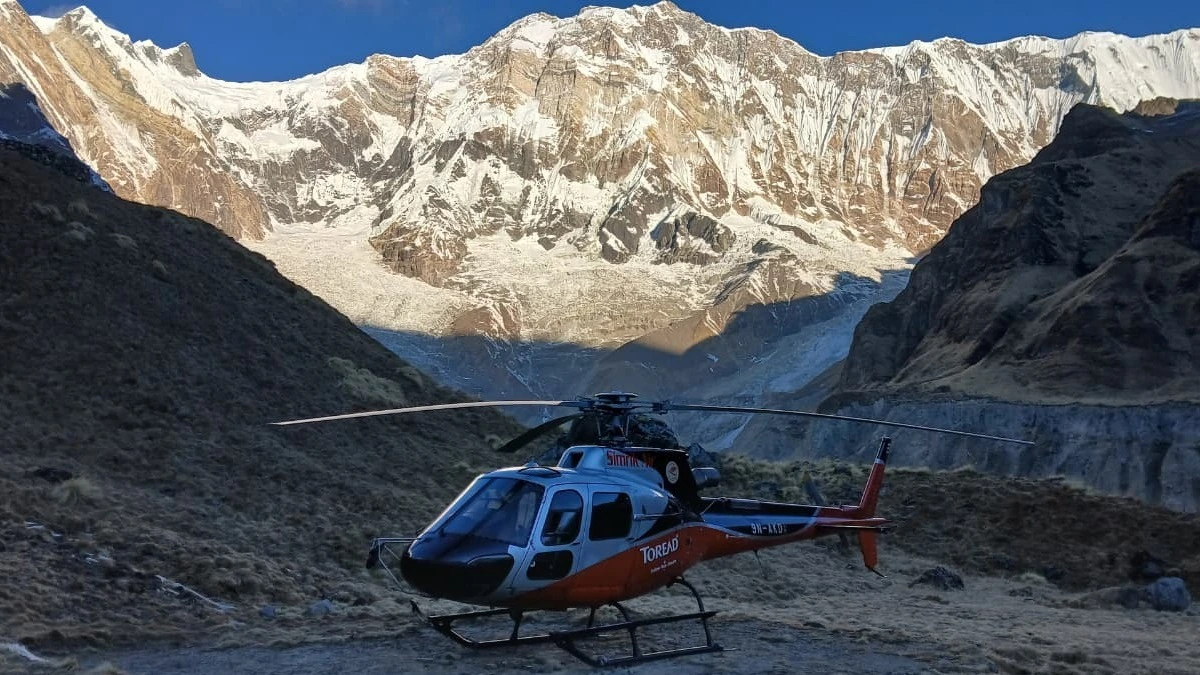
Experienced guides closely monitor trekkers' health and pace, ensuring that any early symptoms of altitude sickness are addressed promptly. The heli return from Annapurna Base Camp significantly reduces your exposure to high altitudes and the physical strain of descending, ensuring a safer and more comfortable experience.
This approach enables trekkers to enjoy the breathtaking high-altitude landscapes without the discomfort or risks that can sometimes accompany rapid ascents or prolonged exposure.
Destination Highlights of Luxury Annapurna Base Camp Trek with Helicopter Return – 7 Days
The Luxury Annapurna Base Camp Trek with Helicopter Return is designed for those seeking the perfect balance of adventure, comfort, and scenic beauty. This trek lets you experience the heart of the Annapurna region with breathtaking mountain views, deep cultural encounters, and high-end accommodations, all without the strain of traditional trekking. Here’s what makes this trek truly unforgettable:
Iconic Annapurna Sanctuary – A Himalayan Treasure
At the heart of your trek lies the Annapurna Sanctuary, a stunning glacial basin surrounded by the majestic Annapurna range. This natural amphitheater is one of the most spectacular destinations in the world, where the mountains rise dramatically around you, creating a sense of awe and tranquility.
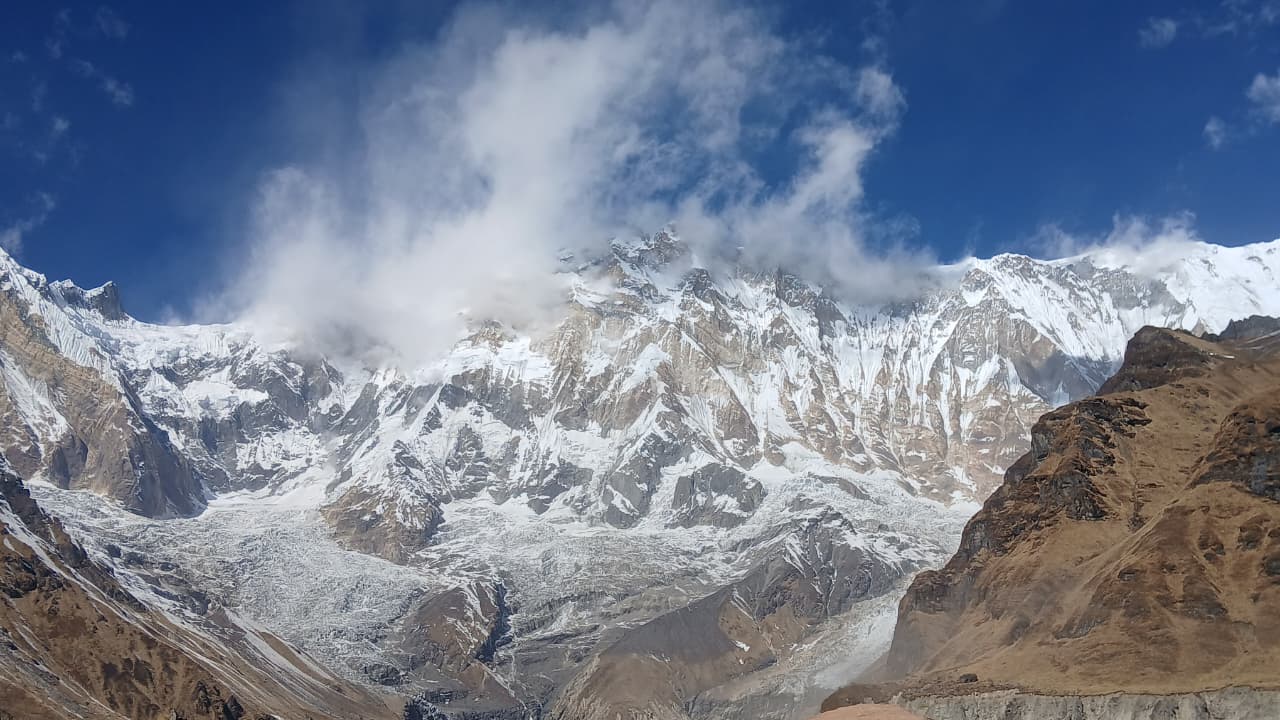
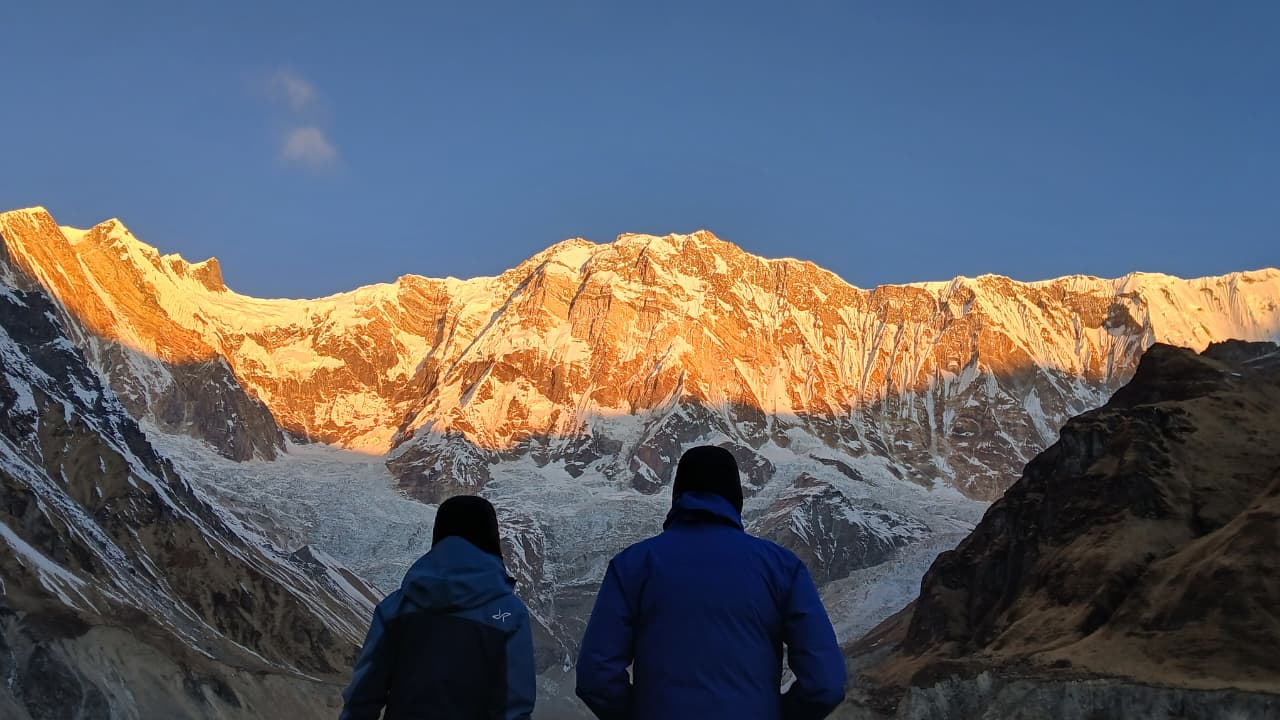
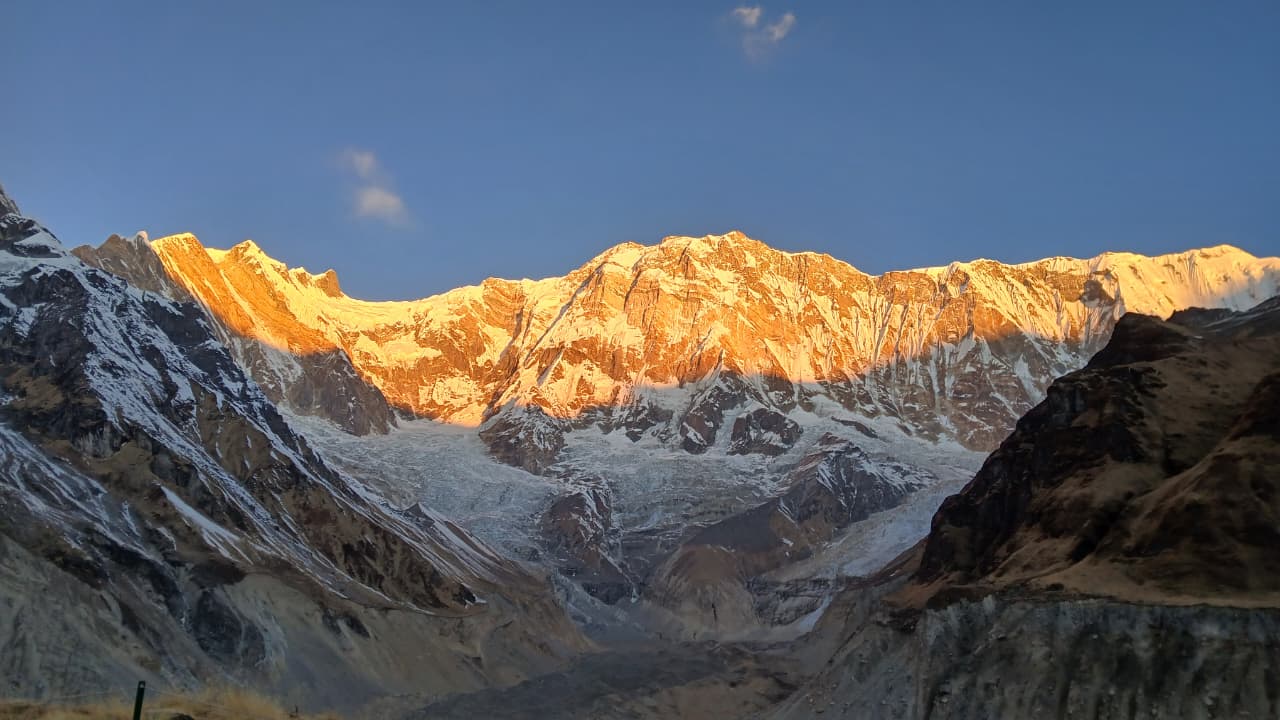
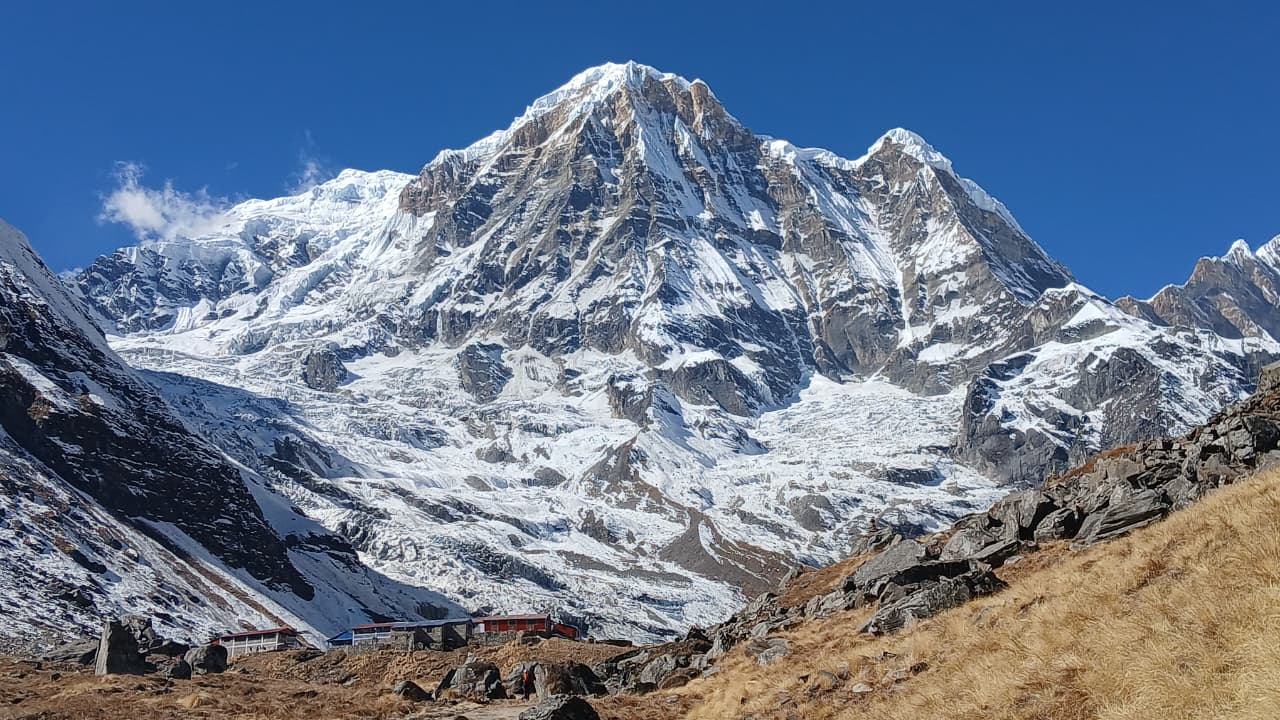
Standing at Annapurna Base Camp (4,130m), you'll be face-to-face with Annapurna I (8,091m), one of the world’s highest peaks, as well as Annapurna South, Hiunchuli, and the iconic Machhapuchhre (Fishtail). The close proximity to these towering mountains makes this trek a photographer’s dream and offers one of the most visually rewarding experiences in the Himalayas.
Diverse Landscapes – A Journey Through Nature’s Beauty
The Luxury Annapurna Base Camp Trek offers ever-changing landscapes, each day showcasing something new and beautiful. You will trek through:
Terraced farmlands and lush river valleys in the lower regions
Vibrant rhododendron forests and bamboo groves during spring, when the flora is in full bloom
Alpine terrain and glacial landscapes as you approach the Annapurna Sanctuary
Each section of the trail is uniquely captivating, providing both natural beauty and cultural richness.
Authentic Cultural Encounters – Gurung Villages and Traditions
Along the trek, you will pass through traditional Gurung villages like Chhomrong and Ghorepani, where you’ll experience the true Nepali mountain culture. The stone houses, prayer flags, and warm hospitality of the locals offer a window into the timeless traditions of these mountain communities.
These villages provide a genuine cultural experience, where you’ll interact with the locals, learn about their farming practices, and immerse yourself in their rich folklore and lifestyle.
Scenic Helicopter Return – Comfort and Ease
One of the standout features of this trek is the helicopter return from Annapurna Base Camp to Pokhara. This luxury helicopter flight offers:
Aerial views of glaciers, valleys, and ridgelines, giving you a unique perspective of the Annapurna Himalayas
A comfortable, quick exit from the high-altitude trek, reducing the physical strain of steep downhill trekking
A time-saving alternative to a 3-4 day descent, making this trek ideal for travelers with limited time
The helicopter flight is a thrilling experience that combines luxury with adventure, providing an unforgettable end to your trek.
Pokhara – Lakeside Relaxation and Exploration
After the high-altitude trek, Pokhara offers a peaceful and scenic retreat. The lakeside town is known for its serene atmosphere, perfect for unwinding. During your stay in Pokhara, you can enjoy:
Boating on Phewa Lake with views of the surrounding mountains
A visit to the World Peace Pagoda and saragkot for panoramic vistas
Exploration of Davis Falls and Gupteshwor Cave
Pokhara serves as a great place to relax and reflect on your trek while soaking in the tranquil beauty of the area.
Kathmandu Cultural Experience – A Rich Heritage
Your journey also includes a guided sightseeing tour of Kathmandu, Nepal’s vibrant capital. The cultural highlights of Kathmandu include visits to:
Ancient temples and royal squares
UNESCO World Heritage Sites that showcase Nepal’s spiritual and historical heritage
Local markets where you can shop for authentic Nepali handicrafts
Kathmandu provides a deeper connection to Nepal’s rich cultural history and offers a fulfilling contrast to the rugged mountains.
A Photographer’s Dream – Capture the Himalayas
The Luxury ABC Trek offers countless opportunities for photographers. From the sunrise at Poon Hill to the aerial shots of the Annapurna Base Camp and the majestic Himalayan peaks, this trek is a visual feast. Every moment presents a chance to capture the raw beauty of the mountains, the culture, and the landscapes.
Seasonal Beauty – A Year-Round Adventure
The 7 days Luxury Annapurna Base Camp Trek offers a unique experience depending on the season. In spring, the trail is adorned with blooming rhododendron forests, while autumn offers crisp mountain air and clear skies for stunning views. Each season presents a different atmosphere, making this trek visually captivating year-round.
Safety, Comfort, and Peace of Mind
The trek is meticulously designed to prioritize comfort and safety. With a gradual ascent, experienced guides, and comfortable accommodation along the way, this trek is ideal for trekkers of varying fitness levels. The helicopter return further reduces the strain of high-altitude trekking, offering peace of mind throughout your journey.
You’ll experience the full Annapurna Base Camp trek without the rush, overcrowding, or excessive physical fatigue, ensuring that you get the most out of your adventure while staying comfortable throughout.
Alternative Annapurna Base Camp package
There are several trekking options for reaching Annapurna Base Camp, each tailored to different needs, preferences, and time constraints. Whether you’re looking for a classic trek, a luxurious experience, or a more comfortable journey, there’s an option to suit you. Here are the main alternatives
Regular Annapurna Base Camp Trek
This is the traditional trekking route to Annapurna Base Camp and is ideal for those looking to experience the full Annapurna Base Camp trek. It is perfect for adventurers who want to explore the Annapurna Sanctuary thoroughly, enjoy stunning mountain views, and encounter local culture along the way. This trek typically involves small-group trekking, offering an authentic and immersive experience. Moderate fitness is required, and it is suitable for those with a reasonable amount of time for trekking.
Short ABC Trek
If you're short on time but still want to reach Annapurna Base Camp, the Short ABC Trek is a perfect option. This version condenses the classic trek, allowing you to experience the beauty and magic of the Annapurna region within a shorter time frame. It’s a budget-friendly option for those who want to explore the ABC area without committing to the longer trek duration. A slightly more challenging trek due to the shorter timeframe, it’s ideal for those with good fitness levels and a desire to make the most of their time in the mountains.
Annapurna Base Camp Helicopter Tour
For those seeking a luxurious experience, the Annapurna Base Camp Helicopter Tour is the ultimate choice. Instead of trekking to ABC, you’ll fly directly from Pokhara to the base camp by helicopter, soaking in aerial views of the majestic Annapurna range, including Machhapuchhre, Annapurna I, and Hiunchuli. The helicopter tour provides a unique, luxurious perspective of the Himalayan landscape, making it perfect for those who want to experience Annapurna Base Camp without the physical strain of trekking.
ABC with Mardi Himal
The ABC with Mardi Himal trek is perfect for trekkers who wish to spend more time in lower-altitude mountains while also exploring the beauty of Annapurna Base Camp. This trek takes you to Mardi Himal, a lesser-known but equally stunning location, before heading towards Annapurna Base Camp. It’s ideal for those looking to experience a quieter, less-crowded trek with the added bonus of stunning views of Annapurna and Mardi Himal. It’s a great option for trekkers who enjoy a slower pace and want to spend several days in lower-altitude mountains before reaching ABC.
ABC Comfort Trek with Helicopter Return
For those seeking a comfortable trekking experience with the added luxury of a helicopter return, the ABC Comfort Trek with Helicopter Return is the perfect choice. This trek offers a gradual ascent with comfortable lodging options along the way, making it more relaxing and accessible for trekkers. The helicopter return from Annapurna Base Camp to Pokhara ensures you can avoid the long and strenuous descent, adding a touch of luxury to the adventure. Perfect for those who want to combine comfort and scenic beauty in one epic journey.
Each of these Annapurna Base Camp trekking options is designed to cater to specific preferences, whether you’re looking for authenticity, luxury, shorter treks, or comfort. Choose the one that best fits your travel style and enjoy a memorable journey in the heart of the Annapurna region.
Best Time of the Year for Annapurna Base Camp Trek with Helicopter Return
The Annapurna Base Camp Trek with Helicopter Return offers an unforgettable experience, combining scenic mountain views, lush greenery, and an opportunity to immerse yourself in the local culture of the Annapurna region. This adventure lets you explore the natural beauty of the Himalayas, while also learning about the diverse ethnic groups and their traditional lifestyles. When choosing the best time to embark on this journey, two seasons stand out: spring and autumn.
Spring: March to Mid-May
Spring, which spans from March to mid-May, is one of the best times to go trekking in Nepal, including the Annapurna Base Camp trek with helicopter return. During this time, the mountain views are crystal clear, and the weather is moderate, neither too hot nor too cold. The spring season also brings vibrant wildflowers, including rhododendrons, which bloom along the trail, enhancing the natural beauty of the area.
With stable weather conditions, you can expect minimal rainfall and clear skies, offering unobstructed views of Annapurna I, Machhapuchhre, and other towering peaks. The temperature at lower altitudes is comfortable for trekking, while higher altitudes remain chilly but manageable. This season is perfect for capturing breathtaking landscape photography and soaking in panoramic vistas.
Autumn: September to November
Autumn, from September to November, is arguably the most stable season for trekking in Nepal, making it another ideal period for the Annapurna Base Camp Trek with Helicopter Return. Autumn trekking offers mild temperatures, clear skies, and a very stable climate, making it one of the most comfortable times to explore the Annapurna region.
The weather remains stable, and temperatures are cool, especially in the mornings and evenings, but are not as extreme as during the winter months. During autumn, the sunlight over the mountain ranges is incredibly bright and crisp, allowing trekkers to enjoy panoramic views of the Himalayas in all their glory. The clear sky and stable weather conditions provide the perfect setting for a scenic helicopter ride back to Pokhara from Annapurna Base Camp, ensuring a smooth and breathtaking return.
Autumn also offers a cultural bonus, as it coincides with various festivals such as Dashain and Tihar, which are celebrated throughout Nepal, adding a rich cultural flavor to your trekking experience.
Why Spring and Autumn are Best for ABC Trek with Helicopter Return
Clear Views: Both spring and autumn provide the best views of the surrounding mountain peaks, including Annapurna I, Machhapuchhre, Dhaulagiri, and more. These seasons offer clear skies, making your trek and helicopter flight experience unforgettable.
Moderate Temperatures: Both seasons have mild and stable temperatures, allowing trekkers to enjoy the scenery without the discomfort of extreme cold or excessive heat. The comfortable temperatures are particularly beneficial for those looking to avoid harsh conditions while trekking at high altitudes.
Avoiding Rainy and Extreme Cold Weather: The monsoon season (June to August) is best avoided due to heavy rains that can make trekking trails slippery and difficult. The winter season (December to February) brings heavy snowfall, freezing temperatures, and increased difficulty in reaching high-altitude destinations like Annapurna Base Camp. Spring and autumn offer a perfect window to avoid both extremes.
Festivals and Cultural Immersion: Autumn brings a cultural feast with local festivals like Dashain and Tihar, which provide a unique insight into Nepali traditions. These festivals add an extra layer of experience to your trekking journey.
For the Annapurna Base Camp Trek with Helicopter Return, spring (March to mid-May) and autumn (September to November) are by far the best times to trek. These seasons offer a perfect combination of clear mountain views, mild temperatures, and stable weather, ensuring that you have a safe, comfortable, and memorable trekking experience. Whether you're looking to capture stunning landscapes or simply enjoy the beauty of the Himalayas, these two seasons offer the best conditions for the trek and your helicopter return.
Annapurna Base Camp Trek with Helicopter Return: Difficulty & Safety
The Annapurna Base Camp (ABC) trek is widely recognized as a moderate, beginner-friendly journey. Reaching a maximum elevation of 4,130 meters (13,550 ft), it is considerably more accessible than the Everest Base Camp trek.
By adding a helicopter return, you eliminate the most grueling part of the journey: the long, knee-jarring descent. This makes the venture ideal for travelers who want the challenge of the climb without the physical strain of the return hike.
The Terrain: What to Expect
Rugged Beauty: The trail features a mix of well-maintained stone stairs and natural mountain paths.
Steep Sections: You will encounter several ascents and descents (locally known as "Nepali Flat").
Manageable Pace: With a balanced itinerary and a moderate fitness level, this trek is highly achievable for most hikers. Our professional guides ensure the pace is set to your comfort level.
Understanding & Managing Altitude Sickness (AMS)
Acute Mountain Sickness (AMS) is a primary consideration for any Himalayan trek. It is caused by the body’s transition to lower oxygen levels at higher elevations. While the ABC trek is lower than many other base camp routes, safety remains our priority.
Common Symptoms to Monitor:
Mild to persistent headache
Loss of appetite or nausea
Shortness of breath (even while resting)
Dizziness or lightheadedness
Fatigue or difficulty sleeping
Our Safety Protocol & Preventive Measures
Our itineraries are scientifically designed for gradual acclimatization. To ensure a safe and enjoyable journey, we recommend the following:
Hydration is Key: Drink at least 3–4 liters of water daily to help your blood carry oxygen more efficiently.
The "Slow and Steady" Rule: We maintain a deliberate pace; trekking is a marathon, not a sprint.
Listen to Your Body: If you feel any symptoms, inform your guide immediately. Our team is trained in high-altitude first aid and pulse oximetry.
Avoid Stimulants: We strongly advise against alcohol and tobacco use during the ascent, as they increase the risk of dehydration and AMS.
Climb High, Sleep Low: Our route follows proven acclimatization principles to help your body adapt naturally.
Why the Helicopter Return is a Game Changer
The descent from ABC usually takes 3 to 4 days of heavy trekking. By flying out, you avoid:
Lower Altitude Fatigue: Keeping your body's energy levels high for the duration of the trip.
Impact on Joints: Reducing the strain on your knees and ankles caused by thousands of stone steps.
Time Efficiency: Turning a 10-day trek into a more manageable and luxurious experience.
Accommodation and Meals on the Annapurna Base Camp Trek with Helicopter Return
During your Annapurna Base Camp trek with helicopter return, accommodation will be provided by tea houses and mountain lodges along the trail. These family-run establishments are an integral part of the trekking experience, offering a warm and communal atmosphere.As you ascend the trail, the facilities become more basic. At lower altitudes, you’ll find more comfortable twin-shared rooms with private bathrooms in some villages like Ghanduk and Chhomrong. However, as you gain elevation, the rooms become twin-shared and washrooms tend to be shared by all trekkers. Single rooms are rare, and availability can be limited.
Meals
The tea houses along the trek offer a surprising variety of food that caters to trekkers from around the world, including Nepali, Tibetan, and Continental options. The meals are designed to provide you with the energy needed to fuel your trek while maintaining good health at higher altitudes.
Dal Bhat, a traditional Nepali dish consisting of lentil soup, rice, and vegetable curry, is a staple on the menu. It’s not only a nutritious superfood but also served with unlimited refills—ideal for replenishing the energy lost during the day's trek.
For those who prefer variety, you’ll also find noodles, pasta, Tibetan bread, porridge, and even mountain-style pizza. These options will satisfy your cravings and give you a little taste of home during your adventure.
Hygiene is a priority at the lodges, and you’ll find the food to be fresh and hygienic. However, we recommend opting for vegetarian dishes as much as possible while trekking at higher altitudes. Meat can be harder to source and transport to the remote areas, and vegetarian meals are often safer and easier to digest at such heights.
Hydration
Staying hydrated is crucial during the trek, and you will have access to boiled or filtered water throughout the journey. For a refreshing start to your day and to help with acclimatization, we recommend ginger or lemon tea, which are both common and beneficial for digestion at higher altitudes.
Overall, the food and accommodations along the Annapurna Base Camp trek are designed to meet the basic needs of trekkers, while also offering some comfort, variety, and a chance to immerse yourself in the local culture and cuisine.
Insurance, Rescue, and Evacuation on the Annapurna Base Camp Trek with Helicopter Return
Trekking in the Himalayas, particularly to Annapurna Base Camp, involves certain risks. With high altitudes, unpredictable weather, and challenging terrain, accidents like sprains, Altitude Sickness (AMS), or more serious injuries can occur. Avalanches and landslides are also possible due to the dynamic weather.
This is why travel insurance is mandatory for all trekkers on this route. Your insurance should cover:
Personal Injury: Protection for any injuries sustained during the trek.
Medical Expenses: Coverage for treatment of altitude-related illnesses and other medical emergencies.
Helicopter Rescue: Ensure the policy includes coverage for high-altitude helicopter evacuation, a common necessity for medical emergencies.
Luggage Loss: Coverage for lost or delayed luggage during your trek.
Ensure High-Altitude Coverage
Before booking your trip, confirm that your insurance policy covers trekking at altitudes up to 5,000 meters (the elevation of Annapurna Base Camp). Not all standard policies offer this, so it’s important to double-check with your provider.
Emergency Rescue and Support
In case of emergencies, All Nepal Hiking coordinates helicopter evacuations and works with local partners to ensure swift response. However, securing comprehensive travel insurance for medical and evacuation costs is essential for peace of mind throughout your journey.
Child Policy for Annapurna Base Camp Trek with Helicopter Return
If you're planning to take your child on the Annapurna Base Camp trek with helicopter return, we can help tailor the trip to suit your needs. Just let us know in advance, and we'll arrange the trek accordingly.
Many children under 10 years of age have successfully completed the trek with us, and we understand how to make the journey child-friendly. From adjusting the trekking pace to providing additional support along the way, we ensure a safe and enjoyable experience for young adventurers.
For more information or to customize the trek for your child, feel free to get in touch with us. We’ll guide you through the details to ensure your family’s comfort and safety throughout the adventure.
Annapurna Base Camp Jeep Ride with Helicopter Return Transportation
When embarking on the Annapurna Base Camp trek, your transportation options depend on your starting point. If you’re starting from Kathmandu, you have two choices for getting to Pokhara: by air or by land. The flight from Kathmandu to Pokhara takes around 25 minutes, offering a scenic and quick way to get to your destination. The road trip, on the other hand, is a 7-8 hour drive, which can be subject to delays due to heavy traffic and road conditions. For a faster and more efficient journey, the flight is strongly recommended.
If you’re starting your trek from Pokhara, your options are a bit simpler. From Pokhara, you will need to drive for about 2 hours to reach Nayapool or Birethanti to begin your trek. Alternatively, you can opt for a direct drive to Ghandruk or Jhino Danda if you're following a different trail.
When returning from Annapurna Base Camp, you can drive directly from Ghandruk to Pokhara, and then continue your journey back to Kathmandu. For those seeking a quicker and more exclusive experience, a helicopter return from Annapurna Base Camp to Pokhara is available upon request. You can also opt for a flight from Pokhara to Kathmandu, which provides stunning aerial views of the Himalayan landscape.
Is the Annapurna Base Camp Trek with Helicopter Return Safe?
Yes, the Annapurna Base Camp (ABC) trek with helicopter return is generally considered safe, but as with any high-altitude trekking adventure, there are factors to consider for ensuring a smooth and secure journey. Here’s why this trek is a safe option, along with the added benefits of the helicopter return:
1. Well-Established Trekking Route
The Annapurna Base Camp trek is one of the most popular trekking routes in Nepal, and it is well-maintained and frequently traveled. With numerous lodges and teahouses along the route, it is a tried-and-tested path that offers safety in terms of access, logistics, and support. The helicopter return aspect further enhances safety by offering a comfortable exit from the base camp, bypassing the need for the physically taxing 4-5 day descent back to Pokhara.
2. Gradual Ascent & Proper Acclimatization
The trek to ABC follows a gradual ascent, reducing the risk of Altitude Sickness (AMS). Regular acclimatization days and stops in villages like Ghorepani, Chhomrong, and Deurali help minimize the effects of high-altitude exposure. Plus, with the helicopter return, you won’t face the additional strain of a steep, long descent, which lowers your risk of altitude-related issues.
3. Experienced Guides and Porters
Hiring an experienced guide, especially for the ABC trek with helicopter return, is highly recommended. All Nepal Hiking provides expert guides who are trained to monitor your health, adjust your pace, and handle any emergencies along the way. Guides are well-versed in preventing AMS and can quickly assess and respond to any medical issues.
4. Emergency Evacuation via Helicopter
One of the key advantages of the helicopter return option is the quick evacuation in case of an emergency. In the unlikely event of a medical issue or injury at Annapurna Base Camp, helicopter evacuation is fast and efficient. This ensures that trekkers receive prompt medical attention if needed, without enduring long, strenuous days of descent.
5. Weather Conditions
The weather in the Himalayas is unpredictable, but by trekking in spring (March-May) or autumn (September-November), you can expect more stable and clear conditions, which are ideal for both trekking and the helicopter flight. Helicopter flights are scheduled carefully to avoid bad weather, and helicopters are equipped to navigate difficult conditions if necessary. This makes the helicopter return a safer and more comfortable option compared to the physical strain of descending on foot in unpredictable weather.
6. Comfortable Lodges and Accommodation
Along the route, you'll stay in teahouses and lodges that provide basic yet comfortable accommodation. At lower altitudes, private rooms with attached bathrooms are often available, and the higher you go, the more communal the settings become. These lodges offer safe, clean, and warm shelter from the elements. For the helicopter return, there are no logistical concerns about trekking back, ensuring you enjoy a comfortable, stress-free end to your trek.
7. Altitude Management
While Annapurna Base Camp is at a relatively manageable altitude (4,130 meters) compared to other high-altitude treks like Everest Base Camp, altitude sickness is still a consideration. The helicopter return helps mitigate the risk of AMS by cutting down the duration of time spent at higher altitudes, reducing prolonged exposure and physical strain. Your guide will monitor your health closely throughout the trek to ensure you’re in good condition.
Safety Tips for the Annapurna Base Camp Trek with Helicopter Return
Hire a Guide: An experienced guide ensures safety, especially at higher altitudes and in emergencies.
Pace Yourself: The trek is moderate, but acclimatization days and a gradual ascent are key to preventing AMS.
Altitude Awareness: Be mindful of AMS symptoms like dizziness, nausea, or headache. Your guide will ensure proper monitoring and response.
Proper Gear: Pack layers, waterproof clothing, sturdy trekking boots, and a warm sleeping bag for high-altitude nights.
Helicopter Safety: The helicopter return is a comfortable and safe option, ensuring a smooth and scenic exit from the base camp. Always check weather conditions with your operator before your flight.
The Annapurna Base Camp trek with helicopter return offers a safe and comfortable way to experience one of Nepal’s most iconic treks. With experienced guides, gradual ascent, and the added benefit of a helicopter return, trekkers can avoid the physical strain of the descent, ensuring a more relaxed and secure experience. Trekking in spring or autumn further enhances safety due to stable weather conditions, making this trek a fantastic option for both beginners and seasoned trekkers.
Annapurna Base Camp Trek with Helicopter Return Elevation In Meter and Feet
The Annapurna Base Camp (ABC) Helicopter Return is the ultimate luxury shortcut. Reach the heart of the Himalayas at 4,130m (13,550ft) and swap the grueling 4-day descent for a breathtaking 15-minute scenic flight.
Location | Elevation (Meters) | Elevation (Feet) | Highlight |
Kathmandu | 1,345m | 4,413ft | Trip briefing & permits. |
Pokhara | 830m | 2,723ft | Gateway to the Annapurnas. |
Chhomrong | 2,170m | 7,120ft | Cultural Gurung heartland. |
Deurali | 3,230m | 10,597ft | Transition to alpine terrain. |
ABC | 4,130m | 13,550ft | 360° Himalayan panorama. |
Annapurna Base Camp Permit Cost & Requirements for 2026
To trek to Annapurna Base Camp (ABC), all trekkers are required to obtain two key permits: the Annapurna Conservation Area Permit (ACAP) and the Trekking Information Management System (TIMS) Card. These permits are necessary for entering the Annapurna Conservation Area and for your safety and registration on the trail.
Annapurna Conservation Area Permit (ACAP)
The ACAP is essential for entering the Annapurna Conservation Area (ACA), which is a protected region that covers Annapurna Base Camp and its surrounding areas. The cost for the ACAP is as follows:
Foreigners (Non-SAARC Nationals): NPR 3,000 (Approx. $23 USD)
SAARC Nationals: NPR 1,000 (Approx. $8 USD)
Children under 10 years old: Free
The ACAP fee helps support the environmental conservation of the area, as well as trail maintenance and the local community's sustainable development. This permit is mandatory for everyone entering the Annapurna region, including trekkers and local guides.
Trekking Information Management System (TIMS) Card
The TIMS card is another required document, ensuring that trekkers are registered for safety and management purposes. This card helps authorities keep track of trekkers along the trail.
Foreigners (Non-SAARC Nationals): NPR 2,000 (Approx. $15 USD)
SAARC Nationals: NPR 1,000 (Approx. $8 USD)
The TIMS card can be purchased at the Nepal Tourism Board (NTB) office in Kathmandu or Pokhara.
Annapurna Base Camp Weather & Temperature
The weather at Annapurna Base Camp (ABC) varies greatly depending on the season, altitude, and time of day. The spring season (March to May) offers the best visibility, with temperatures at ABC ranging from 4°C to 10°C during the day and -8°C to 0°C at night. The autumn season (September to November) is the most stable, with daytime temperatures at ABC between 5°C and 17°C and nighttime temperatures between -10°C and 2°C. This is the peak trekking season, with crystal-clear skies and stunning mountain views.
In winter (December to February), temperatures at ABC drop significantly, ranging from -5°C to 5°C during the day and -15°C to -20°C at night. This season brings quiet and snowy conditions but extreme cold and wind chill, making it a more challenging time to trek. The monsoon season (June to August) is the least ideal, with temperatures at ABC ranging from 10°C to 20°C during the day and 5°C to 10°C at night. Rain, leeches, and cloudy skies make it difficult to enjoy the mountain views.
At lower elevations like Pokhara (830m), temperatures remain mild and warm, ranging from 15°C to 25°C year-round. As you ascend to Chhomrong (2,170m) and Deurali (3,230m), temperatures become cooler, with noticeable chills as you approach higher altitudes. The ABC region experiences alpine conditions, with temperatures often falling below freezing at night.
For the best trekking experience, spring and autumn are ideal, offering stable weather and clear skies. However, winter offers fewer crowds but harsher conditions, while the monsoon season presents challenges due to rain and cloud cover.
Season | Months | Day Temp (ABC) | Night Temp (ABC) | Visibility & Highlights |
Spring | March – May | 4°C to 10°C | -8°C to 0°C | Best Visibility. Blooming rhododendrons; melting snow. |
Autumn | Sept – Nov | 5°C to 17°C | -10°C to 2°C | Most Stable. Crystal clear skies; peak trekking season. |
Winter | Dec – Feb | -5°C to 5°C | -15°C to -20°C | Quiet & Snowy. Deep blue skies but extreme wind chill. |
Monsoon | June – Aug | 10°C to 20°C | 5°C to 10°C | Challenging. Rain, leeches, and clouds blocking peaks. |
How many base camp are on the Annapurna Trek?
There are two primary base camps for the Annapurna massif, along with several secondary base camps for various peaks in the region:
Annapurna South Base Camp (ABC) – Elevation: 4,130m (13,550ft)
This is the most famous and widely trekked base camp in the Annapurna region, often referred to simply as Annapurna Base Camp (ABC). It is located within the Annapurna Sanctuary, a stunning natural amphitheater surrounded by the Annapurna massif. Accessible via well-established trekking trails from Pokhara, it is a must-visit for most trekkers.
Annapurna North Base Camp – Elevation: 4,190m (13,746ft)
This base camp, located on the northern side of the Annapurna range, is historically significant as it was the site of Maurice Herzog's 1950 ascent of Annapurna I, the first successful summit of an 8,000m peak. Unlike the South Base Camp, the North Base Camp is more remote and rugged, requiring more effort to access. It is reached from the village of Narchyang (near Tatopani) and typically involves camping, as there are fewer teahouses along the way.
For most trekkers, the Annapurna South Base Camp (4,130m) is the standard destination. If you're seeking a more adventurous and less-traveled route, the Annapurna North Base Camp (4,190m) is an exciting option. Additionally, secondary base camps like Mardi Himal Base Camp and Tilicho Base Camp offer distinct experiences for those looking to explore more of the Annapurna region.
7-Day Annapurna Base Camp Trek Distance Overview
This premium Annapurna Base Camp trek, combining a jeep ride and a helicopter return, covers approximately 25 kilometers of trekking, with a focus on the upward leg of the journey. The trek is designed to provide you with a full Annapurna experience, without the strenuous return descent, thanks to the helicopter flight back from ABC.
Jhinu Danda to Upper Sinuwa: 6 km (3.7 miles)
Upper Sinuwa to Deurali: 11 km (6.8 miles)
Deurali to Annapurna Base Camp: 8 km (5 miles)
Total Walking Distance: 25 km (one way)
Why This 7-Day Jeep + Heli Itinerary is Perfect ?
Time Efficiency: Experience the grandeur of the Annapurna region in just half the time of a traditional trek.
Safety: With the reduced physical strain from the jeep ride and helicopter return, this trek is ideal for families, beginners, and those who want to avoid the fatigue of a long descent.
Visual Impact: Trekking allows you to absorb the mountains from the ground level, while the helicopter return gives you an aerial perspective, making for an unforgettable and complete experience.
This Annapurna Base Camp trek with helicopter return offers a unique balance of adventure and comfort, allowing you to experience the beauty of the Annapurna massif in a fraction of the time, all while ensuring your safety and enjoyment.
The Step Breakdown: Jhinu to ABC
From Jhinu Danda to the Base Camp, you will encounter approximately 18,000 to 22,000 stone steps on the ascent alone.
Trail Section | Estimated Steps | Effort Level | Why? |
Jhinu to Chhomrong | 3,200+ Steps | Hard | A relentless vertical climb to reach the ridge of the village. |
Chhomrong to River | 2,500+ Steps | Knee-Shaking | You must descend all the way to the river before going back up. |
River to Upper Sinuwa | 2,000+ Steps | Moderate-Hard | A steep climb through a dense "Bamboo" forest. |
Sinuwa to Deurali | 6,000 "Mixed" Steps | Endurance | A mix of stone stairs, dirt inclines, and rocky "Nepali Flat." |
Deurali to ABC | 5,000 Steps | Lungs-Burning | Fewer "formal" stairs, but every step feels like ten due to the 4,000m altitude. |
How to Reach Annapurna Base Camp ?
To reach Annapurna Base Camp (ABC), you’ll begin your journey in Kathmandu, the bustling capital of Nepal. From Kathmandu, you can either take a domestic flight to Pokhara or opt for a scenic drive to Pokhara. The flight is quick and provides magnificent views of the Himalayas. Alternatively, the drive, taking about 7-8 hours, winds through the beautiful countryside, offering a taste of rural Nepal.
Upon arrival in Pokhara, there are two main options for starting your trek to Annapurna Base Camp. The most time-efficient option is to take a jeep ride to Jhinu Danda, a small village at 1,780m. This ride takes approximately 2.5-3 hours and bypasses the initial walking, saving time and energy. From Jhinu Danda, you’ll begin your trek towards Annapurna Base Camp. Alternatively, if you prefer a more traditional route, you can trek from Nayapul, a short drive from Pokhara. This longer route takes you through picturesque villages, dense forests, and lush terraced fields.
The trek to Annapurna Base Camp typically lasts 4-5 days, with a steady ascent through the Annapurna Conservation Area. Key stops along the way include Sinuwa, Deurali, and Machhapuchhre Base Camp (MBC). On the final day, you’ll reach Annapurna Base Camp (4,130m), where you’ll be greeted with breathtaking views of the Annapurna massif, Machhapuchhre (Fishtail Peak), Hiunchuli, and several other towering peaks.
After reaching Annapurna Base Camp, the helicopter return is a popular option, offering trekkers the chance to fly back to Pokhara in just 15-20 minutes. This scenic helicopter flight offers a unique aerial view of the Annapurna range and helps you skip the tiring descent, making your journey much quicker and more comfortable.
From Pokhara, you can choose to fly or drive back to Kathmandu. The flight is fast and offers more spectacular views of the mountains, while the road journey takes about 6-7 hours, giving you another opportunity to explore the beautiful landscapes of Nepal.
In summary, the Annapurna Base Camp trek offers several ways to access and return, including jeep rides, traditional trekking, and the luxurious helicopter return. Whether you choose to take the scenic flight to Pokhara, ride a jeep to Jhinu Danda, or experience the full trek, the Annapurna Base Camp journey combines adventure, stunning views, and cultural immersion.
Helicopter Return: Annapurna Base Camp vs Everest Base Camp
Annapurna Base Camp with Helicopter Return
The Annapurna Base Camp trek offers a stunning, accessible route through the Annapurna Sanctuary, with a helicopter return to Pokhara after reaching ABC at 4,130m. In just 7 days, trek through lush forests, scenic villages, and breathtaking mountain views, then enjoy a 15-20 minute helicopter ride for a quick, comfortable return. This option is perfect for families, beginners, and those looking for a time-efficient trek without the physical strain of the return descent.
Everest Base Camp with Helicopter Return
The Everest Base Camp trek is a high-altitude adventure that culminates at 5,364m. After reaching EBC, you can board a helicopter for a 30-minute flight back to Kathmandu, bypassing the 3-day return trek. This is ideal for those who want to experience the Everest region without the long, strenuous descent. Enjoy a luxurious aerial view of Mount Everest, Lhotse, and other Himalayan giants on your way back.
Why Choose Helicopter Return?
Save Time: Skip the tiring return trek with a helicopter flight.
Unmatched Views: Get a unique perspective of the Himalayas from both the ground and the sky.
Comfort: Perfect for those who prefer a comfortable, luxury trek.
Whether you choose Annapurna Base Camp or Everest Base Camp, both offer incredible experiences, with the helicopter return ensuring you enjoy the mountains without the physical strain. Book now for a premium trekking experience with helicopter return.
Cost of 7-Day Annapurna Base Camp Trek with Helicopter Return
The cost for the 7-day Annapurna Base Camp trek with a helicopter return can vary based on the level of comfort, group size, and the services included in the package. On average, you can expect the price to range from $2,200 USD per person.
This cost includes several key elements such as:
Helicopter Return from ABC to Pokhara: This is a premium feature that significantly reduces the physical strain of the trek and provides stunning aerial views of the Annapurna range.
Domestic Flights to Pokhara and Kathmandu: The price usually includes flights between Kathmandu and Pokhara for the trek's beginning and return.
Accommodation: Stay in comfortable teahouses and lodges along the trek, with premium options in Kathmandu and Pokhara.
Guides and Porters: Expert local guides and porters who help with navigation, luggage, and overall trekking support.
Permits: Annapurna Conservation Area Permit (ACAP) and TIMS (Trekkers' Information Management System) permit fees.
Note that the cost can vary depending on the season, availability. Booking during peak seasons like spring (March-May) or autumn (September-November) may come at a premium. It's always recommended to book in advance, especially for the helicopter ride, as seats are limited.
For a customized quote, please contact us with your preferred travel dates and group size. We ensure you a safe, comfortable, and memorable experience, combining trekking with a luxury helicopter return.
 based on 270 reviews