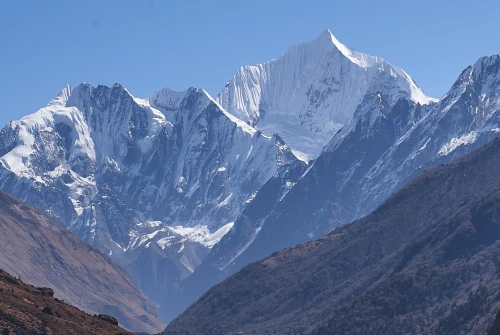
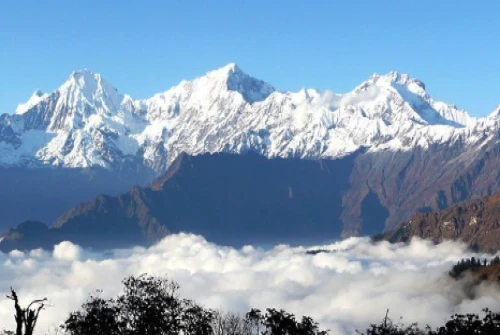
Langtang Valley Trek 5 Days

Short Langtang Valley Trek
  • Duration5 Days
  • DestinationNepal
  • Difficulty Level Moderate Trek
  • Maximum Altitude 4,773 m
  • Activity Trekking
  • Group Size 1+
  • Accommodation Tea house
  • Meals Lunch,Dinner,Breakfast
  • Best Season Spring(Mid March To May) & Autumn (September to November)

Short Langtang Valley Trek

The 5 Days Langtang Valley Trek is a perfect choice for trekkers seeking a compact, yet immersive Himalayan experience. This trek offers an ideal blend of stunning mountain views, rich cultural exploration, and moderate trekking challenges, making it accessible to both beginner and experienced trekkers.

The trek takes you through the heart of Langtang National Park, a UNESCO Biosphere Reserve, home to lush forests, charming Tamang villages, and breathtaking vistas of snow-capped peaks, including the mighty Langtang Lirung (7,227m). Along the way, trekkers are introduced to Tamang culture, passing through traditional villages where locals reside in stone houses, surrounded by prayer flags, stupas, and Buddhist monasteries. The serene atmosphere offers both a spiritual experience and an opportunity for cultural immersion.

This Short Langtang Valley Trek 5 days is perfect for those short on time but eager to experience the magic of the Nepal Himalayas. It provides a rewarding adventure without the long duration of treks like Everest Base Camp or the Annapurna Circuit, making it a fantastic option for travelers who want to experience Nepal’s natural beauty and cultural richness in a shorter time frame. Whether you're a first-time trekker or an experienced traveler, this trek offers the perfect combination of scenery, culture, and adventure.

For those looking for a short trek to Langtang Valley, the Langtang Valley trek itinerary has been specially designed to make the most of the time spent in this stunning region. Offering a memorable Nepal trekking adventure, this trek combines ease of access with the opportunity to see some of the most pristine landscapes in the world.

kyanjin- Ri

Highlights of the Langtang Valley trek 5 days package

Kyanjin Gompa Monastery: A Spiritual Journey at the Heart of Langtang

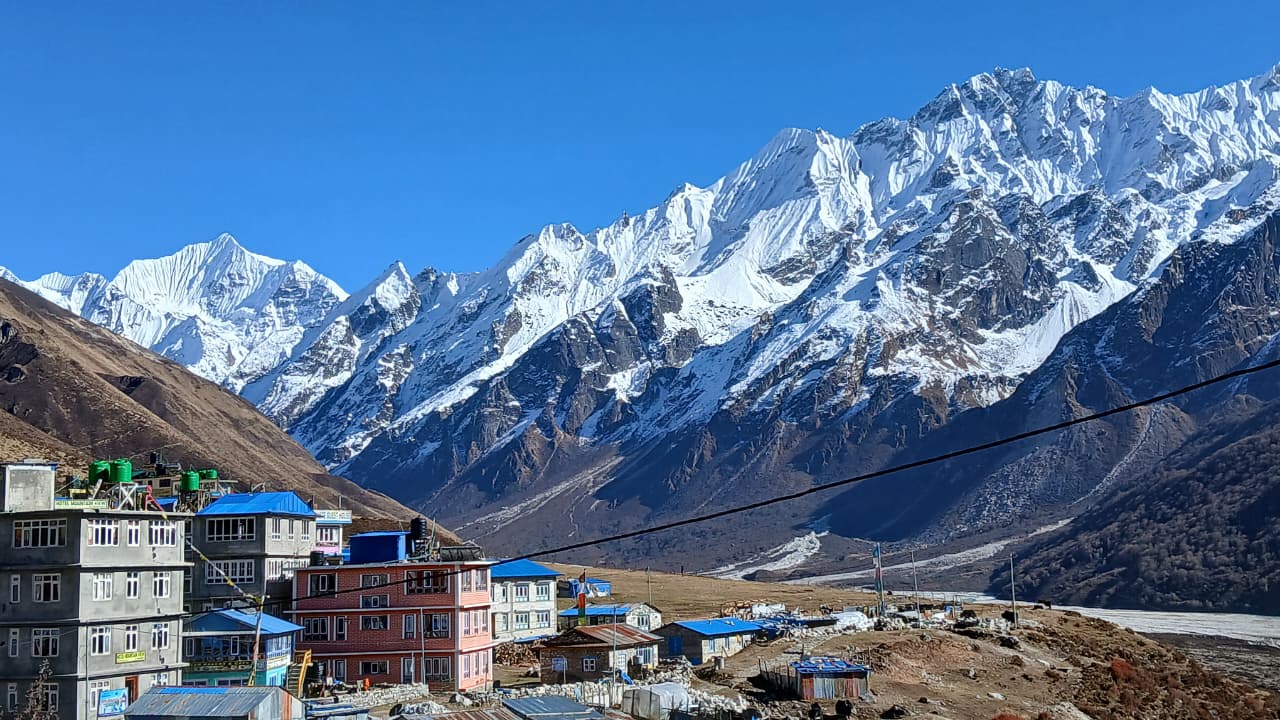
Located at the foot of Langtang Lirung, Kyanjin Gompa is a sacred monastery that provides both spiritual solace and breathtaking views. Dedicated to the Tamang Buddhist community, this serene site is perfect for reflection and meditation. Trekking through the peaceful Tibetan Buddhist atmosphere, where prayer wheels spin in the wind and incense fills the air, trekkers are rewarded with panoramic views of the Langtang peaks, glaciers, and valleys. The monastery offers a unique blend of culture, spirituality, and natural beauty that defines the Langtang region.

Langtang-Valley-Trek-5-Days

Tserko Ri: A Majestic Summit with 360-Degree Views

At 4,984 meters, Tserko Ri is the highest point of the trek and one of the most coveted summits in the Langtang Valley. The challenging ascent rewards trekkers with spectacular 360-degree panoramic views of the Langtang peaks, snow-capped mountains, and glacial valleys below. From this vantage point, you can see Langtang Lirung, Dorje Lakpa, Langtang Ri, and many other surrounding peaks, creating a breathtaking display of nature's grandeur. Tserko Ri is the perfect place to experience the untamed wilderness and majestic beauty of the Himalayas.

Scenic Langtang Valley Trek: A Journey Through Majestic Landscapes

The Langtang Valley Trek takes trekkers through one of Nepal’s most beautiful and unspoiled valleys. Surrounded by towering snow-capped peaks, cascading waterfalls, and verdant forests, the valley is a picturesque paradise. The route winds through dense woodlands and serene meadows, offering trekkers a tranquil atmosphere to witness the untouched beauty of the Himalayas. The mystical nature of Langtang, with its ancient culture and serene landscapes, ensures that every step feels like walking through a living postcard.

Kyanjin Ri Viewpoint: An Accessible Trek for Stunning Himalayan Vistas

For trekkers seeking magnificent views with a slightly less demanding ascent, Kyanjin Ri (4,773 meters) is an excellent alternative to Tserko Ri. The summit provides panoramic views of Langtang Lirung, Langtang Ri, and Dorje Lakpa, along with distant glaciers and expansive valleys. This rewarding yet accessible hike allows trekkers to experience the grandeur of the Langtang Range in a peaceful setting, without the physical strain of higher altitude climbs. It’s a great option for those wanting to soak in breathtaking Himalayan landscapes in a more relaxed atmosphere.

Tamang and Sherpa Culture: A Journey into Nepal’s Heart

The Langtang Valley Trek offers an authentic cultural experience, immersing trekkers in the rich traditions of the Tamang and Sherpa communities. These groups are known for their distinctive stone houses, Tibetan Buddhist practices, and vibrant prayer flags that adorn their villages. Along the trek, you’ll visit Khangjim Village, where the resilient local people continue to uphold their customs and traditions despite the hardships faced during the 2015 Nepal earthquake. Trekking through these villages offers a deeper understanding of the local culture, their hospitality, and their connection to the mountains.

Lush Forests and Wildlife: A Natural Wonderland

One of the most enchanting features of the Langtang Valley Trek is its lush forests and abundant wildlife. As you journey through the Langtang National Park, you’ll walk amidst towering rhododendron, oak, and bamboo forests. In the spring, the forest bursts into color with vibrant rhododendron flowers, attracting butterflies and birds. The park is home to an impressive array of wildlife, including the Himalayan Monal (Nepal's national bird), Himalayan tahr, and red pandas. With a little luck, you might spot these rare creatures in their natural habitat, making this trek a truly unique experience for nature enthusiasts.

Why the 5 Day Langtang Trek is So Special

The 5 Day Langtang Trek is a truly special experience because it offers trekkers the perfect balance of natural beauty, cultural immersion, and a manageable challenge. This trek is uniquely accessible, as it starts just a short drive from Kathmandu, making it ideal for those looking for a Himalayan adventure without the need for a long journey. The route through Langtang Valley presents a diverse landscape, from lush forests and cascading waterfalls to snow-capped peaks and glaciers, offering trekkers a complete experience of Nepal’s stunning landscapes in a short time.

The trek also immerses travelers in the rich Tamang culture, with visits to traditional villages, monasteries, and Tibetan Buddhist landmarks, offering a deep cultural connection to the region. The stunning views of Langtang Lirung, Dorje Lakpa, and other towering peaks provide trekkers with a sense of awe and achievement, especially from viewpoints like Kyanjin Ri and Tserko Ri. These summits reward trekkers with breathtaking 360-degree panoramas of the Langtang Himal and surrounding glaciers.

Furthermore, the 5-Day Langtang Trekking 2026  is an excellent option for those who want a moderate challenge in the Himalayas without committing to a lengthy trek. It’s perfect for beginners or those with limited time, offering a rewarding experience without the crowds of more popular trekking routes. The peaceful and serene environment of Langtang Valley allows trekkers to enjoy both the adventure of high-altitude trekking and the peaceful solitude of a less-visited area.

Finally, the trek offers a perfect mix of adventure, spirituality, and natural beauty, making it an unforgettable and enriching experience for any traveler seeking to connect with the Himalayas in just five days.
kyanjin-gompa

What Are the Trekking Routes to Langtang Valley?

Unlike the Everest Base Camp (EBC) and Annapurna Base Camp (ABC) treks, which offer multiple routes, the 5 Day Langtang Valley Trek follows a single, well-established route starting from Syabrubesi. Here's a breakdown of the main route:

The trek begins with a scenic drive from Kathmandu to Syabrubesi, a 5-6 hour journey through beautiful hills and rivers. From Syabrubesi, you will begin your trek to Bamboo, a 4-5 hour walk through lush forests. On Day 2, you will continue from Bamboo to Langtang Village (3430m), trekking for about 6-7 hours through rhododendron forests and traditional Tamang settlements.

On Day 3, you will trek from Langtang Village to Kyanjin Gompa (3870m), a 3-4 hour journey. Afterward, you can opt for a hike to Kyanjin Ri (4773m) to enjoy panoramic views of the Langtang Range. On Day 4, you’ll retrace your steps back from Langtang Village to Syabrubesi, covering the same route for about 6-7 hours. On the final day, Day 5, you will drive back to Kathmandu, completing the trek with a scenic 5-6 hour drive from Syabrubesi.

This route offers an immersive experience of the stunning Langtang Valley, combining rich cultural exploration, spectacular mountain views, and a manageable trekking schedule within 5 days.

What to Expect on the Langtang Lirung trek

1. Quick Access to the Himalayas from Kathmandu

Starting from Kathmandu, the trek offers a scenic 7-8 hour drive to Syabrubesi, the starting point of your trek. This drive takes you through the picturesque Nepalese countryside, winding roads through rural villages, and offers your first glimpses of the towering Langtang Mountain Range. The short drive makes it easy for trekkers to access the mountains without spending too much time on travel. Langtang Valley trek from Kathmandu offers a convenient gateway for those looking to experience the Himalayas without the long journey.

2. Journey Through Langtang National Park

As you embark on your Langtang Valley Trek, you’ll enter the Langtang National Park, a protected area known for its diverse ecosystems. The trek takes you through dense forests of rhododendron, oak, and bamboo, along with small villages nestled in the valley. The natural beauty of the park, with its lush greenery, crystal-clear rivers, and panoramic mountain views, offers an immersive experience in the heart of the Himalayas. The Langtang National Park trek is perfect for those looking to combine adventure with nature and wildlife.

3. Cultural Immersion in Tamang Villages

One of the unique features of the Langtang Trek 5 days is the opportunity to experience the rich Tamang culture. As you pass through traditional Tamang villages, you’ll get a glimpse into the Tibetan-influenced lifestyle, with Buddhist monasteries, prayer flags, and ancient temples dotting the landscape. The people of Langtang are known for their warmth and hospitality, and you’ll have the chance to interact with locals and learn about their way of life. This trek offers the perfect cultural adventure alongside a scenic Himalayan trek.

Langtang Valley Trek 5 Short Trek in Nepal

4. Stunning Views of Langtang Lirung and Surrounding Peaks

Throughout the trek, you’ll be treated to stunning views of Langtang Lirung (7,227m) and other peaks in the Langtang Range. The trek culminates at Kyanjin Ri, a scenic viewpoint that offers panoramic views of the Langtang peaks, including Langtang Ri and Dorje Lakpa. These breathtaking vistas make this short trek worth every step. The trek offers some of the best mountain views in Nepal, perfect for photographers and nature lovers alike.

5. Moderate Challenge, Perfect for Beginners and Intermediate Trekkers

The 5 Days Langtang Valley trekking in Nepal is moderately challenging, making it suitable for both beginners and intermediate trekkers. The trek involves gradual ascents, steady walking, and some high-altitude exposure, but the routes are well-marked and manageable for those with basic fitness levels. The short duration (5 days) means the trek doesn’t require an extended commitment of time, making it an excellent choice for time-constrained trekkers who want to experience the Himalayas in a short amount of time. Whether you are a first-time trekker or someone with trekking experience, this trek provides a balanced challenge with rewarding views and cultural experiences.

Why Choose the 5-Day Langtang Valley Trek?

  • Perfect for Short Holidays: If you’re looking for a Himalayan trek that doesn’t take weeks to complete, the Trekking in Langtang Nepal is ideal. It’s short, accessible, and offers an authentic experience without the time commitment of longer treks.
  • Accessible from Kathmandu: The trek begins just a few hours’ drive from Kathmandu, making it a convenient option for those who want to explore the mountains without flying or traveling far from the capital.
  • Cultural and Natural Beauty Combined: The Trekking in Langtang Nepal offers the best of both world's breathtaking mountain landscapes and an immersion into local Tibetan-influenced culture. You’ll get to explore Buddhist monasteries, interact with the Tamang community, and visit traditional villages that have remained largely unchanged for centuries.
  • Stunning Views Without the Crowds: While it’s one of the most popular treks in Nepal, the Langtang Valley is still less crowded than other major treks like Everest Base Camp. This makes it an excellent choice for trekkers who want to experience the Himalayas in relative peace and tranquility.
  • Great for All Skill Levels: Whether you’re an experienced trekker looking for a short adventure or a beginner wanting to try your hand at high-altitude trekking, this trek is manageable. The moderate difficulty level makes it accessible while still providing a sense of challenge and accomplishment.
Highlights

Highlights of the Langtang Valley trekking Route

  • Quick Access from Kathmandu: Located just 7-8 hours away from the capital, this trek is one of the easiest and most accessible trekking options in Nepal, ideal for those with limited time.
  • Scenic Drive to Syabrubesi: Begin the journey with a stunning drive through pristine hills and rural villages, offering an introduction to the Nepalese countryside before reaching the trek’s starting point.
  • Khangjim Village: After the drive, a short hike leads to Khangjim Village, providing an introduction to the Tamang culture and a peaceful atmosphere surrounded by lush forests and majestic peaks.
  • Langtang Valley’s Natural Beauty: As you move through the dense forests of rhododendron and oak trees, you’ll witness the first glimpses of the Langtang Mountain Range with iconic peaks like Langtang Lirung (7,227 m) dominating the skyline.
  • Cultural Immersion: Experience the Tamang people’s culture, visit the famous Kyanjin Monastery, and enjoy the serenity of Kyanjin Ri, a scenic viewpoint offering panoramic views of the Himalayas.
  • Kyanjin Ri: This moderately challenging hike takes you to one of the most rewarding vantage points in the region. At 4,770 meters, you’ll be treated to breathtaking views of towering peaks, glacial valleys, and surrounding landscapes.
Itinerary

On Day 01, you’ll set off early from Kathmandu and drive towards Syabrubesi, a small village located at 1,503 meters. The drive takes about 6-7 hours, depending on traffic and road conditions. As you leave the busy streets of Kathmandu behind, you’ll pass through charming villages like Trisuli, Betrawati, and Dhunche. Along the way, you'll be treated to stunning views of terraced fields, rivers, and forests, with your first glimpse of the Langtang Range and surrounding mountains in the distance. While the road can be a bit bumpy, especially as you head into the mountain region, the views are worth it.

Once you arrive in Syabrubesi, you’ll find a peaceful, picturesque village where you’ll spend the night. It’s the perfect spot to rest, take in the surroundings, and prepare for the trek the next day. After settling into a local teahouse or lodge, you can relax, stretch your legs, and enjoy a meal of traditional Nepali food. It’s a nice chance to get used to the altitude and take in the mountain vibes before the adventure really begins.

  • Max. Altitude:1,503
  • Accommodation:Tea House
  • Time:6-7
  • Meals:Breakfast,Lunch,Dinner

On Day 02, the real adventure begins as you start your trek from Syabrubesi to Ghoda Tabela, which sits at 3,030 meters. The journey takes about 6-7 hours, so it’s a full day of walking. As you make your way up, you’ll pass through lush, dense forests filled with rhododendron trees and tall pines. Along the trail, you’ll cross several crystal-clear streams and waterfalls, which add a refreshing touch to the day’s hike. The climb is gradual but steady, and with every step, the views of the mountains and surrounding valleys become more breathtaking.

As you get higher, you’ll notice the air getting thinner, but the beauty of the landscape will keep you motivated. By the time you reach Ghoda Tabela, you'll have climbed a good distance, and the charming spot will feel like a well-earned rest stop. Ghoda Tabela is a peaceful place with a only 2 lodges where you’ll stay for the night. It’s a great spot to unwind after a rewarding day of trekking, enjoy a warm meal, and rest up for the next leg of the journey.

  • Max. Altitude:3,030
  • Accommodation:Tea House
  • Time:6-7
  • Meals:Breakfast,Lunch,Dinner

On Day 03, you’ll trek from Ghoda Tabela to Kyanjin Gompa, which sits at 3,830 meters. The hike takes around 5-6 hours, and as you continue ascending, the scenery becomes even more spectacular. The trail will take you through vast yak pastures, where you might spot these sturdy animals grazing peacefully against the backdrop of towering peaks. You’ll also pass through traditional Tibetan villages, where the influence of Tibetan culture is evident in the simple, stone-built houses and prayer flags fluttering in the wind.

As you get closer to Kyanjin Gompa, the views open up to reveal Langtang Lirung (7,227 meters) and other surrounding peaks that dominate the horizon. Kyanjin Gompa itself is a spiritual and cultural hub in the valley, home to a monastery and an ancient gompa that holds a deep sense of tranquility. The peaceful atmosphere and stunning views make it the perfect place to spend the night, soaking in the beauty and serenity of this high-altitude village. After arriving, you'll have the evening to relax, explore a little, and rest in preparation for the next day's adventure.

    On Day 04, you’ll start the day with a hike to Kyanjin Ri, a popular viewpoint that sits at 4,773 meters. The climb to the top takes a few hours, but the reward is absolutely worth it. From Kyanjin Ri, you’ll be treated to stunning, panoramic views of Langtang Lirung and the surrounding peaks, with the valleys and glaciers spread out below you. It’s one of the best spots to take in the sheer beauty of the Langtang region and get a real sense of how massive the mountains are.

    After spending some time soaking in the views, you’ll begin your descent, heading back down to Lama Hotel at 2,560 meters. The trek back will take about 4-6 hours as you retrace your steps through dense forests, past waterfalls, and across the same picturesque landscapes you passed on the way up. While it’s a downhill walk, it can still be challenging on your legs, but the lush forests and peaceful surroundings make for a lovely trek. Once you reach Lama Hotel, you’ll have the evening to relax and recover from the day’s hike before spending the night in this quiet spot.

      On Day 05, the final day of your trek, you’ll make your way from Lama Hotel back to Syabrubesi. The trek will take about 5-6 hours, and it’s a mostly downhill journey through the same beautiful forests and villages you passed on the way up. As you descend, you’ll have time to reflect on the incredible landscapes and experiences of the past few days.

      Once you reach Syabrubesi, you’ll catch a bus or jeep back to Kathmandu. The drive takes around 7-8 hours, retracing the route you took on the way in. It’s a long journey, but the memories of the trek will keep you energized as you return to the hustle and bustle of Kathmandu. You’ll arrive in the evening, marking the end of your unforgettable adventure in the Langtang Valley.

        Cost Details
        Includes

        ​​​Transportation:

        • Local Bus Ticket: Kathmandu to Syabrubesi

        • Local Bus Ticket: Syabrubesi to Kathmandu (Return)

        Guide & Porters:

        • English-Speaking Guide: A professional English-speaking guide will accompany the trek, with their accommodation, meals, transportation, gear, and salary all included in the package.

        • Sherpa Porters: Experienced Sherpa porters (1 porter for every 2 trekkers) will assist with carrying your bags and providing support. The porters are provided with proper safety gear, walking gear, accommodation, food, salary, and insurance.

        Meals:

        • 3 Meals per Day: Breakfast, Lunch, and Dinner will be provided throughout the trek.

        Accommodation:

        • Teahouse Accommodation: 4 nights of accommodation in teahouses during the trek.

        Permits:

        • Langtang National Park Permit: The necessary trekking permits for Langtang National Park will be arranged and included in the package.

        Gear & Supplies:

        • Duffle Bag: Provided for carrying your belongings.

        • Sleeping Bag: Provided if needed.

        • Water Purification Tablets: To ensure safe drinking water during the trek.

        • Medical Kit: For emergency medical situations, a basic medical kit will be provided.

        Taxes & Service Charges:

        • Government Taxes & Service Charges: All applicable taxes and service charges are included in the package.

        Excludes

        ​​​​Private Jeep Option:

        • Private Jeep Service: If preferred, a private jeep can be arranged for an additional cost for transportation.

        Accommodation & Travel in Kathmandu:

        • Hotel Stay in Kathmandu: Accommodation in Kathmandu before or after the trek is not included in the package and will need to be arranged separately.

        • Travel Insurance: You’ll need to arrange your own travel insurance.

        • International Flight Fare: Flight fare to and from Nepal is not included in the package.

        Nepal Entry Visa:

        • Visa on Arrival: A tourist visa can be easily obtained upon arrival at Tribhuvan International Airport in Kathmandu.

          • 30-day multiple-entry visa: US $40 or equivalent foreign currency.

          • 90-day multiple-entry visa: US $100.

          • Required Documents: You will need to bring 2 passport-size photos for your visa.

        Beverages & Snacks:

        • Not Included: Cold drinks, beverages (other than tea/coffee), chocolates, snacks, and similar items during the trek are not included.

        Personal Trekking Gear:

        • Bring Your Own Gear: You will need to bring your own personal trekking equipment, including boots, clothing, and other necessary items.

        Tipping:

        • Tipping for Staff: Tips for your trekking staff (guide, porters) and drivers are not included in the package and are typically expected based on the level of service provided.

        Additional Costs:

        • Delays or Changes in Itinerary: Additional costs may arise due to delays caused by natural phenomena (such as bad weather or landslides) or changes in the itinerary due to safety concerns, illness, or other unforeseen circumstances.

        Other Expenses:

        • Unlisted Costs: Any other expenses not specifically mentioned in the "What’s Included?" section are not covered in the package.

        Departure Dates
        Select a Departure Month
        Trip Date PriceStatus 
        Start DateStartsDec 31, 2025End DateEndsJan 04, 2026PriceUS$399StatusAvailable
        Useful Info

        Permits Requirement for the Langtang Valley Trek

        Obtaining the necessary permits is mandatory for anyone embarking on the 5-Day Langtang Valley Trek. Since the trek passes through Langtang National Park, which is a protected area, it is essential to ensure that the environment and wildlife are safeguarded. The permit helps regulate trekking activities and supports the conservation efforts of the region, ensuring that trekking remains sustainable.

        All trekkers, both local and foreign, must carry the Langtang National Park Permit at all times during the trek. This permit can be easily obtained at the Nepal Tourism Board office in Kathmandu. Government officials frequently conduct checks along the trail to verify that trekkers have the necessary permits, so it’s important to keep it accessible and up-to-date.

        How to Get the Langtang National Park Permit

        Obtaining the permit is a simple process. To apply, you’ll need to provide the following:

        • A copy of your passport
        • A passport-sized photo
        • Payment of the required permit fee

        Once you submit the necessary documents and fees, you’ll receive the permit, which will allow you to legally trek through the national park. With your permit in hand, you can confidently embark on your Langtang Trekking tour, knowing that all legal and conservation requirements are met.

        Remember to carry the permit with you throughout your journey and show it upon request by authorities. It not only ensures a hassle-free trek but also contributes to the protection of the stunning Langtang region.

        Accommodation and Food on the Langtang Valley Trek

        During the 5-Day Langtang Trekking tour, your accommodation will primarily be in simple, locally-run teahouses that provide basic yet comfortable facilities. These teahouses offer twin-bed rooms, blankets, and shared toilets. While the rooms are clean and cozy, they are quite basic compared to modern standards. The teahouses’ atmosphere is warm and welcoming, and the peaceful surroundings of the Langtang Valley make for a relaxing end to your trekking day. However, amenities like charging your electronic devices or hot showers may incur additional fees.

        Meals on the Trek

        The meals served in the teahouses are freshly prepared and provide the necessary fuel for your trekking journey. The set menu typically includes traditional Nepali dishes like dal bhat (lentil soup with rice), fried rice, noodles, and soup. For breakfast, you can expect tea or coffee with toast, eggs, or pancakes. Snacks such as Tibetan bread, momo (dumplings), and boiled potatoes are also common and available to satisfy hunger between meals.

        The meals are simple but provide the essential carbohydrates, protein, and energy to sustain you during the trek. It’s worth noting that food prices increase as you ascend higher into the valley, as everything including food, supplies, and equipment must be carried up by mules or porters. As you gain altitude, the cost reflects the logistical effort involved in transporting the goods.

        Teahouse Experience

        Each day, you’ll eat and sleep in the same teahouse, which offers an authentic experience of local hospitality. The dining areas often feature a warm stove in the center, perfect for cozying up after a long day of hiking. This space is also where trekkers gather to share stories and experiences. While the facilities are basic, you’ll always find a welcoming place to rest and enjoy a hearty meal, giving you the opportunity to experience both the culture and warmth of the Langtang Valley community.

        Overall, while the accommodation and food may be simple, they provide everything you need to enjoy the trek and remain energized for the adventure ahead.

        Weather and Climate Conditions on the Trek to Langtang Valley 5 Days

        The weather and climate on the Langtang Valley Trek are dynamic and vary depending on the season, elevation, and time of day, offering trekkers a unique experience throughout the year.

        Spring (March to May)

        Spring is one of the best seasons for trekking in Langtang. During this period, temperatures at lower altitudes range from 10°C to 20°C during the day, making it warm and comfortable for hiking. Nights at higher elevations, such as Kyanjin Gompa, can be cooler but generally stay above freezing. This season is also marked by clear skies, occasional light winds, and the vibrant blooming of rhododendrons, which color the valley with their brilliant hues, adding a magical touch to the landscape.

        Autumn (September to November)

        Autumn is another prime time for the Langtang Trek, offering stable weather and excellent visibility. Daytime temperatures in the higher regions hover around 10°C to 15°C, which is ideal for trekking. However, as you ascend past 3,000 meters, nighttime temperatures can drop close to freezing. The crisp air, clear skies, and stunning mountain views make autumn the most popular trekking season in Langtang. This period also offers the best visibility for panoramic views of the Himalayas.

        Winter (December to February)

        Winter turns Langtang into a snowy winter wonderland. Daytime temperatures in higher altitudes can range from 0°C to 5°C, but nights can drop well below freezing. While trekking is still possible during winter, it requires extra preparation due to the cold and snowy conditions. The snow-covered landscapes can be breathtaking, but the cold can make trekking more challenging. It’s important to be well-equipped with appropriate gear to handle the freezing temperatures and possible snow on the trails.

        Monsoon (June to August)

        The monsoon season brings heavy rains to Langtang, which can significantly impact trekking conditions. Daytime temperatures are generally warm, but the rain can make the trails slippery and increase the risk of landslides, especially in the lower sections of the trek. The humidity is high, and cloud cover often obscures the mountain views, limiting visibility. On the positive side, the valley becomes lush and green, offering a different, serene beauty during this time. However, the trail conditions can be challenging, and the risk of trekking during the monsoon season is higher.

        Best Season to Do the Langtang Trek 5 Days

        The best seasons to embark on the Langtang Valley Trek are spring (March to May) and autumn (September to November), as these months offer the most favorable weather conditions and stunning landscapes.

        Spring (March to May)

        Spring is a vibrant and beautiful time to trek in Langtang. The hillsides come alive with blooming rhododendrons, creating a picturesque and colorful atmosphere throughout the valley. Temperatures are moderate, with warm days and cool nights, providing comfortable trekking conditions. During this season, you’ll enjoy clear skies and panoramic views of the snow-capped peaks, making it an excellent time to experience the natural beauty of the region. Spring’s mild weather and lush, blooming landscape offer trekkers a magical experience.

        Autumn (September to November)

        Autumn is another perfect season for the Langtang Valley Trek, especially for those seeking uninterrupted mountain views. After the monsoon rains subside, the air is crystal-clear, and the landscape is lush with vibrant greenery. Daytime temperatures are pleasant, and although the nights can be chilly, they are generally manageable. The skies are usually free from haze, providing trekkers with unobstructed views of the towering peaks and surrounding valleys. Autumn offers stable weather, with cool but comfortable temperatures, making it one of the most popular trekking seasons in Nepal.

        Winter (December to February)

        While winter is less popular for trekking due to the cold, it still attracts trekkers who seek solitude and the beauty of snow-covered trails. Daytime temperatures range from 0°C to 5°C in higher altitudes, and nights can be well below freezing. The conditions can be challenging due to the cold and snow, but for those prepared for the cold, it offers a unique and peaceful trekking experience with fewer crowds. If you're looking for a quiet, off-the-beaten-path adventure, winter provides that opportunity.

        Monsoon (June to August)

        The monsoon season brings heavy rainfall, which makes trekking conditions more challenging. Trails can become slippery, and there is a higher risk of landslides, especially in lower regions of the trek. Additionally, the humidity is high, and cloud cover often obscures the mountain views. However, the valley is lush and green during this time, and fewer trekkers visit, providing a quieter experience. If you don’t mind the rain and potential leeches, the monsoon season offers a more secluded and vibrant experience with the benefit of fewer crowds.

        For most trekkers, spring and autumn are the ideal seasons to visit Langtang Valley, as the weather is the most favorable and the scenery is at its best.

        Is the Short Langtang Valley Trek 5 Days Suitable for Beginners?

        Yes, the Short Langtang Valley Trek 5 Days is generally suitable for beginners, especially if you are in good physical condition and have a positive mindset. While the trek involves some uphill sections, such as the climb to Kyanjin Ri, most of the trail is relatively moderate, passing through flat areas, ethnic villages, and beautiful meadows. The route offers an easy-to-follow path with not too much technical difficulty.

        However, beginners may face some challenges, particularly due to the short timeframe of the trek. With the 5-day duration, the trek progresses fairly quickly, and the altitude gain can be demanding for those who are not accustomed to trekking at higher altitudes.Here are a few tips for beginners to ensure a successful trek:

        • Physical Fitness: It's essential to prepare physically before starting the trek. Regular cardio exercises, such as walking, hiking, or jogging, can help build endurance.
        • Mental Preparation: As with any trek, maintaining a positive attitude and being mentally prepared for long days of walking is key.
        • Choosing the Right Season: Opting for spring (March to May) or autumn (September to November) ensures the best weather conditions and minimizes the risk of adverse environmental factors.
        • Proper Gear and Nutrition: Having the right trekking gear, including sturdy footwear and layers for warmth, along with a healthy diet and staying hydrated, is essential for beginners.
        • Pacing Yourself: While the trek is moderate, beginners should pace themselves, especially if they are not used to trekking at higher altitudes. Adequate rest is crucial.

        If you prepare physically and mentally and select the right season, this trek can be a rewarding experience, offering stunning views, cultural immersion, and the chance to test your limits without being overly strenuous.

        Which is Better, the Annapurna Base Camp or the Langtang Valley Trek?

        Both the Annapurna Base Camp  Trek and the Langtang Valley Trek are two of Nepal's most iconic trekking routes, each offering spectacular views, unique experiences, and cultural immersion. The choice between the two largely depends on your preferences, available time, and trekking experience.

        Annapurna Base Camp Trek: If you’re seeking a longer trek with a more diverse landscape, the Annapurna Base Camp Trek is an excellent choice. It typically takes 7 to 10 days, allowing trekkers to explore a range of altitudes, from lush subtropical forests to the snow-covered base camp. The trek offers a mix of diverse ecosystems and views of the Annapurna range, including Machapuchare (Fishtail), Annapurna I, and Dhaulagiri. It’s perfect for those who have a bit more time to spare and are looking for a longer, more varied trekking experience.

        Langtang Valley Trek: On the other hand, if you're short on time but still want to experience the Himalayas, the Langtang Valley Trek is a great alternative. This 5-day trek is located just a few hours from Kathmandu, making it a quicker, more accessible option. The trek offers breathtaking views of the Langtang Lirung, Ganchenpo, and the Langtang Range, along with a deep dive into Tamang culture. It's a relatively shorter yet incredibly scenic trek, ideal for those who want to experience the Himalayas without committing to a longer journey.

        Cost of the Short Langtang Valley Trek for 2025/26

        The cost of the 5 day Short Langtang Valley Trek varies depending on factors like group size, level of service, and customization options. Generally, the trek costs between $349 and $699. This price range covers:

        • Private jeep transportation: From Kathmandu to Syabrubesi and back.
        • Accommodation: During the trek at local teahouses.
        • Meals: Breakfast, lunch, and dinner throughout the trek.
        • Permits: Entry to Langtang National Park and Trekking Information Management System (TIMS) card.
        • Guides and Porters: Experienced English-speaking guides and porters.
        • Government Taxes: All applicable taxes are included.

        This all-inclusive price ensures that you experience the authentic Himalayan journey with no hidden costs. It’s a value-packed trekking package that offers great service, taking care of all the logistics, so you can focus on enjoying the stunning landscapes, culture, and adventure of Langtang.

        Visa Requirements for the Langtang Valley Trek in Nepal

        Obtaining a Nepal visa for your Langtang Valley Trek is simple and convenient. You can get a visa on arrival at Tribhuvan International Airport in Kathmandu, making it easy for trekkers from around the world to start their journey without hassle. All you need is a valid passport and a passport-sized photo to apply for your visa at the Immigration Desk upon arrival.

        Alternatively, you can apply for a Nepal visa online via the Nepal Immigration website or obtain one through the Nepal Embassy in your home country for added convenience and peace of mind.

        Recommended Visa for the Langtang Valley Trek:

        For trekkers planning the 5-day Langtang Valley Trek, the 15-day tourist visa is usually the best option. This duration allows ample time to complete the trek, as well as time for any additional activities in Kathmandu before or after the trek.

        Nepal Visa Costs:

        • 15-day Visa: $30 per person
        • 30-day Visa: $50 per person
        • 90-day Visa: $125 per person

        Once you have your visa, you're ready to experience the Langtang Valley's stunning mountain views, cultural richness, and the warmth of the Tamang and Sherpa communities along the way. Make sure to keep your visa handy during your trek, as immigration authorities may check your documents along the trail.

        Overall, obtaining a Nepal visa for the Langtang Valley Trek is a simple and stress-free process, ensuring you can focus on enjoying your Himalayan adventure.

        Travel Insurance Requirements for the Langtang Valley Trek

        Travel insurance is essential when trekking in Nepal, especially for the Langtang Valley Trek. It provides coverage for unexpected events, ensuring a safe and smooth journey.

        Why is it necessary?

        • Medical Emergencies: Covers treatment or evacuation in case of illness or injury.
        • Rescue and Evacuation: Important for emergency helicopter rescues in remote areas.
        • Trip Cancellations: Covers cancellations or delays caused by unforeseen events.
        • Lost or Stolen Items: Protects against theft or loss of baggage and valuables.

        Make sure your insurance covers trekking activities, high-altitude conditions, and emergency evacuation. It’s a small investment that ensures both your safety and peace of mind during your trek.

        How Challenging is the Short Langtang Trek?

        The Short Langtang Trek is considered moderately difficult, though it's achievable for trekkers of various experience levels. The trail itself is generally flat, except for the climb to Kyanjin Ri (4773m), which can be more challenging due to its altitude.

        While the trek is shorter (5 days), the limited time frame can make it slightly more challenging for those not accustomed to quick ascents. However, the trek is still doable for beginners with good physical fitness. As long as you’re prepared physically and mentally, with a balanced diet, proper gear, and knowledge of the terrain, you can enjoy the trek.

        For experienced trekkers, the challenge will be minimal, but it's essential to stay hydrated and acclimatize properly. Preparation is key, and you should choose the best season for your trek to ensure optimal weather conditions and smoother trails.

        Drinking Water Availability During the Short Langtang Trek

        Drinking water is readily available throughout the Short Langtang Trek, especially in the local teahouses along the route. You can purchase mineral water or hot water at a small fee. However, if you prefer to use natural sources, you can safely drink tap water by using purification tablets such as Katadyn Micropur MP1, Potable Aqua Chlorine Dioxide, or Aquatabs. It's recommended to carry a water bottle and purification tablets to ensure safe drinking water on the trek.

        Availability of Electricity and Internet on the Langtang Trek

        Electricity is available in most teahouses along the Langtang Valley trek. Depending on the season, you may be able to charge your devices for free, but during peak seasons, there may be an additional charge.

        For internet access, most teahouses offer WiFi, though the connection tends to be slow and unreliable, especially at higher altitudes. It's best to manage expectations and enjoy the digital detox during your trek, although it can be convenient for emergency communication or occasional updates.

        What to Pack for the 5-Day Langtang Valley Trek

        Packing smart is key for a comfortable and successful Langtang Valley Trek. Here’s a quick list of essential items to bring:

        • Trekking boots with ankle support: Essential for stability and protection on rocky trails.
        • Down jacket and layers: Cold evenings and mornings require insulation, so pack a good down jacket plus layering options.
        • Rain jacket and windproof outer shell: The weather can be unpredictable, so a good waterproof jacket will keep you dry.
        • Sunglasses and sunblock: Protect your eyes and skin from the strong mountain sun.
        • Water bottle with purification tablets: Stay hydrated and make sure your water is safe to drink.
        • Headlamp or flashlight: Essential for early starts or late arrivals in the teahouses.
        • Trekking poles (optional): Helpful for descents or navigating uneven terrain.
        • Basic first aid kit and any medications: Always good to have on hand for minor injuries or personal needs.
        • Cash: ATMs are not available on the trail, so bring enough cash for teahouse stays, meals, and any extras.

        If you're missing any gear, don't worry! We can help you rent or purchase affordable equipment in Kathmandu before your trek.