Annapurna Circuit Trek -13 Days

annapurna-circle-trek
  • Duration13 Days
  • DestinationNepal
  • Difficulty Level Moderate Trek
  • Maximum Altitude 5416 M
  • Activity Trekking
  • Group Size 1+
  • Accommodation Tea House
  • Meals lunch,dinner and Breakfast
  • Best Season Spring and Autumn

Annapurna Circuit Trek Overview

The Annapurna Circuit Trek is one of the most iconic and diverse trekking routes in the world. This legendary journey, typically spanning 10 to 14 days, takes adventurers through an extraordinary landscape that highlights the natural beauty of Nepal. From lush subtropical forests to high-altitude desert plateaus, the trek offers a unique and immersive experience, showcasing a wide variety of terrain and ecosystems.

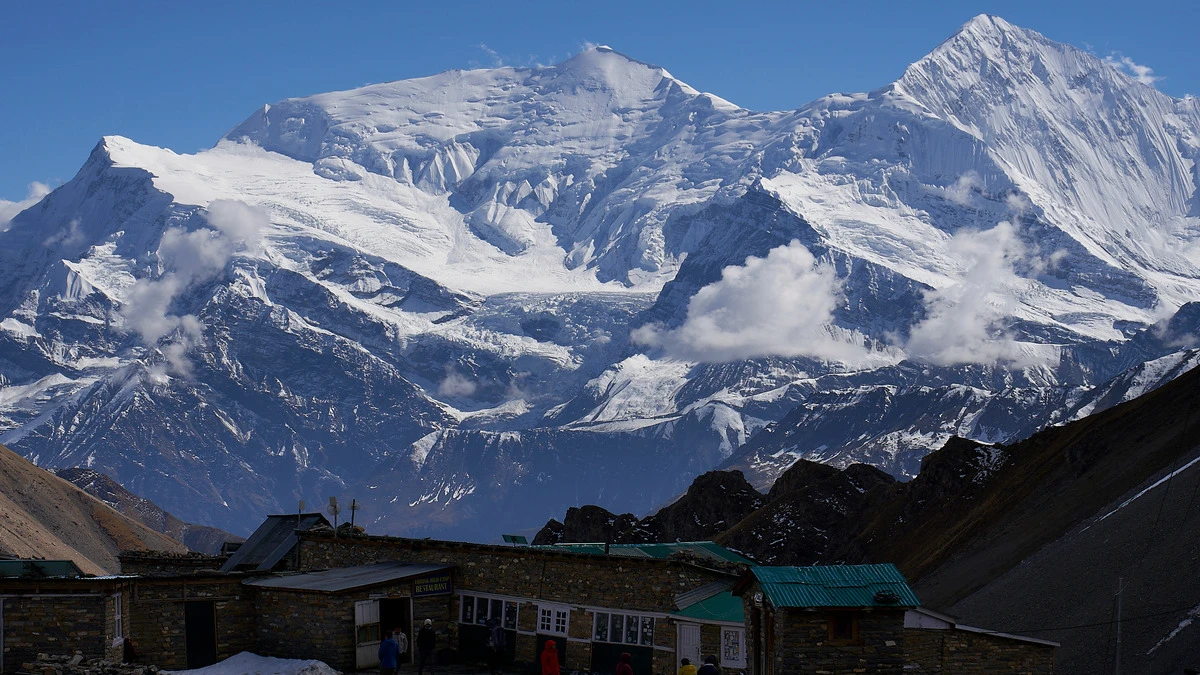
This classic annapurna circle  trek circumnavigates the Annapurna Massif, offering trekkers unparalleled views of towering snow-capped peaks that exceed 8,000 meters. Notable summits on the horizon include Annapurna I (8,091m), Dhaulagiri (8,167m), Manaslu (8,163m), and the beautiful Machapuchare (6,993m), also known as Fishtail Mountain due to its unique shape. The stunning views of these peaks make the annapurna circuit himalayas one of the most breathtaking mountain treks in the world.

The trek spans approximately 160 to 230 kilometers, depending on the chosen starting and ending points. One of the trek's highlights is the challenge of crossing the Thorong La Pass at 5,416 meters, the highest point of the trekking the annapurna circuit. Reaching this pass offers spectacular panoramic views and a sense of accomplishment that is unmatched by many other treks.

As you travel along the route, the Annapurna trail Circuit introduces trekkers to traditional mountain villages, centuries-old monasteries, terraced farmlands, and rich cultural experiences. The Annapurna region trek also allows trekkers to visit Tilicho Lake, one of the highest lakes in the world, and experience the contrasting climates, from the lower subtropical zones to the stark, arid high-altitude desert. Alongside the natural wonders, the trek offers encounters with locals, giving insight into the Nepalese culture and way of life.

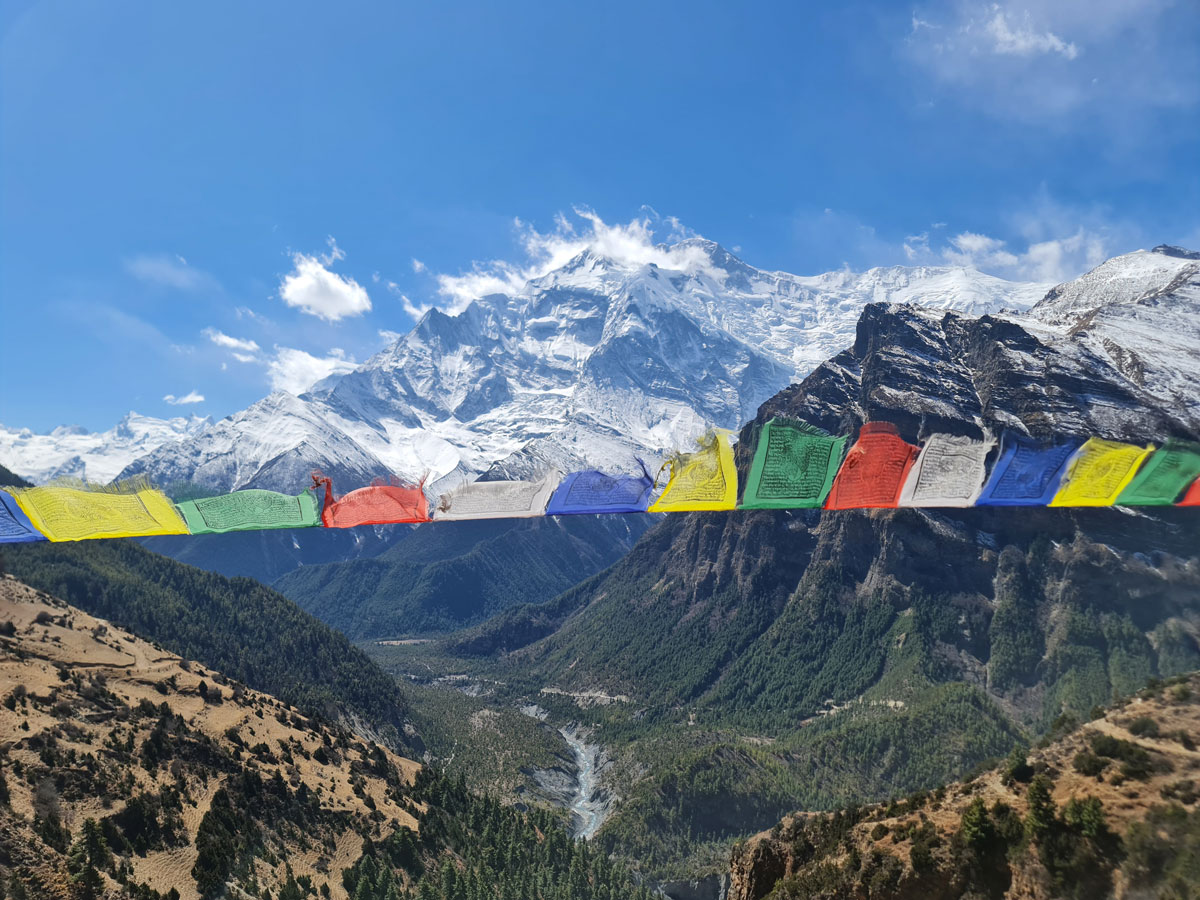
The Annapurna Circuit Trek in Nepal  is not just a physical challenge but also a spiritual journey. Hike through ancient Hindu shrines, Buddhist stupas, and prayer flags that decorate the path. The route's diverse offerings in terms of trekking itineraries, from shorter treks to 14-day circuit treks, ensure that it caters to a variety of adventurers, including solo trekkers, families, and those seeking a guided trek for a more in-depth experience.

Whether you’re looking to trek the Annapurna circuit solo, in a guided group, or simply want to explore the Annapurna base camp, this trek has something for everyone. It's also known for its affordable trekking cost compared to other treks in the region, offering a balanced blend of adventure, culture, and natural beauty.

At All Nepal Hiking, we offer a fully guided Annapurna Circuit Trek package that ensures an incredible experience tailored to both beginners and seasoned trekkers. Our Annapurna trek itineraries are designed for optimal acclimatization, ensuring that you can enjoy the beauty of the region safely and comfortably.

Annapurna-circuit-trek

13 Days Annapurna Circuit Trek Package Route

The Annapurna region trekking is one of Nepal’s most renowned trekking routes, offering an unparalleled journey that loops around the majestic Annapurna Massif. Unlike other base camp treks in Nepal, this unique circuit ensures you never retrace your steps, allowing trekkers to immerse in a diverse range of landscapes and cultures. From lush subtropical forests to stark alpine deserts, the trek provides an unforgettable adventure, making it ideal for both seasoned trekkers and beginners.

At All Nepal Hiking, we specialize in crafting Annapurna Circuit trek packages that ensure optimal acclimatization and cultural immersion, making your journey through Nepal’s natural wonders even more memorable.

The  13 days annapurna circuit trek tour begins in Kathmandu, where trekkers are driven to Chame via Besisahar. From Chame, a subtropical village, the adventure begins as you travel approximately 160-230 kilometers through a variety of landscapes. Along the way, you’ll encounter charming villages and experience local culture, including Chame, Timang, Pisang, and Ngawal, before reaching the village of Manang. While Manang is accessible by road, trekking in offers the best acclimatization. The views of Annapurna II (7,937m) and Annapurna III (7,555m) are simply breathtaking. Manang also provides opportunities for acclimatization hikes like those to Ice Lake and Parken Gompa.

After acclimatization, the trail continues through Yak Kharka and Thorong Phedi, the base for the challenging ascent to Thorong La Pass (5,416 meters). Though the climb is strenuous, the reward at the top is unparalleled a panoramic view of towering peaks like Annapurna and Dhaulagiri.

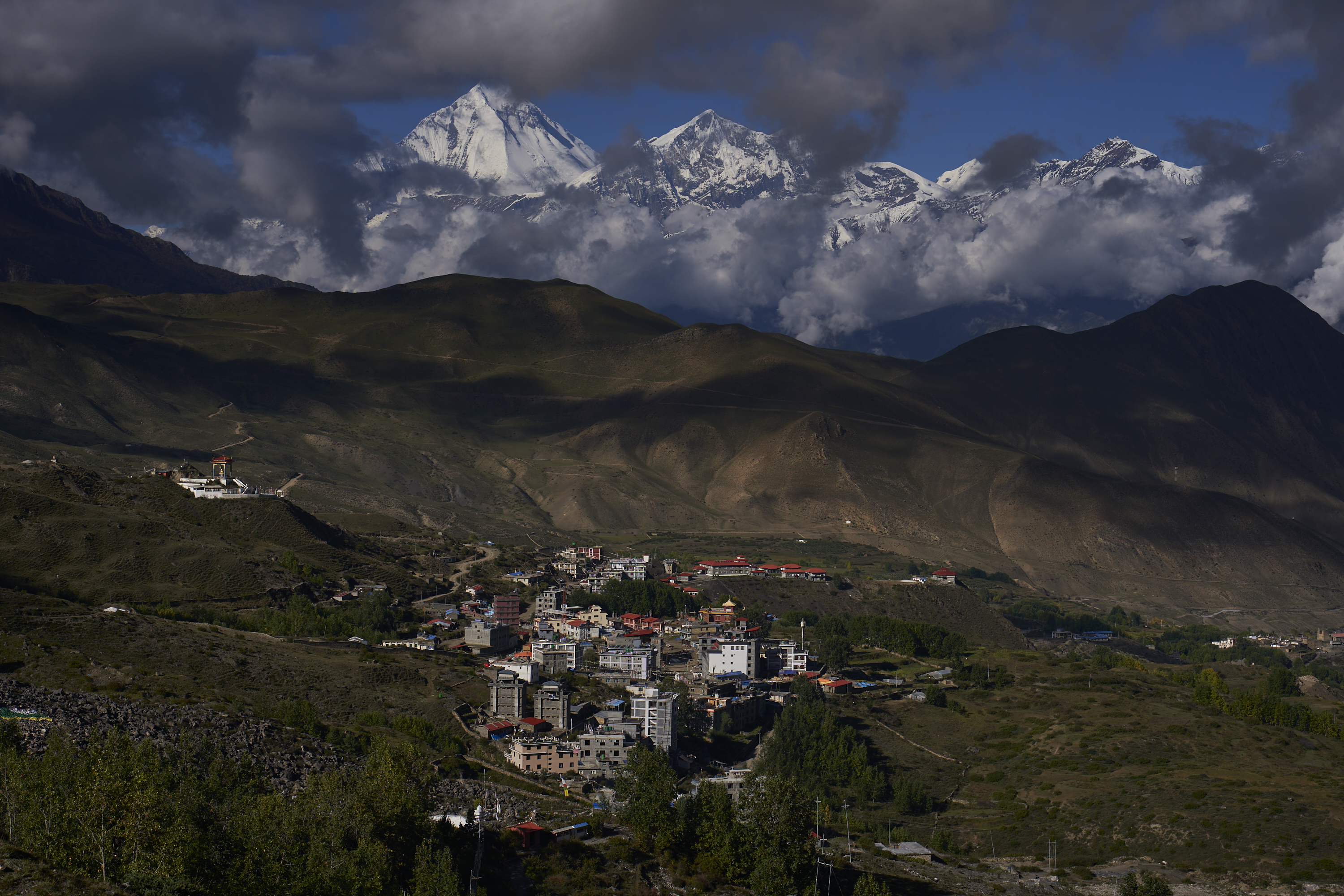
Following the pass, the annapurna circuit guided trek descends into the spiritual heart of the region at mukti nath temple , a sacred site for both Hindus and Buddhists, famous for its 108 waterspouts and eternal flames. From there, the trek continues to Jomsom, a Thakali town, and Tatopani, known for its natural hot springs, providing a much-needed rest after the strenuous climb.

The route then leads to Ghorepani, a picturesque village offering one of the most iconic sunrise views in the Himalayas from Poon Hill, where trekkers can enjoy panoramic vistas of Annapurna (8,091m), Dhaulagiri (8,167m), and Machapuchare (6,993m). This is a must-see experience for all trekkers in the Annapurna region.

In the final stages of the Annapurna Circuit Trek -13 Days, you’ll pass through Ghandruk, a traditional Gurung village known for its charming stone houses and sweeping views of the mountains. The annapurna circuit trek from Pokhara concludes at Nayapul, where a short drive takes you to the lakeside city of Pokhara, the perfect place to relax and reflect on this epic adventure.

annapurna-circuit-trek-with-poonhill-trek

Highlights of the Annapurna Circuit Trekking 13 Days 

  • Drive along the scenic mountain road from Kathmandu to Chame, offering breathtaking views of the Himalayas.
  • Ascend through the captivating Marshyangdi River valley, surrounded by dramatic landscapes and river views.
  • Immerse yourself in the cultures of the Gurung, Magar, and Thakali communities, renowned for their warm hospitality and traditional lifestyles.
  • Witness towering Himalayan peaks like Annapurna I, II, III, IV, Gangapurna, Dhaulagiri, Manaslu, and Machapuchhare.
  • Conquer the Thorong La Pass (5,416 m / 17,769 ft), one of the highest trekking passes in the world, offering incredible panoramic views.
  • Visit the sacred Muktinath Temple, a revered pilgrimage site for both Hindus and Buddhists, featuring 108 water spouts and an eternal flame.
  • Explore Jomsom, Marpha, and Tukuche, charming villages known for their apple orchards and locally made apple brandy.
  • Drive through the Kali Gandaki Valley, home to the world’s deepest gorge, carved between the towering Annapurna and Dhaulagiri peaks.
  • Relax and rejuvenate with a soothing soak in the natural hot springs of Tatopani.
  • Experience a spectacular sunrise from Poon Hill, offering panoramic vistas of the Annapurna and Dhaulagiri ranges.
  • Experience the traditional Buddhist culture, including chortens, prayer flags, and ancient monasteries that dot the Annapurna region.
  • Visit Pokhara, the vibrant lakeside city known for its serene Phewa Lake, tranquil mountain reflections, and lively nightlife.
  • Encounter wildlife such as Himalayan tahrs, marmots, pikas, and even the elusive snow leopard in the higher reaches.
  • Relish hearty meals in cozy teahouses, with warm dining rooms and fire-lit evenings, offering a true sense of hospitality.
  • Acclimatize in Manang, with options to explore nearby panoramic hikes, bakeries, and cultural sites such as Braga Monastery.
  • Trek through the world's deepest Kali Gandaki Gorge, carved between the towering Annapurna and Dhaulagiri mountains.
  • Enjoy acclimatization options at Gangapurna Lake, Ice Lake (Kicho Tal), Parken Gompa, or Braga Monastery.
  • Enjoy unique views throughout the entire circuit loop, ensuring you never retrace your steps and experience fresh perspectives at every turn.

annapurna-circuit -nepal

Classic Annapurna circuit trek with Poon Hill Itinerary Overview 

The classic Annapurna circuit trek Itinerary begins with your arrival at Tribhuvan International Airport (TIA) in Kathmandu, where you will meet your guide and be transferred to your hotel. The following day, you will drive from Kathmandu to Besisahar, and then continue the journey to Chame, located in the Manang district. This is the starting point of the trek, where you'll experience spectacular views of Annapurna II and Lamjung Himal.

From Chame, you will trek to Pisang, passing through picturesque villages, and eventually reach Manang, a larger village at 3,540 meters. An acclimatization day is essential to adjust to the altitude, with opportunities to explore Gangapurna Lake, ice lake annapurna circuit, or Parken Gompa.

The annapurna trek  continues through Yak Kharka and Thorong Phedi before reaching the highest point of the trek, Thorong La Pass (5,416 meters). This is one of the most thrilling and challenging sections of the trek, offering panoramic views of the surrounding Himalayan peaks like Annapurna I, II, III, and Dhaulagiri.

After crossing the Thorong La Pass, the trail descends to Muktinath Temple, a revered pilgrimage site for both Hindus and Buddhists. The temple is famous for its 108 waterspouts and eternal flames, marking a significant spiritual experience.

From Muktinath Temple, the trek leads you to Tatopani, known for its relaxing natural hot springs, perfect for unwinding after a challenging day. Next, you’ll trek to Ghorepani Poonhill, and early the next morning, you'll hike to Poon Hill for one of the most stunning sunrise views over the Annapurna and Dhaulagiri ranges.

The journey continues to Pokhara, a scenic lakeside city, where you can enjoy its peaceful atmosphere, vibrant nightlife, and stunning views of Machapuchare and Fewa Lake. After exploring Pokhara, you will drive back to Kathmandu, where you can enjoy the city's culture and final shopping before your departure.

This itinerary combines breathtaking mountain views, diverse Himalayan landscapes, authentic local culture, and the adventure of crossing high-altitude passes. The Annapurna Circuit trek From Kathmandu  offers a perfect balance of natural beauty, cultural immersion, and physical challenge, making it one of the most iconic trekking routes in the world.

Annapurna-circuit-13-days-trek.

What Makes the Ghorepani Annapurna circuit trek in Nepal Unique in 2026/2027?

The Annapurna Circuit Trek (ACT) continues to be one of the most sought-after trekking routes in the world, offering breathtaking Himalayan views, rich cultural experiences, and an authentic high-altitude adventure. While roads are being built in certain lower sections, this trek still retains its charm, especially when trekkers choose NATT Trails (Nepal Alternative Trekking Trails) that preserve the traditional trekking experience. 2026 Annapurna Circuit trek updates bring improvements that keep this journey accessible yet challenging, with a combination of natural beauty, adventure, and culture.

With modern strategic route options, trekkers can bypass congested areas by taking roads in the lower sections and starting their trek from higher altitudes. This allows you to enjoy quieter, more scenic paths and avoid the dusty, crowded parts of the trek. Shorter trekking itineraries of 9-12 days allow trekkers to experience the best of the Annapurna Conservation Area without the commitment of the full 23-day circuit, making it ideal for those with limited time. The trek still offers stunning views of the Annapurna range, Dhaulagiri, Machapuchare, and more, along with the thrill of crossing Thorong La Pass (5,416 meters), one of the highest trekking passes in the world.

Improved trekking facilities include Wi-Fi, clean bathrooms, and better food options in remote villages like Manang, Yak Kharka,Thorong La phedi and High camp  . These modern amenities make the trek more comfortable while still offering an authentic Himalayan trekking experience. The integration of licensed guides for high-altitude trekking ensures trekkers have safe and knowledgeable support. The e-TIMS (Electronic Trekking Information Management System) and ACAP permits streamline the permit process, offering trekkers a simple way to gain access to the trek.

As part of the trek's sustainable tourism model, trekkers are required to have travel insurance that includes helicopter evacuation above 4,000 meters. A small Green Fee (NPR 1,000 or $8 USD) supports the region’s waste management and conservation projects, which is crucial for preserving the natural beauty of the Annapurna region. This makes it a responsible way to explore one of the world's most stunning trekking destinations.

In 2026/27, the Annapurna loop Trek-13 days continues to captivate trekkers with its flexible routes, improved facilities, and unforgettable cultural and natural experiences. It offers the perfect balance of challenge, beauty, and culture, making it a must-do trek for adventure seekers, nature lovers, and those interested in experiencing authentic Nepali culture.

Whether you're crossing Thorong La Pass, visiting Muktinath Temple, exploring the Mustang region, or enjoying sunrise views from Poon Hill, this trek guarantees lifelong memories. With responsible tourism practices and eco-friendly initiatives in place, trekkers can enjoy this adventure knowing they are supporting local communities and contributing to the region's conservation.

This updated Annapurna Circuit Trek is a high-volume trek that continues to draw adventure enthusiasts, nature lovers, and trekkers looking for a unique and transformative experience in Nepal. Whether you're a seasoned trekker or a first-time hiker, the Annapurna Circuit provides the perfect combination of high-altitude challenges, cultural immersion, and stunning landscapes.

Annapurna-Circuit-Trek-13-days

Why Trek the Annapurna Circuit? A Must-Visit Trekking in Nepal

The Annapurna Circuit is consistently ranked among the world's best treks, offering trekkers an unforgettable adventure that combines stunning landscapes, rich cultural experiences, and challenging terrain. What sets it apart from other treks in Nepal is its extraordinary geographical diversity. As you trek the circuit, you'll pass through four distinct climate zones, ranging from tropical lowlands to arctic conditions at the Thorong La Pass, providing an incredibly diverse and dynamic trekking experience.

The ACT via Manang trek accessibility also plays a significant role in its popularity. The well-established infrastructure, including an extensive teahouse network, makes it accessible to trekkers without requiring any technical mountaineering skills. The route is designed to accommodate all levels of trekkers, from seasoned hikers to beginners seeking a challenging yet achievable adventure. The Annapurna Conservation Area Project ensures that tourism is sustainable, supporting the preservation of local ecosystems while benefiting local communities.

The cultural richness encountered along the Annapurna Circuit sets it apart from other Himalayan treks. Trekkers have the opportunity to interact with diverse ethnic communities such as the Gurung, Thakali, and Tibetan Buddhist groups, each with its own distinct heritage and traditions. These communities have maintained centuries-old practices that reflect the deep connection they have to the land, their beliefs, and their way of life.

The Rich and Unique Culture of the Annapurna Circuit

  1. Gurung Culture: In the lower elevations of the Annapurna Circuit, trekkers will encounter the Gurung people, known for their warm hospitality and rich military traditions. The Gurung villages are often built with traditional stone houses adorned with intricately carved wooden windows. You may have the opportunity to witness unique cultural performances, including traditional dances and even honey-hunting demonstrations, providing an insight into their ancient practices.
  2. Thakali Heritage: The Thakali community, located in the Kali Gandaki Valley, is renowned for its rich culinary traditions and sharp business acumen. The architecture in their villages is distinct, with flat-roofed white-washed houses that often feature Buddhist prayer rooms. During your trek, you'll get to experience authentic Thakali cuisine, especially the iconic Dal Bhat Thakali set, which comes with an array of delicious side dishes, giving you a true taste of the region.
  3. Tibetan Buddhist Influence: As you ascend into the higher elevations of the Annapurna Circuit, the Tibetan Buddhist culture becomes more prominent. The villages of Manang, Braga, and Muktinath are rich in Tibetan architecture, with colorful prayer flags, mani walls inscribed with sacred mantras, and ornate monasteries. You will witness monks performing daily rituals and may even have the chance to spin prayer wheels or engage in prostrations at sacred Buddhist sites, adding a deeply spiritual dimension to your journey.

ngawal-annapurna-circuit-trek

Best Long Trek in Nepal Annapurna Circuit Trek

The Annapurna Circuit is often considered the best long-distance trek in Nepal. While other treks like the Great Himalayan Trail or the Everest Base Camp Trek offer unique experiences, the Annapurna Circuit stands out for its variety and completeness. No other trek in Nepal offers such a comprehensive experience of changing landscapes, multiple climate zones, cultural diversity, and spectacular mountain panoramas all within a single continuous route.

What makes the Annapurna Circuit especially appealing is its well-maintained trail network and the reliable teahouse accommodation that supports trekkers throughout the journey. This makes it an accessible trek for international visitors who want a challenging yet rewarding Himalayan experience without the technical difficulties of other high-altitude treks.

The circular route design of the Annapurna Circuit is another unique feature. Unlike out-and-back treks, the Annapurna Circuit ensures that every day offers new discoveries and fresh perspectives, with no backtracking. This loop design allows trekkers to experience a variety of landscapes and communities, making the trek an adventure that constantly evolves.

For a trek that combines physical challenge, cultural depth, and spectacular views, the circuit annapurna trek is a must-do for any trekking enthusiast. The experience of walking through a dynamic range of environments, cultures, and communities makes this trek one of the most sought-after adventures in the Himalayas. Whether you're a seasoned trekker or a first-time adventurer, the around Annapurna trekking promises a journey like no other, making it a must-visit trek in Nepal.

ponnhill-sunrise-during-annapurna-circuit-trekking

Why Choose All Nepal Hiking for Your Poonhill Annapurna Round Trek?

At All Nepal Hiking, we are dedicated to providing you with the best possible experience on the Annapurna Circuit Trek. Whether you’re aiming for a quick trek or an in-depth 13-day journey, we design personalized trek packages that meet your preferences and ensure your comfort, safety, and enjoyment. 

  • Experienced Guides: Our highly experienced and knowledgeable guides are not only trained in high-altitude trekking but also deeply familiar with the local terrain, culture, and history. They ensure that you stay safe, informed, and supported throughout your trek.
  • Fully Supported Trek: We take care of all the logistics for you. From securing permits, arranging transport, booking accommodation, and providing nutritious meals, to ensuring a smooth and hassle-free experience, we handle everything so you can focus solely on enjoying the journey.
  • Customizable Trek Packages: Whether you're looking for a 12-day Annapurna Circuit trek, a trek that includes Tilicho Lake, or a shorter Annapurna trek for those with limited time, we offer a range of packages to suit your schedule and needs. Our flexible itineraries ensure you get the adventure you want, with the option to adjust for extra acclimatization, side treks, or personalized experiences.
  • Cultural Immersion: Immerse yourself in the rich culture and history of Nepal. Visit ancient monasteries, trek through traditional villages, and meet the local Gurung, Thakali, and Magar communities. You’ll gain a deeper understanding of Nepalese culture, traditions, and hospitality.
  • Free Gear and Perks: To make your trek even more convenient, we offer free sleeping bags, duffel bags, and other essential gear. Our commitment to your comfort doesn’t end there. We also provide a farewell dinner, a trek certificate, and airport pick-up and drop-off as part of our complete service package.
  • Eco-friendly and Responsible Trekking: We are committed to sustainable tourism. By trekking with All Nepal Hiking, you support local communities, promote environmental conservation, and contribute to preserving the stunning landscapes you’ll be exploring.

Whether you are a first-time trekker or an experienced mountaineer, All Nepal Hiking guarantees a safe, enriching, and memorable Annapurna Circuit Trek experience. With personalized itineraries, expert guidance, and unbeatable customer support, we ensure that your trek through the stunning Annapurna region is everything you’ve dreamed of. Choose us for an adventure that’s not just about the destination, but the journey itself.

Muktinath-during-annapurna-circuit-trek


Itinerary

We warmly welcome you upon your arrival at Tribhuvan International Airport in Kathmandu. Our representative will greet you at the arrivals hall with a personalized signboard, assist with visa formalities if needed, and escort you to your comfortable hotel in the Thamel district, Kathmandu's vibrant tourist and trekking hub.

After hotel check-in and refreshment, we will conduct a comprehensive pre-trek briefing session at your hotel. During this important meeting, we will review the complete 13-day itinerary, discuss essential equipment, explain altitude sickness prevention strategies, safety protocols, and address all your questions and concerns. We will collect necessary documents, including passport photocopies, and verify your travel insurance coverage for high-altitude trekking and emergency helicopter evacuation up to 6,000 meters.

We will also conduct a gear inspection to ensure you have all essential items, such as trekking boots, warm layers, sleeping bag, and technical clothing. Any missing equipment can be purchased or rented in the many trekking shops in Thamel.

In the evening, enjoy a traditional Nepali an authentic restaurant featuring Dal Bhat, momos, and other Nepali delicacies, accompanied by cultural dance performances. This is a wonderful introduction to Nepali culture and a chance to bond with fellow trekkers and your guide team.

    We depart early in the morning from Kathmandu (6:00-7:00 AM) and drive along the scenic Prithvi Highway. The road follows the Trishuli River, passing through terraced hillsides, traditional Nepali villages, and lush subtropical forests, offering a fantastic introduction to the landscapes of Nepal.

    After reaching Besisahar (760 m), we complete the necessary permit formalities for the Annapurna Conservation Area. From here, we board a local jeep to navigate the rough mountain roads along the Marsyangdi River valley. The drive becomes progressively more scenic as we pass through the small villages of Bhulbhule and Ngadi, each with their own charm and cultural significance.

    After a short break in Jagat (1,300 m), we begin our trek from Jagat to Chame (2,710 m). The trail follows the river through lush subtropical forests, passing by waterfalls, suspension bridges, and terraced farmlands. At Chamje (1,430 m), we cross a dramatic suspension bridge near a powerful waterfall, then ascend through stone steps to Tal (1,700 m), a village at the base of a stunning waterfall.

    As we continue, we enter Manang District, and the influence of Tibetan Buddhism becomes evident, with chortens, mani walls, and colorful prayer flags lining the trail. The landscape becomes more dramatic with towering cliffs and cascading waterfalls. After passing through Karte and Danakyu, we finally reach Chame (2,710 m), the administrative headquarters of Manang District.

    Chame is a vibrant town surrounded by spectacular mountain views, including Annapurna II, and offers comfortable teahouse accommodations. After checking in and resting, we can soak in the natural hot springs to relax after the long trek. This is a great way to rejuvenate for the days ahead and enjoy the natural beauty of the area.

      Today marks a dramatic transformation in the landscape as we leave behind lush forests and transition into the increasingly arid, alpine terrain that characterizes the Tibetan plateau. The trail takes us through spectacular scenery, including narrow gorges, towering cliffs, and the roaring Marsyangdi River far below. The stunning views become more dramatic as we ascend.

      The highlight of the morning is the Paungda Danda rock face, a massive, curved cliff towering over 1,500 meters in height. This geological marvel dominates the northern skyline and creates a humbling sense of scale as we trek beneath its imposing presence.

      As we continue, we pass through Bratang village, which is home to an ancient Buddhist monastery. From here, we trek towards Dhukur Pokhari. After crossing a suspension bridge over the Marsyangdi River, the valley suddenly widens, revealing panoramic views of the Annapurna range. The peaks of Annapurna II (7,937 m), Annapurna III (7,555 m), Annapurna IV (7,525 m), and Pisang Peak (6,091 m) form a stunning mountain amphitheater.

      We then reach Pisang village, which is positioned at the entrance to the magnificent Manang Valley. Pisang is divided into two settlements: Lower Pisang and Upper Pisang (where we typically stay), located higher on the hillside. Upper Pisang features a 500-year-old monastery perched dramatically on a cliff, offering exceptional sunset views of the surrounding peaks. The 30-minute climb to Upper Pisang is optional but highly recommended for those with remaining energy.

      At this elevation, the vegetation becomes noticeably sparser. Hardy juniper bushes and alpine grasses begin to replace the thick forests that we passed through at lower elevations. The climate here becomes much drier due to the rain shadow effect created by the towering Annapurna massif.

        Today, we have two distinct route options: the lower route via Humde (shorter and easier) or the upper route via Ghyaru and Ngawal (longer but more spectacular and scenic). We strongly recommend the upper route for its exceptional mountain panoramas and authentic medieval villages, though it requires more climbing.

        Upper Route (Recommended)

        The trail climbs steeply from Pisang to Ghyaru (3,670 m), gaining approximately 370 meters in elevation. The effort is richly rewarded Ghyaru is one of the most picturesque medieval villages in the entire Himalayas. The village features traditional stone houses with flat roofs, narrow cobblestone alleys, prayer flag-draped monasteries, intricately carved mani walls, and spectacular chortens (Buddhist stupas).

        The 360-degree mountain views from Ghyaru are absolutely breathtaking. We are surrounded by an amphitheater of snow-capped giants: Annapurna II (7,937 m), Annapurna III (7,555 m), Annapurna IV (7,525 m), Gangapurna (7,455 m), Tilicho Peak (7,134 m), and countless other peaks. The morning light on these mountains creates unforgettable photographic opportunities.

        We continue across high plateau terrain with expansive views to Ngawal (3,660 m), another beautifully preserved traditional village offering similar spectacular vistas. Ngawal’s ancient Buddhist monastery contains beautiful murals, statues, and thangka paintings. We can observe monks performing daily prayer rituals and spinning prayer wheels inscribed with Buddhist mantras.

        From Ngawal, the trail descends gradually to Mungli, where we join the lower route before continuing to Braga home to a magnificent 500-year-old monastery perched dramatically on a cliff face. The Braga Monastery is one of the oldest and most significant religious sites in the region, containing ancient Buddhist scriptures, statues dating back centuries, and exquisite wall paintings.

        A short 15-minute walk from Braga brings us to Manang (3,540 m), the largest and most developed village in the upper Marsyangdi valley. Manang features excellent teahouse facilities, numerous bakeries serving fresh pastries and coffee, well-stocked trekking gear shops, telecommunications services, and the important Himalayan Rescue Association (HRA) medical post.

        Manang serves as our crucial acclimatization base, where we'll spend two nights, allowing our bodies to properly adjust to the altitude before attempting the high Thorong La Pass.

          This essential acclimatization day is critically important for the success and safety of our trek. Proper acclimatization dramatically reduces the risks of altitude sickness and significantly increases our chances of successfully crossing Thorong La Pass. Following the proven mountaineering principle "climb high, sleep low," we will take an acclimatization hike to a higher altitude before returning to Manang (3,540 m) for the night.

          Acclimatization Hike Options:

          Option 1: Ice Lake / Kicho Tal (4,600m) – HIGHLY RECOMMENDED
          This challenging but incredibly rewarding 6-7 hour round-trip hike takes us to the stunning turquoise Ice Lake (Kicho Tal) surrounded by towering Himalayan giants. The trail climbs steeply behind Manang village through alpine terrain, crossing high pastures where yaks graze during the summer months.

          After 3-4 hours of steady climbing, we will reach Kicho Tal (Ice Lake) at 4,600 meters a pristine alpine lake with stunning turquoise waters fed by glacial melt. The lake is surrounded by an incredible amphitheater of peaks, including Gangapurna (7,455 m), Annapurna III (7,555 m), Annapurna IV (7,525 m), Tilicho Peak (7,134 m), and the Great Barrier ridge.

          The views from the lake are absolutely magnificent, and reaching 4,600 m perfectly prepares our bodies for the 5,416 m Thorong La Pass crossing in three days. This acclimatization hike is one of the trek's highlights and should not be missed by those physically capable.

          Option 2: Gangapurna Lake (3,540m) and Milarepa's Cave Viewpoint (4,000m)
          For those preferring a shorter, less strenuous option, we can take a walk to the beautiful Gangapurna Glacier Lake (1 hour from Manang), followed by a climb to viewpoints and Milarepa's Cave at approximately 4,000 m. This offers adequate acclimatization while still providing excellent mountain vistas.

          Option 3: Praken Gompa and Viewpoint (3,950m)
          A moderate 3-4 hour round-trip hike will take us to this ancient hilltop monastery, providing beautiful valley views, cultural experiences with monks, and adequate altitude gain for acclimatization purposes. This is a great option for those who want a moderate activity while experiencing the culture of the region.

          Mandatory Activity: HRA Lecture

          Regardless of which acclimatization hike we choose, we must attend the afternoon Himalayan Rescue Association (HRA) lecture conducted daily at 3:00 PM at their medical post in Manang. This informative 60-minute presentation, led by qualified medical professionals, covers:

          Altitude sickness types: AMS (Acute Mountain Sickness), HACE (High Altitude Cerebral Edema), HAPE (High Altitude Pulmonary Edema)

          Symptom recognition and self-assessment

          Prevention strategies including proper hydration, gradual ascent, and medication options

          Treatment protocols and when to descend

          Specific advice for crossing Thorong La Pass safely

          This lecture provides crucial safety information that could potentially save your life. We treat attendance as mandatory for all trekkers.

          Evening Activities:

          The remainder of the day allows for relaxation. You can explore Manang's excellent bakeries (try the cinnamon rolls and apple strudel!), visit Buddhist monasteries, do final equipment checks, organize your gear for the pass crossing, and rest before the challenging days ahead.

            Today, we leave the comfortable Manang Valley behind, continuing our gradual ascent toward Thorong La Pass. The trail climbs gently through Tenki village (3,660 m), and from there, we begin our trek through the Jarsang Khola valley, with increasingly barren, high-altitude desert landscapes.

            As we ascend, vegetation becomes sparse at this elevation only hardy juniper shrubs, alpine grasses, lichens, and occasional wildflowers survive in this harsh environment. The landscape takes on a beautiful, desolate quality, with dramatic rock formations, wide valleys, and a growing sense of entering true wilderness.

            The trail offers stunning views of the towering peaks of Chulu West (6,419 m), Chulu East (6,584 m), Annapurna III (7,555 m), Gangapurna (7,455 m), and Tilicho Peak (7,134 m), creating an awe-inspiring backdrop for our journey.

            We cross several mountain streams via wooden bridges, pass traditional summer yak pastures, and observe nomadic herders grazing their animals in the meadows during the warmer months. This gives us a glimpse into the life of the local communities that have lived in this high-altitude environment for centuries.

            Finally, we arrive at Yak Kharka (4,110 m), literally meaning "yak pasture." This small settlement is composed of a handful of basic yet comfortable teahouses that cater to trekkers and traditional herders. The village is simple, with stone corrals for yaks and grazing meadows, offering a peaceful retreat in the wilderness.

            At this altitude, the air is noticeably thinner, and even simple activities become more demanding. We emphasize slow, steady walking, proper hydration (3-4 liters of water daily), avoiding alcohol, eating nutritious meals, and closely monitoring for any symptoms of altitude sickness such as headache, nausea, dizziness, or unusual fatigue.

            As evening sets in, the temperatures drop significantly, often falling below freezing (-5 to -10°C). Warm layers and a quality sleeping bag rated for cold temperatures are essential. The clear night skies at this altitude offer breathtaking stargazing opportunities, with the Milky Way appearing extraordinarily vivid, free from light pollution.

              Today's trek is deliberately kept short, allowing us to rest and prepare as much as possible for tomorrow's Thorong La Pass crossing the most challenging day of the entire trek. The trail gradually ascends through barren alpine desert terrain with minimal vegetation, as we approach the highest point of our journey.

              We start the trek uphill, passing the small settlement of Ledar (4,200 m), where some groups stop for a quick tea before continuing. As we ascend, the landscape becomes more dramatic with towering rock faces, glacial moraines, and stunning mountain views that surround us on all sides.

              Finally, we reach Thorong Phedi (4,450 m), which literally translates to "foot of Thorong" in Nepali. This is the traditional staging point for the Thorong La Pass crossing, consisting of a few basic teahouses huddled at the base of the steep climb to the pass.

              Thorong Phedi vs. High Camp Decision

              We assess each trekker’s physical condition, acclimatization status, and the weather forecast to decide whether to stay at Thorong Phedi (4,450 m) or continue uphill to High Camp (4,800 m), which is an additional 350 m vertical ascent.

              Advantages of Staying at High Camp:

              Reduces tomorrow’s climbing by 350 m and approximately 1.5 hours.

              Allows a later start for the pass crossing (around 5:30-6:00 AM instead of 4:00-4:30 AM).

              Shorter overall day tomorrow.

              Disadvantages of Staying at High Camp:

              Higher altitude, which increases the risks of altitude sickness.

              More basic facilities with limited space.

              Colder temperatures.

              Some trekkers struggle with sleeping at 4,800 m.

              Our Recommendation:

              Most groups stay at Thorong Phedi for better acclimatization and more comfortable facilities, accepting the earlier start and longer climb tomorrow.

              Strong, well-acclimatized trekkers may benefit from staying at High Camp for a shorter and slightly more convenient day the following morning.

              Afternoon and Evening Preparation:

              The afternoon is dedicated to critical preparation activities to ensure we’re fully ready for the challenging pass crossing tomorrow:

              Complete rest and hydration: Take time to relax and hydrate to prepare for the strenuous day ahead.

              Organize gear: Ensure everything is ready for the next day (headlamp batteries checked, warm layers accessible, water bottles filled and prepared).

              Team briefing: We will conduct a thorough briefing about tomorrow’s pass crossing strategy, timing, and safety protocols.

              Charge all devices: Charge all electronic devices, as this will be the last reliable source of electricity before we reach Muktinath.

              Early dinner (5:00-6:00 PM): We’ll have a light dinner early to ensure digestion before the next morning’s early start.

              Early sleep (7:00-8:00 PM): We aim for an early rest to maximize sleep for the demanding day ahead.

              We will provide detailed instructions for tomorrow, including wake-up time (3:00-3:30 AM), departure time (4:00-5:00 AM depending on location), pacing strategy, layering system, hydration requirements, and emergency protocols.

                The Ascent to Thorong La Pass:

                We wake up before dawn (3:00-3:30 AM) in complete darkness. After a light breakfast of porridge, tea, and snacks (since heavy meals are difficult to digest at high altitude), we begin our ascent equipped with headlamps, warm layers, trekking poles, and unwavering determination.

                We depart Thorong Phedi around 4:00-4:30 AM (or from High Camp around 5:30-6:00 AM). The pre-sunrise start is essential for several reasons:

                • Crossing before afternoon winds intensify (winds can become dangerous after midday).
                • Sufficient time for the long descent to Muktinath.
                • Firmer snow conditions in the morning cold.
                • Reduced avalanche risk in frozen conditions.

                The climb is steep and relentless, following endless switchbacks up the mountainside. We maintain an extremely slow, steady pace, focusing on proper breathing techniques. The altitude makes every step demanding, and the key is to go "pole-pole" (slowly-slowly in Swahili) rushing depletes energy and increases the risk of altitude sickness.

                As dawn breaks, the surrounding peaks gradually illuminate in shades of pink, orange, and gold this is an absolutely magical experience. We take frequent short breaks (every 15-20 minutes) to catch our breath, hydrate, and snack on quick energy foods like chocolate, nuts, and energy bars.

                After 4-6 hours of challenging climbing, we finally reach the prayer flag-adorned summit of Thorong La Pass (5,416 m) one of the world’s highest trekking passes and the highest point of our journey. The sense of achievement is overwhelming and emotional.

                At the Summit:

                We celebrate briefly among the thousands of colorful prayer flags fluttering in the wind, carrying Buddhist prayers across the Himalayas. The panoramic views from the summit are spectacular: Dhaulagiri (8,167 m), Tukuche Peak (6,920 m), Thorong Peak (6,144 m), Yakawa Kang (6,482 m), and countless other Himalayan giants surround us.

                However, we cannot linger too long at the summit the extreme altitude, cold temperatures (often -15 to -20°C), and increasing winds make extended stays dangerous. After about 10-15 minutes for photos and celebration, we begin the descent.

                The Descent to Muktinath:

                The descent is long, steep, and demanding on knees and leg muscles, as we drop 1,616 vertical meters over approximately 4-5 hours. The landscape transitions dramatically from the barren, high-altitude environment to the arid Mustang region, influenced by the Tibetan plateau’s climate.

                We pass through Charabu (where we stop for lunch at approximately 4,230 m), and continue down increasingly gentle slopes as vegetation begins to gradually reappear. The final section of the descent takes us through the village of Ranipauwa, before finally reaching Muktinath (3,800 m).

                Upon arrival in Muktinath, we’ll be exhausted but elated, having accomplished one of trekking’s great achievements. After checking into our teahouse, we can treat ourselves to hot showers (available for a fee) and enjoy a celebration dinner to mark the successful crossing of Thorong La Pass.

                If energy allows, we can visit Muktinath Temple in the late afternoon. However, many trekkers prefer to visit the temple tomorrow morning when they feel fresher.

                  Morning Visit to Muktinath Temple:

                  Before starting the trek, we begin with a morning visit to Muktinath Temple (3,710m), one of Nepal’s most sacred pilgrimage sites, highly revered by both Hindus and Buddhists. The temple complex is home to several fascinating features:

                  • 108 Water Spouts: Pilgrims bathe in the 108 sacred water spouts, which represent the 108 sacred Hindu texts. This ritual is believed to cleanse sins accumulated over many lifetimes.
                  • Jwala Mai Temple: Home to an eternal flame fed by natural underground gas, symbolizing the sacred elements of earth, water, and fire.
                  • Ancient Buddhist Monasteries and Stupas: This sacred site also houses ancient Buddhist monasteries and stupas, offering a deep spiritual atmosphere.
                  • Spectacular Views: The temple offers breathtaking views of Dhaulagiri and surrounding peaks.

                  We begin the day by driving from Muktinath through the breathtaking Kali Gandaki River valley. This valley, which lies between the towering mountains of Dhaulagiri (8,167m) and Annapurna (8,091m), is the world’s deepest gorge, carved by the river over millions of years. Along the way, we'll pass dramatic landscapes with steep cliffs and unique geological features.

                  Key Highlights:

                  Ruchhe Waterfall: The largest waterfall in the Annapurna region, we’ll stop for a quick look at the Ruchhe Waterfall as we pass by.

                  Tatopani Hot Springs: We’ll arrive at Tatopani (meaning "hot water") and check into our guesthouse. Tatopani is known for its natural hot springs located by the Kali Gandaki River. After checking in, you’ll have the opportunity to relax and rejuvenate in the hot spring ponds.

                  The hot springs are a perfect way to relax and soothe your muscles after several days of trekking through rugged terrain.

                  Option Trek to Jomsom via Kagbeni If You want Add One More Days

                  We then begin our trek from Muktinath, descending through Jharkot (3,550m) and Khingar (3,280m). These charming villages feature traditional Tibetan architecture flat-roofed white-washed houses, ornate wooden windows, and Buddhist prayer rooms.

                  We continue on to Kagbeni (2,800m), an ancient walled village and a gateway to Upper Mustang (restricted area). The village has a medieval atmosphere with narrow cobblestone alleys, ancient monasteries, and traditional earthen architecture. Don’t miss the 14th-century Kag Chode Thupten Samphel Ling Monastery, one of the oldest in the region.

                  From Kagbeni, we enter the wide, wind-swept Kali Gandaki Valley, following the river southward. The afternoon walk can be challenging due to the strong winds that typically blow up the valley from late morning, carrying sand and dust. For this, we recommend wearing sunglasses, scarves, and face protection to shield from the dust and strong winds.

                  The trail is mostly flat and passes through classic Mustang landscape: arid, desert-like terrain with eroded cliffs in shades of red, ochre, and gray. We’ll also pass by the Kali Gandaki River, known for its shaligram stones sacred, fossilized ammonites found in the riverbed. These fossils are believed to have spiritual significance and are considered sacred by Hindus.

                  We reach Jomsom (2,720m), the administrative headquarters of Mustang District. Jomsom is a bustling hub with an airport, telecommunications, shops, and modern facilities. It marks a major transition point many trekkers end their journey here, flying back to Pokhara.

                    Today’s trek is one of the most scenic and culturally enriching days of the journey as we make our way from Tatopani (1,190m) to Ghorepani (2,860m), passing through traditional villages, dense rhododendron forests, and offering stunning views of the Dhaulagiri range and the Annapurna massif.

                    The Trek:

                    We begin our trek by crossing the Kali Gandaki River one last time. After crossing, we start our ascent to Durbindanda (approximately 2,400m), a point from where we will be able to catch the first glimpses of Ghorepani and the surrounding valley. Along the way, we pass through charming villages, where the locals will greet us with their warm smiles and hospitality.

                    The path then climbs steadily through a lush rhododendron forest. As we ascend, we get closer to Ghorepani, and the views of Dhaulagiri (8,167m) and the Annapurna Range become more spectacular. We will be able to catch glimpses of Annapurna I (8,091m), Annapurna II (7,937m), and Annapurna III (7,555m), as well as Dhaulagiri and its massive glaciers.

                    The vibrant local culture of the Ghare Shikha villages along the trail adds a cultural layer to the day. Ghorepani is a popular stop for trekkers as it’s located near Poon Hill (3,210m), a famous viewpoint for sunrise.

                    Arriving at Ghorepani:

                    We’ll arrive in Ghorepani after a 6-7 hour trek, and check into a local guesthouse. After settling in, you’ll have time to rest and reflect on the day’s journey. Ghorepani offers a stunning view of the mountains surrounding the village, and the Annapurna and Dhaulagiri ranges will be the backdrop of your evening.

                    In the evening, we can relax and enjoy a hearty dinner. Some trekkers also visit the local monastery or explore the village before settling in for the night. Ghorepani is a wonderful place to experience the hospitality of the Gurung people and enjoy the serenity of the mountains.

                      Today, we start early for a spectacular sunrise view at Poon Hill before descending back to Pokhara. This day offers some of the most beautiful views of the Annapurna and Dhaulagiri ranges, as well as an opportunity to experience the charm of local Magar villages and the lush forests along the way.

                      The Trek: Early Morning Sunrise at Poon Hill (3,210m):

                      Our crew will wake you up early in the morning, typically around 4:30-5:00 AM, so we can reach Poon Hill in time for sunrise.

                      The 50-minute walk to Poon Hill will be in the dark, with only the sound of chirping birds and your footsteps echoing through the forest. The walk takes us through pine and rhododendron forests, which offer a peaceful and serene atmosphere.

                      Poon Hill is famous for its breathtaking panoramic views of the Himalayas at sunrise. From this vantage point, you can witness the early morning light spilling over the Annapurna and Dhaulagiri ranges. Annapurna I, Dhaulagiri, Machapuchare, and several other peaks stand out majestically against the horizon, creating an unforgettable photo opportunity.

                      Descent to Ghorepani:

                      After spending some time at Poon Hill, we descend back to Ghorepani. Here, we’ll enjoy a hearty breakfast before setting off for the next leg of the trek.

                      Trek Down to Pokhara:

                      After breakfast, we start descending through the Ghorepani trail, passing Banthati, and Ulleri, a traditional Magar village. The trail here is well-marked and pleasant, offering scenic views of the surrounding valley and the mountains in the distance.

                      Continuing downhill, we pass through the village of Thikhedhunga, where we can take a break for lunch before continuing the trek further.

                      From Thikhedhunga, we trek down to Hile or Nayapul, depending on your pace and the guide’s recommendation. Both locations are common stops before heading to Pokhara.

                      Once at Nayapul, we board a bus or jeep for the drive to Pokhara (around 1.5–2 hours).

                      Arriving in Pokhara:

                      Upon arrival in Pokhara, we will check into a hotel and take the rest of the day to relax.

                      In the evening, you can explore Lakeside and enjoy activities like boating on Phewa Lake, fishing, or relaxing in one of the many cafes and restaurants that offer scenic views of the lake and mountains.

                      If you wish, you can also explore the International Mountain Museum, Bindhyabasini Temple, or simply stroll along the lake's edge.

                      Highlights of the Day:

                      Sunrise at Poon Hill: One of the most iconic views of the Annapurna and Dhaulagiri ranges, particularly in the early morning light.

                      Descent Through Villages: Trekking down through charming Magar villages, such as Ulleri, offering a glimpse into local life.

                      Scenic Drive to Pokhara: The drive from Nayapul to Pokhara offers beautiful views of the valley and surrounding hills.

                      Activities in Pokhara: After the trek, enjoy activities like boating, fishing, or exploring the lakeside area.

                      Today marks the end of the trekking portion of your Annapurna Circuit adventure. You’ll have the opportunity to relax in Pokhara and enjoy the peaceful atmosphere of this beautiful lakeside city.

                        Option 1: By Road (Drive)

                        After a delicious breakfast in Pokhara, we begin our journey back to Kathmandu by road. The drive takes approximately 7-8 hours, but along the way, you’ll be able to take in the scenic beauty of rural Nepal, passing by picturesque rivers, terraced fields, and small villages.

                        The route follows the Prithvi Highway, which is one of Nepal's most beautiful highways. You will enjoy views of the Trishuli River, green hills, and the everyday life of the rural Nepali people. We’ll make a few stops along the way to stretch our legs, enjoy the scenery, and take photographs.

                        Upon arrival in Kathmandu, we will drop you off at your hotel. The rest of the day is free for you to either relax or explore more of the vibrant capital city. You can visit local markets, temples, or enjoy a meal at one of Kathmandu’s many restaurants.

                        Option 2: By Flight

                        Alternatively, if you prefer a quicker option, you can take a domestic flight from Pokhara to Kathmandu. The flight takes about 25-30 minutes and offers beautiful aerial views of the Himalayas, the Trishuli River, and the Pokhara Valley.

                        Flight Options:

                        The flights are operated by multiple airlines, including Yeti Airlines, Saurya Airlines, and Buddha Air.

                        Flights generally operate throughout the day with departures every hour or so.

                        Upon arrival at Tribhuvan International Airport in Kathmandu, our representative will greet you and transport you to your hotel.

                        Upon Arrival in Kathmandu:

                        Once you’re back in Kathmandu, you can take the remainder of the day to relax, explore the city, or visit any final attractions you may have missed earlier, such as Swayambhunath Stupa (Monkey Temple), Patan Durbar Square, or Boudhanath Stupa

                          Today marks the end of your Annapurna Circle trek and your memorable holidays in Nepal. After breakfast at your hotel, our team will ensure a smooth transfer to Tribhuvan International Airport (KTM) for your departure flight.

                          Highlights:

                          Last Day in Nepal: Take a final stroll around Kathmandu (if time allows), or simply enjoy the serenity of your hotel before leaving.

                          Airport Transfer: We will take care of your transport to the airport, ensuring you arrive with plenty of time for check-in.

                          Memories of Nepal: As you leave, you’ll carry with you memories of stunning mountain views, the warm hospitality of the Nepalese people, and the sense of accomplishment after completing the Annapurna Circuit.

                          We wish you a safe and pleasant journey home, and hope that the memories of your Annapurna trek will stay with you for a lifetime. Thank you for choosing us to be part of your adventure, and we look forward to welcoming you back to Nepal someday.

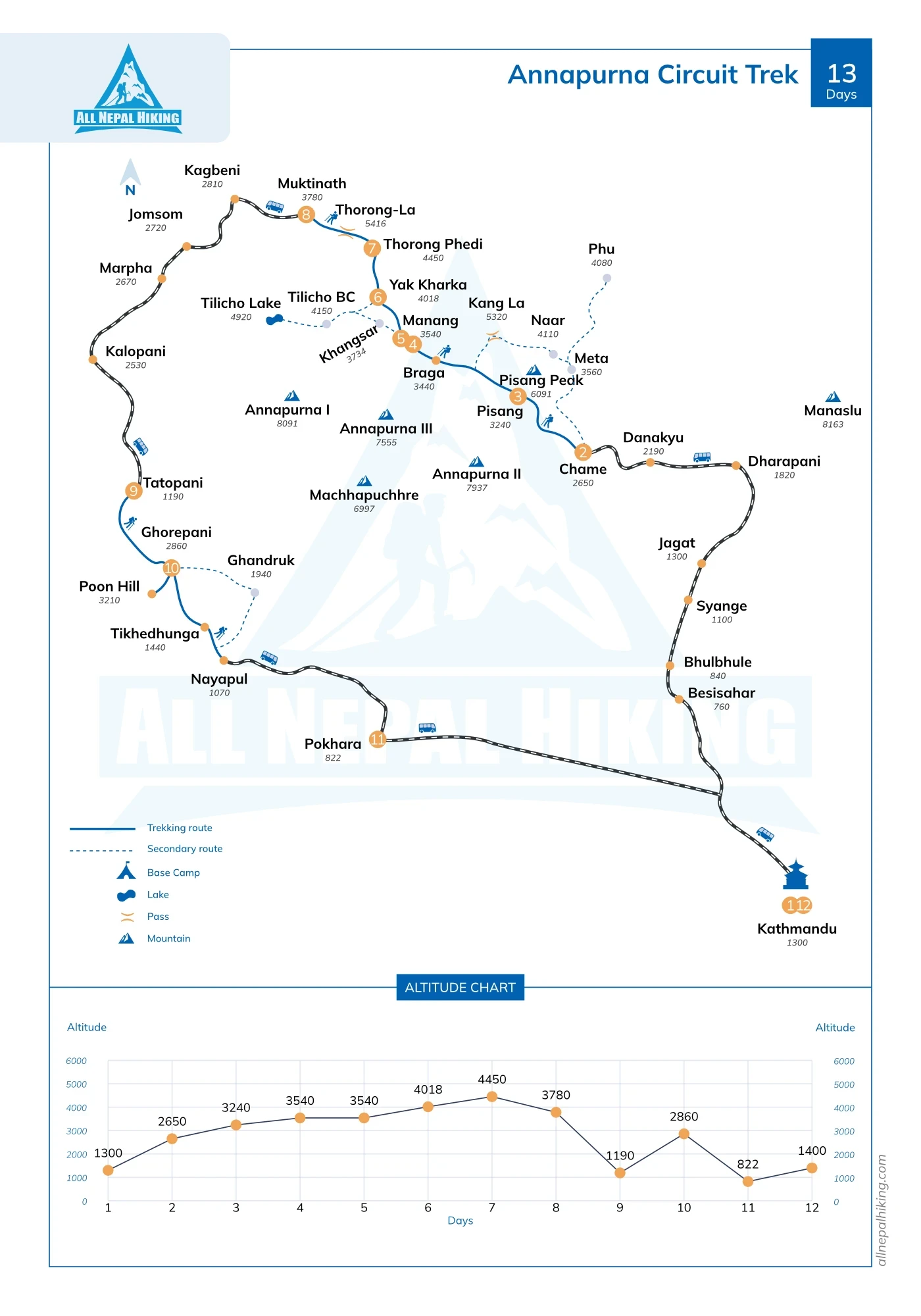
                            Route Map
                            Annapurna Circuit Trek -13 Days map
                            Cost Details
                            Includes
                            • Airport Transfer Services during international and domestic flight arrivals and departures

                            • Accommodation in Kathmandu (skye inn kathmanmdu or similar) and Pokhara (Hotel hidden kingdom or similar) on a Bed & Breakfast basis

                            • 10 nights Tea house  Accommodation during the trek

                            • Meals (Breakfast, Lunch, and Dinner) during the trek

                            • English-speaking, Government Licensed Trekking Guide and one porter shared between two trekkers

                            • Guides and Porter Expenses: meals, insurance, salary, lodging, transportation, and equipment costs

                            • Water Purification Tablets for safe drinking water

                            • Alll ground transpotation on bus or sharing jeep from Kathmandu to Dharapani/chame ,Muktinath to Tatopani and ghorepani/Nayapul  to Pokhara

                            • Pokhara to Kathmandu by tourist bus 

                            • All Applicable Permits and Fees (ACAP, TIMS, Local Permits)

                            • Seasonal Fresh Fruits every day

                            • All Nepal Hiking Duffel Bag, trekking map,Company's T-shirt and Cap 

                            • Farewell dinner in kathmandu with trek complate certificate

                            • All Government Taxes, local taxes, and official expenses

                            Excludes
                            • Nepal Entry Visa Fee: Easily obtainable on arrival at Tribhuvan International Airport in Kathmandu. The visa fees are as follows:

                              • $30 USD for 15 days

                              • $50 USD for 30 days

                              • $125 USD for 90 days

                            • Personal Travel and Medical Insurance

                            • Meals in Kathmandu & Pokhara (Lunch and Dinner)

                            • International Airfare

                            • Personal Expenses (e.g., souvenirs, laundry, etc.)

                            • Alcoholic and Non-Alcoholic Drinks: This includes all beverages like soft drinks, beer, hot drinks (tea, coffee, hot chocolate, cocoa), mineral water, and any extra food you choose to purchase along the trek or at tea houses.

                            • Desserts & Sweets: Including chocolates, cakes, pies, puddings, etc.

                            • Hot Showers and Battery Charging at tea houses (usually an extra cost)

                            • Tips for the guide, porter, and driver (tipping is expected)

                            • Note: If you return earlier from the trek due to sickness or other issues, any expenses already paid for your flight, hotel, mountain room, food, etc., will be nonrefundable. You will need to cover any additional costs for accommodation, meals, and services in Kathmandu.

                            Departure Dates
                            Select a Departure Month
                            Trip Date PriceStatus 
                            Start DateStartsMar 02, 2026End DateEndsMar 14, 2026PriceUS$915StatusAvailable
                            Start DateStartsMar 10, 2026End DateEndsMar 22, 2026PriceUS$915StatusGuaranteed
                            Start DateStartsMar 18, 2026End DateEndsMar 30, 2026PriceUS$915StatusAvailable
                            Start DateStartsMar 22, 2026End DateEndsApr 03, 2026PriceUS$915StatusGuaranteed
                            Start DateStartsMar 26, 2026End DateEndsApr 07, 2026PriceUS$915StatusAvailable
                            Useful Info

                            What is the Annapurna Circuit?

                            The Annapurna Circuit is one of the most renowned and spectacular trekking routes in Nepal, offering an incredible journey around the majestic Annapurna Massif. This iconic annapurna circuit trek Nepal provides an immersive experience of diverse landscapes, from subtropical forests and rhododendron groves to alpine meadows, high desert regions, and glacial terrain.

                            It spans 160-230 kilometers, depending on the starting and ending points, and typically takes around 10-21 days to complete, with the highest point at Thorong La Pass (5,416 meters), one of the highest trekking passes in the world.

                            The circuit traverses through diverse Nepalese villages and cultures, where trekkers can meet locals from communities such as Gurung, Magar, Thakali, and Tibetan populations. These villages provide an authentic cultural experience, allowing trekkers to witness traditional stone houses, Buddhist monasteries, chortens, and prayer flags. One of the key cultural highlights is the sacred Muktinath Mandir, a revered site for both Hindus and Buddhists.

                            Breathtaking views are a constant companion throughout the trek, showcasing towering peaks like Annapurna I, Annapurna II, Annapurna III, Annapurna IV, Dhaulagiri, Machapuchare, Tilicho Peak, and Manaslu. The trekking in Nepal Annapurna circuit also offers panoramic vistas frompoon hill himalayas, where trekkers are treated to one of the most iconic sunrise views in the Himalayas. Along the trek, you’ll also see the impressive Kali Gandaki Gorge, the deepest gorge on Earth, and experience varying landscapes such as subtropical forests, alpine meadows, and high-altitude deserts.

                            The Annapurna Conservation Area Project (ACAP) protects the region’s natural beauty and biodiversity, and trekkers can encounter a variety of wildlife such as Himalayan tahr, marmots, pikas, and possibly even a snow leopard. The trek is known for its diversity, with terrain and vegetation changing drastically along the way, offering trekkers an ever-changing landscape.

                            For many, the physical challenge of the annapurna hike is the ascent of Thorong La Pass, a steep climb that requires proper acclimatization. Manang serves as a key acclimatization point, offering options for short hikes such as Gangapurna Lake, Ice Lake, Braga Monastery, and Parken Gompa. These acclimatization opportunities help ensure trekkers are well-prepared to tackle the pass.

                            Once over the pass, the trek continues into the Mustang region, passing through picturesque towns like Jomsom, Marpha, and Tukuche, famous for their apple orchards and local apple brandy. Afterward, trekkers can enjoy a soothing rest at the natural hot springs of Tatopani, known for their rejuvenating qualities. The trek ends in Pokhara, a lakeside city that offers a perfect retreat with stunning views of Machapuchare (Fishtail Mountain) and various trekking and adventure options.

                            Whether you’re seeking adventure trekking, cultural experiences, or simply wanting to witness the grandeur of the Himalayas, the Annapurna Circuit provides an unforgettable experience. The trek is suitable for a wide range of trekkers, from beginners to seasoned hikers, thanks to its well-defined trail, teahouses for overnight stays, and supportive infrastructure. Additionally, the teahouses provide hearty meals, offering trekkers a warm and cozy atmosphere after a long day’s trek, often around a fire-lit dining room.

                            From breathtaking views, diverse landscapes, and cultural exploration to challenging climbs and rejuvenating rests, the annapurna loop trek is one of Nepal’s premier trekking destinations, drawing trekkers from all over the world looking for a once-in-a-lifetime trekking adventure.

                            Where is Annapurna Circuit on World Map

                            The Annapurna Circuit is located in the Himalayan mountain range in central Nepal, within the Annapurna Conservation Area. It is part of the broader Annapurna Massif, which includes some of the highest peaks in the world, including Annapurna I (8,091 meters), Annapurna II, and Annapurna III.

                            To locate it on a world map:

                            • Latitude: 28.594° N

                            • Longitude: 83.820° E

                            The manang annapurna circuit  begins near the town of Besisahar in the Lamjung District, about 185 kilometers (115 miles) northwest of Kathmandu, the capital of Nepal. It then loops around the Annapurna Massif, crossing the Thorong La Pass at 5,416 meters before descending to Pokhara, a popular lakeside city.

                            If you look on a world map, you’ll find the Annapurna Circuit in the northern part of Nepal, near the border with Tibet (China). The trek takes you through a stunning diversity of landscapes, ranging from subtropical forests to alpine deserts, and offers spectacular views of the Himalayas, including Annapurna, Dhaulagiri, and Machapuchare.

                            This region is positioned at the intersection of the Indian and Eurasian tectonic plates, which creates the dramatic geography that makes this trek so iconic.

                            Best Time To Hike The Annapurna Circuit

                            The Annapurna Circuit Trek -13 Days  offers a unique experience throughout the year, with each season bringing its own charm, challenges, and rewards. The best time to trek depends on your preferences for weather, trail conditions, and the level of crowds.The best time for your trekking annapurna circuit in 2026/27 with All Nepal Hiking is Spring And Autumn 

                            Annapurna Circuit in Spring Season (March–May)

                            Spring is considered one of the best seasons for the Annapurna circuit trek thorong la pass. During this time, the weather is stable, and you can enjoy clear skies offering breathtaking views of the Annapurna and Dhaulagiri mountain ranges. The blooming rhododendron flowers add a splash of color to the landscape, making it a photographer's paradise.

                            This is a very popular time for trekkers, with mild temperatures making it ideal for long trekking days. You can also expect stunning panoramic views of the Himalayas, as the skies tend to be clear during this season. However, being the peak trekking season, trails can be busy, and accommodation may fill up quickly.

                            Annapurna Circuit Trek in Autumn Season (September–November)

                            Autumn is the peak trekking season for the Annapurna Circuit route , offering perfect trekking conditions. The post-monsoon period brings clear skies, fresh air, and outstanding mountain visibility. The days are warm, but the nights are cool, providing a comfortable trekking experience. The air is dry and crisp, and the views from Poon Hill and Thorong La are unforgettable.

                            Autumn is the best time if you’re looking for amazing mountain views, great weather, and safe trail conditions. This season coincides with Nepal’s festival period, bringing a special cultural experience to your trek.

                            Annapurna Circuit in Monsoon Season (June–September)

                            Monsoon season brings heavy rainfall to the Annapurna Circuit, making it the least favorable season for clear mountain views. However, for those looking for a more secluded trekking experience, the monsoon season offers lush green landscapes and fewer trekkers on the trails. Despite slippery paths and the risk of landslides, trekking during the monsoon offers an opportunity to see Nepal’s natural beauty at its lushest and wildest.

                            The Mustang region remains dry and accessible during this time, offering a unique opportunity to explore this rain-shadow area. Monsoon trekking also means lower accommodation rates and fewer trekkers on the trails.

                            Annapurna Circuit in  Winter Season (December–February)

                            Winter on the Annapurna Circuit is cold, with temperatures often dropping below freezing, especially at higher altitudes. Snowstorms can close higher passes, such as Thorong La, and teahouses at high altitudes may be closed due to harsh weather conditions. However, for those who love snow and solitude, winter trekking provides a unique adventure.

                            Despite the challenges, winter offers serene trails, beautiful snow-capped peaks, and a tranquil atmosphere, making it a peaceful trekking season with stunning starry skies. Winter trekking is ideal for those who prefer quiet trails and don’t mind the cold.

                            All Nepal Hiking Recommendation for the Best Time to Trek Annapurna Circuit

                            For the best trekking experience, All Nepal Hiking recommends trekking during Autumn (September–November) or Spring (March–May). These seasons offer the best combination of good weather, clear mountain views, and comfortable trekking conditions. However, if you’re an experienced trekker looking for quieter trails, consider trekking during Monsoon or Winter, but be prepared for challenging conditions.

                            No matter which season you choose, the 13 day Annapurna Circuit Trek will offer an unforgettable adventure. With stunning landscapes, rich cultural experiences, and breathtaking mountain vistas, each season offers something special for every trekker.

                            Landmarks to Explore During the Annapurna 13 days loop Trek

                            The Annapurna 13 day Circuit Trek is not only about challenging yourself physically, but it also offers incredible cultural and natural landmarks that make this journey unforgettable. Here are the top highlights you'll explore during your trek:

                            Thorong La Pass (5,416m)

                            Arguably the most iconic landmark of the Annapurna Circuit, thorong la pass nepal is the highest point of the trek, and crossing it is an accomplishment that fills trekkers with immense pride. This high-altitude pass offers unparalleled views of the snow-capped Himalayas and surrounding peaks. Reaching the summit, you'll see prayer flags fluttering in the wind, adding to the spiritual energy of the pass. The early morning sunrise views over the Annapurna Range are simply magical, making this one of the most memorable moments of the manang thorong la pass trek.

                            Muktinath Temple (3,710m)

                            A revered pilgrimage site for both Hindus and Buddhists, Muktinath Temple is located at 3,710 meters. The sacred temple complex features 108 water spouts and an eternal flame, which is fueled by natural gas, giving the temple an air of mysticism and serenity. This is a place where trekkers can reflect, relax, and immerse themselves in the spiritual atmosphere while also enjoying the stunning views of the surrounding peaks.

                            Manang Valley

                            Manang is one of the most picturesque and important landmarks on the Annapurna Circuit, serving as the primary acclimatization point for trekkers. The valley offers spectacular views of towering peaks like Annapurna II, Gangapurna, and Tilicho Peak. Here, trekkers can also take short hikes, such as to Ice Lake or Gangapurna Lake,green lake manang to acclimatize and prepare for the higher altitudes ahead. The peaceful village is also a great place to interact with locals and explore the rich Tibetan culture that influences this region.

                            Kali Gandaki Gorge

                            The Kali Gandaki Gorge, the world’s deepest river gorge, lies between the Dhaulagiri and Annapurna ranges. Trekking through this dramatic landscape, you’ll see rugged geological formations and ancient ammonite fossils remnants of when the Himalayas were once submerged under the Tethys Sea. This awe-inspiring kali gandaki gorge nepal offers breathtaking views and a chance to learn about the area’s geological history.

                            Ice Lake (Kicho Tal)

                            Located near Manang, Ice Lake is a serene, high-altitude destination where trekkers can enjoy the beauty of a pristine glacial lake. Surrounded by majestic snow-capped peaks, it offers an incredible setting for those looking to escape into nature’s tranquility. This stunning lake is an excellent spot for acclimatization and a favorite among trekkers exploring the less-traveled paths of the Annapurna Circuit.

                            Green Lake Manang

                            Green Lake, another hidden gem near Manang, offers a scenic trek that rewards adventurers with breathtaking views and a sense of solitude. Its vibrant green waters are surrounded by dramatic mountain landscapes, making it a perfect location for trekkers seeking peace and quiet away from the more crowded trails. It also serves as a great spot for acclimatization during an Annapurna Circuit journey.

                            Mustang

                            One of the most unique and culturally rich regions on the Annapurna Circuit Trek is Mustang, an ancient Tibetan kingdom. Located in the rain shadow of the Annapurna and Dhaulagiri mountains, Mustang offers a stunning combination of desert-like landscapes and dramatic mountain views. The region is also home to incredible cultural landmarks, such as Lo Manthang, a medieval walled city that still retains its traditional Tibetan architecture and culture.

                            Jomsom

                            Jomsom is a windswept market town located along the annapurna trek, serving as a crucial stop for trekkers on their way to Mustang. It’s a gateway to the Mustang region and provides trekkers with a unique opportunity to explore the Thakali culture. The town is famous for its apple orchards and apple brandy, making it a delicious and charming stop.

                            Monasteries

                            Along the Annapurna Circuit trail, trekkers encounter numerous monasteries that offer a glimpse into the spiritual life of the Himalayas. Braga Monastery, near Manang, is one of the oldest and most important Buddhist monasteries in the region. The monastery offers both spiritual solace and incredible views of Annapurna and Gangapurna peaks. Pisang Monastery, perched above the village, is another highlight, where trekkers can enjoy panoramic mountain views while experiencing Tibetan Buddhist culture and architecture.

                            Natural Hot Springs (Tatopani)

                            After the challenging ascent to Thorong La, trekkers are rewarded with a relaxing stop at Tatopani, a village famous for its natural hot springs. Soaking in these therapeutic waters provides relief from sore muscles and a chance to rejuvenate before continuing the trek. It’s a unique experience that combines relaxation with the beauty of the surrounding mountains.

                            Ghorepani and Poon Hill

                            One of the best sunrise spots in the Annapurna region, Poon Hill is a must-visit for any trekker. The panoramic views of Annapurna I, Dhaulagiri, Machapuchare, and Hiunchuli are breathtaking, particularly during the early morning light. The Ghorepani village is a popular stopping point, known for its Gurung culture and traditional stone houses. The trek to Poon Hill is part of the Ghorepani Poon Hill Trek, one of the shortest and most scenic hikes in Nepal.

                            Pokhara

                            At the end of your trek, you’ll reach Pokhara, a beautiful lakeside city located at the base of the Annapurna Range. This vibrant city is a perfect place to relax and reflect on the adventure, with stunning views of Machapuchare (Fishtail Mountain) reflected in the peaceful waters of Phewa Lake. Pokhara offers great opportunities for rest and recovery after the trek, with plenty of cafes, shops, and vibrant nightlife to enjoy.

                            How the 13-Days Annapurna Circuit Trek is Different From Other Treks

                            Our 13-day Annapurna Circuit Trek itinerary stands out from other trekking routes due to its meticulous balance between altitude acclimatization, cultural immersion, and comprehensive route coverage. Unlike shorter treks that may rush through key highlights or skip crucial acclimatization stops, the 13-day schedule is designed to allow trekkers to explore the Annapurna region fully while minimizing health risks.

                            The 13-day circuit itinerary strikes a perfect equilibrium between speed and thoroughness, offering trekkers ample time to enjoy the diverse landscapes, from lush subtropical forests to high-altitude desert plateaus. It also ensures a safe trekking experience, allowing for proper altitude acclimatization at strategic locations like Manang, where trekkers can rest and engage in cultural experiences. This thoughtful planning significantly reduces the chances of altitude sickness, which can be a common issue in faster-paced treks.

                            Strategic Rest Days: Rest days in Manang and possible adjustments at the Thorong La Pass give trekkers the chance to adjust to the altitude and weather conditions, making the trek smoother and more comfortable. These carefully planned pauses also reduce fatigue and increase the overall enjoyment of the trek.

                            Authentic Experience: The 13-day annapurna loop trek itinerary offers a more immersive journey by including visits to off-the-beaten-path villages, monasteries, and scenic spots that are often overlooked by shorter versions. This allows trekkers to experience a more authentic Annapurna Circuit, away from the crowds, while interacting with local communities and enjoying panoramic views of towering peaks like Annapurna I, Dhaulagiri, and Machapuchare.

                            Unlike faster treks, which prioritize efficiency over experience, our 13-day trek ensures you don’t miss out on any of the cultural, natural, or spiritual highlights. You’ll experience the true essence of the Annapurna Circuit, its unique landscapes, rich cultures, and awe-inspiring mountain views without feeling rushed.

                            In addition, this itinerary is flexible, allowing for adjustments in case of weather conditions around Thorong La Pass, ensuring a safe and memorable journey. Whether you're trekking solo or with a guide, the 13-day Annapurna circle trek is the ideal choice for those who want to explore one of the most iconic trekking routes in the world without compromising on safety, comfort, or cultural experiences.

                            Best Alternative Treks Around the Annapurna Circuit

                            While the Annapurna Circuit itself is a breathtaking adventure, there are several alternative treks in the surrounding regions that offer unique experiences, stunning landscapes, and rich cultural encounters. These treks provide a variety of options depending on the amount of time you have and the type of experience you're seeking.

                            Annapurna Base Camp Trek

                            For those with limited time or looking for a more focused trek, the Annapurna Base Camp (ABC) Trek is an excellent choice. The trek takes 7 to 10 days to complete, and it leads you to a natural amphitheater surrounded by towering peaks like Annapurna I, Machapuchare, and Himalchuli. The journey offers incredible mountain views, diverse landscapes, and the unique experience of being at the foot of some of the highest mountains in the world. The trek is also well-suited for those seeking a challenging yet manageable adventure.

                            Tilicho Lake Trek

                            If you're looking for an even more spectacular addition to your Annapurna Circuit, consider the Tilicho Lake Trek. This extension adds the world's highest lake at an altitude of 4,919 meters to your itinerary. The trek requires an additional 2-3 days but rewards trekkers with stunning turquoise waters set against the backdrop of the Annapurna Himalayas. The area is remote and less crowded, offering a serene wilderness experience that few other trekking routes can match.

                            Upper Mustang Trek

                            For a truly unique experience, the Upper Mustang Trek offers an unforgettable journey into a restricted and mystical region of Nepal. Often referred to as the "Last Forbidden Kingdom," Upper Mustang was closed to foreign trekkers until 1992, making it an incredibly special destination. The trek takes you through desert landscapes, past Tibetan Buddhist monasteries, and into ancient cave dwellings. You'll have the opportunity to explore Lo Manthang, the capital of Upper Mustang, and witness Tibetan culture that has remained largely unchanged for centuries. This trek requires a special permit but is well worth the extra effort for those looking for a truly off-the-beaten-path experience.

                            Nar Phu Valley Trek

                            Another remote and pristine trek that can be combined with the Annapurna Circuit is the Nar Phu Valley Trek. This trek is an extension that takes you through sparsely populated villages and rugged terrain, offering a glimpse into the traditional lifestyle of the Nar and Phu people. The trek is challenging and remote, with the option to add 5-7 days to your standard Annapurna itinerary. Along the way, you'll visit Tibetan Buddhist monasteries, encounter high-altitude pastoral landscapes, and explore hidden valleys that few trekkers have the privilege to see. This trek offers a deep cultural experience in a truly untouched corner of Nepal.

                            These alternative treks around the Annapurna Circuit offer something for every type of traveler, whether you're looking to shorten your trek with a visit to Annapurna Base Camp, explore high-altitude lakes like Tilicho, or immerse yourself in ancient Tibetan culture in Upper Mustang and the Nar Phu Valley. These treks not only offer stunning mountain views but also provide a chance to experience Nepal's diverse cultures and pristine wilderness areas that are often missed on the standard Annapurna route.

                            Each of these treks can easily be tailored to fit your interests and time constraints, and they can be seamlessly added to the Annapurna Circuit for an unforgettable Himalayan adventure.

                            Permits and Documentation for the Annapurna Circuit Trek

                            To embark on the Annapurna Circuit Trek, you will need two primary annapurna trek permit: the Annapurna Conservation Area Permit (ACAP) and the Trekkers' Information Management System (TIMS) Card.

                            The ACAP is required for all trekkers entering the Annapurna Conservation Area. The cost is NPR 3,000 (approximately USD 30) for foreign nationals. Annapurna circuit permit helps fund conservation efforts within the area, supporting local communities and maintaining the natural environment.

                            If you wish to extend your trek to Nar Phu Valley, Tilicho Lake, or other restricted areas, additional permits are required. All Nepal Hiking takes care of these special permits, ensuring that all required documentation is in place before you start your trek.

                            Nar Phu Valley, an off-the-beaten-path destination, requires a special restricted area permit. This area offers an authentic trekking experience with Tibetan Buddhist monasteries and rugged landscapes. Similarly, Tilicho Lake, one of the highest lakes in the world, is a stunning extension to the Annapurna Circuit, but it also requires a special permit for access.

                            All Nepal Hiking offers a full range of permit management services, including permit applications, passport verification, registration, and ensuring you carry the required documents. We recommend bringing multiple photocopies of your passport and recent passport-sized photographs to avoid any delays during the registration process. By choosing All Nepal Hiking, we take care of the logistics so you can focus on the adventure ahead.

                            How Difficult is the Annapurna Circuit Trek?

                            The Annapurna Circuit Trek offers a moderate to challenging experience, demanding both physical fitness and mental resilience. The main difficulty lies in the high altitude, especially when crossing Thorong Pass at 5,416 meters. Proper acclimatization is essential to minimize the risks of altitude sickness, with key stops like Manang (3,540 m) and Yak Kharka (4,050 m) designed to help trekkers adjust gradually.

                            Daily treks typically span 5–7 hours, covering varied terrain such as stone staircases, mountain trails, and river valleys. The trek to Thorong La Pass is a long day, often lasting 7–9 hours, including the challenging descent to Muktinath. While previous trekking experience is beneficial, it’s not a requirement 

                            first-time Himalayan trekkers can successfully complete the circuit with adequate preparation.

                            Physical preparation should focus on cardiovascular endurance, leg strength, and hiking with a loaded backpack 2–3 months in advance. Mental toughness also plays a key role, particularly during inclement weather and high-altitude discomfort.

                            The terrain covers distances of 160 to 230 km, with daily trekking distances of 8 to 17 km. High-altitude trekking requires careful attention to hydration, pacing, and regular rest to combat fatigue and altitude-related issues.

                            The best time to trek is during Spring (March–May) or Autumn (September–November), when the weather is stable and skies are generally clear. However, trekkers should be prepared for the potential challenges posed by snow, wind, and rain, particularly near Thorong La Pass. With proper planning, hydration, and acclimatization, the Annapurna Circuit Trek remains a rewarding and unforgettable adventure.

                            Travel Insurance for 13 days Annapurna Region Trekking

                            When embarking on the Annapurna Region Trekking, having comprehensive travel insurance is a necessity. We require that all trekkers have coverage that includes emergency helicopter evacuation from altitudes up to 6,000 meters, as this is crucial in case of unforeseen circumstances or health issues. It's important to note that standard travel insurance policies often exclude high-altitude trekking, so it's essential to purchase specialized adventure travel insurance that includes trekking coverage.

                            The key components of your travel insurance should cover:

                            • Medical expenses for treatment during the trek

                            • Emergency evacuation (including by helicopter)

                            • Repatriation if needed

                            • Trip cancellation for unexpected events

                            • Lost luggage or personal belongings

                            We recommend choosing policies from trusted providers experienced with Himalayan trekking, such as World Nomads, Global Rescue, or IMG Global. Ensure that you have all necessary insurance documentation on hand throughout the trek. We also keep copies of your insurance details for any emergency situations that may arise during the trek.

                            Weather and Temperature on the Annapurna Circuit Trek From Pokhara 

                            When trekking the Annapurna Circuit, weather and temperature conditions can vary dramatically depending on your altitude and the time of year. The Annapurna Circuit Trek From Pokhara  offers trekkers an unforgettable experience, but it's important to know what to expect in terms of weather as you ascend through different elevations.

                            Month

                            Lower Elevations (°C)

                            High Elevations (°C)

                            January

                            Day: 5-15, Night: -5 to 5°C

                            Day: -15 to 0, Night: -25 to -15°C

                            February

                            Day: 8-18, Night: -3 to 7°C

                            Day: -12 to 3, Night: -22 to -12°C

                            March

                            Day: 12-22, Night: 0 to 10°C

                            Day: -8 to 5, Night: -18 to -8°C

                            April

                            Day: 15-25, Night: 3 to 13°C

                            Day: -5 to 8, Night: -15 to -5°C

                            May

                            Day: 18-28, Night: 8 to 16°C

                            Day: 0 to 12, Night: -10 to 0°C

                            October

                            Day: 15-23, Night: 5 to 13°C

                            Day: -3 to 8, Night: -13 to -3°C

                            November

                            Day: 10-20, Night: 0 to 8°C

                            Day: -8 to 3, Night: -18 to -8°C

                            December

                            Day: 7-17, Night: -3 to 5°C

                            Day: -12 to 0, Night: -22 to -12°C

                            By understanding the weather and temperature conditions throughout your trek, you'll be better equipped to enjoy your adventure and stay safe in the Annapurna Conservation Area. Whether you're trekking to Thorong La Pass or exploring the cultural hubs like Muktinath Mandir and Jomsom, proper preparation is key to having a successful Annapurna region Trek.

                            Preparation and Planning for the Annapurna Circuit Trek in Nepal 

                            Physical Conditioning

                            We recommend beginning physical training 8-12 weeks before departure. Focus on cardiovascular endurance through running, cycling, or swimming, combined with strength training emphasizing legs, core, and shoulders. Practice hiking with loaded backpacks on varied terrain, gradually increasing duration and elevation gain.

                            Gear and Equipment

                            Essential equipment includes quality trekking boots (broken in before departure), a layered clothing system for temperature variations, a warm sleeping bag (rated to -10°C), trekking poles, a headlamp, water purification, and first aid supplies. We provide comprehensive packing lists specifying required and optional items.

                            Altitude Acclimatization

                            Understanding altitude sickness symptoms and prevention strategies proves crucial. We educate trekkers on recognizing Acute Mountain Sickness (AMS) signs, including headache, nausea, dizziness, and fatigue. Our itinerary includes strategic acclimatization days and gradual altitude gain following the principle "climb high, sleep low."

                            Mental Preparation

                            Mental resilience significantly impacts trekking success. We prepare clients for challenging conditions, including cold temperatures, basic facilities, potential discomfort, and long trekking days. Maintaining a  positive attitude and realistic expectations enhances the overall experience.

                            Budget Annapurna Circuit Trek

                            The Budget Annapurna Circuit Trek varies significantly based on services included and trekking style. Independent trekking costs approximately USD 25-35 daily, covering teahouse accommodation (USD 5-10), meals (USD 15-20), and incidentals. Organized group treks with guide and porter services range from USD 800-1,200 for the complete 13-day circuit.

                            Additional expenses include permits (USD 30-40), transportation to/from trailheads (USD 50-80), travel insurance (USD 100-200), equipment purchases/rentals (USD 100-300), and contingency funds for emergencies. We provide transparent cost breakdowns including all anticipated expenses, helping clients budget appropriately.

                            Value-added services in our packages include experienced English-speaking guides, porter support, comfortable teahouse bookings, comprehensive pre-trek briefings, and 24/7 emergency support, justifying the premium over independent trekking.

                            What to Expect in a Teahouse During the Annapurna Circuit Trek

                            Teahouses provide the backbone of the Annapurna Circuit infrastructure, offering basic but adequate facilities. We typically select teahouses featuring communal dining areas with wood or kerosene stoves providing warmth and social interaction opportunities. Bedrooms contain twin beds with foam mattresses, pillows, and blankets though sleeping bags enhance comfort and warmth.

                            Bathroom facilities range from attached western-style toilets at lower elevations to shared squat toilets at higher altitudes. Hot showers are available for additional fees (USD 3-5), though many trekkers opt for occasional showers to conserve energy and minimize altitude stress.

                            Dining experiences center around extensive menus offering Dal Bhat (traditional Nepali meal with unlimited refills), pasta, noodles, soups, momos, and international dishes. We encourage clients to embrace Dal Bhat power as locals say—this nutritious combination provides sustained energy for trekking.

                            Transportation for Annapurna Circuit Trek

                            Getting to the Trailhead
                            The journey to the Annapurna Circuit trek begins with transportation from Kathmandu to the starting point, typically Besisahar or Bhulbhule. You can choose between a tourist bus (7-8 hours) or a private jeep (6-7 hours).

                            Many trekkers now start their trek from Chame or Dharapani, which are accessible by shared jeeps from Besisahar (4-5 hours), allowing you to skip some initial trekking days. If you're short on time and want a more direct route, taking the jeep to these starting points can save you 2-3 days of walking.

                            Return Journey
                            At the end of the trek, the circuit typically concludes in Jomsom, which is well-connected to Pokhara. You can either take a scenic flight (20 minutes, USD 110-130) or choose a jeep ride (7-8 hours, USD 25-30). Flights offer comfort and time efficiency, though they're weather-dependent, and delays or cancellations can occur during peak seasons. We recommend booking your flight in advance to avoid last-minute issues.

                            Transportation Notes

                            • Public transport (bus or shared jeep) is included in the standard trek package.

                            • Private transport can be arranged at an additional cost upon request.

                            • Roads can be rough and bumpy, so prepare for a somewhat uncomfortable ride.

                            • Travel times may vary depending on road conditions and weather.

                            • All ground transfers are managed by All Nepal Hiking to ensure safety and reliability.

                            • Flights are typically only required for the return journey.

                            Local Bus Option
                            If you're on a budget, local buses from Kathmandu or Pokhara to Besisahar are the most affordable way to reach the trek’s starting point. However, these buses are slower, more crowded, and less comfortable than tourist buses or private jeeps. While the journey is not luxurious, it offers an authentic travel experience and a closer look at local life. To avoid traveling in the dark, it's best to start early in the morning.

                            Besisahar to Kathmandu or Pokhara
                            Once you reach Besisahar, you have two main options for the return journey:

                            • Kathmandu: Approximately 7 hours by jeep or local bus

                            • Pokhara: Approximately 5 hours by jeep or local bus

                            We handle all your transportation arrangements, ensuring that you reach your destination comfortably and on time.

                            Electricity and Communication on the Annapurna Circuit Trek: What to Expect

                            Electricity Availability
                            Electricity along the Annapurna Circuit Trek can be quite variable. In lower-elevation teahouses, reliable power is usually available, sourced from hydroelectric or solar power. However, at higher elevations like Manang and Thorong Phedi, the availability of electricity is more limited and typically more expensive due to reliance on solar panels.

                            It’s highly recommended to carry portable power banks (20,000+ mAh capacity) to ensure you have sufficient power for your devices. Solar chargers are also a good option for maintaining independence, especially if you're trekking in remote areas with limited access to power. Note that power outages can happen, particularly during winter months or in the event of bad weather.

                            Mobile Connectivity
                            Mobile coverage improves steadily as you progress along the trek, with major providers like Ncell and Nepal Telecom offering connectivity in areas such as Manang and Muktinath. However, as you climb higher, the signal strength and reliability may drop significantly, with higher altitudes often experiencing intermittent or no coverage at all.

                            If staying connected is important to you, it’s a good idea to buy a local SIM card from either NTC or NCELL at Kathmandu or Tribhuvan International Airport before beginning your trek. Both offer prepaid data packages, and NTC is generally preferred for better coverage in mountainous regions. Be sure to top up your SIM before heading to the trail, as recharge options are limited along the route.

                            WiFi Access
                            Most teahouses offer WiFi, but the service is slow and unreliable, especially at higher altitudes. WiFi usually costs an extra NPR 200–500 per device, and is sometimes only available in common dining areas. While you can use WiFi for messaging and checking maps, it’s not suitable for streaming or video calls.

                            Tips for Staying Connected

                            • Use offline apps like Maps.me or Google Maps offline mode to avoid connectivity issues.

                            • Consider using text-based messaging apps like WhatsApp or Viber, which work better with low-speed internet.

                            • Charge your phone before heading to high altitudes and carry a power bank, as charging at teahouses often comes with an additional cost.

                            • If you're relying on your phone for GPS or communication, having a power bank and extra cables is essential.

                            Although connectivity on the Annapurna Circuit Trek is improving, it’s important to manage expectations when it comes to staying connected. Be prepared for temporary outages and enjoy the opportunity to disconnect while immersed in the stunning Himalayas.

                            13-Days Circle Annapurna Trek Distance 

                            The 13-day Annapurna Circuit Trek covers approximately 160-230 kilometers, depending on the exact starting and ending points. The trek involves daily distances of 10-20 kilometers, with the most strenuous day being the crossing of Thorong La Pass (5,416 m), which covers 15-18 kilometers of challenging terrain with significant elevation gain and loss.

                            Day

                            Route

                            Distance

                            Altitude

                            Day 1

                            Arrival at Tribhuwan International Airport (TIA)


                            1,340m

                            Day 2

                            Kathmandu (1340m) - Besisahar (760m) and Drive to Chame (2650m)

                            80 km by road

                            2,650m

                            Day 3

                            Chame to Pisang

                            12 km

                            3,240m

                            Day 4

                            Pisang to Manang

                            15 km

                            3,540m

                            Day 5

                            Acclimatization day in Manang

                            -

                            3,540m

                            Day 6

                            Manang to Yak Kharka

                            15 km

                            4,018m

                            Day 7

                            Yak Kharka to Thorang Phedi

                            10 km

                            4,450m

                            Day 8

                            Thorang Phedi to Thorong La Pass to Muktinath

                            15-18 km

                            5,416m (Thorong La Pass) / 3,780m (Muktinath)

                            Day 9

                            Muktinath to Tatopani

                            22 km

                            1,190m

                            Day 10

                            Tatopani to Ghorepani

                            18 km

                            2,860m

                            Day 11

                            Trek and drive from Ghorepani to Pokhara

                            62 km

                            822m

                            Day 12

                            Pokhara to Kathmandu Drive

                            200 km by road

                            1,340m

                            Day 13

                            Departure Day


                            Total annapurna circuit trek length : 160-230 km (depending on variations in starting and ending points)

                            • Days 1-3: Starting in Kathmandu, the first days take you through lower valleys, with about 40-50 kilometers covered over the first three days.

                            • Days 4-6: Trekking through middle elevations, you’ll cover 35-45 kilometers on your way to Manang (3,540 meters), where you’ll take a rest day to acclimatize.

                            • Days 7-8: These two days cover the approach to Thorong Phedi and the crossing of Thorong La Pass—the most challenging part of the trek, covering 15-18 kilometers.

                            • Days 9-13: After the pass, the descent through the Kali Gandaki Valley to Jomsom covers 50-60 kilometers. The trek concludes with a drive from Pokhara to Kathmandu.

                            The 13-day Annapurna Circuit Trek is designed to allow sufficient time for acclimatization and includes rest days to ensure that trekkers can safely navigate the challenging altitude and terrain. With proper preparation, the trek offers a truly rewarding adventure, showcasing the Himalayan landscape in all its glory.

                            Annapurna Circuit Trek Elevation

                            The Annapurna Circuit Trek is renowned for its vast elevation changes, offering trekkers a remarkable journey from lowland villages to high-altitude passes. Starting from Dharapani at 1,860 meters, the trek gradually ascends to the highest point of the journey, Thorong La Pass, which sits at an impressive 5,416 meters.

                            Elevation Points on the Annapurna Circuit:

                            • Dharapani – 1,860 meters

                            • Chame – 2,650 meters

                            • Pisang – 3,240 meters

                            • Manang – 3,540 meters (ideal for acclimatization)

                            • Yak Kharka – 4,018 meters

                            • Thorong Phedi – 4,450 meters

                            • Thorong La Pass – 5,416 meters (highest point)

                            • Muktinath – 3,780 meters

                            • Tatopani – 1,190 meters

                            • Ghorepani – 2,860 meters

                            • Pokhara – 822 meters

                            The elevation gain to Thorong La Pass spans 3,556 meters, and is typically covered within 12-14 days of trekking, although the full trek can take anywhere between 16 to 20 days depending on the pace and chosen itinerary.

                            Acclimatization and Rest Days:

                            The dramatic elevation change requires careful acclimatization to prevent altitude sickness. Rest days are essential, with Manang (3,540 meters) serving as a key acclimatization stop. Manang offers trekkers a chance to rest, acclimate, and explore the stunning Manang Valley and Gangapurna Lake.

                            Optional Extensions for Better Acclimatization:

                            For those seeking a more challenging adventure, you can extend the Annapurna Circuit by adding the Tilicho Lake Trek, which reaches an elevation of 4,920 meters. This extension provides additional acclimatization time and allows trekkers to experience one of the highest-altitude lakes in the world.

                            The Annapurna Circuit Trek is not just about the breathtaking views but also the physical challenge posed by the changing elevations. With proper acclimatization and careful planning, trekkers can enjoy the beauty of the Himalayas while ensuring a safe and successful journey.

                            Is the Annapurna Circuit Trek Worth It?

                            The Annapurna Circuit Trek is one of the world’s most iconic treks, offering trekkers a unique blend of stunning landscapes, cultural immersion, and Himalayan adventure. From lush green hills and traditional villages to high-altitude deserts and towering snow-capped peaks, the circuit delivers diverse scenery and an unforgettable experience.

                            Along the way, you’ll visit sacred Buddhist sites like Muktinath Temple and the Braga Monastery, and witness panoramic views of the Annapurna range, Dhaulagiri, Machhapuchhre (Fishtail), and more. The trek’s highlight, crossing the Thorong La Pass at 5,416 meters, offers a once-in-a-lifetime challenge with breathtaking views.

                            Though the route has become more commercialized, the inner sections still offer a sense of authentic Himalayan adventure, making the trek well worth it for both seasoned trekkers and first-timers. If you're seeking an epic journey with spectacular mountain vistas and cultural richness, the Annapurna Circuit Trek is definitely worth the effort.

                            Difference Between Annapurna Base Camp and Annapurna Circuit

                            Though both treks are in the Annapurna region, the Annapurna Circuit and Annapurna Base Camp treks offer distinct experiences.

                            The Annapurna Base Camp trek focuses solely on the Annapurna massif, taking trekkers to the base of Mt. Annapurna at 4,130 meters, with a journey primarily centered around the iconic peak. On the other hand, the Annapurna Circuit trek covers a larger area of the Annapurna region, circling the massif and offering a broader variety of landscapes, including Manang, Thorong La Pass, and the Mustang region.

                            While the Annapurna Base Camp trek is a shorter adventure, focusing on stunning views of the Annapurna range, the Annapurna Circuit trek spans around 200 km, passing through diverse terrains such as valleys, meadows, glacial lakes, and even desert-like areas in Mustang.

                            The key elevation difference is that the Annapurna Circuit trek reaches the highest accessible pass in the world, Thorong La Pass at 5,416 meters, whereas the Annapurna Base Camp trek's highest point is 4,130 meters.

                            Both treks offer unique challenges and experiences, but the Annapurna Circuit provides a more comprehensive exploration of the Annapurna region.

                            Cost of the Annapurna Circuit Trek Per Person 

                            The annapurna circuit trek cost varies depending on factors like trek duration, season, services, and whether you opt for a guided trek or go independently. On average, the price for the trek ranges from USD 895 to USD 1,199 per person.

                            At All Nepal Hiking, we offer the Annapurna Circuit Trek for USD 1,050 per person for 13 days and 12 nights, based on a minimum of 2 participants. This price includes all necessary transportation, accommodation, meals, trekking permits (ACAP & TIMS), porter service, and professional guide fees.

                            Number of Participants

                            Price per Person

                            1 pax

                            USD 1,199

                            2 - 6 pax

                            USD 1,050

                            7 - 15 pax

                            USD 915

                            16 - 20 pax

                            USD 895

                            For more details on what’s included in the trek package, please check the price inclusion section.

                            Annapurna Circuit Trek Start and End Points

                            Starting Point:The Annapurna Circuit Trek typically begins in Besisahar (760 meters), Dharapani (1,860 meters), or Bhulbhule. All of these towns are accessible by road from Kathmandu, taking approximately 6-8 hours by bus or private jeep. These starting points provide trekkers with easy access to the trail, offering breathtaking views and a gradual ascent as you begin your journey through the Annapurna Conservation Area.

                            Ending Point:The trek ends in Jomsom (2,700 meters), a significant town in the Mustang region, known for its beautiful surroundings and the gateway to Upper Mustang. From Jomsom, trekkers can opt for a short 20-minute flight to Pokhara, or choose a 7-8 hour jeep ride back to Pokhara. Pokhara serves as the perfect place to relax after the trek, offering scenic views of the Annapurna Range and Fishtail Mountain.

                            Annapurna circular trek is designed to take you through some of the most scenic and diverse landscapes in the world, from lush subtropical forests to high-altitude deserts and alpine meadows.

                            Cultural Insights on the Annapurna Circuit Trek

                            The Annapurna Circuit Trek offers a rich cultural experience alongside breathtaking landscapes. As you trek through the region, you’ll encounter diverse communities, each with its unique traditions and practices.

                            1. Gurung Culture
                              In the lower regions, the Gurung people are known for their warm hospitality, Buddhist traditions, and distinctive stone houses. Dal Bhat, a traditional meal, is common in Gurung villages.

                            2. Thakali Heritage
                              In the Kali Gandaki Valley, the Thakali people are renowned for their cuisine and business skills. Their flat-roofed houses and Buddhist prayer rooms reflect Tibetan influences.

                            3. Tibetan Influence
                              Higher up, Tibetan Buddhism dominates. Villages like Manang and Muktinath feature monasteries, mani walls, and prayer flags. Muktinath Temple is a sacred pilgrimage site for both Hindus and Buddhists.

                            4. Mustang Region
                              The Mustang region offers a rare look into Tibetan culture with its desert-like landscapes and Buddhist monasteries. The capital, Lo Manthang, preserves ancient traditions and medieval architecture.

                            5. Festivals and Handicrafts
                              Local festivals like Tihar and Lhosar showcase traditional dances and rituals. Handicrafts, including woolen shawls and wooden carvings, make great souvenirs and reflect local artistry.

                            Through these cultural encounters, the Annapurna Circuit not only provides stunning views but also a deep dive into the region’s diverse heritage.

                            Wildlife and Natural Diversity on the Annapurna Circuit

                            The Annapurna Circuit Trek is a journey through diverse ecosystems, offering trekkers a unique chance to experience a variety of wildlife and natural landscapes. From lush subtropical forests to barren alpine terrain, the trek showcases the remarkable biodiversity of the Annapurna Conservation Area.

                            1. Flora Diversity
                              The lower elevations of the circuit are covered with rich bamboo forests, rhododendron groves, and pine forests. As you ascend, you'll encounter alpine meadows and scrubby shrubs. At higher altitudes, only hardy mosses and lichens thrive, creating a stark contrast to the vibrant lower areas.

                            2. Fauna

                            • Mammals: The Annapurna region is home to species like the Himalayan Tahr, blue sheep, and langur monkeys. The elusive snow leopard and red panda are rare but occasionally spotted in the remote areas.

                            • Birds: The region is a birdwatcher’s paradise, with eagles, vultures, Himalayan griffon vultures, and Danphe (the Himalayan pheasant) commonly seen along the trail. Snow cocks and high-altitude kestrels are often found at the higher elevations.

                            • Reptiles and Amphibians: In lower areas, you might encounter snakes and frogs, although wildlife here is generally focused on mammals and birds.

                            1. Geological Wonders
                              The Annapurna Circuit offers a close-up view of unique geological formations. The Kali Gandaki Gorge, the deepest gorge in the world, separates the Annapurna and Dhaulagiri ranges, showcasing dramatic cliffs and rock formations. Glacial lakes such as Gangapurna and Tilicho Lake reflect the region’s glacial origins, while the desert-like landscapes of Mustang reveal ancient, wind-carved terrains.

                            2. The Annapurna Conservation Area
                              As Nepal’s first conservation area, the ACA plays a crucial role in preserving the region's biodiversity. The area is home to several endangered species, including the snow leopard and red panda, and efforts are ongoing to maintain the balance between wildlife protection and sustainable tourism.

                            Trekking the Annapurna Circuit allows you to witness not just the majestic Himalayan peaks but also the richness of Nepal's natural heritage. From the dense forests and meadows to the high-altitude deserts and snow-capped peaks, the variety of ecosystems makes this trek a true nature lover's dream.

                            Accommodation, Meals, and Facilities on the Annapurna Circuit Trek

                            Rooms on the Annapurna Circuit Trek

                            Rooms in the teahouses along the Annapurna Circuit Trek are typically small and basic, usually furnished with two single beds. Each room will have a thin mattress, a pillow, and a blanket, but for added warmth and comfort, it is recommended that trekkers bring their own sleeping bag. The rooms are often constructed with wooden walls and have minimal insulation. Electricity is limited, and charging phones or power banks may incur an additional cost. There is no heating in the rooms, and at higher altitudes, rooms can get quite cold at night, so trekkers should be prepared for chilly evenings.

                            Toilets and Showers On Loop Annapurna trail

                            Shared toilets are common along the Annapurna Circuit, with squat-style toilets being the most common, especially at higher altitudes. In lower regions, some teahouses may offer Western-style toilets. Hot showers are available in some teahouses, but they are typically for an extra fee and are solar or gas-heated. However, at higher altitudes, the water pipes may freeze, limiting the availability of hot showers. It’s a good idea to carry your own toilet paper and hand sanitizer, as these are often not provided at teahouses.

                            Meals During classic annapurna circuit trek

                            Teahouses along the Annapurna Circuit offer meals to trekkers. Dal Bhat (rice, lentils, and vegetables) is the most popular dish and is often served with free refills. Vegetarian meals are recommended, especially in higher-altitude areas like Manang and Thorong Phedi, due to better food safety. It’s advised to avoid eating meat above lower villages (such as after Chame) due to poor refrigeration facilities. While food variety improves in lower elevations such as Besisahar, Chame, and Jomsom, you can expect mostly Dal Bhat, noodles, soups, and pancakes at higher altitudes. As you ascend, food prices may increase, and there will be fewer snack options.

                            Heating and Warmth On annapurna circuit trek thorong la pass

                            Rooms in the teahouses are generally not heated. Higher-altitude teahouses can get quite cold at night. However, the dining areas of most teahouses have a central stove fueled by wood or yak dung to provide warmth in the evening. The heating is limited to common areas, and there are no personal room heaters available. To stay warm, trekkers should bring a good quality sleeping bag and wear layers of clothing. Fuel is more difficult to find at high altitudes, so heating is used sparingly to conserve energy.

                            Practical Tips for Teahouse Living

                            • Hot Showers: Hot showers are available for an extra fee, usually between $2 and $5 USD. It’s a good idea to notify the staff in advance if you wish to take a hot shower, especially during busy times when the showers may be in demand.

                            • Charging Devices: Power sockets for charging devices are typically found in the dining room. Expect to pay an extra $2 to $5 USD per use to charge your phone or power bank.

                            • Wi-Fi: Some teahouses may offer Wi-Fi for an additional fee, but it’s often slow and unreliable, and in some areas, Wi-Fi may not be available at all.

                            • Avoid the Kitchen: Trekkers are generally expected to remain in the dining area and avoid entering the kitchen, even if guides or other trekkers are there.

                            • Group Orders: If possible, order meals as a group. This helps the kitchen staff prepare meals more efficiently, especially during busy trekking seasons.

                            What to Expect for Meals on the Annapurna Circuit Trek

                            The Annapurna Circuit Trek offers more than just breathtaking views; it also provides delicious, hearty meals that fuel your adventure. Along the trek, you'll enjoy a variety of simple yet nourishing dishes, from traditional Nepali staples to Tibetan-inspired meals. The meals provided at teahouses on the circuit are designed to energize trekkers for the day's hike, offering both nutritional value and a taste of the local culture.

                            Breakfast Options

                            Start your trekking day with a filling breakfast that keeps you energized. Teahouses offer an array of breakfast options including:

                            • Porridge – A warm, hearty start to the day.

                            • Tibetan Bread – A soft, freshly made bread, often served with butter or jam.

                            • Eggs – A classic protein-rich breakfast, prepared to your liking.

                            • Pancakes – A treat for those with a sweet tooth, often served with honey or jam.

                            • Muesli – A light yet filling option, perfect for fueling up without feeling too heavy.

                            • Noodles – An excellent choice for a savory, filling breakfast.

                            • Coffee/Tea – A perfect beverage to warm up and begin your day of trekking.

                            Lunch and Dinner Options

                            Meals on the Annapurna Circuit Trek are simple but provide all the energy you need to tackle the rugged terrain. Typical lunch and dinner options include:

                            • Nepali Dal Bhat – A classic dish of rice, lentils, and vegetables. It’s a filling and nutritious meal often served with free refills.

                            • Momo – Tibetan dumplings filled with vegetables, potatoes, or cheese, a favorite snack or meal for trekkers.

                            • Apple Pie – A sweet treat commonly found in the higher regions, ideal for a post-meal dessert.

                            • Chowmein – Fried noodles, often served with vegetables or egg.

                            • Fried Rice – An excellent choice for a light, savory meal.

                            • Soups – Vegetables, garlic, and the famous Thukpa, a traditional Tibetan soup with noodles, perfect for warming up after a long day of trekking.

                            • Rice Pudding – A comforting dessert made with rice, eggs, or vegetables.

                            Drink Options

                            While trekking in the Annapurna region, you’ll find a variety of drinks to keep you refreshed:

                            • Tea – A staple drink in Nepal, perfect for relaxing and warming up.

                            • Coffee – For those who prefer a bit of caffeine.

                            • Soft Drinks – Available in lower areas, though at higher altitudes they may become pricier.

                            • Fruit Juices – A refreshing, vitamin-packed drink.

                            • Beer – For those who want to unwind after a hard day's trek.

                            • Hot Chocolate – A perfect warm beverage for the cold evenings in the mountains.

                            • Water – Make sure to drink purified water throughout the trek to stay hydrated.

                            Food Safety Tips for a Safe and Healthy Trek

                            Maintaining food safety and hydration is crucial while trekking in the high-altitude regions of Nepal. Here are some key food safety tips to ensure a safe and healthy journey:

                            • Always opt for hot meals: Choose freshly cooked, steaming meals to avoid food contamination. Avoid any undercooked food.

                            • Meat at high altitudes: It’s best to avoid meat above lower villages due to the lack of refrigeration at higher altitudes.

                            • Dal Bhat: This classic dish is a staple for trekkers. It’s filling, nutritious, and often served with free refills, making it a great option for sustained energy.

                            • Purified water: Always purify water using tablets, filters, or by boiling it to ensure safety. Water from streams may look clean but can contain harmful bacteria.

                            • Snack smart: Bring trail snacks like nuts, dried fruits, and energy bars for quick energy boosts while on the trail.

                            • Go vegetarian: Vegetarian meals are usually safer and easier to digest, especially in remote areas where refrigeration and hygiene standards may be less reliable.

                            • Adjust the spice level: If you're not used to spicy food, ask for your meals to be prepared mildly. Most cooks can adjust the spice levels for trekkers.

                            • Regular meals: Don't skip meals, especially at higher altitudes. Eating regularly helps with stamina and altitude adaptation.

                            • Dietary needs: If you have dietary restrictions (vegan, gluten-free, etc.), bring your own food, as options in the mountains can be limited. Let your guide know in advance so they can help you make arrangements.

                            Dietary Preferences and Restrictions

                            Nepali cuisine offers a wide variety of options, and most teahouses along the Annapurna Circuit can accommodate special dietary needs. If you follow a vegetarian diet, you’ll have plenty of delicious options, but for vegan or gluten-free diets, choices may be more limited, especially in remote villages. Make sure to inform your guide in advance so they can plan accordingly.

                            Drink Safe, Stay Strong

                            Proper hydration is essential, especially at high altitudes where dehydration can occur quickly. Here’s how to stay hydrated safely:

                            • Purified water: Always purify your drinking water using water purifying tablets, filters, or boiling methods to avoid illness.

                            • Refillable bottles: Bring a refillable water bottle or Camelbak, as single-use plastic bottles are banned in Nepal for environmental reasons.

                            • Hydration tips: Drink at least 4 liters of water each day, even if you don’t feel thirsty, to stay hydrated at high altitudes.

                            Rest and Recovery

                            Good sleep is vital to help you recover from the day's trekking and prepare for the challenges ahead. Teahouses provide simple but comfortable beds, warm blankets, and a chance to relax after a day of hiking. Sleeping well, along with drinking plenty of water and eating nutritious meals, will keep you energized for the next day’s trek.

                            Money, Budgeting, and Extra Costs for annapurna circuit trekking nepal

                            Cash on Hand:
                            Carry enough Nepali Rupees (NPR) with you from Kathmandu or Pokhara, as ATMs are few and far between along the trek. We recommend budgeting NPR 3,000–5,000 per day for meals, accommodation, WiFi, hot showers, and small extras.

                            Exchange Rates and Small Denominations:
                            Make sure to exchange money before your trek in areas like Thamel or Lakeside for better rates. Small denominations (100s, 500s) are highly recommended since teahouses may not have change for larger bills. Cash only is accepted along the trail—credit cards are not usable.

                            Prices Rise with Altitude:
                            Be prepared for prices to increase as you gain altitude. So, plan to budget a little more as you climb higher.

                            Tipping Guidelines:
                            Tipping is customary at the end of your trek, with 10% of the trek cost being standard for guides and porters. You can tip in US dollars, Euros, or Pounds.

                            Extra Costs on the Trail

                            There are several small extra costs that you’ll need to account for on the trail:

                            • Cold Drinks & Snacks: These are available at teahouses, but they come at a premium the higher you go. Expect prices to increase with altitude.

                            • Hot Showers: Some teahouses offer hot showers for an extra USD 2–5, paid in Nepali Rupees.

                            • Charging Devices & Wi-Fi: Charging your phone or power bank may cost you an additional USD 2–5 depending on the teahouse. Wi-Fi is also available but often at a fee, and the signal can be slow or unreliable.

                            • Boiled Water: Bring your own water purification system, as buying boiled water is an extra cost. Prices vary depending on the village, so it’s essential to plan ahead for hydration.

                            Transport Costs

                            • Bus Ride: Your bus ride from Kathmandu to Jagat is included in your trek package.

                            • Public Transport: On the return leg, public transport to Pokhara and Kathmandu is also covered. You’ll travel on a tourist bus, which is more comfortable than the usual local buses.

                            • Private Jeep Option: If you prefer a private jeep instead of the tourist bus, we can arrange that for you, but please note that this will incur extra costs.

                            How Much Extra Money to Bring

                            We recommend bringing about USD 15-20 per day in Nepali Rupees for snacks, drinks, showers, charging, and small tips. Don’t forget to budget extra for your guide and porter tips at the end of the trek.

                            Plan Ahead for a Stress-Free Trek

                            By budgeting carefully and planning ahead, you can ensure that you have enough funds for the entire trek. This allows you to focus on enjoying your experience in the breathtaking Annapurna region without worrying about money along the way.

                            Your First Step into the Annapurna Adventure: Arrival in Nepal

                            When you land in Nepal, your unforgettable adventure begins! Upon arrival at Kathmandu Airport, our friendly guide will be waiting to greet you with a warm smile. They’ll help with your luggage and escort you to your hotel. If you haven't yet arranged accommodation, no worries! We can recommend a place that suits your needs and ensure your comfort for the duration of your stay.

                            Accommodation in Kathmandu: From Budget-Friendly to Luxury

                            Kathmandu offers a diverse range of accommodations to fit all preferences and budgets. Most hotels and guesthouses are located in Thamel, a vibrant district full of shops, cafes, restaurants, and entertainment. Whether you're looking for a luxurious hotel, a boutique guesthouse, or a budget-friendly option, you'll find a variety of places to stay that will make your visit pleasant and restful.

                            Discover Kathmandu: A Blend of Culture and Heritage

                            Kathmandu is a city brimming with culture, history, and vibrant street life. Explore iconic landmarks such as the Swayambhu Stupa (Monkey Temple) that offers panoramic views of the city and a chance to observe the playful monkeys in their natural habitat.

                            Visit the grand Boudhanath Stupa, one of the largest stupas in the world, surrounded by colorful prayer flags and offering a serene, meditative environment.

                            Don't miss Pashupatinath Temple, one of the holiest Hindu temples in Nepal. Situated by the river, this site is famous for its ancient shrines and the daily rituals performed by priests and devotees. You can even observe the traditional cremation ceremonies along the Bagmati River.

                            For shopping, culture, and more, stroll around Thamel, where you can find local handicrafts, souvenirs, and enjoy delicious food. You can also visit Kathmandu Durbar Square, a historic palace complex that reflects Nepal's royal heritage.

                            Tourist Visa for Nepal: Easy and Convenient

                            Getting your Nepal tourist visa is a smooth and easy process. Most nationalities can obtain a visa on arrival at Kathmandu Airport. Here’s how to do it:

                            • Complete the online visa application on the official Immigration Department of Nepal’s website before you fly.

                            • Print the completed application form and bring it with you to the airport.

                            • Have the exact USD cash required for the visa fee (no change is provided at immigration).

                            Visa Fees:

                            • 15 Days – $30 USD

                            • 30 Days – $50 USD

                            • 90 Days – $125 USD

                            With everything in order, you’ll pass through immigration and begin your adventure through Nepal’s beautiful landscapes and culture!

                            Notes:

                            • Airport pickup is available – please pre-book via the form.

                            • Thamel is the ideal location for staying during your visit.

                            • Visa on arrival: Be sure to apply online and bring the required USD cash for the visa fee.

                            Ready to embark on your Annapurna Circuit trek? Your Nepal adventure starts here.

                            Essential Equipment for Annapurna Circuit Trek in Nepal 2026

                            General Items:

                            • All-season sleeping bag and down jacket (available for rent, must be returned after the trek)

                            • Duffle bag (provided by Company, must be returned after the trek)

                            • Wind and waterproof thin-layered jacket (essential for mornings and evenings above 3,000m)

                            • Daypack for carrying daily essentials

                            • A pair of half gloves

                            • A warmer hat that covers the ears

                            • Sunglasses with UV protection

                            • Neckwarmer

                            • Sunscreen (35 to 60 SPF)

                            • Headlamp with an extra set of batteries

                            Hands:

                            • Half gloves (if using walking poles)

                            • Warmer shell gloves and liner

                            Upper Body:

                            • Long sleeve t-shirts (lightweight and moisture-wicking)

                            • Thermal tops

                            • Wool jacket or pullover

                            • Sports bras (for women and girls)

                            • Water and windproof shell jacket

                            Lower Body:

                            • Thermal underwear (especially trousers)

                            • Windproof and waterproof trousers

                            • Warmer trousers for colder days

                            • Comfortable trekking pants

                            • Extra casual sports pants for after the trek

                            Footwear:

                            • Good waterproof trekking boots with ankle support

                            • Pair of sandals for rest days or at tea houses

                            • 4-5 pairs of woolen socks

                            • Sock liners (to prevent blisters)

                            • Light shoes or sneakers for comfort after the trek

                            First Aid Kits and Medicines:

                            • Assorted adhesive bandages (fabric preferred)

                            • Blister treatment cream or similar

                            • Insect / anti-itch ointment

                            • Ibuprofen or other pain-relief medication

                            • Diamox (125mg to 250mg tablets for altitude sickness)

                            • Wound covering like butterfly bandages

                            • Water purifying pills (for safe drinking water)

                            Miscellaneous (Must-Have for Trek):

                            • 4 passport-size photos and original passport (for permits)

                            • Water bottle & filter (to purify water along the trek)

                            • Flight details (make a copy and leave one at our office in KTM in case you need to change your flight)

                            • Bathroom kit (includes toilet paper, plastic bags, hand wipes, towel, soap, etc.)

                            Extra Items:

                            • Comfortable trekking poles

                            • Quality energy-dense dry foods (optional)

                            • Power bank and music players (for rest days)

                            • Camera (with memory card, chargers, and extra batteries)

                            FAQs
                            • The Annapurna Circuit Trek is a popular trekking route located in the Annapurna region of Nepal. It is known for its diverse landscapes, stunning mountain views, and rich cultural experiences.

                            • The length of the trek can vary depending on the specific route taken and side trips chosen. Generally, it takes around 15 to 20 days to complete the entire circuit, covering a distance of approximately 160 to 230 kilometers (100 to 145 miles)

                            • Yes, you need two permits to trek the Annapurna Circuit. The first is the Annapurna Conservation Area Permit (ACAP), which is required for entering the Annapurna Conservation Area. The second is the Trekkers' Information Management System (TIMS) card, which provides trekking information and helps ensure safety.

                            • The Annapurna Circuit Trek is considered moderately challenging. It involves long daily hikes, steep ascents and descents, and high altitudes. Adequate physical fitness and acclimatization are essential. Prior hiking experience and training will be beneficial, but it is not required for fit individuals.

                            • Along the Annapurna Circuit, there are teahouses and lodges available for accommodation. These basic guesthouses provide rooms with shared facilities such as bathrooms and dining areas. The quality of facilities may vary along the route, with more amenities in larger villages.

                            • Essential items to pack include sturdy trekking boots, warm clothing layers, a sleeping bag, a backpack, a good quality rain jacket, trekking poles, a first aid kit, water purification tablets, sunscreen, a hat, sunglasses, and a camera. It's important to pack light and carry only the necessary items.

                            • Yes, altitude sickness is a potential risk during the Annapurna Circuit Trek, as some parts of the trail reach elevations above 5,000 meters (16,400 feet). It's crucial to acclimatize properly by taking rest days, staying hydrated, ascending slowly, and being aware of any symptoms of altitude sickness. It's recommended to consult with a healthcare professional before the trek.

                            • Yes, there are numerous teahouses and lodges along the route where you can find accommodation and meals.

                            • Some of the highlights include breathtaking mountain views of Annapurna, Dhaulagiri, and other peaks, crossing the Thorong La Pass, exploring diverse landscapes, and experiencing the local culture of the Himalayan region.

                            • The popularity of the Annapurna Circuit Trek means that certain sections of the trail can be crowded, especially during peak trekking seasons. However, there are still opportunities to find quieter stretches and enjoy the serenity of the mountains.

                            • Yes, the trek can be extended or modified according to your preferences. You can choose to include side trips to Tilicho Lake or the Annapurna Base Camp, or explore other routes in the Annapurna region.

                            • ATMs and money exchange facilities are available in some larger villages along the trail, such as Manang and Jomsom. However, it's advisable to carry enough cash in Nepalese Rupees to cover your expenses during the trek.

                            • Yes, you can purchase bottled water at teahouses along the trail, but it's recommended to carry a reusable water bottle and use water purification tablets or a water filter to minimize plastic waste and ensure a clean water supply.

                            • Teahouses and lodges offer a variety of meals, including Nepali, Tibetan, Indian, and Western dishes. Common menu items include dal bhat (lentil soup with rice), momo (dumplings), noodles, pasta, and fried rice. Vegetarian and vegan options are also available.

                            • Yes, it's possible to do the Annapurna Circuit Trek in the reverse direction, starting from either Besisahar or Bhulbhule. However, it's less common and may affect your acclimatization schedule.

                            • The Annapurna region is home to various wildlife species, including snow leopards, Himalayan tahr, musk deer, langurs, and a variety of bird species. However, spotting wildlife is not guaranteed and requires luck and patience.

                            • The cost of the trek can vary depending on factors such as the duration of the trek, your choice of accommodations, whether you hire a guide or porter, and your personal expenses. On average, budgeting around $25 to $40 per day for basic expenses should give you a rough estimate.