Annapurna Circuit Trek with Nar Phu Valley & Tilicho Lake – 20 Days

Annapurna Circuit Trek with Nar Phu and Tilicho
  • Duration20 Days
  • DestinationNepal
  • Difficulty Level Hard
  • Maximum Altitude 5416m
  • Activity Trekking
  • Group Size 1+
  • Accommodation teahouse
  • Meals lunch,dinner,breakfast
  • Best Season Spring and Autumn

Annapurna Circuit Trek with Nar Phu and Tilicho Overview 

Embark on a once-in-a-lifetime adventure that blends the classic Annapurna Circuit with the remote and hidden treasures of Nar Phu Valley and the high-altitude beauty of Tilicho Lake. This trek offers trekkers an unparalleled opportunity to explore untouched valleys, dramatic landscapes, and historic Tibetan culture.

The Annapurna Circuit with Nar Phu Valley and Tilicho Lake trek introduces you to a stunning diversity of natural environments, including snow-capped peaks, glaciers, deep gorges, alpine forests, and high-altitude grazing lands. Along the way, you’ll encounter rugged canyons, ancient monasteries, and quaint Tibetan settlements where life remains untouched by modern development. As you walk through the remote villages of Nar and Phu, you’ll gain insight into the traditional Tibetan lifestyle that has remained largely unchanged for centuries.

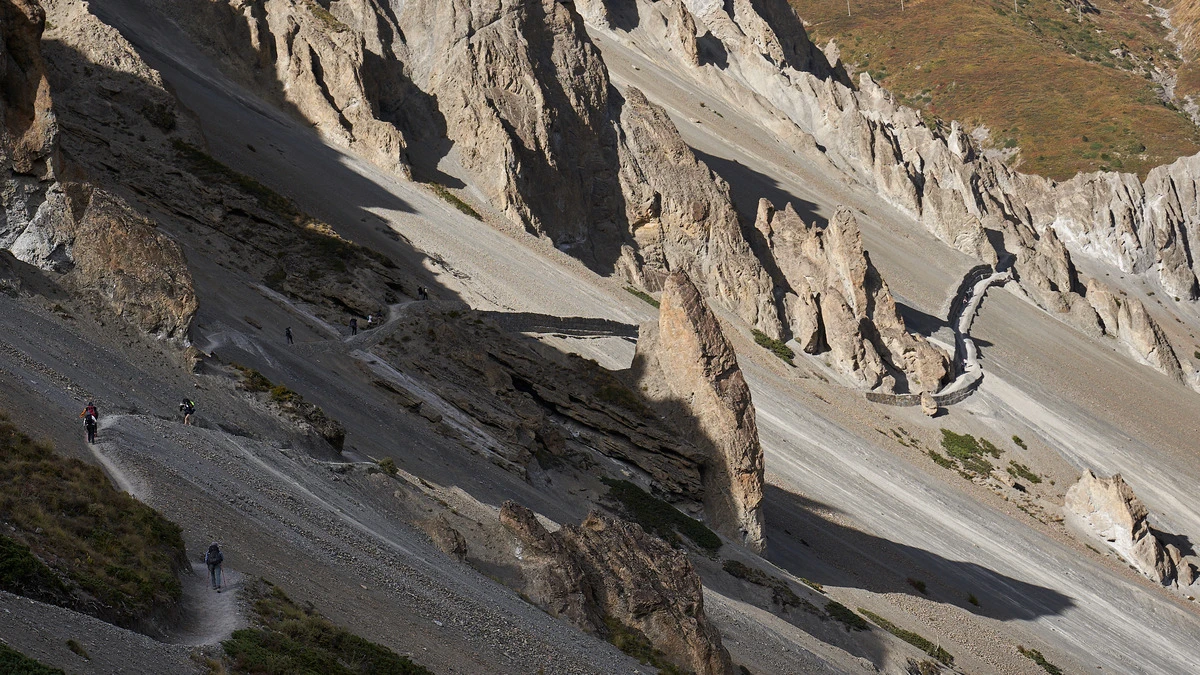
Nar Phu Valley is a restricted area, meaning special permits are required, along with a registered guide to enter. The valley’s dramatic landscape, with its striking rock formations and isolated Tibetan villages, will feel like stepping into another world. This trek allows you to visit Nar Phu Valley and Tilicho Lake via a less-travelled path, which means fewer crowds and more of a sense of exploration.

Annapurna Circuit Trek with Nar Phu and Tilicho Itinerary Highlights

Your journey begins in Kathmandu, where you will take a bus to Besisahar and then a jeep to Dharapani or Koto, the official start of your trek. From here, you will follow the traditional Annapurna Circuit route towards Koto, passing through the villages of Timang and Bagarchhap. After reaching Koto, the adventure into Nar Phu Valley begins as you trek through the charming villages of Meta, Naar Phedi, Chyakhu, and Kyang.

In the heart of Nar Phu Valley, you’ll get a chance to explore traditional Tibetan settlements, learn about local customs, and take in the striking views of snow-capped peaks and jagged cliffs. A highlight of the trek will be crossing the Kang La Pass (5,320 meters), which connects Nar Phu to the Annapurna Circuit route at Nagwal.

From Nagwal, you will trek towards Manang, where you'll spend a day acclimatizing before heading to the stunning Tilicho Lake, one of the highest lakes in the world, situated at 4,919 meters. The views from Tilicho Lake are absolutely breathtaking, with surrounding peaks reflected in its still waters.

After spending time at Tilicho Lake, you'll return to Shree Kharka, where you will continue along the Annapurna Circuit trail, passing through Yak Kharka, Letdar, and eventually arriving at Thorong Phedi. From here, you will ascend to the highest point of your trek: Thorong La Pass (5,416 meters), one of the highest trekking passes in the world. The panoramic views of the surrounding mountains from the top are simply awe-inspiring.

Following your crossing of Thorong La Pass, you'll descend to the sacred Hindu-Buddhist temple of Muktinath, an important pilgrimage site for both Hindus and Buddhists. After visiting Muktinath, you’ll trek down to Jomsom, where you can catch a scenic flight to Pokhara to relax and enjoy the beauty of the lake city. Your adventure concludes with a drive back to Kathmandu from Pokhara.

Major Landmarks of the Annapurna Circuit with Nar Phu Valley and Tilicho Lake Trek

This epic journey through the Annapurna region unveils an extraordinary array of natural wonders, cultural gems, and breathtaking vistas. Below are the key landmarks and highlights that make this trek truly unforgettable:

Nar Phu Valley

Nar Phu Valley is an isolated, hidden gem nestled beneath the towering Annapurna massif. This remote region offers trekkers an unparalleled glimpse into Tibetan culture and traditional lifestyles that have remained largely unchanged for centuries. As you traverse through Nar and Phu, you’ll encounter rustic 

Tibetan-style villages, ancient monasteries, and rugged landscapes marked by striking rock formations. The valley's beauty is complemented by its seclusion, far from the crowded Annapurna Circuit, making it a perfect destination for those seeking tranquility and an authentic cultural experience.

The sense of peace and solitude you’ll find in Nar Phu Valley is unlike anywhere else, with snow-capped peaks, high-altitude grazing lands, and narrow canyons surrounding you at every turn.

Tilicho Lake

At an altitude of 4,919 meters, Tilicho Lake holds the distinction of being one of the highest lakes in the world. Surrounded by towering peaks, including Annapurna III and Gangapurna, the lake’s pristine blue waters are mirrored perfectly against the stark, snowy landscape. 

The trek to Tilicho Lake is both challenging and rewarding, with trekkers passing through high-altitude alpine terrain filled with glaciers, rocky outcrops, and alpine meadows. The lake's remoteness and serene beauty are truly awe-inspiring, offering an unforgettable moment of connection with nature. 

As you stand at the edge of the lake, surrounded by the majestic peaks, it’s hard not to feel a deep sense of accomplishment and wonder at the raw power and beauty of the Himalayas.

Kang La Pass

Kang La Pass (5,320 meters) is one of the most challenging sections of the trek, connecting Nar Phu Valley to the Annapurna Circuit. This high-altitude pass provides a rewarding panorama of the Annapurna and Manaslu mountain ranges.

The ascent to the pass is tough, but once you reach the top, the sweeping views of jagged peaks, deep valleys, and the remote Nar Phu Valley are absolutely spectacular. The sense of isolation in this area adds to the experience, as the surrounding landscape is stark, rugged, and breathtakingly beautiful.

Crossing Kang La Pass marks a significant milestone in the trek, offering a deep sense of achievement as you look back at the trail you’ve conquered and forward to the next section of the journey.

Thorong La Pass

At 5,416 meters, Thorong La Pass is the highest point of the entire trek and a major highlight of the Annapurna Circuit. This iconic pass offers one of the most dramatic views in the world, as trekkers are greeted with panoramic vistas of the Annapurna, Dhaulagiri, and Manaslu ranges. 

The journey to Thorong La is physically demanding, but the views from the top are well worth the effort. The summit of the pass provides a sense of accomplishment and exhilaration, as it represents the culmination of your efforts across some of the most remote and challenging terrain in the Himalayas. From the top, the descent into Muktinath is equally breathtaking, as you traverse alpine meadows and high-altitude landscapes.

Muktinath

Located at 3,800 meters, Muktinath is a sacred pilgrimage site revered by both Hindus and Buddhists. The Muktinath Temple, dedicated to Lord Vishnu, attracts pilgrims from all over the world, and its significance goes beyond its religious importance. Muktinath is a place where nature and spirituality meet. 

The site is known for its sacred water springs and 108 water spouts that are believed to purify the soul. As a trekkers’ destination, Muktinath provides a welcome respite with its calm, spiritual atmosphere and beautiful views of the Annapurna and Dhaulagiri mountains. The temple complex, Buddhist monasteries, and the holy flames that burn naturally in the area add a mystical quality to this high-altitude haven.

Manang

Manang is a bustling village located at 3,540 meters, and it serves as a critical acclimatization point before ascending to higher altitudes. This vibrant village is a hub for trekkers, offering a blend of traditional culture and modern amenities.

In Manang, you can visit Buddhist monasteries, enjoy local cuisine, and take part in day hikes to nearby spots such as Gangapurna Lake and Bhraka. The village is surrounded by stunning views of Gangapurna, Annapurna III, and other peaks, making it the perfect place to rest and adjust to the altitude. Manang’s warm, welcoming atmosphere and its role as the gateway to Tilicho Lake make it an important stop on the trek.

Shree Kharka

Shree Kharka is a small and peaceful village situated en route to Tilicho Lake. At this high-altitude rest stop, trekkers are treated to spectacular views of the surrounding Himalayan peaks and a tranquil environment that provides a much-needed respite before the final push to the lake.

The village itself is simple, with traditional stone houses, and offers a welcoming environment for trekkers to rest. The pristine beauty of the surrounding alpine meadows and rugged terrain make Shree Kharka a serene and memorable stop, allowing you to soak in the natural beauty of the region before continuing your journey to Tilicho Lake.

Jomsom

At 2,700 meters, Jomsom is the gateway to the Lower Mustang region and one of the final destinations on the Annapurna Circuit. Known for its apple orchards and scenic landscapes, Jomsom is a popular stop for trekkers to unwind and reflect on the trek’s accomplishments. 

After reaching the sacred site of Muktinath, Jomsom is a good place to rest and recharge before taking a flight back to Pokhara. The town offers a chance to interact with locals, enjoy delicious apple-based products, and relax while soaking in the views of Nilgiri and Dhaulagiri mountains. From Jomsom, you can take a short scenic flight to Pokhara, where you can unwind in the tranquility of the lakeside city after completing your Himalayan adventure.

Besisahar

The trek begins in Besisahar, located at the foot of the Annapurna range. This charming town is the starting point of the Annapurna Circuit, where trekkers first set foot on the trail. It marks the beginning of a stunning journey through dense forests, river valleys, and rural villages that will lead you to higher elevations.

The early stages of the trek, from Besisahar to Dharapani, are marked by lush landscapes, Nepali villages, and gradually more spectacular views of the Annapurna range. While not as high as other landmarks, Besisahar is the gateway to a trek that will offer an overwhelming variety of landscapes, culture, and experiences.

Bagarchhap and Timang

The villages of Bagarchhap and Timang lie along the lower section of the Annapurna Circuit and are key stops on your way to Dharapani. These picturesque villages are filled with traditional Gurung and Tibetan-style houses and offer great views of the Manaslu and Annapurna peaks.

As you pass through these villages, you’ll experience the peaceful atmosphere of rural Nepal and begin to understand the local way of life. These villages are also a great place to experience the warmth of the local communities, who are known for their hospitality and kindness to trekkers.

The Annapurna Circuit with Nar Phu Valley and Tilicho Lake trek offers some of the most iconic landmarks in Nepal. From the remote beauty of Nar Phu Valley to the awe-inspiring Tilicho Lake, and from the challenging Kang La and Thorong La passes to the sacred atmosphere of Muktinath, each landmark along the trek provides its own unique experience. Whether you're crossing high-altitude passes, visiting spiritual sites, or soaking in the beauty of snow-capped peaks, the landmarks of this trek ensure that it will be an adventure you’ll never forget.

Why Choose All Nepal Hiking for Your Annapurna Circuit Trek with Nar Phu Valley and Tilicho Lake?

When you book with All Nepal Hiking, you’re choosing an expert trekking company that offers a seamless and unforgettable adventure. Here are the top benefits of trekking with us:

1. Free Airport Pickup and Drop:We provide free airport pickup and drop to make your arrival and departure smooth and hassle-free.

2. Free Trekking Gear:Receive a duffle bag and T-shirt from All Nepal Hiking as a souvenir of your journey. We also provide a detailed trek map for the Nar Phu Valley and Tilicho Lake sections.

3. Safety First with Medical Kits & Oximeters:Your safety is our priority. We provide medical kits and oximeters to monitor your oxygen levels at high altitudes.

4. Free Excess Luggage Storage:Store your extra luggage securely at our office while you trek, free of charge.

5. Free Sleeping Bags and Down Jackets:We provide sleeping bags and down jackets to ensure you stay warm on chilly nights in the Himalayas.

Is the Annapurna Circuit Trek with Nar Phu Valley and Tilicho Lake Suitable for You?

This trek is perfect for you if:

  • You’re fascinated by ancient cultures: If you have a passion for exploring remote villages and immersing yourself in traditional Tibetan cultures, the Nar Phu Valley offers a deep dive into history, customs, and way of life that have remained largely unchanged for centuries.

  • You seek an added adventure: If you’re looking to make your Annapurna Circuit Trek even more exciting, this journey is for you. The trek includes the restricted Nar Phu Valley and the stunning Tilicho Lake, making it a more challenging and rewarding experience.

  • You’ve completed other treks and are seeking something more challenging: If you’ve already hiked to Annapurna Base Camp or completed the classic Annapurna Circuit and want to take on a more difficult and remote trek in the region, the Nar Phu Valley and Tilicho Lake section will provide the next level of adventure.

  • You’re physically prepared for a challenge: While the trek can be demanding, it’s achievable for anyone in good health and used to trekking with some weight. With proper preparation and training before your trek, you can conquer the high-altitude passes and rugged terrain, making the journey incredibly fulfilling.

  • You’re ready for an unforgettable adventure: If you’re mentally and physically prepared, this trek will be a life-changing experience. The awe-inspiring views, unique cultural encounters, and challenging paths are sure to make it one of the most rewarding treks of your life.

What You Can Expect from the Annapurna Circuit Trek with Nar Phu Valley and Tilicho Lake

The Annapurna Circuit Trek with Nar Phu Valley and Tilicho Lake offers a unique blend of rugged landscapes, cultural richness, and high-altitude challenges. Here's what you can expect:

1. Awe-Inspiring Scenery and Remote Valleys:Trekking across the Tilicho Lake, Nar Phu Valley, and the Annapurna region allows you to witness untouched landscapes from the world’s highest-altitude lakes to rugged glaciers, gorges, and snow-capped peaks. The Nar Phu Valley is one of Nepal’s best-kept secrets, offering pristine beauty away from the crowds, with breathtaking vistas and peaceful valleys.

2. Immersion in Tibetan Culture:The trek gives you the chance to explore ancient Tibetan villages like Nar and Phu, where time seems to stand still. You’ll visit Buddhist monasteries, interact with locals, and experience traditional Tibetan customs. It’s a perfect opportunity to connect with a culture that has endured for centuries in the shadows of the Himalayas.

3. High Passes with Panoramic Views:Prepare to cross high-altitude passes like Kang La Pass and Thorong La Pass both offering unbelievable views of the Annapurna and Dhaulagiri ranges. The challenge of these passes is compensated by stunning panoramic vistas of snow-clad peaks, deep valleys, and glaciers that will leave you in awe.

4. Rich Cultural Encounters:Along the way, you’ll have the opportunity to visit sacred sites like the Tashi Lakhang Gompa and receive blessings from Lama Karma Sonam Rimpoche. You’ll experience the unique mountain cultures of the Gurung, Manangi, and Tibetan communities, each with their own ways of life and ancient traditions.

5. Remote Villages and Spiritual Landmarks:As you trek through Braga, Manang, and other historical villages, you’ll encounter spiritual landmarks like prayer wheels, shrines, and monasteries that have stood the test of time. These sacred sites add depth to your journey, allowing you to reflect on the spiritual significance of the region.

6. A Challenging Yet Rewarding Adventure:This trek is ideal for those who want a more challenging experience beyond the classic Annapurna Circuit. The addition of Nar Phu Valley and Tilicho Lake means more rugged terrain, higher passes, and remote locations, making it a physically demanding yet extremely rewarding journey. The sense of achievement upon completing this trek will be like no other.

The Annapurna Circuit with Nar Phu Valley and Tilicho Lake Trek offers a perfect mix of adventure, natural beauty, and cultural exploration. From remote valleys and high-altitude lakes to ancient Tibetan villages and spiritual experiences, this trek provides everything you could want from a Himalayan journey. If you're ready for a challenging and rewarding adventure, this trek will be an experience you’ll never forget.

Annapurna Circuit Trek with Nar Phu Valley and Tilicho Lake: Distance, Duration, and Altitude

Trekking Route

Distance (Kilometers)

Duration (Hours)

Altitude (Meters)

Drive from Kathmandu to Besishahar, then Dharapani

234 km / 145 miles

8 to 9 hours

1860 m / 6102 ft

Trek from Dharapani to Koto

15.5 km / 9.6 miles

6 to 7 hours

2600 m / 8530 ft

Trek from Koto to Meta Village

14.5 km / 9 miles

7 to 8 hours

3560 m / 11,679 ft

Trek from Meta Village to Phu Village

16.5 km / 10 miles

7 to 8 hours

4080 m / 13,385 ft

Trek from Phu Village to Nar Village

15 km / 9 miles

5 to 6 hours

4150 m / 13,615 ft

Trek from Nar Village to Ngawal via Kang La Pass

14 km / 8.6 miles

7 to 8 hours

3660 m / 12,007 ft

Trek from Ngawal to Manang

6 km / 3.7 miles

4 to 5 hours

3540 m / 11,614 ft

Trek from Manang to Siri Kharka

12 km / 7.4 miles

4 to 5 hours

4060 m / 13,320 ft

Trek from Siri Kharka to Tilicho Base Camp

8 km / 4.9 miles

4 to 5 hours

4150 m / 13,615 ft

Trek from Tilicho Base Camp to Tilicho Lake

11 km / 6.8 miles

5 to 6 hours

4920 m / 16,141 ft

Trek from Tilicho Lake to Siri Kharka

6 km / 3.7 miles

2 to 3 hours

4060 m / 13,320 ft

Trek from Siri Kharka to Yak Kharka

8.4 km / 5 miles

4 to 5 hours

4018 m / 13,182 ft

Trek from Yak Kharka to Thorong Phedi

8.5 km / 5 miles

4 to 5 hours

4550 m / 14,927 ft

Trek from Thorong Phedi to Muktinath via Thorong La Pass

15.6 km / 9.6 miles

8 to 9 hours

3760 m / 12,335 ft

Trek from Muktinath to Jomsom

16.4 km / 10 miles

8 to 9 hours

2720 m / 8923 ft

Flight from Jomsom to Pokhara

160 km / 99.4 miles

1 hour

822 m / 2696 ft

Drive from Pokhara to Kathmandu

205 km / 127 miles

7 to 8 hours

1400 m / 4593 ft

The Annapurna Circuit Trek via Nar Phu Valley and Tilicho Lake is a challenging and rewarding adventure that covers a substantial distance, spans over several days, and reaches high altitudes.

Total Distance: The entire trek, including the drive, trekking, and flight, covers a total distance of approximately 234 kilometers (145 miles). This distance includes the journey to and from the starting and ending points, as well as the trekking through varied terrain, from lush valleys to high Himalayan passes.

Duration: The trek typically takes around 20 days to complete. On some days, trekkers will be walking for 8-9 hours, especially when crossing the high-altitude passes like Thorong La and Kang La, which demand longer trekking hours. The overall duration accounts for the challenging nature of the terrain and the need for acclimatization at various points along the route.

Altitude: The trek reaches impressive altitudes, with one of the highest points being Tilicho Lake, situated at an altitude of 4920 meters (16,141 feet). The route also passes over some significant high-altitude passes, including Thorong La Pass at 5416 meters (17,769 feet), and Kang La Pass at 5300 meters (17,388 feet). Due to these extreme elevations, proper altitude acclimatization is critical for trekkers to avoid altitude sickness and ensure safety throughout the trek.

Annapurna Circuit Trek with Nar Phu Valley and Tilicho Lake – Cost for 2026 and 2027

All Nepal Hiking offers flexible and transparent pricing for the Annapurna Circuit Trek with Nar Phu Valley and Tilicho Lake, one of Nepal’s most scenic and challenging trekking adventures. Prices vary depending on your group size to provide the best value and personalized trekking experience.

No. of Pax

Starting Price (Per Person)

Action

1 to 2

USD 1849

Book Now

3 to 6

USD 1795

Book Now

7 to 15

USD 1750

Book Now

These prices include professional trekking support, All Nepal Hiking services, and access to the remote Nar Phu Valley, high-altitude Tilicho Lake, and the iconic Annapurna Circuit trails.

For full itinerary details, including daily trekking plans, high passes such as Thorong La Pass, cultural highlights in Nar Phu Valley villages, and tips for Tilicho Lake trekking, you can Contact or WhatsApp All Nepal Hiking. Our team is available 24/7 to answer your questions and help you plan your Nepal trekking adventure.
Highlights

1. Explore the Hidden Nar and Phu Villages:Venture into the secluded Nar Phu Valley, where traditional Tibetan culture thrives in remote villages surrounded by towering peaks. It’s a peaceful, off-the-beaten-path experience in the heart of the Himalayas.

2. Visit Historic Buddhist Monasteries:Stop by the Tashi Lakhang Monastery in Phu, built by the Karmapa Rinpoche, and immerse yourself in centuries-old Tibetan Buddhist traditions.

3. Conquer High-Altitude Passes:Cross the legendary Thorong La Pass (5,416m) and Kang La Pass (5,320m), two of Nepal’s highest passes, offering breathtaking panoramic views of the Annapurna and Dhaulagiri ranges.

4. Trek Through Enchanting Forests:Start your trek with a peaceful journey through lush Rhododendron and Pine forests, a colorful and fragrant escape before reaching the rugged highlands.

5. Engage with Local Cultures:Meet the friendly Gurung, Manangi, and Thakali communities along the way, learning about their unique mix of Tibetan and Nepali cultures.

6. Discover Sacred Sites:Visit Milarepa’s Cave near Braga and the Muktinath Temple, where pilgrims bathe in 108 holy faucets, blending Hindu and Buddhist traditions in a stunning, high-altitude setting.

7. Soar Over the Annapurnas:After your trek, take a scenic flight from Jomsom to Pokhara for a stunning aerial view of the Annapurna range, offering a fresh perspective of the land you’ve just trekked.

8. Unwind in Pokhara:Finish your adventure by relaxing in Pokhara, known for its serene Fewa Lake, stunning mountain views, and a perfect mix of relaxation and adventure.

Itinerary

Upon arrival at Tribhuvan International Airport, you'll be greeted by your guide and transferred to your hotel in Kathmandu. The capital city of Nepal is bustling with vibrant culture, historical landmarks, and local markets. Use the day to rest and recover from your journey. You may also take a leisurely walk around Thamel or visit nearby temples like Swayambhunath (Monkey Temple).

    After an early breakfast, drive from Kathmandu to Besisahar, which takes around 6-7 hours by road. From Besisahar, take a shared jeep to Dharapani, which marks the beginning of your trek. This day offers scenic views as you journey through picturesque villages, rivers, and lush forests. Dharapani is a popular stop for trekkers heading towards the Annapurna Circuit and Nar Phu Valley.

      Today’s trek will take you from Dharapani to Koto, passing through dense forests of pine, rhododendron, and oak trees. The trail follows the Marsyangdi River, offering stunning views of Manaslu and the surrounding peaks. Koto is a small village and a gateway to the Nar Phu Valley, a remote area of the Annapurna region with unique culture and landscapes.

        From Koto, continue on the trail to Meta Village, which sits at the entrance to Nar Phu Valley. As you trek, the scenery becomes increasingly rugged and remote. The trail winds through narrow gorges and past traditional stone houses, offering glimpses of the untouched beauty of the Nar Phu Valley. The trek today will take about 5-6 hours.

          The journey from Meta to Phu Village takes you deeper into the heart of Nar Phu Valley. Phu is a remote village known for its Tibetan Buddhist culture and stunning views. Along the way, you will pass through traditional Tibetan-style villages, ancient monasteries, and prayer wheels. This day will take approximately 5-6 hours of trekking. The unique culture of Phu makes it a highlight of the trek.

            Take a well-deserved rest and acclimatization day in Phu Village. This break is crucial for preventing altitude sickness and allows you to adjust to the higher elevations. You can explore the village, interact with the locals, or hike to nearby viewpoints for panoramic views of Himalayan peaks. Visit Phu Monastery and observe the daily lives of the Tibetan people who call this area home.

              Today, you will trek from Phu to Nar Village, another picturesque settlement in the Nar Phu Valley. The trek will take about 4-5 hours, passing through narrow trails, lush forests, and remote areas. As you approach Nar Village, the landscape becomes more alpine, offering spectacular views of the Annapurna Himalayas. Nar Village is the base for crossing the Kang La Pass.

                This is one of the most challenging days of the trek. After an early start, you will make your way up to Kang La Pass, which sits at 5320m (17,454ft). The views from the pass are absolutely breathtaking, offering panoramic vistas of Annapurna and Manaslu. After descending, you will reach Ngawal, a village on the edge of the Annapurna Circuit. Expect a long day, about 8-10 hours of trekking.

                  Today’s trek from Ngawal to Manang is relatively easier compared to the previous day, though still demanding due to the altitude. The trail descends through alpine meadows, offering spectacular views of the Annapurna range. Manang is a large village known for its amenities, including bakeries, shops, and guesthouses. It's a great place to rest and explore, with several acclimatization options available.

                    Spend another day in Manang to further acclimatize before heading towards the high-altitude passes. This rest day is important for reducing the risk of altitude sickness. You can hike to Gangapurna Lake or Chongkor Viewpoint for better views of the surrounding peaks. It’s also a great opportunity to explore the village’s monasteries and interact with locals.

                      Today, you will trek to Siri Kharka, a small settlement at higher elevation. The trail takes you through more rugged terrain and offers stunning views of Gangapurna and Chulu Peak. Siri Kharka serves as an excellent resting point before heading to Tilicho Base Camp, as it’s crucial to allow your body to adjust to the high altitude.

                        The trek from Siri Kharka to Tilicho Base Camp is relatively short but still challenging due to the altitude. Along the way, you will pass rugged terrain, alpine meadows, and large boulders, with views of the surrounding peaks. At Base Camp, take in the spectacular mountain views and prepare for the climb to Tilicho Lake the following day.

                          Today, you will ascend to Tilicho Lake, one of the highest lakes in the world at 4920m (16,141ft). The trek to the lake offers awe-inspiring views of surrounding peaks like Annapurna and Gangapurna. After spending time at the lake, return to Siri Kharka for the night. The round trip will take about 7-8 hours.

                            Today’s trek will bring you to Yak Kharka, a small settlement with great views of the Annapurna range. The trek is easier, and you’ll pass through alpine meadows and cross rivers. Yak Kharka is known for its isolated beauty and serves as a perfect resting place before heading towards Thorong Phedi.

                              From Yak Kharka, the trail takes you to Thorang Phedi, the base camp for Thorong La Pass. The ascent is steep, and it’s important to rest in Thorang Phedi for the night. This village is essential for preparing for the next day’s crossing of Thorong La Pass, the highest point of the trek.

                                Today is the longest and most difficult day of the trek, as you will cross Thorong La Pass, one of the highest trekking passes in the world at 5416m (17,769ft). The ascent to the pass is steep, and the thin air makes it a challenging climb. Once at the top, you'll be rewarded with spectacular views of the surrounding snow-capped peaks. After spending time at the pass, descend to Muktinath, a sacred pilgrimage site for both Hindus and Buddhists. The trek from the pass to Muktinath is about 6-7 hours, and you will feel a sense of achievement once you reach the temple at 3760m.

                                  After your spiritual visit to Muktinath, you will descend to Jomsom, a popular town in the Mustang region. The trail gradually descends through arid landscapes, offering views of the Dhaulagiri and Annapurna mountain ranges. Jomsom is known for its windy conditions and its role as a hub for trekkers and pilgrims. It’s also a great place to relax after the strenuous trek through the higher passes. The trek today will take around 4-5 hours.

                                    On this day, you will either take a scenic flight or a 6-7 hour drive from Jomsom to Pokhara, a lakeside city known for its tranquility and stunning mountain views. If you choose the flight, it’s a short 20-minute ride offering beautiful aerial views of the Annapurna and Dhaulagiri ranges. Pokhara is a perfect place to relax, enjoy a boat ride on Phewa Lake, or simply explore the area and unwind after your challenging trek.

                                      In the morning, drive from Pokhara to Kathmandu, which takes approximately 6-7 hours by road. The drive is scenic, passing through lush valleys and quaint villages. Once you arrive in Kathmandu, you can spend your final hours in Nepal shopping for souvenirs, visiting local markets, or enjoying a traditional Nepali meal. This evening marks the end of your trekking adventure, and you’ll have time to reflect on the journey you’ve just completed.

                                        On the final day of your adventure, you will be transferred to Tribhuvan International Airport for your flight home. As you board your flight, you’ll carry with you memories of your incredible journey through the Annapurna Circuit, Nar Phu Valley, and the stunning Tilicho Lake. You’ll leave with a deep sense of achievement and unforgettable experiences of the breathtaking landscapes, culture, and people of Nepal.

                                          Cost Details
                                          Includes
                                          • Airport Pickup: Pickup from Kathmandu International Airport based on your arrival time and date.

                                          • Accommodation:

                                            • 2 nights of standard twin-sharing accommodation in Kathmandu.

                                            • 1 night of standard twin-sharing accommodation in Pokhara.

                                          • Meals during the Trek:

                                            • 3 meals per day (Breakfast, Lunch, and Dinner) are provided during the trek.

                                          • Tea House Accommodation: 17 nights of tea house accommodation along the trek.

                                          • Guiding Services:

                                            • One experienced, English-speaking guide.

                                            • Guide’s salary, accommodation, meals, transportation, and insurance.

                                          • Porter Services:

                                            • Sherpa Porters: Strong, helpful Sherpa porters (1 porter for 2 trekkers), equipped with proper safety and walking gear, as well as their salary, food, accommodation, and insurance.

                                          • Permits:

                                            • Annapurna Conservation Area Permit (ACAP).

                                            • Trekker’s Information Management System (TIMS).

                                            • Nar Phu Valley Special (Restricted) Permit.

                                          • Transportation:

                                            • Jeep or bus transportation from Kathmandu to Dharapani (Trek starting point).

                                            • Flight ticket from Jomsom to Pokhara.

                                            • Pickup by private vehicle from Pokhara Airport and transfer to the hotel.

                                            • Tourist bus from Pokhara to Kathmandu.

                                          • Additional Services:

                                            • Government charges and our service fees.

                                            • Waterproof duffle bag for Trek 

                                            • Farewell dinner in Kathmandu before your departure.

                                            • Achievement certificate

                                            • Medical Supplies: A comprehensive first aid kit with medical supplies for emergencies.

                                            • Emergency Helicopter Service: In case of emergency, helicopter services will be arranged (cost covered by your travel insurance company).

                                            • All Nepal Hiking Cap and T-shirt: A souvenir  cap and t-shirt to commemorate your trek.

                                            • Government Taxes and Official Expenses: All government taxes and official expenses are included, with no hidden costs.

                                            • Health Monitoring: Oxygen meter to check your pulse, oxygen saturation, and heart rate twice daily, ensuring your health and safety and helping detect symptoms of altitude sickness (AMS).

                                            • Assistant Guide: For groups of 8 or more trekkers, an additional assistant guide will accompany the group to ensure smooth trekking and safety.

                                          Excludes

                                          Excludes

                                          • Meals in Kathmandu: Lunch and dinner while you are in Kathmandu and Pokhara are not included. You can choose from a wide variety of restaurants in the city.

                                          • Nepal Entry Visa: Visa fees for entering Nepal (available on arrival at Tribhuvan International Airport). Visa costs are as follows:

                                            • $30 USD for a 15-day visa

                                            • $50 USD for a 30-day visa

                                            • $125 USD for a 90-day visa

                                          • Personal Travel and Medical Insurance: You will need to arrange your own travel and medical insurance, including coverage for altitude sickness and any potential evacuations.

                                          • International Airfare: The cost of flights to and from Nepal is not included.

                                          • Personal Expenses: Any personal expenses such as souvenirs, additional snacks, or extra items not specifically included in the trek.

                                          • Beverages on Trek: All alcoholic and non-alcoholic beverages, including tea, coffee, hot chocolate, cocoa, mineral water, and any extra drinks or food purchased during the trek or at the tea houses are not included.

                                          • Desserts & Sweets: All desserts or sweet treats such as chocolate, cake, pie, and pudding are at your own cost.

                                          • Hot Showers and Battery Charging: Hot showers and the use of electricity for charging devices at tea houses come at an additional cost.

                                          • Tips: Tips for your guide, porter, and driver are not included in the trek cost (tipping is expected for good service).

                                          Departure Dates
                                          Select a Departure Month
                                          Trip Date PriceStatus 
                                          Start DateStartsJan 21, 2026End DateEndsFeb 09, 2026PriceUS$1599StatusAvailable
                                          Start DateStartsJan 28, 2026End DateEndsFeb 16, 2026PriceUS$1599StatusAvailable
                                          Useful Info

                                          Best Time to Trek the Annapurna Circuit and Tilicho Lake with Nar Phu Valley

                                          The Annapurna Circuit Trek with Nar Phu Valley and Tilicho Lake is best experienced during spring and autumn. These seasons offer the most favorable trekking conditions, with clear skies, stable weather, and stunning landscapes.

                                          Spring Season (March, April, and May)

                                          Spring is one of the most popular times for trekking in Nepal, and for good reason. During this season, the weather is clear, with sunny days that provide excellent visibility of the Himalayan peaks. The temperatures at lower altitudes are warm and comfortable, but mornings and evenings at higher elevations, especially around Tilicho Lake and Nar Phu Valley, can be chilly. There is no rain during this season, and the skies are mostly free from clouds, offering uninterrupted views of the surrounding mountains.

                                          Spring also brings lush greenery along the trail. The rhododendron forests, which are Nepal's national flower, are in full bloom, creating a colorful and vibrant atmosphere. The pine forests at lower elevations exude a calming fragrance, and wildflowers bloom in various shades, adding to the trail’s beauty. With stable and dry weather, the conditions are perfect for trekking, and this is the best time to experience the natural beauty of the Annapurna region.

                                          Autumn Season (September, October, and November)

                                          Autumn is another prime season for trekking in Nepal, particularly for the Annapurna Circuit. After the monsoon season, the weather becomes clear, with bright blue skies and minimal rain. This season is known for stable weather conditions, mild temperatures, and crystal-clear views of the Himalayas, making it ideal for both trekking and photography.

                                          The temperatures during the day are comfortable, and the nights are cool, which is perfect for trekking at high altitudes. The aftermath of the monsoon leaves the landscape lush and vibrant, with the amber and golden hues of the crops contrasting beautifully against the blue sky. The entire region feels fresh, with the lowlands lush and the air crisp and clean. You can also enjoy spectacular starry skies at night due to the clear weather.

                                          Autumn also offers fewer crowds compared to the spring season, making it a slightly quieter time to experience the beauty of the region. This season offers a great balance of excellent trekking conditions and stunning scenery, with the added benefit of peaceful trekking paths.

                                          Both spring and autumn are the best seasons to undertake the Annapurna Circuit Trek with Nar Phu Valley and Tilicho Lake. With clear skies, moderate temperatures, and breathtaking views of the Himalayas, these months offer optimal conditions for trekking and photography. Whether you choose spring for the vibrant blooms or autumn for the clear, crisp air, you are sure to experience an unforgettable journey in the Annapurna region.

                                          Required Permits for the Annapurna Circuit Trek with Nar Phu Valley and Tilicho Lake

                                          The Nar Phu Valley is a restricted area, so trekkers need special permits.

                                          First, the TIMS Card (Trekkers' Information Management System) is required for all trekkers in Nepal. This card is issued by the Nepal Tourism Board (NTB) and helps ensure safety along the trek.

                                          The Annapurna Conservation Area Permit (ACAP) is needed for trekking in the Annapurna region. It helps fund conservation efforts and protects the environment.

                                          The Nar Phu Valley Restricted Area Permit is a special permit required to enter the Nar Phu Valley. It is more expensive and involves additional processing due to the sensitive nature of the area.

                                          A licensed guide is mandatory for trekking in the Nar Phu Valley. They ensure safety, assist with permits, and provide local insights.

                                          These permits can be easily arranged in Kathmandu through a licensed trekking agency. It’s recommended to secure them in advance to avoid delays.

                                          In summary, trekkers need the TIMS Card, ACAP, Nar Phu Valley Restricted Area Permit, and a licensed guide for the Annapurna Circuit Trek with Nar Phu Valley and Tilicho Lake.

                                          Physical Preparation and Altitude Considerations

                                          The Annapurna Circuit Trek with Nar Phu Valley and Tilicho Lake is considered moderate to difficult, requiring good physical preparation. Trekkers should be ready for long, demanding days of walking, especially at high altitudes.

                                          Acclimatization is essential for avoiding altitude sickness. As you’ll be trekking at elevations over 4,000 meters, it's crucial to allow your body time to adjust to the thinner air. Be sure to take rest days in places like Manang and Shree Kharka to help with this process.

                                          During the trek, symptoms of altitude sickness can appear, so staying hydrated, taking regular breaks, and listening to your body are key. If you feel unwell, it's important to descend immediately to lower altitudes and seek help if necessary. The trek may be challenging, but with the proper preparation and attention to altitude, it can be a rewarding and unforgettable experience.

                                          Accommodation and Food

                                          Along the Annapurna Circuit and in the villages of Nar and Phu, accommodation is typically provided in teahouses, which are basic but comfortable lodges. Rooms are simple, often with a bed, blanket, and shared facilities. In some areas, bathrooms may be shared, and you may encounter squat toilets. Hot water is available in some teahouses, but it’s not always guaranteed, and solar power is commonly used for lighting and heating.

                                          When it comes to food, you can expect hearty Nepali dishes such as dal bhat (lentil soup with rice), momo (dumplings), noodles, and roti (flatbread). As you ascend to higher altitudes, the menu will become simpler, but the meals remain filling and nutritious, providing the energy needed for long trekking days. While the food options may be limited in more remote areas, you’ll still find a variety of dishes to fuel your trek.

                                          Safety and Health Tips

                                          Altitude Sickness: Altitude sickness is a common concern above 3,500 meters, so acclimatization is key. Take your rest days seriously, particularly in places like Manang and Shree Kharka, to help your body adjust. Drink plenty of water and eat balanced meals to keep your energy levels up. If you start feeling symptoms of altitude sickness, such as dizziness, headache, or nausea, descend immediately and rest.

                                          First Aid: It's important to carry a personal first-aid kit that includes essential items such as painkillers, bandages, and altitude sickness medication (e.g., Diamox). This can help manage minor injuries and symptoms before you can reach medical assistance.

                                          Weather: The weather can be highly unpredictable, especially at higher elevations. Be prepared for rain, snow, and cold winds, particularly as you approach the high passes. A high-quality waterproof jacket, trekking boots, and thermal layers are essential to stay comfortable and safe. Ensure you're equipped with layers that can be added or removed as needed to adjust to varying temperatures throughout the trek.

                                          Always remember that safety comes first, and if you ever feel unwell or face challenging weather, don’t hesitate to turn back or take extra rest.

                                          Difficulty and Altitude

                                          The Annapurna Circuit Trek with Nar Phu Valley and Tilicho Lake involves challenging high-altitude trekking. The trek is considered moderate to difficult, particularly due to the demanding altitude sections. Acclimatization is crucial, especially when trekking at elevations over 4,000 meters.

                                          The highest point of the trek is Thorong La Pass, which stands at an impressive 5,416 meters (17,769 feet). This is a strenuous crossing and requires careful attention to altitude acclimatization to avoid altitude sickness. Additionally, you'll be trekking to Tilicho Lake at 4,919 meters (16,138 feet), which adds to the physical demands of the journey.

                                          To reduce the risk of altitude sickness, follow a gradual ascent profile. It’s important to include rest days at key locations like Manang and Shree Kharka to help your body adjust to the thinning air. Pay attention to your body’s signals, stay hydrated, and avoid pushing yourself too hard, especially at high altitudes.

                                          Gear and Equipment

                                          For a trek as demanding as the Annapurna Circuit with Nar Phu Valley and Tilicho Lake, having the right gear is essential for comfort, safety, and performance.

                                          Clothing: A layering system is key to staying comfortable at varying altitudes. Start with base layers (moisture-wicking), followed by a fleece or thermal layer for insulation. Bring a waterproof jacket for rain and snow, as well as gloves and a warm hat for colder temperatures, especially in the higher altitudes.

                                          Footwear: Comfortable, well-broken-in trekking boots with good ankle support are crucial. The terrain can be rocky and uneven, so boots that provide both support and grip will help prevent injuries.

                                          Backpack: A 40-50L backpack is typically sufficient for the trek. Make sure it’s lightweight but sturdy, and don’t forget a waterproof cover to protect your gear from rain.

                                          Sleeping Bag: A down or synthetic sleeping bag rated for -10°C (14°F) will keep you warm during cold nights, especially at higher elevations where temperatures can drop drastically.

                                          Water Purification: Carry a water filter or purification tablets to ensure safe drinking water throughout the trek. You’ll need to stay hydrated, and water sources along the trail may not always be safe to drink untreated.

                                          Trekking Poles: Trekking poles are highly recommended for stability, especially when descending or walking on uneven terrain. They also help reduce strain on your knees and joints.

                                          With the right gear, you'll be well-prepared for the challenges of the Annapurna Circuit, allowing you to focus on the incredible scenery and cultural experiences along the way.

                                          FAQs
                                          • The Annapurna Circuit Trek is a popular trekking route located in the Annapurna region of Nepal. It is known for its diverse landscapes, stunning mountain views, and rich cultural experiences.

                                          • The length of the trek can vary depending on the specific route taken and side trips chosen. Generally, it takes around 15 to 20 days to complete the entire circuit, covering a distance of approximately 160 to 230 kilometers (100 to 145 miles)

                                          • Yes, you need two permits to trek the Annapurna Circuit. The first is the Annapurna Conservation Area Permit (ACAP), which is required for entering the Annapurna Conservation Area. The second is the Trekkers' Information Management System (TIMS) card, which provides trekking information and helps ensure safety.

                                          • The Annapurna Circuit Trek is considered moderately challenging. It involves long daily hikes, steep ascents and descents, and high altitudes. Adequate physical fitness and acclimatization are essential. Prior hiking experience and training will be beneficial, but it is not required for fit individuals.

                                          • Along the Annapurna Circuit, there are teahouses and lodges available for accommodation. These basic guesthouses provide rooms with shared facilities such as bathrooms and dining areas. The quality of facilities may vary along the route, with more amenities in larger villages.

                                          • Essential items to pack include sturdy trekking boots, warm clothing layers, a sleeping bag, a backpack, a good quality rain jacket, trekking poles, a first aid kit, water purification tablets, sunscreen, a hat, sunglasses, and a camera. It's important to pack light and carry only the necessary items.

                                          • Yes, altitude sickness is a potential risk during the Annapurna Circuit Trek, as some parts of the trail reach elevations above 5,000 meters (16,400 feet). It's crucial to acclimatize properly by taking rest days, staying hydrated, ascending slowly, and being aware of any symptoms of altitude sickness. It's recommended to consult with a healthcare professional before the trek.

                                          • Yes, there are numerous teahouses and lodges along the route where you can find accommodation and meals.

                                          • Some of the highlights include breathtaking mountain views of Annapurna, Dhaulagiri, and other peaks, crossing the Thorong La Pass, exploring diverse landscapes, and experiencing the local culture of the Himalayan region.

                                          • The popularity of the Annapurna Circuit Trek means that certain sections of the trail can be crowded, especially during peak trekking seasons. However, there are still opportunities to find quieter stretches and enjoy the serenity of the mountains.

                                          • Yes, the trek can be extended or modified according to your preferences. You can choose to include side trips to Tilicho Lake or the Annapurna Base Camp, or explore other routes in the Annapurna region.

                                          • ATMs and money exchange facilities are available in some larger villages along the trail, such as Manang and Jomsom. However, it's advisable to carry enough cash in Nepalese Rupees to cover your expenses during the trek.

                                          • Yes, you can purchase bottled water at teahouses along the trail, but it's recommended to carry a reusable water bottle and use water purification tablets or a water filter to minimize plastic waste and ensure a clean water supply.

                                          • Teahouses and lodges offer a variety of meals, including Nepali, Tibetan, Indian, and Western dishes. Common menu items include dal bhat (lentil soup with rice), momo (dumplings), noodles, pasta, and fried rice. Vegetarian and vegan options are also available.

                                          • Yes, it's possible to do the Annapurna Circuit Trek in the reverse direction, starting from either Besisahar or Bhulbhule. However, it's less common and may affect your acclimatization schedule.

                                          • The Annapurna region is home to various wildlife species, including snow leopards, Himalayan tahr, musk deer, langurs, and a variety of bird species. However, spotting wildlife is not guaranteed and requires luck and patience.

                                          • The cost of the trek can vary depending on factors such as the duration of the trek, your choice of accommodations, whether you hire a guide or porter, and your personal expenses. On average, budgeting around $25 to $40 per day for basic expenses should give you a rough estimate.