Difficulty Level of the Annapurna North Base Camp Trek
The Annapurna 1 Camp Trek is considered a moderate-level trek in Nepal, located within the Annapurna Rural Municipality of Myagdi District in Gandaki Province. This Himalayan trekking route in Nepal does not involve technical climbing, ropes, or high-risk mountaineering sections, making it suitable even for beginners with basic fitness levels.
The trail gradually ascends toward the Annapurna Base Camp (4,190m), allowing trekkers to adjust slowly to increasing altitude. This steady elevation gain helps reduce difficulty and supports proper acclimatization during the North ABC Trek Nepal journey.
Although the trekking route is non-technical, it is important to understand that this is primarily a camping-based trek in Nepal, especially in higher sections. Basic facilities are limited along the trail, so trekkers must be prepared for simple living conditions, remote camping, and minimal infrastructure throughout the journey.
Despite being categorized as a moderate trek, the Annapurna North Base Camp Trekking route still requires endurance for long walking hours, uneven terrain, river valleys, forest trails, and high-altitude conditions. Trekkers should be ready for changing weather, remote environments, and the physical demands of trekking in the Himalayan wilderness of Nepal.
Overall, the Mount ABC North Trekking is a moderate difficulty Himalayan trek in Nepal, ideal for adventure seekers who want a short trekking experience in the Annapurna region, combining off-the-beaten-path trails, camping adventure, and stunning mountain views without technical climbing challenges.
Best Spots and Photo Locations on the Annapurna North Base Camp Trekking
The Annapurna North Base Camp Trekking in Nepal offers some of the most breathtaking Himalayan scenery and off-the-beaten-path trekking experiences, making it a paradise for photographers and adventure travelers.
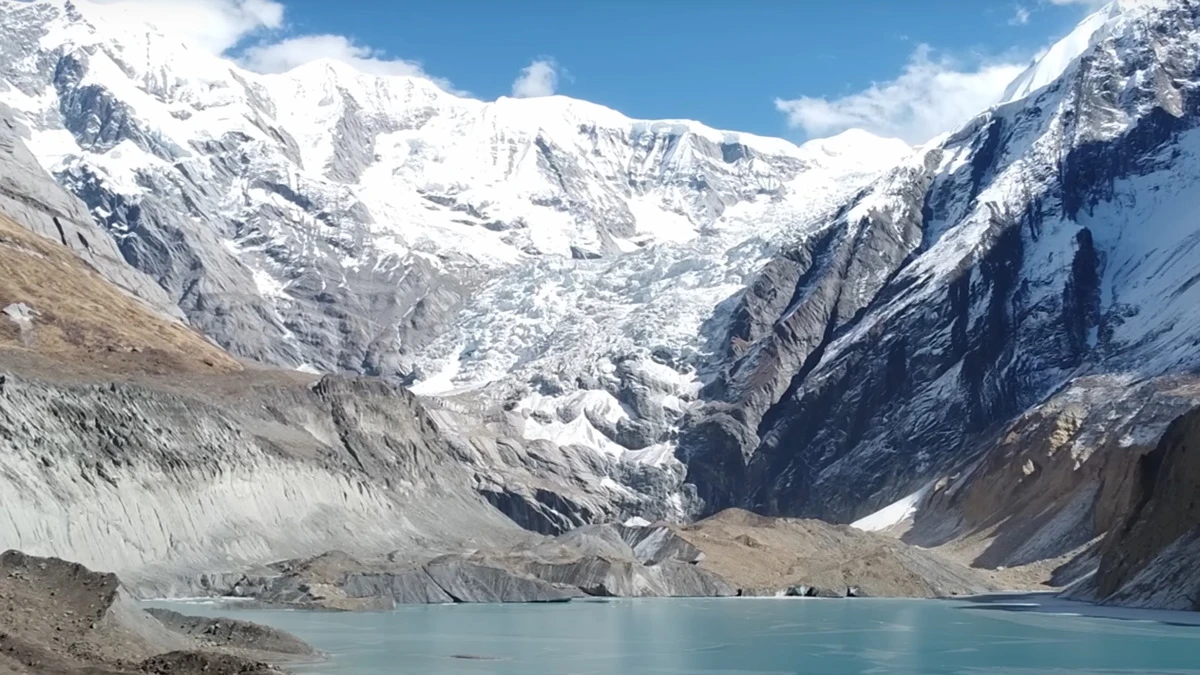
Key highlights include the Upper Narchyang Waterfall and Futfutey (Phutphute) Waterfall, where cascading waters meet rugged mountain terrain, providing dramatic photography backdrops. The Panchakunda Lake at 4,100 m offers mirror-like reflections of Annapurna I, Machhapuchare (Fishtail), Nilgiri, and surrounding peaks, making it one of the most iconic photo spots on the North ABC Trek Nepal.
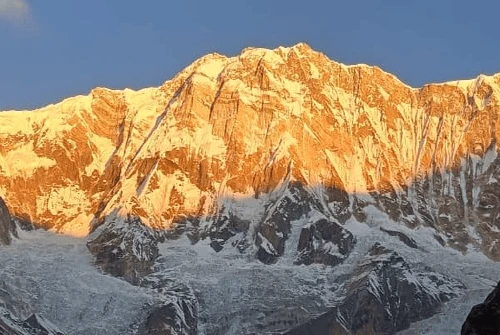
As you ascend to the Mt.North Annapurna Base Camp (4,190 m), panoramic views of the Annapurna massif, Nilgiri Himal, and Dhaulagiri range dominate the skyline. Sunrise and sunset create golden Himalayan hues, perfect for landscape photography and trekking memories.
Along the route, the Alpine valleys, rhododendron forests, glacial landscapes, and remote villages offer diverse photo opportunities and a true wilderness trekking experience in Nepal. The North ABC Trekking Route combines untouched scenery, high Himalayan peaks, waterfalls, lakes, and cultural immersion making every step a chance for an unforgettable shot.
This trek is ideal for offbeat trekking in Nepal, adventure trekking, Himalayan photography, and short Annapurna treks, where every viewpoint is a chance to capture the magic of the Nepal Himalayas.
Best Time for North Annapurna Base Camp Trekking
The best time for the North Annapurna Camp Trek is during spring (March to May) and autumn (September to November), as these months offer stable weather, clear skies, and breathtaking Himalayan views in the Annapurna region.
During spring, the trail comes alive with lush green landscapes and blooming rhododendron forests, creating a colorful and scenic trekking experience. The moderate temperatures and clear weather make trekking to Panchakunda Lake, Narchyang, and Phutphute Waterfall comfortable and enjoyable.
In autumn, the skies are generally clear, trails are dry, and mountain visibility is excellent after the monsoon season. This makes it one of the best seasons for trekking in Nepal, especially for a short Annapurna Base Camp trek. Road access and travel logistics from Kathmandu and Pokhara also remain smooth during these months, ensuring a hassle-free journey.
Winter trekking is possible, but trails can be icy and temperatures very cold, while monsoon season (June–August) is not recommended due to heavy rainfall, slippery paths, and risk of landslides.
Overall, the Nepal North ABC Trek is best enjoyed in spring and autumn, offering the perfect combination of stable weather, clear mountain views, and comfortable trekking conditions for both beginner and experienced trekkers.
North ABC vs South Annapurna Base Camp Trek: Which Route Is Right for You?
The ABC North and the South Annapurna Base Camp Trek offer two very different trekking experiences in the Annapurna region of Nepal. Choosing the right route depends on your preferences for adventure trekking, scenery, solitude, and facilities.
The South ABC Trek is the classic route, starting from Nayapul and passing through Ghandruk, Chhomrong, Bamboo, and Deurali before reaching Annapurna Base Camp. It is a well-established trail with more trekkers, teahouse accommodations, and social interactions along the way, making it ideal for beginner-friendly trekking in Nepal.
In contrast, the North Base Camp Trek starts from Humkhola and moves toward Sadhi Kharka and Panchakunda Lake. This off-the-beaten-path trekking route remains quieter, with fewer trekkers, tented accommodations, and untouched Himalayan trails. The northern route offers a more rugged and raw Himalayan adventure trekking experience with jaw-dropping close-up views of Annapurna I, glaciers, and alpine landscapes.
In terms of difficulty, the South route provides a moderate trek with well-marked paths and better facilities, while the North ABC Tour involves more gradual ascents, remote valleys, and wilderness camping. Trekkers seeking a peaceful, remote trekking experience in Nepal will find the North route more rewarding, whereas those who prefer easier trekking with cultural immersion and social interaction may choose the South Annapurna Base Camp Trek.
Ultimately, the choice between North and South Annapurna Base Camp depends on your trekking style: the South ABC Trek for comfort, teahouses, and beginner-friendly trails, or the North base camp Trek for solitude, untouched wilderness, and a unique offbeat Himalayan trekking adventure in Nepal.
Nepal North Annapurna Base Camp Trek Route And Itinerary
The Hiking to ABC North in Nepal is one of the best off-the-beaten-path treks in the Himalayas, offering a true adventure trekking experience in the Annapurna region with fewer crowds, remote trails, and untouched natural beauty.
This short Himalayan trek from Kathmandu and Pokhara is ideal for adventure seekers who want to explore the Annapurna massif, glaciers, alpine valleys, and high mountain landscapes in a limited timeframe.
The journey begins with arrival in Kathmandu (1,350m), where trekkers are transferred to their hotel and briefed about the Nepal North Base Camp Trek itinerary. The following day, a scenic flight from Kathmandu to Pokhara provides panoramic views of the Himalayas and Annapurna range, marking the start of the Nepal trekking adventure.
From Pokhara, travelers drive to Tatopani (1,190m), famous for its natural hot springs, before continuing by jeep to the trailhead at Humkhola, where the North ABC Trek officially begins.
The trekking route from Humkhola to Sadhi Kharka (3,180m) takes adventurers through remote Himalayan villages, rhododendron forests, pine and oak woodlands, and flowing rivers, offering a combination of cultural immersion and wilderness trekking.
The trail then ascends to Bhusket Mela (3,650m), where trekkers experience alpine meadows, glacial valleys, and pristine waterfalls along the journey to the Nepal North ABC (4,190m). At the base camp, the trek rewards with stunning panoramic views of Annapurna I (8,091m), Machhapuchare (Fishtail), Dhaulagiri, Nilgiri, Gangapurna, and Hiunchuli, making it one of the most scenic Annapurna trekking routes in Nepal.
After exploring the North Annapurna Base Camp and Panchakunda Lake, trekkers descend back to Sadhi Kharka and Humkhola, experiencing the same remote and peaceful valleys, with opportunities to rest in tented campsites, before returning to Tatopani for relaxation in the natural hot springs.
The journey continues with a drive back to Pokhara, and then a scenic flight or drive to Kathmandu, completing the North ABC Trek Nepal package. Trekkers have the option to enjoy a day of Kathmandu Valley sightseeing, visiting UNESCO heritage sites such as Swayambhunath, Pashupatinath, and Boudhanath, before final departure.
Overall, the Annapurna North Base Camp Trek from Kathmandu combines adventure trekking, wilderness exploration, cultural experiences, Himalayan wildlife spotting, and pristine scenery, making it a must-do off-the-beaten-path trekking experience in Nepal for both first-time and experienced trekkers seeking remote trekking, camping adventures, and breathtaking views of the Annapurna region.
North Annapurna Base Camp Trekking Altitude,Distance And Route Map
The Annapurna North Base Camp Route Map reaches a maximum altitude of 4,190 meters at North Annapurna Base Camp, offering stunning Himalayan views of the Annapurna massif and surrounding peaks. The total trekking distance is approximately 27–30 km, excluding jeep drives and flights, making it a relatively short yet rewarding Himalayan trekking route in Nepal.
Day | Route | Altitude (m) | Distance / Trekking Time |
1 | Arrival in Kathmandu | 1,350 | |
2 | Kathmandu → Pokhara (Flight or drive) | 820 | 67 hours for drive and 25-min flight |
3 | Pokhara → Tatopani (Jeep Drive) | 1,190 | 4–5 hrs drive |
4 | Tatopani → Humkhola → Sadhi Kharka | 3,180 | 5–6 km / 4–5 hrs trek |
5 | Sadhi Kharka → Bhusket Mela | 3,650 | 6–7 km / 5–6 hrs trek |
6 | Bhusket Mela → North Annapurna Base Camp | 4,190 | 5 km / 5–6 hrs trek |
7 | Base Camp → Sadhi Kharka | 3,180 | 5–6 km / 4–5 hrs trek |
8 | Sadhi Kharka → Humkhola → Tatopani | 1,190 | 6–7 km / 4–5 hrs trek + drive |
9 | Tatopani → Pokhara (Drive) | 820 | 4–5 hrs drive |
10 | Pokhara → Kathmandu (Flight) | 1,350 | 25-min flight |
11 | Kathmandu → Airport | 1,350 | |
North Annapurna Base Camp Trek Permits
For the North Annapurna Base Camp Trek in Nepal, trekkers are required to obtain two essential permits: the Annapurna Conservation Area Permit (ACAP) and the Trekkers’ Information Management System (TIMS) card. The Annapurna Conservation Area Permit (ACAP) costs NPR 3,000 per person and is mandatory for entry into the Annapurna region. This permit directly supports environmental conservation, trail maintenance, and local community development along the Annapurna North Base Camp route.
The Trekkers’ Information Management System (TIMS) card costs NPR 2,000 per person and is used to record trekkers’ personal details and trekking movements. It plays an important role in ensuring trekker safety, monitoring, and emergency rescue support during the trekking to North Base Camp.
Most trekking agencies in Nepal, includingAll Nepal Hiking, arrange all required permits as part of the Annapurna North Base Camp Trek package. Trekkers only need to provide basic documents such as a passport copy and photographs, while we handle the entire application process with the concerned authorities. These permits are checked at various points along the trekking route, ensuring a smooth and well-regulated journey through the Annapurna region, allowing trekkers to fully focus on the North Annapurna Base Camp Trek experience, Himalayan scenery, remote villages, Panchakunda Lake, and breathtaking mountain views.
Altitude Sickness Risk on Annapurna North Base Camp Trek
The North ABC Trek in Nepal involves high-altitude trekking, with elevations reaching around 4,190 meters at Panchakunda Lake and North Annapurna Base Camp, where oxygen levels are significantly lower. Due to this elevation, there is a risk of Acute Mountain Sickness (AMS), which commonly begins to affect trekkers above 2,500 to 2,600 meters during high-altitude trekking in Nepal.
Common symptoms of altitude sickness on the Base Camp trekking include headache, nausea, dizziness, fatigue, loss of appetite, difficulty sleeping, and shortness of breath. While the Annapurna North Base Camp Trek altitude profile is considered moderate compared to extreme Himalayan expeditions like the Everest Base Camp Trek, the risk can still increase due to rapid ascent, dehydration, alcohol consumption, smoking, and individual health conditions during the trek from Kathmandu or Pokhara.
Proper acclimatization is the most important factor in preventing altitude sickness on the Annapurna North route. Trekkers should follow a gradual ascent, walk at a slow and steady pace, stay well-hydrated by drinking 3 to 4 liters of water per day, avoid alcohol and smoking, and take sufficient rest throughout the journey. Most North Annapurna Base Camp Trek itineraries in Nepal are carefully designed to support safe altitude gain and reduce the risk of AMS.
With proper preparation, good pacing, and guidance from experienced trekking guides, most trekkers successfully complete the Annapurna North Base Camp Tour (North ABC Trek) without serious altitude-related issues and enjoy a safe and rewarding Himalayan trekking experience in Nepal with breathtaking views of Annapurna I, Machhapuchare, Dhaulagiri, and the surrounding peaks.
Weather Conditions During Annapurna North Base Camp Trek
The weather on the Annapurna North Base Camp Trek varies significantly with the seasons, affecting trekking conditions and overall experience. At higher altitudes, such as North Panchakunda Lake With Annapurna Base Camp, temperatures can be cold, windy, and variable, with occasional snow.
The spring season (March to May) is considered one of the best times for trekking in Nepal. During this period, daytime temperatures usually range between 10°C and 20°C, while nights can be much colder at higher elevations. The trails are lined with blooming rhododendrons, creating stunning scenery and ideal conditions for trekking.
The monsoon season (June to August) brings heavy rainfall, making trails slippery and prone to landslides, which increases trekking risk. However, the landscape turns lush and green, offering dramatic views of rivers, waterfalls, and forests along the route.
The autumn season (September to November) is another peak trekking period, with clear skies, stable weather, and excellent visibility, providing breathtaking panoramic views of Annapurna I, Machhapuchare, Dhaulagiri, and surrounding Himalayan peaks. This season is often preferred for the 1st Base Camp Trek because of ideal trail conditions and the best opportunities for photography and mountain vistas.
Winter trekking (December to February) is possible but involves cold temperatures, icy trails, and snow, making it suitable only for well-prepared trekkers.
This seasonal understanding helps trekkers choose the best time for Annapurna North Base Camp Trek to ensure safety, comfort, and maximum enjoyment of the Himalayan adventure.
Is Travel Insurance Required for the Panchakunda Lake via North Annapurna Base Camp Trek?
Yes, travel insurance is highly recommended and practically essential for the Annapurna bc Trek. While it may not always be strictly checked at entry points, most trekking agencies in Nepal require valid insurance before the trek begins, especially for high-altitude Himalayan trekking in the Annapurna region.
The North Base Camp Trail reaches up to 4,190 meters at North Annapurna Base Camp, where risks such as acute mountain sickness (AMS), injuries, weather delays, and remote evacuation needs can occur. Because the route passes through remote valleys, camping zones, and limited medical-access areas, insurance provides critical safety coverage during emergencies.
A good Nepal trekking insurance policy for the North ABC journey should include high-altitude coverage (above 4,000m), helicopter evacuation, medical expenses, trip cancellation, and emergency rescue services. Helicopter evacuation from remote areas like Panchakunda Lake or North ABC region can be extremely expensive without insurance support.
Although the Mount Annapurna North Base Camp Trek is a moderate difficulty trek, the combination of remote off-the-beaten-path trails, camping conditions, and high altitude makes travel insurance strongly advisable for safety and peace of mind.
Overall, having proper insurance ensures a safe, secure, and stress-free Mt.Annapurna North Base Camp trekking experience, allowing trekkers to fully enjoy the Himalayan views, remote villages, waterfalls, and wilderness adventure in Nepal.
Food during Annapurna Base Camp Trek Package
Food during the Annapurna North Base Camp is simple, nutritious, and designed to fuel trekkers for long days in the Himalayan mountains of Nepal. Meals are typically provided on a full-board basis, including breakfast, lunch, and dinner.
In the lower villages along the trek, trekkers can enjoy traditional Nepali meals such as Dal Bhat (rice, lentils, vegetables, and pickles with free refills), as well as noodles, fried rice, momos, pasta, and simple western dishes. These meals are well-suited for trekking in the Annapurna region and provide the energy needed for moderate to challenging days on the trail.
Breakfast and dinner are usually served at lodges or teahouses, while lunch is taken along the trail in small teahouses or camps. As the trek ascends toward Panchakunda Lake and North Annapurna Base Camp, food options become simpler and mostly vegetarian. At Panchakunda, a kitchen team prepares fresh meals in camp style, ensuring trekkers remain nourished during this remote off-the-beaten-path Himalayan trek.
Safe drinking water, tea, coffee, garlic soup, and hot lemon drinks are readily available to help with acclimatization on the North ABC Route hike. Trekkers are also encouraged to carry snacks, energy bars, and nuts for additional energy on long trekking days.
This careful meal planning allows trekkers to enjoy a healthy, energy-rich diet while experiencing the remote beauty, panoramic mountain views, and cultural villages of the Annapurna region.
Accommodation on the Annapurna North Camp Trek
Accommodation on the Annapurna North ABC Trek offers a balanced combination of comfortable hotel stays and remote Himalayan camping, creating a complete off-the-beaten-path trekking experience in Nepal. This mix of lodge comfort and wilderness camping makes the Trek both adventurous and manageable for trekkers.
In the initial and final sections of the journey, such as Kathmandu,Pokhara and Tatopani, trekkers stay in comfortable 3-star hotels or standard lodges with facilities like private rooms, attached bathrooms, Wi-Fi, and hot showers. These stays provide a relaxed start and end to the Annapurna North Base Camp Trek Nepal itinerary, allowing proper rest before and after the high-altitude trekking section.
From Tatopani onwards toward Sadhi Kharka, Bhusket Mela, Panchakunda Lake, and North Annapurna Base Camp (4,190m), accommodation shifts into tented camping arrangements. In these remote sections of the ABC Trek, a professional trekking crew sets up dining tents, kitchen tents, and sleeping tents, ensuring a safe and organized camping experience. Trekkers sleep on mats with warm sleeping bags, while freshly prepared meals are served in the dining tent, offering comfort even in remote Himalayan conditions.
Although there is a basic shelter known as Dharamshala at Humkhola, it is very simple and not suitable for proper overnight stays. Therefore, the North Trek is primarily a camping trek, and trekkers must rely on full camping support until returning to lower villages such as Narchyang.
This combination of hotel accommodation in lower regions and camping in high-altitude wilderness makes the Annapurna North Base Camp Trek package a unique blend of comfort, adventure, and authentic Himalayan trekking experience in Nepal, ideal for those seeking a true remote trekking and camping adventure in the Annapurna region.
Is there Mobile Network Coverage, WIFI & Electricity Facilities during North Annapurna Base Camp Trekking ?
During the Annapurna North Base Camp Hike , trekkers experience a true off-the-beaten-path trekking adventure in Nepal. The trail is remote and untouched, so mobile network coverage is limited beyond Humkhola and near Sadhi Kharka, while Wi-Fi is generally unavailable along the route.
Electricity is available only in lower sections, and upper camping areas rely on solar-powered charging, making a power bank essential. This lack of connectivity enhances the remote Himalayan trekking experience, allowing trekkers to fully immerse in the scenic Annapurna region, enjoy solitude, and connect with nature, glaciers, alpine valleys, and panoramic mountain views.
Once descending back to Tatopani or Pokhara, full network, electricity, and Wi-Fi are restored. The North ABC Trek Nepal is perfect for adventure seekers, first-time trekkers, and anyone looking for a quiet, less-crowded alternative to South ABC or Everest Base Camp treks.
Annapurna North Base Camp Trek Cost 2026 and 2027
The Annapurna North hike cost in 2026-2027 depends on several factors such as group size, itinerary length, level of service, and trekking style. For a standard North Base Camp Trek, the average cost ranges from USD 649 to 1099 per person in 2026.
For group bookings, the North ABC Trek cost becomes more affordable, usually dropping to around USD 649 to 899 per person, depending on the group size and services included. This makes it a flexible option for both private trekking packages and group trekking in Nepal.
The typical Annapurna North Base Camp Trek package price generally includes transportation from Kathmandu and return, full-board meals (breakfast, lunch, and dinner), accommodation in hotels and camping, trekking permits (ACAP and TIMS), and guide/support crew services.
However, the North ABC Trekking cost in Nepal does not include personal expenses such as international flights, Nepal visa fees, travel insurance, drinks, snacks, tips for guides and porters, and extra hotel nights in Pokhara or Kathmandu.
The final Trek price can also vary depending on luxury upgrades, private services, and customized itineraries, while larger groups usually benefit from better discounted rates. Therefore, it is recommended to contact a trusted trekking agency likeAll Nepal Hiking for a detailed and updated quotation based on your preferred trekking style, budget, and travel dates.
 based on 270 reviews