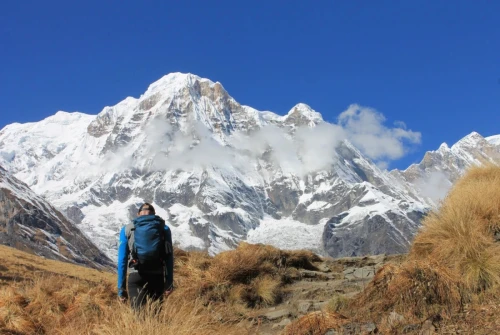
Everest Base Camp Height / Elevation
Everest Base Camp, located on the south side of Mount Everest in Nepal, sits at an elevation of 5,364 meters (17,598 feet) above sea level. This makes it one of the highest trekking destinations in the world that can be reached without technical climbing skills. Although you don’t summit the peak itself, simply standing at EBC means you are already at a higher altitude than many famous mountains such as Mont Blanc or Mount Kilimanjaro’s base camps.
The trek starts in Lukla at 2,860 meters, and the altitude increases gradually as you pass through Namche Bazaar (3,440 m), Tengboche (3,860 m), Dingboche (4,410 m), and Lobuche (4,940 m) before finally reaching Everest Base Camp at 5,364 m.
Reaching this height means you’re entering the high-altitude zone, where the oxygen level drops to almost 50% compared to sea level. For this reason, proper acclimatization is essential to avoid altitude sickness. Trekkers also often hike to Kala Patthar (5,545 meters / 18,192 feet) the next morning for a better panoramic view of Mt. Everest, as the base camp itself does not offer a full view of the summit.
Highlights of Everest Base Camp Elevation
Location | Altitude (meters) | Altitude (feet) |
Lukla | 2,860 m | 9,383 ft |
Namche Bazaar | 3,440 m | 11,286 ft |
Tengboche | 3,860 m | 12,664 ft |
Dingboche | 4,410 m | 14,468 ft |
Lobuche | 4,940 m | 16,207 ft |
Everest Base Camp | 5,364 m | 17,598 ft |
Kala Patthar (Viewpoint) | 5,545 m | 18,192 ft |
Sagarmatha base camp elevation is not only physically demanding but also emotionally rewarding standing at 5,364 meters beneath the world’s highest peak is a once-in-a-lifetime achievement for adventurers worldwide.
How Long Is the Everest Base Camp Trek?
The typical duration of the Mt Everest base camp trek is around 12 to 14 days, depending on the chosen itinerary, acclimatization strategy, and return options. The classic and most popular route Lukla to Everest Base Camp and back to Lukla generally takes 12 days, while variations such as the Gokyo Lakes via Cho La Pass or Jiri to EBC can extend the journey to 16–20 days.
The ascent to EBC base camp takes longer (8–9 days) due to the need for gradual acclimatization to prevent Altitude Mountain Sickness (AMS). However, the return trek from EBC to Lukla is much faster, taking just 3–4 days, since your body is already acclimatized.
Standard 14-Day Everest Base Camp Trek Itinerary
Day | Schedule | Distance / Duration |
Day 1 | Arrive in Kathmandu | |
Day 2 | Fly from Kathmandu to Lukla and trek to Phakding | 9 km / 4 hours |
Day 3 | Trek from Phakding to Namche Bazaar | 12 km / 6 hours |
Day 4 | Acclimatization in Namche (hike to Everest View Hotel) | Short hike |
Day 5 | Trek from Namche Bazaar to Tengboche | 10 km / 6 hours |
Day 6 | Trek from Tengboche to Dingboche | 12 km / 6 hours |
Day 7 | Acclimatization in Dingboche (side hike to Nagarjun Hill) | Short hike |
Day 8 | Trek from Dingboche to Lobuche | 12 km / 7 hours |
Day 9 | Trek from Lobuche to Gorak Shep, then hike to EBC & back | 15 km / 8 hours |
Day 10 | Hike to Kala Patthar, then trek down to Pheriche | 13 km / 7 hours |
Day 11 | Trek from Pheriche to Namche Bazaar | 14 km / 8 hours |
Day 12 | Trek from Namche to Lukla | 15 km / 8 hours |
Day 13 | Fly back to Kathmandu | |
Day 14 | Final departure | |
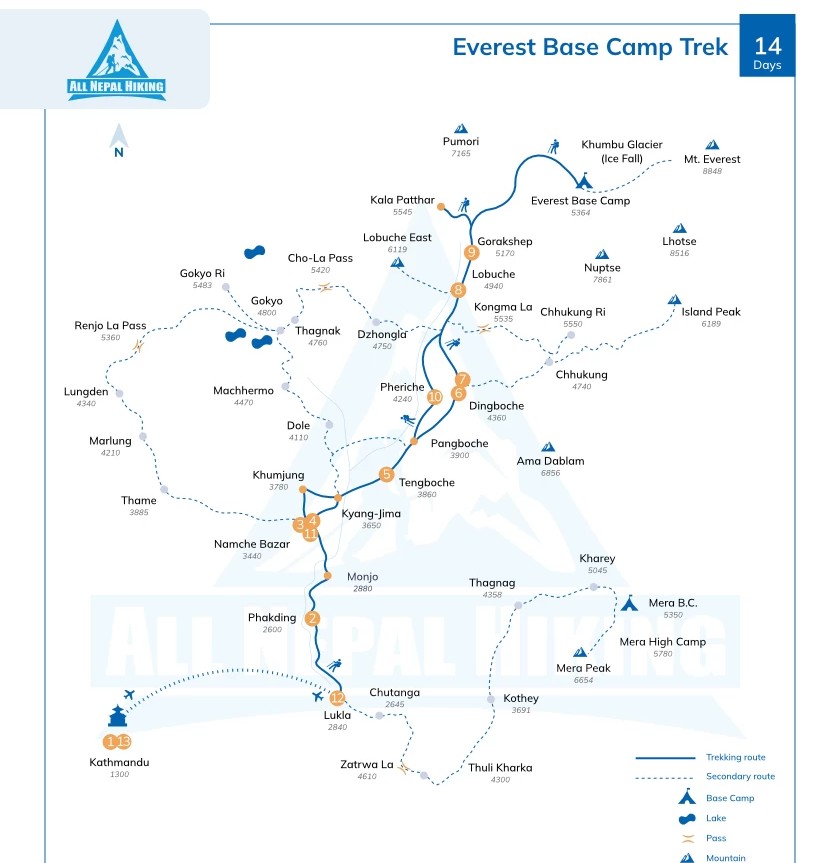
Total Mt EBC trek duration: 12–14 days (standard route)
Days to reach Everest Base Camp: 9 days
Days to return to Lukla: 3 days
Longest variations: Up to 20+ days (EBC via three passes, Gokyo Route or Jiri)
Quickest luxury option: 7 days with helicopter return from Gorak Shep
This flexible itinerary allows trekkers of different fitness levels and travel preferences to choose the best option from classic adventure trekking to luxury heli returns.
How High is Everest Base Camp ?
One of the most challenging aspects of the Everest Base Camp trek is high altitude. Even from the very beginning at Lukla Airport (2,860m / 9,383 ft), you are already trekking at an elevation higher than most alpine summits in Europe or North America. As most trekkers' bodies are not accustomed to such thin air, the route is designed with gradual elevation gain and mandatory acclimatization days to minimize the risk of Altitude Mountain Sickness (AMS).
On a typical day, you will gain between 400–800 meters in altitude. To maintain safety, big elevation gains are usually followed by a rest and acclimatization day, which also offers time for short hikes, village exploration, and stunning Himalayan views.
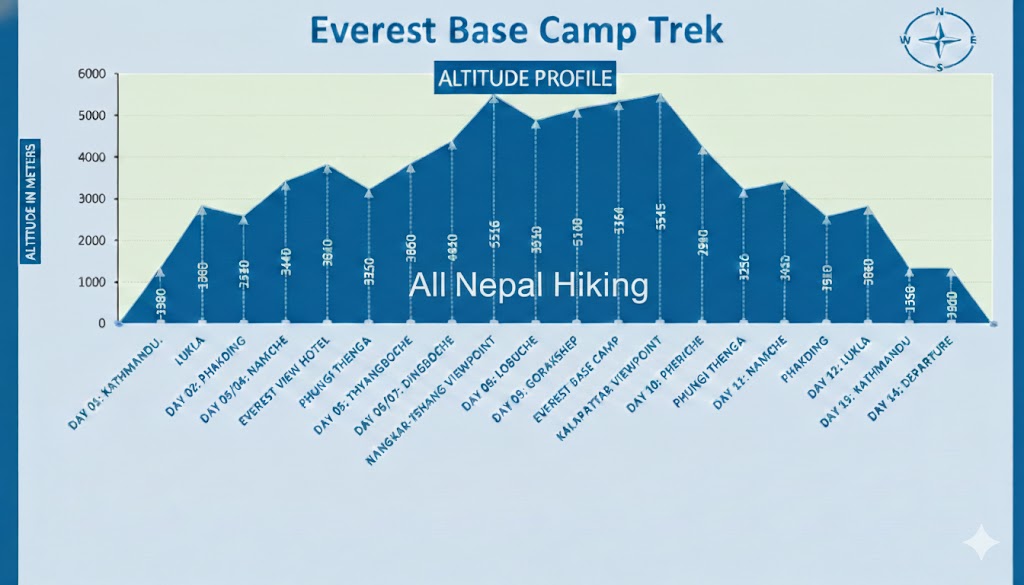
Everest Base Camp Trek Elevation Profile
Below is the general elevation progression of the standard 12–14 day Everest Base Camp itinerary (Lukla to EBC and back):
Location | Elevation (meters) | Elevation (feet) |
Lukla | 2,860 m | 9,383 ft |
Phakding | 2,610 m | 8,563 ft |
Namche Bazaar | 3,440 m | 11,286 ft |
Tengboche | 3,860 m | 12,664 ft |
Dingboche | 4,410 m | 14,468 ft |
Lobuche | 4,940 m | 16,207 ft |
Gorak Shep | 5,164 m | 16,942 ft |
Everest Base Camp | 5,364 m | 17,598 ft |
Kala Patthar (highest point) | 5,545 m | 18,192 ft |
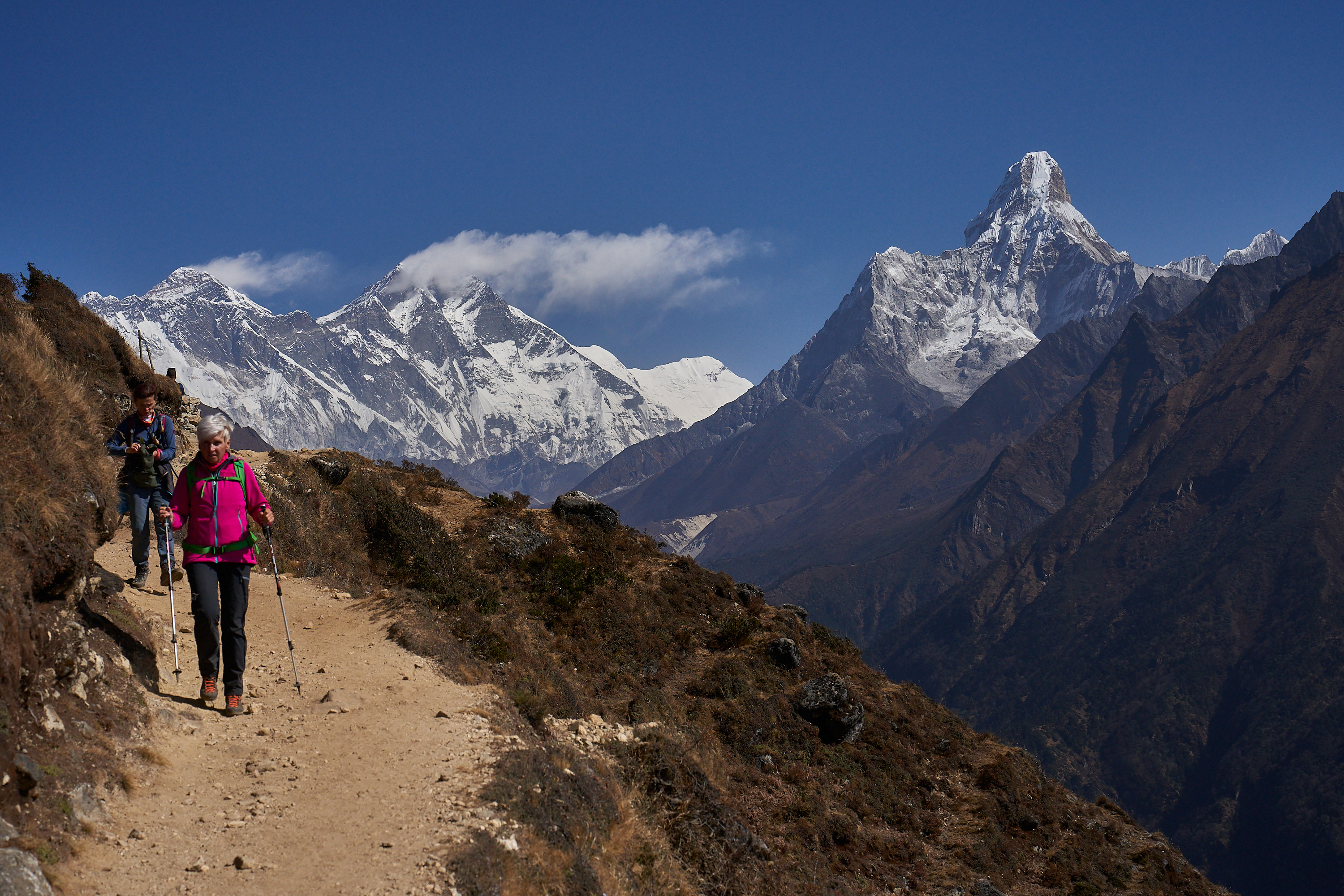
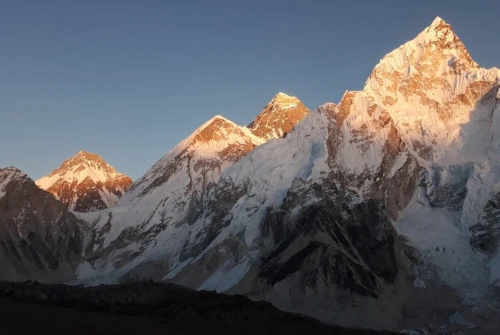
The highest point reached on most Everest Base Camp trek is Kala Patthar (5,545m), a popular viewpoint offering spectacular close-up panoramas of Mt. Everest, Lhotse, Nuptse, and Pumori. However, trekkers spend minimal time at this altitude before descending back to Pheriche (4,280m) and eventually to Lukla.
Altitude Gain According to the Routes
Each Everest Base Camp trekking route follows a different altitude profile and offers a unique adventure experience. Some routes are more direct, while others include high passes and additional viewpoints for extra challenge and scenery. Understanding the altitude gain of each helps trekkers choose an itinerary that aligns with their fitness level, acclimatization capacity, and adventure preference.
Classic Lukla to Everest Base Camp Route
Starting Elevation: 2,860 m (Lukla Airport)
Highest Point: 5,364 m (Everest Base Camp) / 5,545 m (Kala Patthar – optional viewpoint) This is the standard and most popular route to EBC. It steadily gains altitude over 8–9 days, with acclimatization stops in Namche Bazaar and Dingboche before reaching Everest Base Camp.
Bupsa to Everest Base Camp (via Jiri Route Alternative)
Starting Elevation: 2,360 m (Bupsa) Historically known as the Jiri to EBC trek, this route was the original path taken by Sir Edmund Hillary and Tenzing Norgay during the 1953 Everest Expedition. Today, vehicles can reach Bupsa, skipping lower sections. It offers a longer and more gradual acclimatization compared to the Lukla route ideal for trekkers seeking fewer flights and more cultural exposure.
Everest Base Camp with Gokyo Lake Trek
Starting Elevation: 2,860 m (Lukla)
Highest Point: 5,357 m (Gokyo Ri)
This route combines the classic EBC trek with the stunning turquoise Gokyo Lakes. After visiting Base Camp, you cross the Cho La Pass (optional) and trek to Gokyo Ri for incredible panoramic views of Everest, Lhotse, Makalu, and Cho Oyu.
Everest Base Camp and Three High Passes Trek
Pass Elevations:
Kongma La Pass – 5,535 m
Cho La Pass – 5,420 m
Renjo La Pass – 5,345 m
This is the most challenging and adventurous route, covering three iconic high-altitude Himalayan passes. Suitable for experienced trekkers, it offers 360° views of Everest and remote valleys beyond the standard trail.
Everest Base Camp and Two High Passes Trek
Pass Elevations:
Renjo La Pass – 5,345 m
Cho La Pass – 5,420 m
A slightly easier alternative to the Three Passes Trek, this route avoids Kongma La while still offering adventure and fewer crowds. Perfect for trekkers looking for extra challenges with manageable difficulty.
Everest Base Camp with Island Peak Expedition
Summit Elevation (Island Peak): 6,165 m / 20,226 ft
This route combines the classic Everest Base Camp trek with a climbing expedition to Island Peak, one of Nepal’s most popular 6000m trekking peaks. Ideal for aspiring mountaineers, it offers a taste of Himalayan climbing with technical training and glacier experience.
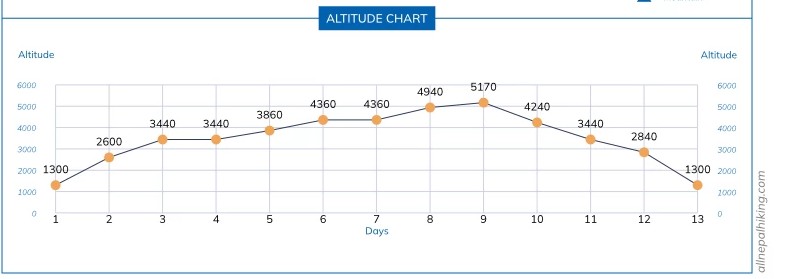
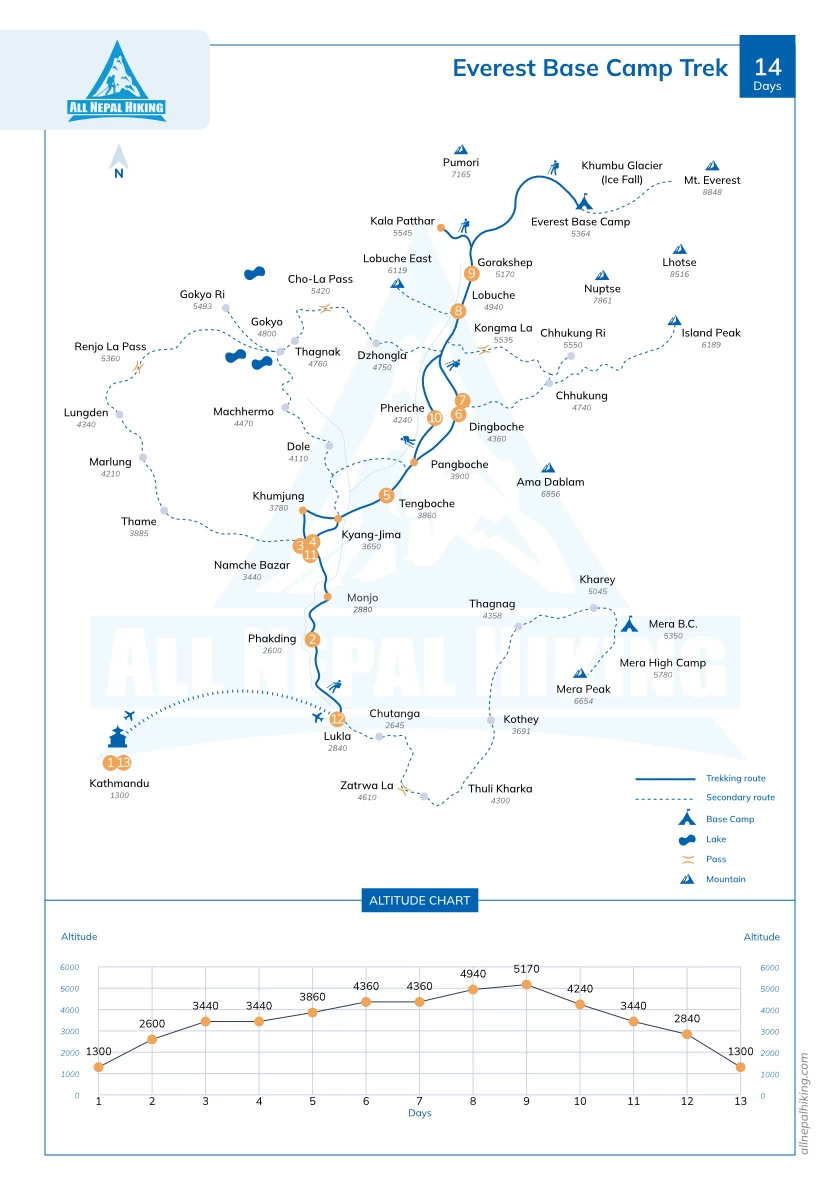
Elevation Of Everest Base Camp Trek Day by Day
On our chart you clearly understand the ascent and acclimatization process, here is the daily elevation breakdown for the classic Everest Base Camp trekking itinerary. This gives a precise idea of how your body gradually adapts to altitude throughout the journey.
Day | Itinerary | Elevation |
Day 1 | Fly from Kathmandu to Lukla → Trek to Phakding | Kathmandu: 1,400m / 4,593 ft → Lukla: 2,860m / 9,383 ft → Phakding: 2,610m / 8,562 ft |
Day 2 | Trek from Phakding to Namche Bazaar | 3,440m / 11,286 ft |
Day 3 | Acclimatization day in Namche → Optional hike to Everest View Hotel | Namche: 3,440m / 11,286 ft → Everest View Hotel: 3,880m / 12,729 ft |
Day 4 | Trek from Namche Bazaar to Tengboche Monastery | 3,860m / 12,664 ft |
Day 5 | Trek from Tengboche to Dingboche | 4,410m / 14,468 ft |
Day 6 | Acclimatization in Dingboche → Hike to Nagarjuna Hill | Dingboche: 4,410m / 14,468 ft → Nagarjuna Hill: 5,100m / 16,732 ft |
Day 7 | Trek from Dingboche to Lobuche | 4,940m / 16,207 ft |
Day 8 | Trek from Lobuche to Gorakshep → Visit Everest Base Camp | Gorakshep: 5,164m / 16,942 ft → EBC: 5,364m / 17,598 ft |
Day 9 | Early hike to Kala Patthar → Trek down to Pheriche | Kala Patthar: 5,545m / 18,192 ft → Pheriche: 4,371m / 14,340 ft |
Day 10 | Trek from Pheriche to Namche Bazaar | 3,440m / 11,286 ft |
Day 11 | Trek from Namche Bazaar to Lukla | 2,860m / 9,383 ft |
Day 12 | Fly from Lukla back to Kathmandu | 1,400m / 4,593 ft |
Elevation of Mt Everest Base Camp Heli Tour
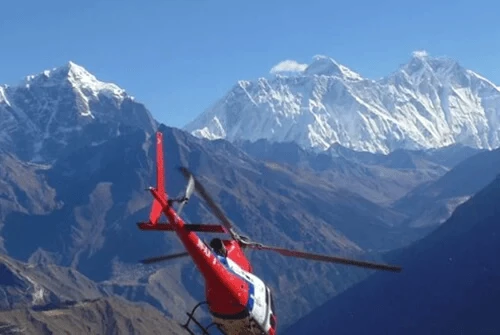
If you’re short on time or prefer a luxurious and less physically demanding alternative to trekking, the luxury Everest base camp trek with helicopter return is the ultimate way to witness the grandeur of Mount Everest in just a few hours.
Helicopter Tour Elevation Highlights
Starting Point – Kathmandu: 1,400 meters (4,593 feet)
The journey begins from Kathmandu early in the morning with a scenic flight toward the Himalayas.
Scenic Flyover – Himalayan Range:
The helicopter soars over dramatic landscapes, lush valleys, and rugged mountain terrain, passing villages like Lukla, Namche Bazaar, Tengboche, and Dingboche.
Highest Landing Point – Kala Patthar: 5,545 meters (18,192 feet)
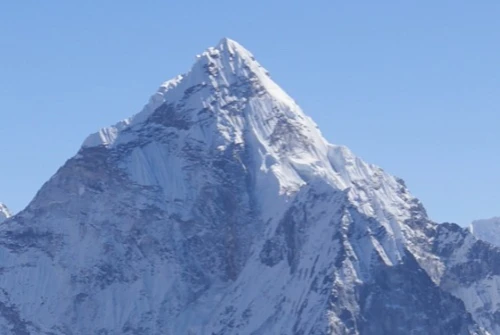
This is the highest viewpoint of the tour, offering a spectacular 360° panorama of Mt. Everest, Lhotse, Nuptse, Pumori, and Ama Dablam — one of the best possible Everest views on Earth.
Optional Flyover of Everest Base Camp: 5,364 meters (17,598 feet)
While helicopters do not usually land at the actual Everest Base Camp due to safety and glacier instability, you hover or fly close over the camp, witnessing the climbers’ tents and the Khumbu Icefall up close.
Breakfast Stop at Everest View Hotel (Optional): 3,880 meters (12,729 feet)
Many tours include a landing at Everest View Hotel in Syangboche, the world’s highest-located luxury hotel for a stunning breakfast with Everest right in front of you.
This once-in-a-lifetime helicopter experience allows you to reach heights above 5,500 meters within hours, offering breathtaking Himalayan views without trekking for days. It’s ideal for travelers with limited time, luxury seekers, elderly visitors, or those unable to trek due to physical limitations.
Altitude Sickness During High Elevation on the Everest Base Camp Trek
Trekking to Everest Base Camp is an incredible adventure, but with high-altitude trekking comes the risk of altitude sickness. Understanding how to prevent and manage this condition is essential for a safe and enjoyable journey.
Preventing Altitude Sickness
Prevention is always better than cure. Key strategies include:
Gradual Ascent: Allow your body sufficient time to acclimatize as you gain elevation.
Stay Hydrated: Drink at least 3–4 liters of water daily.
Balanced Diet: Eat light, warm, and nutrient-rich meals.
Avoid Alcohol and Smoking: These can dehydrate you and worsen symptoms.
Follow “Climb High, Sleep Low”: Gain altitude during the day but sleep at a lower elevation.
Recognizing Symptoms
Early detection is crucial. Common symptoms of altitude sickness include:
If these symptoms appear, do not ignore them.
How to Respond
Stop ascending immediately.
Descend to a lower altitude and rest.
Hydrate well and monitor your condition.
Seek medical attention if symptoms worsen or persist.
Importance of a Knowledgeable Guide
A professional trekking guide can manage the pace, monitor your health, and recognize early signs of altitude sickness. Their expertise ensures you ascend safely while enjoying the trek.
Remember: On the Everest Base Camp trek, safety is always more important than reaching the destination. Proper planning, acclimatization, and awareness are your best tools for a successful adventure.
How Many Base Camps Are on Mount Everest?
There are two main base camps on Mount Everest, located on opposite sides of the mountain:
South Base Camp (Nepal)
Elevation: 5,364 meters (17,598 feet)
Access: Reachable by trekking or helicopter from Lukla (Nepal)
Popular for trekkers and climbers taking the south route to the summit
North Base Camp (Tibet/China)
Elevation: 5,150 meters (16,900 feet)
Access: Reachable by vehicle (via a paved road from the Tibetan side)
Offers views of the North Face of Everest and is typically used by climbers taking the north route
In addition to these, there are higher camps used by climbers during the summit push, but these aren't technically base camps:
On the South Side (Nepal), there are 4 additional high camps (Camp 1 to Camp 4/South Col).
On the North Side (Tibet), there is an Everest Advanced Base Camp (ABC), typically at 6,400 meters (21,000 feet), which serves as a staging point for summit attempts.
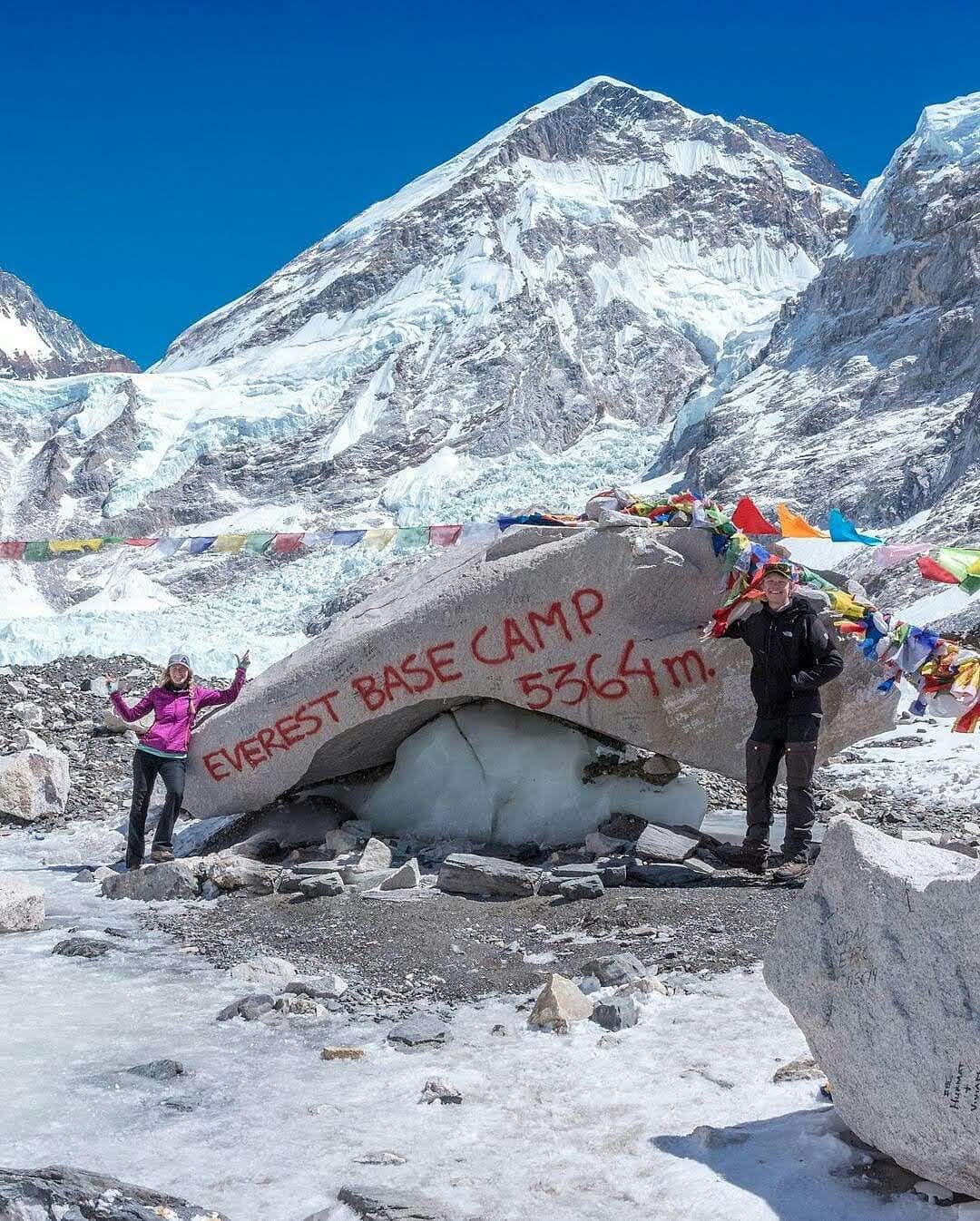
South Everest Base Camp (Nepal) Elevation: 5,364 m / 17,598 ft
The South Everest Base Camp is located in the Khumbu region of Nepal at an elevation of 5,364 meters (17,598 feet) above sea level. This base camp is the most popular choice for trekkers due to its easy access via flights to Lukla, a gradual ascent allowing proper acclimatization, and a well-established trekking infrastructure that includes teahouses, guides, and porters.
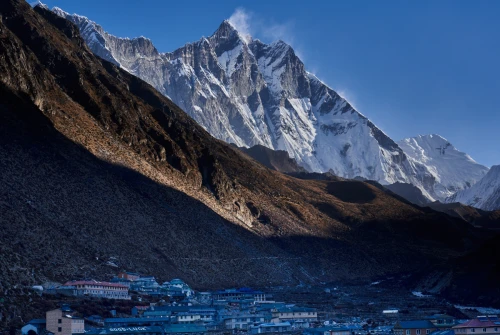
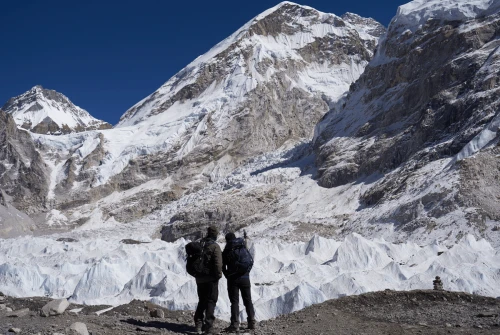
The trek passes through traditional Sherpa villages such as Namche Bazaar, Tengboche, Dingboche, and Lobuche, providing a cultural and scenic experience with monasteries, fluttering prayer flags, and alpine landscapes. Situated at the foot of the Khumbu Glacier, the South Base Camp is also the starting point for climbers attempting the southern ascent of Mt. Everest.
North Everest Base Camp (China / Tibet) Elevation: 5,150 m / 16,896 ft
The North Everest Base Camp is located in the Tibet Autonomous Region of China at an elevation of 5,150 meters (16,896 feet) above sea level. Unlike the southern route, it is accessible by vehicle, but travelers face stricter travel regulations and permit requirements.
The rapid elevation gain increases the risk of altitude sickness, and the trekking infrastructure is limited compared to Nepal. While it provides a closer view of the northern face of Mt. Everest, the North Base Camp is less visited due to logistical challenges, making it primarily a choice for climbers attempting the northern ascent rather than casual trekkers.
Everest Elevation Gain from Base Camp to Summit
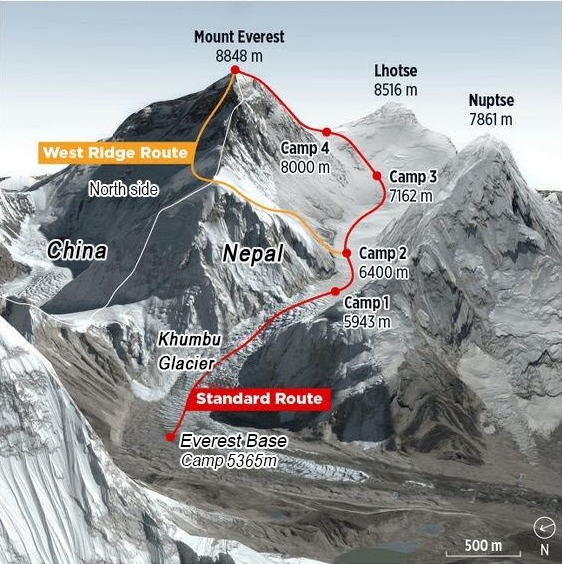
The journey from Everest Base Camp (EBC) to the summit is carefully planned to allow climbers enough time to acclimatize to increasing elevation. There are four main camps between the Base Camp and the summit, each with its own elevation gain and challenges.
Everest Base Camp to Camp 1: The EBC sits at 5,364 meters (17,598 ft), and Camp 1 is at 6,065 meters (19,898 ft). The elevation gain for this section is 701 meters (2,300 ft). This part of the climb includes the notorious Khumbu Icefall, considered one of the most difficult sections of the route.
Camp 1 to Camp 2: Camp 2 is at 6,400 meters (20,997 ft), which is 335 meters (1,100 ft) higher than Camp 1. This section is relatively easier and flatter compared to the previous section, providing some respite for climbers.
Camp 2 to Camp 3: Camp 3 sits at approximately 7,162 meters (23,497 ft), which is 762 meters (2,828 ft) higher than Camp 2. This section involves steep climbing along the Lhotse Face, requiring technical skills and careful navigation.
Camp 3 to Camp 4: Camp 4 is at 7,950 meters (26,083 ft), marking an elevation gain of 788 meters (2,585 ft) from Camp 3. This is the final camp before the summit, located at the South Col, a key staging area for the final ascent.
Camp 4 to Summit: The final push from Camp 4 to the summit of Mount Everest at 8,848.86 meters (29,029 ft) involves an elevation gain of 898.86 meters (2,949 ft). This section is famously known as the “Death Zone”, where low oxygen levels and extreme conditions make it the most dangerous part of the climb, and it has been the site of numerous casualties, including the infamous ‘Green Boots’ and ‘Sleeping Beauty’.
Distance and Altitude During the Everest Base Camp Trek 2026
The Everest base camp trek 2026 is one of the most iconic trekking journeys in the world. Covering stunning landscapes, Sherpa villages, and Himalayan vistas, the trek also challenges trekkers with high altitudes. Proper planning of daily distances and altitude gain is crucial for acclimatization, pacing, and safety.
The table below summarizes the daily route, approximate distance, altitude, and trekking duration, helping you understand the trek’s physical demands and prepare accordingly:
Route | Distance (Approx.) | Altitude (Meters) | Duration (Approx.) |
Lukla → Phakding | 8–9 km | 2,610 m | 3–4 hours |
Phakding → Namche Bazaar | 12 km | 3,440 m | 5–6 hours |
Namche Bazaar → Sagarmatha National Park | 1.1 km | 3,550 m | 1–2 hours |
Namche Bazaar → Everest View Hotel (Round Trip) | 5–6 km | 3,880 m | 3–4 hours |
Namche Bazaar → Tengboche | 10.6 km | 3,860 m | 5–6 hours |
Tengboche → Dingboche | 11–12 km | 4,410 m | 5–6 hours |
Dingboche → Lobuche | 8–9 km | 4,940 m | 5–6 hours |
Lobuche → Gorak Shep | 4–5 km | 5,140 m | 2–3 hours |
Gorak Shep → Everest Base Camp | 3–4 km | 5,364 m | 2–3 hours |
Gorak Shep → Kala Patthar (Round Trip) | 2–3 km | 5,545 m | 3–4 hours |
Kala Patthar → Pangboche | 14–15 km | 3,930 m | 7–8 hours |
Pangboche → Namche Bazaar | 12–13 km | 3,440 m | 6–7 hours |
Namche Bazaar → Lukla | 19–20 km | 2,860 m | 7–8 hours |
This chart provides trekkers a clear understanding of how far they will walk each day, the altitude changes, and how long each leg of the journey takes. By planning your pace and rest days around this information, you can minimize the risk of altitude sickness and enjoy the trek safely.
Everest Base Camp Trek Total Distance
The Everest base camp trek tour 2026 is one of the most iconic trekking experiences in the world. Understanding the total distance, trekking segments, and key landmarks along the route helps trekkers plan their journey efficiently and manage their pace, rest days, and acclimatization.
Travel Distance to the Starting Point
The journey to Everest Base Camp begins either by flight or by road from Kathmandu:
Flight to Lukla: The distance from Kathmandu to Lukla is 138 km, taking approximately 30–35 minutes. The flight offers spectacular views of the Himalayas.
Drive to Jiri or Salleri: The road distance is 188 km, taking 8–10 hours on mountain roads.
Your choice of flight or road travel affects both time and the total distance of the trek.
Trekking Distance
From Lukla to Everest Base Camp, the trek covers approximately 65 km one way, making it 130 km round trip.
The trail passes through villages, forests, and suspension bridges, gradually ascending to the Khumbu region’s high altitudes.
Trekkers typically complete this in 12–14 days to allow proper acclimatization.
Daily trekking distances range from 8–15 km, depending on the itinerary and acclimatization schedule.
Total Distance Including Travel
Flying to Lukla: Total journey distance is about 406 km (including 276 km round-trip flight + 130 km trek).
Driving to Jiri/Salleri: Total journey distance is around 586 km (376 km round-trip by road + 210 km trek).
Distance from Trekking Points to Mount Everest Base Camp
Starting Point | Distance to Everest Base Camp | Notes |
Lukla | 65 km (40 miles) | The starting point of the trek; home to the famous Lukla Airport. |
Namche Bazaar | 48 km (30 miles) | Important acclimatization stop; first views of Mount Everest. |
Tengboche | 37 km (23 miles) | Known for Tengboche Monastery and spectacular views of Ama Dablam & Everest. |
Dingboche | 22 km (14 miles) | The trail becomes more desolate and challenging at higher altitudes. |
Lobuche via Gorak Shep | 8 km (5 miles) | Final stretch to Everest Base Camp; the most exciting part of the trek. |
How Difficult is the Everest Base Camp Trek Tour in Terms of Altitude?
The Everest Base Camp Trek Tour is challenging yet achievable for most people who are well-prepared. It is suitable for both beginners and senior trekkers, provided they maintain proper fitness, pacing, and acclimatization. While the trek does not require technical climbing skills, it involves long days of walking over steep, rocky terrain and significant altitude gains, making it physically demanding.
The biggest challenge is the altitude: the trek starts at Lukla (2,840 meters / 9,317 feet) and ascends to the Everest Base Camp (5,364 meters / 17,598 feet). At higher elevations, the air is thinner, increasing the risk of altitude sickness. To mitigate this, the itinerary includes acclimatization days to help the body adjust gradually.
Trekkers should also be prepared for rocky, uneven, and steep paths, along with cold, windy weather at higher altitudes. Daily trekking typically ranges from 5–8 hours, depending on the day’s distance and terrain.
With good physical fitness, proper equipment, and a steady pace, most trekkers find the EBC trek manageable. Despite being arduous, the journey is highly rewarding, offering breathtaking mountain views, cultural experiences, and a deep sense of accomplishment upon reaching Base Camp.
Risks Associated with High Altitude During the Everest Base Camp Trek
Everest tour and travel is thrilling, but the high altitude comes with significant risks. Understanding these risks is crucial to ensure safety and a successful trek.
1. Acute Mountain Sickness (AMS)
Acute Mountain Sickness (AMS) is one of the most common high-altitude issues. It occurs due to rapid ascent without proper acclimatization, as the body struggles to adjust to the low oxygen levels.
- Symptoms: Headache, nausea, dizziness, fatigue, and loss of appetite.
- Risks: If untreated, AMS can progress to High Altitude Pulmonary Edema (HAPE) or High Altitude Cerebral Edema (HACE), both potentially life-threatening.
2. High Altitude Pulmonary Edema (HAPE)
HAPE is a potentially fatal condition caused by fluid accumulation in the lungs due to low oxygen pressure.
- Symptoms: Shortness of breath, chest tightness, and cough.
- Occurrence: Usually above 3,500 meters.
- Action: Immediate descent and medical attention are required.
3. High Altitude Cerebral Edema (HACE)
HACE is rare but extremely dangerous, occurring when fluid builds up in the brain tissue, causing swelling.
- Symptoms: Severe headache, confusion, loss of coordination, disorientation, inability to walk straight, and in severe cases, coma.
- Occurrence: Usually above 4,000 meters.
- Action: Rapid descent and emergency medical intervention are critical.
4. Dehydration
Cold, dry air at high altitudes increases water loss through respiration. Cold temperatures can also suppress thirst, leading trekkers to drink less.
- Symptoms: Dark-colored urine, fatigue, headaches.
- Prevention: Drink 3–4 liters of water daily and avoid diuretics like caffeine and alcohol.
5. Hypothermia
Hypothermia occurs when the body loses heat faster than it can produce it, especially during cold nights at high altitudes.
- Symptoms: Shivering, confusion, drowsiness, and in severe cases, loss of consciousness.
- Prevention: Layered clothing, warm sleeping gear, and avoiding prolonged exposure to extreme cold.
6. Exhaustion
Long trekking days combined with reduced oxygen supply can lead to extreme fatigue.
- Symptoms: Inability to continue trekking, muscle weakness, and mental stress.
- Prevention: Pace yourself, schedule rest days, and maintain proper nutrition.
7. Frostbite
Frostbite results from prolonged exposure to extreme cold, affecting fingers, toes, nose, and ears first.
- Symptoms: Numbness, discoloration, blistering.
- Risks: Severe frostbite can cause permanent tissue damage.
- Prevention: Proper gloves, socks, and insulated footwear are essential.
8. Altitude-Induced Insomnia
Reduced oxygen levels can make sleeping difficult, causing frequent waking or restless sleep.
- Symptoms: Fatigue, irritability, decreased trekking performance.
- Prevention: Acclimatization, rest days, and, if necessary, doctor-approved sleep aids.
Tip: Gradual ascent, proper hydration, nutrition, and awareness of symptoms are the key to minimizing high-altitude risks during the Everest Base Camp trek.
Tips for Preparing for the Altitude of the Everest Base Camp Trekking Tour
Everest base camp trekking tour is exhilarating, but high altitude presents unique challenges. Proper preparation can make your trek safer and more enjoyable.
1. Train for Physical Fitness
Good physical fitness helps reduce fatigue caused by long days of trekking and low oxygen levels. Focus on aerobic exercises like running, hiking, or stair climbing to strengthen your lungs and legs. This will prepare your body for the physical demands of trekking to Everest Base Camp.
2. Plan for Gradual Acclimatization
A gradual ascent is the best prevention against altitude-related illnesses such as AMS, HAPE, and HACE. Include acclimatization days at key stops like Namche Bazaar and Dingboche to allow your body to adjust to thinner air as you climb.
3. Stay Hydrated
Dehydration can worsen symptoms of altitude sickness, including headaches and fatigue. Drink 3–4 liters of water per day to help your body adapt to high-altitude conditions.
4. Be Aware of AMS Symptoms
Recognize early signs of Acute Mountain Sickness (AMS) such as headaches, dizziness, nausea, or confusion. Early detection allows you to take action quickly, preventing progression to more severe conditions like HAPE or HACE.
5. Pack for Cold Weather
Hypothermia is a serious risk at high altitudes, especially at night. Bring high-quality insulated gear, layered clothing, and a sub-zero sleeping bag to stay warm and protected.
6. Take Breaks to Avoid Exhaustion
Walking at a steady pace and taking regular breaks is essential. Overexertion in low-oxygen environments increases fatigue and aggravates altitude sickness.
7. Protect Against Frostbite
Frostbite can affect fingers, toes, and exposed skin. Wear insulated gloves, socks, and boots to reduce the risk during prolonged exposure to freezing temperatures.
8. Prepare for Sleeping Difficulties
Altitude insomnia is common. Practice deep-breathing techniques, maintain a consistent bedtime, and rest well during acclimatization days to improve sleep quality and aid adjustment.
9. Carry Emergency Medications
Medications like Diamox (acetazolamide) can help relieve AMS symptoms. Consult your physician before using them, as they do not replace proper acclimatization but can be useful in emergencies.
10. Hire Experienced Guides
Professional guides monitor your health, recognize altitude sickness symptoms, and adjust trekking pace. They may provide supplementary oxygen and ensure safety during the ascent.
Conclusion
Trekking to Everest Base Camp is a monumental journey that offers not only stunning views but also the opportunity to experience the majestic heights of the world’s tallest mountain up close. Understanding the height and elevation of both South Everest Base Camp (5,364m) and North Everest Base Camp (5,150m) is crucial for preparing your body and mind for the challenges of high-altitude trekking.
With the right preparation, including proper acclimatization, physical training, and awareness of altitude-related risks, you can make the most of your adventure. Whether you’re a seasoned trekker or a first-timer, the Everest Base Camp trek tour 2026 offers a life-changing experience, a journey that blends physical challenge, cultural exploration, and some of the most breathtaking landscapes on earth.
FAQs For EBC Trek Height
Do I need a guide for the Everest Base Camp trek in 2026?
Yes, you must hire a licensed guide or join an organized group to trek to Everest Base Camp. Solo trekking is prohibited in Nepal's national parks, including the Everest region, due to safety regulations. Hiring a guide not only ensures safety but also supports the local economy by providing jobs to the Sherpa community.
How much does the Everest Base Camp trek cost in 2026?
The cost of the Everest Base Camp trek in 2026 typically ranges from $1,200 to $2,000 USD for a 12–14 day trek. Here's a breakdown based on your preferences:
Budget: $1,100 - $1,300 (Includes basic tea houses and local meals)
Mid-range: $1,500 - $2,200 (Includes flights, experienced guide, and comfortable lodges)
Luxury: $3,000+ (Includes helicopter return and high-end boutique lodges)
When is the best time to trek to EBC in 2026?
The best times to trek to Everest Base Camp are during the Spring and Autumn seasons:
Spring (March to May): Ideal for trekking, with vibrant rhododendron blooms and a lively atmosphere as climbers prepare for the summit season.
Autumn (September to November): Clear skies, stable weather, and breathtaking views after the monsoon. October is the busiest month, but late March offers a quieter trek with fewer crowds.
How difficult is the trek for a beginner?
The Everest Base Camp trek is considered moderate to challenging. While it does not require technical climbing skills, trekkers need to be prepared for 5-7 hours of hiking daily over rocky, uphill terrain. The main challenge is the altitude, which decreases oxygen levels, making acclimatization a key focus of the trek.
What permits are required for EBC?
To trek to Everest Base Camp, you will need two permits:
Is there Wi-Fi and cell service at Everest Base Camp?
Yes, there is Wi-Fi and cell service at Everest Base Camp, but it is not free. Most tea houses offer Wi-Fi through Airlo or Everest Link. Connectivity is strong up to Namche Bazaar but slows significantly as you ascend. Many trekkers opt to use local SIM cards (like Ncell or NTC) to maintain communication in some high-altitude locations.
What is the food like on the trek?
The staple food is Dal Bhat (lentils, rice, and curry), which is high in energy and perfect for long days of hiking. Other common options include pasta, pizza, and pancakes. However, be cautious about eating meat above Namche Bazaar, as it is transported by porters and may not be safely refrigerated.
Are there ATMs on the EBC trail?
There are ATMs in Lukla and Namche Bazaar, but they are often unreliable—either out of cash or not functioning. It's best to carry enough Nepali Rupees (NPR) from Kathmandu to cover personal expenses such as snacks, hot showers, and charging your devices during the trek.
How high is Everest Base Camp?
South Everest Base Camp (Nepal): 5,364 meters (17,598 feet)
North Everest Base Camp (Tibet/China): 5,150 meters (16,896 feet)
Is Everest Base Camp higher than the summit of other mountains?
Yes, Everest Base Camp (5,364m) is higher than the highest peaks in Europe, such as Mont Blanc (4,807m), and almost all peaks in the United States, except those in Alaska.
What is the highest point on the Everest Base Camp trek?
The highest point of the trek is Kala Patthar (5,545 meters / 18,192 feet), offering the best panoramic views of Everest. The Base Camp itself is lower in elevation and primarily serves as the starting point for climbers.
How much oxygen is at Everest Base Camp?
At 5,364 meters, there is approximately 50% less oxygen than at sea level. This is why acclimatization is crucial during the trek to avoid altitude sickness.
Can you get altitude sickness at EBC?
Yes, altitude sickness (Acute Mountain Sickness, or AMS) can affect trekkers above 3,000 meters. Since Everest Base Camp sits at 5,364 meters, trekkers must carefully follow the "climb high, sleep low" rule, stay hydrated, and allow time for proper acclimatization to mitigate the risks of AMS.
 based on 270 reviews


.webp)