based on 270 reviews

Trekking to Langtang Valley in January offers a one-of-a-kind adventure for those seeking a serene, snow-covered Himalayan experience. With fewer trekkers on the trail, you'll have the opportunity to immerse yourself in the beauty and tranquility of Langtang Valley during its winter season. January transforms the valley into a stunning winter wonderland, with snow-capped peaks, crisp air, and a peaceful atmosphere. However, this time of year also brings challenges, such as cold temperatures, icy trails, and the need for careful planning and preparation. In this comprehensive guide, we'll walk you through everything you need to know to make the most of your January trek in Langtang, including weather conditions, safety tips, cultural highlights, and trekking itineraries.
Langtang Valley Trek in January: A Complete Guide for Winter Adventures
Why Trek Langtang Valley in January?
Langtang Valley, located just north of Kathmandu, Nepal, is one of the most popular trekking destinations in the country, attracting adventurers year-round. However, trekking to Langtang Valley in January offers several unique advantages that make it a standout choice for winter trekkers:
- Less Crowded Trails: January falls in the off-season for many trekkers, meaning you’ll experience Langtang’s breathtaking landscapes with fewer tourists. Enjoy the peaceful solitude of the valley and trek at your own pace without the typical crowds that fill the trails during peak trekking seasons.
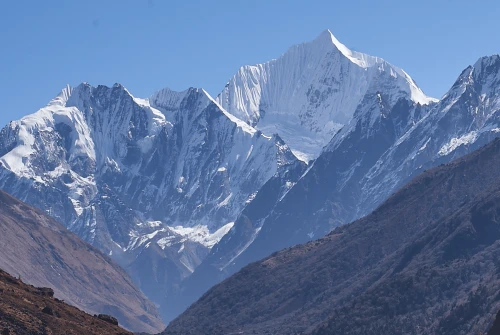
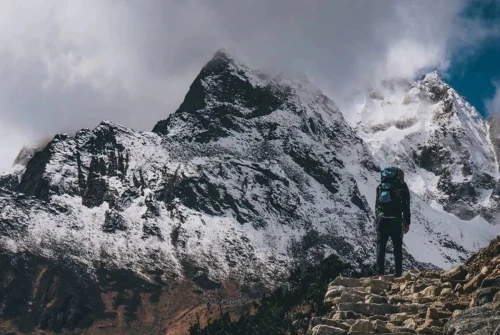
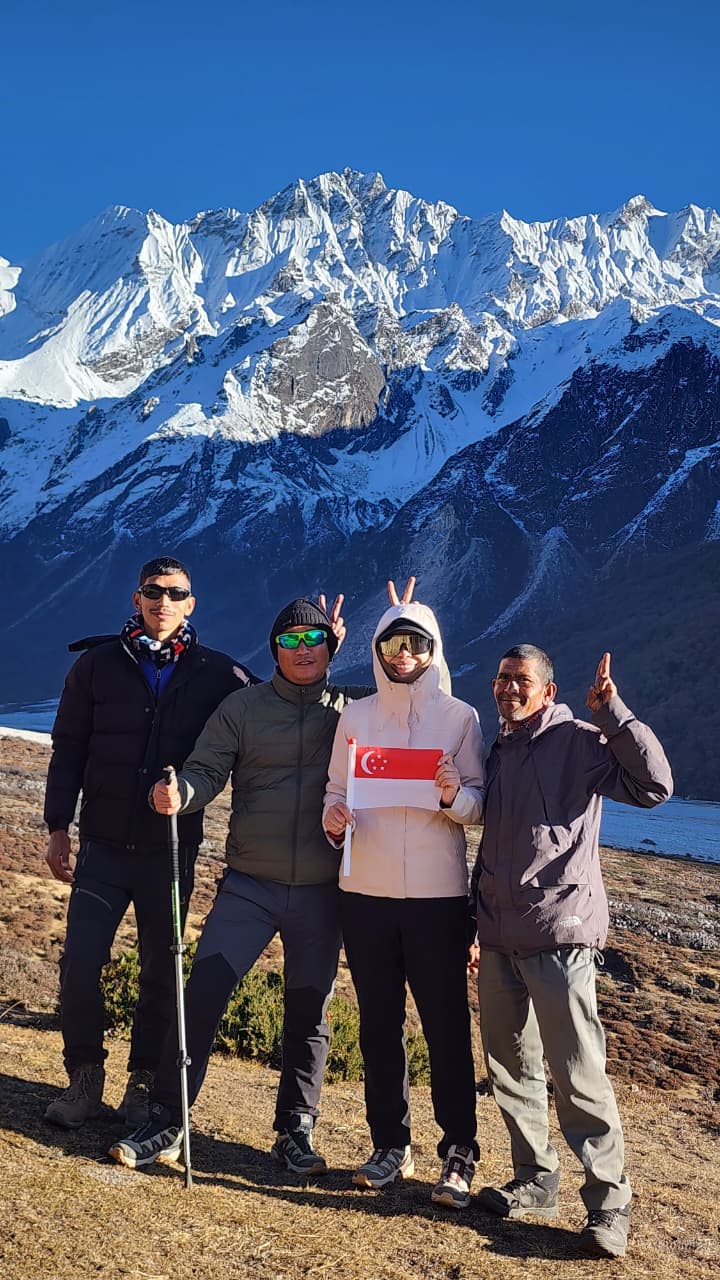
- Snow-Capped Peaks: The winter months bring a stunning transformation to Langtang’s snow-covered mountains, with the Langtang range looking especially spectacular under a blanket of white snow. This creates the perfect opportunity for photographers to capture the valley’s breathtaking winter scenery, with crisp air and dramatic mountain views.
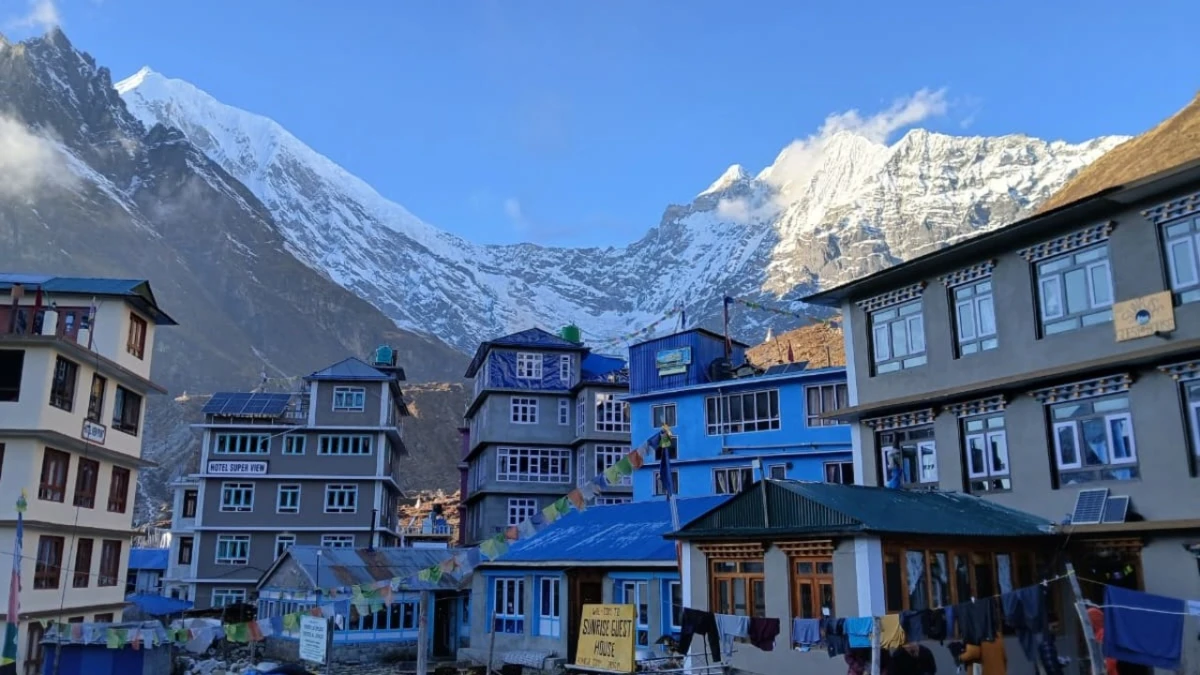
- Cultural Immersion in Quiet Villages: With fewer tourists, January trekking offers a unique chance to immerse yourself in local Tamang and Sherpa cultures. You’ll have more opportunities to engage with the local communities, explore their traditions, and experience their daily life in a quieter, more personal setting.
Advantages and Disadvantages of Trekking Langtang Valley in January
Trekking Langtang Valley in January comes with its own set of benefits and challenges. While the winter season offers a unique and peaceful experience, it’s important to be prepared for the harsh conditions. Let’s take a closer look at both the advantages and disadvantages of trekking in Langtang Valley during this time.
Advantages of Trekking Langtang Valley in January:
- Less Crowded Trails:January is part of the off-season, so the trails are much quieter. You’ll have the opportunity to enjoy Langtang’s serene beauty without the usual crowds of trekkers. This is perfect for those seeking a more peaceful and intimate trekking experience.
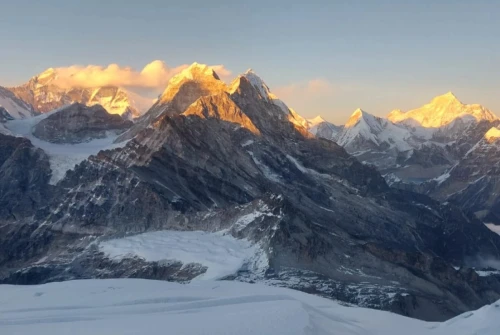
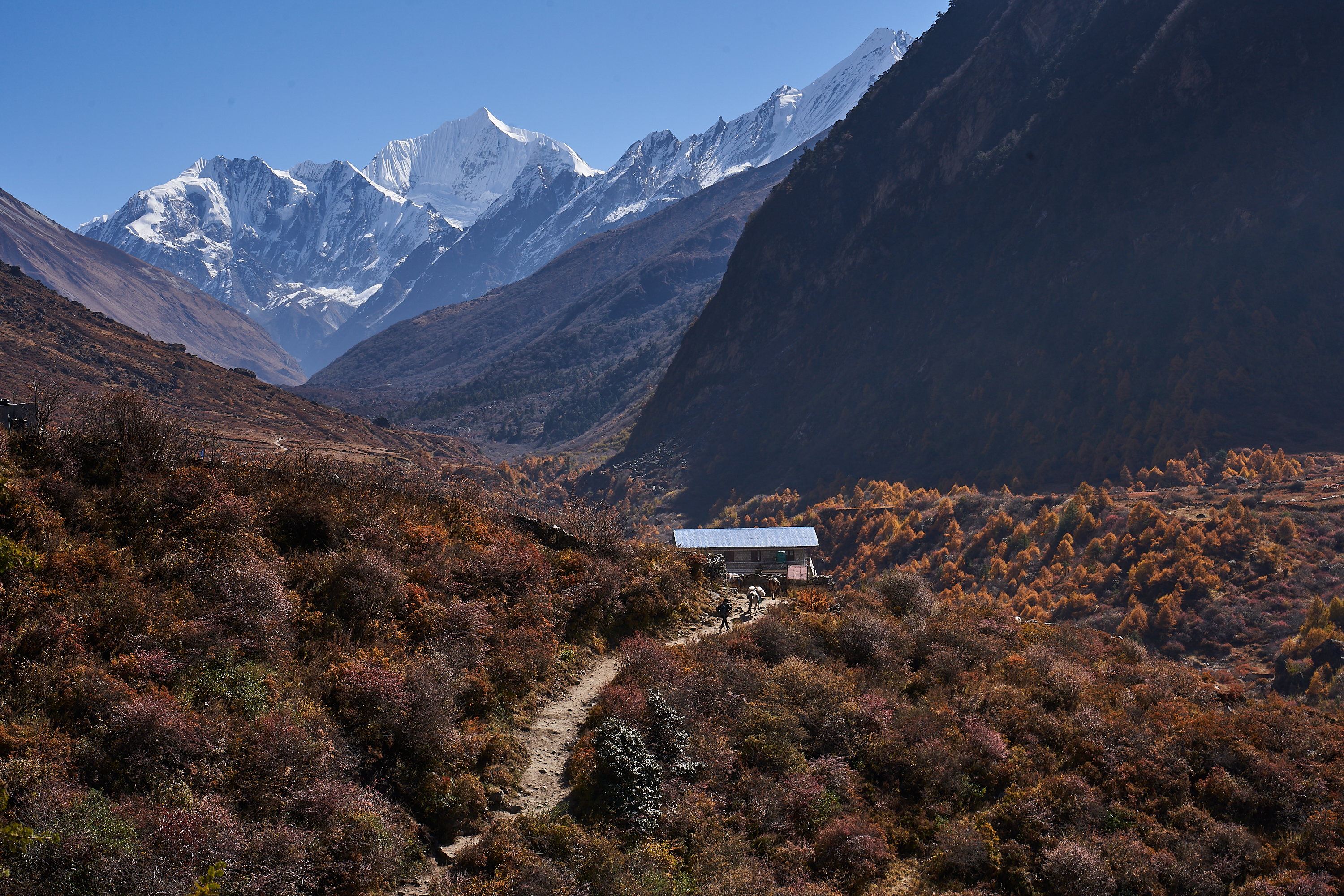
- Stunning Winter Landscapes:Langtang Valley transforms into a winter wonderland, with the snow-capped peaks of the Langtang range and surrounding mountains offering breathtaking views. The contrast of the snow-covered landscapes against the clear, crisp winter air creates perfect conditions for photography.
- Cultural Immersion:With fewer tourists around, you’ll have more opportunities to interact with the local Tamang and Sherpa communities. This provides a deeper cultural immersion, where you can learn about local traditions, customs, and daily life, making your trek not only a physical challenge but also a cultural experience.
- Affordability:As January is off-season, many teahouses and guesthouses offer discounts on accommodation and meals. This can make your trek more affordable compared to the peak trekking seasons.
Disadvantages of Trekking Langtang Valley in January:
- Cold and Freezing Temperatures:January brings cold weather to Langtang Valley, with temperatures often dropping below freezing at higher altitudes. The extreme cold can make trekking challenging, especially if you’re not used to winter conditions. Proper gear is essential to stay warm and safe.
- Snow and Icy Trails:Snow-covered trails can make navigation tricky, especially above 3,500 meters. Some paths may be slippery and icy, increasing the risk of falls or injuries. Trekking in these conditions requires good traction footwear and extra caution.
- Limited Services and Supplies:Due to the off-season, some tea houses and lodges may close, particularly at higher elevations. While most places along the main route remain open, there may be fewer options for food, accommodation, or rest stops, requiring trekkers to plan ahead.
- Shorter Daylight Hours:In January, the days are shorter, and you’ll have fewer hours of sunlight for trekking. This means you may need to adjust your daily walking schedule and be prepared to finish your trek earlier in the afternoon to avoid walking in the dark.
- Potential for Altitude Sickness:With colder temperatures and the potential for icy trails, it may be tempting to push yourself too hard. However, altitude sickness remains a concern, especially above 3,500 meters. The cold and physical demands of the trek may make acclimatization more challenging, so it’s important to pace yourself.
Weather and Climate in Langtang Valley in January
Langtang Valley's weather in January can be extremely cold, especially at higher elevations. While trekking during this time offers breathtaking views and fewer tourists, it also brings certain weather-related challenges. Here’s what you can expect in terms of temperature and climate conditions during your January trek:
Lower Elevations (1,500m to 3,000m)
At lower altitudes, the temperature is cold but generally manageable with the right gear. During the day, temperatures typically range between 0°C and 5°C (32°F to 41°F). While daytime trekking can be relatively comfortable, it still requires warm layers to protect against the cold, especially early mornings and evenings.
Daytime temperature: 0°C to 5°C (32°F to 41°F)
What to wear: Lightweight base layers, fleece, insulated jacket, hat, gloves, and sturdy trekking boots.
Higher Elevations (3,500m and Above)
As you ascend, temperatures will continue to drop, and it’s not unusual for morning and evening temperatures at higher altitudes to fall well below freezing. You can expect sub-zero temperatures, especially at altitudes above 3,500 meters (11,500 feet). The cold can be intense, and exposure to the elements without proper gear can be dangerous.
Morning and evening temperatures: Can drop to -10°C (14°F) or lower
What to wear: Thermal layers, down jacket, insulated gloves, face mask, and proper trekking boots with gaiters.
Snowfall and Snow-Covered Trails
In January, snowfall is common, particularly at higher elevations (above 3,500 meters). The Langtang range and surrounding areas can become covered in a blanket of snow, creating stunning winter landscapes. While this is beautiful for photography, it can also make the trails slippery and more difficult to navigate. Snowfall can cause trail conditions to change rapidly, so always be prepared for varying weather conditions.
Snowfall: Likely at altitudes above 3,500 meters, especially in the later part of the trek.
What to expect: Snow-covered trails, possible icy conditions, and reduced visibility in snowstorms.
Best Routes and Itinerary Options for Langtang Valley Trek in January
The Langtang Valley Trek in January offers several route options, depending on your experience level, fitness, and the amount of time you have. Whether you're looking for a classic trek or an extended journey that includes stunning views and cultural immersion, there’s a route for everyone. Here are the best options:
Classic Langtang Valley Trek
The Classic Langtang Valley Trek is the most popular and straightforward route, making it ideal for trekkers with moderate experience. It typically takes 7-10 days and covers the stunning landscapes of Langtang Valley, including dense forests, high-altitude meadows, and spectacular mountain views.
Route Overview:
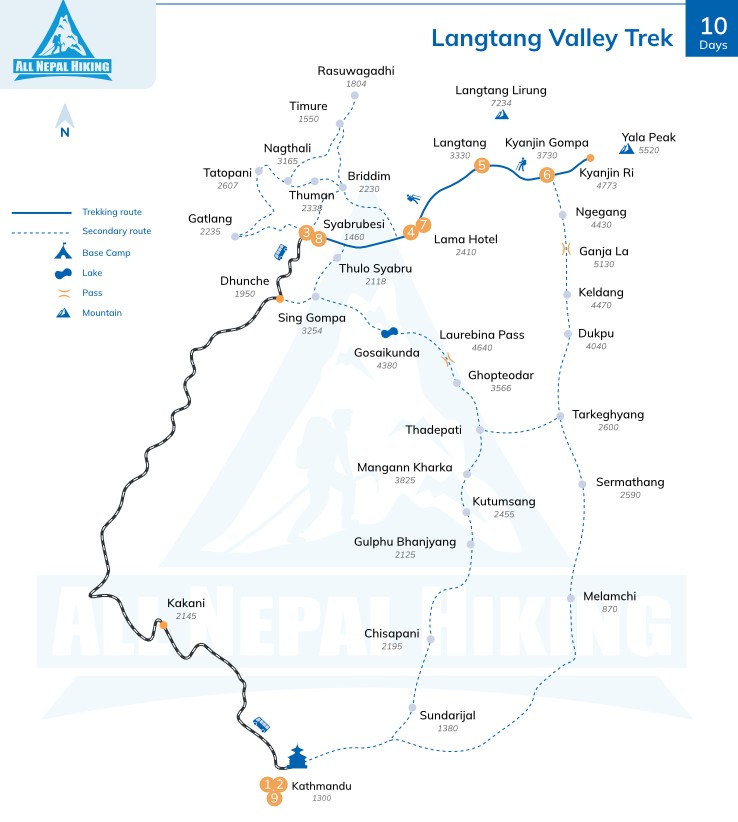
- Start: Syabrubesi (1,460m)
- Key Stops: Lama Hotel (2,480m), Langtang Village (3,430m), Kyanjin Gompa (3,870m)
- Highlights: Visit the Kyanjin Gompa monastery and enjoy stunning views of Langtang Lirung (7,227m) and other peaks. The trek allows for proper acclimatization, making it a great choice for January.
- Duration: 7-10 days (depending on acclimatization and pace)
Langtang Valley & Kyanjin Ri Trek
For those looking to add a little more challenge and reward to their trek, the Langtang Valley & Kyanjin Ri extension is an excellent choice. This option takes an extra day or two to summit Kyanjin Ri (4,700m), where you’ll be rewarded with stunning panoramic views of the Langtang range, including peaks like Langtang Lirung, Dorje Lakpa, and Ganesh Himal.
Route Overview:
- Start: Same as the classic Langtang Valley Trek, from Syabrubesi
- Key Stops: Kyanjin Gompa (3,870m), Kyanjin Ri (4,700m)
- Highlights: Kyanjin Ri Summit offers some of the best views of Langtang, especially in the crisp winter air of January.
- Duration: Add 1-2 extra days to the classic itinerary for the Kyanjin Ri summit.
Helambu Circuit
If you have extra time and want a more diverse trekking experience, consider the Helambu Circuit. This route combines the beauty of Langtang Valley with the scenic Helambu Valley, offering a variety of landscapes and fewer trekkers. The circuit covers lush forests, remote villages, and high-altitude monasteries, giving you the chance to immerse yourself in both natural beauty and local cultures.
Route Overview:
- Start: Syabrubesi (Langtang start point)
- Key Stops: Tarkegyang (2,600m), Helambu Valley, Gosaikunda (if added)
- Highlights: Explore both Langtang and Helambu, with a chance to visit Gosaikunda Lake (if you extend the route), a sacred site for Hindus. The Helambu Circuit is less trafficked than the main Langtang trek, offering more solitude and cultural experiences.
- Duration: 10-14 days, depending on your chosen route
Choosing the Right Route for Your January Trek
When deciding which route to take, consider the following factors:
- Fitness level: If you're new to trekking or have limited experience, the classic Langtang Valley Trek is the best option. If you're fit and looking for a challenge, the Kyanjin Ri or Helambu Circuit might be more appealing.
- Available time: The classic trek is usually completed in 7-10 days, while the Helambu Circuit may take 10-14 days.
- Altitude considerations: While the classic route offers proper acclimatization, the Kyanjin Ri summit is higher in altitude, and trekkers should be mindful of altitude sickness risks.
Regardless of which route you choose, make sure to plan carefully and pack for the cold winter conditions. January trekking in Langtang Valley promises unforgettable views, a peaceful atmosphere, and an immersive cultural experience.
Cultural Highlights and Local Experiences in Langtang Valley Trek in January
Trekking through Langtang Valley in January offers a unique opportunity to experience Tamang and Sherpa culture in its most authentic form. With fewer tourists during the winter months, you’ll have the chance to explore this beautiful region more intimately and connect with the local communities. Here are some of the cultural highlights and local experiences you can expect:
1. Visit Buddhist Monasteries Like Kyanjin Gompa
One of the most spiritual highlights of the Langtang trek is a visit to Kyanjin Gompa, a Buddhist monastery situated at 3,870 meters. The peaceful surroundings and panoramic views of the Langtang range make this a truly special place. You can take part in small rituals or simply enjoy the serene atmosphere, which offers a break from the physical exertion of the trek. The monastery is a hub for local Tamang and Sherpa communities, and it's a great place to learn about their Buddhist practices and beliefs.
Cultural Highlight: Experience traditional Buddhist culture, learn about Tibetan Buddhism, and enjoy the calm, spiritual environment.
2. Learn About Local Customs and Traditions
Langtang Valley is home to the Tamang people, an ethnic group with a rich culture influenced by Tibetan traditions. January is a great time to learn about their way of life, as the winter season often brings important cultural festivals. If your trek coincides with Tibetan New Year (Lhosar), you’ll have the opportunity to witness local celebrations, dances, music, and the exchange of blessings between family and friends.
Cultural Experience: Engage with locals during Tibetan New Year celebrations or explore the unique customs of the Tamang people, which include traditional dances, prayers, and offerings.

3. Sample Local Delicacies
No trek through Langtang is complete without tasting the delicious local cuisine. In January, hearty meals are essential to keep you energized on your journey. Dal bhat (lentil soup with rice) is a staple, providing much-needed energy for trekkers. Momo (steamed or fried dumplings) are another favorite, offering a warm and flavorful meal after a long day of trekking.
Must-Try Delicacies: Enjoy a hot bowl of dal bhat, delicious momo dumplings, and other local favorites such as thukpa (noodle soup) and sel roti (Nepali rice doughnuts).
4. Experience Langtang's Cultural Traditions with Fewer Tourists
January’s off-season means fewer tourists, which translates into a more authentic cultural experience. With a quieter atmosphere, you’ll have more opportunities to interact with the local communities and gain insights into their daily life, customs, and traditions. The absence of large crowds allows you to immerse yourself in the local culture more deeply and build meaningful connections with the people who call Langtang Valley home.
Cultural Insight: Engage in more personal interactions with locals, whether at teahouses or in villages, and experience genuine hospitality.
Safety Tips and Altitude Considerations for Langtang Valley Trek in January
Trekking in Langtang Valley in January presents some unique challenges due to cold temperatures and high altitudes. One of the most important factors to keep in mind is altitude sickness, which can affect trekkers even during the low season. To ensure a safe and enjoyable journey, it's crucial to prioritize acclimatization and follow some basic safety tips.
1. Ascend Slowly and Gradually
One of the most important safety tips for any high-altitude trek is to ascend slowly. When trekking in Langtang Valley, don't rush to higher elevations, especially in January, when the cold and snowy conditions can make trekking more strenuous. Give your body time to adjust to the changing altitude.
Tip: Stick to a steady pace and allow at least one extra day for acclimatization at higher elevations (e.g., staying at Kyanjin Gompa for an additional day before ascending to Kyanjin Ri).
2. Stay Hydrated
The dry, cold winter air can cause dehydration, even when you don’t feel thirsty. Trekking in Langtang Valley requires drinking plenty of water throughout the day. Dehydration can increase your risk of altitude sickness and negatively impact your energy levels.
Tip: Drink at least 3-4 liters of water a day, especially at higher altitudes where the air is thinner and drier. Carry a water bottle that you can easily refill along the way.
3. Monitor Symptoms of Altitude Sickness
Altitude sickness is a serious concern, especially in Langtang’s higher elevations (above 3,500m). Common symptoms include headaches, dizziness, nausea, shortness of breath, and fatigue. If you start to feel any of these symptoms, it’s crucial to take immediate action.
Tip: If symptoms worsen, descend to a lower altitude and rest. Don’t push yourself beyond your limits; safety comes first. Seek medical help if necessary.
4. Stay Informed About Weather Conditions
In January, the weather can be unpredictable in the mountains, with winter storms causing snow to accumulate on trails and making certain sections dangerous to pass. Keep a close eye on weather forecasts and be prepared for changing conditions.
Tip: Check weather reports regularly and speak with local guides or teahouse owners about trail conditions. Always be ready to adjust your plans if bad weather makes parts of the route hazardous.
5. Pack and Dress Appropriately for Winter Conditions
The cold is one of the biggest risks on a Langtang trek in January. Make sure to pack high-quality winter gear, including thermal clothing, insulated jackets, gloves, and hats to protect yourself from frostbite and hypothermia.
Tip: Dress in layers so you can adjust to varying temperatures throughout the day, and always keep your gear dry to maintain body heat.
Wildlife and Natural Features Along the Langtang Valley Trek
Langtang Valley is known for its rich biodiversity, even in the winter months. As you trek through this stunning region, you may encounter some of the following natural highlights:
- Wildlife: Look out for rare species such as the red panda, Himalayan tahr, and various monkeys that inhabit the valley. These animals are often spotted in the forests and along the trekking route.
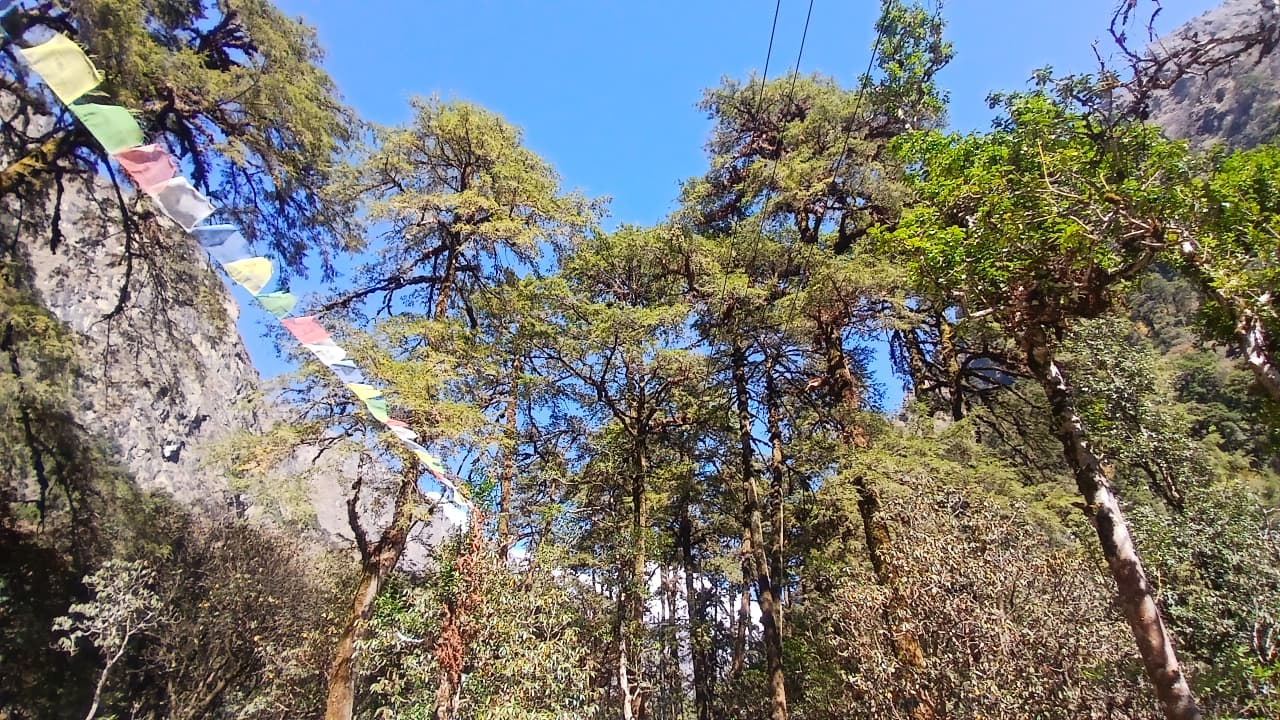
- Scenic Beauty: The snow-covered forests and breathtaking mountain views provide ideal landscapes for nature lovers and photographers alike. The beauty of Langtang in winter offers unforgettable scenery at every turn.
- Langtang National Park: Trek through Langtang National Park, home to a wide variety of plant species and protected wildlife. The park's diverse ecosystems make it a haven for nature enthusiasts.
Accommodation Options Along the Langtang Trek Route
While trekking Langtang Valley in winter, most teahouses and guesthouses along the route remain open, though some may close in the coldest months. Here's what you can expect:
1. Teahouses and Guesthouses
From Syabrubesi to Kyanjin Gompa, you'll find basic accommodations with teahouses and guesthouses offering food, a bed, and a safe place to rest.
2. Winter-Ready Facilities
Accommodations are simple but ensure comfort with warm food and essential amenities. Make sure to check if your teahouse offers heating options or extra blankets to keep warm in the cold winter temperatures.
Essential Gear and Packing List for Langtang Trek in January
Trekking Langtang Valley in January requires special preparation due to the cold weather and snowy trails. Here’s a packing list to help you stay warm, safe, and comfortable:
1. Layered Clothing
Pack base layers, an insulating layer, and a waterproof jacket for warmth and protection against the cold.
2. Cold Weather Accessories
Bring winter gloves, a hat, scarf, and a balaclava to shield against the freezing temperatures.
3. Waterproof Trekking Boots
Sturdy, waterproof trekking boots are essential for navigating the snowy and icy trails.
4. Thermal Sleeping Bag
A thermal sleeping bag rated for sub-zero temperatures is crucial for warmth at higher altitudes.
5. Headlamp and Extra Batteries
With shorter daylight hours, a headlamp with extra batteries will help you navigate in the dark.
6. Sunglasses and Sunscreen
Protect your skin and eyes from UV rays, especially when reflecting off the snow, with sunglasses and sunscreen.
Photography Tips and Scenic Spots in Langtang Valley
Langtang Valley offers breathtaking scenery, making it a photographer's dream. Here are some tips and must-visit spots:
1. Best Photography Spots
Capture stunning views of Langtang Lirung, Ganesh Himal, and Dorje Lakpa from iconic spots like Kyanjin Gompa, Langtang Village, and the Kyanjin Ri summit.
2. Winter Light Conditions
Winter provides unique light for photography, with soft, diffused light during the early mornings and late afternoons. This creates dramatic, stunning landscape shots.
3. Use a Polarizing Filter
To reduce glare from snow and enhance colors, bring a polarizing filter. It’ll help you capture the vibrant winter landscape in all its glory.
Physical Preparation and Fitness for Langtang Trek in January
Trekking in Langtang Valley in January presents unique challenges due to snow and cold, so physical preparation is key. Here’s how to get ready:
1. Build Cardiovascular Endurance
Include regular cardio workouts like running, cycling, or hiking to improve stamina for the long trek.
2. Strength Training
Focus on strengthening your legs, core, and arms to handle the physical demands of the trek, especially when carrying a backpack.
3. Practice with a Loaded Backpack
Trek with a loaded backpack to simulate the actual conditions of your Langtang trek, helping you build strength and improve your balance.
Permits and Regulations for Langtang Valley Trek
To trek Langtang Valley, you’ll need the following permits:
1. Langtang National Park Permit
Required for entry into Langtang National Park and to protect the area’s natural beauty.
2. TIMS (Trekkers' Information Management System) Card
A mandatory card for all trekkers, which helps with safety and tracking.
Both permits are available at the Nepal Tourism Board in Kathmandu or through a licensed trekking agency.
Impact of Tourism on Langtang Valley Communities
Tourism in Langtang Valley brings both benefits and challenges to local communities:
1. Positive Impact
Trekking supports local businesses and provides much-needed income to the Tamang people, helping improve livelihoods in the region.
2. Negative Impact
Increased tourist traffic can strain the environment, causing waste and pressure on natural resources. Sustainable tourism is key to preserving the area’s beauty.
3. Responsible Trekking
Travelers should respect local culture, minimize waste, and support eco-friendly practices to ensure Langtang remains a sustainable destination.
Side Trips and Alternative Routes from Langtang Valley
While Langtang Valley offers plenty of adventure, you can extend your trek with these exciting side trips:
1. Gosainkunda Lake
A sacred Hindu site at high altitude, Gosainkunda Lake is perfect for trekkers seeking an added challenge and stunning mountain views.
2. Helambu Circuit
For a less-traveled route, the Helambu Circuit offers a variety of trekking experiences, including lush forests, scenic villages, and beautiful viewpoints.
Medical Facilities and Emergency Protocols for Langtang Valley Trek
Though Langtang Valley is relatively remote, there are important medical facilities along the trekking route to ensure your safety:
1. Health Posts
Langtang Village and Kyanjin Gompa are equipped with basic health posts, where trekkers can receive initial treatment for common illnesses and minor injuries.
2. Emergency Evacuation
In the event of a serious medical emergency, helicopter evacuation is possible, but it can be costly. It’s crucial to have travel insurance that includes emergency evacuation coverage in case of accidents or altitude sickness.
3. Access to Medical Help
While the valley is remote, Langtang trekking offers access to healthcare in the form of small clinics and health posts. For more serious treatment, you may need to be evacuated to Kathmandu or a nearby city.
Challenges and Rewards of Trekking in Langtang Valley in January
Trekking in Langtang Valley in January presents both challenges and rewards:
Challenges
- Cold temperatures and snow-covered trails make trekking more physically demanding.
- Shorter daylight hours limit the time you can spend on the trail, requiring careful planning.
Rewards
- Experience the untouched winter beauty of Langtang Valley, with serene landscapes and snow-dusted peaks.
- Fewer tourists lead to a more peaceful and immersive trekking experience, allowing you to connect deeply with nature.
- Enjoy stunning snow-capped mountain vistas at every turn, providing breathtaking photo opportunities.
Local Cuisine and Dining Options in Langtang Valley
In Langtang Valley during winter, food options may be limited but are still hearty and delicious:
1. Dal Bhat:Dal bhat (lentil soup with rice) is a staple meal that provides much-needed energy for trekkers.
2. Momo and Thukpa: Warm up with momo (dumplings) and thukpa (noodle soup), both of which are popular and comforting dishes on the trail.
3. Hot Beverages: Teahouses along the trek offer hot tea and coffee, essential for staying warm and hydrated during the cold winter months.
Cultural Sensitivity and Etiquette in Langtang Valley
As a guest in Langtang Valley, it's essential to respect local customs and cultural traditions:
1. Dress Modestly: Dress modestly, particularly when entering monasteries or local homes, to show respect for local customs.
2. Ask Permission Before Taking Photos: Always ask for permission before taking photos of people, especially in more traditional or sacred settings.
3. Respect Local Religious Practices: Be mindful of local religious practices and traditions, particularly when visiting Buddhist monasteries or attending community rituals.
Conservation Efforts in Langtang Valley
Langtang Valley is part of the Langtang National Park, which is dedicated to preserving the region’s natural beauty and wildlife. As a trekker, you can contribute to these conservation efforts by:
1. Following Leave No Trace Principles: Make sure to pack out all your waste, avoid littering, and minimize your environmental impact by following Leave No Trace practices.
2. Supporting Eco-Friendly Initiatives: Many local lodges and trekking agencies promote sustainability by using solar energy, managing waste, and conserving water. Support these efforts to reduce your footprint.
3. Contributing to Local Communities:Help the community by spending money in local shops, staying in eco-conscious accommodations, and practicing responsible tourism.
Traveling Solo vs. Guided Tours in Langtang Valley in January
If you're deciding between solo trekking or joining a guided tour in Langtang Valley in January, here are some key points to consider:
1. Solo Trekking
Solo trekking can be an exciting adventure, but it requires confidence, thorough preparation, and a solid understanding of the route and winter conditions. Be ready to navigate snowy trails and manage your own safety.
2. Guided Tours
Guided tours provide added safety and ease, especially in the winter months. Experienced guides are familiar with snowy trails, proper acclimatization, and emergency procedures, ensuring a safer trekking experience.
3. Flexibility vs. Structure
Solo trekkers may enjoy a more intimate and flexible experience, while guided tours offer structured itineraries and expert support, helping you focus on enjoying the trek.
4. Safety Considerations
For added peace of mind, especially during winter, consider joining a licensed guide or hiring a porter for safety, comfort, and expert assistance on the trail.
Transportation to Syabrubesi in January
Getting to Syabrubesi, the starting point of the Langtang Valley Trek, in January can be challenging due to winter road conditions. Here are your options:
1. By Bus:You can take a bus from Kathmandu to Syabrubesi, but be prepared for icy roads and potentially longer travel times due to winter conditions.
2. Private Jeep: For more comfort and safety, hiring a private jeep can be a better option. It allows for more flexibility and a smoother journey, especially in winter.
3. Check Weather Conditions: Always monitor weather forecasts before departing, as landslides and snow can block roads, making travel unpredictable.
Winter Trekking Gear Rentals in Kathmandu
If you don’t have all the necessary gear for winter trekking in Langtang Valley, you can easily rent it in Kathmandu. Popular rental shops offer:
1. Winter Jackets and Sleeping Bags
Rent winter jackets, sleeping bags rated for cold temperatures, and trekking boots for a comfortable trek.
2. Cold Protection Gear
You can also rent down jackets, thermal pants, and gloves to protect against the freezing weather.
3. Test the Gear
Before starting your trek, be sure to test the gear and make sure it fits comfortably to avoid discomfort on the trail.
Langtang Village and Kyanjin Gompa in January
Langtang Village and Kyanjin Gompa are must-visit spots during your Langtang trek in January:
1. Kyanjin Gompa
Located at 3,800 meters, Kyanjin Gompa is a Buddhist monastery offering stunning views of Langtang Lirung and nearby peaks. It's the perfect place to rest, acclimatize, and enjoy the breathtaking scenery.
2. Langtang Village
Langtang Village, a traditional Tamang village, offers a glimpse into the lives of the local people and their strong connection with the mountains and nature.
3. Winter Magic
In January, the winter snow adds a mystical and serene quality to these locations, making them ideal for reflection, exploration, and photography.
Flora and Fauna in Langtang Valley During Winter
Even in the winter months, Langtang Valley is home to diverse flora and fauna:
1. Flora: At lower elevations, you'll find rhododendron and oak trees. As you ascend, the landscape transforms into alpine meadows and forests of juniper and pines, creating a stunning winter environment.
2. Fauna: Winter provides a unique opportunity to spot wildlife such as red pandas, snow leopards, and Himalayan tahr in the quieter, snow-covered areas of the valley.
Conclusion: The Unique Challenge of Trekking Langtang Valley in January
The Langtang Valley Trek in January presents a unique and challenging adventure, but those who are ready to face the cold will be rewarded with unparalleled beauty, solitude, and rich cultural immersion. Whether trekking solo or with a guide, you’ll leave with lasting memories of snow-covered landscapes, deep cultural experiences, and a strong sense of accomplishment.
To make the most of this winter trek, be sure to pack for the cold, stay mindful of altitude risks, and respect local communities and the environment. In return, you’ll experience one of Nepal’s most stunning and lesser-traveled trekking routes.