based on 270 reviews

If you're dreaming of trekking through one of Nepal's most remote and culturally rich valleys, understanding the weather patterns of the Nar Phu Valley Trek is essential. This hidden gem sits in the rain shadow of the Annapurna range, offering a unique climate that differs significantly from other popular treks in the region. Whether you're a seasoned trekker or planning your first high-altitude adventure, knowing what to expect weather-wise can make or break your experience.
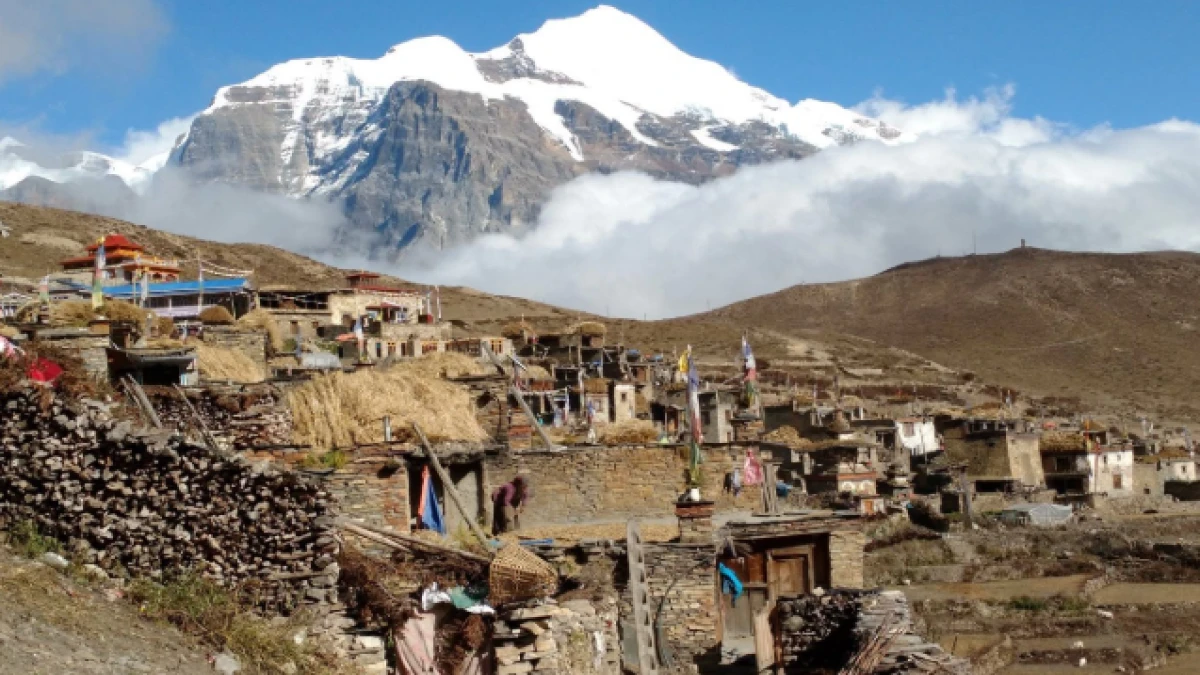
TheNar Phu Valley Trek takes you through ancient Tibetan villages, across high mountain passes, and into a landscape that feels like stepping back in time. However, the weather in this region can be unpredictable and varies significantly throughout the year. From crystal-clear autumn skies to spring wildflower blooms, from summer monsoon challenges to winter's icy embrace, each season paints a completely different picture of this stunning valley.
In this comprehensive guide, we'll walk you through every single month, breaking down temperatures, rainfall patterns, trail conditions, and what you can realistically expect. We'll also compare seasons, help you decide the best time for your trek, and give you the inside scoop on packing for whatever weather you might encounter. Ready to plan your adventure? Let's dive in.
Nar Phu Valley Trek Monthly Weather Guide Overview
The Nar Phu Valley sits at elevations ranging from approximately 2,000 meters in Koto to over 5,300 meters at Kang La Pass. This dramatic elevation change means you'll experience multiple climate zones in a single trek. The valley lies in the trans-Himalayan region, which means it receives significantly less rainfall than areas south of the main Himalayan range.
Understanding the monthly weather patterns helps you anticipate trail conditions, visibility for mountain views, temperature ranges, and the overall trekking experience. The weather directly impacts everything from lodge availability to trail safety, from photography opportunities to your physical comfort on the trail.
Unlike more popular treks that see consistent crowds during peak seasons, Nar Phu Valley remains relatively quiet throughout the year. This means weather considerations become even more critical since facilities may be limited during off-peak months, and you'll have fewer fellow trekkers to rely on in challenging conditions.
Is the Nar Phu Valley Trek Safe?
Safety on the Nar Phu Valley with Kang La Pass Trek depends heavily on the season you choose, your preparation level, and your physical fitness. This is considered a challenging trek, primarily due to the high altitude, remote location, and sometimes rugged trail conditions. The trek reaches an elevation of over 5,000 meters at Kang La Pass, where altitude sickness becomes a genuine concern for many trekkers.
Weather-related hazards vary by season. During monsoon months, landslides and trail washouts can occur, though the rain shadow effect means Nar Phu receives less precipitation than southern slopes. Winter brings extreme cold and snow, which can block high passes and make conditions treacherous. Spring and autumn generally offer the safest conditions with stable weather patterns and manageable temperatures.
That said, with proper acclimatization, appropriate gear, experienced guides, and realistic expectations about your abilities, the Nar Phu Valley Trek is absolutely doable for fit trekkers. Many people complete it successfully each year. The key is choosing the right season for your comfort level and preparing accordingly.
Nar Phu Valley Weather Month by Month
Let's break down what you can expect throughout the year. Understanding these monthly variations will help you choose the perfect timing for your adventure.
Spring (March–May): The Blooming Season for Nar Phu Valley Trek
Spring is one of the two prime seasons for the Nar Phu Valley Trek. As winter's grip loosens, the valley awakens with blooming rhododendrons at lower elevations, warming temperatures, and increasingly stable weather patterns. The days grow longer, giving you more trekking hours, and the high passes become more accessible as snow begins to melt.
Nar Phu Valley Trek in March
March marks the transition from winter to spring in the Nar Phu Valley. Early March can still feel quite wintry, especially at higher elevations where snow may linger on trails and passes. Daytime temperatures at lower elevations hover around 10-15°C, but nights remain cold, often dropping below freezing.
The Kang La Pass may still have significant snow cover in early March, making it potentially more challenging to cross. However, by late March, conditions typically improve considerably. You'll encounter fewer trekkers than in April or May, which means quieter trails and a more solitary experience.
Visibility is generally excellent in March, with clear skies becoming more frequent as the month progresses. The air remains crisp and clean, offering spectacular views of Annapurna II, Gangapurna, and the surrounding peaks. Pack warm layers and be prepared for cold mornings and evenings.
Nar Phu Valley Trek in April
April is arguably the sweet spot for spring trekking in Nar Phu Valley. The weather stabilizes significantly, with warmer daytime temperatures reaching 15-20°C at lower elevations. Nights are still chilly but much more comfortable than March, typically staying around 0-5°C.
This month brings the valley to life. Rhododendron forests burst into bloom at mid-elevations, painting the landscape in shades of red, pink, and white. The contrast between flowering trees, green hillsides, and snow-capped peaks creates photography opportunities you won't forget.
Trail conditions are generally excellent in April. Snow has melted from most paths except the highest sections, and the monsoon rains haven't yet arrived. Lodges are fully operational, and you'll encounter a moderate number of fellow trekkers without feeling crowded. The combination of stable weather, comfortable temperatures, and spectacular views makes April one of the best months for this trek.
Nar Phu Valley Trek in May
May continues the excellent trekking conditions of April but with noticeably warmer temperatures. Daytime temperatures can reach 20-25°C at lower elevations, making midday trekking quite warm. However, higher altitudes remain pleasantly cool. Nights are mild, rarely dropping below freezing except at the highest camps.
As May progresses, you'll notice increasing afternoon cloud build-up, a precursor to the approaching monsoon season. Mornings typically remain clear, so starting your trekking days early becomes especially important for the best views and to avoid potential afternoon weather.
Late May sits on the cusp of monsoon season, which typically begins in early June. You might encounter occasional pre-monsoon showers, particularly in the last week or two of the month. Despite this, May remains a popular trekking month with generally favorable conditions. The trails are dry, wildflowers are in full bloom, and the landscape is lush and green.
Monsoon (June–August): The Wet and Challenging Season
Monsoon season in Nepal typically runs from June through August. However, because Nar Phu Valley sits in the rain shadow of the Annapurna and Manaslu ranges, it receives significantly less rainfall than areas to the south. This makes it one of the few Himalayan treks that remains feasible during monsoon months, though it's still not the ideal time for most trekkers.
Nar Phu Valley Trek in June
June marks the beginning of monsoon season across Nepal. While Nar Phu Valley is protected from the heaviest rains, you'll still encounter increased precipitation compared to spring months. Rainfall typically occurs as afternoon or evening showers rather than all-day downpours.
Daytime temperatures are warm at lower elevations, often reaching 20-25°C, but humidity increases noticeably. The trails can become muddy and slippery, particularly in forested sections. Leeches may be present at lower elevations, though they're less problematic in this drier region than on treks further south.
Mountain views become less reliable in June, with clouds often obscuring peaks by afternoon. However, early mornings may still offer clear vistas. The landscape is incredibly lush and green, and you'll have the trails largely to yourself as this is decidedly off-season. Lodges remain open but with reduced services.
Nar Phu Valley Trek in July
July is the wettest month in the Nar Phu Valley, though "wettest" is relative given the rain shadow effect. You can expect regular afternoon showers and occasional periods of sustained rain. Trails may be muddy, and river crossings can be more challenging with higher water levels.
Temperatures remain warm at lower elevations, with daytime highs around 20-25°C, but the increased cloud cover means less temperature variation between day and night. At higher elevations, conditions are cooler and more comfortable, though rain can turn to snow above 4,500 meters.
Trekking in July is genuinely adventurous. You'll have the valley almost entirely to yourself, which can be either appealing or concerning depending on your perspective. Some lodges may close during this month, and trail maintenance is minimal. If you're experienced, well-prepared, and flexible with your itinerary, July can work, but it's not recommended for first-time trekkers or those seeking reliable weather.
Nar Phu Valley Trek in August
August continues the monsoon conditions of July, with frequent afternoon rains and cloudy conditions. However, late August often marks the beginning of monsoon's retreat, particularly in rain-shadow areas like Nar Phu Valley. You might notice gradually improving weather toward the month's end.
Temperatures are similar to July, with warm days at lower elevations and cool conditions at altitude. The landscape reaches peak lushness, with verdant hillsides and abundant wildflowers. For photographers willing to work around weather challenges, the dramatic cloud formations and fresh, clean air after rains create unique opportunities.
Trail conditions can be challenging with muddy sections and potential landslides on approach routes, though the core Nar Phu Valley route is generally stable. By late August, you'll start seeing the first post-monsoon trekkers, a sign that autumn season is approaching. If you're considering monsoon trekking, late August is probably your best bet within this season.
Autumn (September–November): The Prime Trekking Season
Autumn is widely regarded as the best season for trekking in Nepal, and the Nar Phu Valley is no exception. After monsoon rains clear, the air is crisp and clean, offering unparalleled mountain visibility. Temperatures are comfortable, trails are in excellent condition, and the weather is reliably stable. These months see the highest number of trekkers, though Nar Phu Valley remains far less crowded than popular routes like Everest Base Camp or Annapurna Circuit.
Nar Phu Valley Trek in September
September represents the transition from monsoon to autumn. Early September may still see occasional afternoon showers as monsoon winds its down, but by mid-month, conditions typically stabilize beautifully. The air has been washed clean by monsoon rains, creating extraordinary clarity for mountain views.
Daytime temperatures are pleasantly warm at lower elevations, around 15-20°C, with cool but comfortable nights. The landscape retains its monsoon greenery while gaining the crisp clarity of autumn light. This combination makes September visually stunning for photography and simply enjoying the scenery.
By late September, weather conditions are typically excellent. You'll encounter moderate numbers of trekkers, and all lodges are fully operational with fresh supplies after the quieter monsoon months. If you prefer slightly warmer temperatures and don't mind the small possibility of rain, September offers a sweet spot before the peak autumn rush.
Nar Phu Valley Trek in October
October is arguably the single best month for the Nar Phu Valley Trek. Weather conditions are nearly perfect: clear skies, stable temperatures, minimal precipitation, and maximum visibility. Daytime temperatures at lower elevations range from 10-15°C, creating ideal trekking conditions that are neither too hot nor too cold.
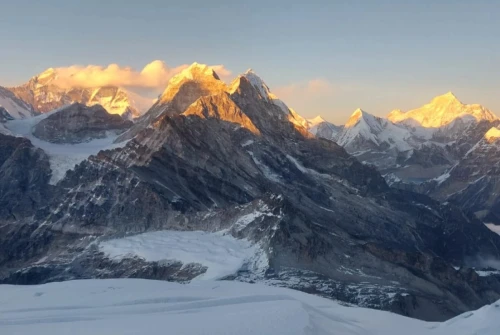
The mountain views in October are simply spectacular. Crystal-clear skies showcase the Annapurna range, Manaslu, and surrounding peaks in stunning detail. The autumn light is legendary among Himalayan photographers, casting mountains in golden tones during sunrise and sunset.
October is the busiest month for this trek, though "busy" on the Nar Phu Valley is relative. You'll meet other trekkers but won't experience the crowding found on more popular routes. Lodges are well-stocked, trail conditions are excellent, and the cultural festivals of Dashain and Tihar may add cultural richness to your experience. If you can only choose one month, October is your answer.
Nar Phu Valley Trek in November
November continues the excellent trekking conditions of October, though temperatures begin dropping as winter approaches. Early November remains very similar to October, with clear skies, comfortable daytime temperatures around 10-15°C at lower elevations, and cold nights that may drop to -5°C or lower at high camps.
As November progresses, you'll notice distinctly colder temperatures, particularly at higher elevations. By late November, daytime temperatures at Nar and Phu villages hover around 5-10°C, while nights can plunge to -10°C or colder. The Kang La Pass may experience its first significant snowfalls of winter.
Despite the cold, November remains an excellent trekking month. Visibility stays superb, precipitation is minimal, and the trails are less crowded than October. You'll need warmer gear than earlier autumn months, but the trade-off is even more solitude and the crystalline clarity that comes with colder temperatures. Late November is essentially early winter, so be prepared accordingly.
Winter (December–February): The Cold and Serene Season
Winter in the Nar Phu Valley is genuinely challenging but offers a unique experience for adventurous trekkers. Temperatures plummet, snow becomes a constant companion at higher elevations, and some lodges may close. However, for those properly equipped and experienced, winter trekking rewards you with absolute solitude, pristine snow landscapes, and an almost surreal sense of remoteness.
Nar Phu Valley Trek in December
December marks the beginning of serious winter in the Nar Phu Valley. Daytime temperatures at lower elevations hover around 5-10°C, while higher elevations see temperatures well below freezing even during the day. Nights are bitterly cold, often dropping to -15°C or colder at high camps.
Snow is common at elevations above 3,500 meters throughout December. The Kang La Pass may be snow-covered and requires careful assessment, proper equipment, and sometimes rerouting if conditions are dangerous. Trails at lower elevations generally remain passable but can be icy in shaded sections.
Despite the challenges, December offers incredibly clear skies and spectacular winter mountain views. The dry winter air provides extraordinary visibility. You'll have the valley almost entirely to yourself, creating a genuinely remote wilderness experience. Some lodges close for winter, so advance planning and possibly carrying camping gear becomes important. This month is only for experienced winter trekkers or those with strong local guides.
Nar Phu Valley Trek in January
January is the coldest month in the Nar Phu Valley. Temperatures at lower elevations struggle to reach 5°C during the day, while higher elevations remain well below freezing around the clock. Nights at high camps can see temperatures plummet to -20°C or even colder with wind chill.
Snow accumulation reaches its peak in January, particularly at higher elevations. The Kang La Pass may be impassable or extremely dangerous without proper mountaineering equipment and experience. Many trekkers choose to skip the pass entirely in January, opting for alternative routes back to the Annapurna Circuit.
January trekking is genuinely extreme. You need proper four-season gear, including down jackets rated for extreme cold, insulated sleeping bags rated to -20°C or lower, and high-quality mountaineering boots. Most lodges are closed, though a few may remain open with basic services. Only attempt this month if you're experienced in winter mountain conditions and traveling with knowledgeable guides.
Nar Phu Valley Trek in February
February represents the tail end of winter, with conditions beginning to moderate as spring approaches. Temperatures remain cold but are noticeably warmer than in January. Daytime temperatures at lower elevations reach 5-10°C, while higher elevations stay below freezing during the day but become less brutally cold at night.
Snow cover remains extensive at higher elevations, though trails at lower elevations begin to clear. By late February, you'll notice longer days, stronger sunshine, and the first hints of spring. The Kang La Pass remains challenging but becomes more feasible with proper equipment and conditions assessment.
February offers a middle ground between full winter extremity and spring's approach. You'll still need serious cold-weather gear and winter experience, but conditions are more forgiving than in January. A few more lodges may open toward the month's end, and you might encounter a handful of other trekkers. For experienced winter trekkers wanting to avoid January's harshness while still experiencing winter's beauty, February can work well.
Summary: Choosing the Right Time to Trek
So when should you actually do the Nar Phu Valley Trek? Here's the bottom line:
Best overall months: October and April offer the ideal combination of weather, temperatures, visibility, and trail conditions. These months suit the widest range of trekkers and provide consistently excellent experiences.
Budget and solitude seekers: November and March offer similar conditions to peak months, but with fewer trekkers and potentially lower prices. You'll need warmer gear, but you will enjoy greater solitude.
Adventurous trekkers: September and May sit at season transitions. September marks the monsoon's end with lingering greenery, while May offers warm temperatures before the monsoon. Both work well but require flexibility.
Experienced winter mountaineers only: December through February demand serious cold-weather experience and equipment. These months offer incredible solitude and winter beauty but present genuine challenges and risks.
Generally avoid: June, July, and August bring monsoon conditions. While Nar Phu Valley is feasible during the monsoon due to its rain shadow location, these months offer the least reliable weather, poorest visibility, and most challenging trail conditions.
Your personal preferences matter too. Do you prioritize warm weather or don't mind cold? Can you handle crowds, or do you crave solitude? Are you experienced in challenging conditions, or is this your first high-altitude trek? Answer these questions honestly, and you'll identify your perfect timing.
Nar Phu Valley Trek Temperature Overview
Understanding temperature patterns helps you pack appropriately and set realistic expectations. Here's a general overview:
Lower elevations (2,000-3,000m): March through May sees daytime temperatures of 15-25°C and nights of 0-10°C. September through November offers 10-20°C days and -5 to 5°C nights. December through February drops to 0-10°C days and -10 to 0°C nights.
Mid elevations (3,000-4,000m): Spring offers 10-20°C days and -5 to 5°C nights. Autumn provides 5-15°C days and -10 to 0°C nights. Winter brings 0-10°C days and -15 to -5°C nights.
High elevations (4,000-5,000m): Spring sees 5-15°C days and -10 to 0°C nights. Autumn offers 0-10°C days and -15 to -5°C nights. Winter drops to -5 to 5°C days and -25 to -10°C nights.
Remember that the weather in the mountains is unpredictable. These are averages and guidelines, not guarantees. Wind chill can make temperatures feel much colder, especially at high passes. Always pack layers and prepare for temperatures colder than expected.
Nar Phu Valley Trek Monthly Rainfall Guide
The rain shadow effect significantly reduces precipitation in Nar Phu Valley compared to other Nepali trekking regions. Here's what to expect:
Dry season (October-May): Monthly rainfall typically ranges from 10-30mm. Most days are clear, with occasional light showers possible in May as the monsoon approaches. November through March sees the least precipitation, often going weeks without rain.
Monsoon season (June-August): Monthly rainfall increases to 60-100mm, though this is still considerably less than the southern slopes, which may receive 300-500mm. Rain typically falls as afternoon or evening showers rather than all-day events. July is usually the wettest month.
Transition months (September and May): Rainfall is variable, ranging from 30-60mm monthly. September sees decreasing rainfall as the monsoon ends, while May sees increasing rainfall as the monsoon approaches.
Even during the dry season, always carry rain gear. Mountain weather is notoriously unpredictable, and conditions can change rapidly. A sudden afternoon shower can occur even during the driest months.
Nar Phu Valley Trek vs Annapurna Circuit Trek: Which is Better for You?
These two treks share some terrain but offer distinctly different experiences. Your weather timing considerations differ between them:
Nar Phu Valley advantages: More feasible during monsoon due to rain shadow effect. More remote and culturally authentic. Fewer trekkers year-round. Better for those seeking solitude and adventure.
Annapurna Circuit advantages: More developed infrastructure with better lodge facilities. More flexible routing options. Easier bailout points if weather becomes problematic. Better for first-time high-altitude trekkers.
Weather considerations: The Annapurna Circuit's eastern section receives heavy monsoon rains, making June-August challenging. Nar Phu Valley's rain shadow location makes it more viable during these months, though still not ideal. For autumn and spring trekking, both routes offer excellent conditions, so weather shouldn't be the deciding factor.
Combined trekking: Many trekkers actually combine these routes, entering via Nar Phu Valley and rejoining the Annapurna Circuit at Manang. This combination offers the best of both worlds: cultural immersion and remoteness of Nar Phu with the infrastructure and routing flexibility of the Circuit.
Comprehensive Packing Guide for Nar Phu Valley Trek
Your packing list should reflect the season you're trekking and the weather you'll encounter. Here's a comprehensive breakdown:
Essential Clothing
- Base layers: Merino wool or synthetic moisture-wicking shirts and long underwear. Pack at least two sets so you can wash one. In winter, consider expedition-weight base layers.
- Insulation layers: Fleece or synthetic insulation jacket for mid-layer warmth. Down jacket rated for at least -10°C (warmer for winter). In autumn and spring, a lightweight down jacket suffices. Winter demands expedition-weight down.
- Outer layers: Waterproof and windproof jacket and pants. Even during the dry season, these are essential for wind protection at high passes. Gore-Tex or similar breathable waterproof materials work best.
- Trekking clothes: Comfortable trekking pants, convertible pants for warmer days, warm hat, sun hat, neck gaiter or buff, warm gloves (winter demands heavy mittens), and liner gloves.
- Other essentials: Several pairs of wool or synthetic hiking socks, underwear, and a change of clothes for evenings at lodges. Pack enough to stay comfortable but not so much that your pack becomes unwieldy.
Footwear & Gear
- Footwear: Well-broken-in trekking boots with ankle support and good traction. Winter trekking demands insulated mountaineering boots. Camp shoes or sandals for lodge evenings. Gaiters for snow or muddy conditions.
- Sleeping gear: Four-season sleeping bag rated to at least -15°C for autumn and spring, -25°C or colder for winter. Lodges provide blankets, but sleeping bags ensure comfort and hygiene. A sleeping bag liner adds warmth and cleanliness.
- Trekking equipment: Trekking poles significantly help on steep ascents and descents. Headlamp with extra batteries. Sunglasses with UV protection (glacier glasses for snow conditions). Water bottles or hydration system. Water purification tablets or a filter.
- Personal items: Comprehensive first-aid kit including altitude sickness medication. Toiletries and sunscreen (high SPF, as UV radiation is intense at altitude). Personal medications. Power bank for charging devices. Camera and extra batteries (cold drains battery life quickly).
- Documents and money: Permits (Annapurna Conservation Area Permit and Nar Phu Restricted Area Permit), passport copies, travel insurance documentation, and sufficient Nepali rupees (ATMs are unavailable in the valley).
Remember that every extra kilogram makes trekking harder, especially at altitude. Pack thoughtfully, prioritizing essentials over nice-to-haves. Many trekkers overpack for their first Himalayan trek and regret it later.
FAQs About Nar Phu Valley Trek Monthly Weather
What is the best month to trek the Nar Phu Valley Trek?
October stands out as the single best month, offering ideal weather conditions with clear skies, comfortable temperatures, excellent visibility, and stable conditions. April comes in as a close second, particularly if you prefer slightly warmer temperatures and don't mind early mornings. Both months provide consistently excellent experiences with minimal weather-related challenges.
Can I trek the Nar Phu Valley Trek as a beginner?
The Nar Phu Valley Trek is challenging and best suited for trekkers with previous high-altitude experience. The combination of remote location, high passes exceeding 5,000 meters, basic facilities, and sometimes rugged trails makes this more demanding than beginner-friendly treks. That said, physically fit beginners with proper preparation, acclimatization plans, and experienced guides can successfully complete it. Choose autumn or spring months for the most forgiving conditions.
Is the monsoon season safe for trekking?
Nar Phu Valley is one of the few Himalayan treks feasible during the monsoon due to its rain shadow location, but it's still not recommended as your first choice. While the valley receives less rain than other regions, you'll still encounter muddy trails, reduced visibility, and increased difficulty. Late August or early September, as the monsoon retreats, offers the best monsoon-adjacent timing. Only experienced trekkers comfortable with uncertainty should consider June or July.
Which season has the clearest mountain views?
Autumn months, particularly October and November, offer the clearest mountain views. The monsoon rains have washed the air clean, and the dry autumn weather provides extraordinary visibility. Winter months also offer excellent clarity, though extreme cold makes trekking more challenging. Spring provides good visibility, though increasing cloud build-up in late April and May can obscure views, particularly in afternoons.
What should I pack for the Nar Phu Valley Trek?
Your packing list depends on your trekking season. For autumn and spring, prioritize layering with moisture-wicking base layers, insulating mid-layers, waterproof outer layers, a warm down jacket, and quality trekking boots. Always pack a four-season sleeping bag, sun protection, trekking poles, and a comprehensive first-aid kit. Winter demands significantly warmer gear, including expedition-weight down jackets, insulated mountaineering boots, and sleeping bags rated to -25°C or colder.
Are there risks of altitude sickness?
Yes, altitude sickness is a genuine concern on the Nar Phu Valley Trek. The route reaches over 5,300 meters at Kang La Pass, and proper acclimatization is crucial. Follow gradual ascent profiles, stay hydrated, listen to your body, and don't push through symptoms. Most itineraries include acclimatization days at Nar or Phu villages. Consider carrying altitude sickness medication like Diamox after consulting your doctor. Symptoms include headaches, nausea, dizziness, and fatigue. If symptoms worsen despite rest, descending is the only reliable treatment.
Can beginners do the Nar Phu Valley Trek in winter?
No, winter trekking in Nar Phu Valley is not recommended for beginners. The combination of extreme cold, significant snow cover, potentially impassable high passes, and limited lodge services demands extensive mountain experience and proper equipment. Winter trekking should only be attempted by experienced mountaineers or trekkers with previous winter high-altitude experience, traveling with expert guides and carrying appropriate gear. Beginners should stick to the autumn or spring seasons.
Conclusion
The Nar Phu Valley Trek offers an incredible journey through one of Nepal's most culturally rich and scenically stunning regions. Understanding the monthly weather patterns is your key to choosing the perfect timing for an unforgettable adventure. Whether you're drawn to October's perfect conditions, April's blooming spring landscapes, or even winter's challenging solitude, there's a season that matches your trekking style and experience level.
Remember that the Himalayas are inherently unpredictable. Even during the best months, the weather can surprise you. Flexibility, proper preparation, and realistic expectations will serve you better than rigid plans. The weather you encounter will absolutely shape your experience, but the ancient villages, dramatic landscapes, and sense of remoteness make the Nar Phu Valley Trek remarkable regardless of the season you choose.
Start planning now, choose your timing wisely based on this guide, prepare thoroughly, and get ready for an adventure that will stay with you long after you've descended back to the modern world. The hidden valleys of Nar and Phu are waiting, and with the right weather window, you're about to experience something truly extraordinary.