based on 270 reviews

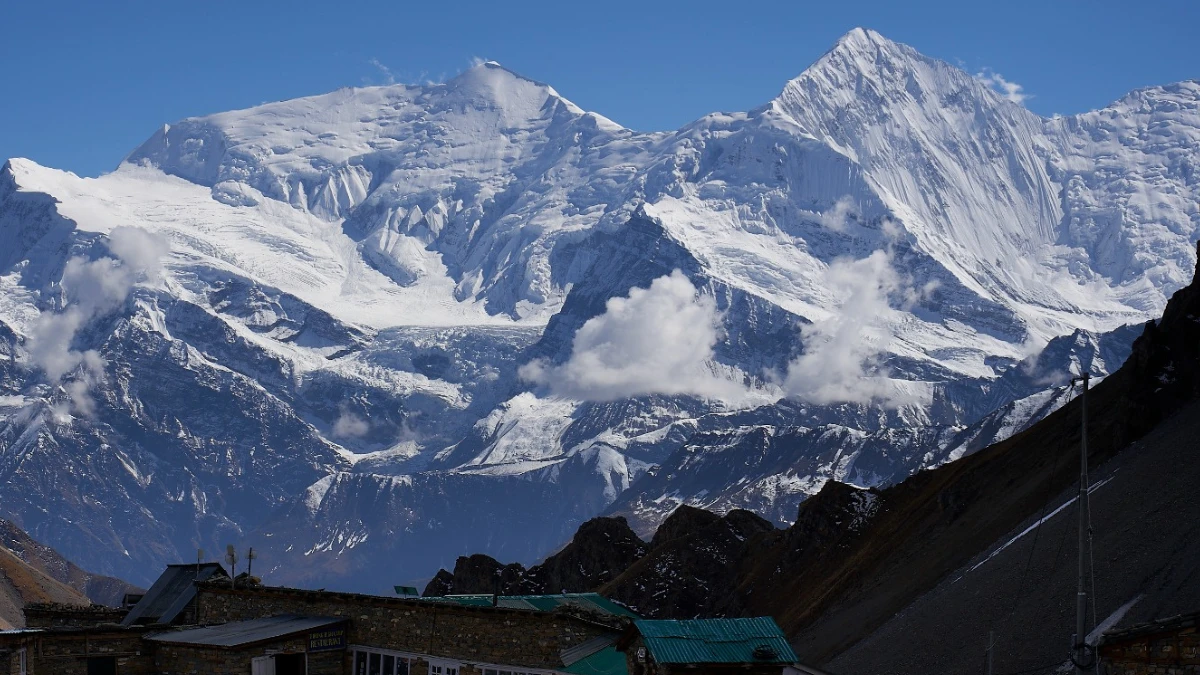
The Short Answer: Yes, But...
Let us be straight with you from the start: Yes, beginners can absolutely do the Annapurna Circuit Trek. But here's the thing: We tell every first-timer who sits down in our Kathmandu office with stars in their eyes and zero trekking experience, success on this trail isn't about being the fittest person or the most experienced mountaineer. It's about preparation, patience, and understanding what you're getting yourself into.
Over my years guiding this trek, we have seen complete beginners summit Thorong La Pass (5,416m) with smiles on their faces, and I've seen seasoned trekkers struggle. The difference? The ones who succeed are the ones who respect the mountain, prepare properly, and choose the right itinerary for their fitness level.
Understanding What "Beginner-Friendly" Really Means
When we say beginners can do this trek, I need to clarify what that means:
You DON'T need:
- Previous high-altitude experience
- Technical mountaineering skills
- Rock climbing or ice climbing knowledge
- Expensive, specialised equipment
- To be an ultra-marathon runner
You DO need:
- Basic physical fitness (ability to walk 5-7 hours daily)
- Mental resilience and patience
- Willingness to prepare for 2-3 months before the trek
- Respect for altitude and its effects
- Realistic expectations about comfort levels
The Annapurna Circuit is a teahouse trek, meaning you'll sleep in lodges, eat warm meals, and follow well-marked trails. You're not camping in the wilderness or navigating with just a compass. This infrastructure makes it accessible to beginners in a way that many other high-altitude treks aren't.
Weather: Timing Is Everything
After guiding this trek in all seasons, we can tell you that choosing the right time is half the battle won. Let me break down what I've experienced:
Spring Season (March to May) - My Top Pick for Beginners
What we have observed:
- March: Early spring can still have snow at Thorong La, but trails are less crowded. Temperatures: -15°C to -20°C at the pass, 10-20°C in lower elevations. Rhododendrons start blooming towards the end.
- April: The sweet spot. Clear skies, moderate temperatures, spectacular rhododendron forests in full bloom. Pass temperatures: -10°C to -15°C at night. Perfect visibility.
- May: Gets warmer but also hazier. Afternoon clouds can obscure views. Risk of early monsoon towards the end. Temperatures at lower elevations can reach 25-30°C.
Why we recommend it for beginners: Stable weather, warmer temperatures mean less cold-weather gear needed, trails are in excellent condition, and the blooming rhododendrons provide natural milestones that boost morale.
Autumn Season (September to November) - The Popular Choice
What we have observed:
- September: Early autumn can still have monsoon tail-end rains. Trails might be muddy, and leeches are possible in lower sections. But by late September, the weather stabilises beautifully.
- October: Peak season for a reason. Crystal clear skies, perfect temperatures (5-15°C at high altitudes, 15-25°C at lower), stable weather patterns. Can be crowded at popular stops.
- November: Gets colder, especially at night (-15°C to -25°C at the pass). Risk of early snowfall. But crowds thin out, and you get better deals on accommodation.
Why we recommend it for beginners: Most predictable weather, best visibility, harvest season means fresh food everywhere, and the large number of trekkers means more social support.
Winter (December to February) - For Experienced Only
We have done winter circuits, and they're magical but challenging. Temperatures can drop to -30°C at Thorong La. Many teahouses close. Snow can block the pass. We Don't recommend this for beginners.
Monsoon (June to August) - Generally Avoid
Heavy rains, leeches, obscured views, landslide risks. The trail on the Annapurna side gets hit hard. However, the Mustang side (north of the pass) is in rain shadow and can be okay. Not ideal for first-timers.
The Perfect Beginner Itinerary: 15-17 Days
After experimenting with different pacing over the years, here's the itinerary I've refined for beginners. This builds in proper acclimatisation, rest days, and doesn't rush the experience:
Day 1: Kathmandu to Besisahar (760m) to Bhulbhule (840m)
- Drive: 6-7 hours
- Trek: 1-2 hours (optional warm-up)
- Why start here: Eases you into trekking gently
Day 2: Bhulbhule to Jagat (1,300m)
- Trek time: 5-6 hours
- Distance: ~12 km
- What to expect: Gradual ascent, rice terraces, waterfall views
- Guide tip: Don't rush. This is about finding your rhythm, not racing.
Day 3: Jagat to Dharapani (1,860m)
- Trek time: 6-7 hours
- What to expect: Enter Manang district, vegetation changes, first glimpses of big mountains
- Guide tip: You'll cross several suspension bridges. If you're afraid of heights, don't look down; focus on the person in front.
Day 4: Dharapani to Chame (2,710m)
- Trek time: 5-6 hours
- What to expect: Forest trails, apple orchards, your first real altitude gain
- Guide tip: You might feel slightly breathless. This is normal. Slow down if needed.
Day 5: Chame to Pisang (3,300m)
- Trek time: 5-6 hours
- What to expect: Stunning views of Annapurna II, Pisang Peak
- Guide tip: Upper Pisang has better views, Lower Pisang is warmer. Your choice!
Day 6: Pisang to Manang (3,540m)
- Trek time: 5-6 hours
- Options: Lower trail (easier) or Upper trail via Ghyaru (stunning but harder)
- Guide tip: For beginners, take the lower trail. Save energy for acclimatisation days.
Day 7: Acclimatisation Day in Manang
- THIS IS NON-NEGOTIABLE
- Hike to Gangapurna Lake (3,540m) or Ice Lake (4,600m)
- Return to Manang to sleep
- Why it matters: "Climb high, sleep low" is the golden rule. This day dramatically improves your success rate over the past.
Day 8: Manang Rest/Exploration Day
- Many skip this, but I always include it for beginners
- Visit the monastery, explore the village, and take short acclimatisation hikes
- Why it matters: Your body needs time to adjust to 3,540m before going higher. I've seen too many people get sick from rushing.
Day 9: Manang to Yak Kharka (4,018m)
- Trek time: 3-4 hours
- Short day by design
- Guide tip: The landscape becomes more barren and beautiful. You're above the tree line now.
Day 10: Yak Kharka to Thorong Phedi (4,450m)
- Trek time: 3-4 hours
- Alternative: Stop at High Camp (4,800m) if you're feeling strong
- Guide tip: I usually recommend Phedi for beginners. High Camp is colder, and altitude adjustment is harder.
Day 11: Thorong Phedi to Thorong La Pass (5,416m) to Muktinath (3,800m)
- THE BIG DAY
- Start: 3-4 AM (yes, in the dark)
- Trek time: 8-10 hours total
- Phedi to Pass: 4-5 hours
- Pass to Muktinath: 3-4 hours (descent)
What to expect on pass day:
- Wake up at 2:30-3:00 AM
- Hot tea and a light breakfast
- Start hiking by 3:30-4:00 AM (headlamp needed)
- Temperature: -15°C to -25°C
- Reach High Camp at sunrise (magical moment)
- Final push to the pass (the hardest part, steep, slow, breathless)
- Summit around 8-9 AM
- Photos, celebration, prayer flags
- Long descent to Muktinath (your knees will feel this!)
Guide's insider tips for pass day:
- Layer up! You'll be cold going up, hot coming down
- Bring high-calorie snacks (chocolate, nuts, energy bars)
- Drink water even if you're not thirsty
- If you feel dizzy, nauseous, or have a severe headache, descend immediately
- There's no shame in turning back. I've turned back with clients, and they've returned successfully later.
Day 12: Rest Day in Muktinath
- Your body deserves this after the pass
- Visit the sacred temple, natural gas flames, hot springs
- Why it matters: Your knees took a beating on the descent. Rest prevents injury.
Day 13: Muktinath to Marpha (2,670m)
- Trek time: 5-6 hours
- Through Jomsom, along the Kali Gandaki river
- What to expect: Strong afternoon winds (they start around 11 AM like clockwork), dusty trail, stark beauty
Day 14: Marpha to Kalopani (2,530m)
- Trek time: 5-6 hours
- Guide tip: Marpha is famous for apple products. Stock up on dried apple rings!
Day 15: Kalopani to Tatopani (1,190m)
- Trek time: 6-7 hours
- Big descent
- Guide tip: Natural hot springs in Tatopani are AMAZING after two weeks of trekking
Day 16: Tatopani to Ghorepani (2,874m)
- Trek time: 7-8 hours
- Longest day, steep climb
- Alternative: Break it into two days with a stop at Sikha or Ghara
Day 17: Ghorepani - Poon Hill (3,210m) - Trek out
- Wake up at 4:30 AM for Poon Hill sunrise (360° mountain panorama)
- Descend to Nayapul (5-6 hours)
- Drive to Pokhara
Alternative ending: Some beginners opt to take a jeep from Tatopani to Pokhara (Day 15) to save tired legs. No judgment—you've already conquered Thorong La!
Physical Preparation: The 12-Week Plan That Works
Here's the honest truth: you don't need to be an athlete, but you can't be a couch potato either. Here's what I tell my clients to do:
Weeks 1-4: Building Base Fitness
- Walk 45-60 minutes daily
- One longer hike (3-4 hours) on weekends with a 5kg backpack
- Add stairs: climb 10-15 flights twice a week
- Goal: Get comfortable being on your feet for extended periods
Weeks 5-8: Increasing Intensity
- Daily walks increase to 60-90 minutes
- Weekend hikes: 4-6 hours with 7-8 kg backpack
- Add elevation: find hills, use treadmill inclines
- Include one session of squats, lunges (bodyweight is fine)
- Goal: Build leg strength and endurance
Weeks 9-12: Trekking Simulation
- Back-to-back hiking days on weekends (simulate consecutive trekking days)
- Saturday: 5-6 hours with an 8kg pack
- Sunday: 4-5 hours with an 8kg pack
- Practice walking on uneven terrain
- Goal: Get your body used to multi-day exertion
The Mental Fitness Nobody Talks About:
- Practice patience during training
- Learn to enjoy slow, steady movement
- Develop comfort with discomfort
- This trek is 50% physical, 50% mental
Altitude: The Invisible Challenge
This is where most beginners struggle, and it's not about fitness. I've seen ultra-runners get altitude sickness while grandmothers sail through. Here's what you need to know:
Understanding Altitude Sickness (AMS)
Symptoms:
- Mild: Headache, fatigue, loss of appetite, slight nausea, dizziness
- Moderate: Severe headache, vomiting, weakness
- Severe: Confusion, inability to walk straight, fluid in lungs (rare on this trek with proper acclimatization)
Prevention Strategies I've Proven Over 40+ Treks:
The Golden Rule: Climb High, Sleep Low
- Your acclimatization hikes in Manang are not optional
- Even if you feel great, respect the schedule
Hydration is Non-Negotiable - Drink 3-4 liters of water daily above 3,000m
- Your urine should be clear to light yellow
- Yes, you'll pee a lot. That's good.
Diamox (Acetazolamide): The Debate - I'm not a doctor, but many trekkers use it
- Consult your doctor before the trek
- Typical dose: 125mg twice daily, starting 1-2 days before altitude gain
- Side effects: tingling fingers, frequent urination, changes in taste
- My take: It helps, but it's not a substitute for proper acclimatisation
Walk Slow, Breathe Deep - "Pole pole" (slowly slowly in Swahili), my mantra for clients
- If you can't hold a conversation while walking, you're going too fast
- Pressure breathing: exhale forcefully to clear CO2
Eat Even When You Don't Want To - Altitude kills appetite
- Force yourself to eat carbs
- Hot soups, garlic soup (Thakali specialty), dal bhat
Listen to Your Body - Mild headache at new altitude: Normal, usually resolves in 24 hours
- Headache that worsens or doesn't respond to basic painkillers: Warning sign
- Vomiting, severe fatigue, confusion: Descend immediately
Emergency Protocols
What I do when a client shows AMS symptoms:
- Stop ascending
- Rest, hydrate, medicate (paracetamol for headache)
- Monitor for 2-4 hours
- If symptoms persist or worsen: Descend at least 500m
- Helicopter evacuation is available but expensive (good insurance is essential)
Things Beginners Must Keep in Mind
Permits and Documentation
You'll need:
- ACAP (Annapurna Conservation Area Permit): NPR 3,000 (about $23)
- TIMS Card (Trekkers' Information Management System): NPR 2,000 (about $15)
Get these in Kathmandu or Pokhara. Bring:
- Passport
- 2 passport photos
- Cash (many offices don't take cards)
Pro tip: Your guide/agency usually handles this, but double-check they're included in your package.
Accommodation and Food
Teahouses:
- Basic but clean rooms
- Twin beds with blankets (quality varies)
- Shared bathrooms (squat toilets common at higher altitudes)
- No heating in rooms (bring a good sleeping bag)
- WiFi available (paid, slow, unreliable at higher altitudes)
- Charging: NPR 200-500 per device (bring a power bank)
Cost range:
- Room: Free to NPR 500 if you eat at the teahouse (standard practice)
- Meals: NPR 400-1,000 per meal (more expensive at higher altitudes)
- Daily budget: $25-40 covers accommodation, food, snacks
What to eat:
- Dal Bhat: Nepal's staple. Rice, lentil soup, vegetables, and pickle. Unlimited refills. My #1 recommendation for trekkers.
- Garlic Soup: Helps with altitude, warms you up, boosts immunity
- Pasta, fried rice, momos (dumplings)
- Avoid meat at higher altitudes (refrigeration is unreliable)
- Drink boiled or treated water (never straight from taps)
What to Pack: The Beginner's Essential List
The mistake I see: Overpacking. You don't need everything.
Core Clothing (layering system):
- Base layers: 2-3 sets merino wool or synthetic (not cotton!)
- Mid-layers: Fleece jacket, down jacket
- Outer layer: Waterproof/windproof jacket and pants
- Trekking pants: 2 pairs (one convertible to shorts)
- Underwear and socks: 4-5 pairs
- Warm hat, sun hat, buff/neck gaiter
- Gloves: Liner gloves + warm gloves
Footwear:
- Trekking boots: Broken in! (This is crucial)
- Camp shoes/sandals for teahouses
- Sock liners to prevent blisters
Gear:
- Sleeping bag: -10°C to -15°C rated (can rent in Kathmandu)
- Trekking poles: Essential! Especially for the descent from Thorong La
- Headlamp: With extra batteries
- Sunglasses: UV protection category 3 or 4
- Water bottles: 2 liters capacity
- Water purification: Tablets or filter
- Backpack: 40-50 liters (or use porters and carry a daypack)
Personal Items:
- Sunscreen: SPF 50+ (high altitude sun is brutal)
- Lip balm: With SPF
- First aid kit: Diamox, altitude sickness meds, painkillers, anti-diarrheal, blister treatment, band-aids
- Toiletries: Biodegradable soap, toilet paper, hand sanitizer, wet wipes
- Quick-dry towel
Electronics:
- Phone/camera
- Power bank: 20,000+ mAh
- Charging cables
- Adapter (Nepal uses Type C, D, M plugs)
Documents:
- Passport + copies
- Permits + copies
- Travel insurance papers
- Emergency contact information
- Cash: USD and Nepali Rupees (ATMs only up to Manang)
Total pack weight target: 8-10 kg if carrying yourself, 5-6 kg if using porter
Insurance: The Non-Negotiable
Get travel insurance that covers:
- Trekking up to 6,000m
- Helicopter evacuation
- Medical emergencies
- Trip cancellation
Recommended providers: World Nomads, IMG Global, Global Rescue
Cost: $100-250 for 2-3 weeks coverage
Why it matters: A helicopter evacuation from Thorong Phedi costs $3,000-5,000. I've called in evacuations. It happens.
Guide vs. Solo: My Honest Opinion
As a guide, you'd expect me to say "hire a guide," but let me be nuanced:
Go Solo If:
- You're comfortable with navigation (though trails are well-marked)
- You want complete flexibility
- Budget is tight
- You enjoy solitude
Hire a Guide If:
- It's your first high-altitude trek
- You want cultural insights and language help
- You want someone monitoring your health
- You want support if things go wrong
- You prefer not to worry about logistics
Cost: $25-35 per day for a guide
Porter: $20-25 per day (carries up to 20kg)
My recommendation for beginners: At minimum, hire a guide for the pass day. Many lodges can arrange this. It's worth the peace of mind.
Common Mistakes I See (And How to Avoid Them)
1. Racing Through the Itinerary
Mistake: Trying to do the circuit in 10-12 days Result: Altitude sickness, misery, evacuation Solution: Follow the 15-17 day beginner itinerary. Your body needs time.
2. Ignoring Early AMS Symptoms
Mistake: "It's just a headache, I'll push through" Result: Severe AMS, ruined trek Solution: Report all symptoms to your guide/group. Take rest days seriously.
3. Wearing New Boots
Mistake: Buying boots a week before the trek Result: Blisters, foot pain, potential trek-ending injury Solution: Break in boots for at least 50km of walking before the trek
4. Not Training
Mistake: "I'll get fit on the trek" Result: Struggle from day one, can't enjoy the experience Solution: Follow the 12-week training plan
5. Skipping Travel Insurance
Mistake: "I'm healthy, I'll be fine" Result: Potential financial disaster if evacuation needed Solution: Budget insurance into your trip cost. Period.
6. Only Packing Cotton Clothes
Mistake: Cotton holds moisture and takes forever to dry. Result: Constant cold, possible hypothermia. Solution: Synthetic or merino wool only
7. Not Bringing Enough Cash
Mistake: Relying on ATMs beyond Manang. Result: Can't pay for food, accommodation, or emergencies. Solution: Bring enough cash from Kathmandu/Pokhara for the entire trek plus 30% buffer
8. Comparing Yourself to Others
Mistake: Trying to keep up with faster trekkers. Result: Exhaustion, increased altitude sickness risk. Solution: Trek at YOUR pace. This isn't a race.
The Mental Game: What They Don't Tell You
Physical preparation gets all the attention, but mental preparation matters just as much. Here's what to expect psychologically:
Days 1-4: Excitement and Adjustment
- You'll be energized, taking photos of everything
- Small discomforts seem manageable
- Possible culture shock if it's your first time in Nepal
Days 5-8: The Grind Sets In
- Repetitive routine: walk, eat, sleep, repeat
- Physical fatigue accumulates
- You might question why you're doing this
- This is normal! Push through.
Days 9-11: Pre-Pass Anxiety
- Nervous about the pass
- Altitude effects start showing
- Sleep quality decreases
- Strategy: Focus on one day at a time. Don't overthink the pass.
Day 11: Pass Day - Peak Experience
- Mix of fear and exhilaration
- Moments of doubt on the climb
- Pure joy at the summit
- Exhaustion on descent
- You'll remember this day forever
Days 12-17: Victory Lap
- Post-pass high
- Appreciation for lower altitude
- Processing the achievement
- Slight sadness as the trek ends
Mental strategies that work:
- Set small goals: "Just to the next teahouse"
- Celebrate daily achievements
- Keep a journal (helps process the experience)
- Connect with other trekkers (shared struggle bonds people)
- Remember why you came
- Give yourself permission to have hard days
Budget Breakdown: What It Really Costs
Based on actual costs from recent treks:
Low Budget (Solo Trekker, No Guide):
- Permits: $40
- Accommodation & Food: $25/day × 17 days = $425
- Transportation: $50
- Miscellaneous: $85
- Total: ~$600
Mid-Range Budget (With Guide, Organized):
- Permits: $40
- Guide: $30/day × 17 days = $510
- Accommodation & Food: $30/day × 17 days = $510
- Transportation: $100
- Tips, miscellaneous: $140
- Total: ~$1,300
Comfortable Budget (Guide + Porter, Better Lodges):
- Permits: $40
- Guide: $35/day × 17 days = $595
- Porter: $25/day × 17 days = $425
- Accommodation & Food: $40/day × 17 days = $680
- Transportation: $150
- Tips, gear rental, miscellaneous: $310
- Total: ~$2,200
Add to any budget:
- International flights: $800-1,500
- Travel insurance: $100-250
- Gear (if buying new): $500-1,000
- Buffer for emergencies: $200-500
Best Time to Book
For Spring (March-May):
- Book 3-4 months in advance
- Peak time, so popular lodges fill up
- Guide availability can be limited in April
For Autumn (Sep-Nov):
- Book 4-5 months in advance
- October is the busiest month
- Early booking gets better guide selection
Last-minute treks:
- Possible but risky for peak seasons
- You can arrange guides in Kathmandu/Pokhara within days
- Solo trekkers have more flexibility
WiFi and Staying Connected
Reality check:
- WiFi exists, but don't expect to stream Netflix
- Cost: NPR 300-500/day at lodges
- Speed: Decreases with altitude
- Manang is the last place with decent connectivity
- After the pass, connectivity improves in Jomsom/Marpha
- Consider buying a local SIM (Ncell has the best coverage)
My advice:
- Inform family you'll be off-grid for days at a time
- Schedule check-ins at major stops (Manang, Muktinath, Tatopani)
- Embrace the digital detox; it's part of the experience
Sustainability and Cultural Respect
Things I wish every trekker knew:
Environmental Responsibility
- Carry out all non-biodegradable trash
- Don't use single-use plastic water bottles (treat water instead)
- Stay on trails (shortcuts cause erosion)
- Use squat toilets even if they're uncomfortable (saves water)
- Don't waste food (order realistically)
Cultural Sensitivity
- Ask permission before photographing people
- Dress modestly (covered shoulders and knees in villages)
- Remove shoes before entering homes/monasteries
- Walk clockwise around stupas and mani walls
- Don't touch people's heads or point feet at sacred objects
- Learn basic Nepali: "Namaste" (hello), "Dhanyabad" (thank you), "Mitho cha" (delicious)
Supporting Local Economy
- Buy from local shops rather than carrying everything from Kathmandu
- Tip guides/porters (10-15% of package cost is standard)
- Eat dal bhat at teahouses (supports their business model)
- Distribute candy/school supplies to organizations, not individual children
Final Thoughts from the Trail
After guiding dozens of beginners successfully around the Annapurna Circuit, here's what I want you to know:
This trek will change you. Not in a cheesy, Instagram-caption way, but genuinely. You'll discover physical capabilities you didn't know you had. You'll sit in teahouses with strangers who become friends. You'll watch the sun rise over the Annapurnas and understand why people travel halfway across the world for moments like these.
You will struggle. There will be a day, probably around Day 10 or on the pass itself—when you'll wonder why you're doing this. Your legs will hurt, you'll be cold, you'll miss your comfortable bed. That's part of it. The struggle is what makes standing at Thorong La Pass meaningful.
You don't have to be special to do this. You just have to prepare properly, respect the mountain, listen to your body, and be patient with yourself. I've guided 70-year-olds and complete beginners to successful completions. The mountain doesn't care about your resume or fitness level. It responds to preparation and respect.
The Annapurna Circuit is one of the world's great walks for a reason. You'll traverse subtropical valleys, rhododendron forests, high desert plateaus, and glacial passes. You'll walk through Buddhist and Hindu villages, experience Tibetan culture in Manang, and witness landscapes that shift dramatically day by day.
Is it challenging? Absolutely.
Is it doable for beginners? With proper preparation and the right itinerary, yes.
Is it worth it? Ask me at Thorong La Pass when the prayer flags are fluttering in the wind and you can see mountains in every direction. You'll have your answer.
Ready to Start Planning?
Here's your action plan:
6 Months Before:
- Get travel insurance quotes
- Start the 12-week fitness program (beginning 3 months before departure)
- Research and book flights
- Decide: guided tour or independent?
3 Months Before:
- Book guide/tour if going organized
- Begin serious physical training
- Start buying/testing gear
- Get necessary vaccinations (Hepatitis A, Typhoid, routine boosters)
1 Month Before:
- Finalize all gear
- Book first/last nights in Kathmandu
- Confirm all bookings
- Get travel insurance
- Arrange permits (or confirm guide is handling)
1 Week Before:
- Pack and weigh your bag
- Break in any final gear
- Download offline maps
- Inform bank of travel dates
- Triple-check passport validity (needs 6 months beyond return date)
The Trek:
- Trust your preparation
- Go slow
- Drink water
- Respect altitude
- Take photos, but also put the camera down and just be present
- Smile at the locals
- Help fellow trekkers when you can
- Enjoy every moment, even the hard ones
We, the Team of All Nepal Hiking, hope this guide serves you well on your journey around the Annapurna Circuit. If you're reading this in Manang with sore legs and wondering if you can make it over the pass tomorrow, you can. I've seen hundreds of beginners just like you summit successfully. Trust the process, trust your preparation, and most importantly, trust yourself.
See you on the trail, and maybe at Thorong La at sunrise.
Happy trekking