based on 270 reviews

Annapurna Circuit Trek Overview
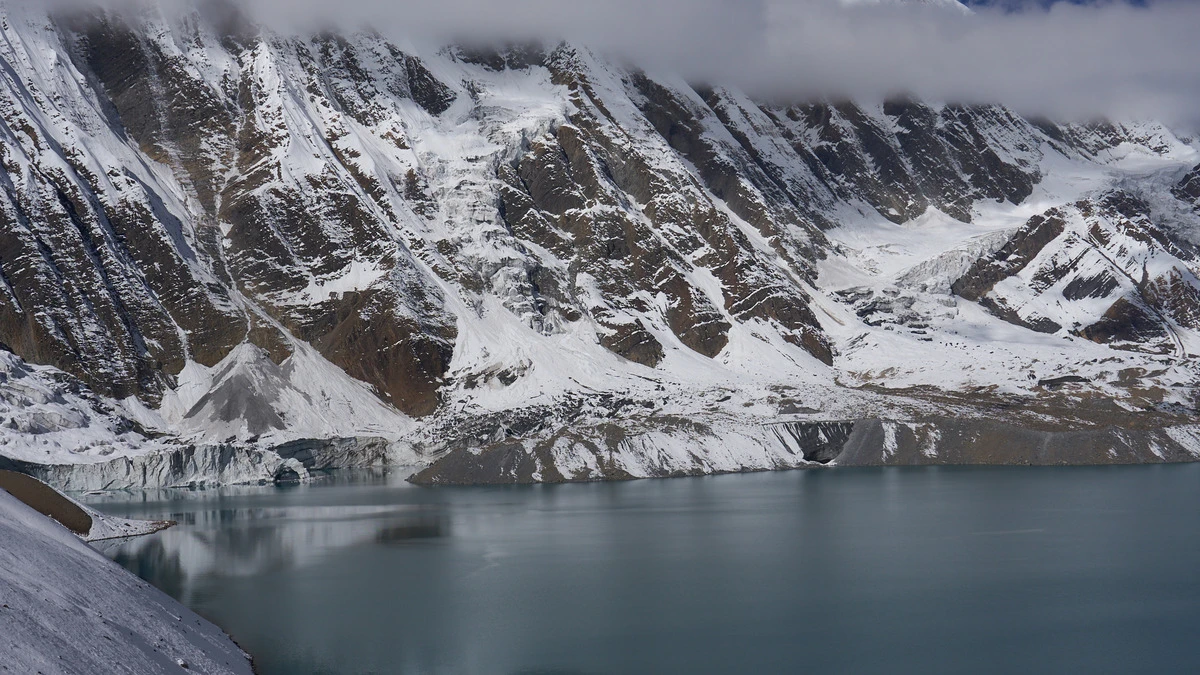
The Annapurna Circuit Trek is one of the most renowned and sought-after trekking routes in Nepal, offering trekkers a life-changing journey through diverse landscapes, rich cultural experiences, and awe-inspiring views of the Annapurna Massif. Starting from Kathmandu or Pokhara, the trek takes you through lush subtropical forests, terraced fields, traditional mountain villages, high-altitude deserts, and towering snow-capped peaks. With a variety of terrains, it's a complete trekking experience for all levels, from the gentle lower regions to the challenging Thorong La Pass at an altitude of 5,416 meters.
Along the way, you'll pass through vibrant villages like Chame, Manang, and Marpha, home to the Gurung, Magar, and Thakali people. These communities offer a warm welcome and a chance to savor traditional Nepali cuisine, all while learning about their unique cultures and lifestyles. The Circuit Annapurna route also presents some of the best Himalayan views, including Annapurna I, Machapuchare (Fishtail), and Dhaulagiri, with the clear skies and crisp air providing a magical atmosphere for trekkers.
The Annapurna round is known for its incredible diversity, where trekkers experience everything from lush tropical vegetation to stark, high-altitude deserts. This combination of natural beauty and cultural richness makes it one of the most scenic treks in the world.
The trek typically takes 7-16 days to complete, depending on the pace, with ample time allocated for acclimatization, which is essential to avoid altitude sickness. The best seasons to embark on this adventure are during spring and autumn, when the weather is clear, and temperatures are moderate, offering optimal trekking conditions.
But the Annapurna Circuit isn’t the only trek in this stunning region. Here are a few other fantastic trekking routes that also offer a combination of breathtaking scenery and cultural immersion:
Whether you're tackling the challenging Annapurna Circuit Trek, exploring the stunning Annapurna Base Camp, or venturing into the more remote regions likeNar Phu Valley Trekking or Muktinath, the Annapurna region offers something for every type of trekker. From vibrant mountain communities to the majestic peaks of the Annapurna Massif and Dhaulagiri, these treks promise to immerse you in natural beauty, cultural richness, and an unforgettable adventure.
If you’re seeking a trek that combines nature, culture, and a physical challenge, the Annapurna Circuit trek tour and its neighboring routes are the perfect choice for your next Himalayan adventure.
Why Choose the Annapurna Circuit Trek in 2026?
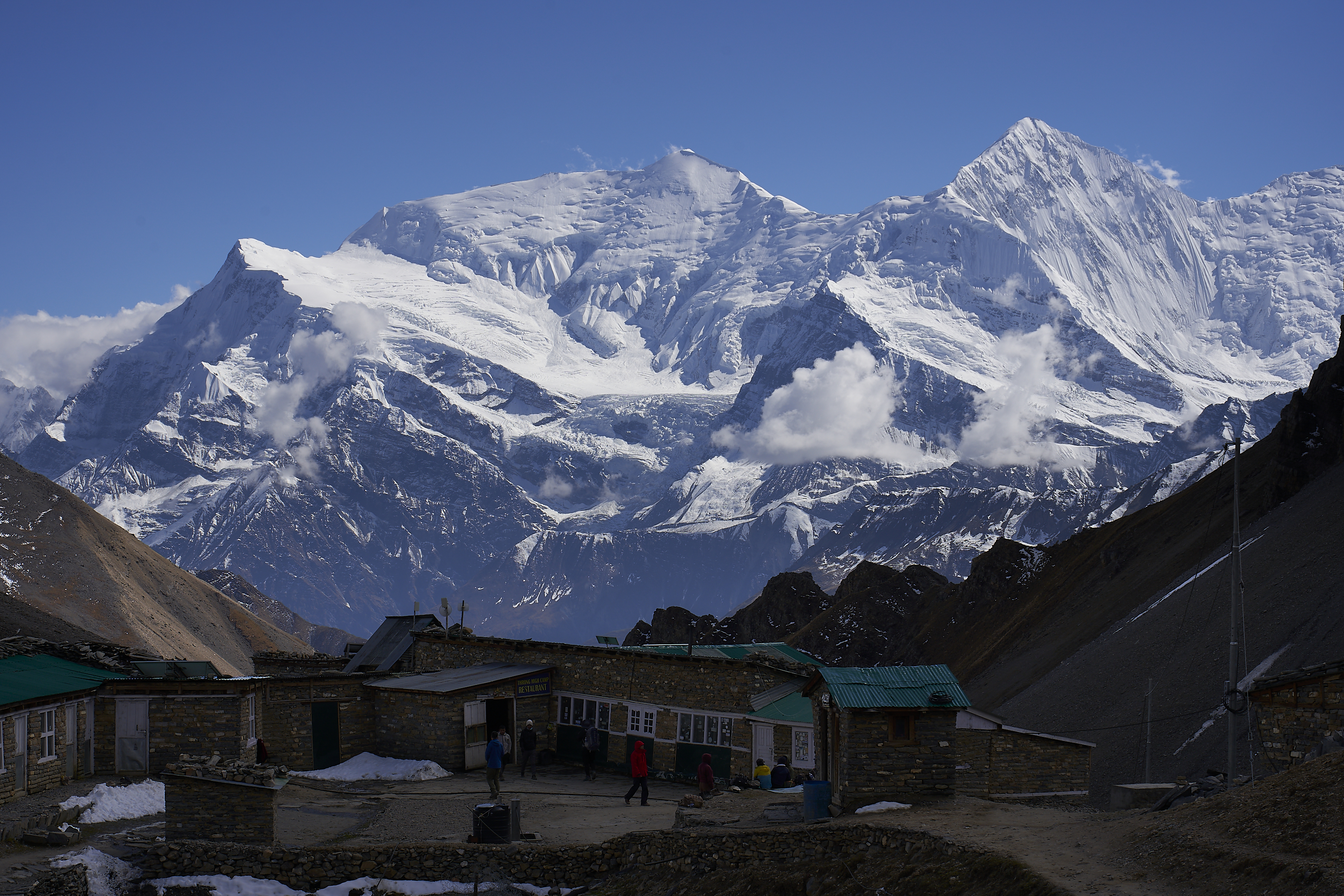
If you’re planning a trek in Nepal in 2026, there’s no better time than now to take on the iconic Annapurna Circuit Trek. Known for its mesmerizing landscapes and rich cultural experiences, the 13 days Annapurna Circle Trek is one of the world’s most renowned trekking routes. With improvements in infrastructure and accessibility, 2026 presents a prime opportunity to experience this unforgettable journey.
The Annapurna Circuit Himalayas offers a unique combination of natural beauty and cultural immersion. Starting from Pokhara, the route takes you through subtropical forests, high-altitude deserts, and ancient villages, providing trekkers with breathtaking views of the Annapurna Massif, Machapuchare, and Dhaulagiri. As you make your way toward the Thorong La Pass, the highest point of the trek at 5,416 meters, the challenge of reaching these altitudes is met with stunning panoramas and a deep connection to the Himalayas.
2026 brings several advantages for trekkers, including enhanced routes, better accommodations, and increased accessibility. Whether you’re following the Annapurna Circuit Trek map or choosing a guided trek, these improvements make the journey smoother and more enjoyable. The trek’s cost has become more affordable with package deals and transparent pricing, allowing trekkers to better plan their adventures, including essentials like accommodation and meals along the route.
The trek's duration typically spans 7-16 days, depending on your pace, and it covers a distance of 160 to 230 kilometers. If you prefer a shorter journey, the short Annapurna Circuit trek is an option, although the full circuit offers a complete experience of the region. If you're a solo trekker, Annapurna circuit solo trekking is also possible, though a guide can significantly enhance your experience, ensuring your safety and providing cultural insights.
In 2026, the trek will continue to be a popular choice due to the ideal weather conditions in spring and autumn. Clear skies, moderate temperatures, and beautiful mountain views make these seasons the best time to do the Annapurna Circuit trek. However, for those looking for a quieter experience, the trek in December and February offers snow-covered landscapes and fewer trekkers, making it a peaceful yet adventurous journey.
Whether you're trekking to the famous Thorong La Pass, exploring Tilicho Lake, or simply soaking in the beauty of the Annapurna region, the Annapurna Circuit Trek in 2026 is an adventure you won’t want to miss. With its rich culture, stunning vistas, and improved infrastructure, this is the year to check off this legendary trek from your bucket list.
Annapurna Circuit Trek Highlights for 2026
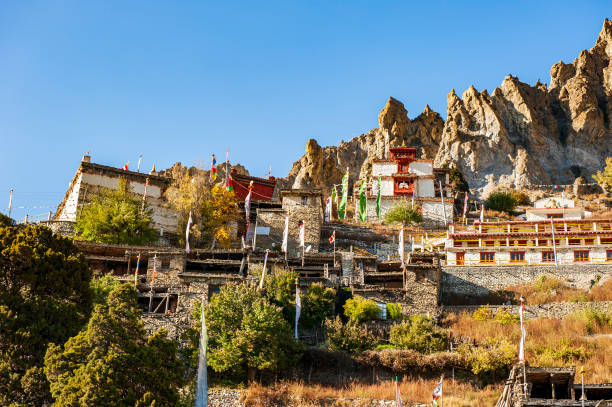
The Annapurna Circuit Trek in 2026 promises an unforgettable adventure with stunning landscapes, cultural immersion, and a physical challenge. Here are the top highlights of this iconic trek:
Thorong La Pass: At 5,416 meters, crossing Thorong La Pass is a major achievement and offers panoramic views of the Annapurna Massif and surrounding peaks.
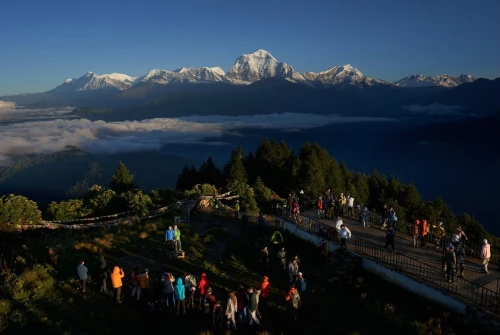
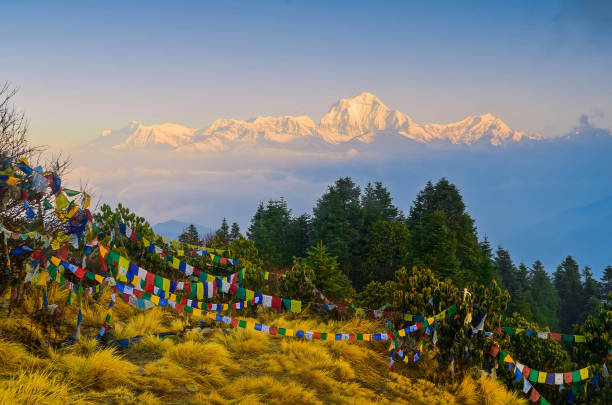
Scenic Beauty: Enjoy breathtaking views of Annapurna, Machapuchare (Fishtail), Dhaulagiri, and several other Himalayan giants as you trek through diverse landscapes.
Cultural Immersion: Explore local villages like Manang and Jomsom, and experience the rich culture of the Gurung and Thakali people.
Natural Diversity: The trek takes you through various climate zones, from subtropical forests to alpine meadows and high mountain deserts, showcasing the beauty of the Annapurna region.
Hot Springs: Relax in the natural hot springs in Tatopani, a perfect way to unwind after a long day of trekking.
The Annapurna Circuit Trek package in 2026 offers the ideal combination of adventure, cultural experiences, and scenic beauty, making it a must-do for trekkers.
Annapurna Circuit Trek Itinerary For 2026/2027
The Annapurna Circuit Trek continues to be one of Nepal’s most sought-after trekking experiences. Whether you’re a seasoned trekker or a first-timer, this journey offers a mix of diverse landscapes, high-altitude challenges, and cultural richness.
Below is a suggested itinerary for the 2026/2027 Annapurna Circuit Trek, designed for those looking to experience the best of the Annapurna region over 7 to 16 days.
Classic 16-Day Annapurna Circuit Trek Itinerary
A balanced trek with proper acclimatization days and a gradual ascent, ideal for those wanting a thorough experience of the Annapurna region.
Day 1: Arrival in Kathmandu (1,320m) and transfer to hotel.
Day 2: Trek preparation and sightseeing in Kathmandu.
Day 3: Drive to Dharapani (1,820m) – 7 hrs (234 km).
Day 4: Trek to Chame (2,710m) – 5 hrs.
Day 5: Trek to Pisang (3,115m) – 5 hrs.
Day 6: Trek to Manang (3,540m) – 4 hrs.
Day 7: Rest day in Manang for acclimatization and local excursion.
Day 8: Trek to Yak Kharka (4,110m) – 4 hrs.
Day 9: Trek to High Camp (4,900m) – 4 hrs.
Day 10: Trek to Muktinath (3,800m) crossing Thorong La Pass (5,416m) – 7 hrs.
Day 11: Drive to Tatopani (1,100m) – 4 hrs.
Day 12: Trek to Ghorepani (2,885m) – 6 hrs.
Day 13: Hike to Poon Hill (3,210m), then trek to Tikhedhunga (1,540m) – 6 hrs.
Day 14: Drive to Pokhara (860m) – 4 hrs, transfer to hotel.
Day 15: Drive or fly back to Kathmandu – 6 hrs.
Day 16: International departure for homeward bound.
Standard 15-Day Annapurna Circuit Trek Itinerary
Day 1: Arrival at Kathmandu airport and transfer to hotel.
Day 2: Kathmandu cultural exploration and checklist day.
Day 3: Drive from Kathmandu to Dharapani.
Day 4: Trek from Dharapani to Chame.
Day 5: Trek from Chame to Pisang.
Day 6: Trek from Pisang to Manang.
Day 7: Rest day at Manang for acclimatization.
Day 8: Trek from Manang to Yak Kharka.
Day 9: Trek from Yak Kharka to Thorong Phedi/High Camp.
Day 10: Trek from Thorong Phedi to Muktinath via Thorong La Pass.
Day 11: Drive from Muktinath to Tatopani.
Day 12: Trek from Tatopani to Ghorepani.
Day 13: Hike to Poon Hill, trek down to Ulleri, and drive to Pokhara.
Day 14: Drive from Pokhara to Kathmandu.
Day 15: Transfer to the international airport for your departure flight.
Annapurna Circuit with Tilicho Lake Trek (15 Days)
Day 1: Arrival at Kathmandu (1,350m)
Day 2: Drive from Kathmandu to Dharapani (1,960m)
Day 3: Trek to Chame (2,710m)
Day 4: Trek to Pisang (3,115m)
Day 5: Trek to Manang (3,540m)
Day 6: Acclimatization day at Manang
Day 7: Trek from Manang to Tilicho Base Camp (4,150m)
Day 8: Hike to Tilicho Lake (4,920m) & return to base camp & trek to Shree Kharka
Day 9: Trek from Shree Kharka to Thorong Phedi (4,500m)
Day 10: Trek from Thorong Phedi via Thorong La Pass (5,416m) to Muktinath (3,802m)
Day 11: Drive from Muktinath to Tatopani (1,300m)
Day 12: Trek from Tatopani to Ghorepani (2,870m)
Day 13: Hike to Poon Hill (3,210m), trek to Nayapul (1,000m) and Drive to Pokhara (850m)
Day 14: Drive from Pokhara to Kathmandu (1,400m)
Day 15: Transfer to the International Airport for your final departure
Annapurna Circuit Trek 14 Days Itinerary Start and End in kathmandu
Day 1: Arrival at Kathmandu (1,350m) and transfer to hotel.
Day 2: Drive from Kathmandu to Syange (1,100m) – Duration: 8-9 hours.
Day 3: Trek to Bagarchhap (2,160m) – Duration: 5-6 hours.
Day 4: Trek to Chame (2,710m) – Duration: 5-6 hours.
Day 5: Trek to Pisang (3,240m) – Duration: 5-6 hours.
Day 6: Trek to Manang (3,540m) – Duration: 7-9 hours.
Day 7: Acclimatization day at Manang.
Day 8: Trek to Yak Kharka (4,120m) – Duration: 4-5 hours.
Day 9: Trek to Thorung Phedi (4,560m) – Duration: 3-4 hours.
Day 10: Cross Thorung La (5,416m) to Muktinath (3,802m) – Duration: 7-9 hours.
Day 11: Trek to Jomsom (2,750m) via Kagbeni – Duration: 5-6 hours.
Day 12: Drive to Pokhara (850m) – Duration: 7-8 hours.
Day 13: Drive back to Kathmandu (1,350m) – Duration: 6-7 hours.
Day 14: Transfer to the International Airport for your final departure.
14-Day Annapurna Circuit Trek Itinerary end in Pokhara
Day 1: Drive to Besisahar and trek to Bulbule.
Day 2: Trek to Chamje.
Day 3: Trek to Bagarchhap.
Day 4: Trek to Chame.
Day 5: Trek to Pisang.
Day 6: Trek to Manang.
Day 7: Acclimatization day at Manang.
Day 8: Trek to Yak Kharka.
Day 9: Trek to Thorong Phedi.
Day 10: Over Thorong La Pass to Muktinath.
Day 11: Trek to Jomsom via Kagbeni.
Day 12: Drive to Tatopani Natural Hot Spring.
Day 13: Trek to Ghorepani.
Day 14: Early morning trek to Poon Hill, trek down to Nayapul, and drive to Pokhara.
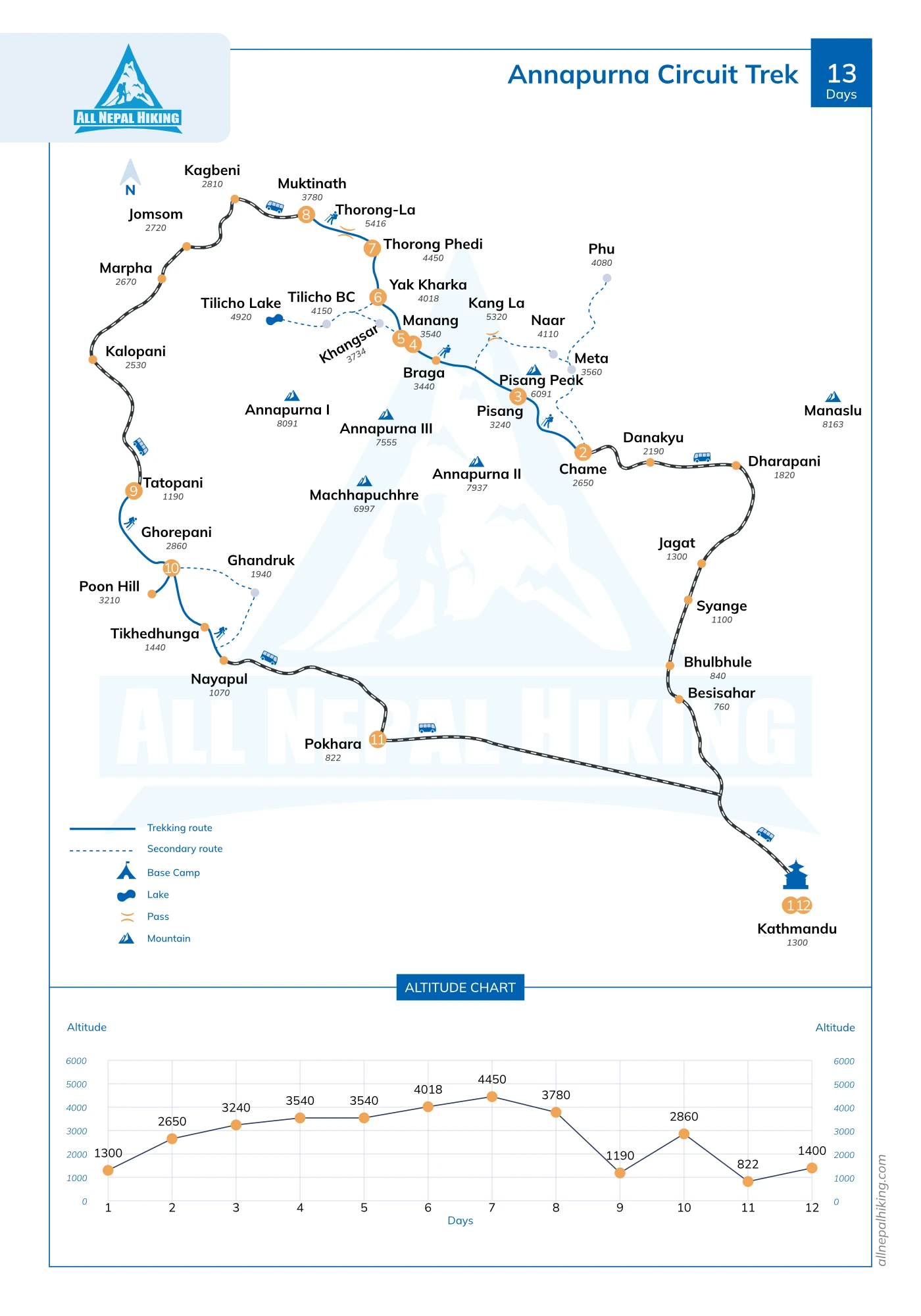
13-Day Annapurna Circuit Trek with Poonhill Itinerary
Day 1:Arrival in Kathmandu (1,400 m)
Day 2:Drive from Kathmandu to Chame (2,710 m) via Besisahar
Day 3:Trek from Chame to Pisang (3,300 m)
Day 4:Trek from Pisang to Manang (3,540 m) via Ghyaru and Ngawal
Day 5:Acclimatization Day in Manang
Day 6:Trek from Manang to Yak Kharka (4,110 m)
Day 7:Trek from Yak Kharka to Thorong Phedi (4,450m) or High Camp (4,800m)
Day 8:Cross Thorong La Pass (5,416m) and Descend to Muktinath (3,800m)
Day 9:Drive from Muktinath to Tatopani (1,190m) via Jomsom
Day 10:Trek from Tatopani to Ghorepani (2,860m)
Day 11:Ghorepani to Pokhara (822m)
Day 12:Pokhara to Kathmandu Drive (or Flight)
Day 13:Departure Day
12-Day Annapurna Circuit Trek Itinerary
Day 1: Arrival in Kathmandu (1,338m).
Day 2: Drive to Besisahar and continue to Dharapani (1,860m).
Day 3: Trek to Chame (2,710m).
Day 4: Trek to Upper Pisang (3,300m).
Day 5: Trek to Manang (3,540m).
Day 6: Acclimatization day in Manang (optional hike to Ice Lake).
Day 7: Trek to Yak Kharka (4,050m).
Day 8: Trek to Thorong Phedi (4,450m).
Day 9: Cross Thorong La Pass (5,416m) to Muktinath (3,800m).
Day 10: Trek/Drive to Jomsom via Kagbeni (2,800m).
Day 11: Flight/Drive to Pokhara (827m).
Day 12: Drive/Fly back to Kathmandu.
9-Day Annapurna Circuit Trek Itinerary for Nepali
Day 1: Drive from Kathmandu to Chame – Duration: 8-10 hours.
Day 2: Trek from Chame to Lower/Upper Pisang – Duration: 5-6 hours.
Day 3: Trek from Lower/Upper Pisang to Manang – Duration: 5-6 hours.
Day 4: Acclimatization day in Manang (Explore Bhojo Gompa or Gangapurna Lake).
Day 5: Trek from Manang to Yak Kharka – Duration: 4 hours.
Day 6: Trek from Yak Kharka to Thorung Phedi or High Camp – Duration: 4-5 hours.
Day 7: Cross Thorong La Pass and descend to Muktinath – Duration: 7-8 hours.
Day 8: Drive to Pokhara – Duration: 7-8 hours.
Day 9: Drive back to Kathmandu.
Rapid Annapurna Circuit Trek Itinerary (7 Days)
Day 1 : Drive from Kathmandu to Chame (2,760m)
Day 2 : Trek from Chame to Pisang (3300m)
Day 3 : Trek from Pisang to Manang (3,500m)
Day 4 : Acclimatization day at Manang.
Day 5 : Trek from Manang to Thorong Phedi (4600m)
Day 6 : Trek to Muktinath via Thorong La Pass (5,416m)
Day 7 : Drive from Muktinath to Pokhara (8,50m)
Annapurna Circuit Trek Difficulty
The Annapurna Circuit Trek is considered one of the most challenging treks in Nepal. The trek's difficulty arises from its long days of trekking, steep ascents, and the varying terrain. While the lower regions offer lush forests and charming villages, higher altitudes bring harsher conditions with rocky trails, alpine meadows, and snow-capped peaks. The journey requires trekkers to be physically prepared for significant elevation gain, especially the trek's high-altitude sections.
Altitude and Acclimatization on Annapurna Circuit Trek
The Annapurna Circuit Trek takes you through some of the highest regions in the world, with altitudes reaching 5,416 meters at Thorong La Pass. Trekking at such high elevations requires careful preparation and awareness of altitude sickness, which can strike when your body struggles to adjust to the thin air.
Acclimatization days are an essential part of the Annapurna Circuit trek itinerary, ensuring trekkers have time to adjust to the thinning oxygen levels. The days spent at Manang and Thorong Phedi are strategically placed to help your body acclimatize and minimize the risk of altitude sickness. These rest days also allow trekkers to take short hikes and explore the surroundings, further aiding in the acclimatization process.
Why It's Challenging
The Annapurna Circuit Trek presents a unique combination of challenges, making it one of the most rewarding yet demanding treks in Nepal. Here’s why:
Varying Terrain: From subtropical forests to rugged high-altitude deserts, the terrain changes frequently, testing your stamina and adaptability.
Long Ascents: Daily treks often involve significant elevation gain. As you move higher, the air gets thinner, making each step harder and requiring more effort.
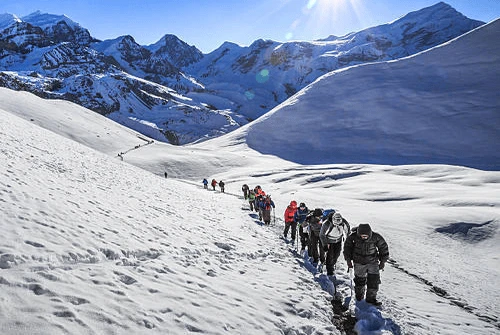
Thorong La Pass: The high-altitude Thorong La Pass at 5,416 meters is the most difficult part of the trek. The steep climb and sudden descent are taxing on your body, and trekkers must be prepared for extreme conditions.
Proper Preparation and Fitness
To successfully complete the Annapurna Circuit Trek, trekkers must focus on both physical preparation and mental strength. Building endurance and strength through cardio workouts, hiking on varying terrain, and doing strength training will help you manage the long days and steep inclines.
Furthermore, trekkers should be aware of the signs of altitude sickness and how to handle them. If you are physically prepared and take the necessary precautions for acclimatization, you will be in a strong position to enjoy this challenging but rewarding trek.
Annapurna Circuit Trek Permits
When trekking the Annapurna Circuit, obtaining the necessary permits is essential for your journey. Here are the main permits required for the trek:
ACAP (Annapurna Conservation Area Project) Permit
The ACAP permit is required for all trekkers entering the Annapurna Conservation Area, which includes the entire Annapurna Circuit route. The ACAP is essential for preserving the area's rich biodiversity and maintaining sustainable tourism. This permit is issued by the Annapurna Conservation Area Project and is checked at various checkpoints along the trail.
Cost: Approx. NPR 3,000 (for foreigners)
Where to obtain: In Kathmandu or Pokhara
TIMS (Trekkers’ Information Management System) Card
The TIMS card is a mandatory permit for all trekkers in Nepal. It helps the authorities monitor trekkers' movements and ensure safety during their treks. The TIMS card helps track trekkers in case of emergency and enhances security along the trails.
Cost: Approx. NPR 1,000 (for foreigners)
Where to obtain: In Kathmandu or Pokhara
Restricted Area Permit (If Applicable)
Certain parts of the Annapurna Circuit, particularly regions like Upper Mustang, fall under restricted areas. If you plan to trek into these regions, you’ll need an additional Restricted Area Permit. This permit is designed to preserve the traditional cultures and environments of remote areas.
Cost: Varies, depending on the specific region (typically NPR 5,000-10,000 per week)
Where to obtain: In Kathmandu
How to Obtain Permits
You can easily obtain these permits through a trekking agency, or you can visit the respective offices in Kathmandu or Pokhara. Trekking agencies often take care of all necessary permits for you as part of their trekking packages, making the process hassle-free..
Best Time for Annapurna Circuit Trek 2026
For those planning the Annapurna Circuit Trek in 2026, choosing the right season can make a significant difference in your experience. The best times to trek this iconic route are during the spring (March to May) and autumn (September to November) months. Here’s why these seasons stand out:
1. Spring (March to May)
Weather: The weather is mild and stable, with temperatures ranging from 10°C to 20°C at lower elevations and 0°C to -5°C at higher altitudes. The days are sunny and warm, with cooler nights.
Benefits: Spring is the time when the Himalayan flora is in full bloom. You'll get to enjoy vibrant rhododendron forests and lush greenery, adding a unique beauty to your journey. The skies are typically clear, offering excellent views of the Annapurna Massif.
Challenges: While the weather is favorable, higher altitudes can still be chilly, and trekkers need to be cautious of altitude sickness.
2. Autumn (September to November)
Weather: Autumn offers similar weather conditions to spring, with clear skies, mild temperatures, and minimal rainfall. During this time, the weather is dry and pleasant, making trekking comfortable, especially at higher altitudes.
Benefits: Autumn is arguably the most popular season for trekking in the Annapurnas. The views are exceptional, and the crisp air provides excellent visibility of the surrounding mountains. The trails are less muddy compared to the monsoon season, and it’s a great time to enjoy the serene atmosphere of the region.
Challenges: While the weather is ideal, autumn is a peak trekking season, so the trail can be crowded, particularly in the popular spots like Manang and Muktinath.
Why These Seasons?
Mild Weather: Both spring and autumn provide comfortable trekking conditions. In the lower altitudes, temperatures are warm during the day and cooler at night. In the high-altitude areas, conditions are bearable with clear skies.
Clear Views: The dry, clear weather during these seasons gives trekkers panoramic views of the Annapurna Range, Dhaulagiri, and Machapuchare, among other iconic peaks.
Ideal for Altitude Acclimatization: The weather conditions make it easier to manage acclimatization days, which are critical when trekking at high altitudes like Thorong La Pass (5,416m).
Off-Season Trekking (Winter & Monsoon)
Winter (December to February): While trekking in winter is possible, temperatures drop significantly, especially at higher elevations. Snow can cover parts of the trail, making it more challenging and risky. Only experienced trekkers should consider winter treks.
Monsoon (June to August): The monsoon season brings heavy rainfall, which can lead to slippery trails, landslides, and poor visibility. Trekking during this time is less ideal due to the risk of trail disruptions.
For Annapurna Circuit Trek 2026, spring and autumn will offer the best trekking conditions. With mild temperatures, clear skies, and breathtaking views, these seasons provide a perfect opportunity to experience the Annapurna Circuit at its finest.
Annapurna Circuit Trek Cost for 2026
The cost of the Annapurna Circuit Trek in 2026 will depend on several factors, including your trekking style, the length of the trek, and the services you choose. Here's a breakdown of what to expect:
Budget Annapurna Circuit Trek (Basic Package)
For a 16-day trek, a budget package typically ranges from $1,000 to $1,500. This usually covers:
Transportation: Bus rides from Kathmandu to Besisahar, and to Pokhara for the return.
Accommodation: Basic guesthouses or teahouses along the route.
Meals: Simple local meals (dal bhat, noodles, soups) at teahouses.
Permits: ACAP and TIMS permits.
Guides and Porters: Optional but often included in budget packages. You might need to pay extra for a guide or porter.
Mid-Range Annapurna Loop Trek
A mid-range package typically costs between $1,500 and $2,500. This includes:
Transportation: Comfortable vehicles for long-distance travel and shorter distances.
Accommodation: More comfortable guesthouses with better facilities, though still fairly simple.
Meals: A mix of local and some Western-style meals.
Guides and Porters: Professional guides and porters for a more comfortable experience.
Additional Services: Possible inclusion of bottled water, snacks, and maybe some cultural experiences or excursions.
Luxury Annapurna Circuit Trek
For those seeking a luxury Annapurna Circuit trek, prices range from $2,500 to $4,000+. This includes:
Transportation: Private vehicles and flights (if you choose to fly from Pokhara to Jomsom instead of driving).
Accommodation: Comfortable hotels in Pokhara and Kathmandu, and higher-end lodges or luxury tea houses during the trek.
Meals: More variety and higher-quality meals, including Western-style options.
Guides and Porters: Experienced professional guides and porters to make the trek more relaxed and informative.
Additional Services: Extra perks like a private chef, luxury transport, and even spa treatments at the end of the trek.
Additional Costs
Flight Costs: Flights from your home country to Kathmandu are not included. Airfares can vary widely based on the departure city.
Travel Insurance: It’s essential to have travel insurance for the trek, which will cost approximately $50 to $150 depending on coverage.
Tips for Guides/Porters: It’s customary to tip your guide and porter, which could range from $100 to $200 per person.
Personal Expenses: Souvenirs, snacks, extra bottled water, and other personal expenses may add up, typically between $100 to $300 during the trek.
Factors That Affect the Cost
Accommodation Style: More luxurious lodges and private rooms will increase the cost.
Guides and Porters: If you choose to hire both, it will add to the overall cost of the trek.
Transportation: Flying or using private transportation adds to the cost. For example, flights from Pokhara to Jomsom (if preferred) can add up to $100-$150 each way.
Season: Peak season treks (spring and autumn) may have slightly higher costs due to increased demand for services.
The cost of the Annapurna Circuit Trek in 2026 will vary based on your preferences for comfort, duration, and services. On average, a budget trek will cost between $1,000 to $1,500, while a mid-range trek may cost between $1,500 and $2,500, and luxury treks can go upwards of $2,500. The choice ultimately depends on your budget, comfort level, and the type of experience you're looking for.
Annapurna Circuit Trek Cost for Nepali on Npr
For Nepali and Indian trekkers, the overall cost is typically lower due to reduced permit fees and fewer additional charges. On average, the cost for Nepali trekkers ranges from NPR 25,000 to NPR 40,000 (approximately $200-$300), depending on the trek duration, accommodation, and services chosen. This includes permits, transportation, and basic teahouse accommodation.
Annapurna Circuit Trek Cost for Indian Trekkers on Inr
For Indian trekkers, the cost is generally lower compared to international trekkers due to reduced permit fees and other expenses. The average cost for an Indian trekker typically ranges from INR 45,000 to INR 65,000 depending on the trek duration, accommodation preferences, and additional services like guides and porters. This estimate covers permits, transportation, and basic teahouse accommodation.
Culture and Local Life in the Annapurna Region
The Annapurna Circuit is a cultural tapestry woven with the traditions of the Gurung, Thakali, and Tibetan communities. As you trek, you’ll pass through villages where Buddhist monasteries, prayer flags, and chortens (Buddhist stupas) dot the landscape. The region is steeped in a rich blend of Hindu and Buddhist influences, with locals often greeting trekkers with the traditional Tibetan greeting, "Tashi Delek."
The Gurung people, known for their hospitality and proud warrior history, predominantly reside in lower elevations, while the Thakali people, famous for their unique cuisine, live in the Manang valley. In the higher altitudes, Tibetan-influenced culture is prominent, with prayer wheels, stone carvings, and colorful prayer flags marking your way.
This diverse cultural mix, along with the stunning Himalayan backdrop, creates a deeper connection to both the natural and spiritual world, making the Annapurna Circuit trek an enriching experience.
Around Annapurna Circuit Trek Map & Route
The Annapurna Circuit Trek is a classic route, covering a wide range of landscapes, cultures, and altitudes. A detailed map is crucial to visualize your journey through some of the most iconic points along the route:
Manang: This charming village at 3,540 meters is a key acclimatization stop and offers spectacular views of the Annapurna range.
Pisang: Situated at 3,240 meters, this village offers panoramic views of the surrounding peaks and marks the transition from lower to higher altitudes.
Thorong Phedi: The base camp for Thorong La Pass, located at 4,450 meters, is your last stop before crossing the high-altitude pass.
Muktinath: At 3,800 meters, Muktinath is a sacred site for both Hindus and Buddhists and serves as a rewarding destination after crossing Thorong La Pass.
Throughout the trek, the Annapurna, Dhaulagiri, and Machapuchare (Fishtail) mountains dominate the skyline, offering jaw-dropping vistas. The route takes you through diverse landscapes, from lush subtropical forests to barren high-altitude deserts, creating an unforgettable trekking experience. A detailed Annapurna Circuit map can help you track your progress and ensure a safe journey through this incredible region.
Accommodation & Food on the Annapurna RoundTrek
Accommodation on the Annapurna round is generally in teahouses, simple guesthouses run by local families that provide a comfortable and homely atmosphere. These teahouses offer basic but cozy rooms, often with shared bathrooms. The further you go, the more rustic the accommodations may become, especially at higher altitudes, but they are sufficient to rest after a long day of trekking.
Food on the trek is simple, hearty, and designed to refuel trekkers. The traditional dal bhat (lentil soup with rice) is a staple, often served with pickles, vegetables, and a fried egg. It's a nutritious, energy-boosting meal perfect for the long days of trekking. Momos (dumplings) are another popular snack, and you’ll also find a variety of Nepali curries and noodles.
As you ascend to higher altitudes, some teahouses may offer Western dishes, including pasta, fried potatoes, and pancakes, but the food is generally tailored to the availability of local ingredients. It's important to note that food and drink prices tend to increase as you climb higher, especially near places like Thorong Phedi and Muktinath.
Overall, the teahouse experience on the Annapurna Circuit provides a great opportunity to connect with the local culture while enjoying nourishing food and comfortable accommodation.
Annapurna Circuit Trek for Beginners: Suitability and Fitness
The Annapurna Circuit Trek is an iconic trekking route, but is Annapurna Circuit Trek difficult for beginners? The answer depends on your level of fitness and preparation. While the trek is not technically challenging, it is physically demanding, especially due to its varying terrain, altitude changes, and the ascent to Thorong La Pass (5,416 meters).
Suitability for Beginners
The Annapurna Circuit Trek for beginners is achievable, but it’s essential to assess your fitness level before embarking on the journey. If you're new to trekking or hiking, this trek may feel challenging, but with proper preparation, it can be incredibly rewarding. The trek offers several acclimatization days, which are designed to help you adjust to the altitude, but beginners should still focus on building stamina and cardiovascular strength.
Fitness Preparation for Beginners
To ensure a safe and enjoyable experience, beginners should train ahead of time. Focus on building endurance, stamina, and cardiovascular fitness with regular walks, hikes, and aerobic exercises. It's also recommended to train at higher altitudes (if possible) to adapt to the thinning air.
Considerations for Beginners
Acclimatization: Acclimatization days are critical, particularly as you approach higher altitudes like Manang (3,540m) and Thorong Phedi (4,450m). This helps reduce the risk of altitude sickness.
Day-to-Day Challenge: While the trek can be long, with daily treks between 5-8 hours, the Annapurna Circuit for beginners is manageable if you pace yourself and take regular breaks.
Mental Strength: The trek is as much a mental challenge as it is a physical one. It's important to stay motivated and focused on your goal.
The Annapurna Circuit Trek for beginners is possible with the right preparation. Though it requires physical fitness and mental determination, the experience is one of the most fulfilling treks, offering incredible views of the Annapurna Range, cultural immersion, and a sense of accomplishment once you cross the Thorong La Pass. Start your training in advance, and the journey will be within your reach!
Safety, Altitude Sickness & Rescue on the Annapurna Circuit Trek
The Annapurna Circuit Trek offers breathtaking views and incredible experiences, but it also comes with risks, particularly due to its high altitudes. Proper planning, preparation, and vigilance are key to ensuring a safe and enjoyable trekking experience.
Altitude Sickness on the Annapurna Circuit Trek
Altitude sickness, or Acute Mountain Sickness (AMS), is a common risk for trekkers on the Annapurna Circuit, especially when ascending past 3,500 meters (11,500 feet). The highest point of the trek, Thorong La Pass (5,416m), presents a significant risk for altitude-related issues. AMS can occur if your body doesn't acclimatize properly to the thinning air at higher altitudes.
Symptoms of Altitude Sickness include:
Headache
Nausea and vomiting
Dizziness and fatigue
Insomnia and loss of appetite
Swelling (face, hands, or feet)
Prevention and Acclimatization
To minimize the risk of altitude sickness, proper acclimatization is essential. Thankfully, the Annapurna Circuit provides ample time for your body to adjust, with built-in rest days, particularly in places like Manang (3,540m) and Yak Kharka (4,110m). These rest days allow you to adjust to higher elevations and reduce the chances of developing AMS.
Slow and steady: Gradual ascent is key to acclimatizing properly. The trek’s route ensures a gradual increase in elevation, making it easier for trekkers to adjust.
Hydration: Drink plenty of water to stay hydrated. Dehydration exacerbates the symptoms of AMS.
Avoid overexertion: While it may be tempting to push forward, listen to your body and avoid overexertion, especially on steeper sections.
Rescue and Emergency Services
In the event of a medical emergency, including severe altitude sickness, rescue services are available, though they come at a significant cost. If necessary, helicopter evacuations can be arranged from high-altitude areas like Thorong Phedi or Muktinath, often within a few hours. However, helicopter rescues are expensive, typically costing anywhere from $1,000 to $4,000 USD, depending on the location and situation.
Important Points to Consider:
Guide and Porter: Hiring an experienced guide or porter can help ensure safety. They are familiar with the trek’s challenges, know how to recognize signs of altitude sickness, and can assist in an emergency.
Emergency Contact: Always keep your trekking company’s contact information handy. They will assist in facilitating rescue operations if needed.
Insurance: It’s highly recommended to have travel insurance that covers high-altitude trekking and emergency evacuations.
General Safety Tips
Monitor your health: Always keep an eye on how you’re feeling, especially as you climb higher.
Pace yourself: Take regular breaks, avoid rushing, and listen to your body.
Informed decision-making: If you feel unwell, it’s better to descend to a lower altitude and seek medical help than to push forward.
By taking these precautions and respecting the challenges that come with high-altitude trekking, the Annapurna Circuit Trek can be a safe and unforgettable adventure.
The Importance of a Licensed Guide and Porter for Annapurna Circuit Trek
Hiring a licensed guide and porter for the Annapurna Circuit Trek ensures your safety, comfort, and compliance with regulations, especially in restricted areas like Upper Mustang.
Why a Guide is Essential:
Safety and Navigation: Guides are trained to navigate the route, assist in emergencies, and help prevent altitude sickness.
Cultural Insights: Learn about the local culture, traditions, and history, enhancing your trekking experience.
Restricted Areas: In places like Upper Mustang, a licensed guide is required to access permits and follow regulations.
Emergency Assistance: Guides are equipped to handle medical issues and coordinate rescue services if necessary.
Why a Porter is Beneficial:
Reduced Physical Strain: Porters carry your heavy gear, allowing you to focus on the trek itself.
Cultural Experience: Engage with local porters who can share their stories and enhance your connection to the region.
Supporting Local Economy: Hiring porters supports the local community and sustainable tourism.
A licensed guide and porter make your Annapurna Circuit trek safer, more enjoyable, and culturally rich. They ensure a smoother journey while helping you respect local regulations and contribute to sustainable tourism.
Annapurna Trek Safety
The Annapurna Circuit Trek is generally considered safe, but high-altitude challenges make it crucial to take proper safety precautions.
Safety Measures:
Altitude Acclimatization: Gradual ascent and acclimatization days are vital to prevent altitude sickness. Ensure you allow time for your body to adjust to higher altitudes.
Guides and Porters: Hiring a licensed guide and porter ensures safety, navigation, and assistance in emergencies. Guides are trained to recognize symptoms of altitude sickness and provide first aid when needed.
Reputable Trekking Agency: Book your trek through a reliable agency that follows safety protocols, provides adequate insurance, and has emergency support.
Weather Awareness: Check the weather conditions regularly, especially before crossing Thorong La Pass, where the weather can change rapidly.
Health Monitoring: Stay hydrated, eat well, and listen to your body. If you experience dizziness, nausea, or headaches, it’s important to rest and descend if necessary.
By following these safety measures and trekking with an experienced team, you can minimize risks and fully enjoy the breathtaking Annapurna Circuit experience.
Annapurna Circuit Trek Packing List & Equipment
Clothing
Trekking Boots & Socks
Warm Layers & Down Jacket
Base Layers
Hat & Gloves
Buff/Scarf
Footwear
Trekking Boots
Comfortable Hiking Socks
Outerwear
Waterproof Gear (Jacket & Pants)
Accessories
Sunglasses & Sunblock
Hat & Gloves
Health & Safety
First Aid Kit
Water Purification Tablets
Hand Sanitizer & Wipes
Camping & Trekking Gear
Backpack
Sleeping Bag (for higher altitudes)
Trekking Poles
Headlamp & Extra Batteries
Other Essentials
Camera & Extra Batteries
Snacks (Energy Bars, Nuts)
Annapurna Circuit vs Manaslu Circuit
Difficulty:
Annapurna Circuit Trek: Moderate difficulty, suitable for most trekkers with some fitness, with gradual altitude gain and well-marked trails.
Manaslu Circuit Trek: More challenging, with longer days, rugged terrain, and higher altitudes (Larkya La Pass at 5,160m), requiring better fitness.
Cultural Experience:
Annapurna Circuit Trek Nepal: Diverse cultures (Gurung, Thakali, Tibetan) with more commercialized villages.
Manaslu Circuit Trek: More remote, offering an authentic Tibetan Buddhist experience, fewer tourists, and less commercialization.
Scenery:
Annapurna Circuit Trek Route: Diverse landscapes (subtropical forests, alpine meadows, deserts) and stunning views of Annapurna, Dhaulagiri, and Machapuchare.
Manaslu Circuit Trek: Remote, rugged landscapes with views of Manaslu, Himalchuli, and other peaks, plus more solitude.
Trekking Infrastructure:
Annapurna Circuit Trek: Well-established with teahouses, guesthouses, and accessible transport.
Manaslu Circuit Trek: Less developed with fewer tea houses, requires a special permit, and more self-sufficiency.
Crowds:
Annapurna Circuit Trek Itinerary: Popular and often crowded, especially in peak seasons.
Manaslu Circuit Trek: Quieter with fewer trekkers, offering a more peaceful and secluded experience.
Conclusion:
Annapurna Circuit Trek: Ideal for a moderate, well-supported trek with diverse landscapes and cultural immersion.
Manaslu Circuit Trek: Best for trekkers seeking a more remote, challenging adventure with authentic cultural experiences.
Annapurna Sanctuary Trek vs. Annapurna Circuit Trek
The Annapurna Sanctuary Trek is a shorter, moderate trek focused on Annapurna Base Camp with beautiful mountain views. It’s perfect for those with limited time and looking for a moderate challenge. The Annapurna Circuit Trek, on the other hand, is a longer, more challenging trek that takes you through diverse landscapes and high-altitude passes, including the Thorong La Pass. It's suited for trekkers seeking a more immersive and adventurous experience.
Aspect | Annapurna Sanctuary Trek | Annapurna Circuit Trek |
Duration | 7-12 days | 12-21 days |
Difficulty | Moderate | Challenging |
Max Altitude | 4,130m (Annapurna Base Camp) | 5,416m (Thorong La Pass) |
Terrain | Lush forests, river valleys, lower hills | Diverse: tropical, alpine, high desert, alpine meadows |
Cultural Experience | Gurung villages (Ghandruk, Chhomrong) | Gurung, Magar, Thakali, Tibetan villages |
Highlights | Annapurna Base Camp, Machapuchare, Himalchuli | Thorong La Pass, Muktinath, diverse landscapes, Manang |
Acclimatization | Moderate | Required (Manang, Thorong La) |
Altitude Risk | Lower risk of altitude sickness | Higher risk, especially at Thorong La Pass |
Crowds | Less crowded | More crowded, especially near Thorong La Pass |
Cost | Generally cheaper | More expensive (longer trek, permits) |
Best For | Shorter, moderate trek with stunning mountain views | Longer, diverse trek for adventurous and experienced trekkers |
Season | Spring, Autumn | Spring, Autumn |
Annapurna Circuit Trek Elevation in Meter and Feet
The Annapurna Circuit Trek involves a wide range of elevations, making it a challenging and diverse trek. Here's a breakdown of the key elevations along the trek:
Location | Elevation (m) | Elevation (ft) |
Kathmandu (Starting point) | 1,350 m | 4,429 ft |
Besisahar | 820 m | 2,690 ft |
Dharapani | 1,960 m | 6,430 ft |
Chame | 2,710 m | 8,891 ft |
Pisang | 3,115 m | 10,200 ft |
Manang | 3,540 m | 11,300 ft |
Tilicho Base Camp | 4,150 m | 13,615 ft |
Tilicho Lake | 4,920 m | 16,141 ft |
Thorong Phedi | 4,450 m | 14,599 ft |
Thorong La Pass | 5,416 m | 17,769 ft |
Muktinath | 3,802 m | 12,472 ft |
Tatopani | 1,300 m | 4,265 ft |
Ghorepani | 2,870 m | 9,416 ft |
Poon Hill | 3,210 m | 10,531 ft |
Pokhara (Ending point) | 850 m | 2,789 ft |
Kathmandu (Return) | 1,350 m | 4,429 ft |
Total Elevation Gain:
From Kathmandu to Thorong La Pass: 5,416 m - 1,350 m = 4,066 m (13,338 ft)
So, the total elevation gain on the Annapurna Circuit Trek is approximately 4,066 meters (13,338 feet).
Annapurna Circuit Trek FAQ
Can I trek the Annapurna Circuit in winter?
While possible, winter trekking is challenging due to freezing temperatures and snow. The higher altitudes, such as Thorong La Pass, may be inaccessible due to heavy snowfall.
Is the Annapurna Circuit Trek safe for solo trekkers?
Yes, but it’s recommended to trek with a guide or in a group, especially if you’re new to high-altitude trekking. A guide can provide support in case of altitude sickness or other challenges.
How hard is the Annapurna Circuit Trek?
The trek is considered moderate to difficult due to long days, significant elevation changes, and the high altitude of Thorong La Pass. Proper fitness and acclimatization are key to completing the trek safely.
What kind of permits do I need for the Annapurna Circuit Trek?
You will need an ACAP (Annapurna Conservation Area Project) permit and a TIMS (Trekkers' Information Management System) card. If you're trekking in the restricted areas like Upper Mustang, you’ll need a special permit.
What is the Annapurna Circuit Trek?
The Annapurna Circuit Trek is one of the most popular trekking routes in Nepal, offering stunning views of the Annapurna mountain range, diverse landscapes, and a deep cultural immersion. It involves crossing the Thorong La Pass at an altitude of 5,416 meters.
How long does the Annapurna Circuit Trek take?
The trek typically takes 12 to 16 days, depending on your itinerary and pace. A standard itinerary includes days for acclimatization and rest.
When is the best time to trek the Annapurna Circuit?
The best seasons for trekking the Annapurna Circuit are spring (March to May) and autumn (September to November). These seasons offer clear skies, mild temperatures, and the best views.
How difficult is the Annapurna Circuit Trek?
The Annapurna Circuit Trek is considered moderate to challenging, with high-altitude passes and varying terrain. Proper physical fitness, acclimatization, and preparation are essential for a successful trek.
Do I need a guide and porter?
While it is possible to trek independently, it is highly recommended to hire a licensed guide and porter for safety, local expertise, and help with heavy gear. In some areas, such as Upper Mustang, a guide is required.
What permits are required for the Annapurna Circuit Trek?
Trekking the Annapurna Circuit requires the following permits:
ACAP (Annapurna Conservation Area Project) Permit
TIMS (Trekkers’ Information Management System) Card
Restricted Area Permit (if trekking in areas like Upper Mustang).
What is the cost of the Annapurna Circuit Trek?
The cost of the trek varies depending on your itinerary, accommodations, and services like guides or porters. On average, expect to pay between $1,000 to $1,500 for a standard 16-day trek.
Is altitude sickness a concern on the Annapurna Circuit?
Yes, altitude sickness can occur due to the high altitude, especially at Thorong La Pass. Acclimatization days and gradual ascents are planned to minimize risks, but trekkers should be aware of the symptoms and stay hydrated.
What kind of accommodation can I expect?
Accommodation is mainly in teahouses or simple guesthouses along the route. Higher-altitude lodges offer basic amenities with dormitory-style rooms, and meals typically consist of Nepali dishes like dal bhat and momos.
How high is the Annapurna Circuit Trek?
The highest point on the trek is the Thorong La Pass at 5,416 meters (17,697 feet), one of the highest trekking passes in the world.
Are there any risks on the Annapurna Circuit Trek?
While the Annapurna Circuit Trek is generally safe, risks include altitude sickness, weather changes, and physical exhaustion. It’s essential to take the necessary precautions and follow safety guidelines.
Can I extend my trek beyond the Annapurna Circuit?
Yes, many trekkers combine the Annapurna Circuit with side trips such as the Annapurna Base Camp Trek or Tilicho Lake Trek to extend their journey and explore more of the region.
How do I get to the Annapurna Circuit?
You can reach the start of the trek by flying or driving to Pokhara from Kathmandu, then take a local bus or jeep to the starting point of the trek, usually Besisahar or Syange.
Final Thoughts on the Annapurna Circuit Trek
The Annapurna Circuit Trek is one of the most rewarding trekking experiences in Nepal, offering everything from breathtaking mountain views to rich cultural immersion. Whether you’re an experienced trekker or a first-time adventurer, the Annapurna Circuit’s accessibility, beauty, and variety of itineraries make it a trek for everyone. The trek is known for its diverse landscapes, high-altitude challenges, and cultural richness, with iconic views of the Annapurna, Dhaulagiri, and Machapuchare peaks.
With its well-marked trail, comfortable teahouses, and a supportive local community, the Annapurna Circuit provides a unique opportunity to explore Nepal's stunning natural beauty and culture. The experience offers trekkers a chance to connect with local communities, visit ancient monasteries, and traverse through picturesque villages that make this trek unforgettable.
At All Nepal Hiking, we are dedicated to ensuring that your Annapurna Circuit Trek is safe, enjoyable, and well-organized. Our expert local guides provide insight into the region's history, culture, and natural wonders, while our team supports you with everything from permits to the best accommodations, ensuring a smooth and memorable journey. Whether you're looking for a personalized package or need help with trekking logistics, we’re here to help you make the most out of your trekking adventure.
How All Nepal Hiking Can Help You
Customized Itineraries: Tailored treks to suit your pace, time, and interests.
Expert Guides & Porters: Licensed, experienced guides to ensure your safety and comfort.
Permits and Logistics: We take care of permits, transportation, and accommodation bookings.
Cultural & Scenic Immersion: Local insights into the culture and landscapes along the trek.
Emergency Support: Comprehensive safety measures with access to emergency services like helicopter rescues if necessary.
Let All Nepal Hiking be your trusted partner in exploring the Annapurna Circuit Trek, and embark on a life-changing adventure in the heart of the Himalayas.