based on 270 reviews

Hidden deep within the remote landscapes of Bajura District in Far-West Nepal, Ranishain stands as one of the country’s most untouched Himalayan destinations. Surrounded by rolling alpine meadows, pristine rivers, and breathtaking mountain scenery, this hidden paradise remains far away from crowded trekking trails and commercial tourism.
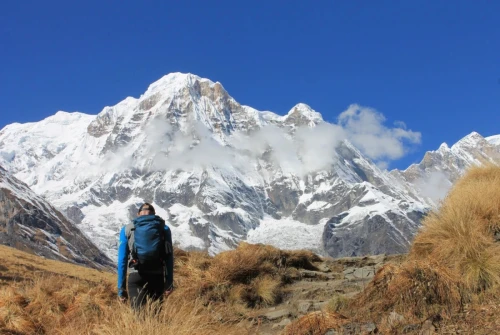
Ranishain is best known as the gateway to the spectacular East Saipal Base Camp famously recognized as Nepal’s Lowest Base Camp at an altitude of just 3,500 meters (11,483 feet). Despite its relatively lower elevation, the region offers dramatic Himalayan views, peaceful landscapes, and a true wilderness experience beneath the massive shadow of Mt. Saipal, which towers at 7,031 meters (23,068 feet).
Ranishain: Nepal’s Hidden Himalayan Grassland & Lowest Base Camp
Ranishain And East Saipal Base Camp Trek Overview
Feature | Details |
Geographic Region | Himali Rural Municipality, Bajura District, Sudurpashchim Province, Nepal |
Primary Attraction | 8 km alpine valley, Kawadi River, natural Ice Bridge, East Saipal Base Camp |
Maximum Elevation | 3,500 m to 3,550m (at East Base Camp) |
Trek Difficulty | Moderate (Requires wilderness endurance) |
Accommodation | Wilderness Camping & basic local homestays |
Best Seasons | Spring (March–May) & Autumn (September–November) |
A Hidden Himalayan Paradise
Picture yourself walking across an endless 8-kilometer-wide alpine grassland, with the serene Kawadi River flowing gracefully through its center. The scenery is nothing short of magical lush green hills dotted with wildflowers, horses grazing freely, crystal-clear waters reflecting the sky, and snow-capped Himalayan peaks framing the valley.
Unlike Nepal’s popular trekking regions, Ranishain remains raw and untouched. There are no crowded tea houses, no traffic, and no noisy tourist routes, just the whisper of mountain winds, the songs of birds, and the pristine beauty of nature in its purest form. It’s a place where silence feels alive and every step immerses you in the wilderness of the Himalayas.
East Saipal Base Camp:Nepal’s Lowest Base Camp
Perched at approximately 3,500 meters, East Saipal Base Camp offers one of the most unique Himalayan trekking experiences in Nepal. While many famous base camps require ascending above 5,000 meters, East Saipal allows travelers to enjoy breathtaking mountain panoramas at a moderate altitude, making it accessible for both seasoned trekkers and adventure enthusiasts.
The trek to East Saipal Base Camp showcases some of Nepal’s most untouched Himalayan landscapes, taking you through:
Expansive alpine meadows teeming with wildflowers
Ancient forests rich in Himalayan biodiversity
Remote mountain villages preserving traditional Nepali culture
Pristine Himalayan rivers perfect for photography and reflection
Authentic mountain culture and lifestyle
Raw wilderness landscapes far from commercial tourism
This combination makes Ranishain and East Saipal Base Camp trekking ideal for travelers seeking adventure trekking in Nepal, off-the-beaten-path destinations, and genuine Himalayan wilderness experiences.
Whether you’re a nature lover, wildlife photographer, or hiking enthusiast, the journey offers a blend of adventure, serenity, and cultural immersion rarely found in other trekking regions of Nepal.
Why Ranishain is Special: 5 Reasons to Put it on Your Bucket List
What sets Ranishain apart from other Himalayan destinations is its rare combination of unique geography, absolute isolation, and low-elevation viewpoints. Here are five reasons why this hidden paradise is a must-visit for adventure travelers.
Massive, Rare Himalayan Grasslands
Vast, flat alpine plains are incredibly rare in Nepal’s steep, V-shaped topography. Ranishain breaks the mold with an enormous 8-kilometer-long (5-mile) open meadow. Perched at an altitude of approximately 4,400 to 5,000 meters (14,435 to 16,404 feet) along its surrounding ridge paths, this unique valley resembles a fertile highland paradise. During the spring and monsoon seasons, the entire landscape transforms into a vibrant, rolling green carpet covered in millions of colorful Himalayan wildflowers.
Lower Altitude Base Camp with Incredible Views
Typically, standing at the foot of a major 7,000-meter peak requires trekking past dangerous altitudes of 5,000m (16,404\ft). However, the East Saipal Base Camp sits at an exceptionally accessible altitude of just 3,500 meters (11,483 feet). This allows trekkers to experience the staggering visual drama and thunderous avalanches of Mount Saipal (7,031 m / 23,068 ft) without subjecting their bodies to extreme high-altitude sickness.
The Pristine Kawadi River & Natural Ice Bridge
Flowing gracefully through the exact middle of the meadow, the crystal-clear Kawadi River acts as the lifeblood of the valley, originating from local glacial melt lakes. Because there are no man-made bridges in this remote wilderness, travelers cross the river via a spectacular, naturally formed ice bridge. This thick, frozen bridge stands strong above the rushing waters, acting as a natural highway used by local herders, horses, and pack mules alike.
Untouched Natural Beauty & Rich Flora
Ranishain remains one of the absolute least-explored Himalayan destinations in Nepal due to a complete lack of commercial infrastructure. The air is remarkably pure, the water is crystal clear, and the natural ecosystem is perfectly preserved. The area is also famous for being an abundant habitat for rare medicinal herbs, including the highly prized Yarsagumba (caterpillar fungus), as well as wild Himalayan Monals, blue sheep, and ancient juniper forests.
An Authentic, Raw Remote Experience
This region offers a genuine off-the-beaten-path journey that has been lost in heavily commercialized trekking hubs. With zero tourist crowds, no commercial tea houses, and no internet distractions, you can experience the raw majesty of the wild. Furthermore, Ranishain holds deep spiritual roots, serving as an annual pilgrimage site for Buddhist devotees from both Bajura and Humla who travel here to visit an ancient mountain monastery.
Wildlife, Nature, and Himalayan Environment Around Ranisain
The forests and vast alpine grasslands surrounding Ranishain are a treasure trove of Himalayan biodiversity. Trekking through this pristine region in western Nepal offers a rare opportunity to witness wildlife and nature in its untouched Himalayan habitat.
During your journey, you may encounter:
Colorful Himalayan birds and the iconic Himalayan monal
Wild mountain goats and agile blue sheep navigating rocky slopes
Traditional yak grazing fields typical of Ranishain and nearby villages
Rare medicinal herbs used in indigenous Himalayan healing practices
Ancient forests and untouched alpine ecosystems around East Saipal
The untouched environment of Ranishain makes it a true Himalayan wilderness, where the landscape feels alive with natural beauty and raw energy. This region is a haven for nature lovers, wildlife enthusiasts, and eco-tourists, offering a rare chance to experience Nepal’s hidden wildlife trekking trails far from crowded tourist routes.
Ranisain – A Dream Destination for Photographers and Filmmakers
Ranishain is a hidden paradise for photographers, drone operators, filmmakers, and travel content creators. Every corner of this remote Himalayan region offers breathtaking visuals that are perfect for capturing the essence of Nepal’s untouched landscapes.
Some of the most photogenic highlights include:
Endless green alpine meadows stretching as far as the eye can see
Reflections of snow-capped Himalayan peaks in the Kawadi River
Stunning Himalayan sunrise and sunset views over the Saipal range
Traditional mountain villages preserving authentic Nepali culture
Dramatic cloud formations rolling over valleys and hills
Camping under the stars in Ranishain’s serene wilderness
The region’s peaceful and untouched atmosphere makes it ideal for documentaries, travel films, YouTube adventures, and cinematic storytelling. Whether you’re a nature photographer, drone enthusiast, or filmmaker, Ranishain offers a rare opportunity to capture Nepal’s hidden Himalayan beauty.
Why Ranishain Trek in Nepal is Different from Other Himalayan Treks
Unlike the famous trekking routes such as Everest Base Camp or Annapurna Circuit, the Ranishain trek offers a completely unique Himalayan adventure. This hidden region provides travelers with an authentic and untouched mountain experience far from the crowds.
Here’s what makes Ranishain trekking stand out:
No tourist crowds – enjoy solitude and peace in the Himalayas
Pure wilderness and silence – a true escape into nature
Authentic local culture – interact with remote mountain communities
Vast open alpine grasslands – rare in Nepal’s popular trekking regions
Unique low-altitude base camp experience at East Saipal
Raw and unexplored trekking trails – perfect for adventure seekers
For travelers searching for hidden Nepal, Ranishain is one of the country’s last untouched Himalayan gems, offering a true off-the-beaten-path trekking experience that blends adventure, nature, and culture.
Best Time to Visit Ranishain & East Saipal Base Camp
The Far-Western region of Nepal experiences distinct seasonal changes, making timing crucial for safe trekking, stunning mountain views, and wildlife spotting. Here’s a complete seasonal guide for visiting Ranishain and East Saipal Base Camp
Spring (March–May) – The Flower Season
Daytime Temperatures: 15°C to 22°C (59°F to 72°F) at lower elevations; 5°C to 12°C (41°F to 54°F) at Ranishain Meadow
The Vibe: Spring is magical in Ranishain. Oak and conifer forests burst into vibrant pink, red, and white rhododendron blooms. The 8-kilometer alpine grasslands awaken from winter snow, blanketing the meadows in lush green and colorful alpine flowers.
Why Visit:
Perfect for moderate trekking temperatures
Active Himalayan wildlife sightings
Stunning nature photography opportunities
Autumn (September–November) – The Photographer's Peak
Daytime Temperatures: 10°C to 18°C (50°F to 64°F); night temperatures at 3,500 m (East Saipal Base Camp) can drop below 0°C (32°F)
The Vibe: Autumn is the prime season for high-fidelity landscape photography, drone filming, and trekking. Post-monsoon rains wash away dust and haze, leaving crystal-clear panoramic views of Mt. Saipal (7,031 m / 23,068 ft). Trails are dry, skies are blue, and weather is highly stable.
Why Visit:
Ideal for photographers and filmmakers
Stable weather ensures safe trekking
Clear skies and sharp mountain vistas
Summer / Monsoon (June–August) – The Emerald Wilderness
Daytime Temperatures: 18°C to 25°C (64°F to 77°F)
The Vibe: Heavy rains transform Ranishain Valley into a lush, misty, emerald paradise. The Kawadi River swells into a roaring torrent, creating dramatic scenery. However, trails can be slippery, and off-road jeep travel from Martadi or Kolti can be unpredictable due to mud and landslides.
Why Visit:
Experience Nepal’s untouched monsoon landscapes
Dense greenery and wildflower-filled meadows
Perfect for adventure trekkers seeking solitude
Winter (December–February) – The Frozen Highlands
Daytime Temperatures: Below 5°C (41°F); night temperatures drop to -10°C to -15°C (14°F to 5°F)
The Vibe: Winter brings heavy snowfall to Far-Western highlands of Nepal. The Natural Ice Bridge over Kawadi River becomes a solid, frozen marvel. The snow-covered valley looks spectacular, but high passes like Dhid Lagna (~3,650 m / 11,975 ft) can be blocked, making this season suitable only for extreme winter mountaineers.
Why Visit:
For experienced winter trekkers and mountaineers
Unique opportunity to see snow-covered Ranishain landscapes
Pro Tip: For most travelers, spring and autumn offer the best combination of scenery, safety, and trekking conditions, while monsoon and winter appeal to adventurers seeking unique challenges.
Local Culture and Lifestyle in Ranishain, Western Nepal
The villages surrounding Ranishain offer a rare glimpse into traditional Himalayan life, largely untouched by modern tourism. Here, generations have preserved customs, farming practices, and mountain lifestyles, giving travelers an authentic cultural experience in western Nepal.
During your trek, you can experience:
Warm hospitality from local families, making you feel like part of the community
Traditional farming practices, including terraced fields and yak grazing
Simple mountain life, where daily routines revolve around nature and seasons
Indigenous traditions and cultural rituals, passed down for centuries
A deep connection between people and the natural environment, reflected in sustainable living and respect for the land
This cultural authenticity adds a meaningful human dimension to your adventure, making the Ranishain trek not just a journey through stunning landscapes, but also a journey into the heart of Himalayan heritage and lifestyle.
How to Reach Ranishain and East Saipal Base Camp
Reaching Ranishain in western Nepal is an adventure in itself, combining flights, road travel, and trekking through remote Himalayan landscapes. Here’s how travelers typically make the journey:
Fly or drive from Kathmandu to western Nepal – The journey begins with a domestic flight to Nepalgunj or a scenic road trip toward the Far-Western region.
Journey toward the Ranishain trailhead – From the regional hub, travelers take local roads toward small towns like Martadi or Kolti, surrounded by stunning hills, rivers, and traditional villages.
Trek through remote mountain trails to East Saipal Base Camp – The trail passes through dense forests, alpine meadows, and remote mountain settlements, culminating at the 3,500 m East Saipal Base Camp with panoramic views of the Saipal Himalayan range.
Along the way, you’ll experience dramatic landscapes, vibrant local culture, and the untouched wilderness of western Nepal. The journey itself is as rewarding as the destination, offering a true off-the-beaten-path Himalayan adventure.
10-Day Ranishain & East Saipal Base Camp Expedition
Day 1: Flight from Kathmandu to Nepalgunj, Drive to Kolti (Bajura)1,450m
Day 2: Drive from Kolti to Piluchaur, Trek to Wai / Juwigaon1,800m
Day 3: Trek from Wai to Yuna Village 2,250 m
Day 4: Trek from Yuna to Lampata (via Dhid Lagna Pass) 2,950m (Dhid Lagna Pass sits at 3,650 m
Day 5: Trek from Lampata to the Ranishain Grassland 3,400 m
Day 6: Exploration Day: Trek to East Saipal Base Camp & The Natural Ice Bridge 3,500 m to 3,550 m(Base Camp)
Day 7: Retrace Trek from Ranishain back to Yuna Village 2,250 m
Day 8: Trek from Yuna back to Piluchaur, Drive to Kolti 1,450 m
Day 9: Drive from Kolti to Nepalgunj (or Dhangadhi) 150 m
Day 10: Flight from Nepalgunj back to Kathmandu 1,300 m
Final Thoughts
In a world where many trekking destinations are becoming crowded and commercialized, Ranishain still remains wild, peaceful, and beautifully untouched. From the stunning 8 km Himalayan grasslands and the flowing Kawadi River to the incredible panoramic views, this hidden region offers one of Nepal’s most unique travel experiences.
All Nepal Hiking, our company, is proud to arrange this trip, ensuring you experience the magic of Ranishain with comfort, safety, and local expertise.
If you are searching for a true hidden Himalayan paradise, the magical landscapes of Ranishain deserve a place on your adventure list.
Shankar Neupane
Call us on WhatsApp+977 9851074814OrChat with us
.webp)