based on 270 reviews

Picture this: you're standing at 5,545 meters above sea level, the air is impossibly thin, the silence is almost eerie, and stretched out before you is a panorama of white giants that no photograph can ever do justice to. This is what Nepal offers, not just a trek, but a life-altering confrontation with the raw, staggering power of the Himalayas. Is there any other country on Earth that packs eight of the world's fourteen 8,000-meter peaks into a single landmass? Absolutely not. That's precisely why Nepal has been, and will continue to be in 2025 and 2026, the undisputed world capital of high altitude trekking.
Whether you're a seasoned mountaineer looking to test every limit you have, or an adventurous soul who simply wants to walk higher than you've ever walked before, Nepal has a trail with your name on it. The country's network of trekking routes ranges from well-serviced, heavily trafficked corridors to wild, remote wilderness trails where you might go an entire day without seeing another trekker. But what unites them all is that rare gift of altitude, the chance to push your body, clear your mind, and stand atop the world in a way that simply cannot be replicated anywhere else.
This guide breaks down the 9 best high altitude treks in Nepal, covering everything you need to know: the maximum altitudes, difficulty ratings, best seasons, permit requirements, and what makes each trail worth lacing up your boots for. Let's get into it.
Why Nepal Is the Ultimate High-Altitude Trekking Destination
Before diving into the individual trails, it's worth pausing to ask why Nepal? The answer, when you really think about it, is almost embarrassingly obvious. Nepal is home to eight of the world's fourteen peaks above 8,000 meters, including Mount Everest at 8,848 meters, the highest point on the planet's surface. Nepal trekking is trending globally in both 2025 and 2026, offering trail options for every grade level from beginner to expert climber. The country's dramatic topography, shifting from subtropical jungle in the south to high-altitude arctic desert in the north, sometimes within a single trek, creates a trekking environment that is almost impossibly diverse. You can walk through rhododendron forests in the morning and cross a glacial moraine by afternoon, all while breathing the same exhilarating, thin Himalayan air.
Then there's the culture. Nepal's trekking routes are not lifeless wilderness corridors; they are living, breathing highways of human civilization that have existed for centuries. You pass through Sherpa villages, Tamang settlements, Gurung communities, and Tibetan Buddhist monasteries. You drink tea with locals who have never owned a car but know the name of every mountain on the horizon. Different trekking destinations offer distinct cultural experiences. The Langtang Valley showcases Tamang culture, Upper Mustang offers a window into Tibetan Buddhist traditions, and the Annapurna region introduces trekkers to Gurung, Magar, and Thakali heritage. This cultural richness is what separates a Nepal trek from a simple mountain hike; it is an immersion into a way of life that the modern world has, mercifully, not yet erased.
Spring, from March to May, and autumn, from September to November, are widely regarded as the best trekking seasons in Nepal due to their clear skies and favorable temperatures. However, each of the nine treks in this guide has its own seasonal nuances that you should carefully factor into your planning.
Everest Base Camp Trek
If there is one trek that every adventure-loving human being has heard of, it's this one. The Everest Base Camp Trek is not just a trail; it is a pilgrimage. It is the benchmark against which every other Himalayan trek is measured, and for very good reason. The Everest Base Camp Trek is a world-class trekking destination and a must-do for every adventure enthusiast. Every year, thousands of individuals embark on this journey, which takes them to the base of the tallest mountain in the world, Mount Everest. The trail begins at Lukla Airport, perched at 2,860 meters, and follows a winding path through the heart of the Khumbu region, the homeland of the legendary Sherpa people who have guided mountaineers to the world's highest summits for generations.
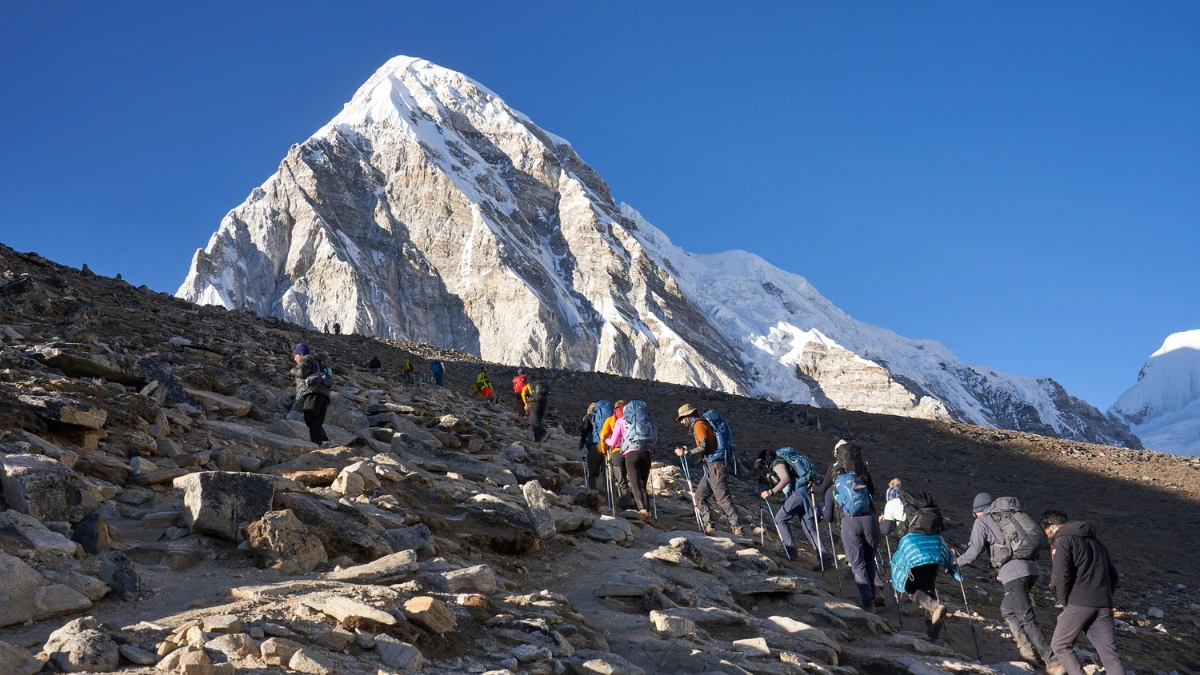
The journey to base camp is one of gradual revelation. Each day, the mountains get taller, the air gets thinner, and the landscape grows more dramatic. You pass through the bustling trading town of Namche Bazaar at 3,440 meters, the acclimatization hub of Dingboche at 4,410 meters, and the windswept plateau of Gorak Shep before finally stepping onto the moraine that marks Everest Base Camp at 5,364 meters. But most trekkers don't stop there; the real showstopper is Kala Patthar at 5,545 meters, a rocky viewpoint that delivers the most iconic panorama in all of Himalayan trekking, with Everest, Lhotse, Nuptse, and Ama Dablam all stacked up against the sky like a scene from a dream.
Key Highlights & Altitude Profile
Along the EBC trail, trekkers encounter spectacular views of white-capped mountains, including Lhotse at 8,516 meters, Nuptse at 7,861 meters, and the stunning Ama Dablam at 6,812 meters. The trail itself winds across suspension bridges over rushing glacial rivers, through rhododendron and pine forests, and into the stark, boulder-strewn high-altitude zones that feel like another planet. The entire journey typically takes 14 to 16 days for a comfortable, well-acclimatized trek. Think of the altitude profile as a staircase; you gain elevation gradually, with built-in rest days to let your body catch up with what your ambition is demanding of it.
Best Time to Trek & Difficulty Level
The EBC trek is classified as moderate to challenging, making it accessible to fit beginners who prepare properly, while still offering seasoned trekkers a genuinely demanding experience. The trail is best tackled in spring (March–May) or autumn (September–November). The highest point is Kala Patthar, located at 5,545 meters above sea level, which is the ultimate reward for those who make it all the way. Costs for a guided EBC trek typically start around USD 1,399 per person through reputable agencies, covering permits, accommodation in tea houses, and guide/porter fees.
Annapurna Circuit Trek
If the Everest Base Camp Trek is the world's most famous high-altitude walk, then the Annapurna Circuit Trek is arguably its most spectacular rival, and many experienced trekkers will tell you it's the better of the two. The circuit loops around the entire Annapurna massif, covering roughly 160 to 230 kilometers depending on the route taken, and passing through a staggering variety of landscapes, ecosystems, and cultures. Starting in lush green valleys filled with rice terraces and waterfalls, the trail gradually climbs into rocky high-altitude terrain, eventually crossing Thorong La Pass at 5,416 meters, a major highlight of the entire journey. The sheer variety of scenery on this trek is genuinely unmatched. You'll walk through subtropical farmland, dense temperate forest, arid high-altitude desert, and everything in between, all while the Annapurna range looms above you like a wall of white fire.
The trek provides sweeping views of Annapurna, Dhaulagiri, Manaslu, Tilicho Peak, and other Himalayan giants. Tea houses along the route offer comfortable accommodation, making the journey appealing to trekkers who want a cultural and scenic experience without excessive remoteness. One of the most beloved stops on the circuit is Manang, a high-altitude village at around 3,500 meters that serves as the primary acclimatization base before the grueling push over Thorong La. Spend a day or two here, hike up to the Ice Lake, explore the local monastery, and let your red blood cell count quietly catch up with your enthusiasm.
Thorong La Pass
As the trail loops around the Annapurna massif, you pass through various ethnic villages, including Manang, Pisang, and Muktinath. Each offers insights into the region's Buddhist and Hindu traditions, Tibetan-style architecture, and mountain lifestyle. The gradual change in climate from subtropical to alpine tundra keeps the journey exciting and varied. Crossing Thorong La Pass at 5,416 meters is the defining moment of the entire circuit a brutal but deeply rewarding early-morning climb that rewards those who make it with 360-degree views of the Annapurna and Dhaulagiri ranges. The descent into Muktinath, a sacred pilgrimage site for both Hindus and Buddhists, is one of the most emotionally powerful moments you'll experience on any trek in Nepal. The circuit typically takes 12 to 21 days to complete.
Everest Three Passes Trek
Think the Everest Base Camp Trek isn't challenging enough for you? Think again, but if you're absolutely sure about it, then the Everest Three Passes Trek is your calling. This is the Everest region turned up to eleven. Rather than following a single out-and-back trail to base camp, the Three Passes Trek loops through the Khumbu region by crossing three high-altitude mountain passes, creating a complete circuit of some of the most dramatic terrain on Earth.
The Three Passes Explained
The Everest Three Passes Trek crosses three high-altitude mountain passes: Kongma La at 5,535 meters, Cho La at 5,420 meters, and Renjo La at 5,360 meters. Each pass presents its own character and its own challenges — Kongma La is steep and relentless, Cho La involves navigating a glacier that demands careful footing and often crampons, and Renjo La delivers what many trekkers describe as the single most jaw-dropping viewpoint of the entire Everest region, with Gokyo Lake shimmering in the foreground and Everest towering behind it. The Three Passes Trek is one of the most adventurous treks in the Khumbu Valley, taking 19 to 22 days to complete and offering views ranging from glacial lakes to majestic peaks to traditional settlements and high-altitude alpine meadows. It also incorporates the classic Everest Base Camp and Kala Patthar viewpoint into its itinerary, so you get everything the standard EBC trek offers, plus three epic high passes layered on top. This trek is suitable for experienced trekkers with strong fitness levels and ideally some prior high-altitude experience.
Manaslu Circuit Trek
In the world of Nepal trekking, the Manaslu Circuit Trek occupies a beautifully paradoxical space; it's one of the country's most spectacular circuits, yet it remains far less crowded than Everest or Annapurna because of the more stringent permits and logistics required to get there. That, of course, is precisely what makes it so irresistible to experienced trekkers looking for an adventure that still feels genuinely off the beaten path.
The Manaslu region, located in the northwest of Nepal near Tibet, is a stunning and less-crowded trekking destination known for its pristine beauty and rich cultural heritage. It is home to Mount Manaslu, the eighth-highest peak in the world, towering at 8,163 meters. The region offers diverse landscapes, from subtropical forests and terraced fields to alpine meadows and high-altitude deserts. The circuit loops around the Manaslu massif, crossing the dramatic Larkya La Pass at 5,160 meters the high point of the trek and one of the most physically demanding single-day crossings in Nepal. The Manaslu Circuit Trek can be comfortably done in tea houses, making it a more affordable option compared to expensive camping treks. The cultural experience here is also exceptional. Trekking in this region provides a unique opportunity to experience traditional Tibetan culture, as many of the villages are influenced by Tibetan Buddhism, and the region is historically significant, with active trade still occurring between the Nubri Valley and Tibet. The circuit typically takes 14 to 18 days and requires a restricted area permit in addition to the standard TIMS card and national park entry permit.
Kanchenjunga Base Camp Trek
If you want to go somewhere that feels genuinely wild, somewhere where the word "remote" takes on its fullest, most honest meaning, then the Kanchenjunga Base Camp Trek is your destination. Located in the far eastern corner of Nepal, bordering Sikkim and Tibet, this is a trek to the base of the world's third-highest mountain, Mount Kanchenjunga at 8,586 meters, popularly known as the "Five Treasures of the Great Snow," representing gold, silver, precious stones, grain, and holy scriptures.
The trek is an exhilarating and adventurous journey through the remote and unexplored gems of the eastern region, circling the majestic Kanchenjunga and other notable peaks. What makes this trek genuinely special beyond the staggering mountain views is its extraordinary sense of isolation. You will frequently walk for hours without seeing another group, which is what makes this trek unique in terms of its sense of isolation. The trail passes through the Kanchenjunga Conservation Area, a protected wilderness that harbors snow leopards, red pandas, Himalayan black bears, and musk deer. The maximum altitude reached on the Kanchenjunga Base Camp Trek is approximately 5,143 meters at the Pangpema viewpoint, and the trek typically takes 19 to 26 days, depending on the specific itinerary and pace. Many trekkers opt for the full circuit, which visits both the North Base Camp (Pangpema, 5,143m) and the South Base Camp, connected via the dramatic Sele La Pass.
Permits & Regulations You Must Know
The Nepal government implemented a rule restricting independent trekking in the Kanchenjunga region, which became effective on April 1, 2023. The primary reason for this rule is to ensure the safety of trekkers in the challenging and remote terrain. You will need a Restricted Area Permit (RAP) and a Kanchenjunga Conservation Area Project (KCAP) permit, both of which must be obtained through a registered trekking agency. A TIMS card is also required, and all of these permits must be obtained through a registered trekking agency; you cannot obtain them independently. This requirement, while sometimes frustrating for independent travelers, actually works in your favor. The region remains genuinely pristine because of it.
Annapurna Base Camp Trek
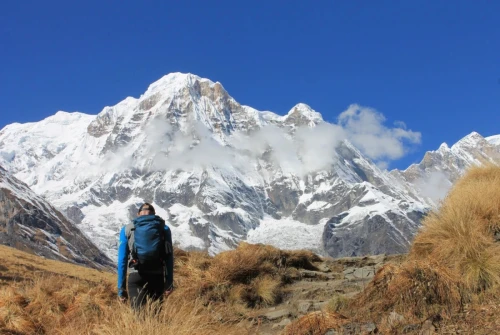
Not every high-altitude trek has to be a logistical marathon or a survival test. The Annapurna Base Camp Trek, often abbreviated to ABC, offers a fantastic high-altitude experience that is more accessible than many of the other treks on this list, without for a moment sacrificing the drama and beauty that Nepal does so effortlessly. The trek leads to the magnificent amphitheater of Annapurna Base Camp at 4,130 meters, surrounded by some of the most dramatic mountain walls on the planet, including Annapurna I at 8,091 meters, Hiunchuli, Machapuchare (the sacred "Fish Tail" peak), and Gangapurna.
What makes the ABC trek so appealing for a wide range of trekkers is its relatively compact itinerary, typically 7 to 12 days, combined with excellent tea house infrastructure and well-marked trails. The route climbs through subtropical forests filled with the bright red and pink explosions of rhododendron blooms in spring, passes through traditional Gurung villages, and gradually transitions into the stark, glacier-fringed terrain of the Annapurna Sanctuary. The Annapurna Base Camp Trek combined with the Ghorepani Poon Hill route, is one of the most beloved treks in Nepal, starting through Ulleri, passing through the iconic Ghorepani Poon Hill sunrise viewpoint, and culminating at the Annapurna Base Camp itself. If you're looking for your first genuinely high-altitude Himalayan experience, this is arguably the best place to start.
Langtang Valley Trek
Just a few hours' drive north of Kathmandu lies one of Nepal's most underappreciated trekking regions the Langtang Valley. Known as the "Valley of Glaciers," Langtang offers a high-altitude experience that is both raw and rewarding, without requiring the weeks of commitment that treks like Kanchenjunga or Manaslu demand. The trail winds through the Langtang National Park, Nepal's first Himalayan national park, climbing through oak and rhododendron forests, across rushing glacial streams, and into the broad, sweeping alpine terrain of the upper valley.
The trek reaches its highest point at Tsergo Ri, approximately 4,984 meters, a summit that delivers breathtaking 360-degree views of Langtang Lirung (7,227m), Shishapangma (8,013m, visible from Tibet), and the surrounding peaks of the Langtang range. The Langtang Valley trek is particularly noted for showcasing Tamang culture, with trekkers experiencing traditional villages, ancient monasteries, and a way of life deeply rooted in Tibetan Buddhist tradition. The region was devastated by the 2015 earthquake and subsequent landslide, but has been beautifully rebuilt through the resilience and determination of its community. Visiting today is not just a trek but an act of solidarity with the people of Langtang. The valley typically takes 7 to 10 days to complete and is suitable for trekkers with moderate fitness levels.
Upper Mustang Trek
Step into Upper Mustang and you'll feel like you've crossed through a portal into another century. This extraordinary high-altitude trek takes you into a landscape so arid, ancient, and otherworldly that it has been described as Nepal's answer to Tibet, which, geographically and culturally, is precisely what it is. The Upper Mustang region was sealed to outsiders until 1992, earning it the evocative name of "The Forbidden Kingdom," and even today it retains a restricted-area status that keeps visitor numbers admirably low and the experience gloriously exclusive.
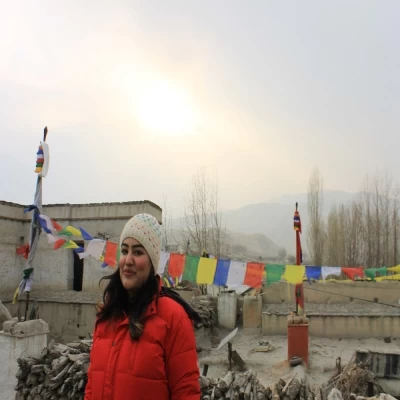
The trek winds through a surreal landscape of eroded sandstone cliffs, ancient cave monasteries carved directly into the rock face, whitewashed chortens, and medieval fortified villages that seem to have grown organically from the earth itself. The highest point of the standard Upper Mustang trek is around Lo Manthang at 3,840 meters, the walled medieval capital of the former Kingdom of Lo, though side trips and higher elevations can take trekkers considerably higher. What distinguishes this trek from others is less about raw altitude and more about the quality of the high-altitude experience: the dramatic landscape, the deep cultural authenticity, and the profound sense of stepping somewhere that most people will never see. The Upper Mustang region offers an extraordinary window into Tibetan Buddhist culture and traditions that remain largely untouched by modernity. The trek takes 12 to 14 days and requires both the standard permits and a special Upper Mustang restricted area permit.
Dhaulagiri Circuit Trek
Ask most casual Nepal trekkers about the Dhaulagiri Circuit, and you'll often be met with a blank stare, which tells you everything you need to know about why this trek belongs on your bucket list. The Dhaulagiri Circuit is the kind of trek that experienced Himalayan adventurers whisper about in the way that connoisseurs discuss a rare vintage wine it is not widely known, but those who have done it will tell you it is absolutely extraordinary. The circuit loops around Dhaulagiri, the world's seventh-highest peak at 8,167 meters, crossing the French Pass at approximately 5,360 meters and the dramatic Dhampus Pass at around 5,082 meters, both of which deliver panoramic views of the Dhaulagiri massif and the hidden valley of Dolpo below.
What makes this trek genuinely epic and demanding is the combination of technical terrain, very limited infrastructure, dramatic elevation gain, and the sheer remoteness of the route. This is not a tea house circuit in the traditional sense; significant sections require camping or basic shelter, and the trail passes through terrain that can involve snowfields and glacier navigation. It is, without question, a trek for the experienced and the prepared. But the rewards are immense, the Dhaulagiri Circuit offers a level of solitude and dramatic Himalayan scenery that rivals anything Nepal has to offer, precisely because so few trekkers ever make the effort to get there. The circuit typically takes 16 to 21 days, and it should be approached with the same level of preparation and respect you would bring to any serious high-altitude mountaineering endeavor.
Quick Comparison: All 9 High Altitude Treks at a Glance
Trek | Max Altitude | Duration | Difficulty | Best Season |
Everest Base Camp | 5,545m (Kala Patthar) | 14–16 days | Moderate–Hard | Mar–May / Sep–Nov |
Annapurna Circuit | 5,416m (Thorong La) | 12–21 days | Moderate–Hard | Mar–May / Sep–Nov |
Everest Three Passes | 5,535m (Kongma La) | 19–22 days | Hard | Mar–May / Sep–Nov |
Manaslu Circuit | 5,160m (Larkya La) | 14–18 days | Hard | Mar–May / Sep–Nov |
Kanchenjunga BC | 5,143m (Pangpema) | 19–26 days | Strenuous | Mar–May / Sep–Nov |
Annapurna Base Camp | 4,130m (ABC) | 7–12 days | Moderate | Mar–May / Sep–Nov |
Langtang Valley | 4,984m (Tsergo Ri) | 7–10 days | Moderate | Mar–May / Sep–Nov |
Upper Mustang | ~3,840m+ | 12–14 days | Moderate | Mar–Nov |
Dhaulagiri Circuit | 5,360m (French Pass) | 16–21 days | Very Hard | May / Sep–Oct |
Essential Tips for High Altitude Trekking in Nepal
Acclimatization
No piece of high-altitude trekking advice matters more than this: acclimatize properly, or pay the price. Acute Mountain Sickness (AMS) is a real and potentially life-threatening condition that can affect anyone — regardless of fitness level, age, or previous high-altitude experience. The golden rule is to never ascend more than 300 to 500 meters per day once you are above 3,000 meters, and to always build in scheduled rest days at key elevations. Think of acclimatization the way you'd think about compound interest. Every rest day you invest in the early stages of your trek pays dividends in the form of strength, health, and capability at higher elevations. The classic mantra is "climb high, sleep low" — hike to a higher elevation during the day, then return to a lower camp to sleep. Listen to your body, stay hydrated, and never ascend if you're experiencing symptoms of AMS, including persistent headache, nausea, dizziness, or shortness of breath at rest.
Permits, Gear & Getting There
Most trekking destinations in Nepal require a Trekkers' Information Management System (TIMS) Card and a National Park or Conservation Area Entry Permit. Restricted areas require an additional Restricted Area Permit (RAP), which must be obtained through a registered trekking agency. Your gear list should be taken absolutely seriously on any high-altitude Nepal trek. Layering systems for extreme cold, quality trekking boots with ankle support, trekking poles, a warm sleeping bag rated to at least -15°C, and a good first aid kit that includes Diamox (acetazolamide) for AMS prevention are all non-negotiable. Travel insurance that explicitly covers helicopter evacuation from high altitude is also essential, and non-negotiable rescues in Nepal can cost tens of thousands of dollars without coverage.
Conclusion
Nepal's high-altitude trekking routes are not merely trails on a map; they are transformational experiences that have a habit of permanently rewiring the way you see the world. From the iconic grandeur of Everest Base Camp to the wild, untouched frontier of Kanchenjunga, from the medieval wonder of Upper Mustang to the underrated epic of the Dhaulagiri Circuit, these nine treks represent the absolute pinnacle of what adventure travel has to offer anywhere on Earth. The mountains of Nepal have been calling people from every corner of the globe for decades, and they will keep calling because some places have a gravity that no amount of modern distraction can overcome. The only question worth asking yourself is: which trail are you putting your boots on first?
FAQs
1. What is the highest altitude reached on any trek in Nepal without mountaineering?
The highest non-technical trekking point accessible without mountaineering equipment is Kala Patthar at 5,545 meters on the Everest Base Camp trek route, though some experienced trekkers also summit Mera Peak (6,476m), which is considered a trekking peak.
2. Do I need prior trekking experience for high-altitude treks in Nepal?
It depends entirely on the trek. The Annapurna Base Camp and Langtang Valley treks are suitable for fit beginners with some hiking background. Treks like Kanchenjunga, Dhaulagiri Circuit, and Everest Three Passes are strictly for experienced trekkers with prior high-altitude exposure.
3. Is altitude sickness dangerous on Nepal treks, and how can I prevent it?
Altitude sickness is a serious risk on any trek above 3,000 meters. Prevention involves proper acclimatization, staying hydrated, ascending gradually, and considering Diamox (consult your doctor beforehand). Never ignore symptoms that worsen immediately.
4. What is the cheapest high-altitude trek in Nepal?
The Langtang Valley Trek is generally one of the most budget-friendly high-altitude options, with lower permit costs and a shorter duration. The Annapurna Base Camp Trek is also relatively affordable compared to more remote circuits.
5. Can I trek independently in Nepal, or do I need a guide?
Many popular treks like Everest Base Camp and Annapurna Circuit can technically be done independently, though a guide is strongly recommended for safety and navigation. However, restricted area treks, including Kanchenjunga, Upper Mustang, and Manaslu Circuit, legally require a licensed guide and agency-obtained permits.


.webp)