based on 270 reviews

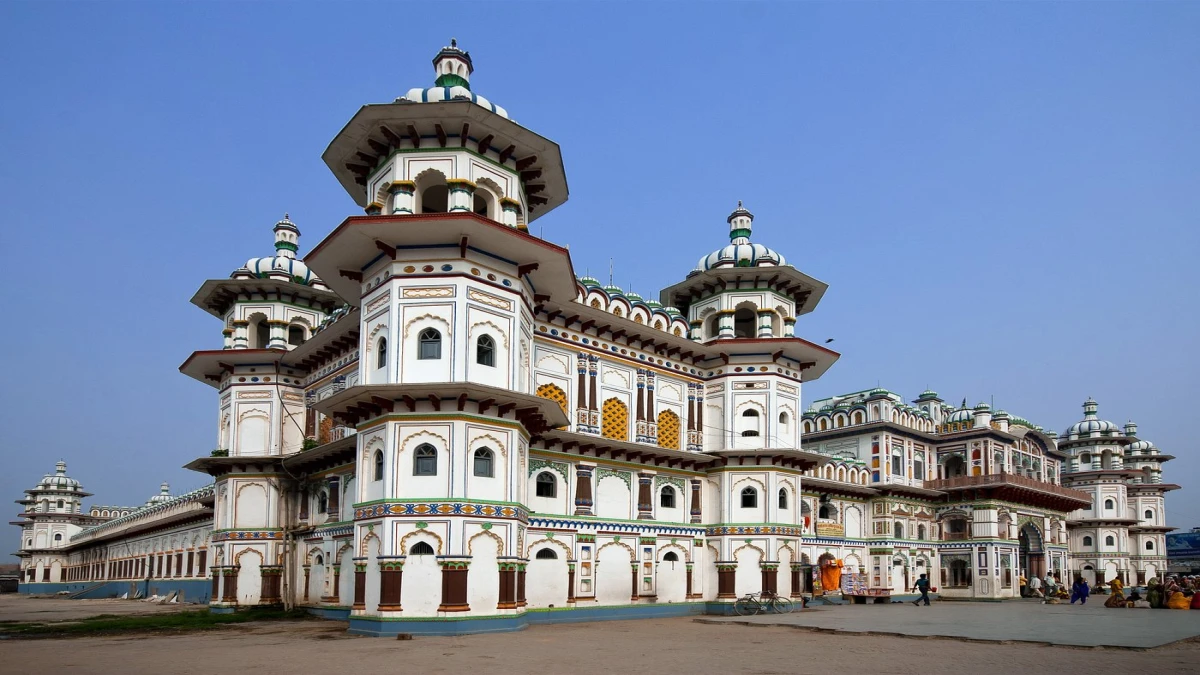
Janakpur, the sacred city of Mithila, sits in the Madhesh Province of southern Nepal, just a few kilometers north of the Indian border. It is one of the most spiritually significant cities in the Hindu world, believed to be the birthplace of Goddess Sita and the site of her marriage to Lord Ram. But Janakpur is far more than a pilgrimage destination. It is a living canvas of Mithila art, vibrant festivals, ancient ponds, a unique narrow-gauge railway, and a culture so deeply layered that travelers leave with the feeling they have only scratched the surface. This comprehensive guide covers everything a traveler needs to know, from what to see and when to go, to what to eat and how to get there.
Why Janakpur Deserves a Place on Every Traveler's Nepal Itinerary
Most visitors to Nepal head straight to Kathmandu, Pokhara, or the Himalayas. Janakpur is consistently overlooked, and that is precisely why it rewards those who make the effort. Here, tourism has not yet diluted the authenticity of daily life. The streets hum with devotional music, women paint elaborate Mithila art on the walls of their homes, and the ghats around the sacred ponds fill with pilgrims at dawn and dusk. Janakpur offers a window into a civilization that predates many of the world's great empires and continues to thrive on its own terms.
The Janaki Mandir: The Crown Jewel of Janakpur
No visit to Janakpur is complete without spending meaningful time at the Janaki Mandir, the grand temple dedicated to Goddess Sita, known locally as Janaki. Built in 1911 by Queen Vrisha Bhanu of Tikamgarh, this stunning structure is built in the Naukkatiya style, a unique blend of Rajput and Mughal architecture. Its 60 rooms, ornate spires, white marble facade, and intricate jali screens make it one of the most architecturally distinctive temples in South Asia.
The best time to visit the Janaki Mandir is during Ram Navami (the birthday of Lord Ram) or Vivah Panchami, the festival celebrating the marriage of Ram and Sita. During Vivah Panchami, held annually in November or December, a grand procession recreates the divine wedding with hundreds of thousands of devotees lining the streets. The energy is electric, devotional, and utterly unforgettable.
Practical tips for visiting the Janaki Mandir:
- Dress modestly, cover shoulders and legs
- Remove shoes before entering the temple complex
- Photography is restricted inside the inner sanctum
- Early morning (6–8 AM) and evening aarti (prayer ceremony) are the most atmospheric times to visit
The Sacred Ponds (Kunds) of Janakpur
Janakpur is ringed by 72 sacred ponds, of which around 20 remain well-maintained today. These kunds are not merely decorative, they are central to the religious life of the city. The most significant include:
- Gangasagar Kund — the largest and most frequented, surrounded by ghats where pilgrims bathe at sunrise
- Ram Sagar Kund — named for Lord Ram, located near the Janaki Mandir
- Dhanush Sagar and Dhanus Kund — associated with the mythological bow of Lord Ram
- Bibah Pond — believed to have been used during the divine wedding ceremony
Walking the circuit of these ponds at dawn, when mist rolls across the water and lamps flicker at the ghats, is one of the most meditative experiences Janakpur offers.
Mithila Art: A Living Tradition You Can Witness and Buy
Mithila painting, also called Madhubani art, is one of India and Nepal's most celebrated folk art traditions. What makes Janakpur unique is that here, this art is not confined to galleries. It is painted directly on the walls of homes, on temple facades, and on the streets during festivals. The motifs, fish, the sun and moon, lotus flowers, peacocks, and scenes from the Ramayana, are passed down through generations of women in the Mithila community.
The Janakpur Women's Development Centre (JWDC), established in 1989, is a must-visit for any traveler interested in this art form. It is a cooperative where local women produce and sell hand-painted Mithila artworks, from small cards and postcards to large canvases. Purchasing here directly supports the artisans and their families. Guided tours of the workshop are available and highly recommended.
The Janakpur Railway: Nepal's Only Functioning Narrow-Gauge Train
One of the most unexpectedly charming experiences in Janakpur is riding the Janakpur Railway, Nepal's only remaining narrow-gauge railway. Originally built in 1937 to transport timber, the line now connects Janakpur to Bijalpura and Jaynagar on the Indian border. The trains are old, slow, and delightfully rickety. Riding them through the flat Terai landscape, past mustard fields and small villages, is a journey back in time.
Train schedules are irregular and subject to change; check locally for current operating times. The experience is about the journey, not the destination.
Best Festivals to Experience in Janakpur
| Festival | When | What Happens |
|---|---|---|
| Vivah Panchami | Nov/Dec | Grand procession re-enacting Ram-Sita's divine wedding |
| Ram Navami | March/April | Celebration of Lord Ram's birth; major prayers at Janaki Mandir |
| Chhath Puja | Oct/Nov | Devotees worship the Sun God at the sacred ponds; thousands gather |
| Holi | Feb/March | Wildly colorful celebrations with unique Mithila traditions |
| Sama-Chakeva | Oct/Nov | Unique Mithila bird festival celebrating sibling bonds |
Vivah Panchami is the single most spectacular event in Janakpur's calendar. If there is one time to visit, it is during this festival, when the city hosts what is believed to be the world's largest Hindu wedding commemoration.
What to Eat in Janakpur: A Taste of Mithila Cuisine
The food culture of Janakpur is rooted in Maithil cuisine, which is distinct from both Nepali hill food and North Indian food. Travelers should seek out:
- Thekua — a sweet, deep-fried wheat and jaggery cookie, especially prominent during Chhath Puja
- Dahi Chura — beaten rice with thick curd, a beloved Terai breakfast
- Sattu — roasted gram flour eaten with water or molded into laddus; incredibly nutritious
- Dal Bhat with Tarkari — the Maithil version uses mustard oil and unique spice blends quite different from Kathmandu's preparation
- Malpua — a sweet fried pancake soaked in sugar syrup, served during festivals
- Fish curry — the Terai rivers supply fresh fish, and Maithil fish curry cooked with mustard paste is exceptional
Street food stalls around the Janaki Mandir and Gangasagar Kund offer affordable, authentic options. Look for chaat vendors and puri-sabzi stalls in the early morning.
Where to Stay in Janakpur
Accommodation in Janakpur ranges from budget guesthouses to mid-range hotels. For most travelers, the following areas offer the most convenient base:
- Near Janaki Mandir — walking distance to the temple and central ponds; ideal for pilgrims and cultural travelers
- Bus Park area — good for transport connections
Notable options include Hotel Welcome Janakpur, Hotel Rama, and several dharamshalas (pilgrim rest houses) that offer clean, basic accommodation for devotees. During major festivals, book well in advance as the city's capacity is stretched significantly.
How to Get to Janakpur
By Air: Janakpur Airport (JKR) has scheduled flights from Kathmandu operated by Buddha Air and Yeti Airlines. The flight takes approximately 25–35 minutes and offers stunning views of the Terai plains. This is the fastest and most comfortable option.
By Road: Regular tourist and public buses connect Kathmandu to Janakpur. Journey time is approximately 6–8 hours, depending on road conditions. Night buses are available. The Kathmandu–Janakpur highway passes through scenic hill roads before descending to the flat Terai.
From India: Janakpur is directly accessible from Jaynagar in Bihar, India, via road. This makes it an easy side trip for Indian pilgrims and travelers visiting nearby destinations.
Practical Travel Tips for Janakpur
- Best time to visit: October to March offers the most pleasant weather. Monsoon (June–August) brings heavy rain and heat. Winter (December–February) is cool but manageable.
- Currency: Nepali Rupee (NPR). ATMs are available but can be unreliable, carry sufficient cash.
- Language: Maithili is the dominant local language. Nepali is widely understood. Hindi is very commonly spoken given its proximity to India.
- Connectivity: Mobile networks (Ncell, NTC) work well. WiFi is available at most hotels.
- Dress respectfully: Janakpur is a deeply religious city. Modest dress is appreciated and expected at religious sites.
- Hiring a local guide: A local guide significantly enriches the experience, especially for understanding the religious and cultural context of what you are seeing. Rates are affordable.
Beyond the City: Day Trips from Janakpur
- Dhanushadham — approximately 17 km from Janakpur, this is the site where Lord Ram's bow is believed to have broken. A major temple complex marks the spot and is visited by thousands of pilgrims.
- Jaleshwar — a short drive away, this Shiva temple draws devotees from across Madhesh and Bihar.
- Bardibas and Sindhuli Road — for travelers who want to combine Janakpur with a scenic journey back toward Kathmandu through the Sindhuli corridor.
Why Janakpur Stands Apart
What makes Janakpur genuinely extraordinary is the unbroken continuity of its civilization. The Mithila culture documented in the Ramayana, the art, the rituals, the wedding songs, and the sacred ponds, is not a recreation for tourists. It is the living, breathing daily reality of hundreds of thousands of people. When we walk through Janakpur, we walk through a culture that has maintained its identity through centuries of change. That resilience, combined with the city's genuine warmth toward visitors, makes Janakpur not just a destination but an experience that recalibrates the way we understand faith, art, and community.
Plan your visit, take your time, and let Janakpur show you what it truly means to travel somewhere that is still, beautifully and defiantly, itself.
This travel guide is curated to help travelers experience Janakpur authentically and respectfully. We encourage sustainable and culturally sensitive tourism in this sacred city. If you need any information regarding the place, do contact All Nepal Hiking.