based on 270 reviews

Why a Kathmandu Sightseeing Tour Should Be at the Top of Your Travel Bucket List
If there's one city in the world that effortlessly blends the ancient with the modern, the sacred with the street-smart, it's Kathmandu. A Kathmandu sightseeing tour isn't just a travel itinerary; it's a soul-stirring journey through centuries of Himalayan civilization, vibrant Hindu and Buddhist traditions, and some of the most jaw-dropping architecture you'll ever lay eyes on.
Kathmandu, the capital of Nepal, sits at an altitude of approximately 1,400 meters (4,600 feet) in a lush valley surrounded by the majestic Himalayan range. It's a city where rickshaws weave through narrow medieval alleys, where the aroma of incense mingles with the smell of freshly baked bread, and where a World Heritage Site might be standing right next to a trendy café. That's the magic of Kathmandu, it doesn't just offer sightseeing; it offers an experience that stays with you long after you've returned home.
Tourism has been the backbone of Nepal's economy for decades, and Kathmandu is its undisputed crown jewel. According to the Nepal Tourism Board, the Kathmandu Valley alone is home to seven UNESCO World Heritage Sites, a concentration of cultural treasure that's virtually unmatched anywhere else on the planet. Whether you're a history buff, an architecture enthusiast, a spiritual seeker, or simply a curious traveler, a Kathmandu sightseeing tour has something extraordinary to offer you.
What makes Kathmandu truly special is its accessibility. You don't need to be an experienced trekker or an adventure junkie to enjoy the city's wonders. Most major sights are relatively close to each other, making it entirely possible to cover multiple highlights in a single day. The city's tourism infrastructure has improved dramatically in recent years, with better roads, more English-speaking guides, and a wider variety of accommodations catering to every budget.
Here's a quick snapshot of what makes Kathmandu an unmissable destination:
- 7 UNESCO World Heritage Sites within a compact valley
- A living tapestry of Hindu and Buddhist culture and traditions
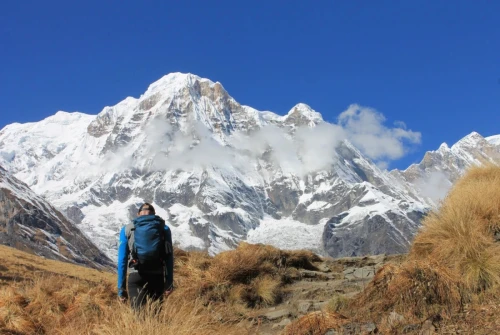
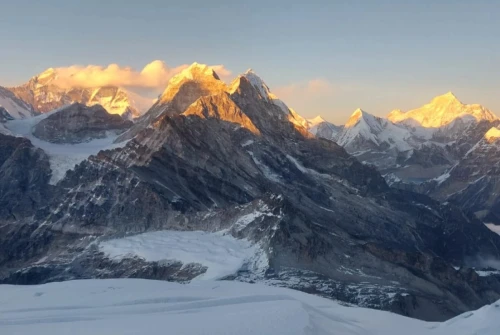
- Dramatic Himalayan backdrops are visible from within the city
- A thriving scene for adventure sports, cuisine, and shopping
- Gateway to some of the world's most celebrated trekking routes
Simply put, if you're planning a trip to Nepal, your Kathmandu sightseeing tour is where the adventure truly begins.
The Rich History and Culture Behind Kathmandu's Iconic Landmarks
To truly appreciate a Kathmandu sightseeing tour, you've got to understand the rich historical tapestry that gives these sites their extraordinary meaning. Kathmandu Valley has been continuously inhabited for over 2,000 years, with its history stretching back to the Kirat, Licchavi, and Malla dynasties. Each ruling era left behind a remarkable architectural and cultural legacy, and you'll see evidence of all of them as you explore the city.
The Malla dynasty, in particular, deserves special mention. Ruling from the 12th to the 18th centuries, the Malla kings were prolific builders and patrons of the arts. They constructed the famous Durbar Squares, royal palace complexes that served as the centers of political, cultural, and religious life. When the Shah dynasty unified Nepal in the 18th century under Prithvi Narayan Shah, many of these traditions were preserved, allowing today's visitors to experience an architectural heritage that's genuinely 700+ years old.
Kathmandu's culture is a fascinating fusion of Hinduism and Buddhism. Unlike many parts of the world where different religions exist side by side with tension, in Kathmandu, Hindus and Buddhists have lived harmoniously for centuries, often sharing temples and festivals. This spiritual synergy is something you'll feel immediately as you walk through the city's streets. It's peaceful, inclusive, and profoundly human.
The 2015 earthquake caused devastating damage to many of Kathmandu's heritage sites, but reconstruction efforts have been ongoing, and today most major landmarks have been painstakingly restored. Visiting Kathmandu now means witnessing a city that's both honoring its past and building toward its future, a truly inspiring sight in itself.
Pashupatinath Temple: The Sacred Heart of Hindu Nepal
No Kathmandu sightseeing tour is complete without a visit to Pashupatinath Temple, one of the most sacred Hindu shrines in the entire world. Dedicated to Lord Pashupatinath, a manifestation of the Hindu god Shiva, this temple complex sits on the banks of the holy Bagmati River and draws hundreds of thousands of pilgrims and tourists every single year.
The main temple, built in the pagoda style and adorned with intricate wood carvings and golden rooftops, dates back to the 5th century CE, though the site itself has been sacred for far longer. Non-Hindus are not permitted inside the main temple, but the sprawling complex offers plenty of awe-inspiring sights for all visitors, including:
- Burning Ghats: The riverside cremation platforms where Hindu funeral rites are conducted openly. Witnessing this is a profound, humbling, and deeply respectful experience that offers a unique perspective on life, death, and the cycle of existence.
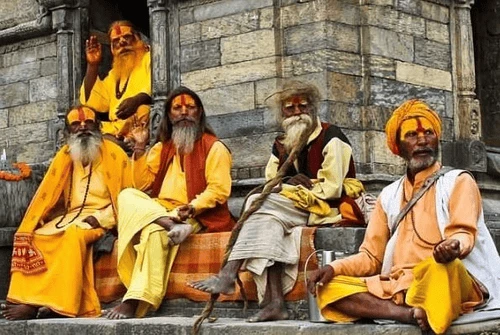
- Sadhus: Holy men with painted faces and flowing robes who gather here in large numbers, particularly during the festival of Maha Shivaratri.
- Smaller shrines and temples: Over 500 smaller temples and shrines dot the complex, each with its own significance and story.
- Deer Park: Located across the river, this peaceful garden-like area offers a lovely view of the main temple.
The best time to visit Pashupatinath is early morning, when the atmosphere is at its most spiritual, and the light is beautifully soft. Hiring a knowledgeable local guide here is highly recommended; the layers of mythology, ritual, and history are genuinely fascinating and best understood with an expert explanation.
Boudhanath Stupa: Where Spirituality Meets Serenity
Standing 36 meters (118 feet) tall, Boudhanath Stupa is one of the largest Buddhist stupas in the world and arguably the most iconic image associated with Kathmandu. Recognized as a UNESCO World Heritage Site, this magnificent structure dominates the skyline of its surrounding neighborhood and serves as the spiritual center for Nepal's Tibetan Buddhist community.
The stupa's design is deeply symbolic. Its white dome represents the earth, while the square harmika above it depicts the four faces of the all-seeing Buddha gazing out in each cardinal direction. Rising above this is a conical spire of 13 steps, symbolizing the 13 stages to enlightenment, topped with a golden pinnacle.
Walking the kora, the ritual circumambulation of the stupa, is an experience unlike any other. Join the steady stream of monks in crimson robes, elderly pilgrims spinning prayer wheels, and local families all moving clockwise around the base while chanting mantras. The meditative quality of this practice is contagious, and even first-time visitors often find themselves slowing down, breathing deeply, and feeling genuinely at peace.
The streets surrounding Boudhanath are lined with Tibetan shops selling:
| Item | Approximate Price (NPR) |
|---|---|
| Singing Bowls | 500 – 5,000 |
| Thangka Paintings | 1,500 – 50,000+ |
| Prayer Flags | 100 – 500 |
| Pashmina Shawls | 800 – 3,000 |
| Mala Beads | 200 – 2,000 |
There are also dozens of excellent rooftop cafés where you can sip butter tea or a strong Americano while gazing directly at the stupa, a treat for both the soul and the Instagram feed.
Swayambhunath (Monkey Temple): A Hilltop Marvel with Panoramic Views
Perched on a hilltop 77 meters above the Kathmandu Valley, Swayambhunath, affectionately known as the Monkey Temple, is one of the oldest and most revered religious sites in Nepal. Dating back at least 2,000 years, it's a UNESCO World Heritage Site that holds deep significance for both Hindus and Buddhists alike.
Getting to Swayambhunath involves climbing 365 stone steps (one for each day of the year, as locals like to say). The steps are lined with statues of deities and prayer wheels, making the climb itself a spiritual exercise. And yes, you'll absolutely encounter the resident troops of rhesus macaque monkeys along the way, bold, mischievous, and utterly entertaining.
At the top, the rewards are spectacular:
- The Great Stupa, with its watchful eyes painted on all four sides
- Panoramic views of the entire Kathmandu Valley, particularly breathtaking at sunrise or during the monsoon when clouds drift through the hills
- A collection of shrines, temples, and monasteries spanning both Hindu and Buddhist traditions
- The Shantipur Shrine, said to house a tantric deity whose powers can bring rain
The sunrises from Swayambhunath are particularly legendary. Set your alarm early, make the climb as dawn breaks, and you'll witness a golden light slowly illuminate the valley below while monks begin their morning prayers — one of those travel moments you'll remember for the rest of your life.
Kathmandu Durbar Square: A Living Museum of Royal Architecture
Right in the heart of old Kathmandu lies Kathmandu Durbar Square (also known as Hanuman Dhoka Durbar Square), a UNESCO World Heritage Site and one of the most remarkable public spaces in all of Asia. This is where Nepal's kings were once crowned and where the city's ancient power resided for centuries.
The square is an open-air museum of pagoda-style temples, royal palaces, and public courtyards dating primarily from the 15th to 18th centuries. Key highlights include:
- Hanuman Dhoka Palace: The old royal palace complex, named after the statue of Lord Hanuman that guards its entrance. Parts of the palace are now open as a museum showcasing royal artifacts and historical exhibits.
- Taleju Temple: One of the tallest and most beautiful temples in the square, dedicated to the royal goddess Taleju. It's only open to the public during the Indra Jatra festival.
- Kumari Chowk: Home to the Kumari, Nepal's living goddess, a young girl believed to be the human embodiment of the divine goddess Taleju. You might catch a glimpse of her at the ornately carved window overlooking the courtyard.
- Kal Bhairav: A fearsome six-armed stone statue of the god Bhairav, said to be so powerful that anyone who lies in its presence will cough blood.
- Kasthamandap: The ancient wooden pavilion from which Kathmandu gets its name. The structure was tragically destroyed in the 2015 earthquake and has since been rebuilt.
Durbar Square is genuinely alive; locals conduct daily business here, festivals are celebrated in its courtyards, and children play around its ancient fountains. It's not a dead museum; it's a breathing, living piece of cultural heritage, which makes visiting it all the more special.
Patan Durbar Square: Art, Craft, and Ancient Splendor
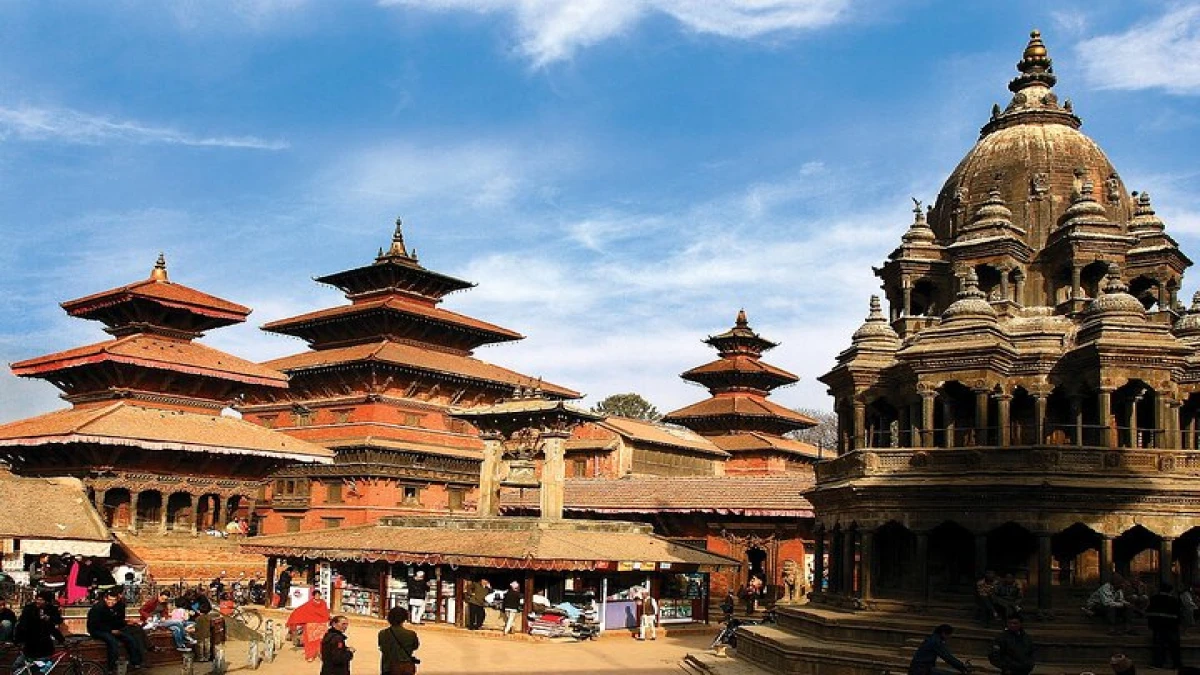
Just across the Bagmati River from Kathmandu lies Patan (also called Lalitpur, meaning "City of Beauty"), home to another extraordinary Durbar Square. Widely considered to be the most refined and artistically rich of the three Durbar Squares in the Kathmandu Valley, Patan Durbar Square is a paradise for lovers of Newari architecture and traditional craftsmanship.
The square is dominated by a row of stunning temples, the Krishna Mandir (built entirely of stone in the Shikhara style), the Golden Temple, and the octagonal Taleju Bell, among others. The Patan Museum, housed within the old royal palace, is widely regarded as one of the finest museums in South Asia, with a world-class collection of bronze sculptures, religious artifacts, and architectural elements presented in beautifully restored courtyards.
Patan has long been Nepal's center for metal craftsmanship, and you'll find workshops throughout the city where artisans still practice centuries-old techniques of bronze casting, repoussé metalwork, and thangka painting. Shopping for authentic Nepali handicrafts here is a far more rewarding experience than buying mass-produced souvenirs in tourist shops.
Bhaktapur Durbar Square: Nepal's Best-Preserved Medieval City
If Patan is refined, Bhaktapur is awe-inspiring. Located about 13 kilometers east of Kathmandu, Bhaktapur Durbar Square (UNESCO World Heritage Site) is often described as Nepal's best-preserved medieval city, and it's easy to see why. The square feels like you've stepped back in time, with brick-paved streets, ancient temples, and craftsmen working in traditional ways line every alley.
Bhaktapur's signature attractions include:
- 55 Window Palace: Named for its extraordinary carved wooden windows, this medieval royal palace is an architectural masterpiece.
- Nyatapola Temple: The tallest temple in Nepal at 30 meters, this five-tiered pagoda is a breathtaking sight that dominates the Taumadhi Square.
- Pottery Square: Where you can watch potters shaping clay using traditional foot-powered wheels, just as their ancestors did centuries ago.
- Peacock Window: Considered the finest example of Newari wood carving in existence, a true marvel of artistic genius.
Don't forget to try Juju Dhau (King Curd), Bhaktapur's famous yogurt made in clay pots, a local specialty that's been perfected over generations and absolutely must be tasted.
Beyond the Temples: Hidden Gems on Your Kathmandu Sightseeing Tour
While the UNESCO sites rightfully steal the spotlight, a truly great Kathmandu sightseeing tour digs a little deeper. The city has plenty of lesser-known treasures that reward the curious traveler with quieter, more intimate experiences.
Garden of Dreams: Kathmandu's Secret Oasis of Calm
Tucked away just steps from the bustling Thamel tourist district, the Garden of Dreams (Kaiser Garden) is one of Kathmandu's best-kept secrets. Built in the early 20th century by Field Marshal Kaiser Sumsher Rana, this neo-classical garden fell into disrepair for decades before being beautifully restored with Austrian assistance in 2006.
Today, it's a serene escape from the city's noise and traffic. Winding pathways lead through manicured lawns, ornamental fountains, pavilions, and a charming outdoor café where you can enjoy a meal or a cup of tea amid lush greenery. The contrast between the garden's tranquility and Thamel's chaos just outside its walls is remarkable. Entry costs NPR 400 for foreigners, genuinely worth every rupee.
Narayanhiti Palace Museum: Step Inside Nepal's Royal History
The Narayanhiti Palace served as the official residence of Nepal's Shah dynasty monarchs for centuries. It was here, in 2001, that the country was stunned by the tragic royal massacre that claimed the lives of King Birendra and several members of the royal family. Following the abolition of the monarchy in 2008, the palace was converted into a public museum.
Touring the museum's ornate state rooms, royal apartments, and ceremonial halls offers a fascinating and at times deeply moving window into Nepal's modern history. The combination of royal grandeur and political drama makes this one of Kathmandu's most compelling and thought-provoking stops.
Thamel: The Vibrant Beating Heart of Kathmandu's Tourism
No visit to Kathmandu would be complete without spending time in Thamel, the city's legendary tourist district. Whether you need trekking gear, a good meal, a live music venue, or a cozy guesthouse, Thamel has you covered, and then some.
This labyrinthine neighborhood is a sensory overload in the very best way. Streets are crammed with shops selling everything from North Face jackets to Tibetan jewelry, restaurants serving everything from momo dumplings to wood-fired pizza, and rooftop bars where travelers from around the world swap stories over cold bottles of Everest beer.
Key things to do in Thamel include:
- Shopping: Bargain for trekking gear, pashminas, thangkas, and souvenirs
- Eating: Try local Newari cuisine at traditional restaurants or explore international options
- Live Music: Several bars feature nightly live music covering everything from classic rock to traditional Nepali folk songs
- Bookshops: Thamel has several excellent bookshops with fantastic selections on Nepal, Himalayan culture, and mountaineering
Thamel is best explored on foot, ideally in the evening when the streets light up, and the energy is electric. Keep an eye on your belongings and be prepared to politely but firmly decline touts. Thamel's hustle is part of its charm, but a little street savvy goes a long way.
How to Plan the Perfect Kathmandu Sightseeing Tour Itinerary
Planning your Kathmandu sightseeing tour doesn't have to be overwhelming. Here's a practical day-by-day framework that covers the highlights efficiently without burning you out:
3-Day Kathmandu Sightseeing Itinerary
| Day | Morning | Afternoon | Evening |
|---|---|---|---|
| Day 1 | Pashupatinath Temple, Boudhanath Stupa | Narayanhiti Palace Museum, Garden of Dreams | Thamel exploration & dinner |
| Day 2 | Swayambhunath (sunrise), Kathmandu Durbar Square | Patan Durbar Square & Museum | Patan evening walk |
| Day 3 | Bhaktapur Durbar Square (full day) | Pottery Square, Nyatapola Temple | Return to Kathmandu, farewell dinner |
Best Time to Visit Kathmandu for Sightseeing
The best times for a Kathmandu sightseeing tour are:
- October – November (Autumn): Arguably the best season. Skies are clear, temperatures are mild (15–25°C), and the air is fresh after the monsoon. Mountain views are spectacular, and major festivals like Dashain and Tihar add cultural richness.
- March – May (Spring): Another excellent window. Rhododendrons bloom across the hills, temperatures are warm, and the atmosphere is festive. Some haze may reduce mountain visibility.
- Avoid: June – September (Monsoon) brings heavy rainfall and muddy conditions, though the landscape is lush and crowds are thin. December – February can be cold, especially at night, but it's also the least crowded period with lower prices.
Getting Around Kathmandu: Transportation Tips for Tourists
Navigating Kathmandu's traffic can be an adventure in itself. Here are your main options:
- Taxi: The most convenient option. Always insist on using the meter or agree on a fare before getting in. Apps like Pathao and InDrive work well in Kathmandu.
- Rickshaw: Great for short distances within Thamel or old Kathmandu. Good for soaking up the atmosphere.
- Local Bus: Very cheap but crowded and confusing for first-time visitors. Not generally recommended for tourists.
- Motorbike/Scooter Rental: Possible with an international license. Gives you maximum flexibility but requires confidence navigating chaotic traffic.
- Guided Tour: Many operators offer full-day or multi-day sightseeing tours with private vehicles and English-speaking guides. Often, the most stress-free and informative option.
Essential Travel Tips for a Safe and Enjoyable Kathmandu Sightseeing Tour
A little preparation goes a long way in Kathmandu. Keep these tips in mind:
- Dress respectfully: Shoulders and knees should be covered when entering temples and religious sites. Carry a light scarf or shawl as a backup.
- Stay hydrated: Drink only bottled or filtered water. Kathmandu's tap water is not safe for tourists.
- Carry cash: While some hotels and restaurants accept cards, many smaller shops and entry points are cash-only. Keep Nepali rupees on hand.
- Haggle politely: Bargaining is expected in markets, but always do it with a smile and good humor.
- Watch out for altitude: Kathmandu sits at 1,400 meters. Most people feel fine here, but if you're planning an onward trek, take acclimatization seriously.
- Use reputable guides: Hiring a licensed guide through an accredited agency ensures quality, supports the local economy, and is far safer than accepting services from unlicensed touts.
- Photography etiquette: Always ask permission before photographing people, especially at religious sites and cremation ghats. Some temples charge an additional photography fee.
- Purchase a tourist pass: The Kathmandu Valley Heritage Pass covers entry to all major UNESCO sites and is excellent value for multi-day visitors.
Frequently Asked Questions About Kathmandu Sightseeing Tours
1. How many days do I need for a Kathmandu sightseeing tour?
Most travelers find that 3 to 5 days is ideal for covering Kathmandu's major highlights, including the three Durbar Squares, key stupas and temples, and some local neighborhoods. If you want to include day trips to nearby destinations like Nagarkot or Dhulikhel, add another day or two.
2. How much does a Kathmandu sightseeing tour cost?
Budget travelers can explore Kathmandu quite affordably. The Kathmandu Valley Heritage Pass (which covers all UNESCO sites) costs approximately NPR 1,500 (around USD 11) for a multisite entry. A full-day private guided tour typically ranges from USD 30 to 80, depending on the operator and what's included. Accommodation ranges from USD 10/night for a decent guesthouse to USD 150+/night for luxury hotels.
3. Is Kathmandu safe for solo travelers?
Yes, Kathmandu is generally considered safe for solo travelers, including solo female travelers. Standard urban precautions apply, stay aware of your surroundings, avoid poorly lit areas at night, and use reputable transportation. The city has a well-established tourism infrastructure, and locals are generally welcoming and helpful.
4. What's the entry fee for major sights on a Kathmandu sightseeing tour?
Here's a quick reference table:
| Attraction | Entry Fee (Foreigners) |
|---|---|
| Pashupatinath Temple Area | NPR 1,000 |
| Boudhanath Stupa | NPR 400 |
| Swayambhunath | NPR 200 |
| Kathmandu Durbar Square | Included in Heritage Pass |
| Patan Durbar Square | Included in Heritage Pass |
| Bhaktapur Durbar Square | NPR 1,500 (separate) |
| Garden of Dreams | NPR 400 |
5. Do I need a visa to visit Kathmandu?
Most nationalities can obtain a tourist visa on arrival at Tribhuvan International Airport in Kathmandu. A 15-day visa costs USD 30, a 30-day visa costs USD 50, and a 90-day visa costs USD 125. Citizens of India do not require a visa. Always check the latest visa requirements on the Nepal Department of Immigration website before traveling.
6. What should I eat during my Kathmandu sightseeing tour?
Kathmandu's food scene is wonderfully diverse. Must-try local dishes include:
- Momo: Nepal's beloved steamed or fried dumplings, available on virtually every street corner
- Dal Bhat: The Nepali staple of lentil soup, rice, vegetables, and pickles, nutritious, filling, and delicious
- Newari Cuisine: Particularly notable for dishes like Bara (lentil pancakes), Choila (spiced buffalo meat), and Yomari (sweet rice-flour dumplings)
- Juju Dhau: Bhaktapur's famous king curd, don't miss it!
- Butter Tea: A warming Tibetan specialty available throughout Boudhanath
Conclusion
A Kathmandu sightseeing tour is, without question, one of the most rewarding travel experiences available anywhere in the world. From the sacred ghats of Pashupatinath to the meditative circles of Boudhanath, from the royal courts of the three Durbar Squares to the hidden garden oases and vibrant streets of Thamel, Kathmandu offers a depth of experience that simply can't be summarized in a checklist.
What makes this city truly extraordinary is not just the density of its historical and cultural landmarks, but the living, breathing community that surrounds them. Kathmandu isn't a museum; it's a city in motion, full of people who've been practicing ancient traditions for millennia and who continue to find profound meaning in them today. As a visitor, you're not just an observer; you're a participant in something much larger and older than yourself.
So start planning, book that flight, and get ready for an adventure that'll change the way you see the world. Kathmandu is waiting, and it's even more magnificent than you've imagined.
Disclaimer: Prices, entry fees, and visa requirements mentioned in this article are approximate and subject to change. Always verify current information with official sources or your tour operator before traveling.


.webp)
.webp)