based on 270 reviews


What is the Total Distance of the Everest Base Camp Trek?
The Everest Base Camp trek distance spans approximately 130 kilometers (80.7 miles) round trip from Lukla to Everest Base Camp and back. This measurement represents the physical path trekkers navigate through the magnificent Khumbu region of Nepal, traversing suspension bridges, ascending steep mountain trails, and crossing through traditional Sherpa villages. We emphasize that this distance varies slightly depending on the specific route chosen, side trips taken, and navigational adjustments made during the journey.
The trek typically begins at Lukla airport at 2,860 meters (9,383 feet) and culminates at Everest Base Camp situated at 5,364 meters (17,598 feet). Understanding the distance involved proves essential for proper preparation, as the physical challenge extends beyond mere kilometers to encompass significant elevation gain, challenging terrain, and the effects of high altitude on the human body.
How Long Does it Take to Complete the Everest Base Camp Trek?
The standard Everest Base Camp trek duration ranges from 12 to 14 days, though some expeditions extend to 16 days to allow for better acclimatization. We recommend this timeframe because it provides adequate days for gradual altitude adjustment, which significantly reduces the risk of acute mountain sickness (AMS). The itinerary typically allocates two dedicated acclimatization days, one at Namche Bazaar (3,440m) and another at Dingboche (4,410m).
Daily trekking distances vary considerably throughout the journey. On average, trekkers cover between 10 to 15 kilometers per day, with walking times ranging from 5 to 7 hours daily. However, these figures represent horizontal distance only; the vertical elevation changes add substantial difficulty to each day's trek. Days involving significant altitude gain require slower pacing and more frequent rest stops, effectively extending the time needed to complete shorter distances.
What is the Day-by-Day Distance Breakdown of the Trek?
We provide a comprehensive day-by-day analysis of the Everest Base Camp trek distance breakdown to help you understand what each segment entails:
Day 1: Lukla to Phakding – Approximately 8 kilometers (5 miles). This gentle descent follows the Dudh Kosi River and serves as a warm-up day, allowing trekkers to adjust to the trekking rhythm while descending from 2,860m to 2,610m.
Day 2: Phakding to Namche Bazaar – Approximately 11 kilometers (6.8 miles). This challenging day involves crossing multiple suspension bridges and a steep 600-meter ascent to reach the vibrant trading hub of Namche Bazaar at 3,440m.
Day 3: Acclimatization Day at Namche Bazaar – Optional 5-7 kilometer hike. We strongly recommend the acclimatization hike to Everest View Hotel (3,880m) or the Khumjung village, which follows the principle of "climb high, sleep low."
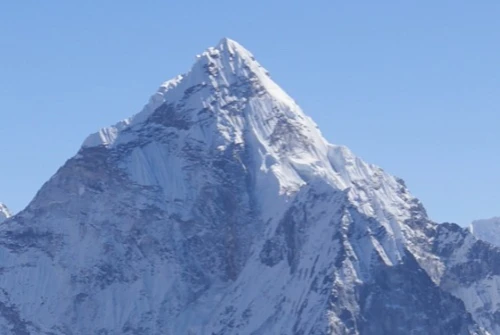
Day 4: Namche Bazaar to Tengboche – Approximately 10 kilometers (6.2 miles). The trail descends to the Dudh Kosi River before climbing steadily to Tengboche Monastery at 3,860m, offering spectacular views of Ama Dablam, Everest, and Lhotse.
Day 5: Tengboche to Dingboche – Approximately 9 kilometers (5.6 miles). This segment traverses alpine terrain, passing through Pangboche and ascending gradually to the agricultural village of Dingboche at 4,410m.
Day 6: Acclimatization Day at Dingboche – Optional 4-5 kilometer hike. The recommended acclimatization hike to Nagarjun Hill (5,100m) provides stunning panoramic views and helps the body adjust to higher elevations.
Day 7: Dingboche to Lobuche – Approximately 8 kilometers (5 miles). The trail passes through the Thukla Pass memorial to fallen climbers before reaching Lobuche at 4,940m, situated in a dramatic glacial valley.
Day 8: Lobuche to Gorak Shep to Everest Base Camp and return to Gorak Shep – Approximately 15 kilometers (9.3 miles) total. This demanding day includes trekking to Gorak Shep (5,164m), then to Everest Base Camp (5,364m), and returning to Gorak Shep for overnight accommodation.
Day 9: Gorak Shep to Kala Patthar and descent to Pheriche – Approximately 16 kilometers (10 miles). The early morning ascent of Kala Patthar (5,545m) provides the best viewpoint for Everest photography before descending significantly to Pheriche at 4,371m.
Days 10-12: Return Journey – The return trek to Lukla covers approximately 40 kilometers over three days, retracing the route through Namche Bazaar and Phakding, typically moving faster as the body has adjusted and elevation decreases.
What Factors Affect the Actual Trekking Distance?
Several variables influence the actual distance covered during the Everest Base Camp trek beyond the baseline measurements. We identify these critical factors that every trekker should consider:
Route variations significantly impact total distance. Some trekkers opt for alternative routes like the Gokyo Lakes circuit or the Three Passes trek, which substantially increase both distance and duration. Side trips to locations such as Chukhung Valley or Ama Dablam Base Camp add kilometers to the standard itinerary.
Acclimatization hikes represent additional distance not always calculated in the main trek measurements. These excursions typically add 15-20 kilometers to the total journey but prove invaluable for safe altitude adjustment and successful summit achievement.
Individual pace and fitness levels affect not the distance itself but how that distance feels. Well-conditioned trekkers may find the distances manageable, while those less prepared might struggle with even modest daily targets. We emphasize that cardiovascular fitness, strength training, and previous trekking experience all contribute to how one experiences the trek distance.
Weather conditions and trail variations can necessitate route adjustments. During monsoon season or heavy snowfall, alternative paths may be required, potentially altering the distance covered. Trail erosion, landslides, or construction can also create temporary detours.
How Does Elevation Gain Compare to Horizontal Distance?
Understanding the cumulative elevation gain provides crucial context for the trek's difficulty beyond simple distance metrics. The total elevation gain from Lukla to Everest Base Camp exceeds 2,500 meters (8,200 feet), distributed unevenly across the trek days.
We stress that vertical distance challenges the body differently than horizontal distance. Climbing 500 meters vertically while covering 5 kilometers horizontally demands far more energy and cardiovascular effort than walking 10 kilometers on level terrain. The body's oxygen consumption increases dramatically with elevation, making each step progressively more demanding as altitude increases.
The descent component also merits consideration, with approximately 2,500 meters of elevation loss on the return journey. Downhill trekking stresses different muscle groups, particularly the quadriceps and knees, and requires careful foot placement to prevent injury on rocky, uneven terrain.
What is the Physical Difficulty Level of the Trek Distance?
The Everest Base Camp trek difficulty receives a classification of moderate to challenging, though this assessment depends heavily on individual fitness levels and altitude tolerance. The daily distances themselves appear manageable on paper, but the combination of distance, elevation, altitude, and consecutive trekking days creates cumulative fatigue.
We categorize the physical demands as follows: cardiovascular endurance ranks as the most critical fitness component, as the thin air at high altitude forces the heart and lungs to work significantly harder. Muscular endurance, particularly in the legs and core, becomes essential for maintaining stability on uneven terrain over multiple hours daily. Mental resilience proves equally important, as the repetitive nature of multi-day trekking challenges psychological stamina.
The altitude factor distinguishes this trek from similar-distance treks at lower elevations. At Everest Base Camp, the available oxygen represents approximately 50% of sea-level oxygen content, forcing the body to adapt its respiratory and circulatory functions. This physiological stress adds substantially to the perceived difficulty of covering even modest distances.
How Should You Train for the Trek Distance?
Proper preparation for the Everest Base Camp trek distance requires a comprehensive training program beginning at least 3-4 months before departure. We recommend a multi-faceted approach addressing cardiovascular fitness, strength, and altitude-specific preparation.
Cardiovascular training should form the foundation of your preparation regimen. We suggest incorporating long-duration activities such as hiking, running, cycling, or stair climbing for 45-60 minutes, 4-5 times weekly. Gradually increase both duration and intensity, building toward multi-hour sessions that simulate trek conditions.
Strength training targeting the legs, core, and upper body supports trekking performance and injury prevention. Exercises including squats, lunges, step-ups, and core stabilization movements performed 2-3 times weekly build the muscular endurance needed for sustained uphill and downhill walking.
Practice hikes with elevation gain provide the most specific preparation for trek conditions. We recommend completing several training hikes covering 15-20 kilometers with 800-1,000 meters of elevation gain while carrying a loaded backpack approximating your trek daypack weight (5-8 kilograms).
Altitude preparation options include training at elevation if accessible, using altitude simulation systems, or arriving in Nepal several days early to begin acclimatization before the trek commences. While not always possible, any pre-acclimatization significantly improves trek performance and success rates.
What Equipment Considerations Relate to Trek Distance?
The equipment and gear required for the Everest Base Camp trek must balance functionality with weight, as every kilogram carried affects your daily energy expenditure over the total trek distance. We outline essential considerations:
Footwear selection represents the most critical equipment decision. Well-fitting, broken-in trekking boots with ankle support, waterproofing, and appropriate insulation prove essential for covering the varied terrain encountered over 130 kilometers. We recommend boots worn for at least 50-100 kilometers during training to ensure proper fit and prevent blisters.
Backpack capacity and fit directly impact comfort over long distances. A 35-45 liter daypack suffices for personal items, as porters typically carry main luggage between lodges. However, the daypack must distribute weight effectively across hips and shoulders to prevent fatigue and discomfort during 5-7 hour trekking days.
Trekking poles significantly reduce joint stress, particularly during descents, and improve stability on uneven terrain. Studies demonstrate that poles can reduce knee stress by up to 25%, a substantial benefit over the cumulative trek distance.
Layering systems must accommodate dramatic temperature variations encountered throughout the trek, from the relatively warm lower valleys to the frigid conditions near Everest Base Camp. Efficient layering prevents the weight penalty of excessive clothing while ensuring adequate warmth and weather protection.
How Does the Trek Distance Compare to Other Famous Treks?
Placing the Everest Base Camp trek distance in a comparative context helps set realistic expectations. The Annapurna Base Camp trek covers approximately 110 kilometers over 7-10 days, making it slightly shorter but equally challenging due to steep terrain and significant elevation changes. The Manaslu Circuit extends to roughly 177 kilometers over 14-18 days, offering a longer but less crowded alternative with comparable altitude challenges.
Internationally, the Inca Trail to Machu Picchu spans only 42 kilometers over 4 days but includes steep elevation changes and high-altitude trekking. The Tour du Mont Blanc covers approximately 170 kilometers over 11 days, offering greater distance but lower maximum altitude. The Kilimanjaro summit routes vary from 37-64 kilometers depending on the chosen path, with rapid altitude gain compensating for shorter distances.
We observe that the Everest Base Camp trek occupies a middle position in terms of total distance among famous multi-day treks, but its altitude profile and sustained elevation create difficulty levels exceeding many longer treks at lower altitudes.
What are Common Mistakes Related to Trek Distance Planning?
Underestimating the difficulty represents the most prevalent planning error. Many trekkers focus exclusively on daily distance figures without adequately considering altitude effects, cumulative fatigue, and individual fitness limitations. We emphasize that horizontal distance provides an incomplete picture of actual trek difficulty.
Inadequate training directly correlates with trek struggle and potential failure to reach Everest Base Camp. Trekkers who begin preparation too late or focus narrowly on only one fitness component often find the actual trek overwhelmingly difficult, regardless of their understanding of the distance involved.
Rushing the itinerary to compress the trek into fewer days increases altitude illness risk and reduces enjoyment. While technically possible to complete the trek in 10 days, this compressed schedule eliminates acclimatization buffers and forces longer daily distances that exhaust many trekkers.
Ignoring the return distance in mental preparation creates unexpected challenges. Many trekkers focus intensely on reaching Base Camp but fail to maintain motivation and energy for the return journey, which still requires covering 65 kilometers back to Lukla.
What Distance-Related Safety Considerations Exist?
Altitude illness prevention remains the paramount safety concern for the Everest Base Camp trek distance. The gradual ascent profile spreading 2,500 meters of elevation gain over 65 kilometers and 8 days provides reasonable acclimatization time, but individual responses vary significantly. We stress that proper pacing, adequate hydration (3-4 liters daily), and recognition of altitude illness symptoms prove essential for safe completion.
Daily distance limitations based on current condition require honest self-assessment. Attempting to maintain planned distances while experiencing altitude sickness symptoms, injury, or severe fatigue increases risk substantially. We advocate for flexible itineraries that permit shorter daily distances or additional rest days when necessary.
Emergency evacuation distances merit consideration in trip planning. The remotest sections of the trek lie 2-3 days from road access or helicopter evacuation points under normal conditions. Weather conditions can extend this timeframe significantly, making comprehensive travel insurance with helicopter evacuation coverage absolutely essential.
Communication limitations exist throughout much of the trek distance. While mobile phone service reaches Namche Bazaar and some higher villages, connectivity remains unreliable in many areas. Trekkers should inform families of expected communication blackout periods corresponding to the distances between villages with reliable service.
The Everest Base Camp trek distance of 130 kilometers represents a substantial but achievable challenge for properly prepared trekkers. Success requires understanding that the numbers tell only part of the story—the true test lies in the combination of distance, altitude, terrain, and consecutive trekking days that together create one of the world's most memorable adventures.


.webp)