based on 270 reviews

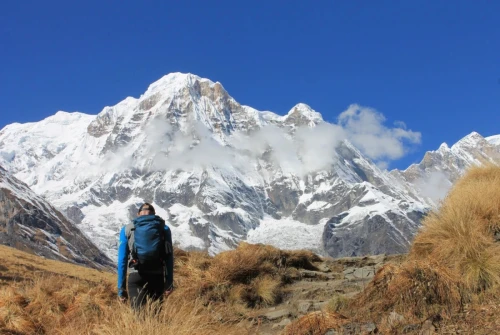
The Everest Three Passes Circuit Trek is one of the most challenging and rewarding high-altitude treks in Nepal. Spanning 17 to 20 days, this adventure takes you across three high passes Kongma La (5,535 m), Cho La (5,420 m), and Renjo La (5,360 m) offering spectacular panoramic views of Mount Everest, Lhotse, Nuptse, Ama Dablam, and other iconic Himalayan peaks. Often considered a step beyond the classic Everest Base Camp trek, the Three Passes Trek Everest combines the thrill of high-altitude trekking with rich Sherpa culture, remote villages, and pristine alpine landscapes.
In this Everest Three Passes Trek guide, we cover everything you need to plan a successful expedition, including the best time for Everest Three Passes Trek, trek itinerary, trek difficulty, total distance, cost, permits, and preparation tips. Whether you’re looking for an Everest Base Camp and Three Passes Trek, the Everest Three High Passes Trek with Gokyo Lake, or a complete three passes trek Everest base camp nepal, this guide has you covered.
The Ultimate Everest Three Passes Trek Guide A 20-Day Itinerary
Where is the Everest 3 High Passes Trek Located?
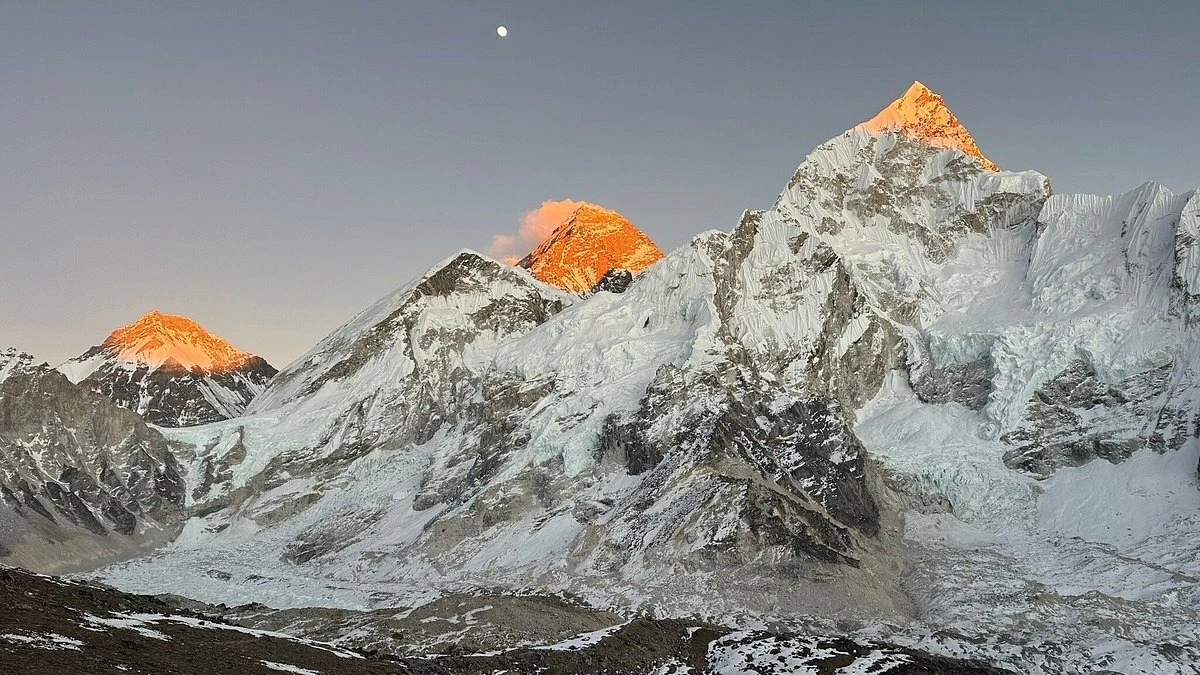
The Everest 3 high Passes Circuit Trek is situated in the heart of Sagarmatha National Park, Nepal, the region that houses the world’s highest peak, Mount Everest (8,848.86 m). This trek uniquely combines the classic Everest Base Camp trek route with the challenging three high passes Kongma La, Cho La, and Renjo La. Along the way, trekkers experience remote Sherpa villages, pristine glaciers, lush alpine landscapes, and panoramic Himalayan mountain views.
Whether you’re attempting the Everest Three Passes Trek Loop, the Everest Three High Passes Trek, or the Everest Base Camp and Three Passes Trek, this region offers a perfect blend of adventure, culture, and breathtaking scenery, making it one of the most sought-after high-altitude treks in Nepal.
Why Choose the Everest Three Passes Trek?
The Everest Three Passes Trek is a must-do adventure for trekkers seeking the ultimate Everest experience. Here’s why it stands out:
- Comprehensive Everest Experience: Unlike the standard Everest Base Camp trek, the Three Passes Trek Everest covers all three high passes Kongma La, Cho La, and Renjo La offering a more complete and challenging Everest high-altitude adventure.
- Less Crowded Trails: While the classic EBC route attracts large numbers of trekkers, the Everest Three Passes Circuit Trek passes through remote villages and lesser-trodden paths, giving you a peaceful and authentic trekking experience.
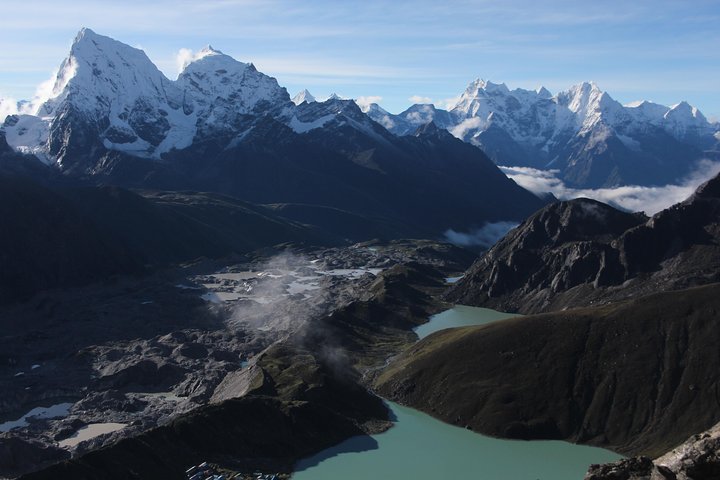
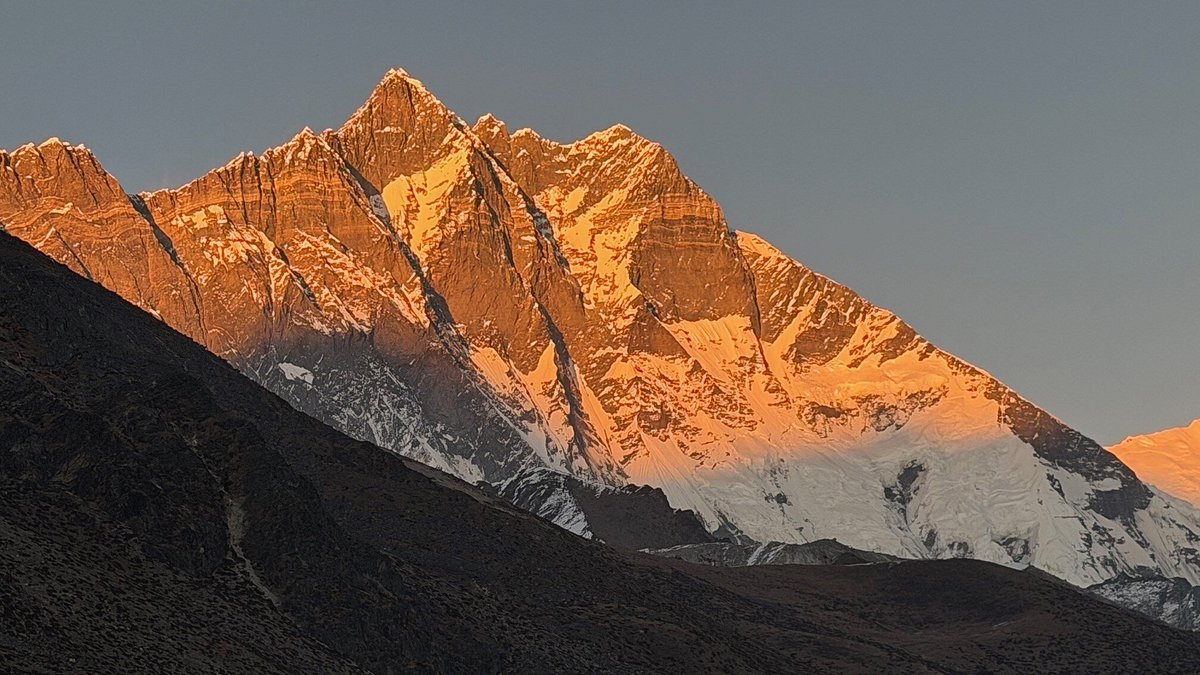
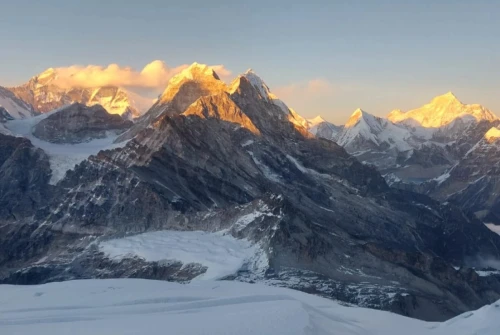
- Spectacular Panoramic Scenery: This trek provides breathtaking Himalayan views, including Mount Everest, Lhotse, Nuptse, Ama Dablam, and Cho Oyu, as well as glaciers, alpine meadows, and pristine valleys.
- Rich Sherpa Culture and Monasteries: Along the route, you’ll encounter traditional Sherpa villages, ancient monasteries, mani walls, and prayer flags, offering a deep cultural insight into life in the Everest region.
Whether you’re planning aEverest Base Camp Trekking and Three Passes Trek or the full Everest Three High Passes Trek, this journey is a perfect blend of adventure, culture, and Himalayan grandeur.
Highlights of the Everest Three Passes Trek
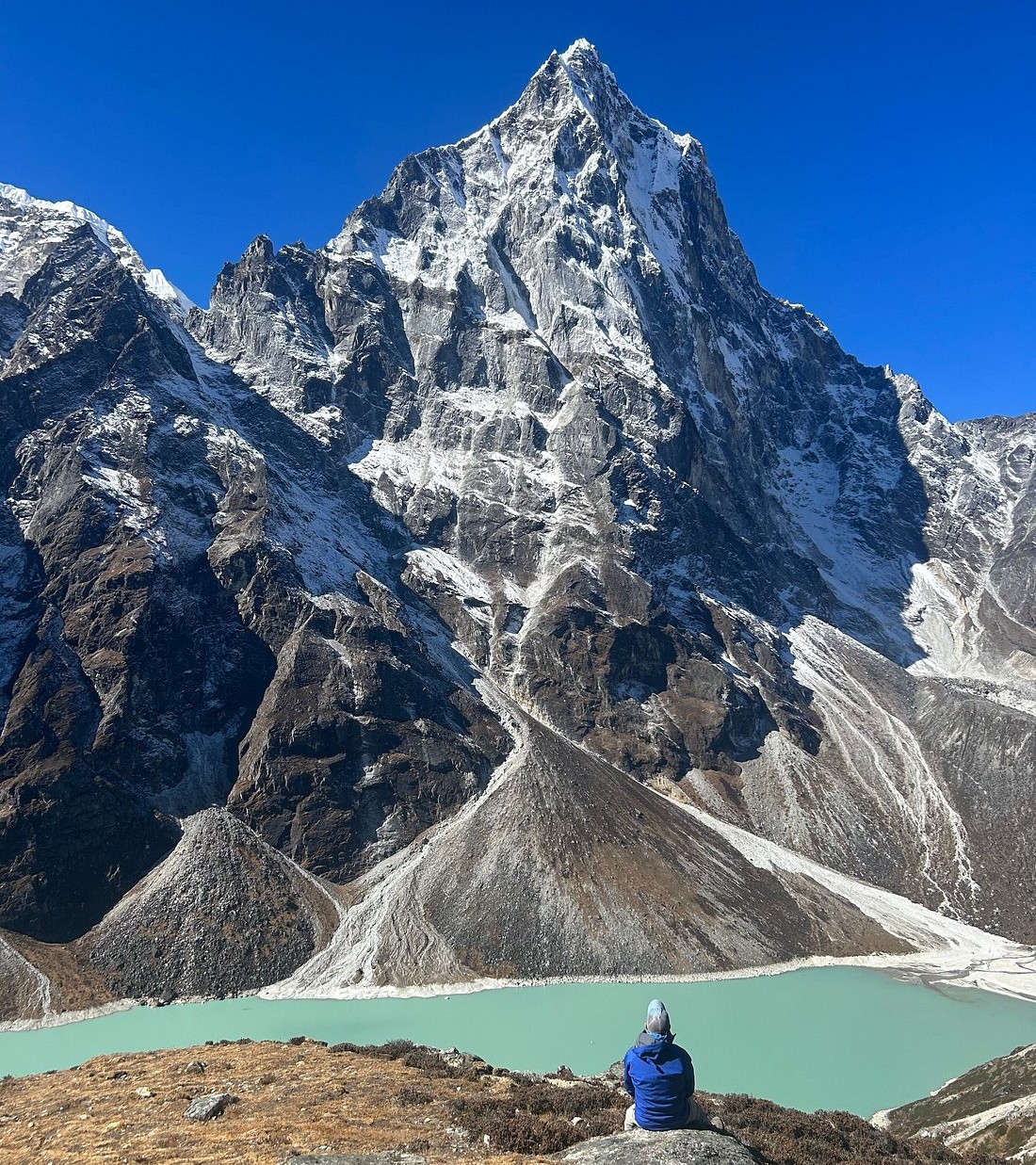
The Everest Three Passes Circuit Trek is a once-in-a-lifetime adventure that combines high-altitude trekking, Himalayan landscapes, and rich Sherpa culture. Key highlights include:
- Three Major High Passes: Conquer Kongma La (5,535 m), Cho La (5,420 m), and Renjo La (5,360 m), three challenging high passes that offer breathtaking glacier crossings, panoramic Himalayan vistas, and a true test of endurance.
- Trekking to Everest Base Camp: Reach the iconic Everest Base Camp (5,364 m) and witness the majestic Khumbu Glacier, towering icefalls, and the base of the world’s highest mountain.
- Stunning Himalayan Views: Experience awe-inspiring panoramas of Mount Everest, Lhotse, Nuptse, Ama Dablam, Thamserku, and Cho Oyu, perfect for photography and adventure enthusiasts.
- Cultural Immersion in Sherpa Villages: Explore traditional Sherpa villages like Namche Bazaar, Pangboche, Dingboche, and Thame, visit ancient monasteries, mani walls, and learn about Sherpa customs and lifestyle.
- Scenic Glaciers and Lakes: Trek past Ngozumpa Glacier, the largest glacier in Nepal, and visit the stunning turquoise Gokyo Lakes, some of the highest freshwater lakes in the world.
- Wildlife and Nature: Spot Himalayan wildlife, including musk deer, Himalayan tahr, and colorful birds, as you trek through Sagarmatha National Park, a UNESCO World Heritage site.
- Adventure and Challenge: The Everest Three Passes Trek Loop is more demanding than the classic EBC trek, offering steep ascents, high passes, and glacier trails for those seeking a thrilling challenge.
- Photography Opportunities: With dramatic landscapes, high-altitude lakes, and snow-capped peaks, this trek is a photographer’s dream, especially from viewpoints like Gokyo Ri, Kala Patthar, and the three passes themselves.
- Less Crowded and Remote: Experience a quieter, more authentic trekking experience compared to the standard Everest Base Camp Trek, with fewer trekkers and peaceful alpine trails.
Whether you’re planning the EBC and Three Passes Trek, the Everest Three High Passes Trek, or the full Three Passes Trek Everest Loop, these highlights make it a must-do adventure for serious trekkers and Himalayan enthusiasts.
Everest Three Passes Trek Itinerary
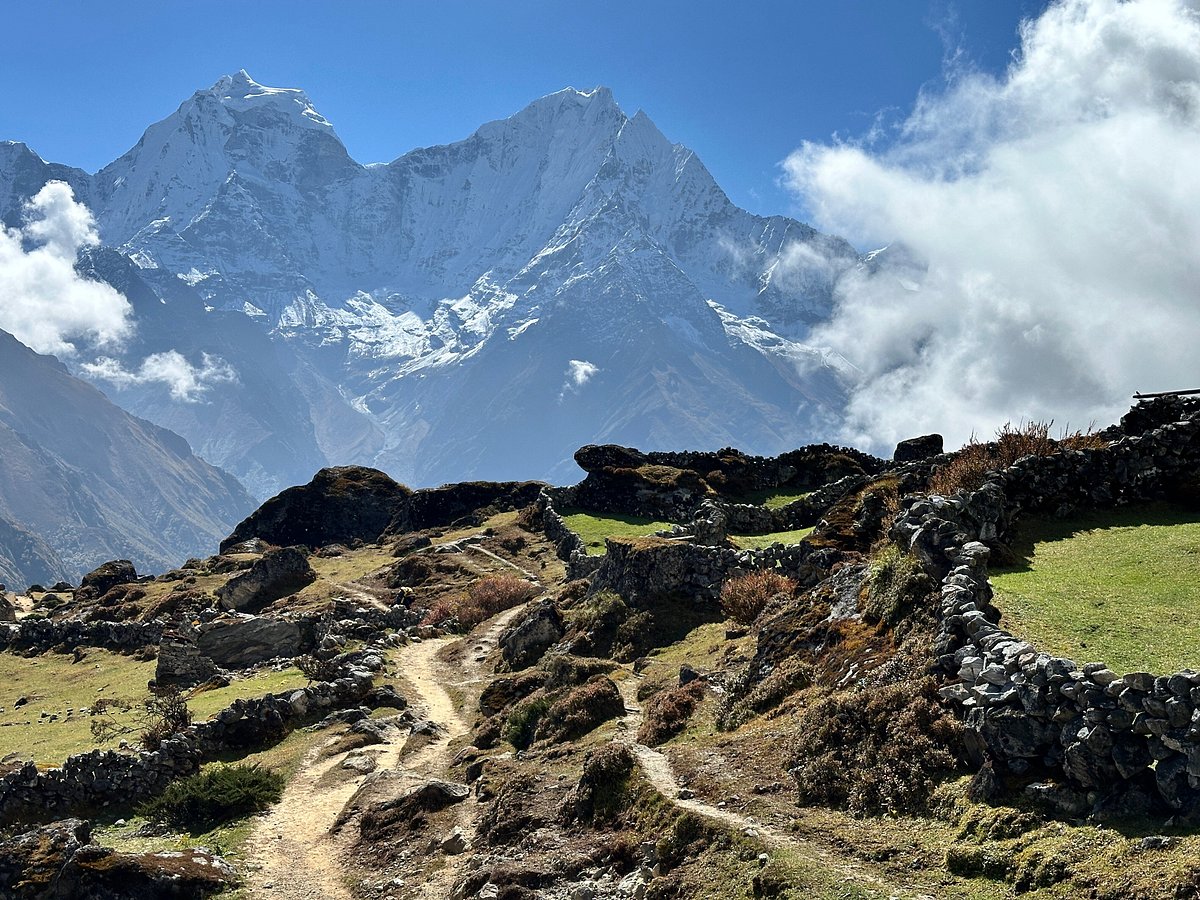
The Everest Three Passes Circuit Trek is a challenging 17 to 20-day trek in Nepal, covering three high passes Kongma La, Cho La, and Renjo La and including the classic Everest Base Camp trek and Gokyo Lakes region. This itinerary gives you the ultimate Everest experience, combining mountain scenery, glaciers, alpine lakes, and Sherpa culture.
20 Days Everest Base Camp Three Passes Trek itinerary
Day 1: Arrival in Kathmandu, transfer to hotel
Day 2: Fly to Lukla – Trek to Phakding
Day 3: Trek to Namche Bazaar
Day 4: Acclimatization day at Namche Bazaar, hike to Hotel Everest View
Day 5: Trek to Tengboche
Day 6: Trek to Dingboche
Day 7: Acclimatization at Dingboche, hike to Nangkartsang Peak
Day 8: Trek to Chhukung
Day 9: Trek to Lobuche via Kongma La Pass
Day 10: Trek to Everest Base Camp – Return to Gorak Shep
Day 11: Early morning hike to Kala Patthar – Descend to Lobuche
Day 12: Trek to Dzongla
Day 13: Trek to Gokyo via Cho La Pass
Day 14: Hike Gokyo Ri – Return to Gokyo
Day 15: Trek to Lunden via Renjo La Pass
Day 16: Trek to Thame
Day 17: Trek to Namche Bazaar
Day 18: Trek to Lukla
Day 19: Fly to Kathmandu
Day 20: Departure
Everest 3 Passes Trek Itinerary 18 Days
Day 1: Arrival in Kathmandu
Day 2: Flight to Lukla – Trek to Phakding
Day 3: Trek from Phakding to Monjo – Namche Bazaar
Day 4: Acclimatization at Namche Bazaar
Day 5: Trek from Namche Bazaar to Tengboche
Day 6: Trek from Tengboche to Dingboche
Day 7: Trek from Dingboche to Chhukung – Optional Chhukung Ri
Day 8: Trek from Chhukung to Lobuche via Kongma La Pass
Day 9: Trek from Lobuche to Gorak Shep – Everest Base Camp
Day 10: Trek from Gorak Shep to Kala Patthar – Dzongla
Day 11: Trek from Dzongla to Thagnak via Cho La Pass
Day 12: Trek from Thagnak to Gokyo
Day 13: Acclimatization in Gokyo – Hike to Gokyo Ri
Day 14: Trek from Gokyo to Marulung via Renjo La Pass
Day 15: Trek from Marulung to Thame – Back to Namche Bazaar
Day 16: Trek from Namche Bazaar to Phakding – Lukla
Day 17: Flight from Lukla to Kathmandu
Day 18: Final departure or onward journey
Difficulty Level of the Everest Three Passes Trek
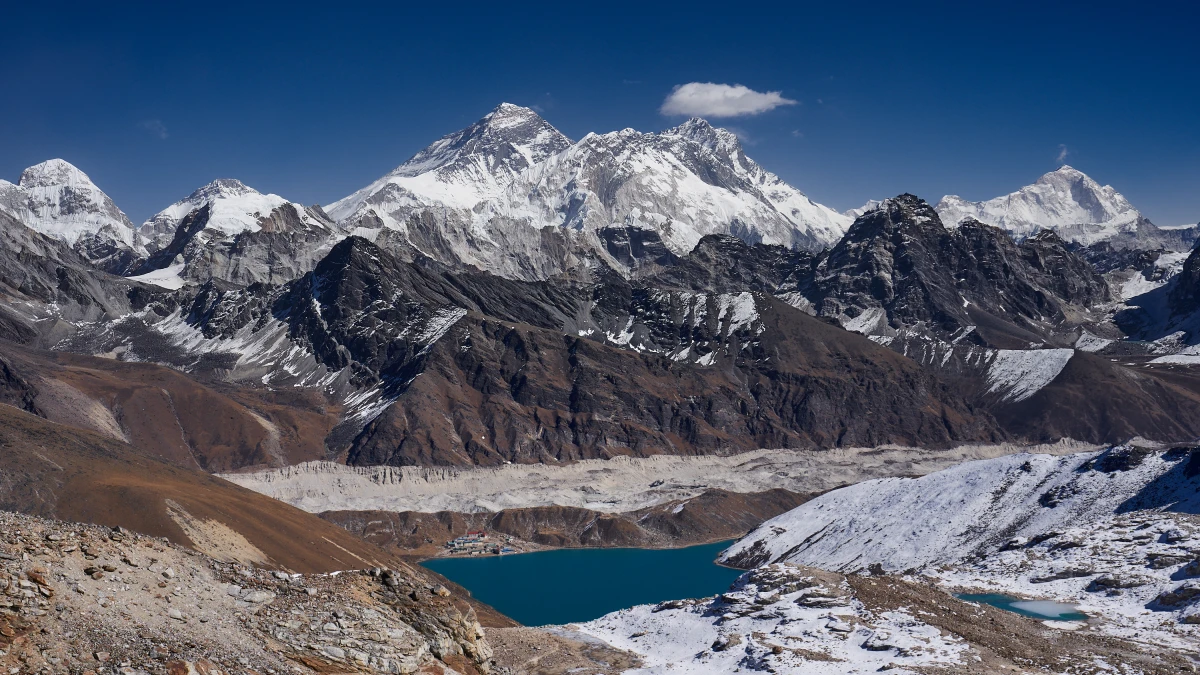
The Everest three passes trek tour (also called the Everest Three High Passes Trek or Three Passes Trek Everest) is considered strenuous to challenging, making it ideal for experienced trekkers or fit beginners with prior trekking experience.
High Passes Challenge: The trek crosses three major high passes – Kongma La, Cho La, and Renjo La – all above 5,300 meters, demanding excellent fitness, stamina, and proper acclimatization. This makes the trek more challenging than a standard Everest Base Camp trek or Everest Base Camp and Three Passes Trek.
Altitude Consideration: Trekkers cover long days of 5–9 hours over rocky trails, glaciers, and high passes, so high-altitude fitness and experience with Everest Base Camp trek distances are recommended.
Physical Fitness Requirements: Good cardiovascular endurance, leg strength, and trekking experience are essential. Trekkers attempting the Everest Three Passes Trek solo or with a guide should be prepared for physically demanding high-altitude trekking.
Suitable For: Adventurous travelers seeking a full Everest adventure, including Everest Base Camp, Gokyo Lakes, and all three high passes, who want a less crowded trek with spectacular Himalayan scenery.
While difficult, the Everest Three Passes Circuit Trek offers unforgettable views of Everest, Lhotse, Nuptse, Ama Dablam, and other Himalayan giants, plus cultural immersion in Sherpa villages like Namche Bazaar, Dingboche, and Thame. This trek is also highly rewarding for trekkers seeking a combination of adventure, high passes trekking, and Everest Base Camp experience.
Acclimatization Highlights – Everest Three Passes Trek
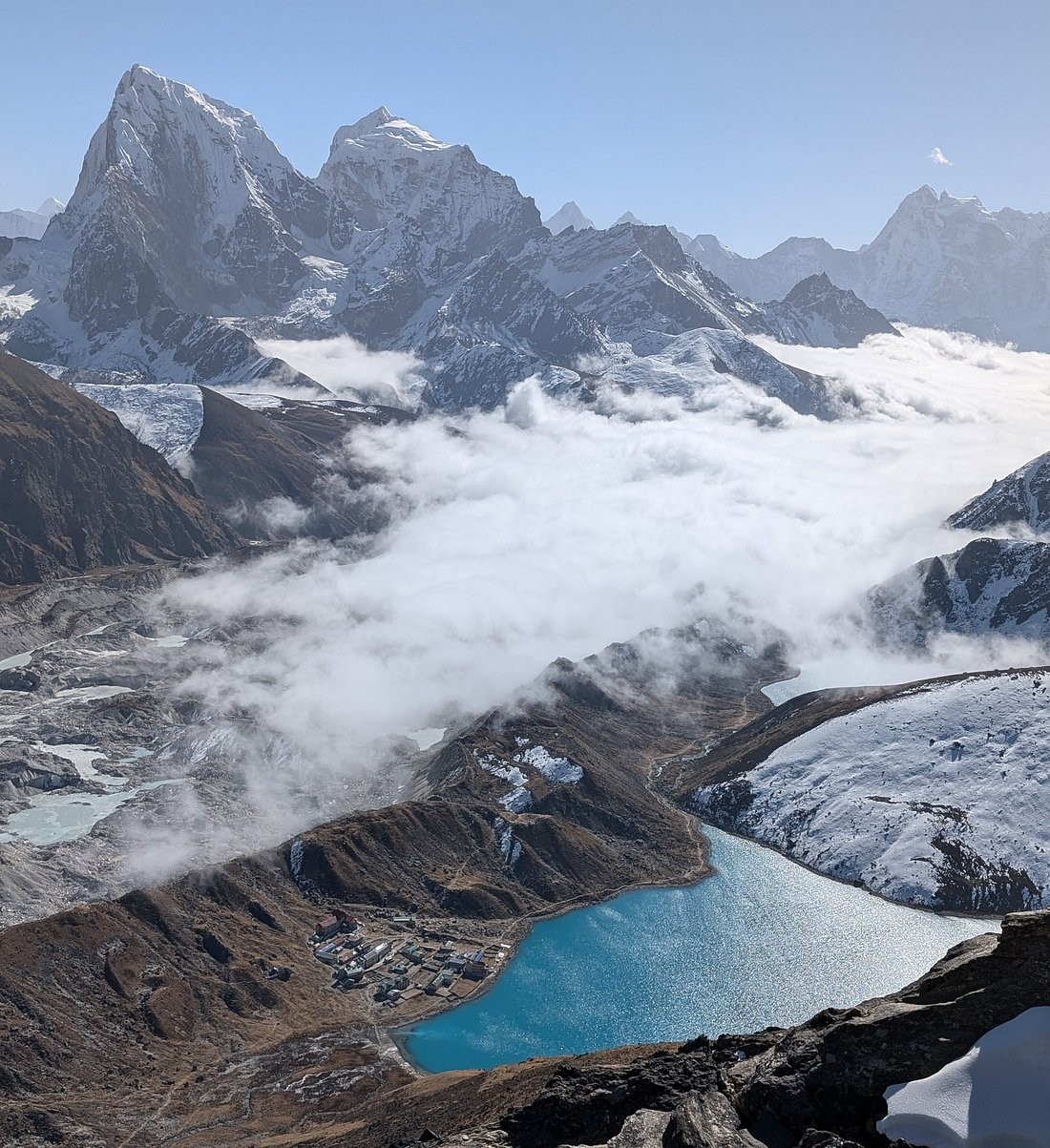
Proper acclimatization is critical on the Everest Three Passes Trek, especially when crossing high passes like Kongma La, Cho La, and Renjo La. The trek includes planned rest and acclimatization days at key locations:
Namche Bazaar: A rest day allows trekkers to adjust to higher altitudes and hike short trails for panoramic views of Everest, Lhotse, and Ama Dablam.
Dingboche: Another acclimatization day helps reduce the risk of Acute Mountain Sickness (AMS) while offering the chance to hike Nangkartsang Peak or explore nearby alpine terrain.
Gokyo: A rest day here allows trekkers to climb Gokyo Ri safely, ensuring proper acclimatization before continuing over Renjo La Pass, the third high pass.
Gradual ascent and proper acclimatization are essential for a safe and enjoyable Everest Three Passes Trek. These rest days not only reduce the risk of AMS but also enhance your experience of Himalayan scenery, glaciers, and Sherpa villages along the Everest Base Camp and Three Passes Trek route.
Key Points:
Planned rest days in Namche, Dingboche, and Gokyo
Gradual ascent to minimize altitude sickness
Opportunity to explore Sherpa villages and alpine landscapes
Preparation for challenging sections like Kongma La, Cho La, and Renjo La passes
Permits and Regulations for Everest Three Passes Trek
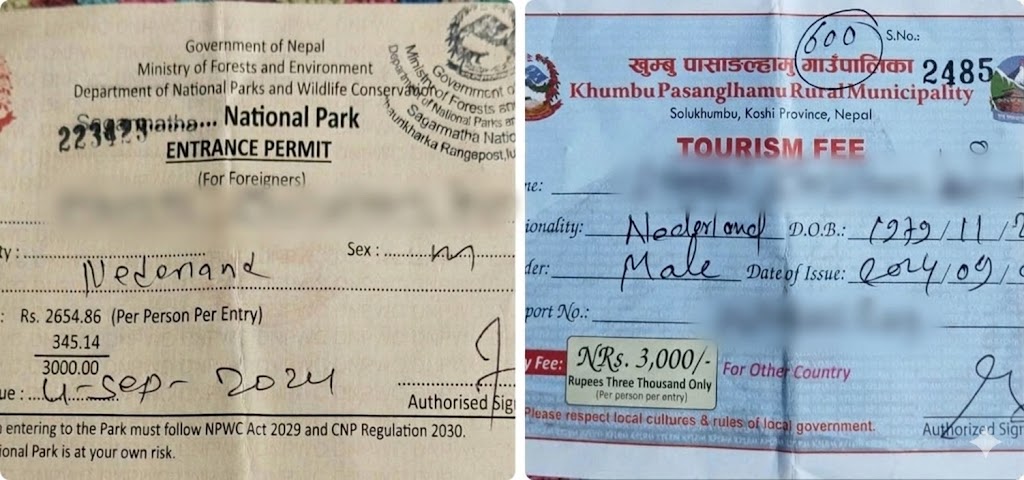
Before embarking on the Everest Three Passes Trek or the Everest Base Camp and Three Passes Trek, trekkers must obtain the following required permits:
Required Permits
Sagarmatha National Park Permit (SNP): Required for all trekking activities in Sagarmatha National Park, which covers the entire Everest region.
TIMS Card (Trekkers’ Information Management System): Ensures your safety and helps manage trekking activity in Nepal.
Khumbu Pasang Lhamu Rural Municipality Entrance Permit
Important Regulations
Respect the Environment and Local Culture: Follow eco-friendly trekking practices and show respect to Sherpa villages, monasteries, and Himalayan culture along the Everest Three High Passes Trek.
Strict Waste Disposal Policies: Carry all trash back or dispose of it at designated sites to minimize environmental impact.
Trekking with Licensed Guides: While some sections can be done independently, trekking with a licensed guide is highly recommended, especially when crossing Kongma La, Cho La, and Renjo La passes, for safety and local insight.
Following these permit and regulation requirements ensures a safe, responsible, and culturally respectful Everest Three Passes Circuit Trek experience while supporting sustainable trekking in Nepal.
Best Time for the 3 Passes Everest Trek
Choosing the best time for the Everest Three Passes Trek is essential for clear skies, safe trekking conditions, and breathtaking views of the Himalayas. The trek is doable year-round, but spring and autumn are considered the most favorable seasons.
Autumn Everest Three Passes Trek (September – November)
Weather: Stable and dry with clear skies, offering the best visibility of Mount Everest, Lhotse, Nuptse, Ama Dablam, and surrounding peaks.
Trail Conditions: Trails are less muddy than the monsoon season, making crossing the high passes (Kongma La, Cho La, Renjo La) safer and more comfortable.
Popularity: This is the peak trekking season, so you’ll encounter more trekkers, but the scenic rewards are unmatched.
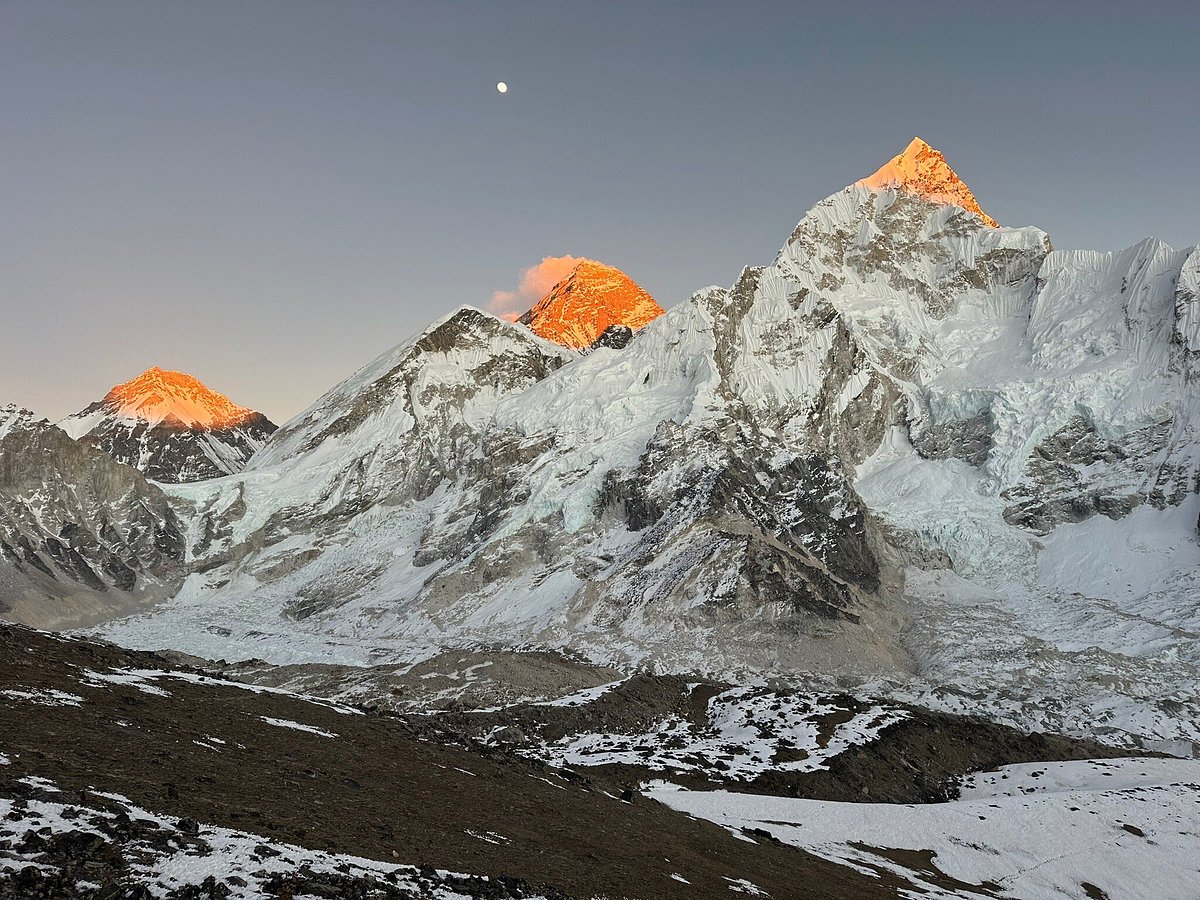
Highlights: Sunset and sunrise views from Gokyo Ri, Kala Patthar, and the Everest Base Camp are at their best.
Spring Everest Three Passes Trek (March – May)
Weather: Warmer temperatures and longer days for trekking.
Scenery: Rhododendrons and alpine flowers bloom, adding vibrant colors along the trails and through Sherpa villages like Namche Bazaar and Dingboche.
Trail Conditions: Snow begins to melt, making high pass crossings safer, though some patches may remain at Kongma La or Cho La.
Highlights: Clear views of Himalayan peaks, glaciers, and turquoise Gokyo Lakes. Spring is ideal for photographers and those who enjoy lush alpine landscapes.
Other Seasons for 3 Passes Everest Trek
Winter (December – February): Cold temperatures and heavy snow can make the three high passes challenging or inaccessible. Suitable only for highly experienced trekkers.
Monsoon (June – August): Trails are muddy and slippery, and visibility is often poor due to clouds and rain. Not recommended for crossing the high passes.
Cost of the Everest Three Passes Circuit Trek
Planning your trek starts with understanding the Everest Three Passes Trek cost, which varies based on group size, accommodation type, and service inclusions. This trek combines the Everest Base Camp trek with the challenging three high passes Kongma La, Cho La, and Renjo La, making it one of the most rewarding and scenic high-altitude treks in Nepal.
What’s Included in the Everest Three Passes Trek Cost
The Everest Three Passes Circuit Trek cost covers all essential services to ensure a safe, comfortable, and well-organized high-altitude trekking experience. Here’s a breakdown of what’s included:
Accommodation & Meals
Standard accommodation on a twin-sharing basis in Kathmandu hotels before and after the trek.
Accommodation in teahouses along the trek, neat and clean, with twin-sharing rooms.
Three meals a day (Breakfast, Lunch, Dinner) during the trek.
Guides & Porters
Licensed trekking guide: Their salary, food, insurance, accommodation, and flights (Kathmandu/Lukla) included.
Porters: One porter for two clients, including their salary, food, insurance, and accommodation.
Professional support ensures safety, navigation, and local expertise throughout the Everest Three High Passes Trek.
Flights & Transportation
Domestic flights: Kathmandu ↔ Lukla, including airport taxes.
Airport transfers in Kathmandu (pick-up and drop-off) by private transport.
Permits & Fees
Sagarmatha National Park Permit for trekking in the Everest region.
TIMS Card (Trekkers’ Information Management System) for safety registration.
Pasang Lhamu Rural Municipality fee
All government taxes and trekking registration requirements.
Optional: Registration with your embassy if requested.
Other Inclusions
Medical kits for minor emergencies.
Full logistical support for a well-organized Everest Three Passes Circuit Trek.
Access to high passes: Kongma La, Cho La, and Renjo La, plus Everest Base Camp and Gokyo Lakes region.
Everest Three Passes Trek Price 2026 & 2027
The three passes trek cost depends on the group size and level of services included. We also offer group discounts:
Group Size | Price Per Person (USD) |
1 pax | $1,999 |
2 – 4 pax | $1,649 |
5 – 8 pax | $1,599 |
10+pax | Special Discount Available Email Us For Details |
Additional Cost Notes
Everest Three Passes Trek Cheap Cost: For trekkers on a budget, small group bookings reduce per-person costs.
Everest Base Camp Trek Cost from Kathmandu: Domestic flights, guides, and permits are included in our package for convenience.
Everest Summit Trek Cost / Everest Summit Trek Cost from India: These are separate mountaineering expeditions and cost more than the Everest Three High Pass Trek.
Mt Everest Hike Cost / Everest Pass Cost: Fees include all high-altitude passes and park permits required for the trek.
The Everest Three Passes Circuit Trek cost is highly competitive considering the all-inclusive services, experienced guides, and access to multiple high passes. For personalized quotes, tailored itineraries, or group discounts, contact us directly.
Accommodation and Food on the Everest Three Passes Trek
During the Everest Three Passes Trek, accommodation and meals are designed to keep you comfortable, well-fed, and energized for the challenging high-altitude trek across Kongma La, Cho La, and Renjo La.
Accommodation
Trekkers stay in teahouses and lodges in every village along the route, including Namche Bazaar, Tengboche, Dingboche, Gorak Shep, and Gokyo.
Lodges are simple, warm, and clean, often with twin-sharing rooms and basic amenities.
While not luxurious, these accommodations provide a cozy resting place after long days of trekking on the Everest Base Camp and Three Passes Trek.
Food Options
Typical meals include Dal Bhat (traditional Nepali meal), noodles, pasta, soups, and local dishes.
Breakfast usually consists of porridge, eggs, toast, or pancakes, providing the energy needed for a day of trekking.
Lunch and dinner feature high-carb meals to fuel trekkers for high passes crossings and Everest Base Camp hikes.
Vegetarian and non-vegetarian options are widely available.
What to Expect
Warm hospitality from lodge owners and staff.
Shared bathrooms in most lodges, with hot showers available at selected locations.
Common areas for socializing with fellow trekkers and enjoying views of Everest, Lhotse, Ama Dablam, and the Himalayan peaks.
Adequate nutrition and hydration to support safe acclimatization and long trekking days.

Is a Guide Required for the Everest Three Passes Trek?
While trekking the Everest 3 high Passes Trek or the Everest Base Camp and Three Passes Trek, hiring a licensed guide is not legally mandatory, but it is highly recommended for safety, navigation, and a richer trekking experience.
Benefits of Trekking with a Guide
Safety and Emergency Support: Guides are trained to handle high-altitude challenges, monitor for Acute Mountain Sickness (AMS), and provide emergency assistance if needed. This is particularly important when crossing the high passes – Kongma La, Cho La, and Renjo La.
Knowledge of Local Culture and Trails: Guides provide insights into Sherpa culture, monasteries, and remote villages, enhancing the trekking experience beyond just the landscapes.
Permit Management: Guides ensure all Sagarmatha National Park permits, TIMS cards, and trekking regulations are properly handled, avoiding potential delays.
Solo Trekking Considerations
While experienced trekkers can attempt the Everest Three Passes Trek solo, it is riskier due to unpredictable weather, difficult high passes, and long trekking days.
Trekking with a licensed guide is recommended for first-time high-altitude trekkers or anyone concerned about safety and navigation.
Why a Guide Adds Value
For trekkers wondering if Everest Base Camp trek worth it, a guide ensures you see the best viewpoints, manage acclimatization safely, and enjoy Sherpa village experiences.
Guides also help answer concerns like has anyone died trekking to Everest Base Camp? providing safety protocols and risk management.
They ensure you meet Everest Base Camp trek fitness requirements by advising on pacing, hydration, and acclimatization.
Hiring a licensed guide transforms the Everest three passes trek Nepal from a physically demanding journey into a safe, enriching, and unforgettable Himalayan adventure.
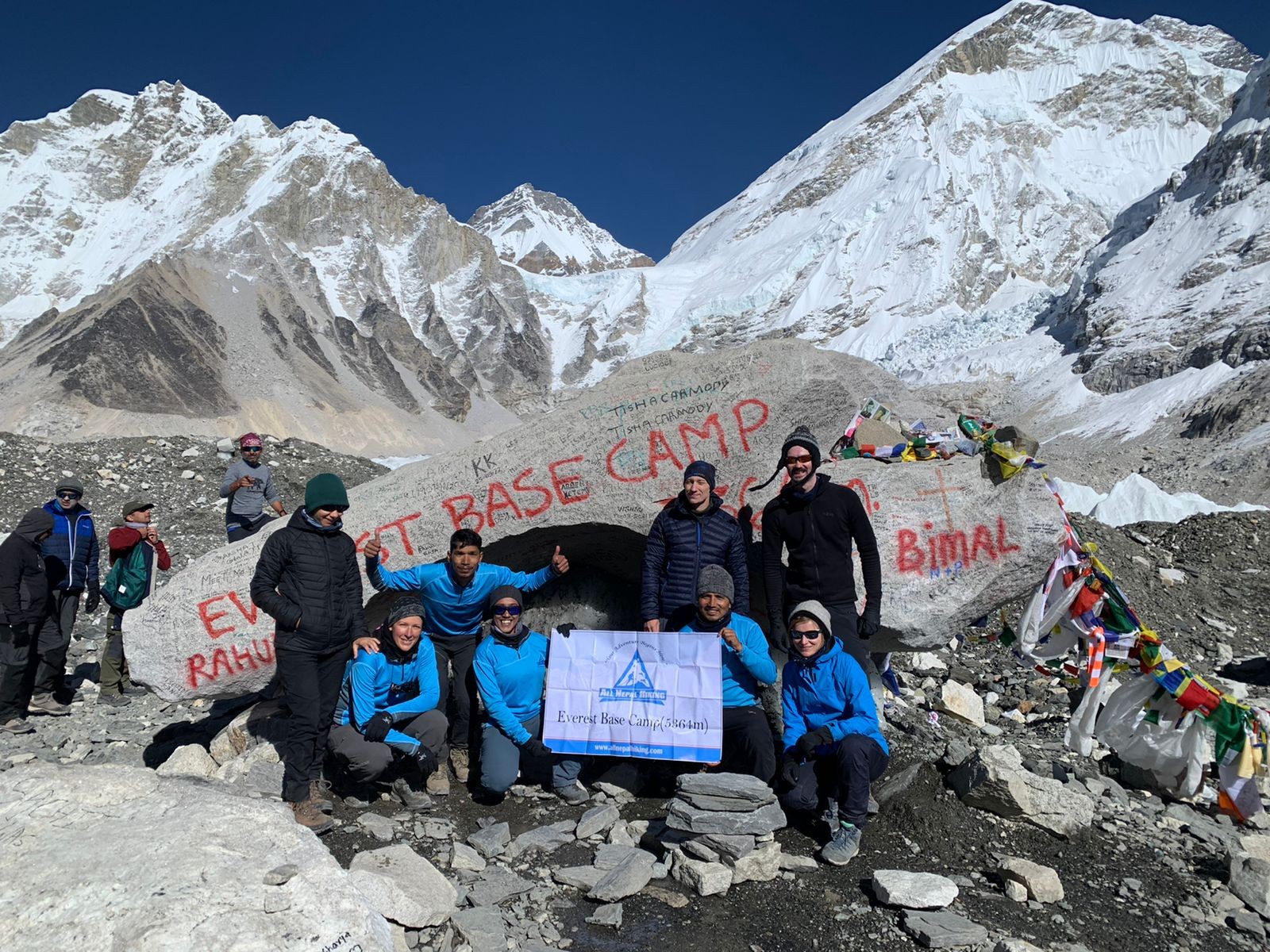
Photography Tips for the Everest Three Passes Trek
The Everest Three Passes Trek offers some of the most photogenic landscapes in the Himalayas. From towering peaks to serene glacial lakes and vibrant Sherpa villages, capturing your adventure requires both skill and respect.
Top Photography Spots on Khumbu
Kala Patthar: Stunning sunrise views of Mount Everest, Lhotse, and Nuptse.
Gokyo Ri: Panoramic vistas of the Gokyo Lakes and surrounding Himalayan giants.
Everest Base Camp: Iconic trekking milestone with glaciers and the Khumbu Icefall.
The Three Passes – Kongma La, Cho La, Renjo La: Dramatic high-altitude landscapes and snow-covered peaks perfect for adventure photography.
Sherpa Villages: Namche Bazaar, Dingboche, and Pangboche offer authentic cultural and lifestyle photography opportunities.
Gear Tips
Wide-Angle Lenses: Capture the vastness of the Himalayas and expansive landscapes.
Trekking Tripod: Essential for low-light conditions, sunrise/sunset shots, and high-altitude photography.
Extra Batteries & Memory Cards: Cold temperatures drain batteries quickly; always carry spares.
Protective Camera Gear: Keep equipment safe from dust, snow, and moisture.
Cultural Photography Etiquette
Always ask permission before photographing locals.
Avoid sensitive religious sites unless allowed, particularly monasteries and prayer areas.
Respect local customs to ensure a positive interaction while trekking the Everest Three Passes Circuit Trek.
Following these photography tips ensures you return with breathtaking images of Everest Base Camp, high passes, glacial lakes, and Sherpa culture while trekking safely and respectfully.
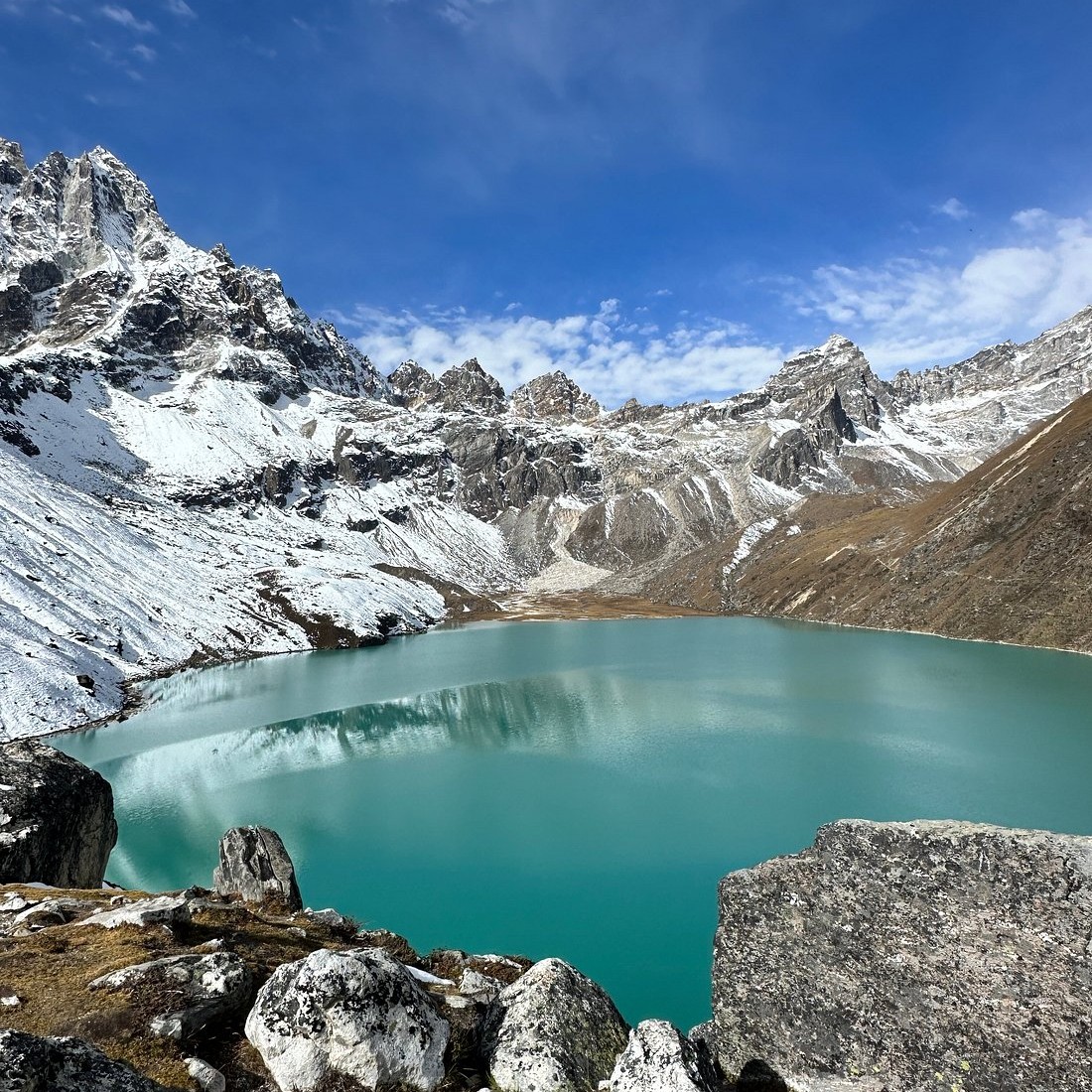
Packing & Medical Checklist for the Everest Three Passes Trek
Preparing for the Everest Three Passes Trek requires careful packing to ensure safety, comfort, and enjoyment while crossing Kongma La, Cho La, and Renjo La passes and trekking to Everest Base Camp and Gokyo Lakes.
Essential Gear to Bring from Your Home Country
Hiking Boots: Sturdy, waterproof, and broken-in for long trekking days.
Warm Clothing: Layered clothing including thermal innerwear, fleece jackets, down jacket, gloves, and a warm hat for high-altitude conditions.
Sleeping Bag: Rated for sub-zero temperatures for teahouses at high altitudes.
Backpack & Rain Cover: Lightweight yet durable, with compartments for hydration and trekking essentials.
Optional Gear from Home
Trekking Poles: Provide stability on uneven trails and help reduce knee strain.
Camera Equipment: Wide-angle lens, trekking tripod, extra batteries, and memory cards.
Sunglasses & Sun Protection: UV-protective sunglasses and high-SPF sunscreen.
Headlamp or Flashlight: Useful for early starts and low-light trekking.
Gear You Can Get in Nepal
Fleece jackets, sleeping bags, trekking poles, and other trekking gear are widely available in Kathmandu and Lukla, though prices may be higher than buying at home.
Medical Kit Checklist
First Aid Supplies: Bandages, antiseptic cream, blister care.
Altitude Sickness Medication: Diamox or acetazolamide (consult your doctor before the trek).
Pain Relief & Anti-Inflammatories: Ibuprofen or paracetamol.
Cold & Flu Medication: For high-altitude conditions.
Hydration & Electrolytes: Water purification tablets, ORS powders.
Sunscreen & Lip Balm: High SPF to protect from strong UV rays.
Packing efficiently ensures you are prepared for the Everest Three High Passes Trek, including Everest Base Camp, Kala Patthar, and Gokyo Ri, while maintaining comfort and safety in extreme Himalayan conditions.
Everest Three Passes Trek vs Standard Everest Base Camp Trek
For trekkers planning a journey to the Everest region, it’s important to understand the differences between the Everest Three Passes Trek and the standard Everest Base Camp Trek. Both offer incredible Himalayan experiences, but they vary in difficulty, scenery, and cultural immersion.
Three Passes Trek Everest
Difficulty: Strenuous and challenging; suitable for experienced trekkers or fit beginners with prior trekking experience.
Route & Duration: Longer trek that covers Everest Base Camp, Gokyo Lakes, and the three high passes – Kongma La, Cho La, and Renjo La.
Scenery: Panoramic mountain views including Everest, Lhotse, Nuptse, Ama Dablam, and surrounding Himalayan giants.
Crowds: Less crowded, offering more solitude and remote trekking experiences.
Cultural Experience: Trek through Sherpa villages, monasteries, and high-altitude settlements that are off the standard EBC route.
Highlights: Everest Base Camp, Kala Patthar, Gokyo Ri, and three high passes.
Standard Everest Base Camp Trek
Difficulty: Moderate; suitable for first-time trekkers or those seeking a classic Everest experience.
Route & Duration: Shorter trek focused on the EBC trail via Namche Bazaar, Tengboche, Dingboche, and Gorak Shep.
Scenery: Iconic views of Everest, Lhotse, and Ama Dablam but without the extended panoramas of the high passes.
Crowds: More popular, especially during autumn (Sept–Nov) and spring (Mar–May) trekking seasons.
Cultural Experience: Visits to Sherpa villages and monasteries, but fewer remote settlements compared to the Three Passes Trek.
Highlights: Everest Base Camp, Kala Patthar sunrise views, Tengboche Monastery.
Summary Comparison
Feature | Everest Three Passes Trek | Standard Everest Base Camp Trek |
Difficulty | Strenuous | Moderate |
Duration | Longer | Shorter |
Crowds | Less crowded | Popular route |
Highlights | EBC, Kala Patthar, Gokyo Ri, Kongma La, Cho La, Renjo La | EBC, Kala Patthar, Tengboche |
Scenery | Panoramic Himalayan views, remote glaciers | Classic Everest vistas, fewer remote locations |
Cultural Exposure | Extensive Sherpa villages and monasteries | Moderate, mostly along main trail |
The Everest Three Passes Trek is ideal for adventurous trekkers seeking panoramic views, remote trails, and a longer, more challenging journey, while the standard Everest Base Camp Trek is perfect for those seeking a classic Everest experience with moderate difficulty.
Fitness Preparation Tips for the Everest Three Passes Trek
The Everest Three Passes Trek is one of the most challenging treks in the Himalayas, combining Everest Base Camp, Gokyo Lakes, and three high passes – Kongma La, Cho La, and Renjo La. Proper fitness preparation is essential for safety, enjoyment, and successful acclimatization.
Cardiovascular Training
Focus on running, cycling, swimming, or long-distance hiking to improve stamina.
Aim for endurance exercises 4–5 times a week leading up to your trek.
Practice trekking uphill and on uneven terrain to mimic trail conditions.
Strength Training
Emphasize legs and core exercises such as squats, lunges, step-ups, and planks.
Strong legs help with long days of trekking, steep ascents, and high-altitude passes.
Core strength improves balance and stability on rocky and icy trails.
Backpack Training
Practice hiking with a loaded backpack similar to what you will carry during the trek (10–12 kg).
Gradually increase weight and duration to build endurance and reduce the risk of strain.
Additional Tips
Acclimatization: Incorporate altitude hikes if possible to prepare for Kongma La, Cho La, Renjo La, and Everest Base Camp.
Flexibility & Yoga: Stretching and yoga improve muscle recovery and breathing efficiency at high altitudes.
Hydration & Nutrition: Train your body to stay hydrated and fueled, which is essential for high-altitude trekking.
By following a structured training plan, you’ll be well-prepared for the strenuous but rewarding Everest three passes loop, ensuring a safer and more enjoyable journey through the Himalayan high passes and Everest region villages.
Cultural Etiquette & Dos and Don’ts During the Everest Three Passes Trek
Trekking the Everest base camp trek route is not just about breathtaking landscapes,it’s also an opportunity to immerse yourself in Sherpa culture and Himalayan traditions. Respecting local customs ensures a positive experience for both trekkers and communities.
Respect Monasteries and Prayer Flags
Monasteries are sacred spaces for meditation and religious ceremonies. Always enter quietly, remove shoes when required, and ask permission before taking photographs.
Prayer flags are spiritual symbols meant to spread blessings. Do not touch, move, or step over them, as this is considered disrespectful.
Dress Modestly in Villages
Wear modest clothing when visiting Sherpa villages like Namche Bazaar, Tengboche, Dingboche, and Pangboche.
Avoid revealing or flashy clothing. Layered trekking clothes are practical and culturally appropriate.
Avoid Loud or Disruptive Behavior
Speak softly and avoid loud noises, especially in monasteries, teahouses, and quiet trails.
Respect local traditions during festivals, rituals, and daily life activities.
Additional Tips
Always ask before photographing locals or participating in ceremonies.
Support local businesses by purchasing handmade crafts, local meals, and trekking supplies.
Be mindful of environmental responsibility by minimizing waste and avoiding plastic where possible.
By following these cultural etiquette tips, your Everest Three Passes Trek becomes a more rewarding and respectful journey, allowing you to connect meaningfully with the Himalayan communities and Sherpa traditions.
Map & Navigation for the Everest Three Passes Trek
Navigating the Everest Three Passes Trek requires proper planning and understanding of the route. This trek combines the classic Everest Base Camp trail with the challenging high passes – Kongma La, Cho La, and Renjo La, offering a panoramic Himalayan adventure.
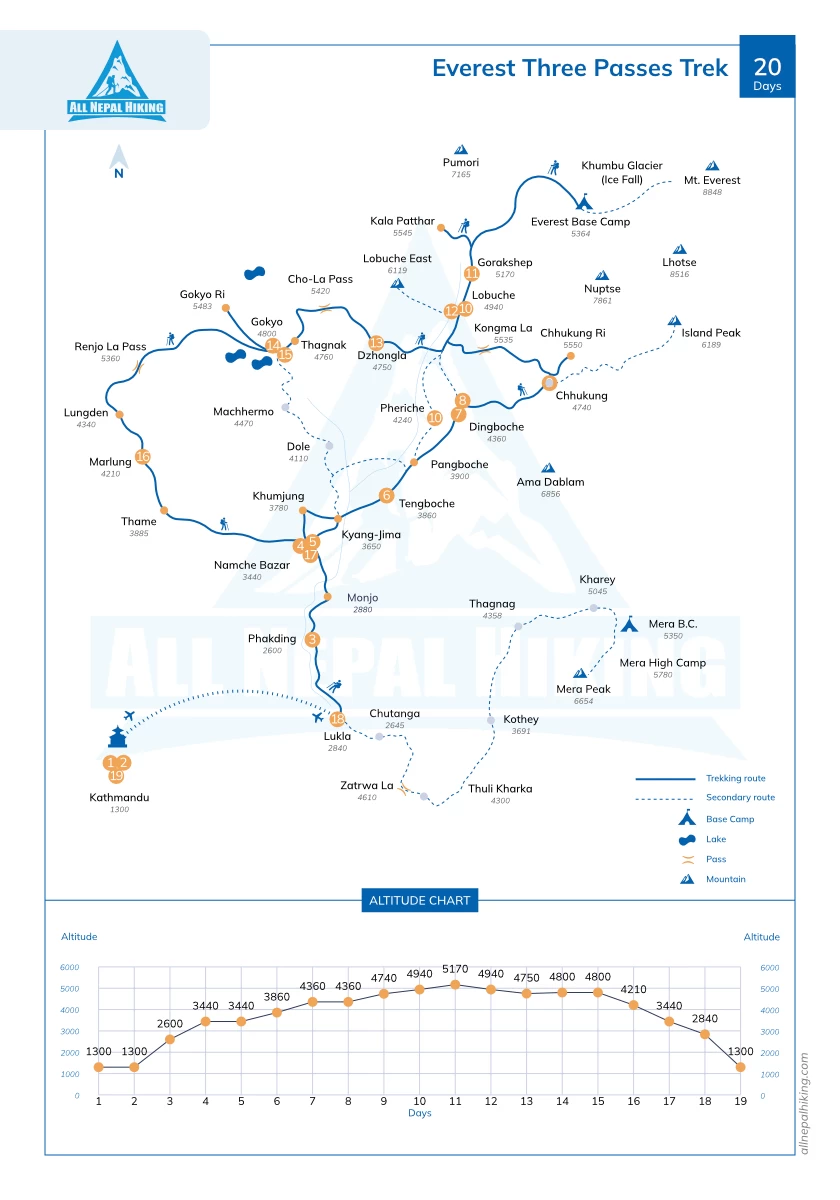
Everest Three Passes Trek Map
A detailed trek map shows the complete route from Kathmandu → Lukla → Namche Bazaar → Tengboche → Dingboche → Gorak Shep → Everest Base Camp → Gokyo → high passes → Thame → Namche Bazaar → Lukla → Kathmandu.
Key points on the map include Kala Patthar, Gokyo Ri, and the three high passes, helping trekkers plan acclimatization, trekking days, and rest stops.
Using a trekking map or GPS app ensures safe navigation, especially in high-altitude and remote areas.
Everest Base Camp Three Passes Trek Map
For trekkers combining Everest Base Camp with the Three Passes Circuit, a specialized map highlights:
Everest Base Camp and Gorak Shep region
Kongma La, Chola, and Renjo La passes
Gokyo Lakes and Gokyo Ri summit routes
Sherpa villages and monasteries along the trail
These maps are useful for tracking your daily progress, estimating trekking times, and planning for emergency exits.
Navigation Tips
Carry a physical trekking map as mobile signals can be unreliable.
GPS-enabled apps like Maps.me or Gaia GPS are useful for offline navigation.
Always consult your guide before attempting high passes like Kongma La, Cho La, and Renjo La, as snow or glacier conditions can change rapidly.
A well-planned route and reliable map ensure a safe, efficient, and unforgettable Everest Three Passes Trek, combining Everest Base Camp, Gokyo Lakes, and three high passes in a single expedition.
Distance & Difficulty of the Everest Three Passes Trek
The Everest Three Passes Trek is widely regarded as one of the most challenging treks in Nepal. Covering Everest Base Camp, Gokyo Lakes, and the three high passes – Kongma La, Cho La, and Renjo La, it requires both physical fitness and mental preparation.
Everest Three Passes Trek Distance & Length
Total trek distance: Approximately 170–180 km (105–112 miles) depending on the exact route taken.
Trek length: Typically 18–20 days, including acclimatization days at Namche Bazaar, Dingboche, and Gokyo.
Daily trekking distance: Varies between 4–8 hours per day, depending on terrain and altitude.
The trek combines long trail walks, steep ascents, and high-altitude passes, making route planning and pacing crucial.
Everest Three Passes Trek Difficulty
Strenuous: The trek is suitable for experienced trekkers or fit beginners with prior trekking experience.
High passes: Crossing Kongma La (5,535 m), Cho La (5,420 m), and Renjo La (5,360 m) adds significant challenges due to steep trails, glaciers, and altitude.
Altitude considerations: Acute Mountain Sickness (AMS) is a risk; gradual ascent and acclimatization are essential.
How Challenging is the Everest Three High Passes Trek?
Requires strong cardiovascular endurance and leg strength for steep ascents and long days of trekking.
Trekking with a licensed guide is recommended, especially for those attempting the high passes or a solo Everest Three Passes Trek.
Weather conditions, snow, and glaciers can increase difficulty, particularly in late autumn or early spring.
Distance | 170–180 km (105–112 miles) |
Trek Length | 18–20 days |
Daily Trek | 4–8 hours |
Difficulty | Strenuous; high-altitude trekking experience recommended |
High Passes | Kongma La, Cho La, Renjo La |
Terrain | Glacial valleys, steep ascents, remote villages |
The Everest Three Passes Trek is a long, demanding, yet incredibly rewarding adventure that offers panoramic Himalayan vistas, Everest Base Camp views, and an authentic Sherpa cultural experience.
Environmental Responsibility on the Everest Three Passes Trek
Trekking in the Everest region, including the Everest Three Passes Circuit Trek, is a privilege that comes with the responsibility to protect the fragile Himalayan environment. By following sustainable practices, trekkers can help preserve the natural beauty, wildlife, and local communities for future generations.
Carry Out All Waste
Always pack out what you bring in, including food wrappers, plastic bottles, and non-biodegradable materials.
Use designated waste disposal points at teahouses and lodges whenever possible.
Avoid Single-Use Plastics
Bring reusable water bottles and collapsible containers to reduce plastic waste.
Many trekking lodges now provide filtered water stations to refill bottles.
Avoid plastic straws, bags, and packaging, which can harm the local ecosystem.
Respect Wildlife and Natural Environment
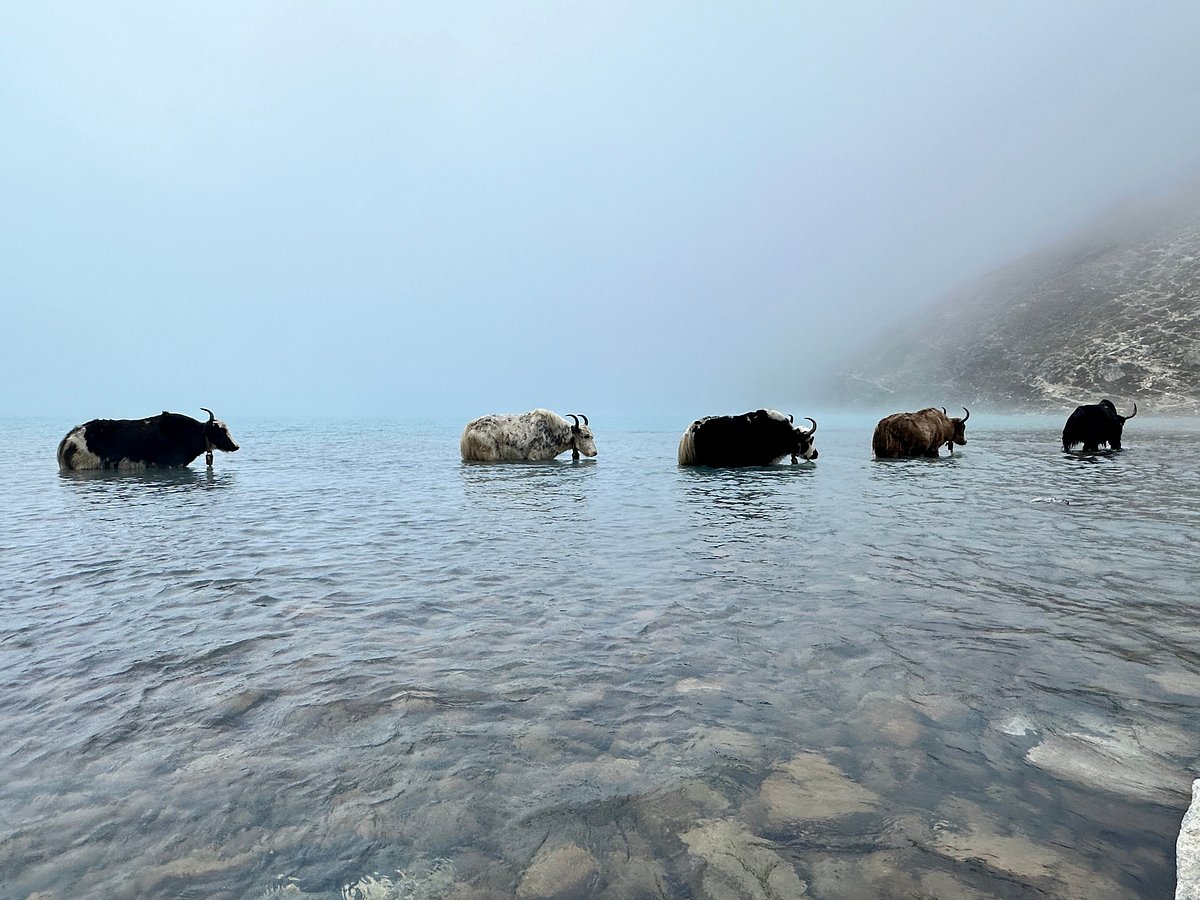
Observe animals like yaks, Himalayan birds, and other wildlife from a safe distance.
Do not feed wildlife; human food can be harmful to them.
Stay on established trails to prevent soil erosion and protect fragile alpine vegetation.
Eco-Friendly Trekking Tips
Use biodegradable soaps and detergents.
Support eco-friendly lodges and local businesses that practice sustainability.
Minimize energy use by turning off lights and heaters when not in use.
By following these practices, your Everest Three Passes Trek will not only be safe and enjoyable, but also responsible and environmentally conscious, helping preserve the Sagarmatha National Park and Himalayan ecosystem.
Emergency & Safety Information During the Everest Three Passes Trek
Trekking the Everest Three Passes Circuit Trek is an incredible adventure, but the high-altitude environment, remote terrain, and challenging passes require careful attention to safety. Knowing the emergency procedures, acclimatization strategies, and risk management is essential for a safe and enjoyable trek.
Acclimatization for Safety
Rest and acclimatization days are scheduled at Namche Bazaar, Dingboche, and Gokyo to allow the body to adjust gradually to high altitudes.
Proper acclimatization reduces the risk of Acute Mountain Sickness (AMS), which can be life-threatening if ignored.
Hydration, slow ascent, and avoiding alcohol are essential to prevent altitude-related illness.
Trained Guides & Emergency Support
Licensed guides on the Everest Three Passes Trek are trained in first aid and high-altitude safety procedures.
Guides monitor trekkers for symptoms of AMS, hypothermia, and fatigue, ensuring timely medical attention.
Porters and guides carry basic medical kits, oxygen, and communication devices for emergencies.
Helicopter Evacuation & Emergency Access
Helicopter evacuation is available from high-risk areas such as Lobuche, Gorak Shep, and Gokyo for serious emergencies.
All trekking agencies maintain a plan for rapid evacuation, including coordination with local air rescue services.
In case of injury or severe altitude sickness, trekkers can be transported to Kathmandu hospitals for advanced care.
Additional Safety Tips
Check weather forecasts before crossing Kongma La, Cho La, or Renjo La passes to avoid storms or avalanches.
Trek with a licensed guide and follow their instructions for route safety.
Carry a mobile phone, GPS device, and emergency contact numbers.
By following proper acclimatization schedules, traveling with experienced guides, and planning for emergency evacuation, your Everest Three Passes Trek can be both safe and unforgettable, letting you focus on spectacular high-altitude landscapes, Everest Base Camp, and Gokyo Ri adventures.
Optional Side Trips & Extensions on the Everest Three Passes Trek
While the Everest Three Passes Circuit Trek itself is a challenging and spectacular journey, there are several optional side trips and extensions that allow trekkers to explore more of the Himalayan beauty, culture, and adventure in the Everest region.
Everest Base Camp Photography Expedition
Spend extra time at Everest Base Camp to capture sunrise and sunset photos of Everest, Lhotse, and Nuptse.
Ideal for photographers and trekking enthusiasts who want to document the majestic glaciers, high passes, and Sherpa settlements.
Summit of Gokyo Ri or Kala Patthar
Gokyo Ri offers unobstructed panoramic views of Everest, Cho Oyu, Makalu, and the surrounding peaks.
Kala Patthar is the classic viewpoint for close-up views of Mount Everest and is perfect for sunrise photography.
These side hikes are short but steep, adding to the Everest Three Passes Trek challenge.
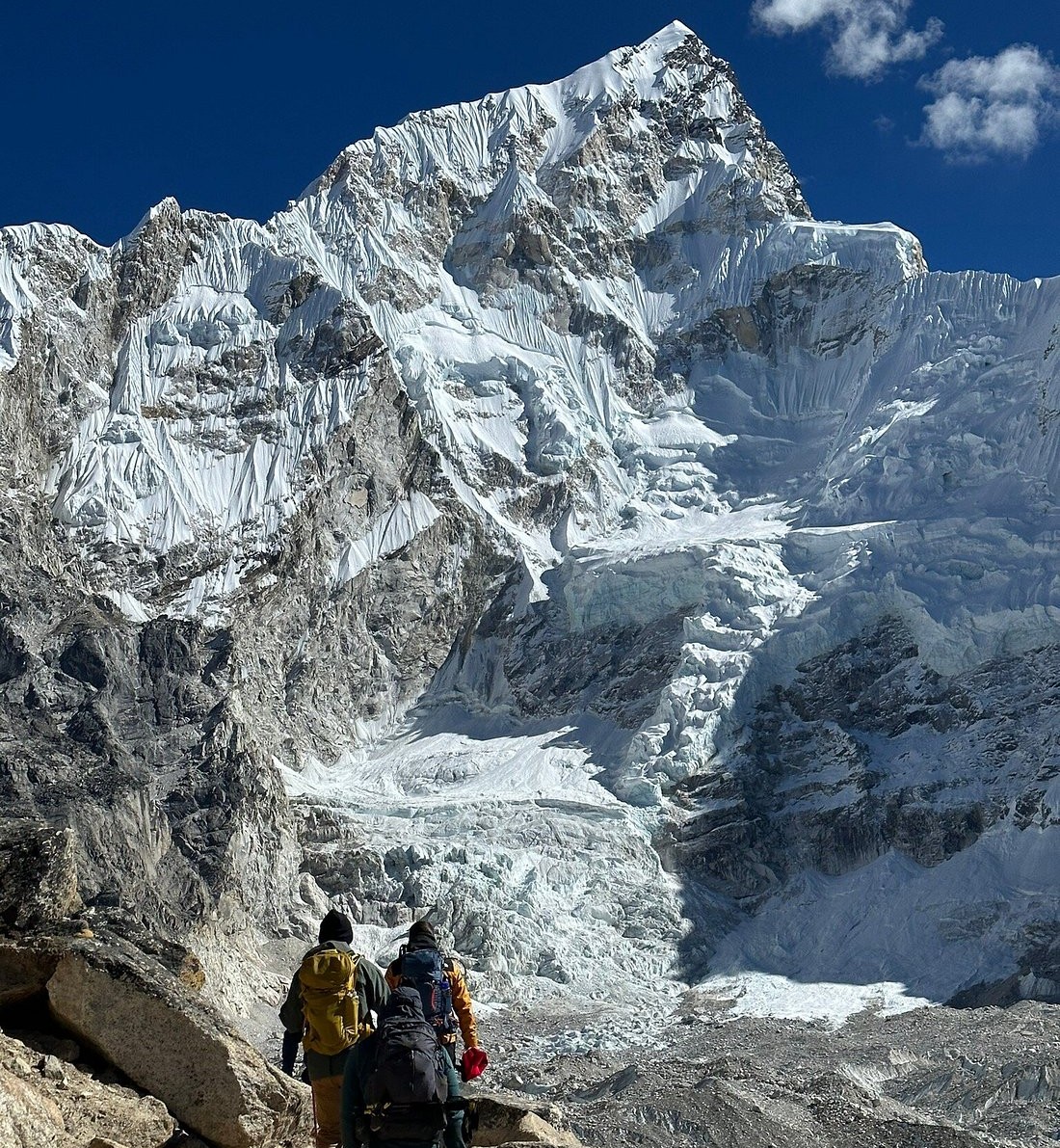
Visit Thame and Khumjung Villages
Explore traditional Sherpa villages off the main trekking trail, including Thame and Khumjung.
Discover local monasteries, cultural artifacts, and daily Himalayan life.
Offers an authentic cultural experience beyond the typical Everest Base Camp trek.
Additional Extensions
Island Peak (Imja Tse) expedition: For climbers seeking a mountain summit adventure, Island Peak can be attempted as an extension.
Gokyo Lakes exploration: Add extra days to hike between the lakes, enjoy serene views, and capture reflections of surrounding peaks.
Everest Panorama Flights: Short scenic flights from Lukla or Kathmandu can provide breathtaking bird’s-eye views of Everest and the surrounding peaks.
These optional excursions allow trekkers to customize their Everest Three Passes Trek, combining adventure, photography, and cultural immersion while exploring off-the-beaten-path areas of the Sagarmatha National Park.
Travel & Flight Information for the Everest Three Passes Trek
Reaching the Everest region requires careful planning for flights and ground transport. The Everest Three Passes Trek begins in Kathmandu and typically starts with a flight to Lukla, the gateway to the Sagarmatha National Park.
Arrival in Kathmandu
International travelers arrive at Tribhuvan International Airport (TIA) in Kathmandu.
Kathmandu offers hotels, gear shops, and trekking agencies for final preparation before heading to the mountains.
Allow at least one day in Kathmandu acclimatization before flying to Lukla.
Flight to Lukla Trailhead of the Trek
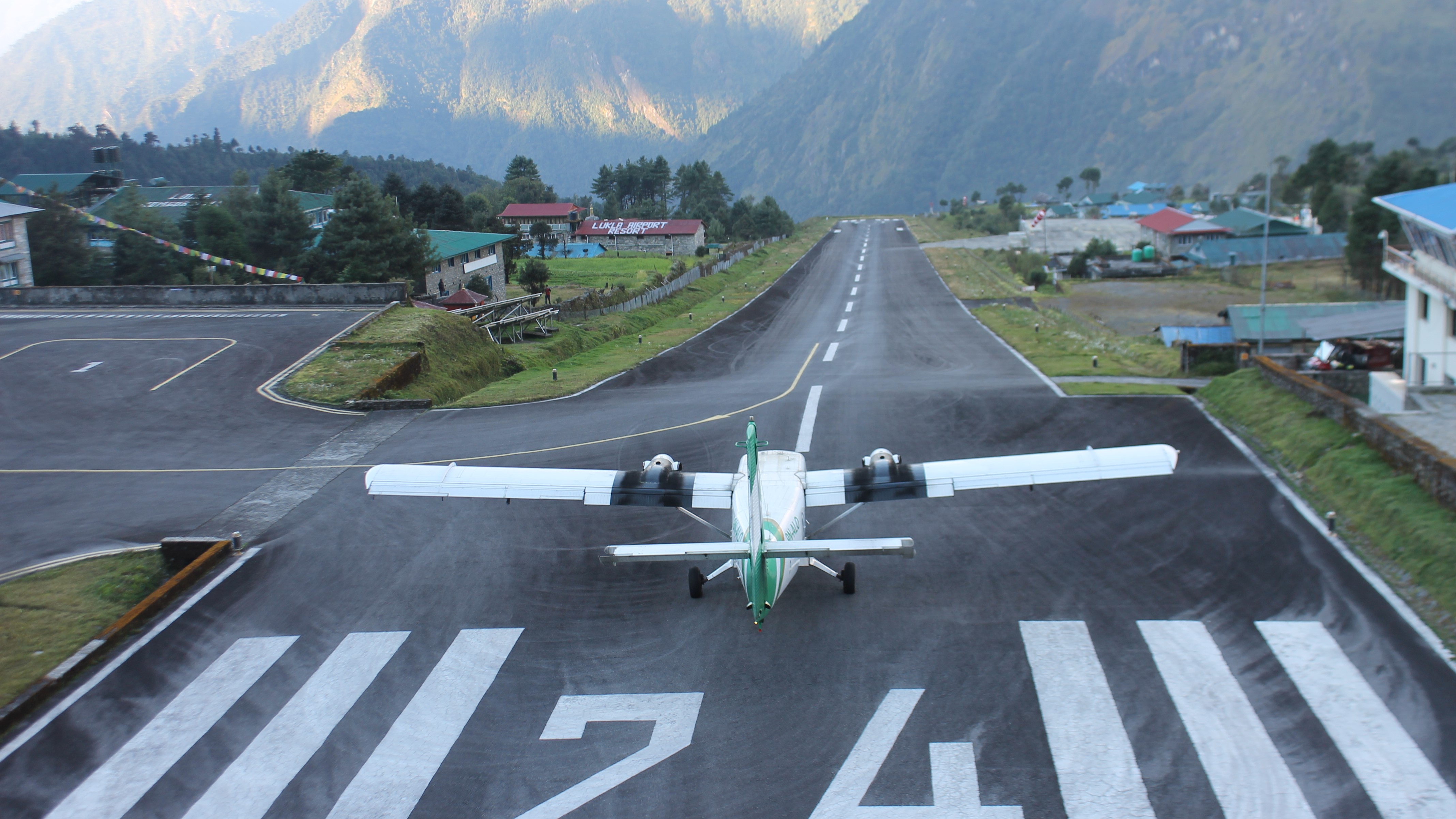
Lukla Airport (Tenzing-Hillary Airport) is the main starting point for the Everest Three Passes Trek.
Flights take approximately 35 minutes from Kathmandu and offer spectacular views of the Himalayas.
Weather can affect flights; it’s common to wait a day or two in Kathmandu for a safe flying window.
Domestic Flight Tips
Book flights early, especially during peak trekking seasons – autumn (Sept–Nov) and spring (Mar–May).
Travel light, as airlines have strict weight limits for baggage (typically 10–15 kg per person).
Carry essential trekking gear in a daypack in case of delayed flights.
Alternative Trailhead Option
Some trekkers choose to drive part of the way to Ramechhap or Manthali and take a charter flight to Lukla, which can be useful if Lukla flights are canceled due to weather.
Returning from the Trek
After completing the trek, return to Lukla by foot, then fly back to Kathmandu.
Coordinate flights with your guide or All Nepal Hiking to avoid delays and ensure smooth connections to international flights.
By planning your flights and travel logistics carefully, you can focus on the Everest Three Passes Trek adventure, including crossing Kongma La, Cho La, and Renjo La passes, visiting Gokyo Lakes, and reaching Everest Base Camp.
Everest Three Passes Trek FAQs
Can beginners do the Everest Three Passes Trek?
The trek is strenuous and high-altitude, but fit beginners with prior trekking experience can attempt it if they follow a proper acclimatization schedule and trek with a licensed guide.
How difficult is the Everest Three Passes Trek?
The trek is considered strenuous to challenging due to the three high passes – Kongma La, Cho La, and Renjo La, long trekking days, and altitudes above 5,300 meters. Strong cardiovascular fitness, stamina, and experience on moderate treks are recommended.
When is the best time to do the Everest Three Passes Trek?
Autumn (September–November): Clear skies, stable weather, ideal for Everest Base Camp and high pass trekking.
Spring (March–May): Blooming rhododendrons, moderate temperatures, and beautiful landscapes.
Can the trek be done solo?
While legally possible, trekking solo is not recommended due to remote terrain, high passes, and potential altitude sickness. A licensed Everest Three Passes Trek guide ensures safety, navigation, and permit management.
How long is the Everest Three Passes Trek?
The trek typically takes 17-20 days, covering approximately 230–240 km (143–150 miles), including acclimatization days and optional side trips.
Is the Everest Three Passes Trek safe?
Yes, the trek is safe with proper acclimatization, a licensed guide, and adherence to safety protocols. Emergency measures like helicopter evacuation and first-aid trained guides are available in high-risk areas.
Conclusion
The Everest Three Passes Circuit Trek is a dream adventure for serious trekkers, offering high-altitude challenges, breathtaking Himalayan landscapes, and rich Sherpa culture. Crossing Kongma La, Cho La, and Renjo La passes, visiting Everest Base Camp, and exploring Gokyo Lakes and traditional villages makes this trek one of the most rewarding experiences in Nepal.
With proper preparation, fitness, acclimatization, and guidance from experienced professionals, trekkers can safely enjoy the ultimate Everest adventure.
All Nepal Hiking provides expert support for your Nepal trekking and travel plans, ensuring a safe, well-organized, and unforgettable Everest Three Passes Trek. From permits and domestic flights to experienced guides, porters, and accommodation, we handle every detail so you can focus on the adventure and awe-inspiring scenery.
Choose All Nepal Hiking for your Nepal trip and trek and make your Everest Three Passes Circuit Trek an experience of a lifetime.


.webp)