What Does a Guide Do?
A guide in Nepal is usually a local expert who knows the terrain, the weather patterns, and the cultural aspects of the region. They are skilled in leading trekkers along the various trails and are trained in first aid and mountain safety. With years of experience, they can make your trekking experience smoother, safer, and more enjoyable.
Key Benefits of Hiring a Guide:
1. Safety
A guide’s primary role is to ensure your safety throughout the trek. They are trained to handle mountain safety and know how to manage risks, such as altitude sickness and sudden changes in weather. They understand the best practices for pacing yourself and adapting to high-altitude conditions, which can be crucial for your well-being.
2. Local Knowledge
Guides are usually from the region, giving them a deep understanding of the local culture, traditions, and history. With a guide, you gain access to insights about the different ethnic groups you encounter, the unique landmarks, and religious sites you visit along the way. This makes the trek not only physically enriching but also culturally informative.
3. Navigation
While popular trails like the Annapurna Circuit or Everest Base Camp are well-marked, some routes in Nepal can be tricky to navigate, especially if you’re not used to the mountainous terrain. A guide ensures you don’t get lost and helps you stay on track, reducing stress and making the journey more enjoyable.
4. Communication
In remote villages, local languages can vary, and English isn’t always widely spoken. Many guides in Nepal are fluent in English, making it easier for you to communicate with locals, ask for directions, or learn about local customs and practices. This can enhance your overall experience by fostering deeper connections with the communities you visit.
Potential Drawbacks of Hiring a Guide
While hiring a guide for your trek in Nepal has many benefits, there are a few potential drawbacks that you should consider before making your decision.
1. Cost
Hiring a guide can significantly increase the overall cost of your trek. On average, guides charge between $25-$35 per day, with the price varying depending on the route, guide experience, and trekking season. While this may seem like an extra expense, it can be worth the investment for safety and convenience, especially if you're unfamiliar with the terrain.
2. Independence
For some trekkers, one of the most appealing aspects of trekking is the sense of independence and freedom to explore at their own pace. Having a guide means you won’t have total control over your schedule. While guides are generally flexible and adapt to your needs, you may still feel less free to go off-track, take spontaneous detours, or linger longer at certain spots. If you're someone who enjoys a solo adventure, this could be a consideration.
In the end, the decision to hire a guide comes down to your personal preferences and what kind of trekking experience you're looking for.
If you're comfortable with a bit of extra cost and don't mind sharing your schedule with an expert, a guide can make your trek safer and more enriching. However, if you're looking for more freedom and self-reliance, you may want to consider trekking without one.
What Does a Porter Do?
A porter in Nepal is someone who carries your trekking gear and supplies, allowing you to trek without the burden of a heavy backpack. Most porters in Nepal are locals from the mountain regions who depend on trekking for their livelihood. They are skilled at carrying loads over challenging terrain, ensuring you can focus on the journey itself rather than the physical strain of carrying your gear.

Key Benefits of Hiring a Porter:
1. Relieve Physical Strain
Trekking at high altitudes with a heavy pack can be physically exhausting. A porter lightens your load, allowing you to enjoy the trek without the added stress of carrying gear like clothing, food, and camping equipment. This can be especially beneficial on longer treks where you’ll need to conserve energy.
2. Faster Trek
Without the weight of a heavy backpack, you can move more efficiently and at a better pace. A porter carries the load for you, allowing you to trek more comfortably and potentially even improve your overall trekking time. This is particularly useful if you're aiming to reach destinations like Everest Base Camp or the Annapurna Circuit within a certain time frame.
3. Support for Local Communities
Hiring a porter directly supports local families and communities in Nepal. Many porters come from rural areas where employment opportunities can be limited. By hiring a porter, you help provide a steady income for these individuals, contributing to the local economy and fostering sustainable tourism.
Potential Drawbacks of Hiring a Porter:
1. Additional Costs
A porter typically charges between $15-$25 per day, which can add up over the course of a multi-day trek. While this is often a reasonable cost for the convenience it provides, it’s important to factor this expense into your overall trek budget.
2. Dependency
One downside of hiring a porter is the potential for feeling dependent on someone else for carrying your gear. If you're used to trekking with your own backpack, it can be a bit strange to rely on another person. However, in the mountains, this dependency often leads to a better experience, as you’re not burdened by heavy gear, and you can focus more on the adventure and beauty of the trail.
Ultimately, hiring a porter can make your trek in Nepal much more comfortable and less physically demanding. It’s an excellent way to support local communities while making your journey more enjoyable. But as with any decision, it's important to weigh the costs and consider your personal preferences when planning your trek.
Is It Possible to Trek Without a Guide or Porter?
Yes, it is absolutely possible to trek in Nepal without a guide or porter many trekkers do it every year. However, there are several important factors to consider before you decide to go it alone.
Trekking Route
- Well-Defined Trails: If you're trekking on popular, well-established routes like the Annapurna Base Camp or Everest Base Camp, the trails are usually well-marked and easy to follow. These routes attract a lot of trekkers, and the paths are typically clear, making them safer for independent trekkers. There are also teahouses and lodges along the way, which means you're never too far from support if needed.
- Remote Routes: If you're considering less-frequented or more remote trekking routes, such as the Makalu Base Camp or the Kanchenjunga Circuit, the trails might be less clearly marked, and navigation could become more challenging. In these cases, having a guide can be very beneficial, especially for your safety and peace of mind. Guides are familiar with these less-trafficked paths and can help avoid getting lost or encountering unexpected risks.
Your Experience Level
If you’re a seasoned trekker with experience in high-altitude environments and know how to navigate challenging terrain, you might feel confident enough to trek without a guide or porter. The Himalayas are a beautiful but demanding environment, so if you're experienced, you'll have a better understanding of the physical and mental challenges of trekking.
On the other hand, if you’re new to trekking in the Himalayas or at high altitudes, hiring a guide can make your experience much smoother and safer. They can offer guidance on the best routes, pace, and acclimatization to avoid altitude sickness and other potential hazards.
Altitude Considerations
Trekking in Nepal involves high-altitude trekking (usually above 3,000 meters). This comes with the risk of altitude sickness, which can affect anyone, regardless of fitness level. Symptoms include headaches, dizziness, nausea, and fatigue, and in severe cases, it can become life-threatening.
A guide is trained to help you manage these risks, including adjusting your pace and suggesting rest days as needed to prevent altitude sickness. If you're trekking at high altitudes, a guide can also help you understand the symptoms and when to descend if necessary.
Language Barriers
In more remote areas of Nepal, English isn’t always widely spoken. If you don't speak Nepali, communication can become difficult, especially when trying to interact with locals or make important decisions. A guide can bridge this gap by helping you communicate with the local people, understand cultural norms, and navigate the more isolated regions where English may not be common.
While it's certainly possible to trek without a guide or porter in Nepal, it's important to assess your comfort level, experience, and the route you plan to take. If you're trekking on well-established routes and have previous trekking experience, going solo may be a good option.
However, if you're trekking in remote areas, have limited high-altitude experience, or are concerned about language barriers or safety, a guide and/or porter can make your trek significantly easier and safer.
Ultimately, the decision depends on your trekking preferences, but with the right preparation, independent trekking in Nepal can be an unforgettable adventure.
Costs and Budgeting: Should You Hire Both?
If you can afford it, hiring both a guide and a porter can greatly enhance your experience, especially if you want a more relaxed and informative trek. The combination of a guide’s expertise and a porter’s assistance can make for a much more comfortable and enjoyable trek.
However, if you’re on a tighter budget, you can still enjoy trekking in Nepal by choosing one or the other, or even going solo. Keep in mind that while a guide or porter is an extra expense, it also contributes to Nepal’s local economy, helping the people who rely on trekking for a living.
How to Hire a Guide or Porter
Hiring a guide or porter for your trek in Nepal is a straightforward process. You can hire through a reputable trekking agency or independently. Here's how:
1. Through a Trekking Agency
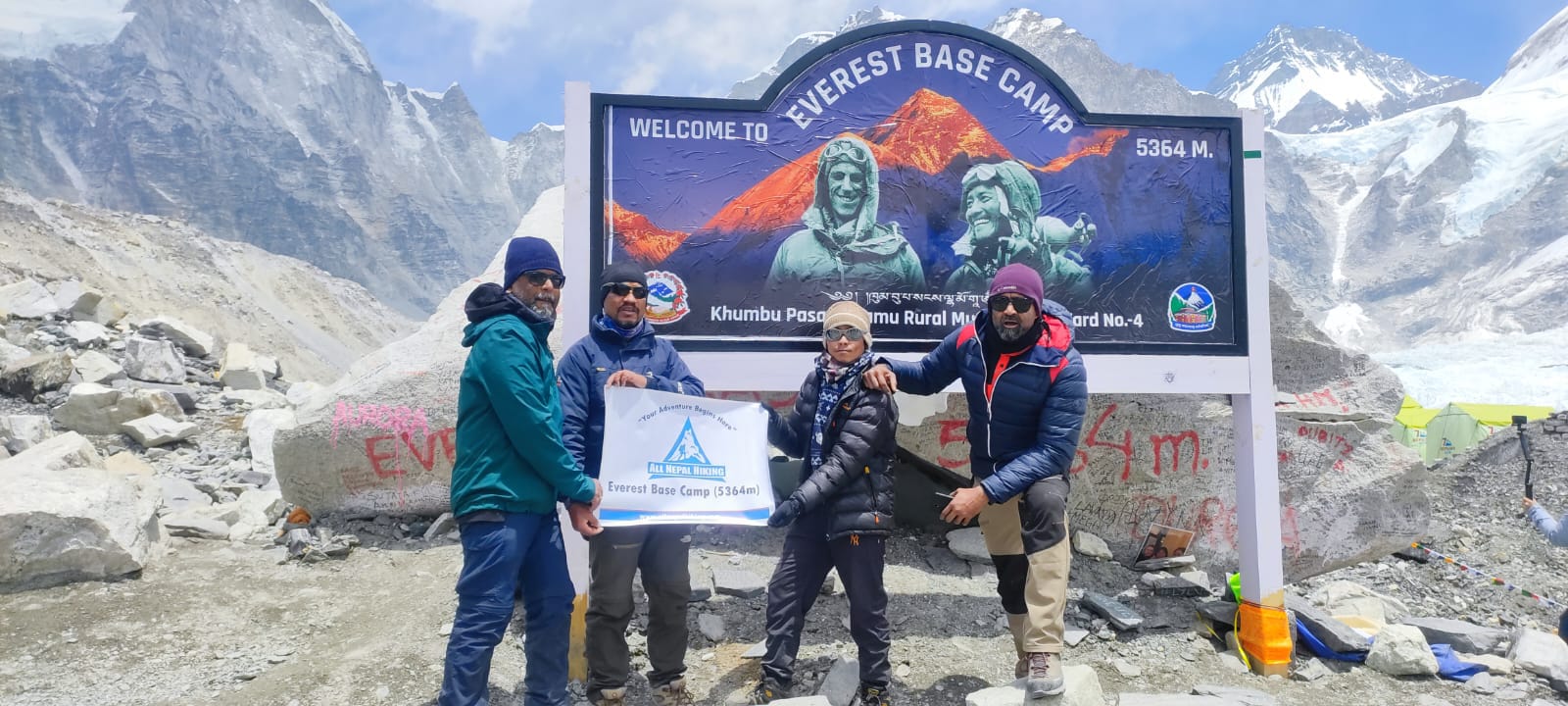
One of the most reliable ways to hire a guide or porter is through a trekking agency. Agencies in popular trekking hubs like Kathmandu and Pokhara offer guide and porter services, and All Nepal Hiking is one of the trusted agencies that provides this service.
Why Choose All Nepal Hiking?
- Professional Staff: At All Nepal Hiking, we carefully vet our staff to ensure that our guides and porters are not only experienced but also well-trained in first aid, mountain safety, and cultural knowledge. Our team is dedicated to making your trek safe, enjoyable, and educational.
- Comprehensive Packages: All Nepal Hiking offers trekking packages that include guides and porters, as well as necessary trekking permits, transportation, and accommodation. This makes it easier for you to plan your adventure while we take care of the details.
- Safety and Support: Our guides are well-versed in managing altitude sickness and adapting trekking plans to your pace. We offer constant support, ensuring your trek is as smooth and safe as possible.
2. Independently
If you prefer to hire a guide or porter independently, you can find local guides and porters in places like Kathmandu, Pokhara, and even at the trailheads. While this gives you more flexibility, it’s important to ensure that the person you hire is experienced and reliable.
How to Hire Independently:
- Negotiation: Be prepared to negotiate the price with your guide or porter. Typical rates are around $25-$35 per day for a guide and $15-$25 per day for a porter, but prices can vary based on the trekking route and season.
- Experience Check: Ensure the person you hire has prior experience trekking in the region and understands the challenges of high-altitude trekking. Ask for references or look for recommendations from other trekkers.
- Safety and Communication: It’s crucial that your guide or porter is trained in first aid and has an understanding of high-altitude risks. If you're not fluent in Nepali, ensure they speak English or a language you're comfortable with.
Things to Keep in Mind:
- Insurance: Whether you hire through All Nepal Hiking or independently, it’s important that your guide or porter has adequate insurance. This covers them in case of injury or emergency while trekking.
- Tipping: Tipping is a common practice in Nepal. It's a great way to show appreciation for your guide’s and porter’s hard work. Typically, a tip of $10-$20 per person is recommended, depending on the length of your trek and satisfaction with their service.
Hiring a guide or porter can significantly enhance your trekking experience in Nepal. Whether you choose to book through All Nepal Hiking, a trusted trekking agency, or hire one independently, ensure that the individual you hire is experienced, reliable, and well-prepared. All Nepal Hiking is here to provide you with the expertise, support, and personal touch that make your trek both safe and memorable.
Conclusion: Do You Need a Guide or Porter?
The decision to hire a guide or porter for your trek in Nepal ultimately depends on your personal preferences, budget, and the type of trek you're planning. If you're seeking a richer cultural experience, enhanced safety, and expert guidance, hiring a guide is a smart choice. A guide not only helps you navigate the trails but also offers valuable insights into Nepal's unique culture, history, and traditions, making your trek more meaningful.
If you want to lighten your load and make the trek easier on your body, hiring a porter is definitely worth considering. Porters can carry your heavy gear, allowing you to focus on enjoying the journey and the stunning landscapes without being weighed down by a heavy backpack. This makes trekking, especially over long distances or at high altitudes, much more manageable.
However, if you're feeling adventurous and are experienced enough, you might prefer the independence of trekking without a guide or porter. Trekking solo offers complete freedom, but be prepared for a more challenging experience, as you'll be responsible for your navigation, safety, and overall pacing.
In any case, the Himalayas are breathtaking, and with the right preparation, your trek will be both rewarding and unforgettable. No matter your choice, remember to enjoy the beauty of the mountains, stay safe, and embrace the journey.
 based on 270 reviews