based on 270 reviews

Introduction: Understanding Trek Difficulty in the Himalayas
When trekkers begin planning a Himalayan adventure, one of the most common and important questions they ask is: Is the Manaslu Circuit harder than the Everest Base Camp trek? This question is not only valid but essential, especially for trekkers who want to match their physical ability, experience level, and mental preparedness with the right route.
Nepal offers a wide range of trekking experiences, but Everest Base Camp and Manaslu Circuit stand out as two of the most iconic long-distance treks. Although both routes take you deep into the Himalayas and expose you to high altitude, rugged landscapes, and rich mountain culture, the level of difficulty between them is not the same.
The difference lies in altitude progression, trail conditions, remoteness, infrastructure, weather exposure, and overall physical and mental demand. To truly understand which trek is harder, each of these aspects must be examined carefully and in detail rather than relying on general opinions or marketing descriptions.
Quick-Glance Comparison: Manaslu vs. EBC
Difficulty Metrics | Manaslu Circuit Trek | Everest Base Camp Trek |
Max Altitude | 5,106 m (Larkya La Pass) | 5,364 m (EBC) / 5,550 m (Kala Patthar) |
Total Trail Distance | 177 km to 180 km (Full Loop) | 130 km (Out-and-Back) |
Average Daily Hiking | 6 to 9 hours | 5 to 7 hours |
Terrain Profile | Rugged, narrow, landslide-prone, glacial | Wide, well-graded stone steps, highly trodden |
Teahouse Infrastructure | Rustic, basic facilities, communal heating | Premium amenities, Wi-Fi, bakeries, attached baths |
Isolation & Crowds | Quiet, restricted-access, wilderness focus | High traffic, vibrant social hub |
Permit Regulations | Strict Restricted Area Permits (RAP) + Licensed Guide Compulsory | Standard National Park & Local Permits |
Overview of the Everest Base Camp Trek
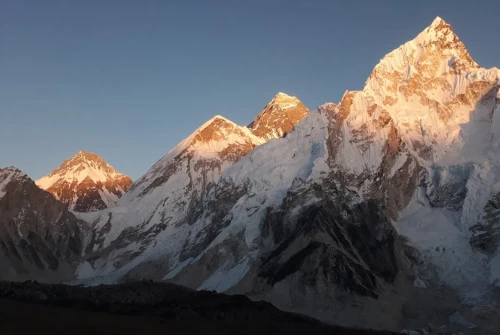
The Everest Base Camp trek is the most famous trekking route in Nepal and arguably in the world. It attracts trekkers from all backgrounds, including first-time hikers, adventure seekers, and seasoned mountaineers. The trek begins with a flight to Lukla and follows a well-established trail through Sherpa villages such as Phakding, Namche Bazaar, Tengboche, Dingboche, and Lobuche before finally reaching Everest Base Camp at an altitude of 5,364 meters. One of the defining features of the Everest Base Camp trek is its strong infrastructure.
The route is lined with numerous tea houses, medical clinics, bakeries, gear shops, and communication facilities. Acclimatization days are well planned, particularly in Namche Bazaar and Dingboche, which significantly reduces the risk of altitude sickness. Because of these factors, Everest Base Camp is considered challenging but manageable for trekkers who prepare properly, even if they do not have prior high-altitude trekking experience.
Overview of the Manaslu Circuit Trek
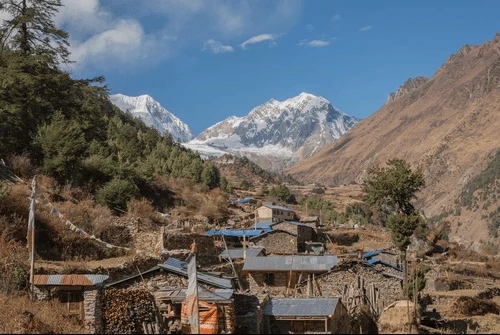
The Manaslu Circuit trek is a far more remote and less commercialized trekking route that circles Mount Manaslu, the eighth-highest mountain in the world at 8,163 meters. Unlike the Everest region, Manaslu lies in a restricted area, which means trekkers must obtain special permits and hire a licensed guide. The trail passes through deep river gorges, dense forests, traditional Tibetan-influenced villages, and high alpine terrain before crossing the formidable Larkya La Pass at 5,160 meters.
What makes the Manaslu Circuit particularly demanding is its isolation. Villages are fewer and farther apart, facilities are basic, and evacuation options are limited. Daily walking distances are long, elevation gain is often steep, and weather conditions can change rapidly. All these factors combine to make the Manaslu Circuit a much more physically and mentally demanding trek compared to Everest Base Camp.
Altitude and Acclimatization: A Crucial Difference
At first glance, many people assume that Everest Base Camp must be harder simply because it reaches a higher altitude than the Manaslu Circuit. While Everest Base Camp sits at 5,364 meters and Larkya La Pass reaches 5,160 meters, altitude difficulty is not determined by the highest point alone. On the Everest Base Camp trek, altitude gain is gradual and carefully structured, with scheduled acclimatization days that allow the body to adjust to thinner air.
Additionally, if a trekker begins to feel symptoms of Acute Mountain Sickness, there are multiple villages where they can rest, descend, or seek medical assistance. In contrast, the Manaslu Circuit involves faster altitude gain with fewer acclimatization opportunities. The ascent to Larkya La Pass is long, demanding, and often done in extremely cold and windy conditions. This makes altitude adaptation more difficult, increasing physical stress and fatigue. As a result, even though Everest Base Camp is slightly higher, the Manaslu Circuit often feels harder in terms of altitude challenge.
Trail Conditions and Terrain Difficulty
One of the most significant reasons why the Manaslu Circuit is harder than the Everest Base Camp trek lies in the condition of the trails. The Everest Base Camp route is wide, well-trodden, and regularly maintained due to heavy foot traffic throughout the trekking seasons. Stone steps, suspension bridges, and clearly marked paths make navigation relatively straightforward. In contrast, the Manaslu Circuit features narrow trails carved into steep hillsides, loose rocky sections, landslide-prone areas, and glacial moraines.
Certain parts of the trail require careful footing and strong balance, especially after rain or snowfall. The crossing of Larkya La Pass is particularly demanding, as it involves walking on snow and ice for several hours in freezing temperatures. This rugged and unpredictable terrain significantly increases the overall difficulty of the Manaslu Circuit trek.
Physical Endurance and Daily Trekking Demands
Physical fitness plays a major role in determining how difficult a trek feels. While both treks require good cardiovascular fitness and leg strength, the Manaslu Circuit demands a higher level of endurance. Daily trekking hours on the Manaslu Circuit are often longer, with steeper ascents and descents compared to the Everest Base Camp route.
Rest days are fewer, and there are limited opportunities for short or easy walking days. Trekkers must be prepared to walk for eight to ten hours on challenging terrain, sometimes at high altitude and in cold conditions. Everest Base Camp, although physically demanding, offers more flexibility, shorter daily distances, and better recovery opportunities. This makes Manaslu clearly harder in terms of sustained physical effort.
Weather Exposure and Seasonal Challenges
Weather is another factor that strongly influences trekking difficulty. The Everest region benefits from more accurate weather forecasting and relatively stable trekking seasons due to its popularity and infrastructure. Although weather can still be harsh, trekkers often have the option to wait out bad conditions in well-equipped lodges. The Manaslu Circuit, however, is far more exposed to unpredictable mountain weather.
Snowfall at Larkya La Pass can occur even during peak trekking seasons, sometimes forcing delays or route changes. Strong winds, sudden temperature drops, and limited shelter make bad weather more dangerous on the Manaslu Circuit. This increased exposure adds both physical and mental stress, making the trek harder overall.
Facilities, Comfort, and Mental Challenge
Comfort may not seem important when discussing trek difficulty, but it plays a crucial psychological role. The Everest Base Camp trek offers comparatively comfortable tea houses, heated dining rooms, charging facilities, internet access, and a wide variety of food options. These comforts help trekkers recover mentally and physically after long days on the trail.
On the Manaslu Circuit, accommodations are basic, rooms are colder, food choices are limited, and electricity is often unreliable. The lack of modern comforts, combined with isolation and long trekking days, makes the Manaslu Circuit mentally more demanding. This mental fatigue contributes significantly to why many trekkers find Manaslu harder than Everest Base Camp.
Safety, Rescue Options, and Risk Level
Safety is an important aspect of trekking difficulty. The Everest region has frequent helicopter flights, well-established rescue services, and multiple medical clinics along the trail. If something goes wrong, help is usually accessible. In contrast, the Manaslu Circuit has limited rescue options, and evacuation can be delayed due to weather or terrain. This higher level of risk requires trekkers to be more self-reliant and mentally prepared, further increasing the difficulty of the Manaslu Circuit trek.
Final Comparison and Verdict
When all factors are considered, altitude progression, trail conditions, physical endurance, weather exposure, remoteness, facilities, and safety, it becomes clear that the Manaslu Circuit is harder than the Everest Base Camp trek. Everest Base Camp is challenging but structured and beginner-friendly with proper preparation.
Manaslu Circuit is demanding, remote, and better suited for trekkers with prior high-altitude experience and strong physical fitness. Choosing between the two should depend on your experience level, comfort tolerance, and desire for solitude versus accessibility