Why Visit Kathmandu in 2026?
Kathmandu, the vibrant capital city of Nepal, has undergone significant transformation, making it one of the most exciting travel destinations in South Asia. In 2026, Kathmandu is a unique blend of ancient history and modern developments, offering visitors a fascinating mix of heritage sites, modern digital infrastructure, and a growing expat community. The city is home to UNESCO World Heritage sites like the Pashupatinath Temple, Boudhanath Stupa, and Swayambhunath Stupa, which have been fully restored, providing an incredible opportunity for travelers to explore Nepal's rich culture and spiritual heritage.
Beyond its historic treasures, Kathmandu Nepal has embraced modernity with a thriving coffee culture, hip cafes, and coworking spaces that are becoming popular among digital nomads and long-term travelers. The city’s affordable cost of living, combined with high-speed internet and an expanding network of remote work hubs, makes it a top destination for remote workers in 2026. Whether you’re seeking a budget-friendly travel experience or looking to live and work in an inspiring environment, Kathmandu offers the perfect balance of tradition and modernity.
If you’re searching for Nepal travel tips beyond the standard tourist attractions, this is the place to be. From exploring ancient temples and vibrant local markets to discovering hidden gems and enjoying the local Nepali cuisine, Kathmandu in 2026 is a truly unique and unforgettable experience.
Entry Requirements & Visas for kathmandu Nepal
Before landing at Tribhuvan International Airport (TIA) in Kathmandu, it's important to know the visa requirements and how to stay connected during your stay in Nepal. Whether you're a first-time traveler or a long-term visitor, here’s everything you need to know:
Visa on Arrival for Nepal
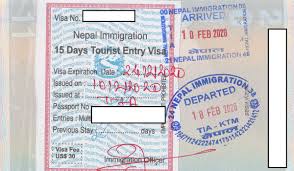
Nepal offers an easy Visa on Arrival service for most nationalities, with different options depending on how long you plan to stay.
15 Days: $30 USD
30 Days: $50 USD
90 Days: $125 USD
Pro Tip:
Skip the long lines at the airport by filling out the Pre-Arrival Online Visa Form on the Department of Immigration website. This will allow you to bypass the digital kiosks and streamline your arrival process.
SIM Cards for Internet & Connectivity
After landing at Tribhuvan International Airport, you'll find options to purchase NTC or Ncell SIM cards both offering 5G connectivity. With these SIM cards, you'll stay connected across Kathmandu and Patan, ensuring you can easily use apps like Pathao for ride-sharing, navigate local streets, and keep in touch with friends or work.
Pro Tip:
Select the plan that best suits your needs for data, calls, and messaging. NTC and Ncell both offer affordable tourist packages, ensuring you're always connected during your visit to Kathmandu.

2026 Travel Budget: Cost of Travel in Kathmandu
Budgeting for your Kathmandu trip is essential, especially as prices may fluctuate based on the season and your style of travel. Whether you’re a backpacker looking to stretch your budget or a mid-range traveler seeking comfort, this breakdown gives you a clear idea of what to expect for your daily expenses in Kathmandu in 2026.
Daily Budget Breakdown for Kathmandu
Here’s a quick guide to help you estimate your daily expenses in Kathmandu based on your travel style:
Category | Budget Traveler (USD) | Mid-Range Traveler (USD) |
Accommodation | $12 – $20 (Hostels/Guesthouses) | $45 – $80 (Boutique Hotels) |
Meals & Water | $10 – $15 | $25 – $40 |
Local Transport | $3 – $5 (Bus/Pathao) | $15 – $25 (Private Taxis) |
Total Daily | $25 – $40 | $85 – $145 |
Budget Traveler
For budget travelers (backpackers, solo travelers, or those on a tighter budget), Kathmandu offers affordable options, especially in areas like Thamel. You can stay in hostels or guesthouses, enjoy street food or budget restaurants, and take public transport (buses or Pathao ride-sharing) to get around.
Mid-Range Traveler
If you prefer a more comfortable experience with boutique hotels, nicer restaurants, and taxis for easier transport, Kathmandu still offers excellent value for money. You can stay in well-located boutique hotels, enjoy a mix of local and international cuisine, and travel in style with private taxis.
Pro Tip
For even more savings, consider staying at heritage homestays or using coworking spaces in Patan or Thamel, where digital nomads and long-term travelers often enjoy discounted rates for longer stays.
Entrance Fees for UNESCO Sites (2026 Rates)
Kathmandu is home to some of the most iconic UNESCO World Heritage sites in Nepal. These historic sites are a must-see for any visitor, and it's essential to know the entrance fees to budget accordingly. Below are the updated 2026 rates for foreigners and SAARC nationals visiting these sites:
Heritage Site | Entrance Fee (Foreign) | Entrance Fee (SAARC) |
Kathmandu Durbar Square | NPR 1,000 | NPR 500 |
Boudhanath Stupa | NPR 400 | NPR 100 |
Swayambhunath (Monkey Temple) | NPR 200 | NPR 50 |
Pashupatinath Temple | NPR 1,000 | NPR 1,000 |
Patan Durbar Square | NPR 1,000 | NPR 250 |
Bhaktapur Durbar Square | NPR 1,800 ($15 USD) | NPR 500 |
Pro Tip:
If you're planning to visit multiple Durbar Squares or other heritage sites, consider purchasing a Visitor’s Pass. With this pass, you can access several sites at a discounted rate. Ask for the pass when purchasing tickets at the Durbar Squares and bring a photo along for the process.
Top 5 Things to Do in Kathmandu
Kathmandu is a city full of energy and culture, offering a mix of ancient heritage and modern experiences. Whether you're a history buff, a spiritual traveler, or a food lover, Kathmandu has something for everyone. Here are the Top 5 Things to Do in Kathmandu that will make your trip truly unforgettable:
1. Witness the Sunrise at Swayambhunath (Monkey Temple)
Start your day by climbing the iconic 365 steps to the top of Swayambhunath, also known as the Monkey Temple, for a breathtaking sunrise view over the entire Kathmandu Valley. The panoramic view of the valley and surrounding mountains is spectacular, but beware—the monkeys here are famous for snatching food, sunglasses, or anything they can get their hands on!
2. Kora at Boudhanath Stupa
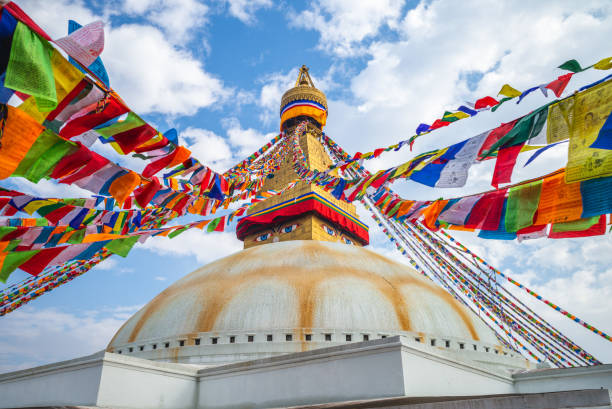
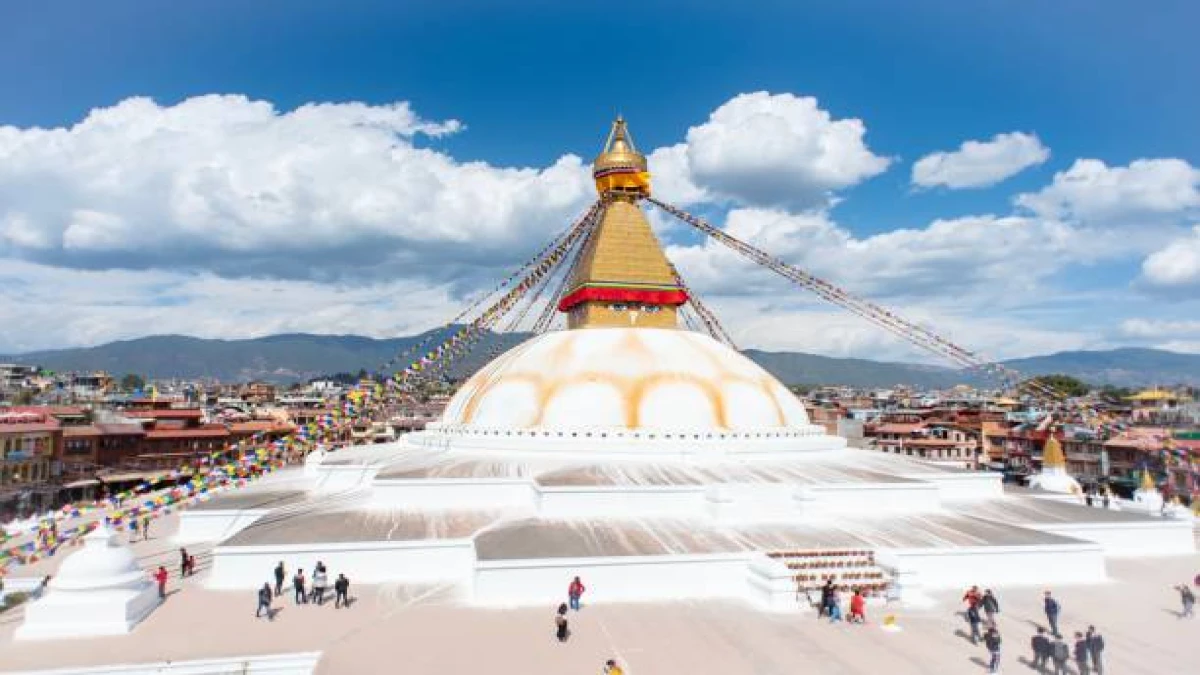
Boudhanath Stupa is the heart of Tibetan Buddhism in Nepal and a peaceful spot to experience the spiritual side of Kathmandu. Join the locals and fellow travelers in walking clockwise around the massive white dome, known as the kora, as you soak in the sound of chanting and the glow of butter lamps. It’s an experience of mindfulness and serenity.
3. The Evening Aarti at Pashupatinath
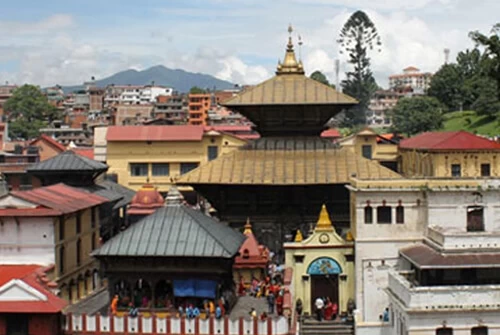
While the main temple at Pashupatinath is only open to Hindus, you can still experience one of Kathmandu’s most powerful spiritual rituals—the Aarti ceremony. Every evening at 6:00 PM, watch the ritual unfold along the Bagmati River, where fire, music, and prayer combine to create a mesmerizing atmosphere of devotion. It's a truly unforgettable cultural experience.
4. Explore the "Labyrinth" of Thamel
Thamel is Kathmandu’s vibrant tourist hub, offering everything from local markets to world-class bakeries. In 2026, Thamel has become even more pedestrian-friendly, with narrow lanes now free of traffic. Wander through its winding streets, shop for trekking gear, discover live music venues, or simply indulge in delicious Nepali food at one of the local cafes.
5. A Day Trip to Bhaktapur
A short drive (just 13km from Kathmandu) will take you to the medieval city of Bhaktapur, where time seems to stand still. This UNESCO World Heritage site is known for its ancient temples, pottery shops, and beautiful medieval architecture. Be sure to taste Juju Dhau, the famous King's Curds, which are a local delicacy. It’s the perfect day trip to immerse yourself in the culture and history of the Kathmandu Valley.
Getting Around Kathmandu: The "Pathao" Revolution
Kathmandu’s traffic can be a nightmare for anyone unfamiliar with its narrow, congested streets. However, thanks to the rise of ride-sharing apps, navigating the city in 2026 has become easier, safer, and more affordable. Here's a guide to the best ways to get around Kathmandu with Pathao, InDrive, and the newly popular Yango app.
1. Pathao & InDrive: Nepal’s Answer to Uber
If you’ve used Uber or Grab in other countries, Pathao and InDrive will feel familiar. These ride-sharing apps are transforming how locals and travelers get around Kathmandu in 2026. Both apps offer affordable rides with transparent pricing, so you don’t have to worry about haggling or surprises.
Pathao is especially popular for its bike taxis, offering a cheaper and faster option for short rides across the city.
InDrive allows you to negotiate the fare, giving you flexibility and control over the price.
2. Bike Taxis: A Fast & Fun Option
For solo travelers, Pathao bike taxis are the best way to skip the notorious Kathmandu traffic. These motorbike rides are quick, affordable, and an exciting way to experience the hustle and bustle of the city. Plus, with the Pathao app, you’ll know exactly how much you’re paying before you get on, making it a convenient option for those who want to get around quickly and safely.
3. Local Buses: Experience Kathmandu Like a Local
For a truly authentic Kathmandu experience, hop on a local bus. Though crowded and often less comfortable than ride-sharing services, local buses give you an up-close view of daily life in Kathmandu. A typical fare is NPR 25–30, and riding a bus is a great way to mingle with locals, practice your Nepali, and see parts of the city you might not otherwise explore.
4. Yango: A New Option for Travelers in Kathmandu
In 2026, Yango, the Russian-based ride-sharing app, has made its debut in Kathmandu. It offers a similar service to Pathao and InDrive, with a user-friendly interface, real-time tracking, and competitive pricing. Yango is quickly gaining popularity, thanks to its easy-to-use app and the introduction of electric cars in some areas for a greener, quieter ride.
Why Use Ride-Sharing Apps in Kathmandu?
Safety: Using apps like Pathao, InDrive, and Yango helps ensure safety, especially when traveling at night or in unfamiliar areas.
Cost-Effective: They’re often cheaper than taxis, with no need to haggle over fares.
Convenience: Book your ride from the comfort of your phone, avoiding long waits for traditional taxis or buses.
Best Time to Visit Kathmandu: 2026 Festival Calendar
Kathmandu is a city that truly comes alive during its festivals, and 2026 promises to be no different. If you're looking to experience the city's rich cultural and spiritual life, planning your visit around one of Kathmandu’s major festivals will provide an unforgettable experience. Here's a breakdown of the 2026 festival calendar to help you make the most of your trip:
1. Maha Shivaratri – February 15, 2026
Maha Shivaratri is one of the most significant Hindu festivals, dedicated to Lord Shiva. This festival is marked by thousands of sadhus (holy men) and pilgrims gathering at Pashupatinath Temple, one of the holiest temples in Nepal. Expect a lively and spiritually charged atmosphere, with ritual dances, fire offerings, and sacred chants. It’s an incredible opportunity to witness Nepalese Hindu traditions up close.
2. Holi – March 2026
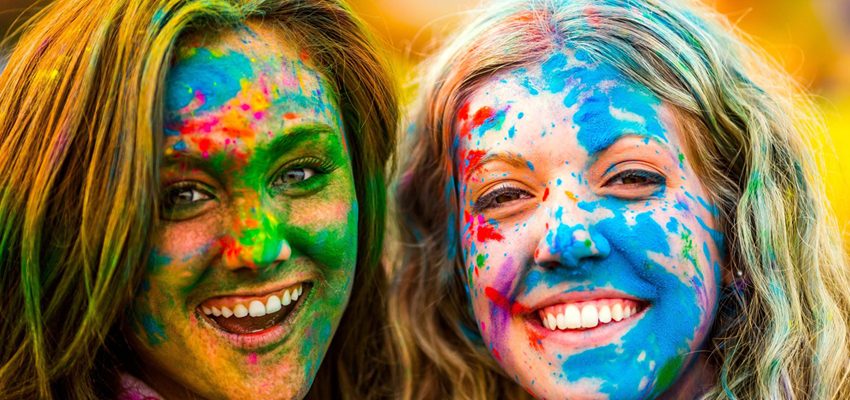
Holi, the Festival of Colors, is one of the most fun and lively celebrations in Kathmandu. In 2026, the streets of Kathmandu, particularly around Basantapur Durbar Square, will be filled with color, music, and dancing as locals and tourists alike throw colored powder and celebrate the arrival of spring. Be prepared to get messy and enjoy the vibrant energy of this beloved festival.
3. Indra Jatra – September 25, 2026
The Indra Jatra festival is one of Kathmandu’s grandest street festivals, held in September. The highlight is the chariot procession of the Living Goddess Kumari, one of the most fascinating rituals in Nepal. During this festival, the city is adorned with traditional performances, masked dances, and parades. The chariot procession winds through the streets of Kathmandu, with Kumari—considered the living goddess—making her ceremonial journey through the heart of the city.
4. Dashain & Tihar – October-November 2026
These are the biggest family festivals in Nepal, celebrated over several days with vibrant decorations, lights, and worship rituals. Dashain (October) marks the victory of good over evil, while Tihar (November) is known as the Festival of Lights, where homes and streets are illuminated with oil lamps and colorful lights. During Tihar, the worship of animals such as dogs, cows, and even crows is part of the tradition, making it a unique cultural experience for travelers.
Food & Hygiene Tips: Staying Healthy in Kathmandu
Kathmandu is a food lover’s paradise, with a wide range of traditional Nepali dishes that will leave you craving more. However, staying healthy while enjoying the local cuisine is important, especially when it comes to water safety and knowing which foods to try. Here are some food & hygiene tips to ensure you have a safe and enjoyable trip to Kathmandu:
Water Safety in Kathmandu:
Do not drink tap water in Kathmandu. The tap water is not safe for drinking due to potential contamination. Stick to bottled or filtered water to avoid stomach issues like Traveler’s Diarrhea.
Pro Tip: Carry a water filtration bottle (like LifeStraw or Grayl) to filter tap water, which is a great eco-friendly option if you're trekking in more remote areas.
Must-Try Foods in Kathmandu:
Kathmandu's food scene is an exciting mix of local flavors, street food, and delicious comfort food. Don't miss these iconic Nepali dishes during your visit:
1. Momos:
Momos are Nepal’s famous dumplings, and you’ll find them on nearly every street corner in Kathmandu. These dumplings can be steamed or fried and are often served with a spicy dipping sauce. For something extra flavorful, try Jhol Momo, a variation served in a spicy broth that will make your taste buds dance. It’s a must-try comfort food for anyone visiting Kathmandu!
2. Dal Bhat:
This is the national dish of Nepal and a staple for locals. Dal Bhat consists of lentil soup (dal) served with rice (bhat), and it’s often accompanied by a variety of side dishes such as vegetables, pickles, and papad. Dal Bhat is often called "Power 24 Hour" because it’s a nutritious, filling meal that fuels you for the entire day.
3. Newari Khaja Set:
If you're seeking something more unique, try the Newari Khaja Set, a multi-component platter filled with various spicy Newari dishes like bara (fried lentil patties), choila (spicy grilled buffalo), and yomari (a sweet steamed dumpling). The Newari community, known for their rich culinary tradition, offers a feast that’s a perfect mix of textures and flavors. You’ll find it best in Patan, where Newari food is served in local Bhattis (small tavern-style restaurants).
Summary Checklist for Your First Trip to Kathmandu
Planning your first trip to Kathmandu in 2026? Here’s a handy checklist with essential tips to make your visit safe, enjoyable, and culturally respectful. These quick tips will help you navigate Kathmandu with ease and avoid any common travel missteps:
1. Bring a Mask:
Kathmandu is known for its dusty roads, especially in the busy areas like Thamel and Patan. To protect yourself from dust and pollution, bring a buff or N95 mask for comfort and respiratory protection. This is especially important if you plan on walking around the city or trekking in nearby mountain areas.
2. Cash is King:
While Kathmandu has modern amenities, most local markets and smaller shops don’t accept credit cards. It’s crucial to carry cash in Nepali Rupees (NPR) for everyday purchases. ATMs in Kathmandu have withdrawal limits of NPR 35,000 per transaction, so make sure to withdraw cash as needed.
3. Respect Local Culture:
Kathmandu is a deeply spiritual city with significant Hindu and Buddhist traditions. When visiting temples and sacred sites like Pashupatinath or Swayambhunath, make sure to cover your shoulders and knees as a sign of respect. It's a simple way to show you honor the culture and traditions of the people.
4. Download Maps.me:
While Google Maps is widely used, Maps.me is an invaluable app for navigating Kathmandu’s narrow alleys and winding streets, particularly in Thamel and Patan. The app works offline and offers more accurate walking directions in the city’s busy areas, where roads can be confusing and hard to navigate.
Frequently Asked Questions Kathmandu Nepal 2026
1. Is Kathmandu safe to visit in 2026 given the recent elections?
Yes, Kathmandu remains very safe for tourists. While Nepal held elections in early 2026, the tourism sector is well-insulated from political events. Tourist hubs like Thamel and Patan, as well as major trekking routes, operate normally. It is always wise to monitor local news for any scheduled general strikes (bandhs), but these rarely target or impact international visitors directly.
2. Do I need a visa to enter Nepal in 2026?
Most nationalities require a visa, which is easily obtainable via the Visa on Arrival service at Tribhuvan International Airport (TIA). In 2026, fees are $30 (15 days), $50 (30 days), and $125 (90 days). Indian citizens do not need a visa but must carry a valid passport or Voter ID.
Pro Tip: Fill out the online pre-arrival form 15 days before landing to skip the digital kiosk queues at the airport.
3. Can I work as a digital nomad in Kathmandu?
Absolutely. Kathmandu has become a regional hub for remote workers in 2026. Neighborhoods like Jhamsikhel and Thamel offer high-speed fiber internet and dedicated coworking spaces. Most mid-range hotels and cafes now offer 5G Wi-Fi, making it easier than ever to balance culture and career.
4. What is the best way to get around Kathmandu today?
While local buses are the cheapest (around NPR 25), ride-sharing apps are the preferred choice for travelers in 2026. Pathao and InDrive are the market leaders for bike and car taxis. For a greener option, look for the increasing number of electric "Safa Tempos" and electric taxis now available via the Yango app.
5. Can you see Mount Everest from Kathmandu?
Yes, but only on very clear days, typically during the Autumn (Oct-Nov) or Spring (Mar-Apr) seasons. The best views are from the short drive to the rim of the valley in Nagarkot or Chandragiri Hills. For a guaranteed view, most travelers book a "Mountain Flight" from.
6. What are the must-try foods in Kathmandu?
Beyond the famous Momo (dumplings) and Dal Bhat (lentil set), you must try Newari Khaja. As the indigenous culture of the valley, Newari cuisine features unique dishes like Choila (spicy grilled meat) and Yomari (sweet steamed dumplings). For a 2026 trend, don’t miss the artisanal coffee scene in Patan!
Conclusion: Your Ultimate Kathmandu Travel Guide 2026
Kathmandu, the vibrant capital of Nepal, is a city that beautifully balances ancient traditions with modern growth. Whether you’re a first-time traveler, a digital nomad, or a seasoned trekker, Kathmandu in 2026 offers a unique blend of cultural experiences, world-class trekking, and exciting new developments that will make your trip truly unforgettable.
From visiting iconic UNESCO World Heritage Sites, experiencing Nepali festivals, enjoying mouthwatering Kathmandu street food, and staying in affordable accommodations, to navigating the city with the help of modern ride-sharing apps, Kathmandu has something for every type of traveler. With the latest visa requirements, the city has become a hub for digital nomads and long-term travelers looking for a base with great connectivity and an authentic cultural experience.
Ready to Explore Kathmandu? Contact All Nepal Hiking for Your Nepal Tour & Trek
If you’re planning to experience the best that Kathmandu and Nepal have to offer, including trekking to Everest Base Camp, Annapurna Circuit, or simply discovering the top attractions in Kathmandu, All Nepal Hiking is your trusted partner for Nepal tours and treks. Their team of expert guides will ensure your trip is well-planned, safe, and unforgettable. Whether you're seeking budget travel options, or looking for a more luxury trekking experience, All Nepal Hiking offers tailored packages to suit all needs.
 based on 270 reviews




.webp)