based on 270 reviews

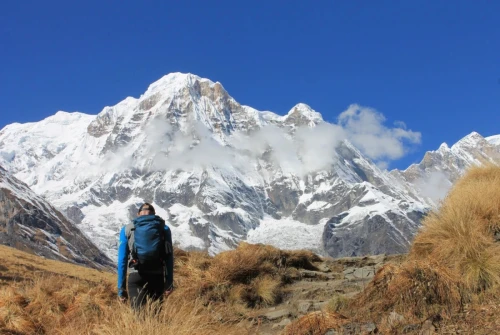
Nepal is a trekker’s paradise, and one of its most exhilarating adventures is theLarke Pass Trek, also known as Larkya La. Located in the remote Manaslu region of Nepal, this high-altitude trek takes you through rugged Himalayan landscapes, alpine meadows, glacial valleys, and traditional Tibetan villages. At an elevation of (5,106 m / 16,752 ft), Larke Pass is one of the highest trekking passes in Nepal, offering breathtaking panoramic views of towering Himalayan peaks including Manaslu, Annapurna II, Tilicho, Himlung, and Cheo Himal.
Ideal for adventure travelers, mountain trekkers, and nature enthusiasts, the Manaslu Larke Pass Trek combines challenging high-altitude trekking with cultural experiences, from Buddhist monasteries and Tibetan-style villages to the opportunity to explore the Annapurna region, including Tilicho Lake, one of the highest lakes in the world.
Whether you are planning a Manaslu Circuit Trek, a Nepal trekking adventure, or a high Himalayan expedition, trekking via Larke Pass and the Annapurna Circuit through Thorong La Pass promises spectacular scenery, thrilling adventure, and unforgettable memories across the Annapurna and Manaslu regions.
Larkya La Pass Trek The Complete Guide to the Manaslu Circuit
Where is Larke Pass?
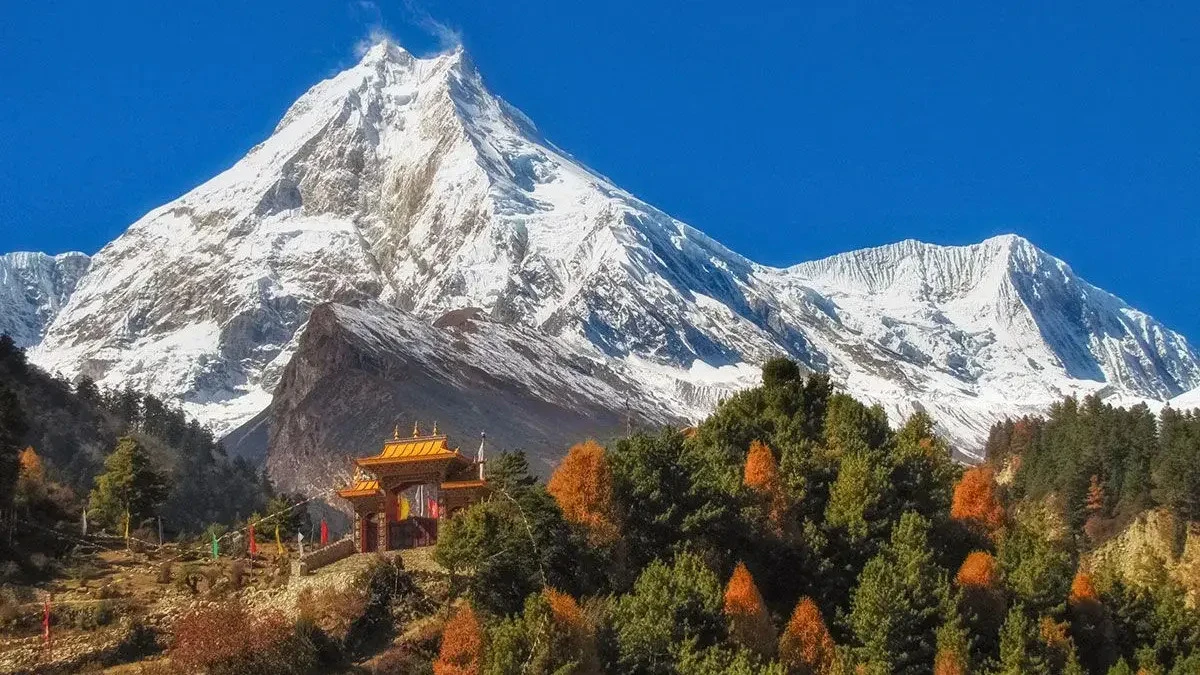
Larke Pass, also known as Larkya La, is located in the Manaslu region of north-central Nepal, one of the most remote trekking destinations in Nepal. It connects the Manang Valley to Bimtang, lying between the Annapurna and Manaslu mountain ranges, making it an ideal route for adventure trekkers seeking less crowded trails with spectacular Himalayan views.
On the map of Nepal, Larkya La Pass sits as the highest point of the Manaslu Circuit, situated east of Bimtang and north of Samagaon. This iconic pass serves as the gateway between the Gorkha and Manang districts. The route is world-renowned for its high-altitude glacial landscapes, alpine meadows, and preserved Tibetan culture. It is the perfect choice for trekkers seeking a rugged alternative to the Annapurna region, offering a seamless connection for those looking to extend their adventure toward Tilicho Lake and Thorong La Pass.
Larke Pass or Larkya La Pass? Which is Correct?
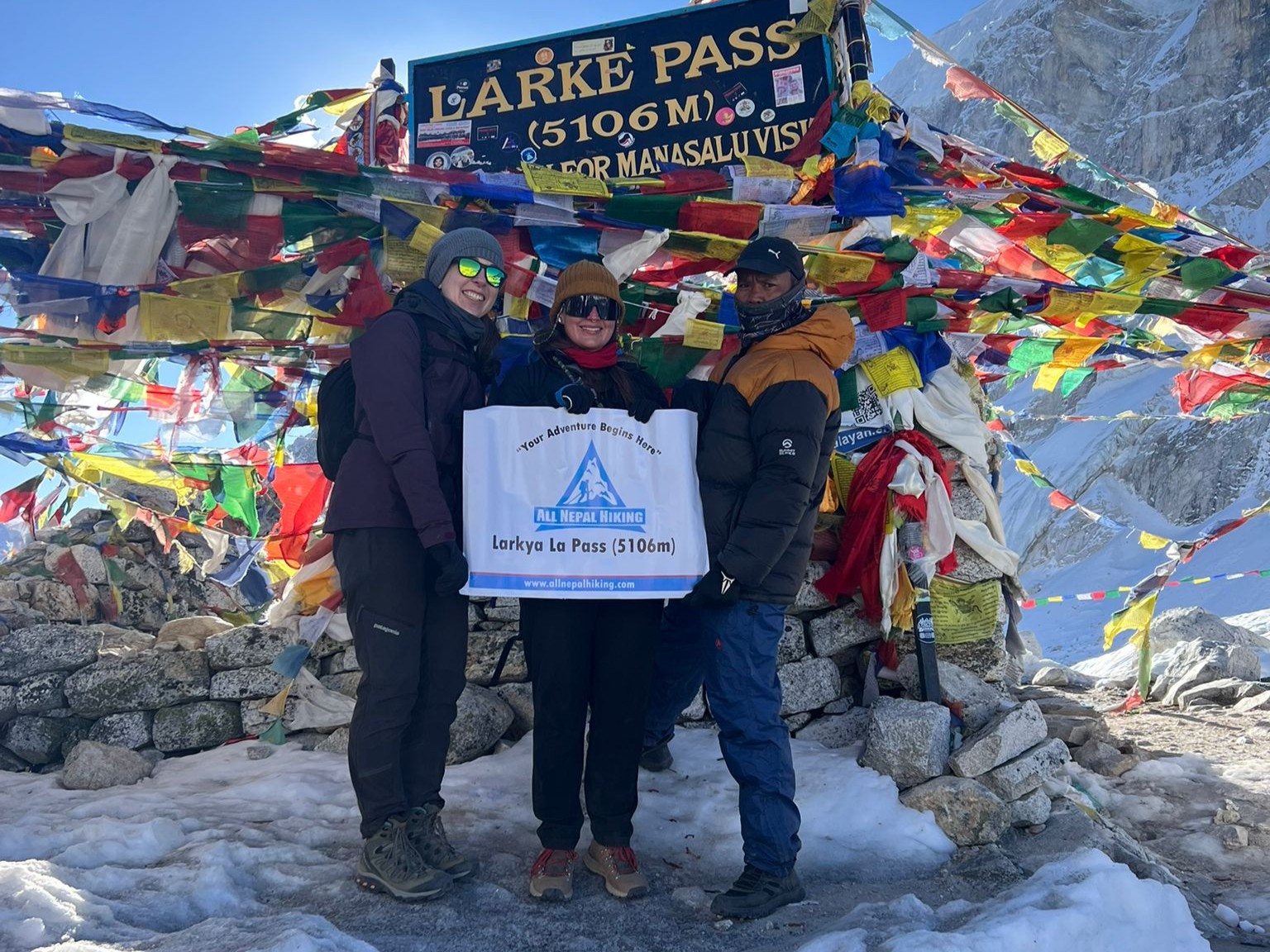
If you are looking for the technically correct name, it is Larkya La. In the Tibetan and Sherpa languages spoken throughout the Manaslu region, the word "La" literally translates to "Pass." Therefore, saying Larkya La Pass is technically redundant.
However, the naming usually breaks down into three categories:
Larkya La: The authentic, local name used by guides and residents.
Larke Pass: An anglicized version often used on older maps and simplified trekking itineraries.
Larkya La Pass: The most common term found in Western guidebooks and online search results.
While all three names refer to the same 5,106-meter (16,752 ft) high-altitude saddle, using Larkya La will earn you extra respect from your local guides,Whether you call it Larke or Larkya, it remains the crowning jewel of the Manaslu Circuit Trek, offering a remote and rugged alternative to the more crowded Annapurna and Everest regions.
What is Larkya La (Larkey La Pass 5106), Nepal?
Larkya La, often referred to as Larke Pass, is a formidable high-altitude mountain pass in the Manaslu region of the Nepal Himalayas. Standing at 5,106 meters (16,752 ft), it serves as the dramatic crux or highest point of the famous Manaslu Circuit Trek.
For adventurers seeking to escape the more crowded trails of Everest or Annapurna, Larkey La Pass offers a raw, pristine window into the heart of the Himalayas. Because this remote pass is accessible only by foot, it remains one of the most rewarding high-altitude challenges in Nepal.
Why Trekkers Love It:
The Scenery: A breathtaking transition from lush alpine meadows to stark, glacial moraines.
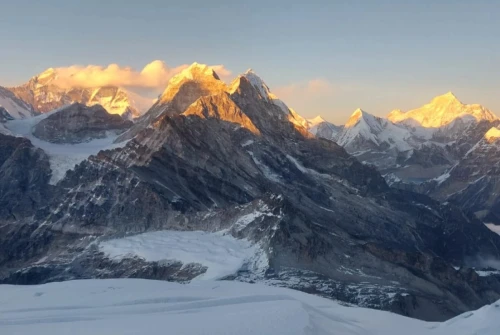
The Views: Panoramic vistas of Manaslu (8,163m), Himlung Himal, Cheo Himal, and Kang Guru.
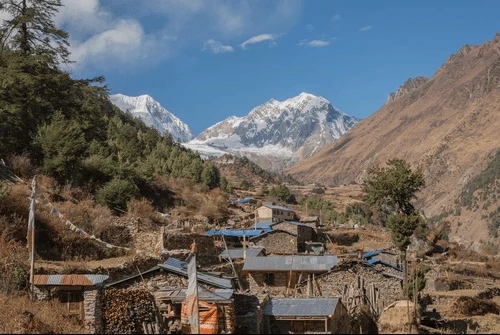
The Culture: The trail winds through ancient Tibetan-style villages like Samagaon and Samdo, where traditions have remained unchanged for centuries.
This trek is a must for experienced hikers and mountain enthusiasts looking for a remote, high-altitude experience that combines physical challenge with deep cultural immersion.
Manaslu Larke Pass Trek Itinerary
The Manaslu Larke Pass Trek is typically a 10–14 day high-altitude trekking adventure in the Manaslu region of Nepal. This trek takes you through remote Himalayan villages, alpine meadows, glaciers, and traditional Tibetan-style settlements, with Larke Pass (Larkya La) at 5,106 m as the highlight.
day-by-day itinerary for the Larke Pass trek:
Day | Destination | Altitude | Trekking Duration | Distance |
Day 1 | Drive from Kathmandu to Machha Khola | 850 m (2,788 ft) | 7–8 hrs | 160 km |
Day 2 | Trek from Machha Khola to Jagat | 1,300 m (4,265 ft) | 6–7 hrs | 22 km |
Day 3 | Trek from Jagat to Deng | 1,860 m (6,109 ft) | 5–6 hrs | 19 km |
Day 4 | Trek from Deng to Namrung | 2,660 m (8,727 ft) | 4–5 hrs | 14 km |
Day 5 | Trek from Namrung to Lho | 3,180 m (10,433 ft) | 3–4 hrs | 9 km |
Day 6 | Trek from Lho to Samagaun | 3,520 m (11,549 ft) | 6 hrs | 17 km |
Day 7 | Acclimatization Day at Samagaun | 3,520 m (11,549 ft) | Rest Day | - |
Day 8 | Trek from Samagaun to Samdo | 3,875 m (12,713 ft) | 4–5 hrs | 8 km |
Day 9 | Trek from Samdo to Dharamsala/Larkya La Phedi | 4,450 m (14,599 ft) | 4–5 hrs | 9 km |
Day 10 | Trek from Dharamsala to Bhimtang via Larkya La Pass | 5,106 m (16,806 ft) | 8–9 hrs | 23 km |
Day 11 | Trek from Bhimtang to Dharapani | 1,860 m (6,109 ft) | 7–8 hrs | 24 km |
Day 12 | Drive from Dharapani to Kathmandu | 1,400 m (4,593 ft) | 8–9 hrs | 200 km |
Optional Side Trips During the Manaslu Larke Pass Trek
The Manaslu Larke Pass Trek is already an incredible adventure, but several optional side trips can enhance your journey with additional Himalayan scenery, cultural experiences, and high-altitude exploration:
Tilicho Lake Trek:
Adds 5-6 days to your trek. Tilicho Lake, at 4,919 m (16,138 ft), is one of the highest lakes in the world. The trail offers stunning Himalayan views and a close-up experience of glacial landscapes.Manang Valley Detour:
This detour provides additional scenic Himalayan vistas and acclimatization opportunities, perfect for trekkers seeking to explore the Annapurna-Manaslu region in more depth.Exploring Local Monasteries:
Visit Samdo and Samagaon monasteries to experience Tibetan Buddhist culture, rituals, and architecture, offering a unique cultural perspective along the trek.Tsum Valley Trek:
Known as the hidden valley of Nepal, Tsum Valley is famous for its remote villages, sacred monasteries, and pristine Himalayan landscapes. This side trip adds several days to your itinerary and is ideal for adventure seekers and cultural explorers.Pungyen Monastery (near Samagaon):
Located close to the main trail, Pungyen Monastery allows trekkers to immerse themselves in Tibetan Buddhist traditions and enjoy a peaceful stop amid the mountains. This is a must-visit cultural site on the Manaslu Larke Pass Trek.Manaslu Base Camp Trek:
Extend your trek to Manaslu Base Camp (approx. 4,800m ) for glacier-fed landscapes and panoramic mountain views. This side trip is perfect for photography enthusiasts and high-altitude adventure seekers.Nepal-Tibet Border at Samdo:
From Samdo village, trekkers can take a short excursion to the Nepal-Tibet border, witnessing the unique cultural and geographical transition between the two regions.
Highlights of the Larkey La Pass Trek
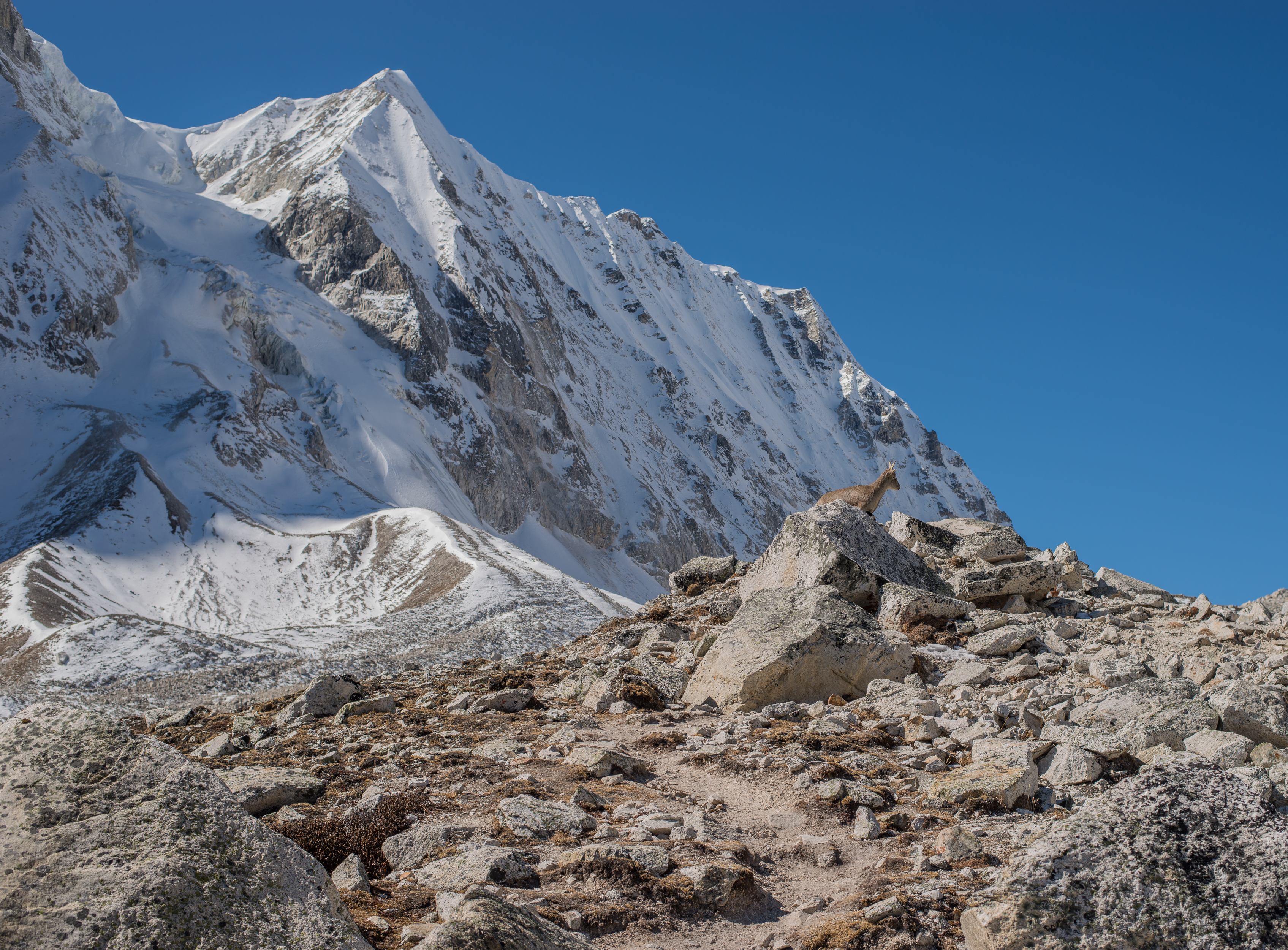
Larkey La Pass is one of the most spectacular high-altitude treks in Nepal. Part of the Manaslu Circuit Trek, it offers a combination of stunning Himalayan landscapes, Tibetan cultural experiences, and challenging high-altitude adventure. This trek is perfect for adventure seekers, nature lovers, and trekkers looking for off-the-beaten-path experiences in Nepal.
What Makes the Manaslu Larkya La Trek Truly Special?
1. Crossing the Larkya La Pass (5,106 m / 16,752 ft)
Stand atop one of Nepal’s most iconic high-altitude passes. The crossing is the ultimate physical challenge of the trek, rewarding you with a 360-degree theater of peaks including Himlung Himal, Larke peak ,Cheo Himal, and Kang Guru. It is widely considered one of the most dramatic pass crossings in the Himalayas.
2. Pristine Tibetan Culture & Ancient Monasteries
Unlike more commercialized routes, Manaslu remains a stronghold of authentic Tibetan Buddhism. You’ll walk past mani walls (prayer stones) and visit centuries-old sites like Pungyen Monastery and Ribung Gompa in Lho. The sight of red-robed monks and fluttering prayer flags against the white peaks is unforgettable.
3. Remote, Unspoiled Himalayan Villages
Step back in time in villages like Lho, Samagaon, and Samdo. These stone-built settlements are home to the "Nupri" people, where life still revolves around yak herding and high-altitude farming. Because the region requires a restricted area permit, it remains far less crowded than the Everest or Annapurna trails.
4. Dramatic Ecological Diversity
Few treks offer such a wild shift in scenery. You begin in lush subtropical forests and move through:
Alpine Meadows: Towering pine and rhododendron forests.
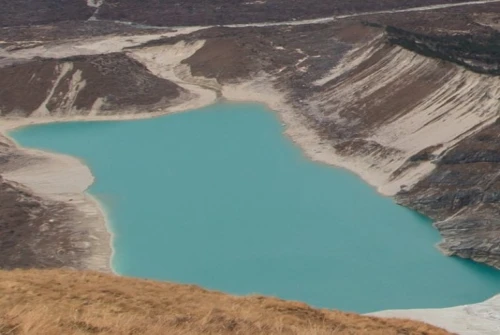
Glacial Valleys: The massive Birendra Lake and the Larkya Glacier.
High Desert: A stark, Tibetan-plateau landscape as you approach the pass.
5. Essential Acclimatization at Samagaon
A rest day in Samagaon isn't just a safety precaution; it’s a highlight. It gives you time to hike to Birendra Lake or Manaslu Base Camp (4,800m), allowing your body to adjust to the thin air while enjoying front-row views of Mt. Manaslu’s Killer Mountain face.
6. Rare Wildlife in the Manaslu Conservation Area
The region is a sanctuary for rare Himalayan species. Keep your binoculars ready for:
Blue Sheep (Bharal): Often seen grazing on steep cliffs near Samdo.
Himalayan Marmots: Peeking out from their burrows in the high meadows.
The Elusive Snow Leopard: While rare, this ghost of the mountains is known to inhabit the high ridges above the trail.
7. Legendary Side Trips
Tsum Valley: Known as the Hidden Valley of Happiness, this extension adds a week of deep spiritual immersion.
Manaslu Base Camp: Get up close to the expedition tents of climbers attempting the world's 8th highest peak.
Rui La (Tibet Border): A challenging side trip from Samdo that leads to the literal edge of the Tibetan plateau.
Pro-Tip for Trekkers: While you can see the Annapurna range (specifically Annapurna II) after descending the pass into the Marsyangdi Valley, you actually get the best views of Mt. Manaslu itself from the village of Lho.
Larke Pass Trek Permits: RAP, MCAP, and ACAP
Trekking in the Manaslu region is different from the Everest or Langtang regions because it is a Restricted Area. To ensure safety and environmental conservation, the Government of Nepal requires three specific permits.
Restricted Area Permit (RAP)
This is the most critical permit for the Manaslu Circuit. It is required from the village of Jagat until you cross the pass and reach Dharapani.
Peak Season (Sept–Nov): $100 USD for the first 7 days (+ $15 per additional day).
Off-Season (Dec–Aug): $75 USD for the first 7 days (+ $10 per additional day).
Key Rule: You cannot apply for this permit as an individual. It must be processed by a registered trekking agency, and there must be a minimum of two trekkers in your group plus a licensed guide.
Manaslu Conservation Area Permit (MCAP)
This permit is mandatory to enter the protected wildlife and cultural zones of the Manaslu region.
Cost: NPR 3,000 (approx. $23–$25 USD).
Purpose: Fees are used for trail maintenance and local community development within the Gorkha district.
Annapurna Conservation Area Permit (ACAP)
Even though this is a Manaslu trek, the trail ends in Dharapani, which sits inside the Annapurna Conservation Area.
Cost: NPR 3,000 (approx. $23–$25 USD).
Purpose: Required for legal entry once you descend from the Larkya La into the Manang district.
Important: The TIMS Card Update
As of 2024–2026, a TIMS (Trekkers' Information Management System) Card is generally not required if you already hold a Manaslu Restricted Area Permit. However, if you plan to continue trekking further into the Annapurna Circuit (e.g., toward Thorong La or Poon Hill) after finishing the Manaslu loop, All Nepal Hiking may need to issue one for your safety tracking.
How All Nepal Hiking Handles Your Paperwork
To make your journey hassle-free,we manage the entire bureaucratic process in Kathmandu. We will need:
A digital copy of your Passport (valid for at least 6 months).
A copy of your Nepal Tourist Visa.
Two to four Passport-sized photos.
Proof of Travel Insurance (must explicitly cover helicopter evacuation up to 5,500m).
Manaslu Larke Pass Trek Cost & Price Guide
The cost of the Larke Pass (Larkya La) Trek varies based on your itinerary length and group size. At All Nepal Hiking, our prices are transparent and all-inclusive meaning your permits, meals, accommodation, and professional staff are covered from start to finish.
15-Day Larke Pass Trek: The Full Experience
Perfect for trekkers who want extra acclimatization and a visit to Manaslu Base Camp.
| Group Size | Price Per Person (USD) |
| Solo Traveler (1 Pax) | $1,599 |
| Small Group (2–4 Pax) | $1,199 |
| Medium Group (6–8 Pax) | $999 |
| Large Group (9–20 Pax) | $899 |
12-Day Mount Manaslu Larke Pass Trek
| Group Size | Price Per Person (USD) |
| 2 Pax | $815 |
| 3–8 Pax | $785 |
| 9–20 Pax | $725 |
What’s Included in the Price?
When you book with All Nepal Hiking, we handle the complex logistics so you can focus on the mountains:
All Permits: Restricted Area Permit (RAP), MCAP, and ACAP.
Staff: A government-licensed, English-speaking guide and experienced porters.
Meals: Full board (Breakfast, Lunch, and Dinner) throughout the trek.
Stay: Standard teahouse accommodation (twin-sharing).
Logistics: All ground transportation (Kathmandu to trail-head and back).
What to Budget Separately (Exclusions)
Nepal Visa: $50 USD (for 30 days).
Tips: Budget approximately $100–$150 for your guide and porter (a local custom).
Teahouse Extras: Hot showers, Wi-Fi, and device charging (typically $3–$5 each per day).
Personal Gear: Cold-weather clothing and sleeping bags (rentals available in Kathmandu).
We offer flexible departure dates for private groups. Whether you are looking for the vibrant rhododendrons of Spring (March–May) or the crystal-clear skies of Autumn (September–November), we can tailor the itinerary to your needs.
Altitude, Time, and Distance for the Larkya La Trek
Crossing the Larkya La is a high-altitude feat that requires steady pacing. While the scenery is stunning, understanding the physical demands of the "Manaslu Loop" is key to a successful summit.
Quick Stats at a Glance
Maximum Altitude: 5,106m (16,752 ft) at the Larkya La Pass summit.
Total Trekking Distance: Approximately 177 km to 180 km (110 miles) for the full circuit.
Trek Duration: 12 to 15 days (including drive days and acclimatization).
Average Daily Gain: 400m to 500m (1,300–1,600 ft) to ensure safe acclimatization.
The Pass Day Breakdown
The day you cross from Dharmasala to Bimthang is the most demanding part of the journey. Unlike a standard 5-hour trekking day, the pass crossing is a marathon:
Wake-up Call: Typically 3:00 AM to 4:00 AM (to avoid high winds at the summit).
Time to Summit: 4 to 5 hours of steady uphill climbing.
Time to Descend: 3 to 4 hours of steep descent to Bimthang.
Total Day Duration: 8 to 10 hours of active trekking.
Daily Trekking Hours (Standard Days)
Outside of the pass crossing, expect to walk 5 to 7 hours per day. The terrain varies from lush subtropical forests in the lower reaches to rocky glacial moraines as you approach the Tibetan border.
Safety & Acclimatization
Proper acclimatization isn't just a suggestion,it’s a requirement for this route. At 5,106m, the oxygen level is approximately 50% lower than at sea level.
Our Safety Protocol Includes:
Mandatory Rest Day: A full day in Samagaon (3,530m) to allow your red blood cells to catch up.
Hydration: Guides recommend drinking 3–4 liters of water daily to help your blood carry oxygen more efficiently.
Climb High, Sleep Low: We often take short afternoon hikes to higher elevations before returning to the teahouse to sleep, which is the gold standard for altitude adaptation.
Important Note: If you experience persistent headaches, nausea, or dizziness, notify your All Nepal Hiking guide immediately. Your safety is always our first priority.
Best Time to Go for Larke Pass Trek
The best time to trek Larke Pass is during spring (March–May) and autumn (September–November). These months offer clear skies, stable weather, and spectacular views of the Himalayas, including Manaslu, Annapurna II, Tilicho, and Himlung. Spring brings blooming rhododendrons and moderate temperatures, while autumn provides dry trails and excellent visibility, making it ideal for crossing Larkya La Pass.
Monsoon (June–August) brings heavy rain and slippery trails, reducing mountain visibility, while winter (December–February) is cold, and snow can make the trek high-altitude and risky. Overall, spring and autumn are perfect for Manaslu Larke Pass Trek, Larkya La trekking, high-altitude Nepal trekking, and Himalayan adventure trekking.
Larke Pass Weather and Climate
The Larke Pass (Larkya La) Trek experiences distinct seasonal weather and high-altitude climate conditions, which are important to plan for before trekking.
In spring (March–May), temperatures at lower elevations range from 10°C to 20°C (50°F–68°F), while higher altitudes near Larkya La Pass can be cold, ranging from -5°C to 5°C (23°F–41°F). This season features clear skies, blooming rhododendrons, and mild trekking conditions, making it one of the best times to trek Larke Pass.
During autumn (September–November), the weather is generally stable and dry after the monsoon, with lower elevation temperatures between 12°C and 22°C (54°F–72°F) and high-altitude temperatures around -3°C to 7°C (27°F–45°F). The crisp skies and excellent visibility make this season ideal for photography, Himalayan views, and high-altitude trekking.
Winter (December–February) is extremely cold, with lower elevations around 0°C to 10°C (32°F–50°F) and high-altitude areas dropping to -15°C to -5°C (5°F–23°F). Snowfall can block trails, making Larke Pass trekking risky and challenging.
The monsoon season (June–August) brings heavy rain, slippery trails, and potential landslides. Temperatures during this period are milder at lower elevations (15°C–25°C / 59°F–77°F) but remain cold at higher altitudes (-2°C to 5°C / 28°F–41°F), and cloud cover often blocks mountain views, making trekking difficult.
Overall, spring and autumn are the best seasons for Larke Pass trekking, offering moderate temperatures, clear skies, and safe high-altitude trekking conditions.
Difficulty and Trekking Challenges of Larke Pass (Larkya La) Trek
The Larke Pass Trek is considered a moderate to challenging high-altitude trek in Nepal. The trek reaches a maximum elevation of 5,106 meters (16,752 ft) at Larkya La Pass, which requires proper acclimatization and physical fitness. Trekkers should be prepared for long hiking days of 5–9 hours, often over rocky trails, glacial valleys, and alpine meadows.
Altitude is one of the main challenges, as high-altitude sickness (AMS) can occur without proper acclimatization. Most itineraries include rest and acclimatization days at Samagaun or similar villages to help trekkers adjust safely. The trek also demands stamina and endurance for daily ascents and descents, especially on the Larkya La crossing day, which is the longest and most strenuous section.
Weather and terrain can also be challenging. Trekkers may encounter snow at high altitudes in spring and autumn, slippery paths during early spring melt, or cold winds near the pass. However, with adequate preparation, proper gear, and the support of an experienced guide, the Larke Pass Trek is achievable for trekkers with good fitness and provides rewarding Himalayan views, Tibetan culture, and off-the-beaten-path adventure.
Overall, the Larke Pass Trek is suitable for adventure travelers, high-altitude trekking enthusiasts, and those seeking a less crowded Himalayan experience. Beginners are advised to train beforehand and choose acclimatization-focused itineraries to reduce risks.
Tips for a Successful Larke Pass Trekking
To ensure a safe and enjoyable Larke Pass (Larkya La) Trek in the Manaslu region, proper preparation is essential. Hiring a licensed guide and porter is highly recommended for safety, navigation, and convenience, especially on challenging high-altitude sections. Using trekking poles can provide stability on snow, ice, and rocky trails, while packing warm layers, gloves, a hat, and a high-quality sleeping bag is crucial for cold mountain nights. Trekkers should also carry water purification tablets and high-energy snacks to stay hydrated and maintain energy levels during long hiking days. Finally, it is important to allow extra days for acclimatization at villages like Samagaun, which helps prevent altitude sickness and ensures a successful crossing of Larkya La Pass.
Conclusion: Larkya La Trekking
The Larke Pass Trek, also known as Larkya La Trek, is one of Nepal’s most thrilling high-altitude treks, offering pristine Himalayan landscapes, challenging trails, and rich Tibetan culture. Crossing the 5,106-meter (16,752 ft) Larkya La Pass, trekkers encounter glacial valleys, alpine meadows, snow-capped peaks, and remote Tibetan villages, making it ideal for adventure seekers, nature lovers, and high-altitude trekking enthusiasts.
Essential permits, including RAP, MCAP, and ACAP, are required, and with All Nepal Hiking, all permits, licensed guides, and logistics are fully handled for a safe and hassle-free trek. The best time to trek is during spring (March–May) and autumn (September–November) when skies are clear, weather is stable, and temperatures are comfortable for trekking.
Optional side trips such as Tsum Valley, Manaslu Base Camp, Monastery, and the Nepal-Tibet border at Samdo provide extra adventure, culture, and panoramic Himalayan views. With flexible itineraries from 12 to 15 days and group discounts, the trek is suitable for both small and large groups.
In short, the Larke Pass Trek is a must-do high-altitude adventure in Nepal, combining breathtaking scenery, Tibetan culture, and unforgettable Himalayan experiences.


.webp)