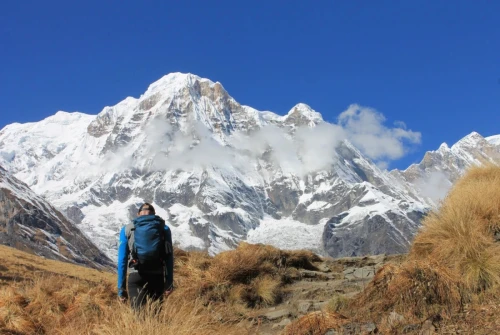
Overview of Langtang Valley Trek
The Langtang Valley Trek is one of the most scenic and culturally rich treks in Nepal. Nestled in Langtang National Park, this trek offers a unique blend of stunning Himalayan vistas, traditional Tibetan culture, and diverse natural beauty.
- Location: Langtang National Park, located just north of Kathmandu, offering easy access from the capital.
- Trek Difficulty: Moderate – Suitable for trekkers with some experience in the mountains.
- Duration: 5-11 days, allowing enough time to acclimatize and fully appreciate the surroundings.
Key Highlights:
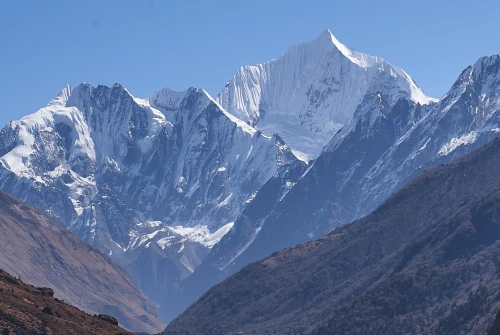
- Langtang Lirung: Majestic views of Langtang Lirung, towering at 7,227 meters (23,711 feet), offering one of the most beautiful backdrops in the Himalayas.
- Tamang Villages: Traditional Tibetan-style villages that offer a deep insight into the local Tamang culture and way of life.
- Kyanjin Gompa: Visit to the famous Buddhist monastery, Kyanjin Gompa, offering spiritual serenity and panoramic views of the surrounding peaks.
- Flora & Fauna: Encounter rare wildlife such as red pandas, Himalayan tahr, and a wide variety of bird species, making this trek an excellent choice for nature lovers.
- Best Time to Visit: March to May and September to November are the ideal months, when the weather is clear, and the trails are dry, offering the best trekking conditions.
- Unique Experience: Langtang Valley and Kyanjin Gompa Trek is less crowded compared to other popular treks in Nepal, making it a perfect choice for trekkers seeking a quieter, more intimate Himalayan experience with breathtaking views and cultural richness.
Overview of Annapurna Base Camp Trek
The Annapurna Base Camp (ABC) Trek is one of the most iconic and popular treks in Nepal, known for its panoramic mountain views, diverse landscapes, and well-established trail. It offers trekkers a classic experience of Himalayan trekking with easy access to the Annapurna Conservation Area and the vibrant culture of the Gurung and Magar communities.
- Location: Annapurna Conservation Area, starting from the beautiful lakeside town of Pokhara.
- Trek Difficulty: Moderate – Suitable for trekkers with some mountain experience.
- Duration: 5-14 days, depending on the chosen route and pace, allowing flexibility for acclimatization.
Key Highlights:
- Annapurna Massif: Witness majestic views of the Annapurna I, Machapuchare (Fishtail), and Dhaulagiri peaks, some of the highest mountains in the world.
- Ghorepani Poon Hill: Enjoy the famous sunrise views from Poon Hill, one of the most celebrated vantage points in Nepal, offering stunning views of the Annapurna and Dhaulagiri ranges.
- Traditional Villages: Interaction with the local Gurung and Magar communities, known for their warm hospitality and rich culture.
- Diverse Landscapes: From subtropical forests to alpine meadows and glaciers, the ABC trek takes you through a wide variety of ecosystems, offering an ever-changing landscape.
- Best Time to Visit: March to May and September to November are the best months to trek ABC, providing clear skies, dry trails, and ideal weather conditions.
- Unique Experience: The ABC Trek is one of the most well-trafficked routes in Nepal, known for its excellent infrastructure, easy access to tea houses and lodges, and breathtaking mountain panoramas. If you’re looking for a classic Himalayan trek with well-established facilities and beautiful views, ABC is the perfect choice.
Route and Terrain Comparison
Both the Langtang Valley Trek and Annapurna Base Camp (ABC) Trek pass through stunning and varied terrains, but the trail conditions and overall difficulty can differ significantly. Here's a comparison of the two:
Langtang Valley Trek:
- The route is relatively straightforward, with gradual ascents and descents, making it accessible for trekkers with moderate experience.
- You will pass through lush forests, scenic alpine meadows, and picturesque Tamang villages, offering a serene and peaceful trekking environment.
- The terrain is less developed compared to the ABC trek, making it less crowded and ideal for trekkers seeking solitude.
- Fewer amenities are available along the route, meaning there are fewer teahouses or lodges, and basic facilities might be limited, which contributes to a more intimate trekking experience.
Annapurna Base Camp Trek:
- The ABC route offers more variation, starting with lush subtropical forests, terraced rice fields, and charming villages, and gradually transitioning to alpine landscapes and glaciers as you approach the base camp.
- The ascent to ABC includes some steeper sections, especially towards the higher altitudes, but the trail is well-maintained and accessible for most trekkers.
- The Annapurna Sanctuary Trek is well-developed, with ample infrastructure, including teahouses, lodges, and access to medical assistance if needed, making it a more comfortable choice for those looking for an easier trekking experience.
In summary, the Tamang Heritage and Langtang Valley Trek offers a quieter, less developed route with a more peaceful atmosphere, while the Annapurna Base Camp Trekking provides a more varied and well-maintained trail with better infrastructure and amenities.
Trekking Difficulty & Fitness Requirements
Both the Langtang Valley Trek and Annapurna Base Camp (ABC) Trek are considered moderate treks, but there are differences in altitude and the overall challenge they present. Here’s a breakdown of each trek’s difficulty and fitness requirements:
Langtang Valley Trek:
- Difficulty: The Langtang Trek is considered a moderate trek, suitable for trekkers with average fitness levels.
- Altitude: The highest point reached is Kyanjin Ri at 4,984 meters (16,355 feet), which is lower than the ABC trek. As a result, altitude sickness is less of a concern, making it more accessible for those worried about higher elevations.
- Fitness: The trek involves gradual ascents and descents, so it’s manageable for most trekkers with basic trekking experience and moderate fitness.
- Acclimatization: Due to the lower altitude, acclimatization is less of an issue, but trekkers should still pace themselves to avoid fatigue.
Annapurna Base Camp Trek:
- Difficulty: The Annapurna Circuit Base Camp Trek is also a moderate trek, but the higher altitudes (reaching 4,130 meters at ABC) can make the final ascent more challenging for some trekkers.
- Altitude: The higher elevation increases the risk of altitude sickness, especially during the final stretch to the base camp. It’s important to ensure proper acclimatization by ascending slowly and staying hydrated.
- Fitness: The trek involves some steeper sections, particularly in the latter stages, so good physical conditioning is recommended. Regular training in advance will help prepare for the more challenging parts.
- Acclimatization: Proper acclimatization is essential, especially for those who are prone to altitude sickness. Taking rest days and walking at a steady pace will help minimize altitude-related issues.
Altitude and Acclimatization
Both the Langtang Valley Trek and Annapurna Base Camp Trek involve trekking at high altitudes, but they differ in terms of maximum elevation and the challenges posed by altitude sickness. Here’s a look at the altitude considerations for each trek:
Langtang Valley Trek:
- Maximum Altitude: The highest point of the trek is Kyanjin Ri, at an elevation of 4,984 meters (16,355 feet), which offers stunning panoramic views of the surrounding mountains.
- Acclimatization: The trek is relatively short, making acclimatization easier. Due to the lower maximum altitude compared to ABC, altitude sickness is generally less of a concern.
- Altitude Sickness: The shorter duration and lower altitude mean you can acclimatize effectively with a more gradual ascent, reducing the risk of altitude-related issues.
Annapurna Base Camp Trek:
- Maximum Altitude: The trek reaches a maximum elevation of 4,130 meters (13,550 feet) at Annapurna Base Camp.
- Acclimatization: While not as high as Langtang, the Annapurna Himal Trek still requires trekkers to take proper precautions for altitude sickness, especially in the latter stages of the trek.
- Altitude Sickness: The risk is lower compared to higher altitude treks, but still significant. It’s crucial to follow the principle of climbing high, sleep low, take rest days when needed, and hydrate properly.
Cultural Experience
Langtang Valley Trek:
- Tamang and Tibetan Culture: The Langtang Valley is primarily inhabited by the Tamang people, whose culture is heavily influenced by Tibetan traditions. Along the trek, you’ll pass through traditional villages where Tibetan architecture and lifestyle are on full display. This offers a unique opportunity to immerse yourself in a Tibetan cultural experience.
- Monasteries: The region is home to several Buddhist monasteries, such as Kyanjin Gompa, where trekkers can gain insight into local spiritual practices and Tibetan Buddhism. These monasteries, set against the dramatic mountain backdrop, provide a serene and authentic cultural experience.
Annapurna Base Camp Trek:
- Ethnic Diversity: The ABC trek offers trekkers the chance to explore the cultures of the Gurung and Magar communities, both of which are rich in tradition. These communities are known for their warm hospitality, unique customs, and colorful festivals. You’ll encounter friendly locals who are eager to share their history and culture.
- Ghorepani and Poon Hill: As you pass through Ghorepani and ascend to Poon Hill, you’ll experience the Gurung culture, which is famous for its warriors, agriculture, and vibrant traditions. The villages here also provide spectacular views of the Annapurna range, adding a cultural dimension to your trek.
Both treks offer unique cultural experiences, with Langtang Valley focusing on Tibetan-influenced Tamang culture and Annapurna Base Camp highlighting the traditions of the Gurung and Magar communities. Whether you’re seeking the serene, spiritual atmosphere of Tibetan Buddhism or the warrior culture of the Gurung people, each trek provides rich, authentic cultural encounters.
Accessibility & Trail Conditions
Langtang Valley Accessibility:
- Starting Point: Syabrubesi, which is about a 6-8 hour drive from Kathmandu.
- Mode of Transport: Primarily by bus or jeep, with options for private vehicles for a more comfortable ride.
- The journey to Syabrubesi takes you through scenic rural landscapes and offers a glimpse of life in the foothills.
- Alternative: No flights are available to the trailhead. The drive is the most common way to reach the starting point.
- Difficulty of Access: The drive is relatively straightforward but can be bumpy in some sections due to the road quality.
Langtang Valley Trail Conditions:
- Crowd Level: The trail is less crowded, providing a more peaceful and serene trekking experience.
- Infrastructure: Basic infrastructure with teahouses and local lodges. Limited compared to more popular routes.
- Trail Terrain: Varied terrain, including forests, rivers, and alpine meadows. The route takes you through the Langtang National Park, where you can experience diverse flora and fauna and The trail is moderate in difficulty, with some sections that may involve steep ascents.
- Facilities: Limited compared to more popular treks. The availability of accommodations and food is reliable but basic.
- Route Information: The trail is clearly marked but may require some navigation skills due to its remoteness.
- Cultural Experience: Opportunity to visit Tamang villages and interact with the local community, providing insight into Tibetan-influenced culture.
Annapurna Base Camp (ABC) Accessibility:
- Starting Point: Pokhara, which is a 6-7 hour drive from Kathmandu.
Mode of Transport:
- By road: The most common way to reach Pokhara is by bus or jeep.
- By air: Alternatively, you can take a domestic flight from Kathmandu to Pokhara (about 25 minutes).
- Once in Pokhara, the trek begins either from Nayapul or Phedi.
- Alternative: Flights to Pokhara make the journey faster, reducing travel time by several hours.
- Difficulty of Access: The roads are more developed compared to Langtang, and flights to Pokhara offer a quicker and more convenient option.
Annapurna Base Camp Trail Conditions:
- Crowd Level: The trek is busier due to its popularity, especially during the peak trekking seasons (autumn and spring).
- Infrastructure: Well-developed, with numerous teahouses, lodges, and cafes along the route, ensuring a comfortable trek.
- Trail Terrain: The trek passes through dense forests, terraced fields, and mountain villages, with gradual ascents ,As you approach higher altitudes, the landscape shifts to high-altitude terrain and snow-capped peaks and The trail is well-marked, making it suitable for trekkers of various experience levels.
- Facilities: Excellent infrastructure with accommodation, food, and medical facilities at major stopovers, especially in Macha Puchare Base Camp and Annapurna Base Camp itself.
- Route Information: The route is very well-signposted, with a well-trodden path and signs in most places.
- Cultural Experience: The route takes you through Ghorepani and Poon Hill, offering breathtaking sunrise views and a chance to explore Magar and Gurung villages, rich in culture and history.
Permits and Cost
When planning a trek in Nepal, it’s essential to understand the permits required to access the protected areas where both the Langtang Valley Trek and Annapurna Base Camp Trek take place. These permits help maintain the integrity of the environment, ensure safety, and support local communities. Here’s a detailed overview of the necessary permits for each trek, along with the associated costs.
Langtang Valley Trek Permits:
Trekker’s Information Management System (TIMS) Card:
- Required: Yes, this permit is mandatory for all trekkers in Nepal.
- Purpose: The TIMS card helps authorities track trekkers and ensure safety.
Cost:
- Individual Trekkers: NPR 2,000 (approx. USD 20)
- Group Trekkers: NPR 1,000 (approx. USD 10 per person)
Where to Obtain: Available at the Nepal Tourism Board in Kathmandu or at the District Forest Office in Syabrubesi.
Langtang National Park Entry Permit:
- Required: Yes, as the trek takes place within Langtang National Park.
- Purpose: This permit helps preserve the park’s natural biodiversity.
Cost:
- Foreign Nationals: NPR 3,000 (approx. USD 25)
- SAARC Nationals: NPR 1,500 (approx. USD 12)
Where to Obtain: Available at the National Park Entrance Gate in Dhunche or Syabrubesi.
Guide/Porter Fees:
- Guide: NPR 2,500–3,000 per day
- Porter: NPR 1,800–2,500 per day
Annapurna Base Camp Trek Permits:
Trekker’s Information Management System (TIMS) Card:
- Required: Yes, just like Langtang, a TIMS card is mandatory for all trekkers.
- Purpose: Ensures safety by tracking trekkers along the route.
Cost:
- Individual Trekkers: NPR 2,000 (approx. USD 20)
- Group Trekkers: NPR 1,000 (approx. USD 10 per person)
Where to Obtain: Available at the Nepal Tourism Board in Kathmandu or District Forest Office in Pokhara.
Annapurna Conservation Area Permit (ACAP):
- Required: Yes, as the trek is located within the Annapurna Conservation Area.
- Purpose: Helps conserve the natural environment and supports the local communities in the region.
Cost:
- Foreign Nationals: NPR 3,000 (approx. USD 25)
- SAARC Nationals: NPR 1,000 (approx. USD 8)
Where to Obtain: Available at the ACAP Permit Office in Pokhara or Kathmandu.
Guide/Porter Fees:
- Guide: NPR 2,500–3,000 per day
- Porter: NPR 1,800–2,500 per day
Cost Comparison
When it comes to cost, there are some important differences between the Langtang Valley Trek and the Annapurna Base Camp Trek, mainly due to their popularity and trek duration.
Langtang Valley Trek:
- Lower Costs: The Langtang Valley Trek is generally more budget-friendly. Due to its lesser popularity, the trek tends to be less expensive in terms of permit costs, accommodation, and food.
- Duration: The trek usually takes 5-11 days, making it a shorter option compared to ABC, which also helps keep the cost lower.
- Accommodation and Food: The teahouses in Langtang are relatively more affordable, and the less crowded nature of the trek means there’s less demand for high-end services, making it a more economical choice.
Annapurna Base Camp Trek:
- Higher Costs: The Annapurna Base Camp Trek is one of the most popular treks in Nepal, and this popularity drives the costs higher. The ACAP permit is also a bit more expensive compared to the Langtang National Park permit.
- Accommodation and Food: While there are plenty of teahouses along the ABC route, prices tend to be higher due to the influx of trekkers. Food and lodging in this area can be more expensive, especially in more remote areas close to base camp.
- Duration: The ABC trek typically takes around 5-14 days, depending on the route you take and your pace. This longer duration can also contribute to higher overall costs.
Which Trek is More Budget-Friendly?
If you are traveling on a budget and looking for a more affordable option, the Langtang Valley Trek is the ideal choice. It offers a great trekking experience with beautiful views and cultural immersion, but at a lower cost, thanks to its shorter duration and lower demand. On the other hand, if you're looking for the iconic Annapurna Base Camp experience, be prepared for a slightly higher cost, especially in terms of permits, accommodation, and meals along the way.
Comparing Langtang Valley Trek and Annapurna Trek in Route and Distance
Both the Langtang Valley Trek and the Annapurna Base Camp Trek are iconic treks in Nepal, offering unique experiences. However, they differ in terms of route, distance, and duration, making them suitable for trekkers with different preferences and time constraints.
Langtang Valley Trek: Route and Distance Overview
The Langtang Valley Trek is one of the most accessible treks from Kathmandu, making it ideal for those who have limited time but want to experience the beauty of the Himalayas. The route takes trekkers through forests, traditional Tamang villages, and scenic landscapes. It is considered a shorter trek with fewer crowds, offering a peaceful trekking experience.
- Starting Point: The trek begins at Syabrubesi, a village that is about 7-8 hours by jeep from Kathmandu.
- Route: The trail leads you through lush subtropical forests, past rhododendron groves, and traditional Tamang villages like Lama Hotel, Langtang Village, and finally to Kyanjin Gompa, a monastery located at the foot of Langtang Lirung (7,227m).
- Route Style: This trek follows an out-and-back route, meaning you retrace the same path back to Syabrubesi after reaching Kyanjin Gompa.
- Distance: The total round-trip distance is approximately 65-75 km (40-46 miles).
- Duration: Typically, the trek takes 7 to 10 days to complete, depending on your pace and acclimatization time.
- Trekking Style: Out-and-back, returning the same way you came.
The Langtang trek is relatively short, with a more gradual ascent and easier trails, making it perfect for trekkers with moderate fitness levels or those who are short on time. The trek’s less crowded nature also ensures a more tranquil experience.
Annapurna Base Camp Trek: Route Details
The Annapurna Base Camp Trek is one of the most famous trekking routes in Nepal, offering a variety of landscapes, from subtropical forests to high-altitude mountain meadows. The trek takes you to the base of Annapurna I, one of the world's highest peaks, offering breathtaking views and an unforgettable trekking experience.
- Starting Point: The trek can start from Nayapul or Ghandruk, both of which are about 1.5 to 2 hours away by jeep from Pokhara.
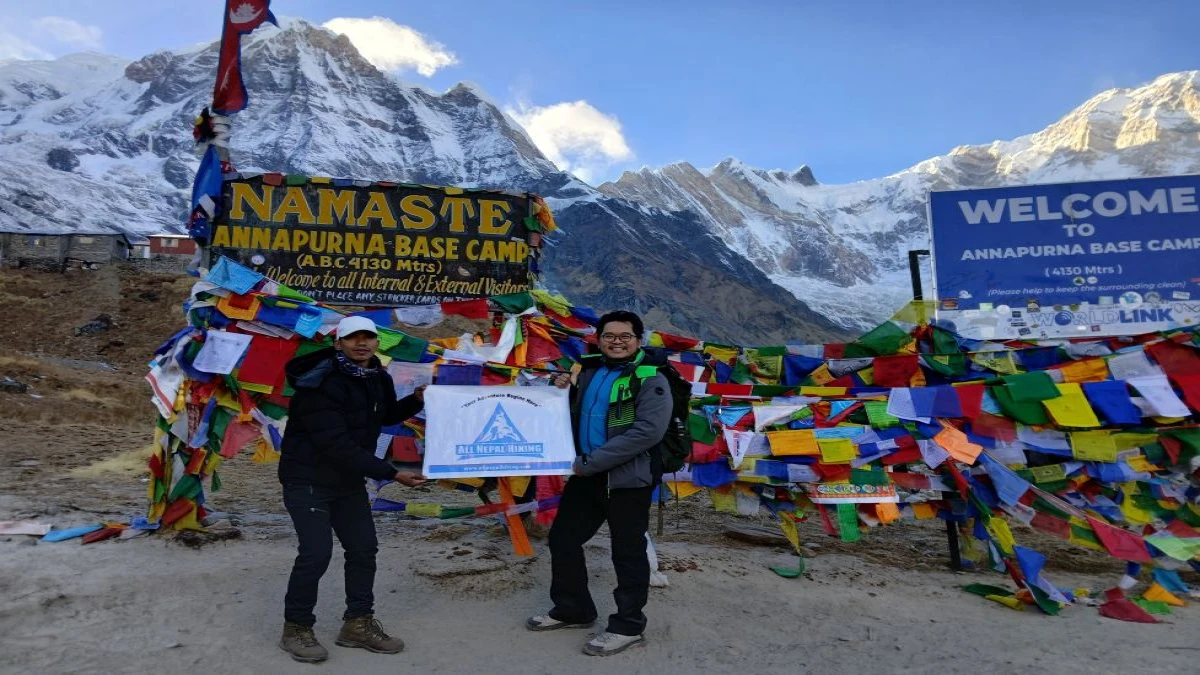
- Route: The route follows a well-marked and regularly used path, leading you through rhododendron forests, terraced rice fields, and Gurung and Magar villages such as Chhomrong, Sinuwa, and Deurali. The trek culminates at Annapurna Base Camp, located at an altitude of 4,130 meters (13,550 feet), offering incredible views of the surrounding peaks, including Annapurna I, Machapuchare (Fishtail), and Hiunchuli.
- Route Style: Like the Langtang trek, this trek also follows an out-and-back route, meaning you return the same way you came.
- Distance: The total round-trip distance is around 110 km (68 miles).
- Duration: The trek typically takes 7 to 12 days, depending on your starting point, pace, and acclimatization time.
- Trekking Style: Out-and-back, retracing the same path back to Nayapul or Ghandruk.
The ABC trek is longer and involves more elevation gain, making it more physically demanding than the Langtang Valley Trek. However, it offers more diverse landscapes and grand views of the Annapurna massif.
Key Differences in Route and Distance
Aspect | Langtang Valley Trek | Annapurna Base Camp Trek |
Starting Point | Syabrubesi (7-8 hours from Kathmandu) | Nayapul/Ghandruk (1.5-2 hours from Pokhara) |
Total Distance (Round-trip) | 65-75 km (40-46 miles) | 110 km (68 miles) |
Trek Duration | 7-10 days | 7-12 days |
Route Style | Out-and-back | Out-and-back |
Elevation Gain | Moderate (max: 4,984m at Kyanjin Ri) | Higher (max: 4,130m at ABC) |
Trekking Terrain | Forests, meadows, villages, glaciers | Rhododendron forests, rice terraces, mountain views |
Crowd Density | Less crowded | More popular, busier trails |
Which Trek Has a Better Route for You?
Langtang Valley Trek: If you are looking for a shorter trek with less elevation gain, quieter trails, and a more peaceful environment, Langtang is the better choice. The route is manageable and provides a great introduction to Himalayan trekking without overwhelming you with long distances or intense altitude challenges.
Annapurna Base Camp Trek: If you’re up for a longer trek with more diverse landscapes, a higher altitude, and the chance to trek through iconic Annapurna terrain, ABC is the way to go. The longer distance allows you to experience a variety of ecosystems, from subtropical forests to alpine meadows, with breathtaking views of some of the highest peaks in the world.
Both treks are remarkable in their own right, but depending on your time availability, fitness level, and what kind of trekking experience you’re looking for, the right route will vary. If you have the time and energy, the Annapurna Base Camp Trek will reward you with spectacular views and a more diverse trekking experience. On the other hand, the Langtang Valley Trek offers a quieter, more laid-back adventure with a unique cultural flavor.
Wildlife and Biodiversity
Both the Langtang Valley Trek and the Annapurna Base Camp Trek are situated within Nepal’s protected conservation areas, which means they are rich in biodiversity and home to a variety of flora and fauna. These regions are haven for nature lovers and wildlife enthusiasts, with the opportunity to spot rare species in their natural habitats. Here's what you can expect:
Langtang Valley Trek:
The Langtang Valley is particularly known for its abundant wildlife and natural beauty, as it is situated within Langtang National Park. The park is home to several rare and endangered species, making it an excellent choice for wildlife enthusiasts and birdwatchers.
- Red Pandas: Langtang is one of the few places in Nepal where you have a chance to spot the elusive Red Panda, an endangered species known for its unique appearance and nocturnal habits.
- Himalayan Tahrs: These mountain goats are commonly spotted grazing on the rocky slopes of the valley.
- Snow Leopards: Though rare and elusive, snow leopards have been spotted in the higher reaches of the Langtang region.
- Birdwatching: The area is a paradise for birdwatchers, with species like the Himalayan Griffon, Blood Pheasant, and Lesser Kestrel among the many avian species found in the valley.
- Other Wildlife: Other animals include musk deer, jackals, and wild boar.
The Langtang Valley is less crowded compared to the ABC trek, which means there’s less human activity to disturb the wildlife. As a result, you have a higher chance of spotting these species, especially in the less-trafficked parts of the trail.
Annapurna Base Camp Trek:
The Annapurna Conservation Area (ACA), which encompasses the route to ABC, is another biodiversity hotspot. The conservation area hosts a wide range of plant species and animals, although sightings are generally less frequent compared to Langtang due to the more popular and busier nature of the trek.
- Himalayan Monal: The national bird of Nepal, the Himalayan Monal, is often spotted along the trek, particularly in the lower forested areas. Its colorful plumage makes it a favorite among photographers.
- Langur Monkeys: These playful primates are commonly seen in the lower regions of the trek, particularly around the Ghorepani area.
- Snow Leopards: Like in Langtang, snow leopards also inhabit the higher reaches of the Annapurna region, though sightings are rare.
- Other Animals: You may encounter musk deer, wild boar, and even the Himalayan Black Bear in certain parts of the route.
- Flora: The area is rich in plant life, with lush rhododendron forests in the lower altitudes and alpine meadows as you ascend. Rhododendron is the national flower of Nepal, and the forests along the ABC trail are especially vibrant in spring when they bloom.
While the Annapurna Base Camp Trek offers great opportunities for wildlife sightings, the trail tends to be busier and more developed, which can sometimes disturb the animals in the area. The Langtang Valley Trek, on the other hand, offers a more serene environment, where the chances of encountering wildlife are much higher due to the quieter nature of the trek.
Which Trek Offers Better Wildlife Experiences?
If you are an avid wildlife enthusiast or birdwatcher, the Langtang Valley Trek is the better choice. The quieter, less-trafficked nature of the trek allows for more intimate encounters with wildlife, and the region is known for its high concentration of rare and endangered species, including the Red Panda and Snow Leopard.
On the other hand, if you are more focused on enjoying the mountain views and exploring a region with rich biodiversity, but don’t mind sharing the trail with more trekkers, the Annapurna Base Camp Trek still offers good wildlife opportunities, particularly with species like the Himalayan Monal and Langur monkeys.
Both treks provide amazing opportunities to connect with nature, but if you’re looking for a peaceful wildlife experience with fewer human disturbances, Langtang Valley is likely your best bet.
Conclusion:
Both the Langtang Valley Trek and the Annapurna Base Camp Trek offer unforgettable Himalayan experiences, each catering to distinct preferences. Langtang provides a serene, cultural journey with fewer crowds, making it perfect for those seeking peace, authenticity, and a more budget-friendly option. On the other hand, Annapurna Base Camp offers iconic, panoramic views of the Annapurna massif, combined with better infrastructure and a more developed trekking route, making it ideal for trekkers looking for a longer adventure with more amenities.
Ultimately, the decision comes down to what type of experience you're after: a tranquil, off-the-beaten-path adventure or a classic trek with world-renowned scenery and ample comfort along the way.
No matter which trek you choose, you’ll be immersed in the awe-inspiring beauty of Nepal's mountains, guaranteeing a truly memorable adventure that will leave you with lasting memories.
 based on 270 reviews




.webp)