based on 270 reviews

\Have you ever dreamed of walking through pristine Himalayan valleys, crossing high mountain passes, and experiencing authentic Tibetan culture away from the crowded tourist trails? The Manaslu Circuit Trek offers exactly that adventure. But before you lace up your hiking boots, you're probably wondering about the trek distance and what you're actually signing up for. Let me walk you through everything you need to know about the Manaslu Circuit Trek distance.
What is the Manaslu Circuit Trek?
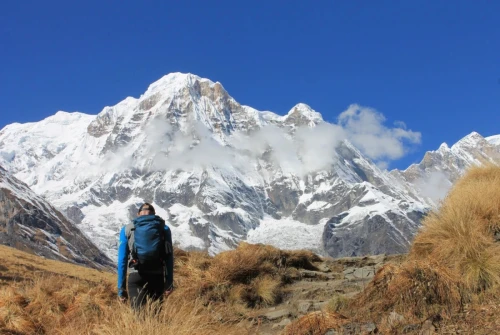
The Manaslu Circuit Trek is one of Nepal's most spectacular trekking routes, circling Mount Manaslu, the eighth-highest mountain in the world at 8,163 meters. This trek takes you through the restricted Manaslu Conservation Area, offering a perfect blend of natural beauty, cultural immersion, and physical challenge.
Unlike its more famous cousins like the Annapurna Circuit Tour or Everest Base Camp trek, Manaslu remains relatively off the beaten path. You'll traverse through subtropical forests, alpine meadows, and barren high-altitude landscapes. The trek follows the Budhi Gandaki River valley, crosses the challenging Larkya La Pass at 5,160 meters, and eventually connects with the Annapurna region.
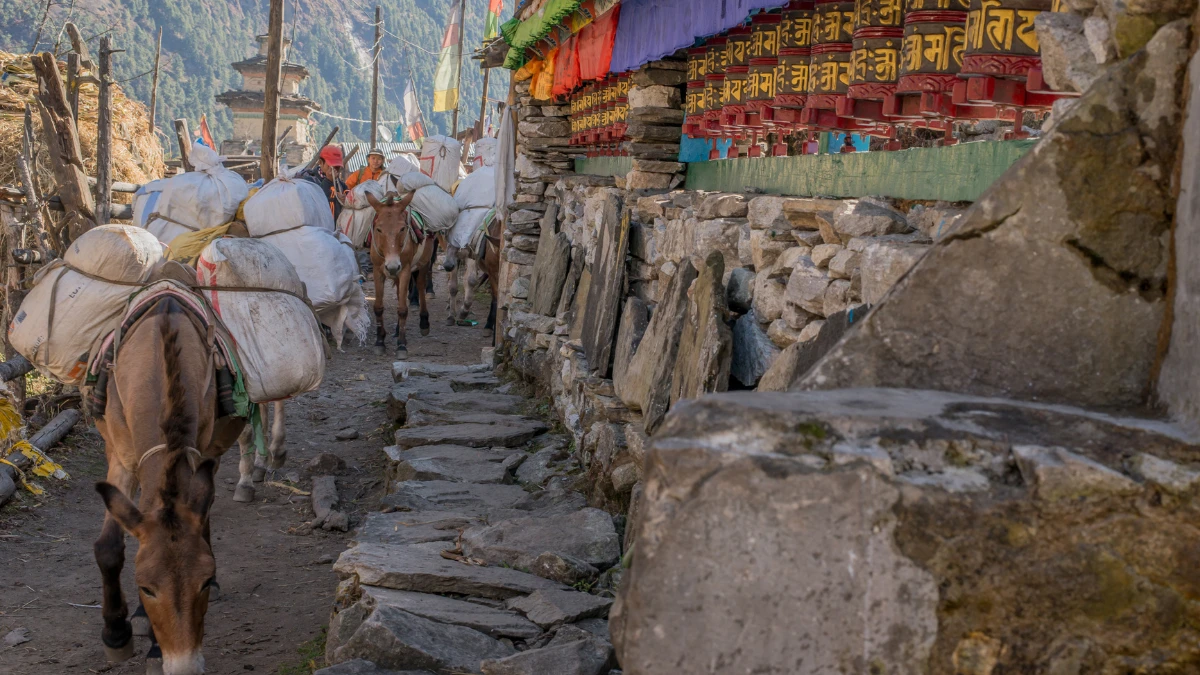
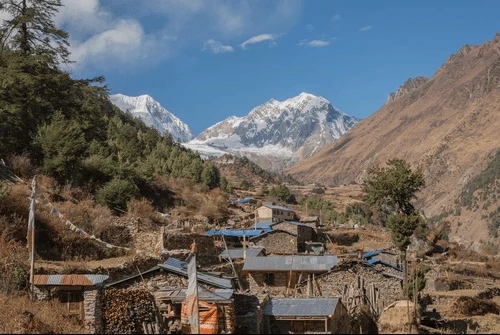
What makes this trek truly special is the cultural experience. You'll pass through traditional Gurung and Tibetan villages where life has remained largely unchanged for centuries. Prayer flags flutter in the wind, monasteries dot the hillsides, and locals still practice age-old traditions.
How Long is the Manaslu Circuit Trek Distance?
The total distance of the Manaslu Circuit Trek is approximately 177 kilometers (110 miles) from start to finish. However, this number can vary slightly depending on your specific route, starting point, and whether you include side trips or detours.
Most trekkers start from Soti Khola or Machha Khola and finish in Dharapani or Besisahar, where you can catch transportation back to Kathmandu or Pokhara. The trek involves both ascent and descent, with a cumulative elevation gain of roughly 10,000 meters when you add up all the ups and downs throughout the journey.
It's worth noting that "distance" on a mountain trek doesn't tell the whole story. A 10-kilometer day in the Himalayas is vastly different from a 10-kilometer walk in your local park. Factors like altitude, terrain, weather conditions, and your acclimatization level all play significant roles in how challenging each day feels.
What is the Total Distance Covered Each Day?
Day-by-Day Distance Breakdown
Understanding the daily distances helps you prepare mentally and physically for the trek. Here's a detailed breakdown of the standard Manaslu Circuit itinerary:
Day 1: Soti Khola to Machha Khola – Approximately 14 km, 6-7 hours
Day 2: Machha Khola to Jagat – Approximately 22 km, 6-7 hours
Day 3: Jagat to Deng – Approximately 19 km, 6-7 hours
Day 4: Deng to Namrung – Approximately 18 km, 6-7 hours
Day 5: Namrung to Samagaon – Approximately 18 km, 6-7 hours
Day 6: Acclimatization day at Samagaon – Optional hikes of 5-10 km
Day 7: Samagaon to Samdo – Approximately 16 km, 4-5 hours
Day 8: Samdo to Dharamsala/Larkya Phedi – Approximately 11 km, 4-5 hours
Day 9: Cross Larkya La Pass to Bimthang – Approximately 25 km, 8-10 hours
Day 10: Bimthang to Tilije – Approximately 17 km, 5-6 hours
Day 11: Tilije to Dharapani – Approximately 18 km, 5-6 hours
The distances might seem manageable on paper, but remember that you're dealing with steep ascents, descents, suspension bridges, rocky trails, and high altitude. The walking time listed includes regular breaks for rest, snacks, and photos.
Which Day Covers the Longest Distance?
The longest and most challenging day is Day 9, when you cross the Larkya La Pass and descend to Bimthang. This day covers approximately 25 kilometers and typically takes 8-10 hours of walking. You'll start very early, often around 3-4 AM, to cross the pass before afternoon weather sets in.
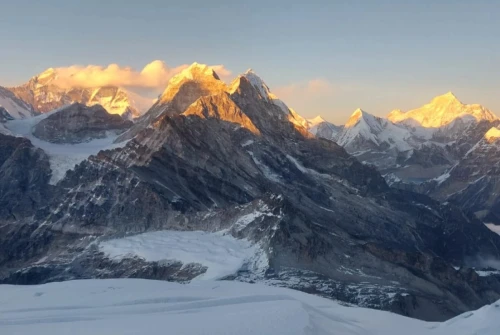
This day is demanding not just because of the distance but also because you'll be at a high altitude, dealing with potential snow, and navigating steep terrain on both sides of the pass. However, the incredible views of the surrounding peaks, including Himlung Himal, Cheo Himal, Kangguru, and Annapurna II, make every step worthwhile.
The descent from the pass is quite steep and can be hard on your knees, so trekking poles are highly recommended. Despite the challenge, this day is often described as the highlight of the entire trek.
How Many Days Does the Manaslu Circuit Trek Take?
Standard Itinerary Duration
The standard Manaslu Circuit Trek typically takes 14-18 days to complete, including travel days to and from the trailhead. Most trekking companies offer itineraries ranging from 12 to 15 days of actual trekking, plus additional days for transportation.
A typical breakdown looks like this:
- Day 1: Drive from Kathmandu to Soti Khola (7-8 hours)
- Days 2-12: Trekking from Soti Khola to Dharapani
- Day 13: Drive from Dharapani to Kathmandu or Besisahar to Pokhara
- Additional days: 1-2 rest days built into the itinerary for acclimatization
The duration depends on your fitness level, how quickly you acclimatize, weather conditions, and whether you include any side trips or rest days. Some experienced trekkers with excellent fitness and acclimatization can complete it in fewer days, but this isn't recommended for safety reasons.
Can You Shorten or Extend the Trek?
Yes, you can modify the standard itinerary to suit your schedule and preferences. If you're short on time, you could potentially complete the trek in 11-12 days by combining some stages and skipping optional acclimatization days. However, I strongly advise against rushing this trek because altitude sickness is a real concern.
On the flip side, extending your trek has several advantages. You can add extra acclimatization days, which significantly improves your chances of success and enjoyment. Popular extensions include:
- An extra day at Samagaon to visit Manaslu Base Camp or Birendra Lake
- A day trip from Samdo to the Tibetan border
- Additional rest days at lower altitudes if you're feeling tired
- Side trips to monasteries and viewpoints along the way
Remember, this isn't a race. Taking your time allows your body to adjust, reduces the risk of altitude sickness, and gives you more opportunities to connect with local communities and appreciate the stunning surroundings.
What is the Difficulty Level Based on Distance?
Is the Distance Manageable for Beginners?
The Manaslu Circuit is considered a moderately difficult to challenging trek. While the daily distances are manageable for most people with reasonable fitness, several factors make this trek demanding even for experienced hikers.
The difficulty comes from a combination of factors beyond just distance. You'll be walking for 5-8 hours daily on varied terrain, from subtropical valleys to high-altitude mountain passes. The trail includes numerous steep ascents and descents, rocky sections, suspension bridges, and potential snow and ice near the pass.
For beginners, this trek is possible but requires serious preparation. You should have prior trekking experience, preferably including some multi-day hikes at moderate altitude. If Manaslu is your first Himalayan trek, consider hiring a guide and porter, taking your time, and being prepared to turn back if necessary.
That said, thousands of trekkers with average fitness levels complete the Manaslu Circuit every year. The key is proper preparation, acclimatization, and knowing your limits.
How Does Altitude Affect the Trekking Distance?
Altitude is perhaps the most significant factor affecting how the trekking distance feels. A 15-kilometer day at 2,000 meters feels completely different from the same distance at 4,000 meters.
As you gain altitude, the air becomes thinner, meaning less oxygen is available with each breath. This makes every step more challenging, and your pace naturally slows down. Activities that feel easy at sea level become exhausting at high altitude.
The Manaslu Circuit gradually gains altitude, which helps with acclimatization, but you'll still feel the effects. Here's how altitude impacts your trek:
- Below 3,000 meters: You'll notice minimal altitude effects, though the physical exertion of trekking still applies
- 3,000-4,000 meters: You may experience mild symptoms like slight breathlessness and the need for a slower pace
- 4,000-5,000 meters: Altitude effects become more pronounced; walking becomes noticeably harder
- Above 5,000 meters: At Larkya La Pass, even experienced trekkers feel the altitude significantly
This is why proper acclimatization is crucial. Following the golden rule of "climb high, sleep low" and including rest days in your itinerary helps your body adjust to the reduced oxygen levels.
What Factors Affect the Total Trekking Distance?
Trail Conditions and Terrain
The actual distance you walk can vary based on trail conditions. The official distance is measured along the main trail, but several factors can add to your daily mileage:
The trail conditions change dramatically depending on the season. During monsoon season (June to September), landslides and trail washouts may force detours, adding distance to certain sections. In winter and early spring, snow coverage can make the trail less direct as you navigate around drifts.
The terrain itself varies wildly throughout the trek. You'll encounter:
- Suspension bridges that require careful crossing
- Rocky, uneven paths that slow your pace
- Steep stone staircases carved into hillsides
- Narrow cliff-side trails that demand attention
- River valleys where the trail switches banks multiple times
- High-altitude moraine (rocky glacial debris) near the pass
Each type of terrain affects how quickly and efficiently you can cover ground. What looks like a short distance on the map can take hours to traverse when you're navigating challenging terrain.
Side Trips and Detours
Many trekkers add extra distance by including worthwhile side trips. Popular additions include:
Manaslu Base Camp: From Samagaon, a day trip to Manaslu Base Camp adds approximately 10-12 kilometers round-trip. This excursion offers spectacular views of Manaslu's north face and surrounding peaks.
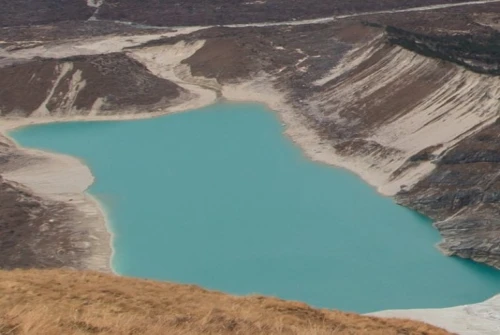
Birendra Lake (Birendra Tal): Also accessible from Samagaon, this sacred lake requires about 6-8 kilometers of hiking and provides stunning panoramic views.
Pungen Glacier: Another side trip from Samagaon, adding about 8 kilometers to explore this impressive glacier.
Tibet Border: From Samdo, you can hike toward the Tibetan border, adding 6-8 kilometers to your journey.
These side trips are optional but highly recommended if you have time and energy. They provide additional acclimatization benefits while rewarding you with incredible scenery and experiences that many trekkers miss.
How Does Manaslu Circuit Distance Compare to Other Treks?
Manaslu vs Annapurna Circuit
The Annapurna Circuit is slightly longer at approximately 160-230 kilometers, depending on your exact route and whether you include the Annapurna Base Camp extension. However, the Manaslu Circuit is generally considered more challenging despite being similar in length.
Why? The Manaslu trail is less developed, with rougher terrain and more remote sections. You'll find fewer teahouses, less infrastructure, and more challenging trail conditions. The Larkya La Pass is also higher than the Thorong La Pass on the Annapurna Circuit (5,160m vs 5,416m), though many argue that Larkya La is more scenic.
Both treks take similar amounts of time to complete (12-18 days), but Manaslu offers a more off-the-beaten-path experience with fewer trekkers and more authentic cultural encounters.
Manaslu vs Everest Base Camp
The Everest Base Camp trek is shorter in terms of distance, covering approximately 130 kilometers round-trip. However, it reaches higher altitudes, with EBC sitting at 5,364 meters compared to Larkya La at 5,160 meters.
The Manaslu Circuit is a complete circuit that takes you through diverse landscapes and cultures, while EBC is an out-and-back route focusing primarily on reaching the iconic base camp. EBC tends to be more crowded, especially during peak seasons, while Manaslu offers more solitude.
In terms of difficulty, they're comparable but challenging in different ways. EBC has the altitude factor and more dramatic altitude gain over shorter distances, while Manaslu has longer daily distances and more varied terrain.
What Should You Know About Acclimatization Days?
Acclimatization days are rest days built into your itinerary, but they're not complete rest days in the traditional sense. These days are crucial for allowing your body to adjust to higher altitudes and produce more red blood cells to carry oxygen more efficiently.
On acclimatization days, you typically hike to a higher elevation in the morning (following the principle of "climb high, sleep low") and return to your lodge for the afternoon and night. This strategy helps your body adapt while minimizing the risk of altitude sickness.
The most common acclimatization day on the Manaslu Circuit is at Samagaon (3,530 meters). From here, you might hike to Manaslu Base Camp, Birendra Lake, or Pungen Glacier. Even though you're walking 5-10 kilometers on an acclimatization day, it's at a leisurely pace with plenty of rest, and you return to the same altitude to sleep.
Don't skip acclimatization days to save time. Altitude sickness can be serious and even life-threatening. Common symptoms include headache, nausea, dizziness, and difficulty sleeping. If symptoms worsen, the only cure is to descend immediately.
Where Do You Start and End the Trek?
The Manaslu Circuit typically begins in Soti Khola or Machha Khola and ends in Dharapani or Besisahar. The exact starting and ending points can vary slightly depending on road conditions and your trekking company's preferences.
Starting Point: Most trekkers begin from Soti Khola (700 meters), reached by a 7-8 hour drive from Kathmandu. The road conditions can be rough, especially during monsoon season, so be prepared for a bumpy ride. Some itineraries start from Machha Khola, shaving off one day and about 14 kilometers from the trek.
Ending Point: The trek concludes when you reach Dharapani (1,963 meters) in the Annapurna region, from where you can drive to Besisahar and then to Kathmandu or Pokhara. Some trekkers continue walking to Besisahar, adding an extra day and about 20 kilometers to the journey.
The advantage of this route is that you complete a circuit rather than retracing your steps. You experience diverse landscapes, from subtropical lowlands to high alpine zones, and finish in a completely different region than where you started.
What Permits Do You Need for the Manaslu Circuit?
The Manaslu region is a restricted area, meaning you need special permits beyond the standard trekking permits. You cannot trek independently; you must have a registered guide and be part of a group (minimum two people).
Required Permits:
Manaslu Restricted Area Permit (RAP): This is the main permit, and costs vary depending on the season:
- September to November: USD 100 per person per week (plus USD 15 per day after the first week)
- December to August: USD 75 per person per week (plus USD 10 per day after the first week)
Manaslu Conservation Area Project (MCAP) Permit: Costs NPR 3,000 (approximately USD 23)
Annapurna Conservation Area Permit (ACAP): Required because the trail exits through the Annapurna region; costs NPR 3,000 (approximately USD 23)
Your trekking agency typically arranges these permits, which saves you time and hassle. They'll need your passport copies, passport-size photos, and completed application forms. Permit costs are usually included in package prices, but verify this with your company.
When is the Best Time to Trek the Manaslu Circuit?
The best times to trek the Manaslu Circuit are during two main seasons: autumn (September to November) and spring (March to May). Each season offers distinct advantages and challenges.
Autumn (September-November): This is peak trekking season and considered the best time. The monsoon has ended, leaving clear skies, stable weather, and excellent mountain views. Temperatures are comfortable at lower elevations, though it gets quite cold at higher altitudes and during the pass crossing. Trails are in good condition, and all teahouses are open. The downside is that trails are more crowded (though still much less than Annapurna or Everest), and permit costs are higher.
Spring (March-May): The second-best season offers warmer temperatures, blooming rhododendrons, and good weather conditions. Views can sometimes be hazier due to atmospheric conditions, but wildlife sightings increase. Trails become busier as the season progresses. Late May can be quite hot at lower elevations.
Winter (December-February): Winter trekking is possible but challenging. Heavy snowfall can make the Larkya La Pass difficult or impossible to cross. Many teahouses close at higher elevations. However, you'll enjoy solitude, clear skies, and discounted permit prices. Only attempt this if you're experienced in winter trekking.
Monsoon (June-August): Generally not recommended due to heavy rainfall, leeches, poor visibility, and risk of landslides. However, permits are cheapest during this period. A few adventurous trekkers attempt it for the solitude, but be prepared for challenging conditions.
What Should You Pack for the Distance?
Packing appropriately is essential for covering the distance comfortably and safely. You'll need gear suitable for varying climates, from subtropical heat to sub-zero temperatures at the pass.
Essential Clothing:
- Moisture-wicking base layers (3-4 sets)
- Insulating mid-layers (fleece or down jacket)
- Waterproof and windproof outer shell jacket and pants
- Trekking pants (2-3 pairs, including one warm pair)
- Warm hat, sun hat, and gloves (bring both light and heavy gloves)
- Good quality hiking socks (4-6 pairs)
- Comfortable camp shoes for evenings
Footwear:
- Well-broken-in trekking boots with good ankle support
- Gaiters for snow and debris protection
- Trekking poles (highly recommended for knee protection)
Equipment:
- Sleeping bag rated to -15°C (can usually be rented in Kathmandu)
- Headlamp with extra batteries
- Water bottles or hydration system (3-liter capacity)
- Water purification tablets or a filter
- Sunglasses with UV protection
- Sunscreen (SPF 50+) and lip balm
- First aid kit and personal medications
- Trekking permit documents and passport copies
Optional but Recommended:
- Camera and extra batteries (cold drains batteries quickly)
- Power bank for charging devices
- Earplugs (teahouse walls are thin)
- Playing cards or a book for downtime
- Snacks from home (trail mix, energy bars)
Remember, if you hire a porter, they'll carry up to 10-15 kg of your gear, but you should still carry essentials, valuables, documents, and items you'll need during the day in your daypack.
How Can You Prepare Physically for the Trek Distance?
Physical preparation is crucial for enjoying the Manaslu Circuit and completing it safely. You should start training at least 2-3 months before your trek, ideally longer.
Cardiovascular Training: Focus on building endurance through:
- Regular hiking with a weighted backpack (start with 5 kg, gradually increase to 10-12 kg)
- Running or jogging 3-4 times per week
- Cycling for longer sessions on weekends
- Swimming for low-impact cardio
- Aim for 4-5 cardio sessions per week, gradually increasing duration and intensity
Strength Training: Strengthen muscles used in trekking:
- Leg exercises: squats, lunges, step-ups, and calf raises
- Core work: planks, side planks, and abdominal exercises
- Upper body: light strength training for carrying your daypack
- Focus on functional movements that mimic trekking
Altitude Preparation: While you can't truly prepare for altitude at sea level, you can:
- Improve your overall fitness to handle physical stress better
- Practice breathing exercises
- Consider altitude simulation training if available
- Stay hydrated in the weeks leading up to your trek
Practice Hikes: Complete several long hikes before your trek:
- Start with 4-6 hour hikes and build up to 8-10 hour days
- Include significant elevation gain (1,000+ meters)
- Practice hiking consecutive days to simulate trek conditions
- Test all your gear, especially boots, during practice hikes
Remember, you don't need to be an athlete, but being in good cardiovascular shape makes the trek much more enjoyable and significantly reduces your risk of injury or altitude-related problems.
What Are the Accommodation Options Along the Route?
Accommodation on the Manaslu Circuit consists of teahouses (also called lodges or guesthouses), which are basic but adequate. Don't expect luxury, but you'll have a roof over your head, a bed to sleep in, and hot meals.
Teahouse Standards: Most teahouses offer:
- Simple twin rooms with two beds and thin mattresses
- Shared bathroom facilities (some have attached bathrooms in lower elevations)
- Dining room with heating (usually a wood or kerosene stove)
- Meals prepared to order
- Charging facilities (usually for a fee, becoming more expensive at higher altitudes)
- Basic washing facilities
Rooms: Lower elevation teahouses (below 3,000m) generally have more comfortable rooms, sometimes with attached bathrooms, hot showers, and more amenities. As you climb higher, facilities become more basic. At higher elevations, toilets may be outside, and showers may be unavailable or very expensive.
Bedding: Bring a warm sleeping bag, as blankets provided are often insufficient, especially at higher altitudes. A sleeping bag liner adds warmth and hygiene.
Heating: Dining rooms have heating, but bedrooms typically don't. You'll rely on your sleeping bag for warmth. Some lodges offer hot water bottles for a small fee.
Advance Booking: Unlike Everest or Annapurna, you typically don't need advance bookings on Manaslu. Your guide will arrange accommodation daily. However, during peak season, starting early and arriving at villages beforethe afternoon ensures better room selection.
Camping: Some trekkers opt for organized camping treks, bringing tents, food, and cooking equipment. This offers more flexibility but is more expensive and environmentally impactful.
Why is the Manaslu Circuit Less Crowded Despite the Distance?
Despite offering similar distance and beauty to more famous treks, the Manaslu Circuit sees significantly fewer trekkers. Several factors contribute to this:
Restricted Area Status: The requirement for permits, guides, and group travel makes it less accessible for independent budget travelers. This regulatory framework, while potentially frustrating, helps preserve the region's natural beauty and cultural authenticity.
Less Infrastructure: Compared to Everest or Annapurna, Manaslu has fewer lodges, less developed trails, and more basic facilities. Some trekkers prefer the comfort and convenience of more established routes.
Higher Costs: The restricted area permit, mandatory guide requirement, and less competition among trekking agencies generally make Manaslu more expensive than open trekking areas.
Less Publicity: Manaslu doesn't have the name recognition of Everest or Annapurna. Many people haven't heard of it, despite Mount Manaslu being the world's eighth-highest peak.
Recent Opening: The region only opened to trekking in 1991, making it relatively new compared to routes that have been established for decades.
Perceived Difficulty: The reputation as a challenging trek with a high pass deters some potential trekkers who opt for "easier" circuits.
For many, these factors are actually advantages. You'll experience more authentic local culture, enjoy greater solitude in the mountains, and feel more like an explorer than a tourist following a well-worn path.
Conclusion
The Manaslu Circuit Trek distance of approximately 177 kilometers might sound daunting, but it's entirely achievable with proper preparation, pacing, and respect for the mountains. This journey isn't just about covering distance; it's about immersing yourself in one of the world's most spectacular mountain landscapes, experiencing authentic Himalayan culture, and challenging yourself in meaningful ways.
The daily distances are manageable for most people with reasonable fitness, though the combination of altitude, terrain, and cumulative fatigue makes this a genuine adventure. Whether you're an experienced trekker looking for a less crowded alternative to Annapurna or a motivated beginner ready for a challenge, the Manaslu Circuit offers an unforgettable experience.
Remember, the journey is as important as the destination. Take your time, respect the altitude, listen to your body, and embrace every moment. The prayer flags at Larkya La Pass, the warm smiles of village children, the morning light on snow-capped peaks- these experiences transcend simple distance measurements and create memories that last a lifetime.
So lace up those boots, pack your sense of adventure, and prepare for one of the most rewarding treks in the Himalayas. The Manaslu Circuit is waiting for you.
FAQs
1. Can I trek the Manaslu Circuit solo, or do I need a guide?
You cannot legally trek the Manaslu Circuit independently. The restricted area regulations require you to have a registered guide and trek in a group of at least two people. Your trekking agency will arrange permits and provide a licensed guide. While this requirement adds cost, it also enhances safety and supports the local economy.
2. What is the success rate for completing the Manaslu Circuit?
The success rate for the Manaslu Circuit is generally high, around 90-95% for properly prepared trekkers with adequate acclimatization days. The main reasons for not completing include altitude sickness, weather conditions closing the pass, injury, or personal reasons. Following a sensible itinerary with proper acclimatization significantly improves your chances of success.
3. How much does it cost to trek the Manaslu Circuit?
The total cost typically ranges from USD 1,200 to USD 2,000 per person, depending on group size, itinerary length, services included, and season. This usually covers permits, guide and porter fees, accommodation, meals during the trek, and transportation to and from the trailhead. International flights, Kathmandu hotel stays, travel insurance, and personal expenses are additional.
4. Is altitude sickness common on the Manaslu Circuit?
Altitude sickness affects many trekkers to some degree, but serious cases are relatively uncommon if you follow proper acclimatization protocols. Mild symptoms like headaches, slight nausea, and sleep disturbance are normal as your body adjusts. The key is ascending gradually, staying hydrated, and including rest days. Listen to your body and descend immediately if symptoms worsen.
5. Can I get Wi-Fi and mobile signal on the Manaslu Circuit?
Mobile signal and Wi-Fi are available in some areas but become increasingly limited as you gain altitude. Lower villages often have Nepal Telecom coverage, and some teahouses offer Wi-Fi for a fee. However, expect spotty or no connectivity at higher elevations. Many trekkers find this digital detox refreshing, allowing them to fully immerse themselves in the mountain experience. If staying connected is important, consider purchasing a local SIM card with data before starting your trek.

.webp)