Manaslu Circuit Trek Overview
The Manaslu Circuit Trek is a captivating journey that starts in the low hills of Kathmandu to Soti Khola or Machha Khola and ascends through remote Gurung villages and Tibetan-influenced settlements. The highlight of the trek is Soti Khola to Manaslu Circuit with crossing the dramatic Larkya La Pass (5,160 meters), one of the longest and most scenic high passes in Nepal, offering breathtaking views of Manaslu and surrounding peaks.
Manaslu Circuit Trek Nepal is set in a restricted area, ensuring the preservation of both its natural beauty and cultural heritage. Along the route, trekkers can experience ancient Tibetan Buddhist traditions while encountering diverse wildlife, including snow leopards and Himalayan tahr. The Manaslu Circuit offers a unique blend of adventure, culture, and stunning mountain landscapes, making it a must-do for trekking enthusiasts.
Why Choose the Manaslu Circuit Trek 2026?
The Manaslu Circuit Trek stands out as a perfect alternative to the more crowded Everest and Annapurna regions, offering trekkers a chance to experience the Himalayas in relative solitude. With fewer tourists on the trail, Mount Manaslu trek provides a peaceful, unspoiled journey through some of Nepal's most beautiful landscapes.
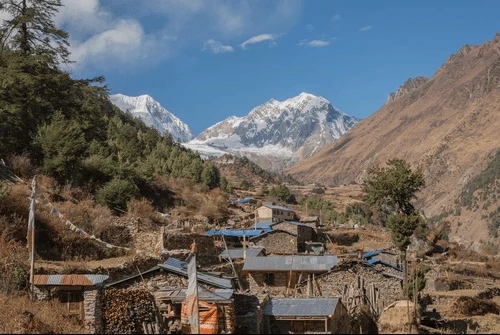
As you venture through remote Gurung villages and Tibetan-influenced settlements, you'll have the opportunity to immerse yourself in authentic Himalayan culture. Along the way, you'll encounter ancient Tibetan Buddhist traditions, vibrant monasteries, and the warm hospitality of local communities, offering a rare glimpse into the life of the mountain people.
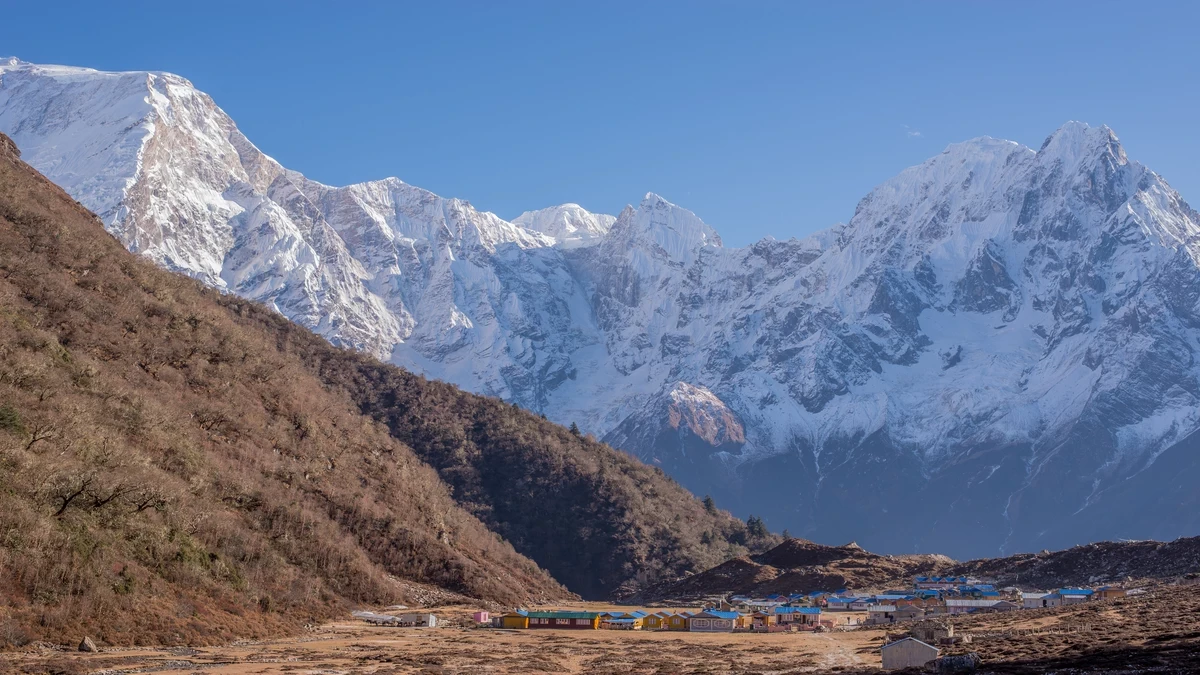
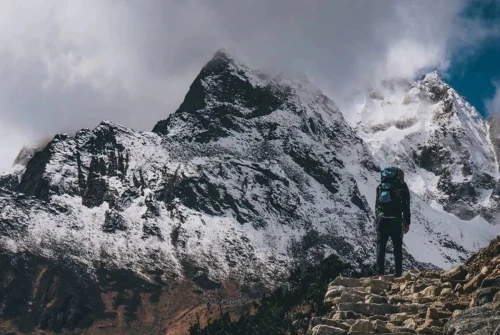
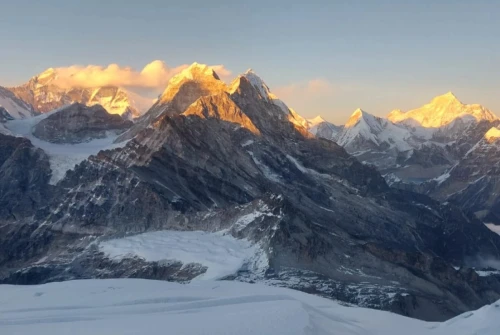
The dramatic mountain scenery is another highlight of the Manaslu Circuit Trek. Trekkers are treated to spectacular views of towering peaks such as Manaslu, Himalchuli, and Ngadi Chuli, along with a diverse range of landscapes from lush forests and terraced fields to rugged alpine meadows and high-altitude deserts.
For adventure seekers, the Larkya La Pass, one of the highest and most thrilling passes in Nepal at 5,160 meters, offers a true high-pass experience. The challenging crossing rewards trekkers with panoramic views of the surrounding peaks, making it a standout moment on the trek.
Finally, the Manaslu Circuit Trek is a paradise for photographers and nature lovers. With its vibrant cultures, dramatic mountain vistas, and diverse wildlife including the elusive snow leopard and Himalayan tahr this trek offers countless opportunities to capture nature at its most awe-inspiring.
Manaslu Circuit Trek Highlights for 2026-2027
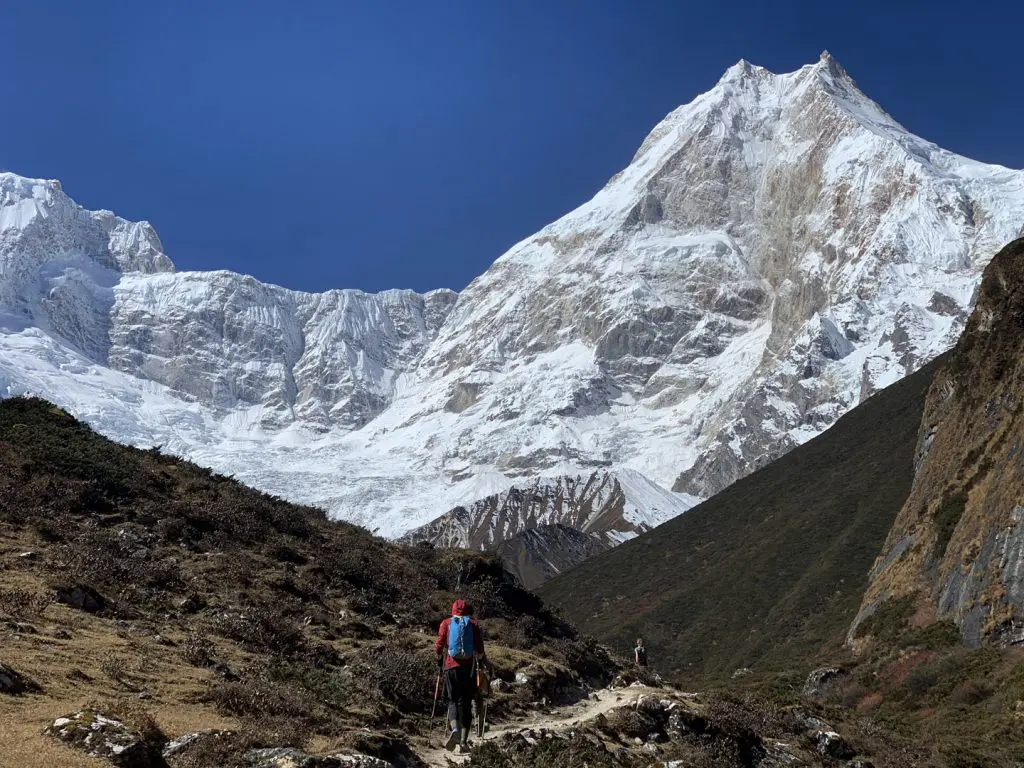
The Manaslu Circuit Trek takes you through the Manaslu Conservation Area, a protected region teeming with wildlife, including snow leopards and Himalayan tahr, and offering diverse ecosystems. Unlike more popular trails, it features less crowded paths, providing trekkers with peace and solitude away from the bustling crowds of Everest or Annapurna. The trek offers stunning views of Mount Manaslu (8,163 m) and surrounding peaks like Himalchuli and Ngadi Chuli, with incredible photo opportunities along the way.
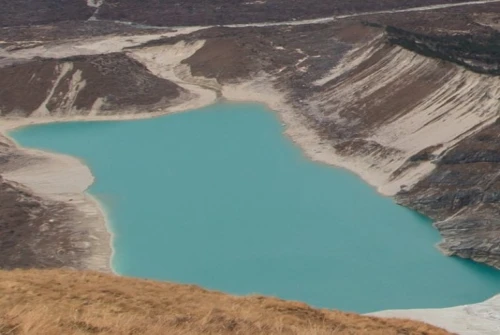
Trekkers will pass through charming villages, such as Sama Gaon and Samdo, where the local Gurung and Tibetan communities maintain traditional lifestyles and Buddhist culture. The Pung Gyen Gompa (4,100 m) monastery, offering tranquil views of the Manaslu Glacier, is a peaceful highlight of the trek. Birendra Tal, a serene alpine lake at 3,650 meters, provides a perfect spot to rest and reflect.
One of the most challenging and rewarding moments of the trek is crossing Larke Pass at 5,106 meters, which offers panoramic views of Manaslu, Himalchuli, and other majestic peaks. For those seeking an even higher vantage point, an optional side trip to Samdo Ri (5,200 m) rewards with breathtaking views of the Manaslu Himal and the distant Tibetan Plateau.
The Manaslu Circuit Trek showcases natural diversity, with landscapes ranging from subtropical forests to alpine meadows and glaciers. Cultural encounters along the trail include visits to monasteries and encounters with mani walls and prayer flags, reflecting the region's rich Tibetan Buddhist heritage. The tea houses and lodges provide a welcoming environment, where trekkers can enjoy local meals and connect with fellow adventurers.
Finally, Dharmasala (4,460 m), also known as Larke Phedi, serves as an important resting point before the final push to the Larkya La Pass, allowing trekkers to acclimatize before the ascent.
Manaslu Circuit Trek Itinerary For 2026-2027
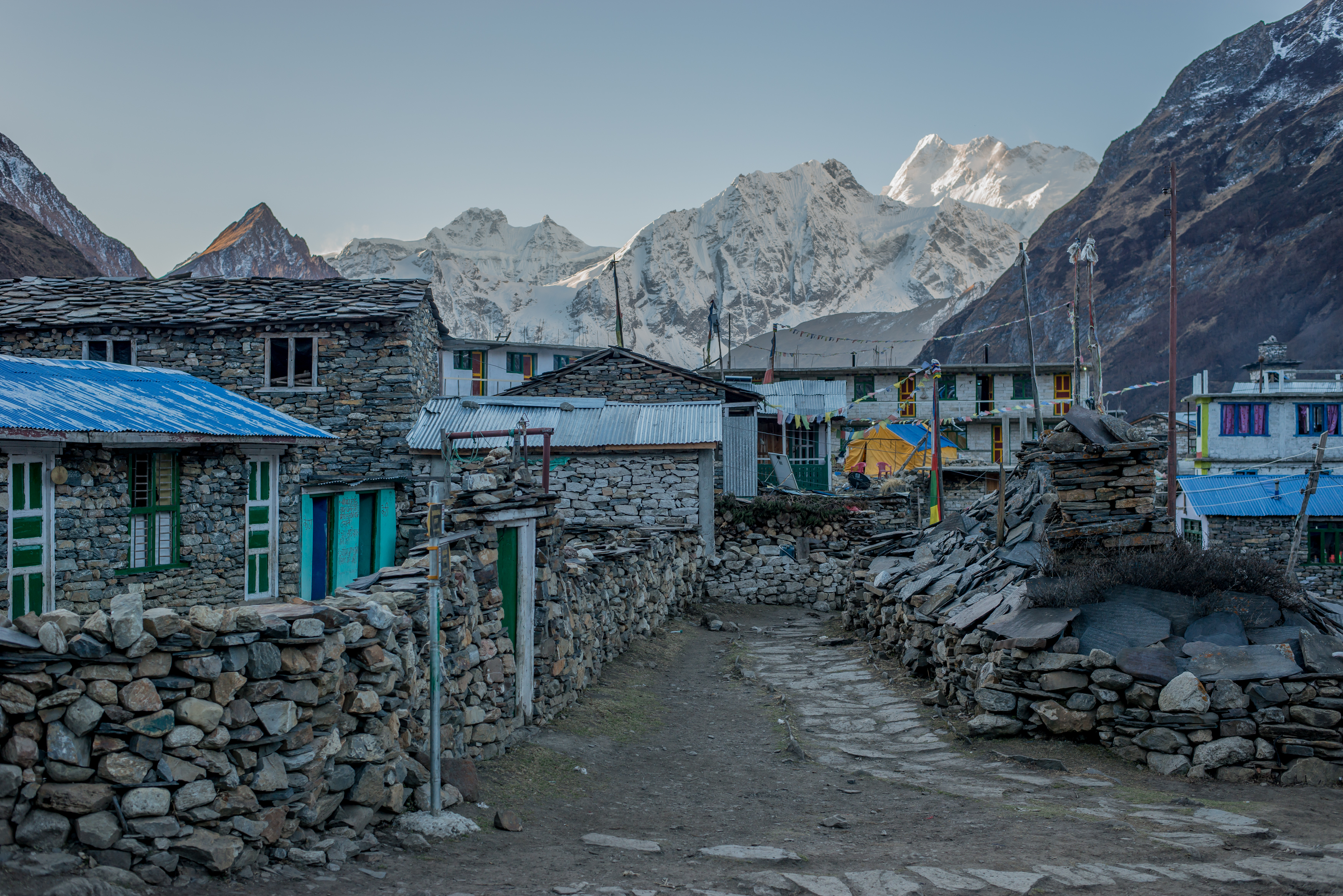
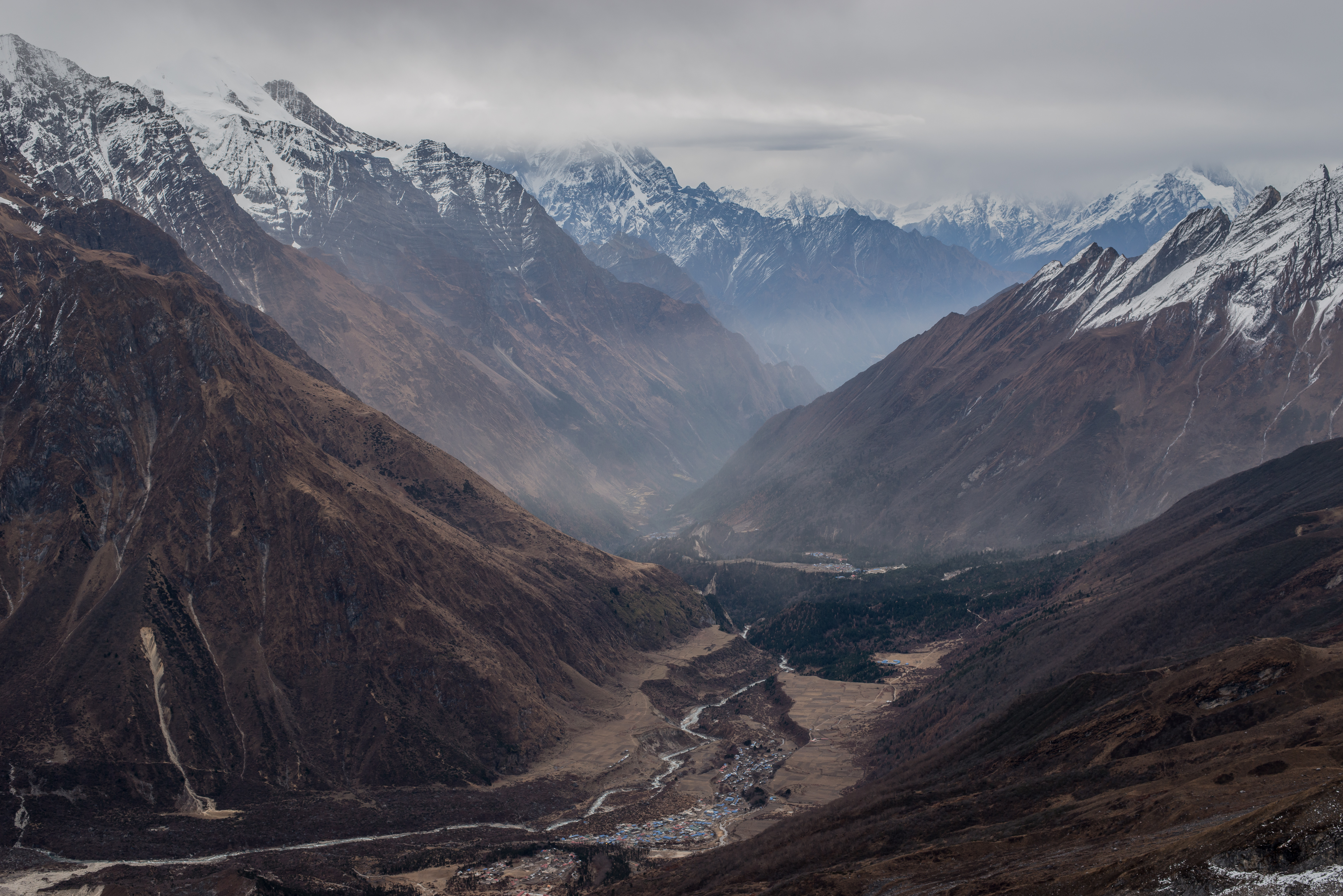
The Manaslu Circuit Trek typically spans 14 to 16 days, offering a comprehensive journey through stunning landscapes and cultural immersion. The trek begins with a drive from Kathmandu to Soti Khola, where the adventure starts. From there, trekkers follow the trail along the Budhi Gandaki River valley, passing through lush forests and traditional villages.
An important part of the trek is acclimatization at Samagaon, where trekkers spend a day resting to adjust to the altitude. During this time, you can take a side trip to Manaslu Base Camp or visit the Pungyen Gompa, both offering spectacular views of the surrounding peaks and glaciers.
The highlight of the trek is crossing the challenging Larkya La Pass at 5,106 meters, offering breathtaking panoramic views of the Manaslu range and other nearby mountains. After the pass, trekkers continue down to Dharapani, located in the Annapurna region, where the trek officially ends.
For those looking to dive deeper into the local culture, the itinerary can be extended to include the Tsum Valley Trek, an off-the-beaten-path extension that offers additional cultural experiences and visits to remote Tibetan-influenced villages.
Classic 16-Day Manaslu Circuit Trek Itinerary
This 16-day itinerary includes a sightseeing and preparation day in Kathmandu, offering a bit more time to adjust and explore before embarking on the trek.
- Day 1: Arrival in Kathmandu (1,320 m) and transfer to hotel.
- Day 2: In Kathmandu: Trek preparation and sightseeing tour of Kathmandu Valley’s UNESCO World Heritage Sites.
- Day 3: Drive to Machha Khola (900 m) – 160 km, approx. 6-7 hrs.
- Day 4: Trek to Jagat (1,340 m) via Dovan (1,070 m) – 6 hrs.
- Day 5: Trek to Deng (1,860 m) via Philim village – 6 hrs.
- Day 6: Trek to Namrung (2,660 m) – 6 hrs.
- Day 7: Trek to Lo-Gaon (3,180 m) – 5 hrs.
- Day 8: Trek to Sama-Gaon (3,500 m) – 5 hrs.
- Day 9: Rest day at Sama-Gaon for acclimatization and exploration.
- Day 10: Trek to Samdo (3,875 m) – 4 hrs.
- Day 11: Trek to Dharmasala (4,450 m) – 4 hrs.
- Day 12: Trek to Bhimtang (3,590 m) via Larkya Pass (5,106 m) – 8 hrs.
- Day 13: Trek to Gowa (2,535 m) – 4 hrs.
- Day 14: Trek to Dharapani (1,860 m) and drive to Besisahar – 7 hrs.
- Day 15: Drive back to Kathmandu.
- Day 16: Final departure.
This itinerary allows for an extra sightseeing day in Kathmandu, offering more time to acclimatize, explore the city, and prepare for the trek. It also includes one acclimatization day at Sama-Gaon, similar to other itineraries.
Standard 15-Day Manaslu Circuit Trek Itinerary
This 15-day Manaslu Circuit Trek doesn’t include preparation or sightseeing days in Kathmandu, but otherwise follows the standard trekking schedule.
- Day 1: Arrival in Kathmandu (1,320 m) and transfer to hotel.
- Day 2: Drive to Machha Khola (900 m) – 160 km, approx. 6-7 hrs.
- Day 3: Trek to Jagat (1,340 m) via Dovan (1,070 m) – 6 hrs.
- Day 4: Trek to Deng (1,860 m) via Philim village – 6 hrs.
- Day 5: Trek to Namrung (2,660 m) – 6 hrs.
- Day 6: Trek to Lo-Gaon (3,180 m) – 5 hrs.
- Day 7: Trek to Sama-Gaon (3,500 m) – 5 hrs.
- Day 8: Rest day in Sama-Gaon for acclimatization and exploration.
- Day 9: Trek to Samdo (3,875 m) – 4 hrs.
- Day 10: Trek to Dharmasala (4,450 m) – 4 hrs.
- Day 11: Trek to Bhimtang (3,590 m) via Larkya Pass (5,106 m) – 8 hrs.
- Day 12: Trek to Gowa (2,535 m) – 4 hrs.
- Day 13: Trek to Dharapani (1,860 m) and drive to Besisahar – 7 hrs.
- Day 14: Drive back to Kathmandu.
- Day 15: Final departure.
This itinerary includes one acclimatization day at Sama-Gaon, similar to other well-designed routes. Note that it doesn’t have a dedicated day for sightseeing in Kathmandu. If you wish, you can adjust this and explore the city at the end of your trek.
14-Day Manaslu Circuit Trek Itinerary
The 14-day Manaslu Circuit Trek is often considered the short version of the trek. If you're short on time but still want to experience the beauty and adventure of the Manaslu Circuit, this itinerary can work for you. However, it’s a bit more compact, so you’ll need to manage the pace and acclimatization carefully.
- Day 1: Arrival in Kathmandu (1,320 m) and transfer to hotel.
- Day 2: Drive to Machha Khola (900 m) – 160 km, approx. 6-7 hrs.
- Day 3: Trek to Jagat (1,340 m) via Dovan (1,070 m) – 6 hrs.
- Day 4: Trek to Deng (1,860 m) via Philim village – 6 hrs.
- Day 5: Trek to Namrung (2,660 m) – 6 hrs.
- Day 6: Trek to Lo-Gaon (3,180 m) – 5 hrs.
- Day 7: Trek to Sama-Gaon (3,500 m) – 5 hrs.
- Day 8: Rest day at Sama-Gaon for acclimatization and excursion.
- Day 9: Trek to Samdo (3,875 m) – 4 hrs.
- Day 10: Trek to Dharmasala (4,450 m) – 4 hrs.
- Day 11: Trek to Bhimtang (3,590 m) via Larkya Pass (5,106 m) – 8 hrs.
- Day 12: Trek to Gowa (2,535 m) – 4 hrs.
- Day 13: Trek to Dharapani (1,860 m) and drive to Besisahar – 7 hrs.
- Day 14: Drive back to Kathmandu and departure.
13-Day Manaslu Circuit Trek Itinerary
The 13-day Manaslu Circuit Trek is a compact version of the trek. While it’s a bit more intense than the longer itineraries, it’s still possible to complete with proper acclimatization and pacing. Here’s a breakdown:
- Day 1: Drive from Kathmandu to Machha Khola – 6-7 hours by bus or jeep.
- Day 2: Trek from Machha Khola to Jagat (1,340 m) – Approx. 6 hours.
- Day 3: Trek from Jagat to Deng (1,860 m) – Approx. 6 hours.
- Day 4: Trek from Deng to Namrung (2,660 m) – Approx. 6 hours.
- Day 5: Trek from Namrung to Lho (3,180 m) – Approx. 5 hours.
- Day 6: Trek from Lho to Samagaun (3,500 m) – Approx. 5 hours.
- Day 7: Acclimatization Day at Samagaun: Rest day for acclimatization and exploration of nearby areas like Pungyen Gompa or hiking to the Manaslu Base Camp.
- Day 8: Trek from Samagaun to Samdo (3,875 m) – Approx. 4 hours.
- Day 9: Trek from Samdo to Dharmasala (4,450 m) – Approx. 4 hours.
- Day 10: Trek from Dharmasala to Bhimtang (3,590 m) via Larkya Pass (5,106 m) – Approx. 8 hours.
- Day 11: Trek from Bhimtang to Tilije (2,300 m) – Approx. 5-6 hours.
- Day 12: Trek from Tilije to Dharapani (1,860 m) – Approx. 5-6 hours.
- Day 13: Drive from Dharapani to Kathmandu – 6-7 hours by jeep/bus.
The 13-day Manaslu Circuit Trek is a fast-paced option, with one acclimatization day at Samagaun to adjust to altitude. It includes long trekking days, especially crossing Larkya Pass on Day 10. While suitable for those with limited time, it requires good fitness and preparation for unpredictable mountain weather.
Short 12-Day Manaslu Circuit Trek Itinerary
The 12-day Manaslu Circuit Trek offers a compact yet immersive experience, blending adventure with natural beauty while ensuring proper acclimatization.
- Day 1: Arrival in Kathmandu (1,320 m), transfer to hotel, and trek briefing.
- Day 2: Drive to Machha Khola (900 m) – 160 km, 6-7 hrs via Arughat and Soti Khola.
- Day 3: Trek to Jagat (1,340 m) via Dovan (1,070 m) – 6 hrs along the Budhi Gandaki.
- Day 4: Trek to Deng (1,860 m) via Philim – 6 hrs through dense forests and suspension bridges.
- Day 5: Trek to Namrung (2,660 m) – 6 hrs, entering the Tibetan-influenced region.
- Day 6: Trek to Sama Gaon (3,500 m) via Lo-Gaon (3,180 m) – 7 hrs with incredible mountain views.
- Day 7: Acclimatization Day at Sama Gaon – Optional hike to Pungyen Gompa or Manaslu Base Camp.
- Day 8: Trek to Samdo (3,875 m) – 4 hrs with views of glaciers.
- Day 9: Trek to Dharmasala (4,450 m) – 4 hrs through yak pastures.
- Day 10: Cross Larke Pass (5,106 m) and trek to Bhimtang (3,590 m) – 8 hrs, long but stunning.
- Day 11: Trek to Dharapani (1,860 m) via Gowa (2,535 m), then drive to Besisahar – Total 7 hrs.
- Day 12: Drive to Kathmandu – 6-7 hrs scenic highway drive. Evening free, departure if same day.
This 12-day itinerary is designed to balance the physical demands of the trek with necessary acclimatization, offering an efficient way to experience the stunning landscapes, cultural richness, and challenging high-altitude terrain of the Manaslu Circuit. The highlight is the challenging Larke Pass crossing, but it rewards you with breathtaking views.
Manaslu circuit trek itinerary for nepali
- Day 1: Kathmandu to Machha Khola (Drive by local bus/jeep).
- Day 2: Machha Khola to Jagat (Trek).
- Day 3: Jagat to Deng (Trek).
- Day 4: Deng to Namrung (Trek).
- Day 5: Namrung to Samagaon (Acclimatization hike to Birendra Lake).
- Day 6: Samagaon to Samdo (Acclimatization walk).
- Day 7: Samdo to Dharamsala (Larkya Phedi).
- Day 8: Cross Larkya La Pass (5106m) to Bimthang (Long day).
- Day 9: Bimthang to Tilje Village (Descent).
- Day 10: Drive from Tilje/Dharapani to Besisahar (Jeep).
- Day 11: Drive from Besisahar to Kathmandu (Bus).
Rapid Manaslu Circuit Trek Itinerary 7 Days
This 7-day Manaslu Circuit Trek is a fast-paced option that covers the core highlights of the route in a shorter period. It’s a more intense trek due to the quick ascent and long days.
- Day 1: Drive from Kathmandu to Jagat – A long, bumpy ride (approx. 7-9 hours).
- Day 2: Trek from Jagat to Deng – 6-7 hours.
- Day 3: Trek from Deng to Namrung – 6 hours.
- Day 4: Trek from Namrung to Samagaon – 6 hours.
- Day 5: Trek from Samagaon to Dharamsala – 4-5 hours (Base camp for Larkya La Pass).
- Day 6: Cross Larkya La Pass (5,106 m) and trek to Bhimthang – 8-9 hours.
- Day 7: Trek from Bhimthang to Tilje, then drive to Besisahar/Kathmandu – A very long day of trekking and driving (approx. 7-9 hours total).
This 7-day itinerary is designed for experienced trekkers looking to complete the Manaslu Circuit in a shorter time frame. It involves long trekking days, including the challenging Larkya La Pass, and a long drive back to Kathmandu, so good fitness and preparation are key.
Manaslu Circuit Trek Difficulty
The Manaslu Circuit Trek is rated moderate to strenuous, with the Larkya La Pass at 5,160 meters making it particularly challenging due to high altitude. Trekkers face long days of 6–8 hours on rugged terrain, including steep climbs and descents, as well as crossing suspension bridges and navigating landslide-prone areas. Accommodation along the route consists of basic teahouses, and the remoteness of the trek adds to the challenge, with limited facilities and rescue access. Trekkers must be in good physical fitness and prepared for acclimatization to avoid Altitude Sickness (AMS).
While more demanding than the Everest Base Camp and Annapurna Base Camp treks, the Manaslu Circuit offers a unique cultural immersion and is a less commercialized route. It is manageable for beginners with proper preparation, including training, a guide, and the right mindset. The duration of the trek spans 10-14 days covering a 177 km circuit, with long walking hours and occasional harsh weather, including cold and wind.
Key Difficulty Factors include:
- Altitude: Significant elevation gain over 5,000 meters, increasing the risk of AMS.
- Terrain: Uneven, rocky, and slippery trails, often challenging.
- Duration & Distance: 177 km, taking 10-14 days, with long trekking hours.
- Remoteness: Basic facilities, limited rescue options, and tough weather conditions.
For those with excellent physical fitness, proper training, and a positive mindset, this trek is achievable, even for beginners. However, it’s especially rewarding for intermediate to experienced trekkers, who will enjoy its quieter, more remote nature compared to other well-known treks.
Altitude and Acclimatization on Manaslu Trek
The Manaslu Circuit Trek involves significant altitude gain, reaching its highest point at Larke La Pass (around 5,106m/16,752ft). Due to this steep ascent, proper altitude acclimatization is crucial to avoid Acute Mountain Sickness (AMS). Key stops like Samagaon (3,530m) are essential for acclimatization, where trekkers typically take a rest day. During this time, activities like hiking to Manaslu Base Camp (4,800m) or visiting Pungyen Gompa help with the "climb high, sleep low" strategy, which aids in acclimatizing the body for the high-altitude pass crossing ahead.
A gradual ascent, staying well hydrated, pacing yourself slowly, and listening to your body are critical to prevent AMS symptoms such as headaches, nausea, and fatigue. If symptoms appear, descending is necessary to prevent further complications.
Key Altitudes & Stages
- Start: Low altitude around 850m (Machha Khola).
- Namrung (2,900m): The air begins to thin, marking the start of altitude awareness.
- Samagaon (3,530m): Ideal for an acclimatization day, with the option for a side hike to Manaslu Base Camp (4,800m) or Pungyen Gompa.
- Samdo (3,860m): A vital stop before the high pass, with a significant altitude jump from Samagaon.
- Dharmasala (4,460m): The high camp before crossing the pass.
- Larke La Pass (5,106m/16,752ft): The challenging, often snowy highest point, usually crossed early in the morning.
Acclimatization Strategies
- Gradual Ascent: Aim for no more than 600-800m elevation gain from one night to the next to allow your body time to adjust.
- Rest Days: Essential rest days, especially in Samagaon, where you can also do climb high, sleep low activities.
- Climb High, Sleep Low: Hike to higher altitudes during the day but return to a lower altitude to sleep.
- Hydration: Drink at least 3-4 liters of water daily, and avoid alcohol and caffeine, which can dehydrate you.
- Pace Yourself: Keep a steady pace ("pole pole") and don’t rush, as this is essential for preserving energy and preventing overexertion.
- Medication: Consider Diamox (Acetazolamide) after consulting a doctor to help with acclimatization.
Altitude Sickness (AMS) & Red Flags
- Symptoms: Headache, dizziness, nausea, fatigue, loss of appetite, and difficulty sleeping.
- Action: If symptoms persist, take a rest. If they worsen, descend immediately. Severe AMS symptoms such as confusion, vomiting, or loss of coordination could be signs of High Altitude Cerebral Edema (HACE) or High Altitude Pulmonary Edema (HAPE), both of which require immediate descent.
Why It's Challenging
The Manaslu Circuit presents a steep altitude gain, transitioning from subtropical regions to high alpine areas, and the elevation curve is more dramatic than that of some other treks. The Larke La Pass requires an early start to avoid the strong winds and to give trekkers enough time to safely cross before they become stronger in the afternoon.
Manaslu Circuit Trek Permits
The Manaslu Circuit Trekking requires trekkers to obtain several permits, each with its own cost. These are necessary due to the region’s restricted status and the effort to preserve its natural and cultural heritage. The permits required are:
- Manaslu Restricted Area Permit (RAP)
Cost: USD 100 per person per week for the first week, and USD 15 per person per day for each additional day.
This permit is required to enter the Manaslu Restricted Area and is only issued through a licensed trekking agency.
- Manaslu Conservation Area Permit (MCAP)
Cost: NPR 3,000 (approx. USD 20) per person.
This permit is needed for trekking through the Manaslu Conservation Area, a protected area home to unique flora and fauna.
- Annapurna Conservation Area Permit (ACAP)
Cost: NPR 3,000 (approx. USD 20) per person.
Required for trekking in the Annapurna Conservation Area, which is part of the trek.
In addition to these permits, all trekkers must travel with a licensed guide and be part of a minimum group size of two trekkers, as mandated by the Nepal government.
Best Season for Manaslu Circuit Trek 2026
The best times to trek the Manaslu Circuit are during Spring (March-May) and Autumn (September-November), as these seasons offer the most favorable conditions for trekking.
Spring (March - May)
- Weather: Mild temperatures and clearer skies with warmer days.
- Scenery: The rhododendron forests are in full bloom, painting the landscape with vibrant colors.
- Experience: More teahouses open, stable trails, and great conditions for first-timers. This season is perfect for those who enjoy trekking through lush, colorful forests.
Autumn (September - November)
- Weather: Stable, dry weather with crisp air and excellent visibility.
- Scenery: Stunning panoramic views of the snow-capped peaks of the Manaslu Range and surrounding mountains.
- Experience: This season coincides with cultural festivals like Dashain and Tihar, adding a vibrant cultural experience. The post-monsoon landscape is lush and green, and the trails are lively with trekkers.
Shoulder Months (March & November):
While these months are not as crowded as peak Spring and Autumn, they still offer pleasant trekking conditions. However, mornings and evenings can be a bit cooler, especially at higher altitudes.
Avoid:
- Winter (December - February): The extreme cold makes trekking difficult, with heavy snow, high risk of avalanches, and many teahouses and routes closed.
- Monsoon (June - August): Heavy rainfall causes landslides, slippery trails, and obscured views. This is the least recommended season due to the risk of trail conditions and safety hazards.
Manaslu Circuit Trek Cost for 2026-2027
The Manaslu Circuit Trek typically costs between $800 to $1,500+ USD per person. The final price depends on factors like group size, package type (budget vs. premium), and the inclusions such as guides, permits, food, and transportation. Budget packages generally start around $900, while private treks or smaller groups tend to be more expensive, with prices often ranging from $1,200 to $1,500+.
Typical Cost Breakdown & Factors:
- Permits: These are a significant cost and are required for all trekkers. The Manaslu Restricted Area Permit (RAP), Manaslu Conservation Area Permit (MCAP), and Annapurna Conservation Area Permit (ACAP) are included in the price. The costs for permits are typically higher for foreign trekkers.
- Guides & Porters: A licensed guide is mandatory for the trek, and porters can be hired for an additional cost, generally around $20/day.
- Accommodation & Food: Standard accommodation along the trek is in basic teahouses with full-board meals (3 meals a day). Some trekkers may opt for upgraded rooms or additional meals, which will add to the cost.
- Transport: Travel costs vary from budget local buses to private jeeps, depending on the chosen package.
- Group Size: The group size is one of the biggest factors in determining the cost. Solo or private treks are pricier, starting from $1,200+, while group treks (with 6+ trekkers) generally range from $800-$1,000.
Price Ranges (Per Person):
- Group (6-12 people): $800 - $1,000 (budget/standard)
- Small Group (2-5 people): $900 - $1,200+
- Private/Solo: $1,200 - $1,500+
Key Inclusions (Usually):
- Mandatory permits and TIMS card.
- Licensed guide and porter.
- Tea-house accommodation and 3 meals/day during the trek.
- Local transport (bus/jeep) to/from trek start and end points.
Extra Costs (Not Usually Included):
- Visa fees, international flights, and travel insurance.
- Tips for guide/porter.
- Personal expenses: This includes Wi-Fi, charging, hot showers, snacks, and drinks. Expect to budget around $10-$15/day for these additional costs.
Manaslu Circuit Trek Cost for Indian
Overall, for a 15-day Manaslu trek, the total cost would range between NPR 37,500 to NPR 52,500 (approximately $300-$430), For Manaslu Circuit Trek Cost for Indian excluding the cost of a guide or porter. The trek is significantly cheaper for Nepali nationals compared to foreigners and For Indian trekkers, the Manaslu Circuit Trek package typically costs between ₹65,000 to ₹90,000 for a standard package, depending on the group size and inclusions like guides, permits, and accommodation.
Permits for SAARC nationals are discounted, ranging from $70-$100 for the Restricted Area Permit (RAP), Manaslu Conservation Area Permit (MCAP), and Annapurna Conservation Area Permit (ACAP). The trek’s cost can increase with private groups or luxury options, while budget trips are cheaper.
Culture and Local Life in Manaslu Region
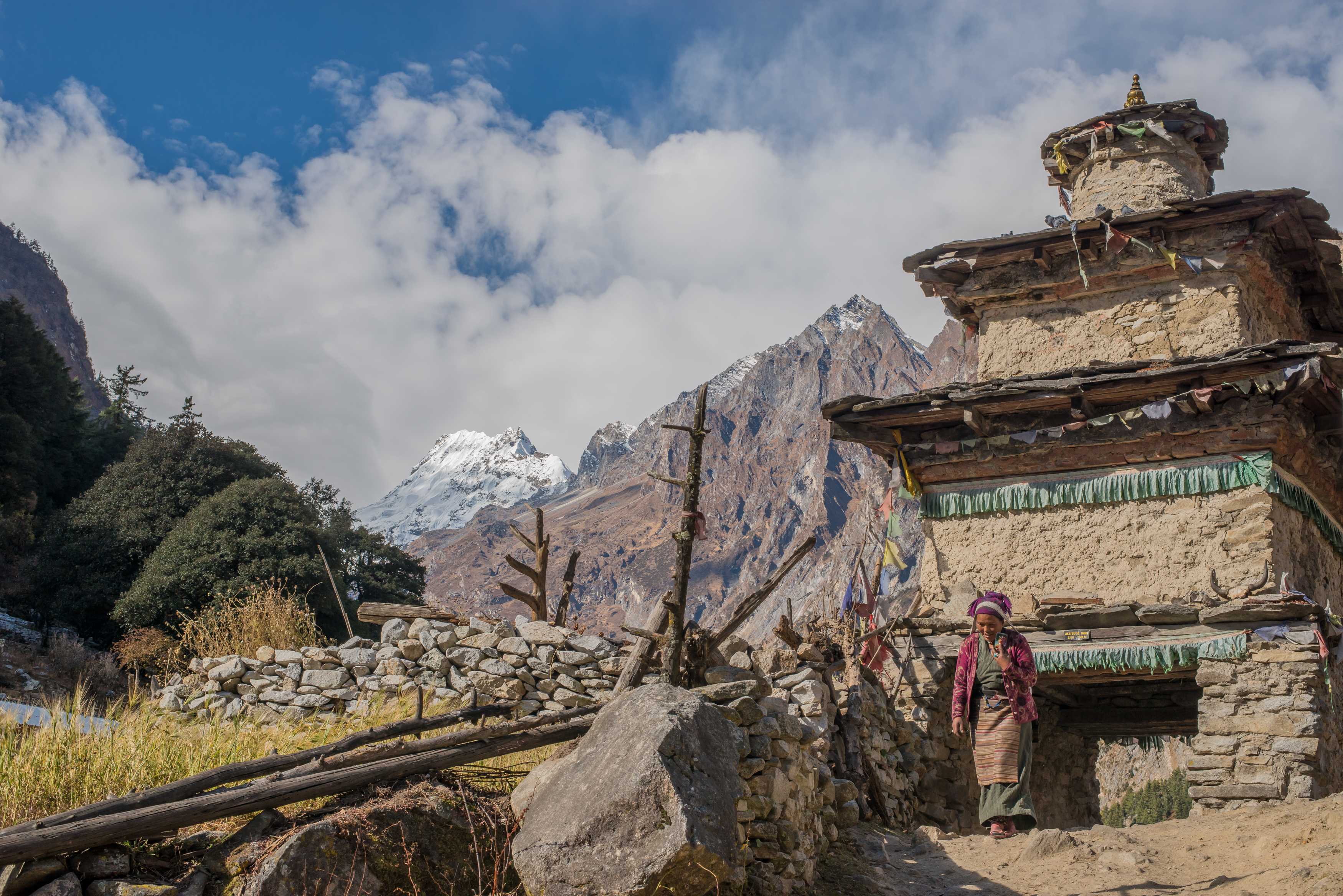
The Manaslu Circuit offers an unparalleled opportunity for cultural immersion, deeply influenced by Tibetan Buddhism and local traditions. The trail is adorned with monasteries, stupas (chortens), prayer flags, and mani walls (carved prayer stones), all contributing to the region's rich spiritual and cultural atmosphere. Villages such as Samagaon and Samdo showcase centuries-old Gurung and Tibetan-influenced lifestyles, with yak herding, terraced farming, and ancient stone houses forming the core of daily life.
Hospitality is a cornerstone of local culture, with trekkers often welcomed with yak butter tea or dal bhat (lentil soup and rice), reflecting the simplicity and warmth of the people. The limited commercialization of the region ensures that these traditional ways of life remain largely intact, offering trekkers a glimpse into untouched Himalayan traditions.
Cultural Landscape & Influences
- Tibetan Buddhism: The dominant influence, seen in the region’s monasteries, stupas, prayer flags, and daily rituals. Monks are often seen chanting or lighting butter lamps, creating an environment of peace and spirituality.
- Ethnic Diversity: The lower regions are home to the Gurung people, while the upper reaches are inhabited by the Nubri and Tsum communities, whose customs and traditions are deeply shaped by Tibetan culture.
- Traditional Life: Villages feature stone houses, terraced barley and maize fields, and yak herding, with locals wearing simple, traditional clothing.
Local Life & Traditions
- Hospitality: Expect warm, genuine welcomes, often shared over local drinks like yak butter tea or traditional meals such as dal bhat.
- Daily Rituals: You will often see monks chanting, butter lamps burning, and prayer wheels being spun as part of daily spiritual practices.
- Festivals: The region celebrates a range of vibrant festivals, such as Lhosar (Tibetan New Year), Ghewa, Saka Dawa, and local yak festivals, where masked dances, storytelling, and traditional music fill the air with celebration and joy.
Cultural Etiquette (Do's & Don'ts)
- Do: Greet with a "Namaste", dress modestly (cover shoulders and knees), walk clockwise around stupas and mani walls, ask permission before taking photos, remove hats and shoes when entering monasteries, and try learning a few local words.
- Don't: Never touch or step over prayer items, don’t point your feet at people or shrines, avoid giving money to children (instead, donate to schools or local causes), and always respect prayer times.
What to Expect
- Authenticity: The region remains less commercialized compared to more famous treks like Everest or Annapurna, preserving ancient customs and a sense of undisturbed tradition.
- Spiritual Atmosphere: The peaceful surroundings, monasteries, and daily rituals create a deeply spiritual atmosphere, providing trekkers with an experience that goes beyond just the physical challenge.
- Simple Living: Life in these remote villages has remained largely unchanged for centuries, offering a rare chance to witness and experience traditional Himalayan living in its most authentic form.
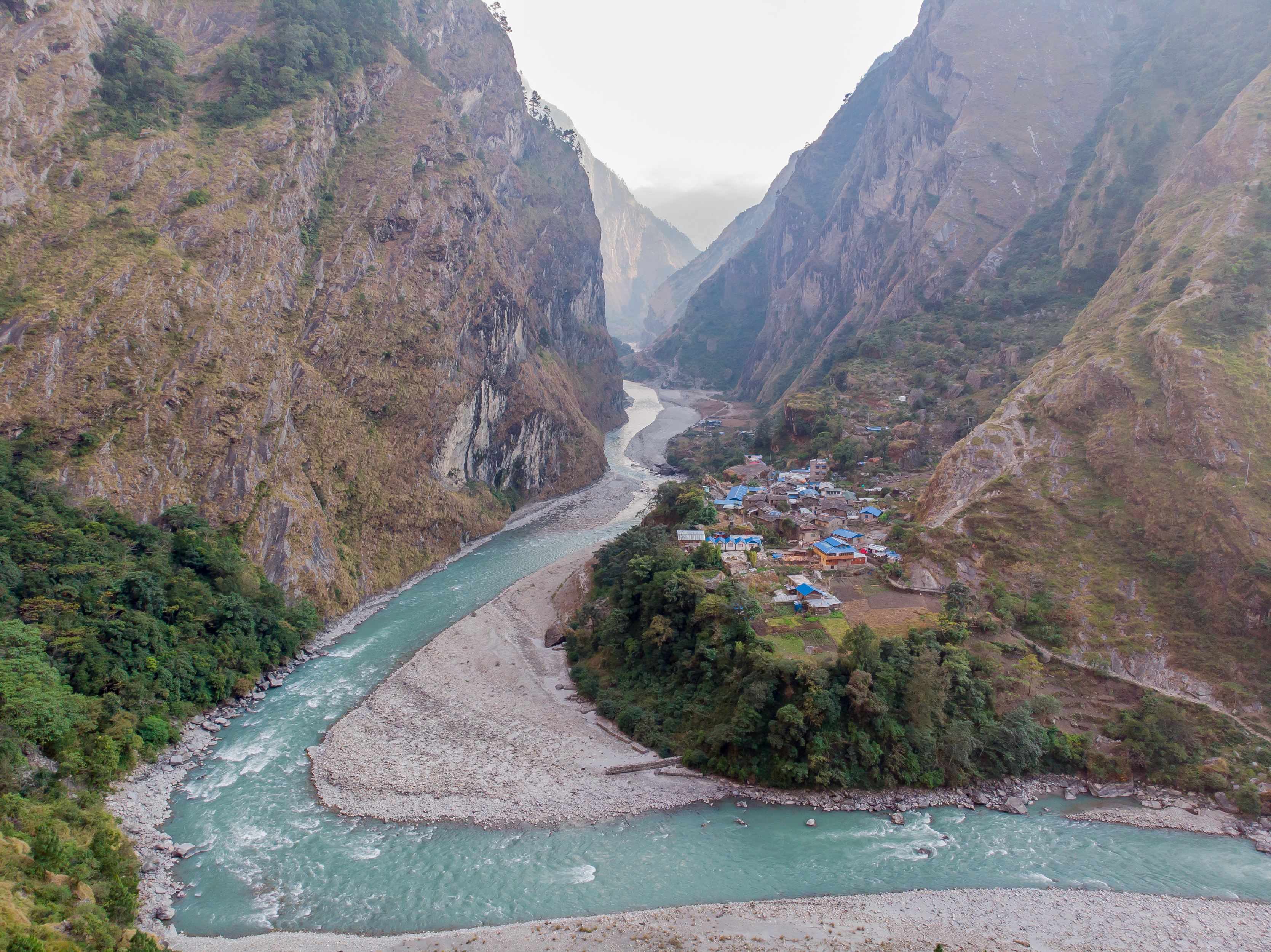
Manaslu Circuit Trek Map and Route
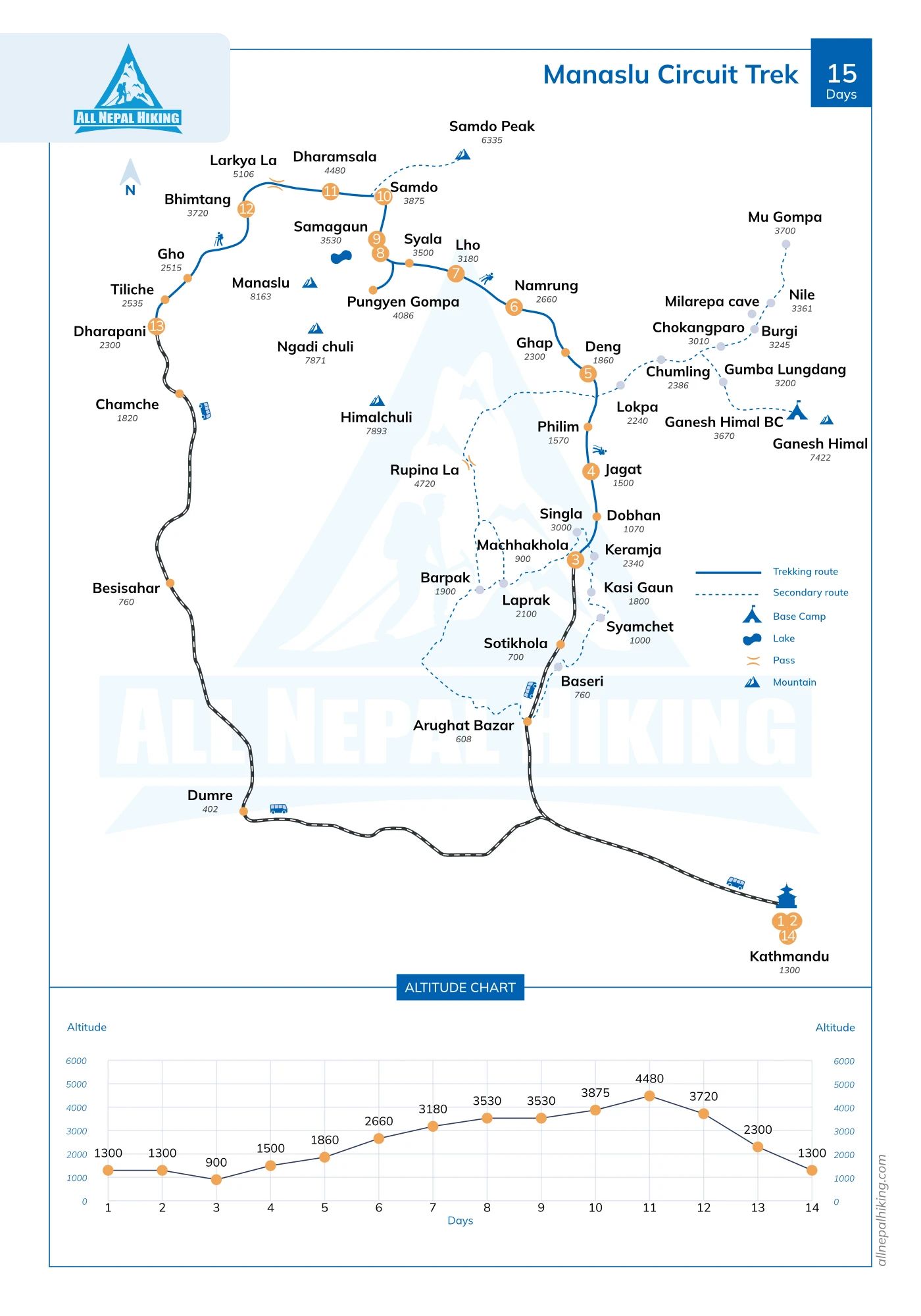
The Manaslu Circuit Trek is a stunning journey through the heart of the Himalayas, offering trekkers breathtaking views of Mount Manaslu and a deep cultural experience. Starting from Kathmandu, you’ll drive to Soti Khola at 869 meters, marking the beginning of the trek. From here, you’ll trek to Jagat (1,340m), then continue through Deng (1,860m) and Namrung (2,630m), where you start feeling the Tibetan influence in the culture and architecture.
The trek progresses through Lho (2,957m) and Samagaon (3,530m), a perfect place for acclimatization, and offers a side trip to Manaslu Base Camp or Pungyen Gompa. After Samagaon, you’ll head to Samdo (3,875m), then to Dharmasala (4,460m), the final stop before tackling the iconic Larkya La Pass (5,106m), the highest point of the trek.
After crossing Larkya La Pass, you descend to Bimtang (3,590m), then head to Tilije (2,300m) and Dharapani (1,970m), where the Manaslu Circuit connects to the Annapurna Circuit. From Dharapani, you’ll drive back to Kathmandu, completing the journey.
The trek's altitude progression starts low in Soti Khola and reaches its peak at Larkya La Pass before descending back through the Annapurna region.
Accommodation and Food on the Manaslu Circuit Trek
On the Manaslu Circuit Trek, accommodation primarily consists of teahouses, which offer basic but comfortable lodging for trekkers. The teahouse standard is simple yet functional, with rooms typically equipped with twin beds, shared bathrooms, and minimal amenities. Expect clean bedding and a cozy environment, though some teahouses may have limited hot water or heating, particularly at higher altitudes.
Food on the Manaslu Trek is hearty and nutritious, designed to fuel trekkers for long days on the trail. The most common meal is dal bhat (lentil soup with rice), which is filling and provides necessary energy. You’ll also find noodles, soup, pasta, and various vegetarian dishes. Snacks like biscuits and energy bars are available in most teahouses. As you reach higher altitudes, the menu may become more limited, but the quality of food remains consistent, and dal bhat is often served multiple times a day for its nutritional benefits.
Regarding charging and Wi-Fi availability, it’s important to know that facilities vary depending on the altitude and the remoteness of the teahouse. In lower villages, you'll often find charging stations for electronics, but expect to pay a small fee. Wi-Fi is available in some teahouses at higher altitudes, but the connection can be slow and unreliable, so don’t expect fast speeds. It’s best to rely on local sim cards or simply enjoy the digital detox while trekking.
In summary, Manaslu Circuit teahouses provide basic but adequate accommodation and food, with essential charging and Wi-Fi services available in select locations. It's an experience that allows trekkers to enjoy the simplicity of the Himalayas while being well-fed and rested throughout their journey.
Manaslu Circuit Trek for Beginners: Suitability and Fitness
The Manaslu Circuit Trek is an incredible adventure that combines stunning natural beauty and rich cultural experiences, but is it suitable for first-time trekkers?
While the Manaslu Circuit Trek is not considered an easy trek, it is manageable for beginners with a good level of fitness and preparation. The route includes challenging sections, especially when crossing Larkya La Pass at 5,106 meters, but with proper training, gradual acclimatization, and a positive attitude, first-time trekkers can complete it successfully.
Required Fitness Level
The Manaslu Circuit Trek is rated as moderate to challenging, requiring trekkers to be in good physical condition. A basic level of fitness is required, including endurance for long walking days (6-8 hours), as well as the ability to handle steep climbs and high altitudes. You’ll need to be prepared for rugged terrain and changes in weather conditions.
Trekkers should be comfortable walking up to 20 km per day and should be able to carry a light daypack with water, snacks, and camera gear.
Training Tips for Beginners
To prepare for the Manaslu Trek, a well-structured training regimen will help improve your stamina and ensure you’re physically ready. Here are a few tips:
- Cardio Training: Start with cardio exercises like jogging, cycling, or swimming to improve your endurance. Aim for 3-4 sessions per week.
- Hill and Stair Climbing: As the trek involves a lot of uphill and downhill walking, practice on steep inclines and stairs to simulate the terrain.
- Strength Training: Focus on building leg strength with exercises like lunges, squats, and step-ups. This will help with the steep climbs.
- Backpacking Practice: Get used to walking with a light backpack (around 5-7kg), gradually increasing the weight and duration as your training progresses.
- Altitude Awareness: Consider training at high altitudes or at least getting used to walking on varied terrains to prepare for the altitude challenges.
- Rest and Recovery: Incorporate rest days into your training to allow your body to recover and avoid overtraining.
Is Manaslu Circuit Trek Difficult for Beginners?
While it’s more demanding than treks like the Everest Base Camp or Annapurna Base Camp, it’s achievable for beginners with proper training, acclimatization, and a good guide. The long days of trekking and altitude can pose challenges, but with sufficient preparation, this trek is within reach for first-time trekkers.

Safety, Altitude Sickness & Rescue on the Manaslu Circuit Trek
Safety is a top priority when trekking in high-altitude regions like the Manaslu Circuit Trek. The trek involves considerable elevation gain, with the highest point reaching Larkya La Pass at 5,106 meters. As with any high-altitude trek, altitude sickness (AMS) is a significant concern, but with proper precautions, the risks can be minimized.
Altitude Sickness Prevention Tips
Altitude sickness occurs when the body struggles to adjust to the reduced oxygen levels at higher altitudes. Symptoms include headaches, dizziness, nausea, and fatigue. Here are some essential AMS prevention tips for trekkers:
- Gradual Ascent: Avoid rapid altitude gains. Aim to increase your sleeping altitude by no more than 500-600 meters per day.
- Rest Days: Incorporate rest days at critical altitude points like Samagaon to allow your body to acclimatize. These breaks reduce the risk of AMS and allow for better adaptation.
- Hydration: Staying hydrated is key to AMS prevention. Drink 3-4 liters of water daily. Dehydration worsens the symptoms of AMS.
- “Climb High, Sleep Low”: A classic technique is to hike to higher altitudes during the day (e.g., a day hike to Manaslu Base Camp from Samagaon) but return to lower altitudes to sleep. This aids in acclimatization.
- Know the Symptoms: Be aware of AMS symptoms such as headaches, dizziness, and nausea. If you feel unwell, communicate immediately with your guide or companions.
- Medication: Diamox (acetazolamide) can help in preventing AMS, but always consult a doctor before using it. Some trekkers also take aspirin for headaches.
Emergency Evacuation
In the case of serious altitude sickness or injuries, emergency evacuation may be necessary. Since the Manaslu Circuit is remote, the nearest hospital or medical center is several hours away by vehicle. Therefore, it is critical to be prepared:
- Helicopter Evacuation: In severe cases, trekkers may need to be airlifted by helicopter for medical treatment. This service can be arranged through your guide, but it's essential to have adequate travel insurance that covers high-altitude evacuation.
- Local Health Posts: There are basic health posts in some villages, but they are limited in what they can treat. A trained guide and proper preparation are key to handling any emergency situations on the trek.
The Importance of a Licensed Guide in Restricted Areas
The Manaslu Circuit is a restricted area, meaning trekkers are required to trek with a licensed guide and a minimum of two people in the group. This is not just for logistical purposes but also for safety reasons.
- Local Knowledge: A licensed guide has deep knowledge of the trail, weather patterns, altitude risks, and how to handle AMS or other emergencies. They can help identify early symptoms of altitude sickness and take swift action if necessary.
- Regulations: Guides are also crucial for adhering to the Manaslu Circuit’s restricted area permits and ensuring that trekkers follow local regulations.
- Emergency Assistance: In the event of a medical emergency, a guide is essential for coordination of rescue efforts, whether it's arranging a helicopter evacuation or helping you descend to a lower altitude.
Manaslu Trek Safety
Safety on the Manaslu Circuit Trek is a shared responsibility. While the trek is generally safe for those who are prepared, the remote nature of the trail and the high-altitude environment require constant awareness. Always follow the guidance of your experienced guide, stay alert to any signs of AMS, and ensure that your travel insurance covers high-altitude trekking and emergency evacuation.
In summary, while the Manaslu Circuit Trek offers a thrilling experience, it's essential to prioritize safety and altitude sickness prevention. By following the right acclimatization protocols, ensuring proper insurance for emergency evacuations, and trekking with a licensed guide, you can significantly reduce the risks and focus on enjoying your trek.
Manaslu Circuit Trek Packing List and Equipment
Packing properly for the Manaslu Circuit Trek is essential to ensure a comfortable and safe experience, especially given the diverse weather conditions and the remote nature of the trail. Below is a detailed Manaslu Trek packing list that covers clothing, essential gear, and other equipment you’ll need for this adventurous trek.
Clothing by Season
The Manaslu Circuit Trek spans several different altitudes and climates, so packing for varying weather conditions is crucial. Here’s a breakdown of what you’ll need based on the seasons:
- Spring (March - May): Temperatures range from mild to warm during the day, but cold at higher altitudes. Pack lightweight thermal layers, a fleece jacket, waterproof outer layers, and a lightweight down jacket for evenings.
- Autumn (September - November): Similar to spring, expect mild days and cold nights. Layering is key—bring base layers, thermal tops, fleece, and a down jacket. A waterproof jacket is also essential.
- Winter (December - February): Expect freezing temperatures, especially at night and at higher elevations. Heavy thermal layers, insulated down jackets, and waterproof pants are needed. A balaclava and warm gloves are also essential.
- Monsoon (June - August): While the Manaslu trek is less impacted by the monsoon rains compared to other regions, it’s still wise to bring light rain gear (ponchos, waterproof jacket), and breathable clothing to deal with humidity.
Sleeping Bag
A 4-season sleeping bag with a temperature rating of -10°C to -15°C is essential for the trek, especially during the colder nights at higher altitudes (above 3,000 meters). A high-quality down sleeping bag is ideal as it provides warmth and packs down smaller than synthetic options. Sleeping bag liners can also help keep the bag clean and add a little extra warmth.
Trekking Poles
Trekking poles are highly recommended for the Manaslu Circuit. They help reduce the strain on your knees during steep ascents and descents, improve balance on uneven terrain, and provide stability on slippery trails. A pair of lightweight, adjustable trekking poles is ideal for the trek. Consider poles with anti-shock features for added comfort.
Footwear & Essentials
- Trekking Boots: Sturdy, waterproof trekking boots are essential for navigating the rocky, uneven, and sometimes wet terrain. Boots with good ankle support and breathability are recommended for comfort, especially during long walking days.
- Camp Shoes: A pair of lightweight shoes or sandals for camp (when not trekking) will keep your feet comfortable after long days of walking.
- Gaiters: Waterproof gaiters are useful for keeping your legs dry while walking through snow or muddy sections.
- Socks: Pack high-quality wool or synthetic socks. Consider at least 3-4 pairs of trekking socks, along with a couple of pairs of lighter socks for warmer days.
- Water Bottle & Hydration System: Carry a water bottle and/or hydration system like a Camelbak. Staying hydrated is key to preventing altitude sickness. You can purify water along the trail with water purification tablets or a water filter.
Essential Equipment
- Backpack: A 40-50L trekking backpack is ideal for carrying your daily essentials. Make sure it has comfortable straps and a rain cover.
- Daypack: A smaller daypack (20-25L) for side trips, like hikes to Manaslu Base Camp or Pungyen Gompa, is useful for carrying essentials (water, snacks, camera, extra layers).
- Headlamp: A headlamp with extra batteries is essential for evening walks or emergency situations. Ensure it's bright enough for navigating in the dark.
- Sun Protection: Don’t forget sunscreen, a wide-brimmed hat, and sunglasses with UV protection, especially at higher altitudes where the sun is more intense.
- First Aid Kit: A small, personal first aid kit with bandages, pain relievers, blister plasters, and any personal medications is essential. You might also want to carry Altitude sickness medication like Diamox (consult your doctor beforehand).
- Toiletries: Bring biodegradable soap, a toothbrush, and other essential toiletries. Most teahouses will not provide these, and carrying a small toilet roll can be helpful in remote areas.
- Camera: A good camera or smartphone to capture the stunning scenery is a must. Consider a power bank to keep your electronics charged, especially as power might be limited in remote teahouses.
This Manaslu Circuit equipment list covers everything you need to ensure a safe, comfortable, and successful trek. With the right gear, you’ll be prepared for whatever conditions the Manaslu trek throws at you.
Manaslu Circuit vs Annapurna Circuit: Key Differences
- Crowds: The Annapurna Circuit is popular and often crowded, especially in peak seasons, whereas the Manaslu Circuit is quieter with fewer trekkers, offering a more peaceful experience.
- Difficulty: The Manaslu Circuit is more challenging, with rugged terrain and the high Larkya La Pass (5,106m), requiring better fitness and acclimatization. The Annapurna Circuit is slightly easier with more developed infrastructure and a less strenuous ascent.
- Scenic Value: Both treks offer stunning views, but the Manaslu Circuit is more remote, with views of Mount Manaslu and less commercialized landscapes. The Annapurna Circuit offers a wider variety of landscapes, including subtropical forests, alpine meadows, and desert-like terrain.
- Cultural Experience: The Manaslu Circuit is deeply influenced by Tibetan culture, especially in villages like Samagaon, where Buddhism is central. The Annapurna Circuit offers a more diverse cultural mix, with Gurung, Tamang, and Magar communities, blending Hindu and Buddhist traditions.
Conclusion: Choose Manaslu Circuit for a more challenging and authentic cultural experience with fewer crowds. Opt for the Annapurna Circuit if you prefer an easier trek with varied landscapes and a mix of cultures.
Manaslu Circuit Trek: Solo or Guided?
Solo trekking on the Manaslu Circuit is not allowed as it’s a restricted area. You must trek with a licensed guide. A guide ensures safety, manages permits, and offers valuable cultural insights. It’s the best choice for both logistical support and compliance with regulations.
Why 2026 is the Perfect Year for the Manaslu Circuit Trek
2026 is the perfect year to embark on the Manaslu Circuit Trek in Nepal. With improved trekking infrastructure including upgraded trails and more comfortable teahouses trekkers can enjoy a smoother, more accessible experience. The Manaslu Circuit remains one of the less crowded trekking routes in Nepal, offering a peaceful and immersive journey. Additionally, sustainable tourism practices are prioritized, ensuring the region’s natural beauty is preserved. If you’re seeking breathtaking views, cultural immersion, and fewer crowds, 2026 is the best time to experience the Manaslu Circuit Trek.
Manaslu Circuit Trek FAQ
What makes the Manaslu Circuit Trek unique?
The Manaslu Circuit Trek offers an off-the-beaten-path experience in Nepal, with less crowded trails compared to popular treks like the Annapurna Circuit. The trek takes you around Mount Manaslu, the eighth-highest peak in the world, and lets you explore remote villages, ancient monasteries, and picturesque landscapes. You’ll cross Larkya La Pass, one of the highest trekking passes in the region, providing dramatic views of the Himalayas.
How challenging is the Larkya La Pass on the Manaslu Circuit Trek?
Crossing the Larkya La Pass is one of the most challenging parts of the Manaslu Circuit Trek. At 5,160 meters (16,929 feet), the pass presents a steep and strenuous ascent, especially for trekkers who are not accustomed to high-altitude trekking. Acclimatization is critical, as the high altitude increases the risk of altitude sickness. However, with proper preparation and gradual acclimatization, most trekkers can successfully cross it.
What is the accommodation like on the Manaslu Circuit Trek?
Accommodation along the Manaslu Circuit is generally in basic tea houses or lodges. These offer simple rooms with shared bathrooms and communal dining areas. While basic, the tea houses provide warmth, comfort, and hearty meals, making them a cozy retreat after a long day of trekking. Some higher-altitude villages may have more basic facilities, so be prepared for rustic conditions.
Can I trek the Manaslu Circuit without prior trekking experience?
The Manaslu Circuit Trek is suitable for trekkers with a moderate to high level of fitness and some trekking experience. While it doesn't require technical climbing skills, it is a challenging trek due to its long daily distances and high-altitude passes. If you're new to trekking, it's a good idea to train for a few months prior to your trek and consider doing a shorter trek to build your stamina.
How do I stay safe during the Manaslu Circuit Trek?
Safety on the Manaslu Circuit Trek can be ensured with proper preparation. This includes hiring a licensed guide and porter, sticking to the acclimatization schedule, and ensuring you carry essential gear (first aid kit, water purification, etc.). Altitude sickness is a common issue, so monitoring your condition and not ascending too quickly is essential. It’s also wise to keep a satellite phone or local emergency contact number in case of any unforeseen events.
What permits are required for the Manaslu Circuit Trek?
For the Manaslu Circuit Trek, you’ll need two primary permits:
- Manaslu Trekking Permit - Required for entering the Manaslu Conservation Area.
- ACAP (Annapurna Conservation Area Permit) - Required to trek in areas connected to the Annapurna region.
- Both permits can be arranged through a licensed agency or trekking operator.
How do I avoid altitude sickness on the Manaslu Circuit Trek?
To avoid altitude sickness on the Manaslu Circuit, follow a gradual ascent, ensuring you spend extra days for acclimatization at higher altitudes. Stay hydrated, avoid overexertion, and eat high-energy meals. If you start feeling symptoms of altitude sickness (headache, dizziness, nausea), descend to a lower altitude immediately. Make sure to follow your guide’s advice on acclimatization days and monitor your health closely.
What are the main highlights of the Manaslu Circuit Trek?
The highlights of the Manaslu Circuit Trek include:
- The stunning views of Mount Manaslu and surrounding peaks.
- Crossing the Larkya La Pass, the highest point of the trek.
- Exploring ancient Tibetan Buddhist villages like Samdo and Lho.
- Trekking through pristine forests, rivers, and valleys.
- Experiencing the rich cultural heritage of the Gurung and Tibetan people.
Can I bring children on the Manaslu Circuit Trek?
While it is technically possible to bring children on the Manaslu Circuit Trek, it is not recommended for younger trekkers due to the strenuous nature of the trek and the high altitudes. If you’re planning to bring children, ensure they have experience with hiking and have no pre-existing health conditions related to high-altitude environments.
How much does the Manaslu Circuit Trek cost?
The Manaslu Circuit Trek cost varies depending on factors such as the trekking season, the services provided, and your group size. On average, the trek will cost between $800 to $2,500 USD, which includes permits, guide and porter fees, meals, accommodation, and transportation. Additional costs may include personal gear, extra permits, and tips for your trekking crew.
How long does the Manaslu Circuit Trek take?
The Manaslu Circuit Trek usually takes 14 to 18 days depending on your pace and acclimatization needs.
Can I trek the Manaslu Circuit solo?
No, solo trekking is not allowed on the Manaslu Circuit. You must hire a licensed guide and porter.
What is the highest point on the Manaslu Circuit Trek?
The highest point is Larkya La Pass, located at 5,160 meters (16,929 feet).
What type of food can I expect on the Manaslu Circuit Trek?
Expect to find hearty, traditional meals like dal bhat, momos, soups, and rice dishes at tea houses, with some western options like pasta, pancakes, and sandwiches at lower altitudes.
Is the Manaslu Circuit Trek suitable for beginners?
The Manaslu Circuit Trek is recommended for trekkers with moderate to advanced fitness. While it doesn’t require technical skills, it’s physically demanding, especially due to the high altitudes.
How much elevation gain is there on the Manaslu Circuit Trek?
The trek reaches a maximum elevation of 5,160 meters (16,929 feet) at Larkya La Pass, with an average altitude between 1,400 meters to 3,500 meters throughout the route.
Can I trek the Manaslu Circuit during the monsoon season?
It’s not recommended to trek the Manaslu Circuit during the monsoon season (June to August) due to heavy rainfall, which can cause landslides and make the trail slippery.
What is the weather like on the Manaslu Circuit Trek?
The weather varies depending on the altitude, with lower regions being warmer, and higher altitudes experiencing cold temperatures. Expect temperatures ranging from 10°C to 25°C at lower elevations and -10°C to -15°C at higher points like Larkya La.
Is there Wi-Fi on the Manaslu Circuit Trek?
Wi-Fi is available in some of the lower-altitude tea houses, but the signal can be intermittent and expensive. Prepare for limited connectivity on the higher sections of the trek.
What should I pack for the Manaslu Circuit Trek?
Pack essentials such as warm clothing, trekking boots, sleeping bag, water purification tablets, and a first-aid kit. Don't forget sunscreen, trekking poles, and a camera to capture the breathtaking views.
Final Thoughts on the Manaslu Circuit Trek
The Manaslu Circuit Trek is an unforgettable adventure into one of Nepal’s last great wildernesses. With its pristine landscapes, deep-rooted cultural heritage, and challenging terrain, this trek offers a truly authentic and rewarding experience. It's perfect for those who seek a quieter, more immersive adventure away from the crowded mainstream trails.
If you're looking for a trek that combines stunning natural beauty, rich cultural immersion, and high-altitude challenges, the Manaslu Circuit Trek should undoubtedly be on your Nepal bucket list.
 based on 270 reviews