based on 270 reviews

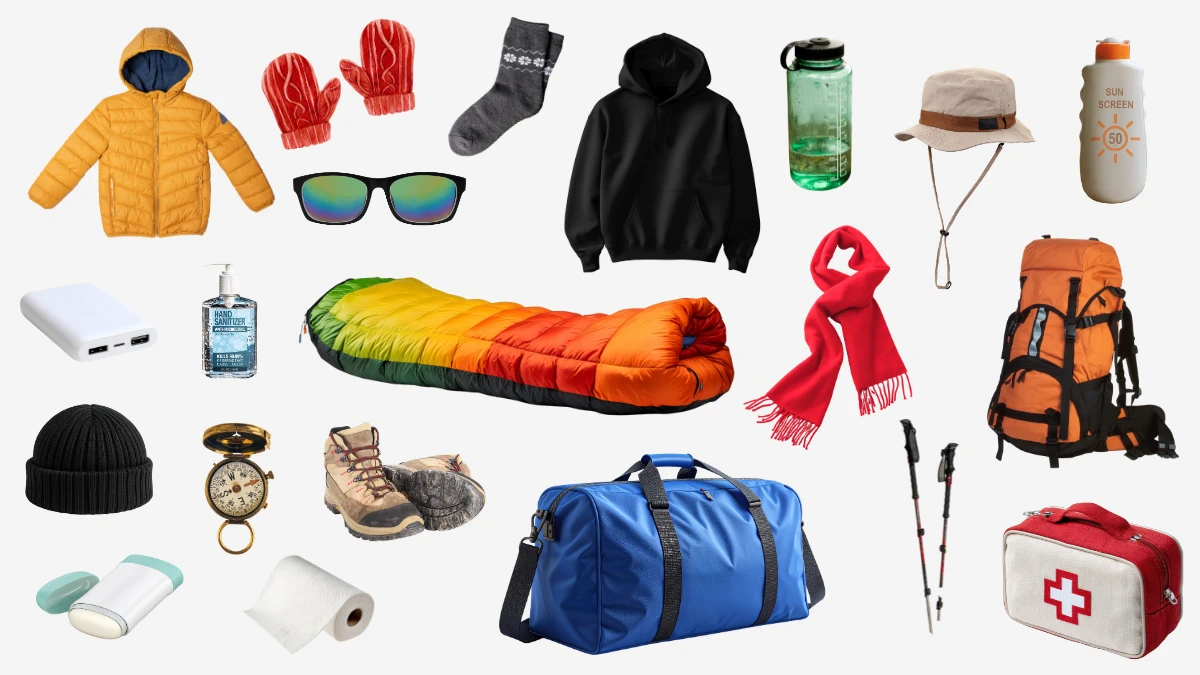
Standing at the foot of the world's highest peak remains a dream etched in the hearts of adventurers across the globe. The Everest Base Camp trek is not merely a journey through the Himalayas; it's a transformative expedition that tests your physical limits while rewarding you with breathtaking panoramas of snow-capped giants, ancient Sherpa culture, and the raw beauty of the Khumbu region. However, the difference between a life-changing adventure and a grueling ordeal often lies in one critical factor: what you pack. We understand that proper preparation through strategic packing directly influences your comfort, safety, and overall success on this challenging high-altitude expedition.
The dramatic seasonal variations in the Everest region, from the vibrant rhododendron blooms of spring to the crystal-clear skies of autumn and the extreme cold of winter, demand careful consideration when selecting your gear. With temperatures ranging from pleasant 15°C at lower elevations to bone-chilling -25°C at base camp, and altitudes climbing to 5,364 meters where oxygen levels drop to half of sea level, your packing list becomes more than just a checklist; it becomes your survival strategy. This comprehensive guide will walk you through exactly what you need to pack for every season, ensuring you're fully prepared to tackle one of the world's most iconic treks with confidence and comfort.
Essential Clothing Items for All Seasons
Base Layer System
We recommend investing in high-quality moisture-wicking thermal underwear that forms the foundation of your layering system. Your base layers should include at least three sets of long-sleeve tops and bottoms constructed from merino wool or synthetic materials that efficiently transport perspiration away from your skin while providing essential insulation.
Mid-Layer Insulation
Your mid-layer wardrobe should comprise two to three fleece jackets of varying thickness, allowing you to adjust insulation levels according to activity intensity and ambient temperature. We suggest including one lightweight fleece for active trekking periods and one heavier expedition-weight fleece for rest stops and evenings at teahouses.
Outer Shell Protection
A waterproof and windproof jacket with sealed seams represents non-negotiable equipment regardless of your trekking season. We recommend Gore-Tex or equivalent membrane technology that provides reliable weather protection while maintaining breathability during strenuous ascents. Pair this with waterproof trekking pants that feature full-length side zippers for ventilation and easy removal without removing your boots.
Spring Season Packing List (March to May)
Temperature Considerations
Spring conditions at Everest Base Camp feature daytime temperatures ranging from 10°C to 15°C at lower elevations, dropping to -10°C to -15°C at base camp itself. We advise preparing for significant temperature variations between sun-exposed and shaded areas.
Specific Clothing Requirements
During spring months, we recommend packing a lightweight down jacket rated to -10°C as your primary insulating layer. Include convertible trekking pants that transform into shorts for warmer afternoon conditions at lower elevations. Your hand protection should consist of one pair of lightweight liner gloves and one pair of insulated waterproof gloves for higher elevations and early morning starts.
Footwear Essentials
We suggest well-broken-in waterproof trekking boots with ankle support and aggressive tread patterns for navigating potentially muddy trails during spring thaw conditions. Pack one pair of comfortable camp shoes or sandals to provide relief during teahouse evenings and allow your primary footwear to dry properly.
Autumn Season Packing List (September to November)
Weather Patterns
Autumn delivers the most stable weather conditions for Everest Base Camp treks, with clear skies, excellent visibility, and moderate temperatures. Daytime conditions typically range from 12°C to 18°C at lower elevations, while nighttime temperatures at base camp hover between -15°C and -20°C.
Layering Strategy
We recommend identical base and mid-layer quantities as spring season preparations, but suggest upgrading to a heavyweight down jacket rated to -20°C for autumn treks. The combination of lower ambient temperatures and increased likelihood of encountering early-season snowfall above 4,500 meters necessitates superior insulation capacity.
Additional Protection
Include insulated down pants for wearing during rest stops and overnight stays at higher elevations. We advise bringing warmer sleeping bag liner to supplement teahouse-provided bedding, as heating systems become less effective as temperatures drop through October and November.
Winter Season Packing List (December to February)
Extreme Conditions Preparation
Winter Everest Base Camp treks demand the most comprehensive preparation, with temperatures plummeting to -25°C or lower at higher camps. We strongly recommend this season only for experienced trekkers with previous high-altitude winter experience.
Critical Clothing Items
Your winter packing list must include an expedition-grade down jacket rated to -30°C, insulated down pants for continuous wear above Namche Bazaar, and heavy-duty mountaineering gloves with separate liner gloves. We suggest balaclava or face mask to protect exposed facial skin from windchill and high-quality ski goggles to prevent snow blindness during whiteout conditions.
Specialized Equipment
Winter conditions require a four-season sleeping bag rated to -20°C minimum, insulated water bottle covers to prevent freezing, and chemical hand and toe warmers for emergency situations or particularly cold nights.
Monsoon Season Packing List (June to August)
Challenging Conditions
We generally discourage Everest Base Camp treks during the monsoon season due to heavy rainfall, obscured mountain views, leeches at lower elevations, and increased landslide risk. However, adventurous trekkers who accept these conditions require specialized equipment.
Waterproofing Focus
Your monsoon packing list should prioritize comprehensive rain protection, including a waterproof jacket and pants, pack rain cover or dry bags for protecting gear inside your backpack, and waterproof gaiters to prevent moisture entry through boot tops. We recommend quick-drying synthetic clothing exclusively, as natural fibers like cotton and even merino wool struggle to dry in persistent humidity.
Universal Gear Regardless of Season
Backpack System
We recommend 45-60 liter backpack with a comfortable hip belt and sternum strap for distributing weight efficiently during long trekking days. Include daypack (20-25 liters) for carrying essentials during summit day to Kala Patthar or side trips.
Trekking Poles
Adjustable trekking poles with anti-shock mechanisms significantly reduce knee strain during descents and provide stability on uneven terrain throughout the Khumbu region.
Headwear Collection
Pack a warm beanie or winter hat for cold conditions, a sun hat with a wide brim for lower elevation sun protection, and a buff or neck gaiter for versatile head, neck, and face protection.
Technical Accessories
We consider the following items essential regardless of trekking season: high-SPF sunscreen and lip balm, quality sunglasses with UV protection, a headlamp with extra batteries, water purification tablets or filter, basic first aid kit, and personal toiletries in travel sizes.
Electronics and Documentation
Include a portable power bank for charging devices where electricity is available, camera equipment with extra batteries and memory cards, copies of the passport and permits, and travel insurance documentation.
Packing Strategy and Weight Management
We recommend limiting your main pack weight to 10-12 kilograms maximum, as porter services typically restrict loads to 15 kilograms, including your bag weight. Distribute weight with heavier items closest to your back and higher in the pack for optimal center of gravity during steep ascents.
Compression Techniques
Utilize compression sacks for clothing and sleeping bags to minimize volume, allowing more efficient pack organization and easier access to frequently needed items during trekking days.
Complete EBC Trek Packing Checklist
Clothing Checklist
Upper Body:
- 3 moisture-wicking base layer tops (long sleeve)
- 2-3 fleece jackets (varying weights)
- 1 down/insulated jacket (season-appropriate rating)
- 1 waterproof shell jacket
- 3-4 trekking shirts (short/long sleeve)
- 1 warm beanie/winter hat
- 1 sun hat with a brim
- 1 buff/neck gaiter
- 1 balaclava (winter/autumn only)
Lower Body:
- 3 thermal base layer bottoms
- 2-3 trekking pants (quick-dry)
- 1 convertible trekking pants (spring/monsoon)
- 1 waterproof rain pants
- 1 insulated down pants (autumn/winter)
- 5-6 pairs moisture-wicking socks
- 2-3 pairs thick wool trekking socks
- 3-4 underwear (quick-dry material)
Hands and Feet:
- 1 pair of liner gloves
- 1 pair insulated waterproof gloves
- 1 pair heavy-duty mountaineering gloves (winter)
- 1 pair waterproof trekking boots (broken in)
- 1 pair of camp shoes/sandals
- 1 pair of gaiters
Equipment Checklist
Bags and Packs:
- 1 main backpack (45-60L)
- 1 daypack (20-25L)
- 1 duffel bag for porter
- 3-4 dry bags/stuff sacks
- 1 rain cover for a backpack
- 2-3 compression sacks
Sleeping Gear:
- 1 sleeping bag (season-rated: -10°C spring, -20°C autumn, -30°C winter)
- 1 sleeping bag liner
- 1 inflatable pillow (optional)
Trekking Equipment:
- 1 pair of adjustable trekking poles
- 1 headlamp with extra batteries
- 1 whistle
- 1 multi-tool/knife
Accessories Checklist
Sun Protection:
- 1 quality pair of sunglasses (UV400 protection)
- 1 pair ski goggles (winter only)
- 1 high-SPF sunscreen (50+)
- 1 SPF lip balm
Hydration and Nutrition:
- 2 water bottles (1 liter each) or hydration bladder
- 1 insulated bottle cover (winter)
- Water purification tablets/filter
- Energy bars and snacks
- Electrolyte powder packets
Personal Care:
- Toothbrush and toothpaste
- Biodegradable soap
- Hand sanitizer
- Wet wipes/baby wipes
- Toilet paper
- Quick-dry towel
- Moisturizer and hand cream
- Personal medications
First Aid and Medical Checklist
- Altitude sickness medication (Diamox)
- Pain relievers (ibuprofen, paracetamol)
- Anti-diarrheal medication
- Antibiotic ointment
- Bandages and blister treatment
- Athletic tape
- Rehydration salts
- Personal prescription medications
- Anti-nausea tablets
- Throat lozenges
Electronics and Documents Checklist
Electronics:
- Mobile phone
- Camera with extra batteries
- Memory cards (multiple)
- Portable power bank (10,000+ mAh)
- Charging cables
- Universal adapter
- Ziplock bags for waterproofing
Documents:
- Passport (original + 2 copies)
- Visa documents
- Travel insurance (copy and digital)
- Trekking permits (TIMS, National Park)
- Emergency contact information
- Flight tickets
- Hotel confirmations
- Cash (USD and Nepali Rupees)
- Credit/debit cards
Optional Items Checklist
- Book or e-reader
- Journal and pen
- Playing cards
- Earplugs
- Eye mask
- Trekking map
- Portable solar charger
- Stuff sacks for organization
- Duct tape (small roll)
- Sewing kit
- Ziplock bags (various sizes)
Season-Specific Additional Items
Spring (March-May):
- Lighter insulation layers
- Extra sun protection
- Allergy medication
Autumn (September-November):
- Medium-weight insulation
- Extra warm layers for high camps
- Warmer sleeping bag
Winter (December-February):
- Expedition-grade down gear
- Face protection
- Chemical warmers
- Heaviest sleeping bag
- Insulated water bottle covers
Monsoon (June-August):
- Extra waterproofing
- Quick-dry everything
- Leech socks (lower elevations)
- Multiple dry bags
Final Preparation Checklist
Before departing for your Everest Base Camp adventure, we suggest conducting a comprehensive gear check two weeks prior to departure. Test all equipment, verify the waterproof integrity of shells and boots, and ensure proper fit of footwear with the sock combinations you'll wear during the trek. Break in new boots completely before your departure, as blisters and hot spots can severely compromise your trekking experience.
The distinction between an extraordinary Everest Base Camp experience and a challenging struggle often reduces to preparation quality and appropriate equipment selection. By carefully considering seasonal variations and packing strategically according to our comprehensive guidelines, you position yourself for success on this remarkable Himalayan adventure.



.webp)