based on 251 reviews

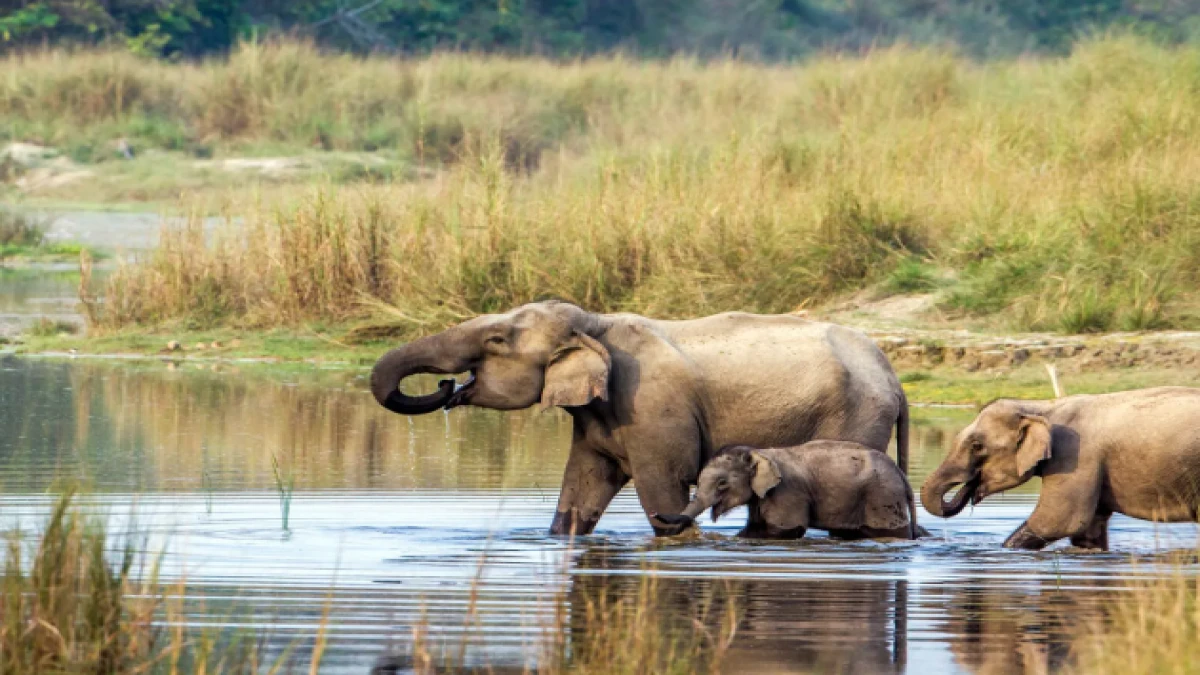
Nestled in the subtropical lowlands of southern Nepal, Chitwan National Park is one of the most remarkable wildlife destinations in Asia. Known for its dense jungles, vast grasslands, winding rivers, and incredible biodiversity, the park offers travelers a completely different experience from Nepal’s famous Himalayan trekking routes. While many visitors associate Nepal with towering peaks like Mount Everest, Chitwan reveals the country’s equally fascinating tropical ecosystem.
Established in 1973 and recognized as a UNESCO World Heritage Site in 1984, Chitwan National Park covers approximately 952 square kilometers. It is home to some of the rarest and most endangered wildlife species in the world, including the one-horned rhinoceros and the Bengal tiger. The park also offers unforgettable jungle activities such as jeep safaris, canoe rides, bird watching, and cultural encounters with the indigenous Tharu community.
Whether you are a wildlife enthusiast, photographer, nature lover, or cultural explorer, Chitwan National Park is an essential destination for anyone visiting Nepal.
Where is Chitwan National Park Located?
Chitwan National Park lies in the Terai region of southern Nepal, primarily in the districts of Chitwan, Nawalpur, Parsa, and Makwanpur. The park sits about 150 kilometers southwest of Kathmandu and can be reached easily by road or domestic flight.
The closest tourist hub to the park is Sauraha, a small but lively village located on the park’s edge. Most visitors stay here because it offers a wide range of hotels, resorts, restaurants, and guided safari services. From Sauraha, travelers can quickly access the park’s main entrance and begin their jungle adventure.
The park is bordered by the Rapti, Narayani, and Reu rivers, which create a rich ecosystem filled with wetlands, forests, and grasslands that support a vast array of wildlife.
Wildlife in Chitwan National Park
One of the biggest reasons travelers visit Chitwan is its extraordinary wildlife diversity. The park protects over 700 species of wildlife and has become a global conservation success story.
One-Horned Rhinoceros
The most iconic animal of Chitwan is the rare Indian Rhinoceros, often called the one-horned rhino. Chitwan is one of the best places in the world to see these prehistoric-looking animals in the wild. Thanks to successful conservation programs, the population of rhinos has steadily increased over the years.
Visitors on jeep safaris often encounter these massive creatures grazing peacefully in the tall elephant grass or cooling off in muddy waterholes.
Bengal Tiger
The park is also home to the majestic Bengal Tiger. Although sightings are rare due to their elusive nature, Chitwan has one of the highest tiger densities in Asia. The possibility of spotting this powerful predator adds excitement to every jungle safari.
Other Wildlife Species
Besides rhinos and tigers, the park shelters many fascinating animals, including:
- Asian Elephant
- Sloth Bear
- Leopard
- Gharial
- Marsh Mugger
In addition, Chitwan is a paradise for bird lovers with more than 540 bird species recorded. Colorful birds like kingfishers, hornbills, eagles, and paradise flycatchers fill the skies and forests with life.
Popular Jungle Activities in Chitwan
Chitwan National Park offers a wide variety of jungle experiences that allow visitors to explore the wilderness safely while learning about the ecosystem.
Jeep Safari
A jeep safari is one of the most popular ways to explore the park. Visitors travel deep into the jungle in an open 4WD vehicle accompanied by experienced naturalist guides. These safaris provide excellent opportunities to see rhinos, deer, wild boars, monkeys, crocodiles, and sometimes even tigers.
Morning and afternoon safaris usually last between 3 and 5 hours and cover remote areas of the park that cannot be accessed on foot.
Canoe Ride on the Rapti River
A peaceful canoe ride along the Rapti River is another unforgettable experience. Traditional wooden canoes glide slowly along the river while visitors observe crocodiles sunbathing on the riverbanks and birds flying overhead. The ride is calm yet thrilling because you are surrounded by pure wilderness.
Jungle Walk
For travelers seeking a more immersive adventure, guided jungle walks allow visitors to explore the forest on foot. Expert guides track animal footprints, explain plants and ecosystems, and teach visitors about jungle survival techniques. Although walking through tiger territory may sound intimidating, trained guides ensure safety while providing an incredible wildlife experience.
Bird Watching
Chitwan is considered one of the best bird-watching destinations in Nepal. Early morning bird watching tours reveal dozens of species, including egrets, woodpeckers, parakeets, and storks. The wetlands and riverbanks around the park attract both migratory and resident birds, making every season exciting for bird enthusiasts.
Elephant Breeding Center
The Elephant Breeding Center is a popular attraction located about 3 km from Sauraha near Chitwan National Park. Established in 1985, the center was created to help conserve and breed elephants that assist with wildlife monitoring, jungle patrols, and conservation work in the park. Visitors can observe elephants of different ages, including playful elephant calves, and learn about their care, breeding, and role in protecting wildlife in Nepal. The center also helps raise awareness about elephant conservation and responsible wildlife tourism.
Tharu Culture and Local Experiences
A visit to Chitwan is not complete without learning about the indigenous Tharu People who have lived in the region for centuries.
The Tharu community developed a unique culture closely connected to the jungle environment. Traditionally, they were known for their remarkable resistance to malaria, which allowed them to thrive in the Terai long before modern medicine made the region accessible to outsiders.
Visitors staying in Sauraha can experience:
- Traditional Tharu stick dance performances
- Local Tharu village tours
- Authentic Tharu cuisine
- Cultural museums showcasing history and traditions
These cultural experiences add depth to the wildlife adventure and help travelers understand the people who have lived alongside the jungle for generations.
2 Nights / 3 Days Chitwan Itinerary
Day 1: Arrival and Cultural Exploration
Arrive in Sauraha and check into your hotel. After lunch, visit a Tharu village to learn about local traditions and culture. In the evening, enjoy a Tharu cultural dance performance.
Day 2: Jungle Safari Adventure
Start the day with bird watching and a canoe ride along the Rapti River. Later, explore the jungle on a jeep safari where you may spot rhinos, deer, monkeys, and possibly tigers. Visit the Elephant Breeding Center in the afternoon.
Day 3: Nature Walk and Departure
Enjoy a short nature walk in the morning before breakfast. Afterward, depart for Kathmandu or Pokhara.
Accommodation Options
Most travelers stay in Sauraha, the main tourist hub near the park. Accommodation options range from budget guesthouses to luxury jungle resorts.
Budget Hotels
Backpackers can find guesthouses costing around $10–$25 per night.
Mid-Range Resorts
Comfortable lodges with safari packages usually cost $40–$90 per night.
Luxury Jungle Resorts
High-end eco-resorts with guided safaris, nature programs, and luxury amenities can cost $150–$400 per night. Many resorts offer package deals including accommodation, meals, safari activities, and cultural programs.
Best Time to Visit Chitwan National Park
Chitwan can be visited throughout the year, but some seasons offer better wildlife viewing conditions.
October to March is considered the best time to visit. The weather is cooler, skies are clear, and animals are easier to spot as the vegetation becomes less dense.
February to April is also excellent for bird watching because migratory birds arrive in large numbers.
During the monsoon season (June to September), heavy rainfall can flood parts of the park and limit safari activities, although the jungle becomes incredibly lush and green.
How to Get to Chitwan (Distance from Kathmandu and Pokhara)
Traveling to Chitwan is easy thanks to good road and air connections.
From Kathmandu
Kathmandu to Chitwan distance: approximately 160 km
Travel time:
- Tourist bus: 5–6 hours
- Private vehicle: 4–5 hours
- Flight to Bharatpur Airport: 25 minutes
From Pokhara
Pokhara to Chitwan distance: approximately 150 km
Travel time:
- Tourist bus: 5 hours
- Private vehicle: 4 hours
Both routes pass through scenic countryside landscapes and rivers.
Why Chitwan National Park Should Be on Your Nepal Travel List
While Nepal is globally famous for Himalayan trekking, destinations like Annapurna Base Camp and Everest Base Camp represent only one side of the country’s natural beauty. Chitwan National Park showcases Nepal’s rich biodiversity, vibrant culture, and unique landscapes that exist far below the mountains.
The park offers a rare chance to see endangered wildlife in their natural habitat, explore dense jungles, experience authentic Tharu culture, and enjoy exciting safari adventures.
For travelers seeking a complete Nepal experience, combining mountains, culture, and wildlife, Chitwan National Park is truly unforgettable.
Final Thoughts
Chitwan National Park is more than just a wildlife reserve; it is one of Nepal’s greatest conservation achievements and a sanctuary for some of the world’s most endangered animals. From thrilling jeep safaris and peaceful canoe rides to vibrant Tharu cultural encounters, every moment spent here brings travelers closer to the wild heart of Nepal.
Whether you are visiting Nepal for trekking, cultural exploration, or nature photography, adding Chitwan National Park to your itinerary will provide an extraordinary jungle adventure that perfectly complements the country’s famous Himalayan landscapes.