What is the Kailash Mansarovar Yatra?
The Kailash Mansarovar Yatra is a revered pilgrimage that takes devotees to two of the holiest sites in the world: Mount Kailash and Mansarovar Lake. Nestled in the rugged terrain of the Tibet Autonomous Region, these sacred landmarks hold immense spiritual significance in Hinduism, Buddhism, Jainism, and Bon.
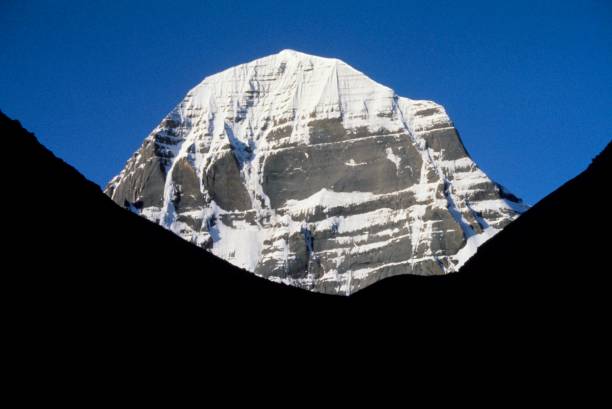
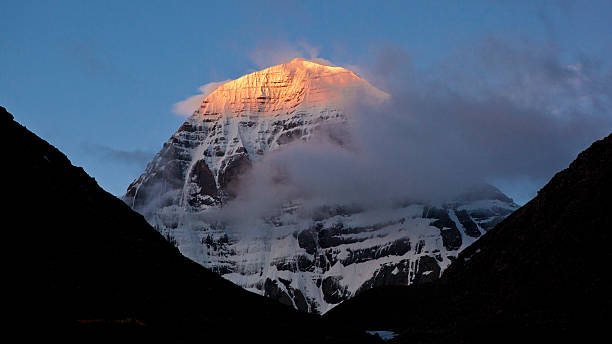
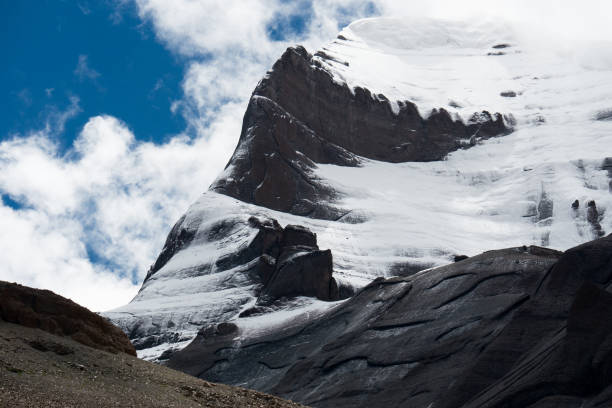
Mount Kailash, often referred to as the "Abode of Lord Shiva," rises majestically at an elevation of 6,638 meters (21,778 feet), making it one of the most iconic peaks on the planet. Revered by millions, it is believed to be the spiritual center of the universe and the residence of Lord Shiva, the destroyer of evil and the lord of transformation.
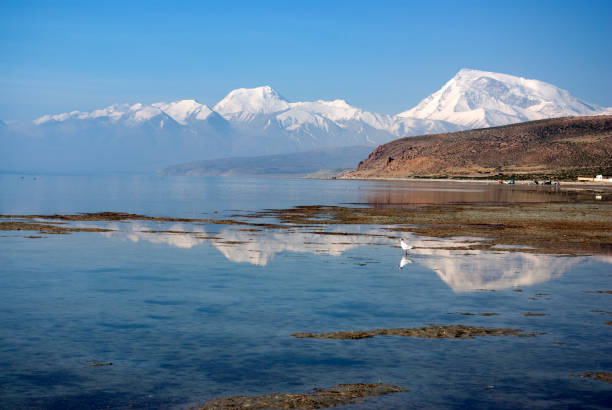
At the foot of Mount Kailash lies the serene Mansarovar Lake, considered one of the purest lakes in the world. The water of this sacred lake is believed to purify the soul, washing away sins and bringing spiritual enlightenment. For centuries, pilgrims have traveled to the lake to bathe in its holy waters, seeking purification and blessings.
Both Mount Kailash and Mansarovar Lake are not just physical destinations, but symbolic beacons of spiritual awakening. They are central to the quest for Moksha (liberation) and hold the promise of inner peace, healing, and divine connection.
For devotees, the Kailash Mansarovar Yatra is much more than a trek—it's a sacred journey that encompasses physical, mental, and spiritual transformation. Whether you’re seeking divine blessings, self-realization, or simply wishing to witness the beauty of the natural world, this pilgrimage is a profound path toward enlightenment.
Why is Kailash Mansarovar Yatra So Sacred?
The Kailash Mansarovar Yatra is not just a journey to sacred lands; it is a profound pilgrimage that connects the physical world with the divine. Both Mount Kailash and Mansarovar Lake hold unparalleled significance across multiple spiritual traditions, making this Yatra a once-in-a-lifetime opportunity for spiritual seekers.
Mount Kailash: The Abode of Lord Shiva
For Hindus, Mount Kailash is more than just a mountain—it's the sacred abode of Lord Shiva, the Supreme Being who embodies both destruction and creation. Towering at 6,638 meters (21,778 feet), it is considered the center of the universe, a place where the divine energy of the cosmos converges. According to Hindu beliefs, the mountain represents the axis of the world, the cosmic pillar that sustains all of creation.
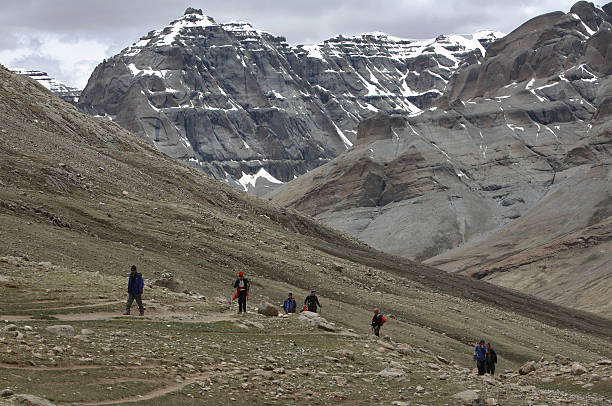
It is believed that by circumambulating Mount Kailash, or completing the Kailash Kora, one can purify their soul, cleanse their sins, and achieve spiritual awakening. The pilgrimage around the mountain is considered to bring moksha (liberation) and nirvana (eternal bliss). Pilgrims walk in reverence, believing that every step they take brings them closer to Lord Shiva and the ultimate realization of their spiritual purpose.
Mansarovar Lake: A Source of Spiritual Purification
Located near Mount Kailash, Mansarovar Lake is another central pillar of the Yatra, believed to have been created by Lord Brahma, the creator of the universe, as per Hindu mythology. The lake’s pristine waters are considered one of the purest on Earth, with the power to cleanse one's mind, body, and soul. It is said that a single bath in the lake's holy waters can wash away the karma of many lifetimes, bringing devotees closer to divine enlightenment.
For Hindus, drinking or bathing in the waters of Mansarovar is an act of profound spiritual significance, allowing the devotee to purify themselves and receive blessings of prosperity, peace, and spiritual elevation.
Buddhist and Jain Significance
The sanctity of Kailash Mansarovar extends beyond Hinduism. For Buddhists, Mount Kailash is the home of Demchok, the deity of supreme bliss, who represents the union of wisdom and compassion. The mountain is revered as the axis of the world, the focal point of the universe where cosmic forces converge, and completing the Kailash Kora is said to bring the pilgrim spiritual fulfillment and peace.
For Jains, the mountain is of paramount importance as the site where the first Tirthankara, Rishabhdev, achieved nirvana. It symbolizes the path to spiritual liberation through self-realization, penance, and detachment.
Universal Reverence: A Journey Beyond Religions
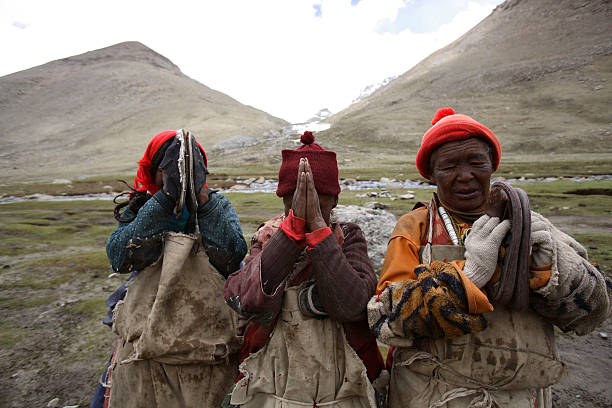
The Kailash Mansarovar Yatra is a journey that transcends religious boundaries. Whether it’s the purification of the soul in Mansarovar Lake, the seeking of blessings from Lord Shiva, or the pursuit of spiritual awakening in the sacred presence of Mount Kailash, this pilgrimage is a universal quest for peace, enlightenment, and liberation. Devotees from all walks of life, regardless of their faith, come together to pay homage to these sacred sites, making the Yatra a symbol of unity in spiritual diversity.
How to Reach Kailash Mansarovar?
Embarking on the Kailash Mansarovar Yatra is not just a spiritual journey, but also a physical and logistical challenge. The trek to this sacred destination requires meticulous planning and preparation. Here's a step-by-step guide on how to reach Kailash Mansarovar, whether you’re traveling from India, Nepal, or other international locations.
Via Nepal: The Most Common Route
The majority of pilgrims opt to travel to Kailash Mansarovar through Nepal, given its accessibility and the smooth process for obtaining necessary permits.
Fly to Kathmandu
Start your journey by flying into Kathmandu, the capital city of Nepal. Most international flights from countries like India, the US, the UK, and other parts of the world arrive here. Kathmandu is the primary hub for organizing the Yatra, where you’ll undergo a medical check-up and fill out the required paperwork. This is crucial, as health clearance is necessary to ensure you’re fit for the high-altitude trek.
Permits and Documentation
Once in Kathmandu, you will need to acquire the Tibet Travel Permit (which is mandatory for entry into Tibet) and other necessary documents for the pilgrimage. These permits are typically arranged through authorized tour operators. It’s essential to plan this well in advance, as the permit application process can take several weeks.
Travel to Tibet
After completing the documentation process, you’ll journey from Kathmandu to Tibet. The most common route is by road, but some tour operators also offer chartered flights to Lhasa or Xigaze. This will mark the beginning of your journey toward Kailash.
Journey to Mansarovar Lake and Kailash
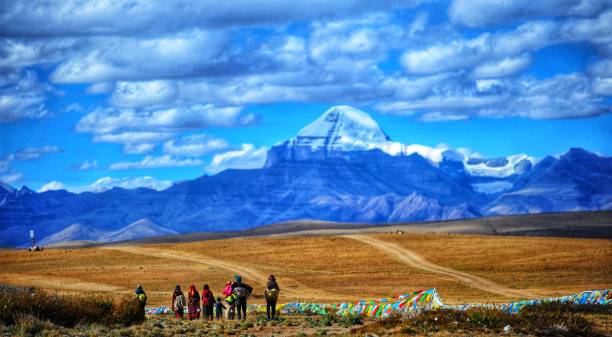
From Lhasa or Xigaze, it takes about 2-3 days by jeep or bus to reach Mansarovar Lake. The roads leading to Kailash are rugged, passing through mountainous terrain and high-altitude plains, so be prepared for a rough ride.
Via India: An Alternate Route
Pilgrims from India can also embark on the Kailash Mansarovar Yatra, though it requires slightly more preparation.
Fly to Kathmandu or Lhasa
You’ll need to first travel to Kathmandu (Nepal) or directly to Lhasa, the capital of the Tibet Autonomous Region. From India, flights to Kathmandu are frequent. However, for those starting from Lucknow, New Delhi, or other Indian cities, traveling to Lhasa via Kathmandu might be the best option.
Obtain a Permit
Like the route via Nepal, you’ll need to acquire the Tibet Travel Permit. This can only be processed through government-approved tour operators, and it’s advisable to begin the application process several months in advance, especially if you’re traveling from India.
Enter Tibet
Once the permits are ready, you’ll travel from Kathmandu to Tibet either by road or by chartered flight. In some cases, Indian pilgrims may directly travel to Lhasa via flights arranged by tour operators.
By Road: The Rugged Route to Kailash
Once you’ve crossed into Tibet, reaching Mount Kailash and Mansarovar Lake requires a 2-3 day journey by road. The terrain is challenging, and the roads are often rough, requiring travelers to be physically prepared for the arduous conditions.
Land Cruisers or Jeeps
Most pilgrims travel to Kailash in land cruisers or four-wheel-drive vehicles due to the challenging nature of the roads. The journey will take you across high-altitude landscapes, Tibetan plateau deserts, and dramatic mountain ranges.
Acclimatization
Due to the high altitude (around 4,500 meters or more), it’s important to allow time for acclimatization to prevent altitude sickness. Many tour operators will schedule rest days to help pilgrims adjust before reaching the holy sites.
By Helicopter: A Faster, Costlier Option
For those looking to cut down on the physical strain and travel time, some tour operators offer helicopter rides from Kathmandu or Nepalgunj directly to Simikot in Nepal, or even to a closer location in Tibet. These helicopters can take you to Kailash in just a matter of hours, bypassing the rugged road journey and offering a much faster route.
Pros:
- Time-saving – The helicopter ride significantly reduces travel time compared to the road journey.
- Less physically demanding – Ideal for elderly pilgrims or those with limited mobility.
Cons:
- Expensive – Helicopter services are more costly than the road journey.
- Limited availability – Helicopter rides may not be available year-round or may have limited seats, making it a more exclusive option.
Important Considerations
- Altitude and Acclimatization: Due to the high-altitude environment (over 4,500 meters), the Kailash Mansarovar Yatra can be physically demanding. Pilgrims must be prepared for altitude sickness and take necessary precautions, such as carrying oxygen cylinders, staying hydrated, and taking adequate rest.
- Health Check-ups: A medical check-up is required before traveling, and pilgrims with pre-existing conditions should consult their doctor to ensure they’re fit for the journey.
- Travel Insurance: It is highly recommended to purchase travel insurance that covers high-altitude trekking, medical evacuation, and potential trip cancellations.
While the journey to Kailash Mansarovar may seem challenging, it is also one of the most rewarding spiritual quests one can undertake. Whether you choose to travel by road from Nepal, fly into Tibet, or take the helicopter route, each path leads to the same destination—the sacred Mount Kailash and Mansarovar Lake, places of immense spiritual power and significance.
With proper planning, permits, and physical readiness, the Kailash Mansarovar Yatra will not just be a physical journey, but a profound transformation for the soul.
Kailash Mansarovar Yatra Preparation Tips
- Physical Fitness – The Yatra can be physically demanding due to high altitudes and rough terrains. It’s advisable to undergo training in advance, including walking, trekking, and building stamina.
- Acclimatization – Altitude sickness is a concern due to the high elevation (over 5,000 meters), so it’s important to acclimatize slowly. Rest at various stops before embarking on the trek to Kailash.
- Packing Essentials – A list of important items for your Kailash Mansarovar Yatra includes:
- Sturdy trekking shoes
- Warm clothing (weather can be unpredictable)
- Sun protection (hat, sunscreen)
- Medical kit (including altitude sickness medication)
- Spiritual essentials like incense or a prayer book
- Visa and Permits – You will need a Chinese visa and a special permit for Tibet, which can be obtained through an authorized tour operator.
- Mental Preparation – The journey to Kailash is as much a mental and spiritual quest as it is a physical one. Prepare yourself for moments of introspection, challenge, and purification.
Kailash Mansarovar Yatra Itinerary
Typically, the Kailash Mansarovar Yatra takes around 15 to 20 days to complete. The itinerary generally includes:
Classic Kailash Mansarovar Yatra Itinerary
Day 1: Kathmandu Arrival
Day 2: Kathmandu Sightseeing & Visa Application
Day 3: Drive from Kathmandu to Timmure (135 km, 6-7 hours)
Day 4: Timmure to Kerung
Day 5: Acclimatization Day at Kerung
Day 6: Drive to Saga (4,450m), 230 km (6 hours)
Day 7: Drive from Saga to Mansarovar (4,560m), 6-7 hours
Day 8: Drive to Darchen (4,550m), 40 km (1 hour)
Day 9: Trek from Darchen to Dirapuk (4,950m), 18 km
Day 10: Trek from Dirapuk to Zutulpuk (4,850m), 20 km
Day 11: Trek to Chasang, then Drive to Saga
Day 12: Drive from Saga to Kerung (Tibet-Nepal Border)
Day 13: Drive from Kerung to Kathmandu (125 km, 6-7 hours)
Day 14: Final Transfer to International Airport
Extended Kailash Mansarovar Yatra with EBC Itinerary
Day 1: Arrival Day
Day 2: Trek Preparation Day
Day 3: Drive from Kathmandu to Nyalam (3,750m)
Day 4: Nyalam to Tingri (4,330m)
Day 5: Tingri to Rongbuk (4,920m)
Day 6: Visit Everest Base Camp (5,250m) and drive to Sakya Monastery (4,300m)
Day 7: Sakya to Saga (4,640m)
Day 8: Saga to Lake Mansarovar (4,558m)
Day 9: Exploration of Mansarovar & Drive to Tarchen (4,575m)
Day 10: Tarchen to Tarboche (13 km drive) and trek to Dirapuk (4,909m)
Day 11: Dirapuk to Zuthulpuk (4,760m) passing through Dolma La Pass (5,613m)
Day 12: Zuthulpuk to Manasarovar via Darchen (10 km / 4-5 hours)
Day 13: Manasarovar to Saga
Day 14: Saga to Nyalam
Day 15: Cross Immigration and drive to Kathmandu - Final Departure
Kailash Mansarovar Yatra with Lhasa
Day 1: Arrive in Kathmandu (1,300m)
Day 2: Kathmandu Valley Sightseeing and Trip Preparation
Day 3: Fly from Kathmandu to Lhasa
Day 4: Sightseeing in Lhasa
Day 5: Drive from Lhasa to Shigatse (3,900m)
Day 6: Drive from Shigatse to Saga (4,450m)
Day 7: Drive to Mansarovar via Paryang (4,558m), 277 km (8 hours)
Day 8: Exploration of Lake Mansarovar & Drive to Tarchen (4,575m)
Day 9: Kailash Parikrama – Tarchen to Dirapuk (4,909m)
Day 10: Trek from Dirapuk to Juthulpuk (4,760m) passing through Dolma La Pass (5,613m)
Day 11: Finish Kailash Parikrama & Drive back to Saga
Day 12: Drive back to Shigatse
Day 13: Drive to Lhasa
Day 14: Fly from Lhasa to Kathmandu
Day 15: Final Departure to Home
Health and Safety During Kailash Mansarovar Yatra
The Yatra can be physically challenging due to its high altitudes and rugged terrain. Altitude sickness is a major concern, so it’s essential to drink plenty of water, take regular breaks, and avoid strenuous activities at higher elevations. Many tour operators provide oxygen cylinders to assist in case of emergency.
Conclusion
The Kailash Mansarovar Yatra is an extraordinary pilgrimage, offering an experience unlike any other. From the spiritual significance of Mount Kailash to the peaceful, purifying waters of Mansarovar Lake, this Yatra is a journey that touches the soul and transforms lives. By understanding the preparation required, the route, and the health considerations, you’ll be well-equipped to embark on this sacred journey of a lifetime.
Whether you’re a devotee of Lord Shiva, a Buddhist, a Jain, or someone seeking spiritual transformation, the Kailash Mansarovar Yatra is a pilgrimage that will leave an everlasting imprint on your heart and soul.
 based on 270 reviews