based on 270 reviews

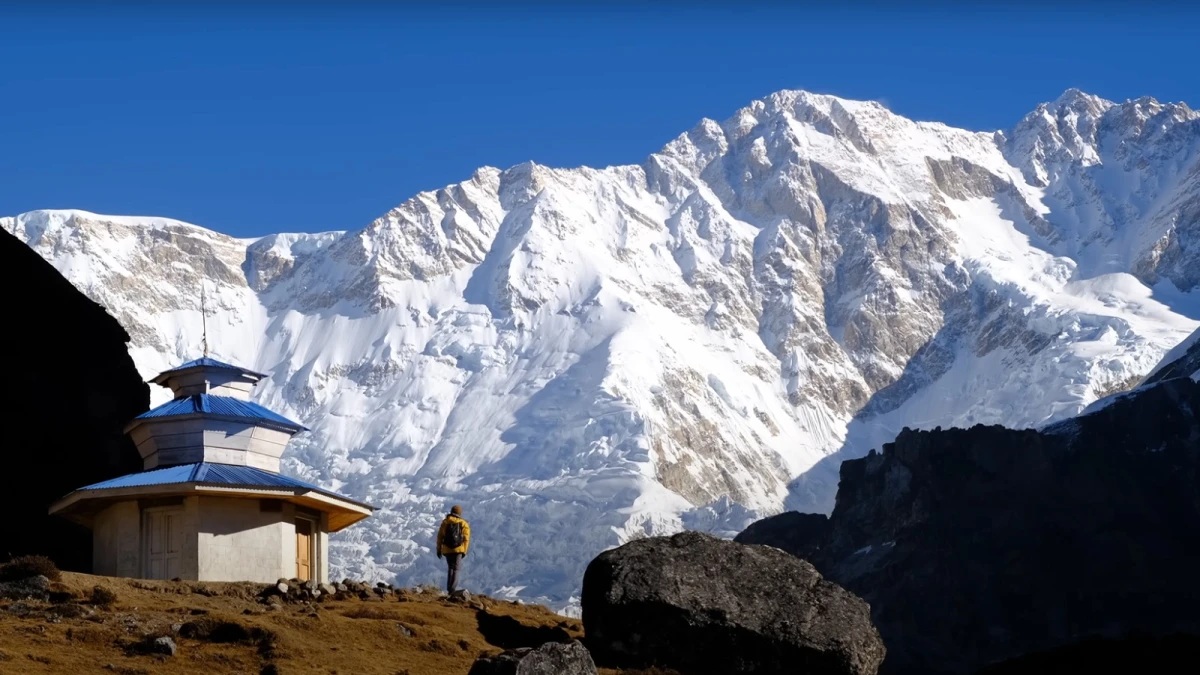
The Kanchenjunga Base Camp Trek stands as one of the most spectacular and least-explored trekking destinations in the entire Himalayan region. Located in the far eastern corner of Nepal, this extraordinary journey takes adventurers to the base of the world's third-highest mountain, Mount Kanchenjunga (8,586 meters). We invite trekkers who seek authentic wilderness experiences, cultural immersion, and breathtaking mountain vistas to explore this magnificent trail that remains wonderfully uncrowded compared to other popular trekking routes in Nepal.
The Sacred Five Treasures of Snow
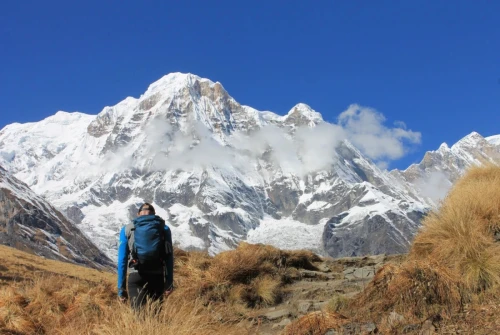
Mount Kanchenjunga derives its name from the Tibetan words meaning "Five Treasures of Snow," representing the five prominent peaks that form this massive mountain range. The major attraction of this trek lies in witnessing these five magnificent summits rising majestically above the clouds. We encounter panoramic views of Kanchenjunga Main (8,586m), Kanchenjunga West (8,505m), Kanchenjunga Central (8,482m), Kanchenjunga South (8,494m), and Kangbachen (7,903m). The pristine beauty of these snow-capped giants creates an awe-inspiring backdrop throughout the entire trekking experience.
North and South Base Camp: Double the Adventure
Unlike most trekking destinations in Nepal, the Kanchenjunga Base Camp Trek offers the unique opportunity to visit both the North Base Camp (Pang Pema at 5,143 meters) and the South Base Camp (Oktang at 4,730 meters). We consider this dual base camp experience one of the trek's most distinctive features. The North Base Camp provides stunning views of the mountain's northeastern face, while the South Base Camp showcases the southern aspects of this magnificent peak. Trekkers who complete both routes gain a comprehensive perspective of Kanchenjunga's grandeur from multiple vantage points.
Pristine Biodiversity and Conservation Areas
The Kanchenjunga Conservation Area spans approximately 2,035 square kilometers and represents one of Nepal's most important protected regions. We traverse through diverse ecological zones ranging from subtropical forests at lower elevations to alpine meadows and glacial moraines at higher altitudes. The conservation area harbors an incredible variety of flora and fauna, including endangered species such as the snow leopard, red panda, Himalayan black bear, and numerous species of pheasants and birds.
The botanical diversity proves equally impressive, with rhododendron forests, bamboo groves, oak and pine woodlands, and alpine vegetation creating a constantly changing landscape. During the spring months, the hillsides burst into color with blooming rhododendrons in shades of red, pink, and white, creating spectacular natural displays that enhance the trekking experience.
Cultural Tapestry: Limbu, Sherpa, and Tibetan Heritage
The cultural richness of the Kanchenjunga region ranks among its most compelling attractions. We encounter diverse ethnic communities, including the Limbu, Sherpa, Rai, and Tibetan peoples, each maintaining their distinct traditions, languages, and lifestyles. The Limbu people, indigenous to this region, practice their ancient Kirat religion alongside Buddhism, creating a unique cultural fusion.
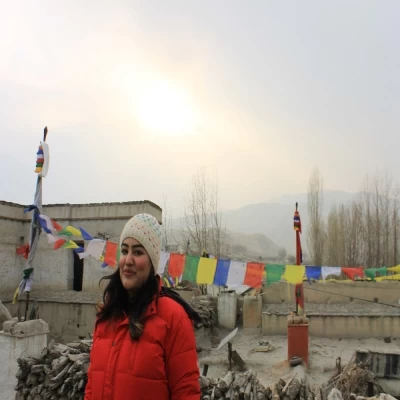
Traditional villages like Ghunsa, Khambachen, and Taplejung offer authentic cultural experiences where we observe daily life unchanged by mass tourism. We witness traditional stone houses, ancient monasteries, prayer flags fluttering in mountain winds, and locals engaged in agricultural practices that have sustained mountain communities for centuries. The warm hospitality of villagers adds immeasurable value to the trekking experience.
Remote Trails and Authentic Wilderness Experience
The remoteness of the Kanchenjunga Base Camp Trek constitutes both a challenge and a major attraction. Unlike the crowded trails of the Everest or Annapurna regions, we encounter relatively few trekkers along these paths. This solitude allows for a deeper connection with nature and provides opportunities for genuine wilderness experiences increasingly rare in today's world.
The trail conditions range from well-maintained paths to challenging rocky terrain, requiring good physical fitness and mental preparation. We cross numerous suspension bridges, traverse alpine meadows, navigate glacial moraines, and climb steep ascents that test endurance while rewarding effort with extraordinary views.
Spectacular Mountain Panoramas Beyond Kanchenjunga
While Mount Kanchenjunga dominates the skyline, we enjoy views of numerous other Himalayan giants throughout the trek. The panoramas include Jannu (7,710m), one of the most beautiful mountains in the world with its pyramid-shaped peak, Kabru (7,412m), Rathong (6,682m), and countless other peaks exceeding 6,000 meters. The Yalung Glacier and Kanchenjunga Glacier present impressive ice formations, crevasses, and seracs that showcase the raw power of these frozen rivers.
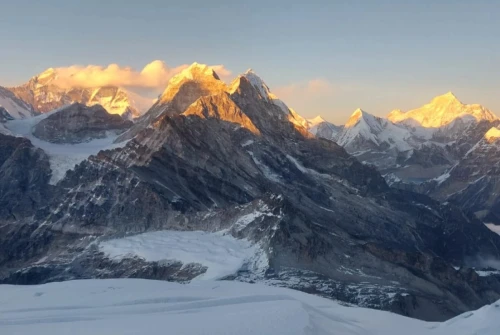
Sunrise and sunset views from various viewpoints along the trek create unforgettable moments. The golden light illuminating the snow-covered peaks transforms the mountains into glowing beacons that captivate every observer.
High Mountain Passes and Challenging Terrain
The trek includes several high-altitude passes that provide thrilling challenges and spectacular rewards. The Sele La Pass (4,290m) connects the northern and southern routes, offering panoramic views of the surrounding peaks. We navigate rocky trails, cross glacial streams, and traverse alpine landscapes where yaks graze peacefully against backdrops of towering mountains.
The high-altitude environment requires proper acclimatization, and we recommend following carefully planned itineraries that allow gradual altitude gain. The thin air, cold temperatures, and challenging terrain demand physical fitness and mental resilience, making successful completion of this trek a genuine accomplishment.
Seasonal Variations and Optimal Trekking Periods
The best seasons for the Kanchenjunga Base Camp Trek are spring (March to May) and autumn (September to November). Spring offers blooming rhododendrons, clearer skies after winter, and moderate temperatures. Autumn provides stable weather conditions, crystal-clear mountain views, and comfortable trekking temperatures.
Each season presents unique attractions. Spring brings vibrant wildflowers and awakening wildlife, while autumn offers the clearest mountain views and the most stable weather patterns. Winter trekking remains possible for experienced mountaineers seeking solitude, though extreme cold and snow-covered trails present significant challenges.
Traditional Monasteries and Spiritual Sites
Buddhist monasteries dot the landscape throughout the Kanchenjunga region, serving as spiritual centers for local communities and offering peaceful sanctuaries for reflection. The Ghunsa Monastery, Khambachen Monastery, and numerous chortens and prayer walls demonstrate the deep Buddhist faith permeating these mountain communities.
We observe monks performing traditional ceremonies, spinning prayer wheels, and maintaining ancient practices that have defined Himalayan Buddhism for centuries. These spiritual sites add profound depth to the trekking experience, connecting the physical journey with spiritual exploration.
Wildlife Encounters in Remote Valleys
The remoteness and protection afforded by the conservation area create opportunities for wildlife sightings that exceed those of more touristed regions. We potentially encounter blue sheep, Himalayan tahr, musk deer, and various bird species, including the colorful Impeyan pheasant (Nepal's national bird) and Himalayan griffons soaring overhead.
While elusive creatures like snow leopards and red pandas rarely reveal themselves, knowing these magnificent animals inhabit the surrounding forests adds excitement to every forest passage and steep climb.
Photography Paradise: Capturing Himalayan Grandeur
Photographers find endless subjects along the Kanchenjunga Base Camp Trek. The combination of towering peaks, dramatic landscapes, colorful prayer flags, traditional villages, and diverse wildlife creates opportunities for stunning imagery. Early morning and late afternoon light provide optimal conditions for mountain photography, while cultural subjects present themselves throughout village interactions.
We recommend carrying adequate photography equipment, extra batteries (cold temperatures drain battery life quickly), and protective gear to safeguard equipment from dust, moisture, and temperature extremes.
Preparation and Permit Requirements
Trekking in the Kanchenjunga region requires special permits, including the Kanchenjunga Conservation Area Permit and a Restricted Area Permit. We must trek with registered guides, as independent trekking is not permitted in this restricted zone. This regulation helps preserve the region's cultural and environmental integrity while ensuring trekker safety.
Physical preparation should include cardiovascular training, strength building, and altitude acclimatization strategies. We recommend a previous high-altitude trekking experience before attempting this challenging route.
Sustainable Tourism and Environmental Conservation
The relatively low number of trekkers visiting Kanchenjunga has helped preserve its pristine condition. We advocate for responsible trekking practices, including proper waste management, respecting local customs, supporting local economies through homestays and locally-owned teahouses, and minimizing environmental impact.
The conservation area management implements strict regulations regarding waste disposal, firewood usage, and wildlife protection. We support these initiatives through conscious choices during our trek.
The Kanchenjunga Base Camp Trek represents the ultimate Himalayan adventure for those seeking authentic wilderness experiences, cultural immersion, and spectacular mountain scenery away from crowded tourist trails. The major attractions, including views of the world's third-highest peak, diverse ecosystems, rich cultural heritage, and pristine wilderness, combine to create an unforgettable journey that challenges body and spirit while rewarding with memories lasting a lifetime.


.webp)