based on 270 reviews

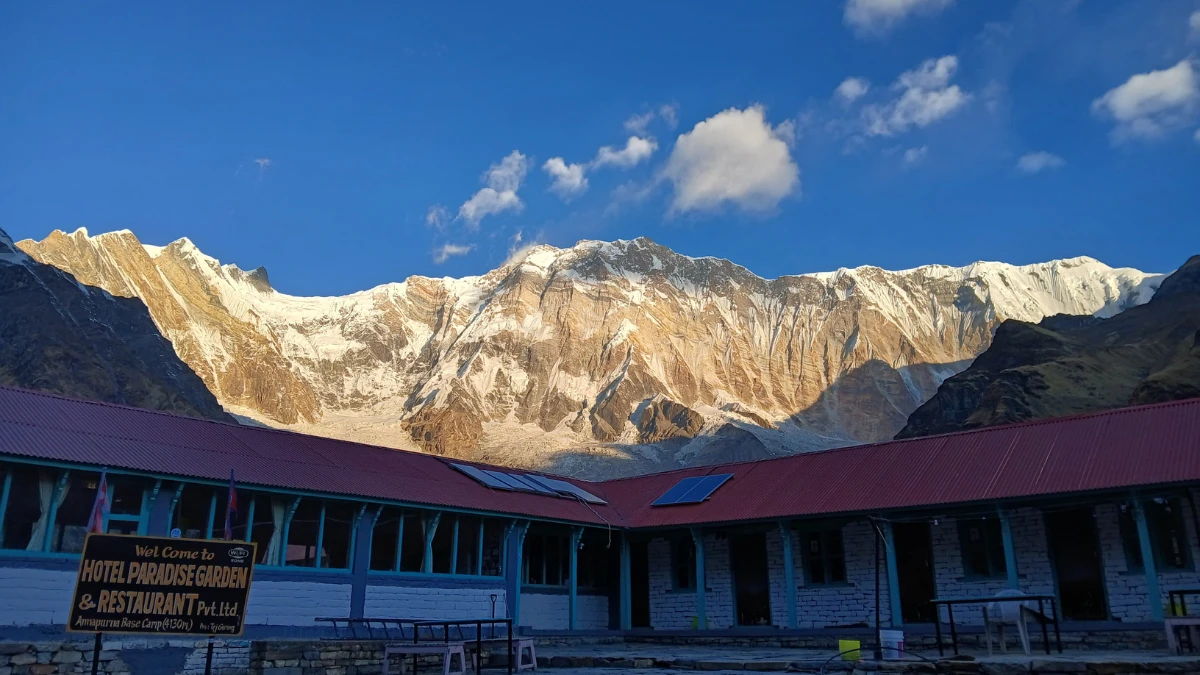
The Annapurna Base Camp trek stands as one of the most spectacular and rewarding trekking experiences in the entire Himalayan region. Nestled within the heart of the Annapurna Conservation Area, this legendary journey takes adventurers through an extraordinary tapestry of landscapes, cultures, and natural wonders that few places on Earth can rival. We invite travelers to explore the magnificent attractions that make this trek an unforgettable expedition into the mountains.
The Majestic Annapurna Amphitheater: Nature's Grand Theater
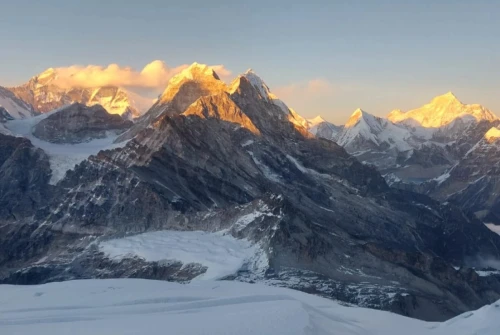
The ultimate destination and most breathtaking attraction of the entire journey is the Annapurna Base Camp itself, situated at an elevation of 4,130 meters. This natural amphitheater creates a 360-degree panorama of towering Himalayan giants that leaves every visitor speechless. We find ourselves surrounded by some of the world's most formidable peaks, including Annapurna I (8,091 meters), Annapurna South (7,219 meters), Hiunchuli (6,441 meters), Machapuchare (6,993 meters), and Gangapurna (7,455 meters). The sunrise and sunset views from base camp transform the white peaks into brilliant shades of gold, orange, and pink, creating photographic opportunities that remain etched in memory forever. The sensation of standing in this sacred sanctuary, completely encircled by these colossal mountains, provides an overwhelming sense of accomplishment and connection with nature's raw power.
Machapuchare: The Sacred Fishtail Mountain
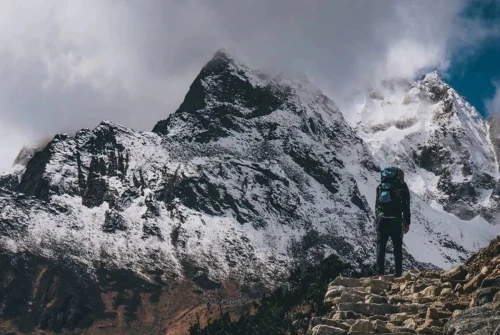
Among all the peaks visible throughout the trek, Machapuchare, also known as the Fishtail Mountain, commands special attention and reverence. This stunning peak presents one of the most distinctive silhouettes in the Himalayas, with its double summit resembling a fishtail when viewed from certain angles. The mountain holds profound religious significance for local communities and remains unclimbed to this day, preserving its sacred status. Throughout the trek, we encounter constantly changing perspectives of Machapuchare, each viewpoint offering a unique appreciation of its architectural perfection. From Annapurna Base Camp, the north face of Machapuchare rises dramatically, presenting an almost vertical wall of rock and ice that showcases the mountain's formidable nature and explains why it remains one of Nepal's most photographed peaks.
Traditional Gurung and Magar Villages: Cultural Immersion
The cultural encounters along the Annapurna Base Camp trek provide attractions equally compelling as the mountain scenery. We pass through authentic Gurung and Magar villages where traditional lifestyles continue largely unchanged by modern influences. Villages such as Ghandruk, Chhomrong, and Sinuwa offer travelers genuine opportunities to experience Nepali hospitality, observe traditional architecture with stone houses featuring slate roofs, and witness daily life in mountain communities. The terraced fields surrounding these villages demonstrate centuries of agricultural expertise, creating stunning visual patterns across the hillsides. We recommend spending time in village teahouses, engaging with local families, sampling traditional dal bhat, and learning about the rich cultural heritage that has sustained these communities for generations. These interactions provide context and depth to the trekking experience, transforming a physical journey into a profound cultural exploration.
The Modi Khola Gorge: A Dramatic Natural Gateway
The Modi Khola Gorge represents one of the trek's most dramatic and thrilling sections. This deep river valley creates a natural corridor that leads directly toward the Annapurna Sanctuary. As we ascend through this gorge, the valley walls rise steeply on both sides, creating an increasingly enclosed environment that builds anticipation for the dramatic reveal of the mountain amphitheater ahead. The rushing waters of the Modi Khola accompany trekkers throughout this section, providing a constant soundtrack of natural energy. The gorge's microclimate creates unique ecological conditions, supporting lush vegetation even at higher elevations. We traverse suspension bridges, pass spectacular waterfalls, and navigate stone staircases carved into the mountainside, all while the gorge gradually reveals glimpses of the towering peaks waiting above.
Diverse Ecological Zones: From Subtropical to Alpine
One of the most remarkable attractions of the Annapurna Base Camp trek is the extraordinary biodiversity encountered across multiple ecological zones. We begin the journey in subtropical forests filled with rhododendron, oak, and bamboo, where the air is warm and humid. As elevation increases, the landscape transitions through temperate forests of pine and fir, where we might spot langur monkeys and numerous bird species. Above the tree line, the environment shifts to alpine meadows and eventually to the stark, beautiful landscape of the high mountains. The spring season transforms the lower elevations into spectacular displays when countless rhododendron trees burst into bloom, painting entire hillsides in shades of red, pink, and white. This botanical diversity makes every day of trekking visually distinct and scientifically fascinating, appealing to nature enthusiasts and photographers alike.
Natural Hot Springs at Jhinu Danda: Therapeutic Relaxation
After several days of demanding trekking, the natural hot springs at Jhinu Danda provide a welcome and rejuvenating attraction. Located alongside the Modi Khola river, these geothermal springs offer weary trekkers an opportunity to soak tired muscles in naturally heated mineral water. We descend approximately 300 stone steps from Jhinu Danda village to reach the spring pools, where the therapeutic waters maintain comfortable temperatures year-round. This natural spa experience, set against a backdrop of rushing river waters and forested hillsides, creates a perfect balance between adventure and relaxation. Many trekkers choose to visit the hot springs either on the way up or during the descent, finding that this simple pleasure significantly enhances their overall trekking experience and provides memorable relaxation in an otherwise rustic environment.
Poon Hill: Sunrise Spectacular and Mountain Panorama
Though not directly on the main Annapurna Base Camp route, Poon Hill (3,210 meters) serves as a popular addition or alternative viewpoint that many trekkers incorporate into their itinerary. This famous vantage point offers one of the most comprehensive mountain panoramas in the entire Annapurna region. We undertake a pre-dawn climb to reach the summit observation tower in time for sunrise, when the first light illuminates the Dhaulagiri and Annapurna ranges simultaneously. The view encompasses more than 30 Himalayan peaks stretching across the horizon, creating an overwhelming display of mountain majesty. The relatively accessible elevation of Poon Hill makes it suitable for trekkers concerned about altitude, while still delivering world-class mountain views that rival those from much higher elevations.
Suspension Bridges: Engineering Marvels and Photo Opportunities
The numerous suspension bridges encountered throughout the Annapurna Base Camp trek represent both practical infrastructure and memorable attractions in their own right. These swaying structures span deep gorges and rushing rivers, providing necessary passage while delivering thrilling experiences and spectacular photography opportunities. We cross bridges of varying sizes, from small local footbridges to substantial structures adorned with colorful prayer flags that flutter in the mountain breeze. The larger bridges offer dramatic perspectives of the valleys below and mountains above, while their gentle sway reminds us of the raw power of the rivers flowing beneath. These bridges have become iconic symbols of Himalayan trekking, appearing in countless photographs and representing the adventurous spirit of mountain travel.
Annapurna Conservation Area: Protected Wilderness
The entire trek takes place within the Annapurna Conservation Area, Nepal's largest protected area covering 7,629 square kilometers. This conservation initiative preserves the region's extraordinary biodiversity while supporting sustainable tourism and local community development. We benefit from well-maintained trails, regulated teahouse operations, and environmental protection measures that ensure the area's natural beauty remains intact for future generations. The conservation area is home to endangered species including the snow leopard, red panda, and numerous rare birds. The protection status means that the forests remain healthy, water sources stay clean, and the overall trekking environment maintains high standards. Understanding the conservation efforts adds meaningful context to the journey and demonstrates how responsible tourism can support both environmental protection and local livelihoods.
Diverse Weather Patterns: Experiencing the Mountain Climate
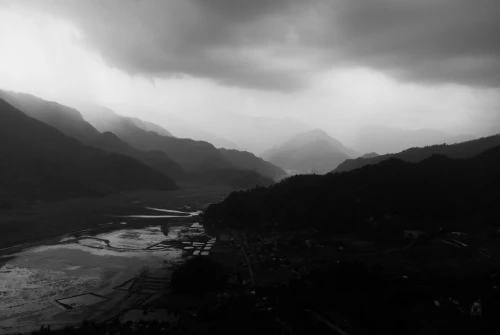
The changing weather conditions throughout the trek create their own form of attraction, offering dynamic experiences that transform familiar landscapes into new scenes. Morning fog often fills the valleys, creating mystical atmospheres as we begin each day's walk. Afternoon clouds typically build around the peaks, sometimes delivering brief rain showers that refresh the air and vegetation. Clear evenings reveal star-filled skies of extraordinary brilliance, unmarred by light pollution. At higher elevations, we experience the dramatic temperature swings between sunny afternoons and freezing nights. These weather variations remind us of the mountain's power and unpredictability while providing diverse photographic conditions and ensuring that no two days on the trail feel identical.
Traditional Teahouses: Mountain Hospitality and Comfort
The network of traditional teahouses along the route provides essential accommodation while serving as cultural attractions themselves. These family-run lodges offer basic but comfortable facilities, hot meals, and genuine Nepali hospitality that makes each evening a social experience. We gather in communal dining rooms warmed by wood stoves, sharing stories with fellow trekkers from around the world while enjoying traditional meals prepared by lodge families. The teahouse system has evolved to meet trekker needs while maintaining authentic character, with many lodges incorporating traditional architecture and décor. This accommodation style creates intimate connections between travelers and local communities, fostering cultural exchange and ensuring that tourism benefits directly support mountain families.
Himalayan Wildlife: Encounters with Mountain Fauna
Throughout the trek, opportunities arise to observe Himalayan wildlife in natural habitats. We might spot langur monkeys in the forested sections, their distinctive calls echoing through the canopy. The forests host numerous bird species, including the colorful Himalayan monal (Nepal's national bird), pheasants, and various eagles and vultures that ride the mountain thermals. More elusive species like the red panda inhabit the middle elevation forests, though sightings require patience and luck. At higher elevations, we watch for Himalayan tahr grazing on impossibly steep slopes, and observe the tracks and signs of other wildlife even when the animals themselves remain hidden. These wildlife encounters add excitement and ecological interest to the trekking experience, reminding us that these mountains support complete ecosystems.
Prayer Flags and Buddhist Monuments: Spiritual Landmarks
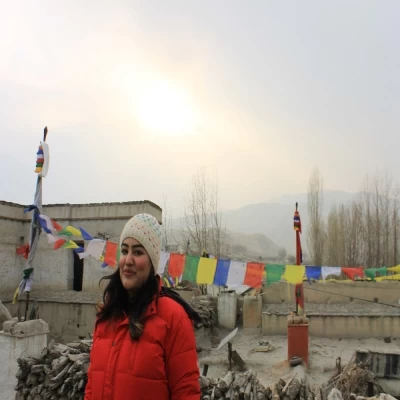
The Buddhist cultural elements scattered throughout the landscape provide colorful visual markers and spiritual significance to the journey. Prayer flags flutter at mountain passes, bridge crossings, and viewpoints, their mantras carried by the wind according to Tibetan Buddhist tradition. Mani walls constructed from stones inscribed with prayers line the trails, and we follow the local custom of passing these monuments on the left side. Chortens (Buddhist stupas) mark significant locations and trail junctions, their white-washed structures topped with prayer flags. These spiritual landmarks reflect the deep Buddhist influence in the region and add layers of cultural meaning to the physical landscape, creating contemplative moments during the challenging trek.
Night Sky Views: Astronomical Wonders
The crystal-clear night skies at higher elevations provide astronomical displays rarely visible from lower altitudes or populated areas. As we spend nights at Machapuchare Base Camp and Annapurna Base Camp, the absence of light pollution reveals the Milky Way stretching across the sky in spectacular detail. Countless stars visible to the naked eye create a cosmic canopy above the sleeping peaks. On moonless nights, the starlight alone casts shadows, while full moon nights illuminate the snow-covered mountains in ethereal silver light. These celestial displays remind us of our small place in the universe while providing unforgettable moments of beauty and wonder that complement the daytime mountain views.
Seasonal Transformations: Year-Round Appeal
The trek offers distinct attractions across different seasons, each presenting unique advantages. Spring (March to May) brings blooming rhododendrons and moderate temperatures, creating colorful landscapes and comfortable trekking conditions. Autumn (September to November) delivers the clearest mountain views and stable weather, making it the most popular season. Winter (December to February) offers solitude and spectacular snow coverage, though colder temperatures require additional preparation. Even the monsoon season (June to August) has its advocates, who appreciate the lush green landscapes and fewer crowds, though weather stability decreases. Understanding these seasonal variations helps travelers choose the timing that best suits their priorities, creating year-round trekking opportunities.
The Annapurna Base Camp trek delivers an extraordinary collection of natural, cultural, and experiential attractions that justify its reputation as one of the world's premier trekking destinations. We witness mountain scenery of unparalleled grandeur, experience authentic Himalayan culture, traverse diverse ecosystems, and challenge ourselves physically while finding moments of profound peace and beauty. These attractions combine to create a journey that transcends simple mountain hiking, becoming instead a transformative adventure that touches every aspect of human experience and leaves lasting impressions on all who complete this magnificent trek.