Why the Nar Phu Valley Trek Should Be Your Next Adventure
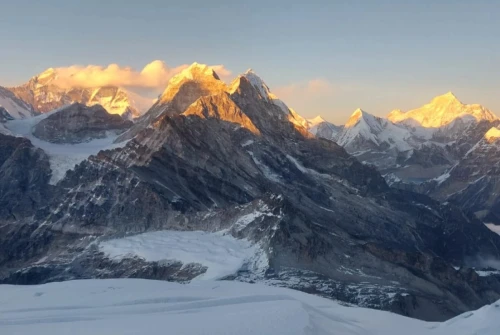
Nar Phu Valley Trek is one of Nepal’s hidden trekking gems, offering a remarkable adventure that combines high-altitude trekking with rich cultural experiences. Nestled in the remote northern part of the Annapurna region, the trek showcases stunning views of the Himalayas, including snow-capped peaks and deep valleys, making it a paradise for nature lovers and trekkers alike.
Unlike the more crowded Everest Base Camp Trek or Annapurna Circuit, the Nar Phu Valley Trek remains largely untouched by mass tourism. Himalayan trekking Nepal makes it one of the best off-the-beaten-path treks in Nepal, where you can enjoy peace and serenity while discovering the beauty of remote villages and experiencing authentic Tibetan culture.
The Nar Phu Valley adventure takes you through pristine landscapes, traditional villages, and high-altitude terrain, offering a rare glimpse into the lives of locals in one of the most remote trekking destinations in Nepal. Whether you're an experienced trekker or looking for an adventure away from the crowds, the Trekking Nar Phu Valley Nepal promises an unforgettable experience that will leave you with memories of breathtaking landscapes and fascinating cultural encounters.
What is Nar Phu Valley?
Nar Phu Valley is a remote trekking destination located within the Annapurna Conservation Area in Nepal. It is one of the most isolated regions in the country and remained closed to trekkers until 2003. Situated between the towering peaks of the Annapurna and Manaslu mountain ranges, Nar Phu Valley offers a rare opportunity to explore one of the most remote trekking destinations in Nepal.
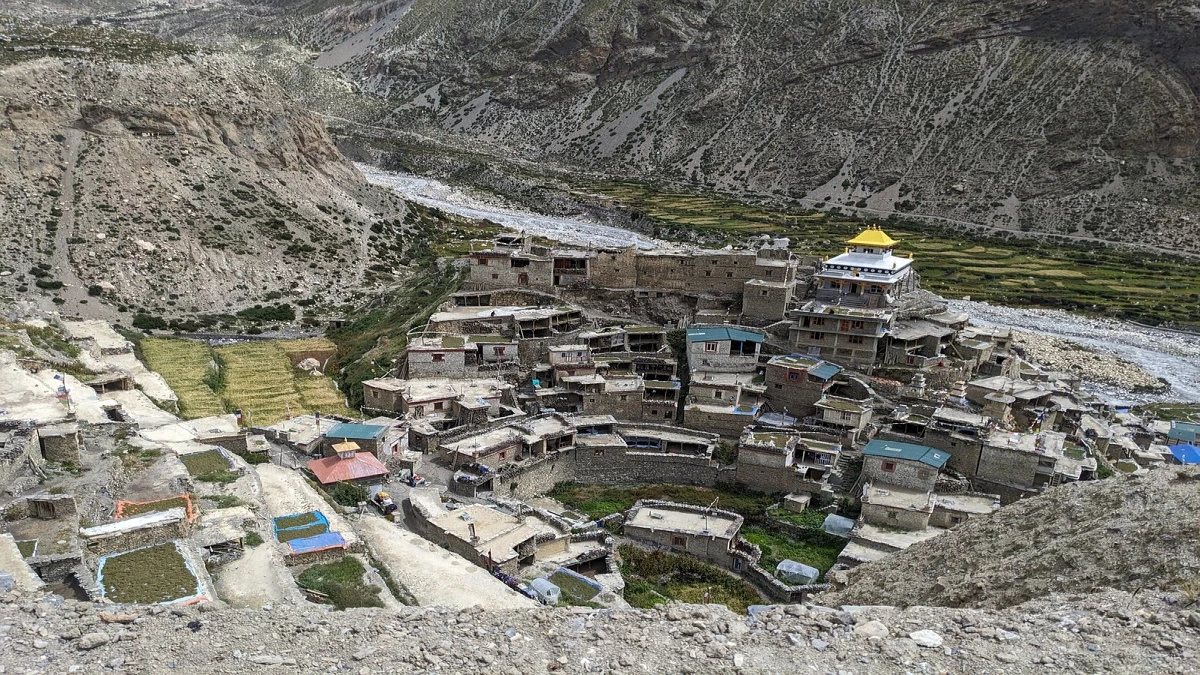
The valley is renowned for its dramatic landscapes, steep cliffs, and high-altitude terrain, making it a challenging but rewarding trek. It is an area steeped in Tibetan culture, with villages that still practice ancient traditions and house Tibetan-influenced monasteries. Trekking in Nar Phu Valley offers trekkers an immersive experience into Tibetan culture in Nepal, where the lifestyle and customs have remained relatively untouched by commercial tourism.
Nar Phu Valley’s geography is diverse, ranging from lush forests at lower elevations to barren, rugged landscapes at higher altitudes. The trek passes through traditional villages, remote settlements, and ancient monasteries, making it a truly authentic trekking experience. The Nar Phu Valley trekking experience provides a perfect blend of cultural exploration and adventure, allowing trekkers to connect deeply with the region’s history and natural beauty.
Why Choose Nar Phu Valley Trek Over Other Treks in Nepal?
While Annapurna Circuit and Everest Base Camp are well-known trekking destinations in Nepal, the Nar Phu Valley trek offers a completely different experience. It provides an opportunity for trekkers to venture into a more remote, peaceful, and culturally rich region of Nepal, away from the crowds that flock to the more popular trekking routes. Here's Top 5 Reason why the Nar Phu Valley trek should be at the top of your list for trekking in Nepal:
1. Fewer Crowds and More Tranquility:
One of the biggest advantages of choosing the Nar Phu Valley trek over famous routes like the Annapurna Circuit is the peace and tranquility that comes with trekking in remote Nepal. As fewer trekkers make their way to this hidden gem, you’ll enjoy an uncrowded experience, where you can immerse yourself in nature and Tibetan culture without the distractions of large tourist groups.
Nar Phu Valley trek vs Annapurna Circuit: While the Annapurna Circuit is bustling with trekkers, Nar Phu Valley remains a peaceful and serene alternative.
2. Authentic Tibetan Villages and Culture:
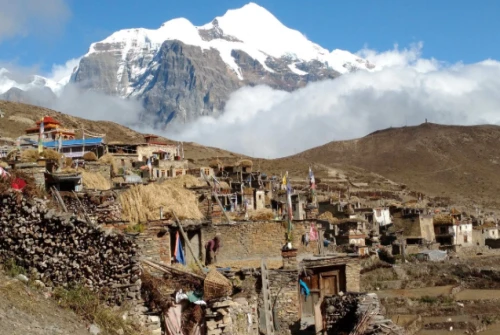
Nar Phu Valley is home to traditional Tibetan villages, where time seems to stand still. The region’s inhabitants continue to follow ancient traditions and customs that have been preserved for centuries. Trekkers have the chance to experience authentic Tibetan culture, visit monasteries, and witness daily life in a way that feels genuine and untouched by mass tourism.
Off-the-beaten-path treks in Nepal: Nar Phu Valley offers a rare opportunity to experience authentic culture while trekking in a remote, off-the-beaten-path part of Nepal.
3. Stunning and Diverse Landscapes:
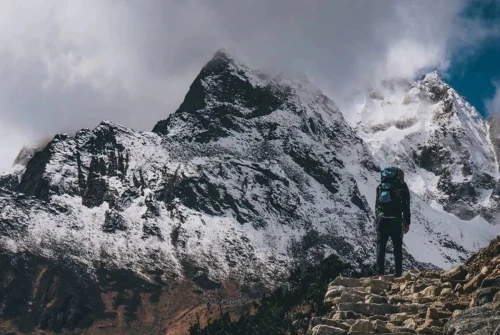
The Nar Phu Valley trek boasts some of the most breathtaking landscapes in the Annapurna region. From lush forests and rocky cliffs to alpine meadows and high-altitude passes, the trek offers a diverse range of environments. As you journey through the valley, you'll be treated to stunning views of snow-capped peaks, deep gorges, and traditional Tibetan-style villages nestled in the hills.
Nar Phu Valley trekking advantages: The scenic beauty of Nar Phu Valley rivals the best treks in Nepal, with the added benefit of fewer tourists and unspoiled landscapes.
4. A Perfect Alternative to the Famous Treks:
If you’ve already trekked the Annapurna Circuit or Everest Base Camp and are looking for something different, Nar Phu Valley offers the perfect alternative. This trek gives you a chance to explore parts of the Annapurna region that are often overlooked, providing a completely different trekking experience while still enjoying some of the best views Nepal has to offer.
Best alternative treks Nepal: For those seeking a less commercialized trek, the Nar Phu Valley trek is one of the best alternative treks in Nepal.
5. A Challenging Yet Rewarding Trek:
While not as famous as other trekking routes, the Nar Phu Valley trek offers a moderately difficult challenge that rewards trekkers with both physical achievements and stunning views. The trek’s high-altitude environment and steep terrain make it suitable for experienced trekkers looking to push their limits. With proper preparation, you’ll be rewarded with unmatched landscapes, authentic cultural encounters, and a sense of accomplishment that comes with completing a less-traveled trek.
The Nar Phu Valley Trekking Map
The Nar Phu Valley Trek is a spectacular journey through remote landscapes, Tibetan villages, and high-altitude passes. Starting from Kathmandu, trekkers head towards Besisahar, where the trek truly begins, and continues through some of the most scenic and unspoiled regions of Nepal. The trek covers 11 days of adventure, giving trekkers a chance to experience everything from deep valleys to rugged mountain terrain and unique cultural heritage. Here's the detailed Nar Phu Valley trekking itinerary:
Day 1: Drive to Besisahar (760m/2,493ft), then Take Shared Jeep to Dharapani (1,860m/6,102ft)
Start your journey with a scenic drive from Kathmandu to Besisahar. From there, take a shared jeep to Dharapani, the official starting point of your trek. This is a long day of travel, but it sets the stage for your adventure.
Day 2: Trek from Dharapani (1,860m/6,102ft) to Koto (2,600m/8,530ft)
Duration: 5–6 hours | Distance: 14 kilometers / 8.6 miles
On the second day, you’ll begin your trek from Dharapani to Koto, passing through lush forests and small villages. The route is relatively gentle, allowing you to acclimatize to the altitude.
Day 3: Trek from Koto (2,600m/8,530ft) to Meta (3,560m/11,679ft)
Duration: 6–7 hours | Distance: 15 kilometers / 9.3 miles
The trail from Koto to Meta takes you through dramatic landscapes, and you'll see the first glimpses of the Nar Phu Valley. The trek is a bit more challenging as the elevation increases.
Day 4: Trek from Meta (3,560m/11,679ft) to Phu Village (4,080m/13,385ft)
Duration: 7–8 hours | Distance: 19 kilometers / 11.8 miles
The trek continues uphill to Phu Village, a remote and culturally rich Tibetan settlement. The path is long and demanding, but the rewards of arriving in Phu Village are unmatched.
Day 5: Acclimatization Day in Phu Village (4,080m/13,385ft)
Duration: Full Day | Distance: 3–4 kilometers (optional Himlung Base Camp hike)
Take a rest day in Phu Village to allow your body to adjust to the high altitude. You can also embark on a short hike to Himlung Base Camp, located nearby.
Day 6: Trek from Phu Village (4,080m/13,385ft) to Nar Phedi (3,490m/11,450ft)
Duration: 7 hours | Distance: 18.5 kilometers / 11.4 miles
On this day, you descend slightly from Phu Village to Nar Phedi, passing through lush forests and scenic viewpoints.
Day 7: Trek from Nar Phedi (3,490m/11,450ft) to Nar Village (4,150m/13,615ft)
Duration: 3 hours | Distance: 7 kilometers / 4 miles
A short but steep ascent to Nar Village, a stunning Tibetan village perched on the edge of the valley. Spend the night in this peaceful settlement.
Day 8: Acclimatization Day at Nar Village (4,110m/13,484ft)
Duration: Rest day with a 5-hour hike to Nar Phedi Monastery | Distance: 5 kilometers / 3 miles (round trip)
Take a rest day in Nar Village to adjust to the high altitude. You can take a short hike to the Nar Phedi Monastery for some cultural immersion and enjoy the tranquil surroundings.
Day 9: Trek from Nar Village (4,150m/13,615ft) to Ngawal (3,660m/12,007ft) via Kang La Pass (5,320m/17,454ft)
Duration: 9–10 hours | Distance: 18 kilometers / 11 miles
This is the most challenging day of the trek as you ascend to Kang La Pass at an elevation of 5,320m (17,454ft). The breathtaking views of the Annapurna and Manaslu ranges are worth every step of this strenuous trek.
Day 10: Drive from Ngawal (3,660m/12,007ft) to Besisahar (760m/2,493ft)
Trek Distance: 20 kilometers / 12.4 miles | Trek Duration: 6–7 hours
After crossing Kang La Pass, you descend to Ngawal, where you will catch a jeep back to Besisahar. The drive from Ngawal to Besisahar marks the end of the trek.
Day 11: Drive from Besisahar (760m/2,493ft) to Kathmandu (1,400m/4,593ft)
Drive Distance: 176 kilometers / 109.3 miles | Drive Duration: 6–8 hours
The final leg of your journey takes you back to Kathmandu, where you’ll reflect on the unforgettable experience of trekking through Nar Phu Valley.
How to Reach Nar Phu Valley
Reaching Nar Phu Valley is an exciting journey that takes trekkers through scenic landscapes and remote villages in Nepal. The trek to this hidden gem begins with a few important travel steps, including bus rides, jeep trips, and securing the necessary trekking permits. Here’s a step-by-step guide on how to reach Nar Phu Valley:
1. Kathmandu to Besisahar:
To start your adventure, take a 6-8 hour bus ride or private vehicle from Kathmandu to Besisahar. This journey takes you through winding roads and offers stunning views of the surrounding countryside. Besisahar is a popular stop for trekkers heading to the Annapurna Circuit and serves as the gateway to the Nar Phu Valley trek.
2. Besisahar to Koto:
From Besisahar, the next step is a jeep ride to Koto, the official entry point for the Nar Phu Valley trek. The jeep ride from Besisahar to Koto takes about 2-3 hours and is a thrilling ride on bumpy roads that pass through small villages and dense forests. This is the first part of your adventure, where you begin to leave behind the bustling towns and enter the remote, rugged regions of the Annapurna Conservation Area.
3. Trekking Permits:
Before starting your trek to Nar Phu Valley, it’s important to secure the necessary trekking permits. Two main permits are required to enter Nar Phu Valley:
Annapurna Conservation Area Permit (ACAP): This permit is required for all trekkers entering the Annapurna region, including Nar Phu Valley. It helps preserve the region’s natural beauty and supports conservation efforts.
Restricted Area Permit (RAP) for Nar Phu Valley: Since Nar Phu Valley is a restricted area, trekkers need a RAP to visit. The Nar Phu Valley RAP is a special permit that allows access to this remote and culturally rich region. You can obtain this permit through a trekking agency or in Kathmandu.
Is the Nar Phu Valley Trek Difficult? Tips for a Successful Trek
The Nar Phu Valley Trek is considered moderately difficult to challenge, mainly due to its high-altitude terrain and rugged, uneven paths. While it is not as technically demanding as some of the more famous treks in Nepal, such as Everest Base Camp or Annapurna Circuit, trekkers should be prepared for long days of hiking in challenging conditions. The trek includes steep ascents, rocky paths, and significant altitude gain, which can make the journey more strenuous.
That said, with the right preparation and mindset, trekkers of various skill levels can complete the Nar Phu Valley trek successfully. Here are some essential tips to help you tackle this adventure with confidence:
Tips for Success on the Nar Phu Valley Trek:
- Acclimatization:Altitude sickness is a serious concern when trekking in high altitudes. To reduce the risk, ensure that you spend extra time acclimatizing during your trek, especially in places like Phu Village. Acclimatization days, such as Day 5 in Phu Village, help your body adjust to the altitude and improve your chances of completing the trek without complications.
- Physical Fitness:While the Nar Phu Valley trek does not require technical climbing skills, it does demand good physical fitness. Being in good physical condition before the trek is crucial. Prepare by hiking on uneven terrain and increasing your stamina through cardiovascular exercises. Strong legs, endurance, and stamina are essential for the long, uphill days ahead.
- Hire a Guide:While the Nar Phu Valley trek is generally well-marked, the remote nature of the trek means you may encounter areas where navigation can be tricky. Hiring a local guide is recommended. Not only will they assist with navigation, but they can also provide valuable cultural insights and enrich your experience in the Tibetan-influenced villages along the way.
- Hydration:Staying hydrated is essential during any high-altitude trek. The dry air at high elevations can lead to quicker dehydration, so be sure to drink plenty of water throughout the day. Take regular rest breaks and drink water to stay energized and avoid altitude sickness. Carry a water purification system or iodine tablets, as clean water sources can be scarce in remote areas.
- Know Your Limits:Trekking at high altitudes can be physically demanding, and it’s important to listen to your body. If you feel short of breath, fatigued, or unwell, take a break. Don’t rush through the trek—take it slow, especially when crossing high passes like Kang La Pass. It's better to pace yourself and enjoy the journey than to push too hard and risk your health.
When is the Best Time to Trek Nar Phu Valley?
The best time to trek Nar Phu Valley is during the spring (March to May) and autumn (September to November) months. These seasons offer the most favorable conditions for trekking in Nepal, with stable weather, clear skies, and breathtaking views of the surrounding Himalayan peaks. Understanding the Nar Phu Valley trekking season is crucial for planning a successful and enjoyable adventure.
Spring Trekking in Nar Phu Valley (March to May):
Spring is one of the most popular seasons to trek in Nepal, and the Nar Phu Valley trek is no exception. During this period, the weather is generally mild and stable, with clear skies and warmer daytime temperatures. Spring is also the season for wildflowers to bloom, transforming the valleys into vibrant colors. The weather is perfect for long trekking days, and the views of the surrounding Annapurna and Manaslu mountain ranges are absolutely stunning.
Ideal for:
- Wildflower blooms and lush landscapes.
- Clear skies and stable weather for trekking.
Autumn Trekking in Nar Phu Valley (September to November):
Autumn is considered the best time for trekking in Nepal, including the Nar Phu Valley trek. After the monsoon season, the air is crisp and fresh, and the trails are in great condition. The skies are generally clear, offering spectacular panoramic views of the snow-capped peaks. The temperatures during the day are moderate, while the nights can be chilly, especially at higher altitudes.
Ideal for:
- Excellent trekking conditions and crisp air.
- Fewer monsoon rains and clearer mountain views.
- Comfortable trekking temperatures.
Avoid Trekking During the Monsoon (June to August) and Winter (December to February):
While the Nar Phu Valley trek can be completed year-round, it’s best to avoid trekking during the monsoon season (June to August) and winter (December to February).
Monsoon (June to August):The monsoon season brings heavy rains to the region, making the trails muddy, slippery, and difficult to navigate. The chances of landslides and trail closures are higher, and the dense fog and rain can obscure views of the peaks.
Winter (December to February):In the winter months, temperatures drop significantly, particularly at higher altitudes. Snowfall can make the trail icy and treacherous, and many remote villages in Nar Phu Valley may be difficult to access due to snow buildup. Trekking at this time requires a higher level of preparation and experience in harsh conditions.
Essential Gear and Packing List for the Nar Phu Valley Trek
Successfully completing the Nar Phu Valley trek requires careful preparation and packing. Due to its high-altitude terrain and the remote nature of the trek, it’s essential to bring appropriate gear that ensures your comfort, safety, and well-being. Whether you’re a first-time trekker or a seasoned hiker, packing the right equipment will make a huge difference in your overall experience.
Here’s a comprehensive breakdown of what to bring on your Nar Phu Valley trek:
Clothing:
Base Layers:
- Moisture-wicking shirts and pants are essential for keeping sweat off your skin, helping you stay dry and comfortable on the trail.
- Opt for merino wool or synthetic fabrics that dry quickly and manage moisture.
Insulating Layers:
- Pack fleece or down jackets for warmth, especially during the cold mornings and evenings.
- These layers trap heat close to your body, providing insulation without adding too much weight.
Waterproof Gear:
- A waterproof jacket and pants are a must, as the weather can be unpredictable, especially during the rainy season.
- Ensure your waterproof gear is breathable to prevent overheating during vigorous hiking.
Trekking Boots:
- Choose comfortable, waterproof, and durable trekking boots that provide ankle support for rocky and uneven trails.
- Boots with good traction are essential for stability on the sometimes slippery paths of Nar Phu Valley.
Socks:
- Wool or moisture-wicking socks are recommended for keeping your feet dry and warm.
- Bring a few extra pairs to ensure you can change into fresh socks after long days of trekking.
Gloves and Hat:
- Warm gloves are necessary for chilly mornings and evenings. Make sure they are breathable but insulated.
- A sunhat will help protect your face from the strong mountain sun during the day.
Sunglasses with UV Protection:
- Sunglasses with UV protection are essential to protect your eyes from the harsh sun at higher altitudes, where the UV rays are stronger.
Camping Gear (if applicable):
Sleeping Bag:
- A sleeping bag rated for cold weather (down to -10°C/14°F) is essential if you're camping on the trek.
- Ensure it is lightweight yet warm enough to keep you comfortable at higher altitudes.
Trekking Poles:
- Trekking poles will help with stability on uneven and rocky terrain, reducing strain on your knees, especially during long descents.
Personal Items:
- First-Aid Kit with Altitude Sickness Medication:
- Bring a first-aid kit with essential items such as bandages, antiseptic wipes, and painkillers. Altitude sickness medication such as Diamox is highly recommended, as it can help alleviate symptoms of altitude sickness.
Camera or Smartphone:
- Don’t forget your camera or smartphone to capture the stunning landscapes and cultural moments along the trek.
Headlamp with Extra Batteries:
- A headlamp with extra batteries is crucial for early mornings or late-night use. It's also handy for camping or navigating in low light.
Water Purification Tablets or Filter:
- Carry water purification tablets or a portable water filter to ensure access to safe drinking water throughout the trek.
Snacks:
- Pack energy bars, dried fruit, or other lightweight, high-energy snacks to keep you fueled during long days of trekking. These are great for quick refueling when needed.
Frequently Asked Questions (FAQ) About the Nar Phu Valley Trek
1. What permits do I need for the Nar Phu Valley trek?
you need two important permits To trek in Nar Phu Valley
- Annapurna Conservation Area Permit (ACAP) – Required for entry into the Annapurna region.
- Restricted Area Permit (RAP) – Necessary because Nar Phu Valley is a restricted area for trekkers. The RAP helps regulate the number of visitors allowed to enter the region annually.
2. How difficult is the Nar Phu Valley trek?
The Nar Phu Valley trek is considered moderately challenging due to high-altitude hiking, steep ascents, and rocky terrain. While it’s not technically difficult, proper acclimatization is crucial, and trekkers should be physically fit to handle long days and altitude-related challenges.
3. Do I need a guide for the Nar Phu Valley trek?
Although trekking independently is possible, hiring a guide for the Nar Phu Valley trek is recommended. A guide provides safety, local cultural insights, and helps with permits, navigation, and acclimatization. Plus, they’re invaluable in remote areas, ensuring a smoother trek.
4. When is the best time to trek the Nar Phu Valley?
The best months to trek are spring (March-May) and autumn (September-November). These seasons offer clear skies, stable weather, and moderate temperatures. Avoid trekking during the monsoon season (June-August) due to rain and trail slipperiness, and winter (December-February) for its extreme cold and snow.
5. What’s the cost of the Nar Phu Valley trek?
The cost varies based on your style of trekking:
- Guided trek: Expect to pay between $1,200 to $1,700 USD, which includes permits, guide, porter, accommodation, and meals.
- Independent trek: Costs will be lower, but you'll still need to cover permits and accommodations, typically ranging from $800 to $1,500 USD.
6. How long is the Nar Phu Valley trek?
The Nar Phu Valley trek typically takes 08 to 14 days, depending on your pace and acclimatization schedule. It includes rest days in Phu Village and Nar Village, which allow for exploration and adjustment to the altitude.
7. Is there mobile or internet access on the Nar Phu Valley trek?
Mobile coverage is limited along the Nar Phu Valley trek. However, you may find signal in some villages like Koto and Ngawal. Wi-Fi is available in select teahouses, but expect it to be slower and more expensive as you go higher.
8. What should I pack for the Nar Phu Valley trek?
Essential items for the trek include:
- Waterproof jacket, trekking boots, and warm clothing for high altitudes.
- Sunglasses, sunscreen, and hat for sun protection.
- First-aid kit, headlamp, water purification tablets, and snacks for the journey.
For a complete packing list, check our Nar Phu Valley trekking gear guide.
9. Can I do the Nar Phu Valley trek independently?
Yes, the trek can be done independently. However, having a guide is highly recommended, especially for navigation in remote areas, managing the permits, and enhancing your cultural experience. Independent trekkers must still obtain the necessary RAP and ACAP permits.
10. What is the weather like during the trek?
The weather varies depending on the season. Spring and autumn offer the best weather, with clear skies and moderate temperatures. In the winter months, it can be freezing, especially at higher elevations. The monsoon season can make the trails slippery and dangerous due to heavy rainfall.
11. What are the altitude risks on the Nar Phu Valley trek?
The trek reaches high altitudes, with Kang La Pass at 5,320m (17,454ft). Altitude sickness is a risk, so acclimatization is key. Make sure to take rest days in Phu Village and Nar Village to adjust to the altitude properly. Drink plenty of fluids, avoid alcohol, and consider carrying altitude sickness medication.
12. Are there accommodation options along the Nar Phu Valley trek?
Yes, there are teahouses and lodges along the route, providing basic accommodations and meals. While the facilities may be simple, you can expect a warm welcome and hearty food, especially in villages like Meta, Phu Village, and Nar Village. Higher-altitude regions may have limited facilities, so always carry extra snacks and water.
Conclusion: Ready for the Nar Phu Valley Trek? Start Planning Today
The Nar Phu Valley Trek is an unforgettable journey that blends rugged adventure with rich cultural discovery. This trek offers a chance to explore Nepal beyond the typical tourist destinations, diving deep into the heart of the Annapurna region’s most remote valley. From its stunning landscapes and high-altitude terrain to its authentic Tibetan villages, this trek promises to be a once-in-a-lifetime experience.
Whether you're a seasoned trekker or someone in search of an off-the-beaten-path adventure, Nar Phu Valley offers a unique opportunity to immerse yourself in the culture and beauty of one of Nepal's lesser-known regions. However, preparation is key. By following the tips and advice in this guide, you’ll be ready to tackle the challenges of this trek and enjoy the rewards that come with it. Don’t forget to respect local traditions, preserve the natural environment, and take your time to fully enjoy the journey.
Start planning your Nar Phu Valley adventure today and experience the magic of this remote, yet stunning trek.
Call to Action:
For more details, customized trekking itineraries, or to book your Nar Phu Valley trek, contact All Nepal Hiking or visit our website link
 based on 270 reviews