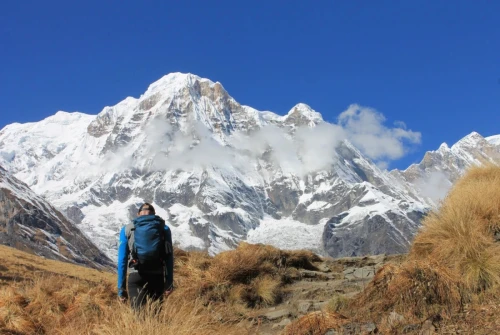
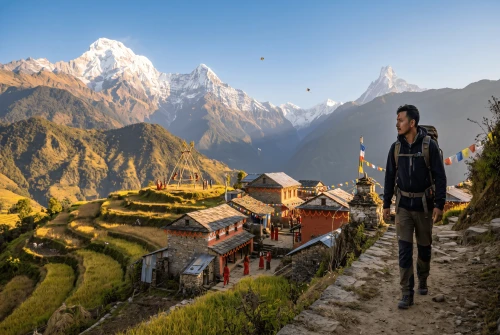
Nar Phu Valley Trek Overview:
Embark on a breathtaking 11-day adventure through the Nar Phu Valley, one of Nepal's most remote and pristine trekking destinations. Nestled in the Annapurna region, this trek offers stunning Himalayan views, rich Tibetan cultural experiences, and the chance to conquer Kang La Pass (5,320 meters), one of the highest trekking passes in Nepal. Perfect for those seeking an authentic trekking experience away from the crowds, the Phu village trek and Nar village trek allows you to immerse yourself in untouched nature, visit traditional Tibetan villages, and traverse challenging high-altitude passes.
Introduced for trekking in 2003, the Nar Phu Valley was initially accessible only to camping trekkers. However, in recent years, the availability of basic teahouses and lodges has made this trek more accessible, without compromising its remote charm. The Nar Phu Valley remains an attractive option for trekkers seeking an off-the-beaten-path adventure in one of the most unspoiled regions of Nepal.
The villages of Nar and Phu, located above 4,000 meters, retain their ancient Tibetan architecture and way of life. Unlike the more commercialized trekking routes of Annapurna or Everest, the Nar Phu Valley has largely remained untouched by mass tourism, preserving its authentic atmosphere. This trek offers an intimate encounter with Nepal’s local culture while surrounded by majestic mountain vistas, including views of Himlung Himal and other towering peaks.
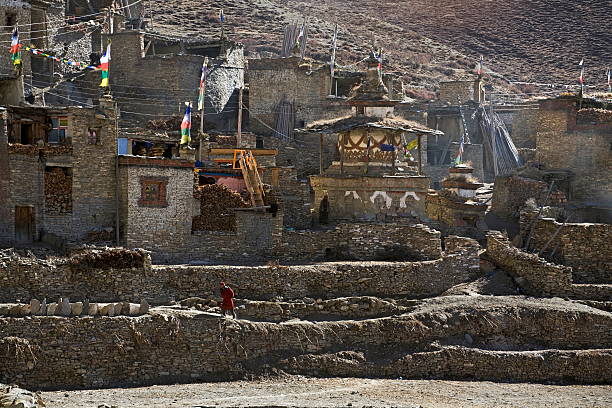
The Nar Phu Valley Trek consists of two distinct valleys: Phu, leading north towards Tibet, and Nar, extending west from the Phu trail. Situated in the northern Manang district, the Nar Phu Valley lies to the north of the main Annapurna Circuit trail, diverging at Koto and connecting with the circuit later at Chame. After completing the Nar Phu Valley Trek, trekkers have the option of either driving back through the Budi Gandaki River Valley to Besisahar or continuing on the Annapurna Circuit to cross the Thorong La Pass or visit Tilicho Lake, two of Nepal's most famous trekking destinations.
The trek begins at a relatively high elevation, above 2,600 meters at Koto, and gradually ascends towards higher altitudes. As you make your way towards Phu Village (4,080 meters), the landscape shifts from lush forests and meadows to the rocky, barren terrain of the Tibetan plateau. The unique cultural heritage of Phu Village, which has remained relatively unaffected by external influences, offers trekkers an opportunity to explore ancient Tibetan traditions and experience daily life in a remote Himalayan settlement. Taking a rest day in Phu is highly recommended to properly acclimatize and enjoy the peaceful village atmosphere.
With its challenging terrain, high-altitude passes, and traditional Tibetan villages, the Nar Phu Valley Trek is an immersive Himalayan adventure that offers the chance to experience Nepal’s untamed wilderness and preserved cultures. Whether you're looking to conquer a high-altitude trek or explore ancient villages, the Nar Phu Valley Trek is a once-in-a-lifetime experience for adventure seekers.
Nar Phu Valley Trek Highlights
The Nar Phu Valley trek highlights are what set this route apart from other treks in Nepal. Here’s what you can look forward to:
Tibetan Culture: The valley is home to several Tibetan-influenced villages, monasteries, and gompas, where you can immerse yourself in the Tibetan culture.
Stunning Mountain Views: The trek offers breathtaking views of Annapurna, Manaslu, Dhaulagiri, and other Himalayan giants.
Unique Rock Formations: Marvel at the fascinating rock structures and land formations that dot the trail.
Thorong La Pass: Conquer the famous Thorong La Pass for an exhilarating and rewarding experience.
Spiritual Sights: Pass by ancient chortens, prayer flags, and gompas, providing spiritual satisfaction along the way.
Why Nar Phu Valley Trek?
Are you searching for an adventure in a remote Himalayan paradise adorned with towering peaks, Tibetan cultural heritage, and breathtaking wilderness? The Trekking to Phu and Nar villages is an exceptional and unmissable opportunity for those looking to step off the beaten path and explore one of Nepal’s hidden gems.
Nestled in the northern reaches of the Annapurna region, this trek is a journey through pristine landscapes and untouched villages, leading you to the secluded Nar Phu Valley, a region located just a two-day walk from the Tibetan border. First explored by Tilman in the 1950s, the Nar Phu Valley trek was officially opened to trekkers in 2002. Since then, it has remained one of the most exclusive and authentic trekking experiences in Nepal.
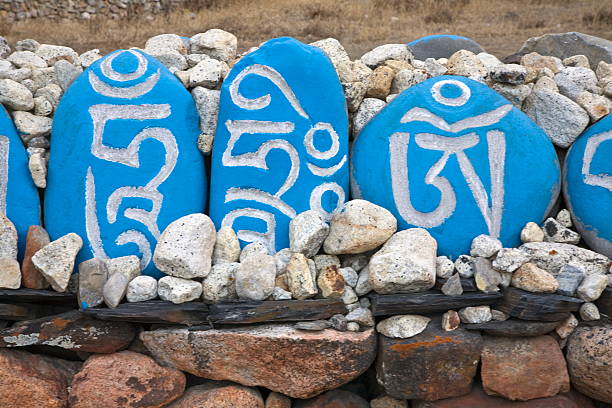
A Journey Through Stunning Himalayas and Tibetan Culture
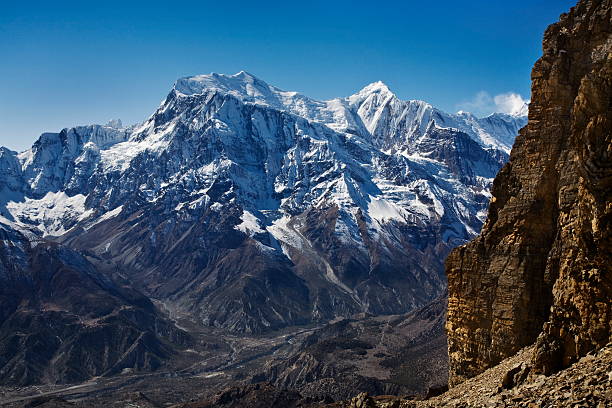
As you trek through the Annapurna Circuit, you will be surrounded by majestic mountain vistas, with views of Himlung Himal, Ratna Chuli, and the Annapurna Range. This trek isn’t just about mountain views; it’s a chance to immerse yourself in the rich Tibetan culture found in the traditional villages of Nar and Phu. These high-altitude settlements retain their ancient architecture and way of life, largely unaffected by modernity and outside influences.
The Best Hidden Treks in Nepal takes you through verdant forests, across rushing rivers, and up steep mountain paths that lead to Kang La Pass trek experience (5,320 meters) the highest point of the trek. The pass offers breathtaking panoramic views of snow-capped peaks, glaciers, and rock formations. It is the pinnacle of the trek, where a sense of serenity and awe takes over, as you stand at the crossroads of nature and culture, so Nar Phu trekking for nature lovers
Sacred Sites, Spiritual Encounters, and Wildlife
The Nar Phu Valley is not just about natural beauty it is also a place of spiritual significance. The Tashi Lhakhang Gompa, one of the oldest monasteries in the region, is an important sacred site where you can receive blessings from Lama Karma Sonam Rimpoche, a revered spiritual figure. This experience adds a spiritual dimension to your adventure, creating lasting memories beyond the trek itself.
The trek also offers the chance to spot rare wildlife such as the Himalayan Thar, Snow Leopard, and a wide variety of bird species, making it a haven for wildlife enthusiasts and nature lovers.
Uncover Hidden Treasures and Biodiversity
Trekking in remote Nepal is rich in biodiversity, with the rare Yarshagumba, a prized herbal remedy, growing in the region. This famous medicinal herb is just one example of the many natural treasures you'll encounter along the way. Some believe the Nar Phu Valley Trek is part of the Yarshagumpa trail network, an ancient route known for its focus on biodiversity and the protection of rare plants and herbs. The trek is a great way to experience Nepal’s natural beauty while supporting sustainable trekking practices.
A Trek That Stretches Beyond Ordinary Adventures
This trek is not just a physical journey; it’s a way to connect with the remote beauty and untouched culture of the Himalayas. As you travel through the Nar and Phu villages, you'll be stepping back in time, where traditional Tibetan life continues as it has for centuries. The landscape transitions from lush valleys to the rocky, barren terrain of the Tibetan plateau, providing diverse trekking experiences in a single journey.
Whether you choose to complete the trek in its entirety or connect to the larger Annapurna Circuit, the Nar Phu Valley Trek offers an adventure that transcends the ordinary. This journey through some of the most secluded and untouched landscapes in the world is perfect for those seeking a true wilderness experience and a deeper connection with nature and culture.
Why Choose the Nar Phu Valley Trek?
- Untouched Wilderness: Trek through remote valleys, experience stunning mountain views, and explore traditional Tibetan villages that have remained largely unaffected by modern tourism.
- Tibetan Culture: Immerse yourself in the rich Tibetan Buddhist culture and visit sacred monasteries like Tashi Lhakhang Gompa.
- Majestic Peaks and Passes: Conquer the Kang La Pass and enjoy panoramic views of the Himalayas, including Himlung Himal, Annapurna, and Ratna Chuli.
- Rare Wildlife and Biodiversity: Spot rare wildlife like the Snow Leopard and experience the biodiversity of the region, including the rare Yarshagumba herb.
- Spiritual and Cultural Encounters: Meet local villagers, receive blessings from spiritual leaders, and experience the deep cultural heritage of the region.
Trekking in Nar Phu Valley: An Off-the-Beaten-Path Adventure
The Nar Phu Valley trek is a hidden gem for trekkers in Nepal. Less crowded than the famous Annapurna Circuit Trek, this off-the-beaten-path trek offers a challenging and rewarding journey through some of the most pristine landscapes in the Himalayas. The trek takes you through dramatic rock formations, alpine meadows, and medieval Tibetan villages. Along the way, you’ll experience an authentic glimpse of Tibetan culture that has remained largely untouched by modernity.
Unlike the crowded trekking routes around Kathmandu or Pokhara, Nar Phu Valley remains relatively undiscovered. Its untouched landscapes and peaceful atmosphere make it a perfect destination for those looking to escape the usual trekking crowds.
Why is Nar Phu Valley Restricted?
The Nar Phu Valley is a restricted area for several important reasons, mainly due to its proximity to the Tibetan border and its unique cultural and environmental significance. Here's why the Nar Phu Valley is restricted:
- Border Security: Nar Phu Valley lies close to the border with Tibet (China), a region with sensitive geopolitical significance. The Nepalese government has designated the area as restricted to maintain national security and regulate movement near the international border.
- Cultural Preservation: The valley is home to Tibetan Buddhist communities that have preserved their traditional way of life for centuries. The government enforces restrictions to protect the unique Tibetan culture, religion, and historical heritage of the region from being overly commercialized or disrupted by outside influences.
- Environmental Protection: The Nar Phu Valley is situated in a fragile high-altitude ecosystem. The restricted access helps to minimize human impact on the environment, ensuring that the region’s natural beauty, wildlife, and biodiversity are protected for future generations. The remote and pristine nature of the area makes it an ecologically sensitive region, and restricting tourist numbers helps preserve its untouched landscapes.
- Sustainable Tourism: To encourage responsible tourism, the Nepalese government allows a limited number of visitors—only about 400 trekkers per year. This limit ensures that the area is not overwhelmed by mass tourism, thus preserving both the local culture and the environment.
- Permit Requirements: Due to the restricted status of the region, trekkers must obtain special permits to visit Nar Phu Valley. The process includes acquiring a Restricted Area Permit (RAP), which is regulated by the Nepalese government. This system helps control the flow of trekkers and promotes sustainable tourism practices while ensuring that the valley's cultural and environmental integrity is maintained.
In conclusion, the restrictions in place are designed to preserve Nar Phu Valley’s rich cultural heritage, safeguard its natural environment, and ensure the safety and security of both trekkers and the local communities living near the Tibetan border.
Nar Phu Valley Trek Route Overview: A Remote Himalayan Adventure
The Nar Phu Valley Trek begins in Kathmandu, Nepal's vibrant capital, where trekkers embark on a scenic drive to Besisahar and continue their journey towards the Manang Valley. As the route takes you deeper into the Annapurna region, the real adventure unfolds once you enter the Nar Phu Valley, a remote and secluded area only accessible with special trekking permits and a licensed guide. This restricted area is one of Nepal's hidden gems, offering trekkers a rare chance to explore an untouched wilderness.
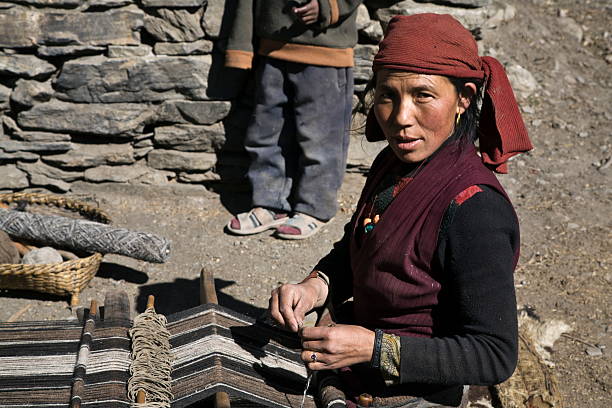
The trek leads you through the traditional villages of Nar and Phu, where you’ll experience authentic Tibetan culture and the lifestyle of the Tamang people. These high-altitude villages are surrounded by rugged landscapes and towering peaks, making for a truly immersive experience. Along the way, you'll cross high-altitude passes, trek through remote valleys, and gain stunning views of some of the highest peaks in the Himalayas, including Annapurna, Manaslu, and Himalchuli.
The Nar Phu Valley Trek also offers an opportunity to explore ancient Buddhist monasteries, prayer flags, and Tibetan Buddhist shrines, enriching your cultural journey. As you make your way back to Manang Valley, you'll be treated to even more dramatic mountain vistas before completing the trek with a return drive to Kathmandu.
Key Highlights:
- Nar and Phu Villages: Remote, traditional Tibetan settlements that provide an authentic cultural experience.
- Trekking through High Altitudes: Cross rugged, high-altitude passes like the Kyang La Pass (5,320 meters), offering breathtaking Himalayan views.
- Breathtaking Himalayan Views: Stunning panoramas of Annapurna, Manaslu, and Himalchuli.
- Cultural Immersion: Explore Buddhist monasteries, temples, and traditional villages.
The Nar Phu Valley Trek is perfect for those seeking an off-the-beaten-path adventure in Nepal. Be prepared to witness some of the most pristine and remote landscapes, while immersing yourself in a rich cultural experience that few trekkers ever get to see.
Landmarks to Explore During the Nar Phu Valley Trek
The Nar Phu Valley Trek offers trekkers not only a physical challenge but also a rich cultural and natural exploration of one of Nepal's most remote and pristine regions. Here are some key landmarks you’ll encounter on your journey:
1. Koto
Koto is the starting point for the Nar Phu Valley Trek. It marks the junction where the Annapurna Circuit trail diverges into the Nar Phu Valley route. The village lies in the Manang District, where you’ll first begin to experience the isolation and tranquility of the area. Surrounded by alpine forests and stunning mountain scenery, Koto is a peaceful and picturesque location.
2. Meta
Meta is a small village situated at an altitude of 3,560 meters and is the first significant stop on the way to Phu Village. The trek to Meta takes you through a beautiful, remote valley, past alpine meadows, and along the Nar Khola river. The area is home to a small but thriving local community, and from here, the landscape shifts to a more rugged, high-altitude environment.
3. Phu Village
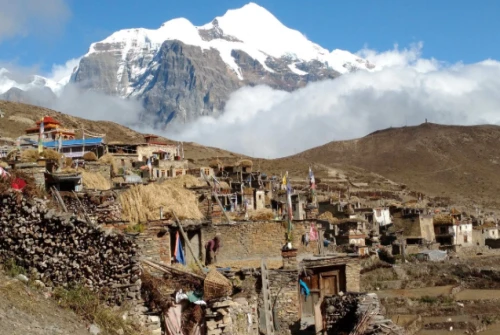
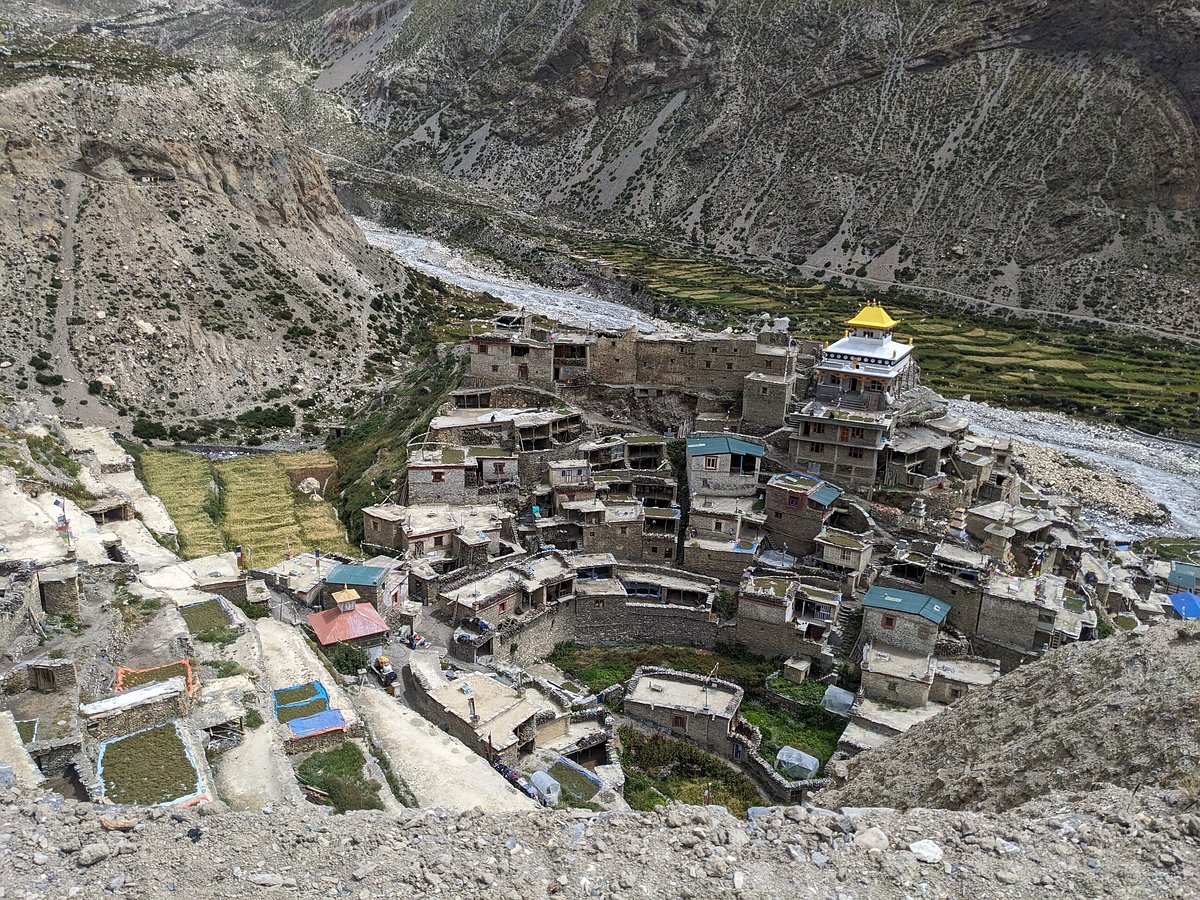
Phu Village, situated at an altitude of 4,080 meters, is one of the most culturally rich and remote settlements in Nepal. The village has a deep Tibetan influence and retains its traditional lifestyle and architecture. The ancient monasteries, chortens (stupas), and prayer flags provide an authentic glimpse into the spiritual life of the local community. Phu Village is also known for its stunning mountain views and serene environment.
4. Tashi Lhakhang Gompa
Tashi Lhakhang Gompa is an important Tibetan Buddhist monastery located in Phu Village. It holds historical and religious significance for the locals and is a peaceful spot for reflection. Trekkers are encouraged to visit and seek blessings from the resident Lama. It’s also a great place to learn about the Buddhist culture that has shaped the region’s history.
5. Nar Phedi
Nar Phedi is a small settlement located at the foot of Nar Village. It is a quiet resting point, offering trekkers a chance to relax before the final ascent to Nar Village. The area is surrounded by beautiful mountain landscapes, and the small monasteries add a spiritual element to the surroundings.
6. Nar Village
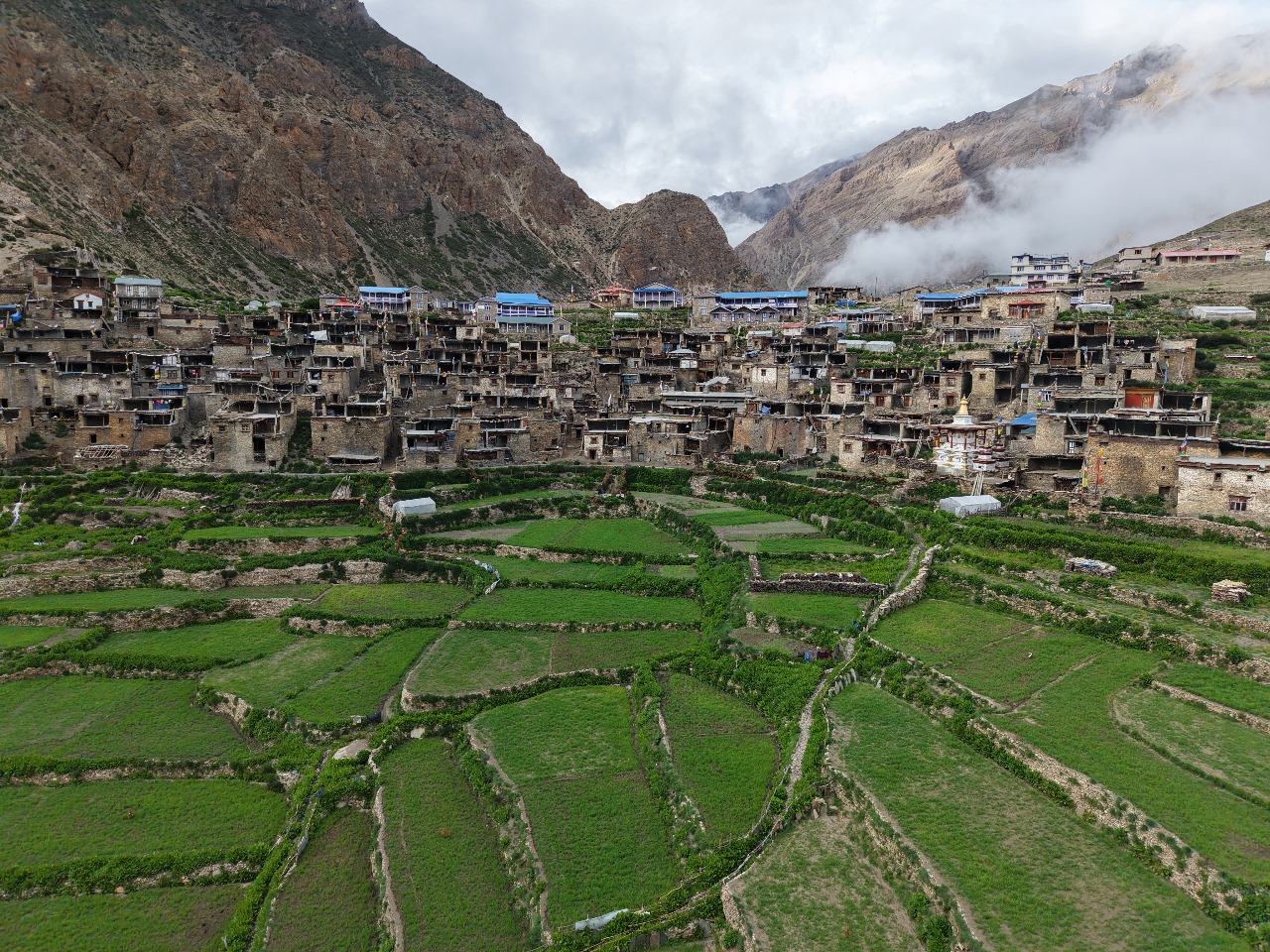
At an altitude of 4,150 meters, Nar Village is a picturesque Tibetan-style settlement with traditional stone houses, narrow alleyways, and rich cultural heritage. The village provides a glimpse into the lifestyle of the people who have lived here for centuries. Nar is also a great base for acclimatization and offers stunning views of the surrounding peaks.
7. Nar Phedi Monastery
The Nar Phedi Monastery is a small, isolated Tibetan Buddhist monastery located just below Nar Village. It offers an incredible opportunity for trekkers to immerse themselves in local spiritual practices. The peaceful surroundings, coupled with the incredible mountain views, make it a memorable spot to visit during your acclimatization day.
8. Kang La Pass
Kang La Pass is one of the most significant landmarks of the Nar Phu Valley Trek. At 5,320 meters, it is a high-altitude pass that presents a challenging but rewarding experience for trekkers. The pass offers spectacular panoramic views of the surrounding peaks, including Annapurna, Himlung Himal, and several other towering mountains. The crossing of the Kang La Pass is a major highlight of the trek, and it’s where trekkers truly feel the adventure of the high Himalayas.
9. Ngawal
Ngawal, located at 3,660 meters, is a charming village near the end of the Nar Phu Valley Trek. This village is the perfect spot for winding down after crossing the Kang La Pass. Ngawal offers beautiful views of the Annapurna range and is a great place to experience local hospitality, culture, and cuisine.
10. The Annapurna and Himlung Himal Ranges
Throughout the trek, trekkers are treated to magnificent views of several Himalayan peaks. From the early days of the trek, the towering peaks of Annapurna II, Himlung Himal, and several other lesser-known summits provide a stunning backdrop. The view from Kang La Pass is particularly spectacular, with a 360-degree vista of the surrounding ranges.
11. Yarshagumba (Cordyceps) Fields
Yarshagumba, also known as Cordyceps, is a rare and valuable medicinal herb harvested in the higher altitudes of the Nar Phu Valley. The herb is highly prized for its medicinal properties and is used in traditional medicine. During the summer months, trekkers may have the chance to witness local harvesters collecting this elusive fungus, which is an interesting and culturally significant part of life in the region.
12. Besisahar
While not part of the trek itself, Besisahar is the starting and ending point of the Nar Phu Valley trek. Located at a lower altitude, Besisahar serves as the gateway to the Annapurna Circuit and provides access to jeep and bus transport to and from the Kathmandu Valley.
Monthly Temperature Overview for the Nar Phu Valley Trek
The Nar Phu Valley Trek takes trekkers through remote and high-altitude landscapes, which means that temperatures vary greatly depending on the time of year and the altitude. Understanding the temperatures throughout the year is crucial for proper planning and packing. Here is an overview of the typical temperature conditions during each month of the trek.
In January, the trek is marked by cold winter conditions. The average daytime temperatures range from -5°C to 5°C (23°F to 41°F), with nighttime temperatures dipping as low as -15°C to -10°C (5°F to 14°F). The higher altitudes experience freezing temperatures, especially in the evenings and nights. Snow is common on the trail, particularly at higher passes like Kang La Pass. If trekking during this time, trekkers should pack warm layers, including a down jacket and a sleeping bag rated for freezing temperatures.
February continues the cold winter trend, with average daytime temperatures between -3°C to 6°C (27°F to 43°F) and nighttime temperatures ranging from -14°C to -10°C (7°F to 14°F). The conditions at higher altitudes remain freezing, with snow and ice still covering the trail in places like Phu Village and Nar. This time of year is ideal for those who seek solitude and don't mind the cold, though adequate gear is necessary to handle the chill.
By March, the temperatures begin to warm up slightly as spring begins to approach. The daytime temperatures range from 5°C to 12°C (41°F to 54°F), while the nighttime temperatures fall between -10°C to -5°C (23°F to 32°F). Although it's still cold in higher regions, the weather becomes more manageable, making it a more comfortable time for trekking. Days are clear and sunny, but nights can still be chilly, especially at higher altitudes.
In April, spring settles in with daytime temperatures ranging from 8°C to 15°C (46°F to 59°F) and nighttime temperatures between -5°C to 0°C (23°F to 32°F). The temperatures during this month are perfect for trekking, as it is mild during the day and still cold at night, especially in the mountains. The clear skies and warm days make it a popular time for trekkers, though warm layers for the evening are still necessary.
May brings slightly warmer temperatures, with daytime temperatures ranging from 10°C to 18°C (50°F to 64°F) and nighttime temperatures between 0°C to 5°C (32°F to 41°F). It is a great time to trek, with comfortable daytime conditions, though nights can still be cold at higher altitudes. The weather is ideal for trekking, and it remains relatively dry, making it a good time to explore the valley.
The June to August period marks the monsoon season in Nepal. In June, daytime temperatures range from 12°C to 18°C (54°F to 64°F), with nighttime temperatures between 5°C to 10°C (41°F to 50°F). During July, the temperatures increase slightly, reaching 14°C to 20°C (57°F to 68°F) during the day and 7°C to 12°C (45°F to 54°F) at night. In August, daytime temperatures are 13°C to 19°C (55°F to 66°F), with nighttime temperatures ranging from 6°C to 10°C (43°F to 50°F). While the daytime temperatures are warm, the monsoon rains make the trails slippery and challenging, especially in lower altitudes. Heavy rainfall is common, and trekking during this period may lead to delays, mud, and landslides.
September marks the end of the monsoon season, and the temperatures begin to stabilize. Daytime temperatures range from 8°C to 16°C (46°F to 61°F), with nighttime temperatures between 0°C to 5°C (32°F to 41°F). The skies clear up, making it an ideal time for trekking, as the weather becomes dry and more predictable. This is one of the best months to trek in the Nar Phu Valley, as conditions are generally favorable with clear skies and comfortable temperatures.
In October, the temperatures range from 10°C to 18°C (50°F to 64°F) during the day, with colder nighttime temperatures of -2°C to 5°C (28°F to 41°F). This is the peak trekking season in Nepal, with the weather being perfect for long days of hiking. Clear skies and mild temperatures make it an excellent time to experience the beauty of the Himalayas, especially the stunning views of Himlung Himal and Annapurna.
November sees the temperatures drop slightly, with daytime temperatures ranging from 6°C to 15°C (43°F to 59°F) and nighttime temperatures between -5°C to 0°C (23°F to 32°F). Days remain clear, and while the weather is still favorable for trekking, nights become colder. This is a great time for trekking if you prefer less crowded conditions but still enjoy pleasant weather during the day.
In December, winter sets in, and temperatures can drop significantly. Daytime temperatures range from -2°C to 6°C (28°F to 43°F), with nighttime temperatures dipping to -10°C to -5°C (14°F to 23°F). Higher altitudes experience freezing conditions, and snow is common. This time of year offers fewer trekkers on the trail, providing a peaceful atmosphere, but the cold can be challenging. If trekking in December, make sure to pack high-quality warm clothing and sleeping bags.
In conclusion, the best time for trekking in the Nar Phu Valley is during the spring (March to May) and autumn (September to November) seasons. These months offer mild weather, clear skies, and excellent trekking conditions. The summer monsoon season (June to August) should be avoided due to the risk of landslides and rain-soaked trails, while winter (December to February) is for those who seek solitude and are prepared for cold conditions at high altitudes.
Best Time for Nar Phu Valley Trek
The Nar Phu Valley Trek is possible year-round, but the best time to trek depends on your preference for weather conditions and the type of trekking experience you want. Here's a breakdown of the ideal seasons to embark on your adventure:
Spring Season (March to May) is considered the best time for the Nar Phu Valley Trek. During this season, the weather is clear and mild, offering ideal trekking conditions. Daytime temperatures typically range from 10°C to 20°C, while nighttime temperatures drop to -5°C to 5°C. The stunning views of the Himalayas are unobstructed, and the lush greenery and wildflowers add to the beauty of the trail. Spring is also a great time for wildlife spotting, with many species active in the region.
Autumn Season (September to November) is another prime trekking season for the Nar Phu Valley. The weather is dry, sunny, and cool, with daytime temperatures ranging from 10°C to 18°C and nighttime temperatures falling between -5°C to 5°C. This season provides some of the clearest skies and best mountain views. Autumn also coincides with the Nepali festivals of Dashain and Tihar, offering trekkers a chance to experience the vibrant local culture along the trail.
The Summer/Monsoon Season (June to August) brings high temperatures and heavy rainfall to the region. Daytime temperatures range from 20°C to 30°C, while nighttime temperatures are between 10°C to 15°C. While this season offers fewer trekkers, it also comes with slippery trails and limited visibility of the mountains due to cloud cover. This period is not ideal for trekking due to the monsoon rains, but it does offer a unique chance to see traditional farming activities in the valley.
The Winter Season (December to February) presents cold and dry conditions, with temperatures dropping well below freezing at higher altitudes. Daytime temperatures typically range from -5°C to 5°C, while nighttime temperatures can plummet to -10°C to -20°C. Snow is common, especially around Kang La Pass, making the trek more challenging and requiring proper gear such as crampons and warm clothing. Despite the difficulty, winter offers clear views of the mountains and a peaceful trekking experience, as fewer trekkers are on the trail.
The best time for the Nar Phu Valley Trek is during Spring and Autumn when the weather is mild and the mountain views are at their clearest. If you prefer solitude and fewer trekkers, the Monsoon and Winter seasons can offer a more remote experience, but with additional challenges such as rain or snow.
Nar Phu Valley Trek Itinerary
The Nar Phu Valley Trek can typically be completed in 08 to 13 days, depending on your pace and acclimatization needs. Below is a breakdown of the most common itineraries, including a 8 days, 9 days ,11 days and a 13 days option. These routes offer trekkers the chance to explore remote valleys, high-altitude passes, and traditional Tibetan villages, all while enjoying breathtaking views of the Himalayas.
8 Day Nar Phu Valley Trek Itinerary
The 8-day itinerary provides additional acclimatization days, allowing trekkers to better adjust to the altitude and explore more of the Nar Phu Valley and Manang.
Day 1: Drive from Kathmandu to Koto (2,700m) – 8-9 hours
Day 2: Trek from Koto to Meta (3,560m) – 6-7 hours
Day 3: Trek from Meta to Phu Gaon (4,080m) – 6-7 hours
Day 4: Acclimatization and exploration of Phu Gaon (4,250m)
Day 5: Trek from Phu Gaon to Nar (4,110m) – 6-7 hours
Day 6: Trek from Nar to Nawal (3,675m) via Kang-La Pass (5,306m) – 7-9 hours
Day 7: Trek to Humde & drive to Besisahar – 6-7 hours
Day 8: Drive from Besisahar to Kathmandu – 6-7 hours
9-Day Nar Phu Valley Trek Itinerary Outline
For trekkers with limited time but still seeking the highlights of the Nar Phu Valley, this 9-day itinerary provides an efficient way to explore the valley and high-altitude routes.
Day 1: Kathmandu to Koto via Besisahar (Drive) – 241 km, 10 hrs, Altitude: 2,600m
Day 2: Trek from Koto to Meta – 14.5 km, 6–7 hrs, Altitude: 3,625m
Day 3: Trek from Meta to Phu Gaon – 16.5 km, 7–8 hrs, Altitude: 4,540m
Day 4: Acclimatization at Phu Gaon (Optional hike to Himlung Himal Base Camp) – 6 km, 5–6 hrs, Altitude: 4,540m
Day 5: Trek from Phu Gaon to Nar Phedi – 14 km, 5–6 hrs, Altitude: 3,490m
Day 6: Trek from Nar Phedi to Nar Village – 5 km, 3 hrs, Altitude: 4,110m
Day 7: Nar Village to Ngawal via Kang La Pass – 15 km, 8 hrs, Altitude: 3,660m
Day 8: Ngawal to Besisahar (Drive) – 60.2 km, 4–5 hrs, Altitude: 760m
Day 9: Besisahar to Kathmandu (Drive) – 175 km, 5–6 hrs, Altitude: 1,400m
12-Day Nar Phu Valley Trek Itinerary
This itinerary is ideal for trekkers who wish to complete the Nar Phu Valley Trek in a shorter time, while still experiencing the main highlights of the trek.
Day 1: Arrival in Kathmandu
Day 2: Drive from Kathmandu to Besisahar
Day 3: Drive from Besisahar to Koto
Day 4: Trek from Koto to Dharapani
Day 5: Trek from Dharapani to Nar Phedi
Day 6: Trek from Nar Phedi to Nar Village
Day 7: Trek from Nar Village to Phu Village
Day 8: Rest and exploration day in Phu
Day 9: Trek from Phu to Nar Village
Day 10: Trek from Nar Village to Manang
Day 11: Trek from Manang to Besisahar
Day 12: Drive back to Kathmandu
Nar Phu Valley Trekking 13 days Itinerary
Day 1:Arrival in Kathmandu (1,400m)
Day 2:Kathmandu to Koto (2,600m) - 7-8 Hours Drive
Day 3:Koto to Meta (3,560m) - 6-7 Hours Trek
Day 4:Meta to Kyang (3,820m) - 4-5 Hours Trek
Day 5:Kyang to Phu Village (4,080m) - 4-5 Hours Trek
Day 6:Acclimatization Day in Phu Village (4,080m)
Day 7:Phu Village to Nar Phedi (3,490m) - 6-7 Hours Trek
Day 8:Nar Phedi to Nar Village (4,110m) - 2-3 Hours Trek, Acclimatization
Day 9:Rest and Acclimatization Day in Nar Village (4,110m)
Day 10:Nar Village to Ngawal (3,660m) via Kang La Pass (5,320m) - 8-10 Hours Trek
Day 11:Ngawal to Manang (3,540m) - 4-5 Hours Trek
Day 12:Manang to Besisahar via Chame - 5-6 Hours Trek + 6-7 Hours Drive
Day 13:Final Departure from Kathmandu
The Nar Phu Valley Trek is a challenging but rewarding journey into some of the most pristine and culturally rich regions of Nepal. Whether you choose the 8 day trek for a quicker experience or the 13-day trek for more acclimatization time, each itinerary offers stunning views of the Himalayas, ancient Tibetan villages, and rugged terrain.
Nar Phu Valley Trek Cost Breakdown
The cost of the Nar Phu Valley Trek can vary depending on factors such as the trekking company, season, and services provided. On average, the total cost for a fully organized trek ranges between USD $900 to $2,000 per person. Below is a detailed breakdown:
1. Trek Package Costs
Group Treks: USD $950 - $1,500 per person
Private Treks: USD $1,300 - $2,000 per person
Discounted Group Rates:
2 Pax: USD $950 per person
3 - 4 Pax: USD $919 per person
5 - 10 Pax: USD $895 per person
Nar Phu Valley Trek Cost Breakdown for 2026/2027
| Trek Type | Cost (USD) |
|---|
| Group Treks | $950 - $1,500 |
| Private Treks | $1,300 - $2,200 |
| Discounted Group Rates | |
| 2 Pax | $9,50 per person |
| 3 - 4 Pax | $9,19 per person |
| 5 - 10 Pax | $8,95 per person |
2. Permits & Fees
Nar Phu Valley Special Permit: USD $100 per person (for 7 days), plus $15 per day after the first week.
Annapurna Conservation Area Permit (ACAP): USD $30 per person
Manaslu Conservation Area Permit (MCAP): USD $20 per person
3. Accommodation & Meals
Accommodation: Basic teahouses or lodges are available along the route. Expect to pay USD $5 to $10 per night.
Meals: Average cost for meals ranges from USD $5 to $8 per meal, depending on altitude and availability.
4. Guide and Porter Fees
Licensed Guide: Required for the trek, costing USD $25 to $30 per day.
Porter: If you hire a porter to carry your gear, expect to pay around USD $15 to $20 per day.
5. Additional Costs
Travel Insurance: Travel insurance with high-altitude coverage can cost between USD $80 to $150.
Tipping: Tipping guides and porters is customary. A typical tip ranges from USD $50 to $100 for the entire team.
Permits Required for the Nar Phu Valley Trek (2026/2027)
The Nar Phu Valley is a restricted area in Nepal, meaning trekkers must obtain specific permits to access this pristine and remote region. These permits are essential for trekking in the area and can only be arranged through a licensed trekking agency. Below are the key permits required for the 2026/2027 season:
1. Nar Phu Valley Special Permit
Cost: USD $100 per person (for the first 7 days), with an additional $15 per day for each extra day.
Validity: This permit is specifically for entry into the Nar Phu Valley, a restricted area in the Manang district. It allows trekkers to explore this remote part of the Annapurna region.
Note: The Nar Phu Valley Special Permit is available only through a licensed trekking agency and cannot be obtained independently.
2. Annapurna Conservation Area Permit (ACAP)
Cost: USD $30 per person.
Purpose: The ACAP permit is required to enter the Annapurna Conservation Area, which encompasses the majority of the Annapurna region, including the Nar Phu Valley.
Availability: The permit is arranged by your trekking agency in Kathmandu or Pokhara.
3. Manaslu Conservation Area Permit (MCAP)
Cost: USD $20 per person.
Purpose: The MCAP is necessary if your trek overlaps with or enters the Manaslu Conservation Area, which borders the Nar Phu Valley. This permit is often arranged along with the ACAP and the Nar Phu Valley Special Permit.
Note: The MCAP is typically arranged through your trekking agency when booking your trek.
How to Obtain Permits:
Licensed Trekking Agency: All three permits (Nar Phu Valley Special Permit, ACAP, and MCAP) must be arranged through a licensed trekking agency. The agency handles all the applications and payments required to secure the necessary permits for the trek.
Trekking Guide: A licensed guide is mandatory for the Nar Phu Valley Trek, and your trekking agency will provide one as part of your trek package.
No Solo Trekking: Solo trekking is prohibited in the Nar Phu Valley. You must trek as part of an organized group with a licensed guide.
Tips for a Successful Nar Phu Valley Trek
Physical Preparation: The Nar Phu Valley Trek involves long trekking hours and significant altitude gain, so it’s important to prepare physically by doing cardiovascular exercises and strength training before the trek.
Acclimatization: Proper acclimatization is crucial, especially as you gain elevation. Make sure to take rest days to adjust to the thinning air and prevent altitude sickness.
Pack Smart: Since the trek takes you through remote regions, packing appropriately for changing weather conditions is important. Layering is key, and don’t forget essentials like a sleeping bag, water purification tablets, and sun protection.
Respect Local Culture: The Nar Phu Valley is home to several traditional Tibetan villages. Be respectful of local customs, especially in monasteries, and seek permission before taking photos of people.
Nar Phu Valley Trek Difficulty: Is It Suitable for You?
The Nar Phu Valley difficulty level is generally moderate to challenging, making it suitable for trekkers with some prior experience in high-altitude trekking. You’ll be trekking at altitudes above 3,000 meters for most of the journey, with some sections exceeding 5,000 meters.
The highlight of this trek is crossing the Thorong La Pass (5,416 meters), one of the highest trekking passes in the world. Due to the high altitude, trekkers should be prepared for altitude sickness and should ensure proper acclimatization.
The Nar Phu Valley trekking difficulty can be tough for beginners, so it’s important to be physically fit and mentally prepared for long days of hiking, especially in the higher regions.
Top FAQs for the Nar Phu Valley Trek
Is the Nar Phu Valley Trek difficult?
Yes, the Nar Phu Valley Trek is considered moderately difficult due to its high altitude and rugged terrain. Proper acclimatization is crucial, and trekkers should be ready for steep ascents, remote conditions, and long trekking hours.
Can I trek alone in the Nar Phu Valley?
No, solo trekking is not allowed in the Nar Phu Valley. Trekking requires a licensed guide and must be done as part of an organized trekking group through a registered trekking agency, due to the region's restricted status.
What is the best time to trek in the Nar Phu Valley?
The best times are during spring (March to May) and autumn (September to November). These months offer clear skies, mild temperatures, and optimal trekking conditions. Avoid the monsoon season (June to August) due to landslides and trail blockages.
How high do you go on the Nar Phu Valley Trek?
The highest point on the trek is the Kyang La Pass, which is at an altitude of 5,320 meters (17,454 feet). Acclimatization is essential at these high elevations to prevent altitude sickness.
Is it safe to trek in the Nar Phu Valley?
Yes, trekking in the Nar Phu Valley is generally safe, provided you follow permit requirements, trek with a licensed guide, and are prepared for altitude sickness and other high-altitude conditions. The remoteness of the area means rescues can be challenging, so proper preparation is key.
What permits are required for the Nar Phu Valley Trek?
You will need the Nar Phu Valley Special Permit, Annapurna Conservation Area Permit (ACAP), and Manaslu Conservation Area Permit (MCAP) to trek in the region. These permits must be arranged through a licensed trekking agency.
How long is the Nar Phu Valley Trek?
The Nar Phu Valley Trek typically lasts between 8 to 14 days, depending on the itinerary. There are options for 12-day and 14-day treks that allow for proper acclimatization and exploration of the valley.
How much does the Nar Phu Valley Trek cost?
The cost for the Nar Phu Valley Trek typically ranges from USD $900 to $2,000 per person, depending on whether it is a group trek or a private trek. Costs include permits, guide and porter fees, accommodation, and meals.
What is the accommodation like on the Nar Phu Valley Trek?
Accommodation along the trek is generally in basic teahouses or lodges. These are modest but comfortable, providing simple meals and beds for trekkers. Higher up in the valley, accommodation may be more basic.
What type of food can I expect on the Nar Phu Valley Trek?
Most teahouses offer traditional Nepali food like dal bhat (lentil soup with rice), noodles, fried rice, and momos (dumplings). Western options like pasta, pizza, and sandwiches are available in some places, especially in lower-altitude regions.
How difficult is the Kyang La Pass?
The Kyang La Pass (5,320m) is challenging, requiring physical preparation, altitude acclimatization, and mental endurance. The ascent is steep and long, so trekkers need to be in good physical shape and acclimatize properly to avoid altitude sickness.
Can I hire a porter for the Nar Phu Valley Trek?
Yes, porters can be hired to carry your luggage, usually at a rate of USD $15 to $20 per day. It’s advisable to pack light and take only essential gear for the trek.
What should I pack for the Nar Phu Valley Trek?
Key items include warm clothing, sunscreen, sleeping bag (rated for cold temperatures), water purification tablets, trekking poles, first aid kit, power bank, and snacks. Layers are essential due to varying temperatures along the trek.
Is there mobile network coverage in the Nar Phu Valley?
Mobile coverage is available in some lower-altitude areas but can be patchy or non-existent in higher regions like Nar Village or Phu Village. Consider bringing a satellite phone or communication device if necessary for emergencies.
What is the altitude sickness risk on the Nar Phu Valley Trek?
Altitude sickness is a risk at higher elevations, especially above 3,000 meters (9,843 feet). It’s important to take rest days, stay hydrated, and avoid exertion in order to reduce the risk of altitude sickness. Symptoms include headache, nausea, and dizziness, and should be treated promptly by descending to a lower elevation.
Conclusion
The Nar Phu Valley Trek is a remarkable journey that provides trekkers with a unique opportunity to experience Nepal’s pristine wilderness and rich Tibetan heritage. From the awe-inspiring Himalayan views to the visits to ancient monasteries and remote valleys, this trek stands out as one of the most captivating alternatives to the popular trekking routes in the Annapurna region.
Whether you choose the 8-day trek or opt for the more extensive 13-day itinerary, the trek promises an unforgettable experience of trekking through rugged terrain, crossing high-altitude passes, and exploring traditional villages where the Tibetan culture thrives.
However, proper preparation is essential. Physically, you need to be ready for long trekking hours and high-altitude conditions. Logistically, make sure to secure the required permits, hire a licensed guide, and pack the necessary gear for this high-altitude adventure. When done right, the Nar Phu Valley Trek will undoubtedly be one of the highlights of your adventure in Nepal.
Are you ready to discover one of the most remote and beautiful valleys in Nepal? Feel free to share your thoughts in the comments or reach out to us to book your trek today
 based on 270 reviews