Why Nar Phu Valley Trek is a Hidden Gem
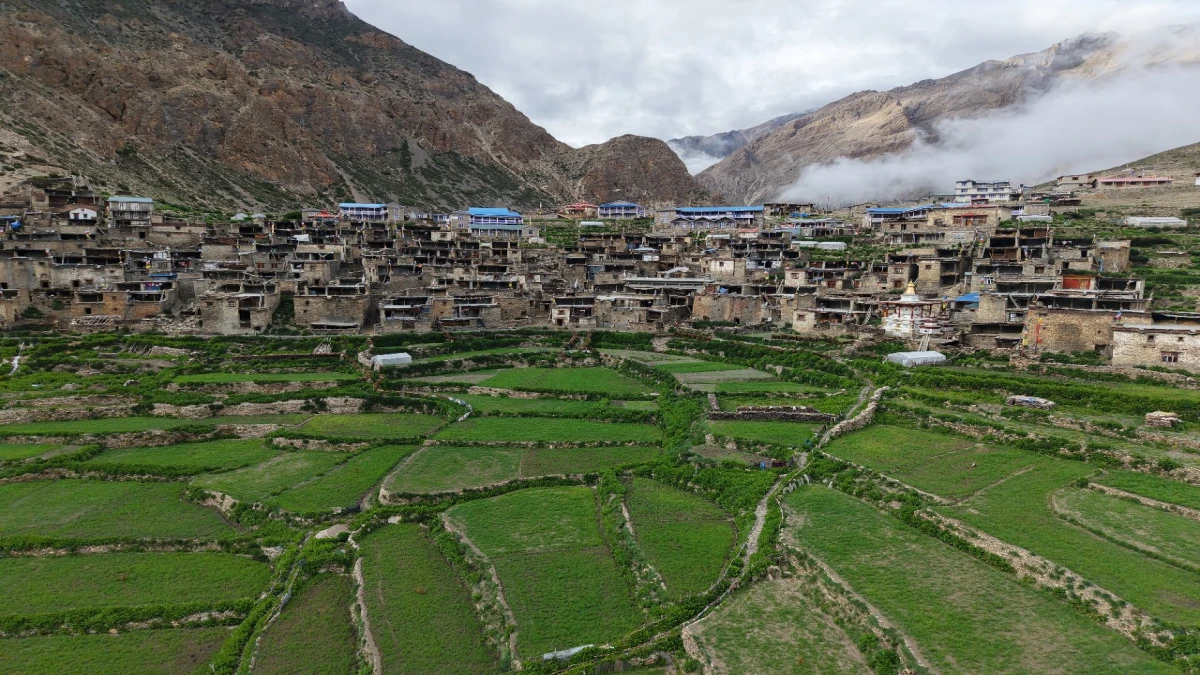
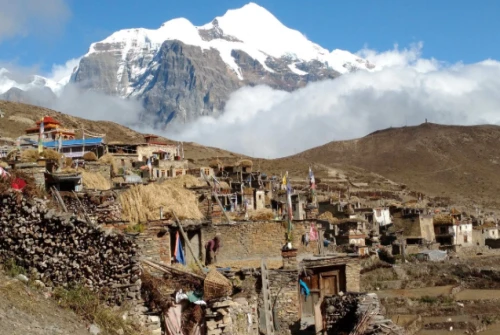
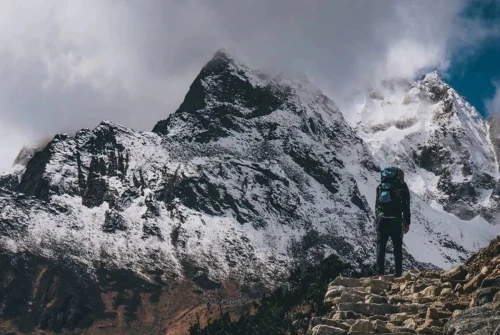
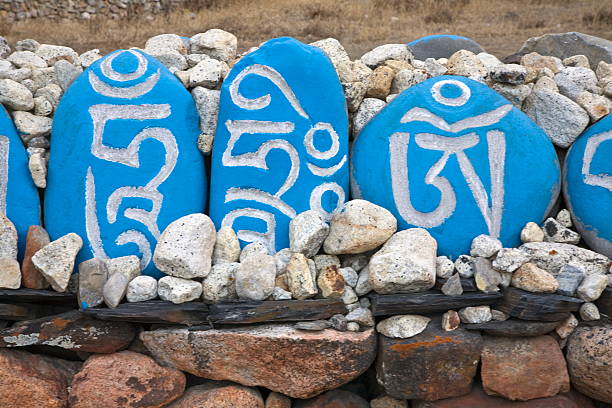
The Nar Phu Valley remains one of Nepal’s most untouched and unspoiled trekking destinations, making it perfect for those looking for something beyond the typical trekking trails. Located in the remote northern section of the Annapurna region, Nar Phu Valley has been relatively isolated, preserving its Tibetan culture and ancient traditions. The people here live a lifestyle that has been largely unchanged for centuries, with monasteries, prayer flags, and stone villages offering an authentic glimpse into life in the high Himalayas.
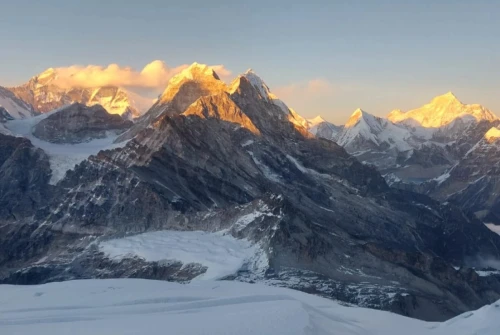
This trek takes you through ancient villages, past Buddhist shrines, and alongside majestic snow-capped peaks. Unlike other famous treks, Nar Phu offers a much quieter, more intimate trekking experience. Along the way, trekkers encounter magnificent landscapes, from deep valleys and dense forests to alpine meadows and barren highlands. The trek also includes crossing Kang La Pass, one of the most spectacular high-altitude passes in Nepal, which rewards you with panoramic views of the Annapurna and Manaslu ranges.
Key Highlights of the Nar Phu Valley Trek
- Tibetan Culture: The trek takes you through traditional Tibetan Buddhist villages like Phu Village and Nar Village, where you can explore monasteries, witness daily life, and experience local customs and festivals.
- High-Altitude Adventures: You’ll ascend through varied landscapes, including alpine meadows, rocky terrain, and icy glaciers, making the trek both physically challenging and incredibly rewarding.
- Kang La Pass: Standing at an impressive altitude of 5,320 meters (17,454 feet), Kang La Pass is one of the highest points of the trek and offers breathtaking views of the surrounding mountains.
- Pristine Nature: The valley is rich with unspoiled natural beauty, including dense forests, picturesque waterfalls, and the rugged peaks of the Himalayas.
- Remote Villages: Experience the charm of villages like Nar and Phu, which are still influenced by Tibetan culture and remain largely untouched by commercialization. The architecture, daily life, and local customs remain deeply tied to ancient traditions.
Why Nar Phu Valley Trek is a Must-Do Adventure
The Nar Phu Valley Trek is a must-do adventure for trekkers seeking a unique blend of cultural immersion, remote wilderness, and breathtaking Himalayan landscapes. Unlike the more heavily trafficked trekking routes like the Annapurna Circuit or Everest Base Camp, Nar Phu Valley remains relatively untouched by mass tourism, allowing trekkers to experience a more authentic and peaceful journey.
As you trek through the valley, you’ll be introduced to Tibetan culture, with opportunities to visit ancient monasteries, interact with local ethnic groups, and witness the traditional way of life in these high-altitude villages. The Nar Phu region, with its pristine landscapes and rugged terrain, offers spectacular views of towering peaks like Annapurna, Gangapurna, and Himlung Himal, while the valley itself feels like an untouched paradise.
The trek also includes challenging yet rewarding aspects, such as crossing the Kang-La Pass (5,322m) and trekking through remote areas with high-altitude villages, offering you a sense of solitude and connection with nature that’s hard to find on more crowded routes.
For those looking for an off-the-beaten-path experience, the Nar Phu Valley Trek offers a perfect balance of adventure, culture, and serenity, making it a true gem for trekkers.
Nar Phu Valley Trek Itinerary
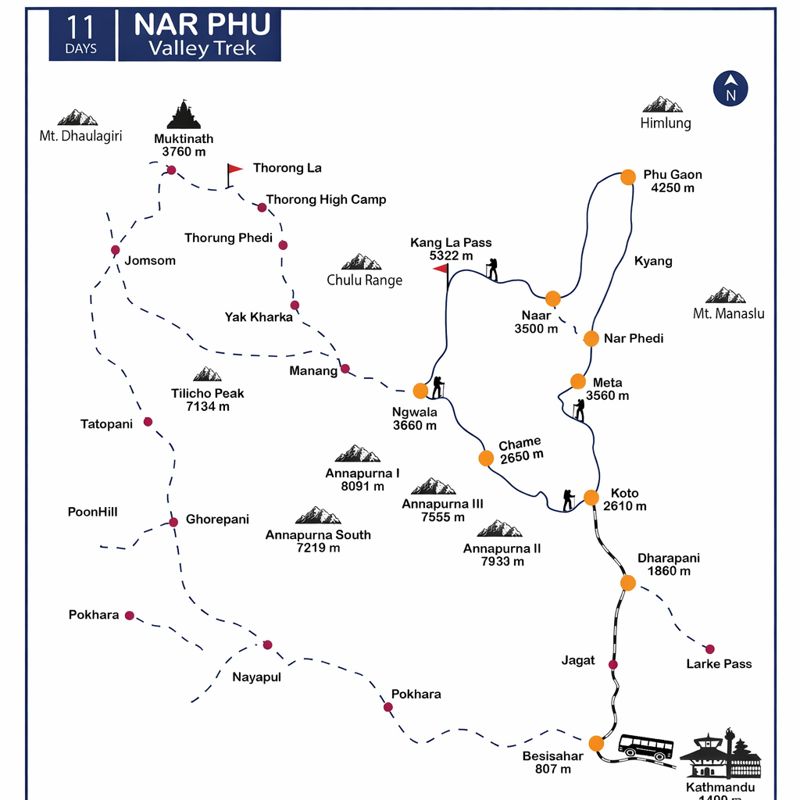
The Nar Phu Valley Trek Itinerary varies depending on trekkers' fitness levels and the travel or trekking companies offering the trek. However, there is a key principle to designing the perfect Nar Phu Valley trek itinerary: pacing and acclimatization days. These two criteria are critical to ensuring a safe and enjoyable trek.
So, when creating your Nar Phu Valley itinerary, it’s crucial to consider how quickly trekkers can handle the high altitudes and how many acclimatization days are necessary to adjust to the elevation. Trekking in the Nar Phu Valley can be a challenge, especially given its remote location and the altitude. A thoughtful and well-designed itinerary helps avoid any discomfort or safety risks that could arise from rushing the trek or not allowing adequate time to acclimatize.
Since the Nar Phu Valley Trek is considered moderately challenging, it requires a professional approach to ensure trekkers don’t face difficulties on the trail and have a positive experience both on the way to the valley and back to Kathmandu. It's essential to design the itinerary with enough time for rest and adjustment to higher elevations, so trekkers don’t encounter issues as they approach the Nar Phu Valley or ascend to Kang La Pass.
If you want to have a comprehensive understanding of the Nar Phu Valley Trek, check out this detailed guide on Trip to Nar Phu Valley: Everything You Need to Know.
Common Pitfalls: Why Avoid Random Nar Phu Valley Trek Itineraries?
Some trekkers or companies might design Nar Phu Valley itineraries hastily without considering the terrain or altitude, leading to a frustrating and potentially dangerous experience. Unlike the more popular treks in Nepal, like the Annapurna Circuit, the Nar Phu Valley Trek offers fewer resources and accommodations along the route. This means trekkers must pace themselves carefully to manage the physical demands, especially towards the end when approaching the Kang La Pass (5,416m), one of the highest points on the trek.
If you opt for a randomly designed Nar Phu Valley Trek itinerary, you risk wasting both time and money, as improper pacing or insufficient acclimatization can result in forced rest days, or worse, turning back early due to altitude sickness or fatigue. A well-planned itinerary is essential to avoid these issues and ensure you reach your destination safely while enjoying the trek.
The Key to a Successful Nar Phu Valley Trek Itinerary
Here are the key considerations when designing your Nar Phu Valley Trek itinerary:
Pacing:
- The Nar Phu Valley Trek involves ascending to altitudes above 4,000m (13,123ft), and trekkers will experience longer trekking days, often on rocky and steep terrain. A gradual ascent is critical to acclimatization and ensuring trekkers can physically handle the challenges of higher elevations.
- Each trekking day should not be overly long or strenuous, allowing trekkers to enjoy the scenery while avoiding physical burnout.
Acclimatization:
- The Nar Phu Valley Trek requires strategic rest days for acclimatization. Given the high altitudes and rugged terrain, trekkers need time to adjust to avoid altitude sickness.
- The most critical acclimatization days should be scheduled at Phu Village and Nar Village, where trekkers can rest and explore while helping their bodies adjust to the decreasing oxygen levels at higher altitudes.
Avoid Random Itineraries:
- Unlike more popular trekking routes, such as the Annapurna Circuit, the Nar Phu Valley Trek is a more isolated route, where services are sparse, and the trekking days can become physically taxing. Trekking too quickly or designing the itinerary too haphazardly can jeopardize the safety and enjoyment of the trek.
- A well-thought-out itinerary will ensure you have the necessary time for rest and acclimatization and can enjoy the valley's Tibetan culture and stunning Himalayan vistas without rushing through it.
In conclusion, a Nar Phu Valley Trek Itinerary must be designed with careful consideration of the trekker’s stamina, altitude adaptation, and the route conditions. By following a well-paced, professional itinerary, trekkers will have a smooth, successful, and rewarding experience in one of Nepal’s most beautiful and remote trekking destinations.
Nar Phu Valley Trek with Kang La and Thorong La Pass- 17 Days
The Nar Phu Valley Trek with Kang La and Thorong La Pass is one of Nepal's most stunning and challenging treks. This 17-day itinerary is designed to take trekkers through remote Tibetan-influenced villages, high-altitude landscapes, and breathtaking mountain vistas, culminating in the iconic Kang La Pass (5,416m) and Thorong La Pass (5,416m). The route also takes you through villages like Phu, Nar, and Ngawal, providing an authentic cultural experience while testing your stamina with demanding ascents.
Day 1:Arrival to Kathmandu (1400m/ 4593ft)
Day 2:Kathmandu Valley Sightseeing (1400m/ 4593ft) and Trek Preparation
Day 3:Drive to Besisahar (760m/ 2493ft) by Public Bus then Take Shared Jeep to Dharapani (1860m/ 6102ft)
Day 4:Trek from Dharapani (1860m/ 6102ft) to Koto (2600m/ 8530ft)
Day 5:Trek from Koto (2600m/ 8530ft) to Meta (3560m/ 11,679ft)
Day 6:Trek from Meta (3560m/ 11,679ft) to Phu Village (4080m/ 13,385ft)
Day 7:Acclimatization Day in Phu Village (4080m/ 13,385ft)
Day 8:Trek from Phu Village (4080m/ 13,385ft) to Nar Phedi (3490m/ 11,450ft)
Day 9:Trek from Nar Phedi (3490m/ 11,450ft) to Nar Village (4150m/ 13,615ft)
Day 10:Trek from Nar Village (4150m/ 13,615ft) to Ngawal (3660m/ 12,007ft) via Kang La Pass (5320m/ 17,454ft)
Day 11:Trek from Ngawal (3660m/ 12,007ft) to Manang (3540m/ 11,614ft)
Day 12:Trek from Manang (3540m/ 11,614ft) to Yak Kharka (4050m/ 13,287ft)
Day 13:Trek from Yak Kharka (4050m/ 13,287ft) to Thorong High Camp (4925m/ 16,158ft)
Day 14:Trek from Thorong High Camp (4925m/ 16,158ft) to Muktinath (3760m/ 12,335ft) via Thorong La Pass (5416m/ 17,769ft) then Drive to Jomsom (2720m/ 8923ft )
Day 15:Take a Flight from Jomsom (2720m/ 8923ft ) to Pokhara (822m/ 2696ft)
Day 16:Drive from Pokhara (822m/ 2696ft) to Kathmandu (1400m/ 4593ft)
Day 17:Final Departure
Nar Phu Valley Trek via Kang-La Pass, 15 Days
Day 1: Arrival in Kathmandu (1,338m)
Day 2: Full day sightseeing in Kathmandu Valley
Day 3: Drive from Kathmandu to Dharapani (1,860m)
Day 4: Trek from Dharapani to Koto (2,600m)
Day 5: Trek from Koto to Meta (3,570m)
Day 6: Trek from Meta to Kyang (3,840m)
Day 7: Trek from Kyang to Phu (4,110m)
Day 8: Trek from Phu to Nar (4,100m)
Day 9: Trek from Nar to Ngawal (3,650m) via Kang-La Pass (5,306m)
Day 10: Trek from Ngawal to Manang (3,540m)
Day 11: Trek from Manang to Pisang (2,675m)
Day 12: Trek from Pisang to Chame (2,670m)
Day 13: Trek from Chame to Dharapani (1,860m)
Day 14: Drive from Dharapani to Kathmandu
Day 15: Final departure from Kathmandu
Nar Phu Valley Trekking Itinerary - 13 Days
The Nar Phu Valley Trek offers an unforgettable journey through one of Nepal’s most remote and untouched regions, with stunning Himalayan vistas, ancient Tibetan culture, and high-altitude adventures. This 13-day itinerary provides a perfect balance of challenging trekking, cultural exploration, and ample acclimatization, ensuring a safe and rewarding experience.
Day 1:Arrival in Kathmandu (1,400m)
Day 2:Kathmandu to Koto (2,600m) - 7-8 Hours Drive
Day 3:Koto to Meta (3,560m) - 6-7 Hours Trek
Day 4:Meta to Kyang (3,820m) - 4-5 Hours Trek
Day 5:Kyang to Phu Village (4,080m) - 4-5 Hours Trek
Day 6:Acclimatization Day in Phu Village (4,080m)
Day 7:Phu Village to Nar Phedi (3,490m) - 6-7 Hours Trek
Day 8:Nar Phedi to Nar Village (4,110m) - 2-3 Hours Trek, Acclimatization
Day 9:Rest and Acclimatization Day in Nar Village (4,110m)
Day 10:Nar Village to Ngawal (3,660m) via Kang La Pass (5,320m) - 8-10 Hours Trek
Day 11:Ngawal to Manang (3,540m) - 4-5 Hours Trek
Day 12:Manang to Besisahar via Chame - 5-6 Hours Trek + 6-7 Hours Drive
Day 13:Final Departure from Kathmandu
Nar Phu Valley Itinerary - 12 Days
The Nar Phu Valley Trek is an off-the-beaten-path journey that offers a combination of high-altitude trekking, stunning Himalayan landscapes, and authentic Tibetan culture. This 12-day itinerary is designed to provide trekkers with a balance of adventure, exploration, and acclimatization as they venture through Nepal's remote Annapurna region.
Day 1:Arrival and Transfer to the hotel in Kathmandu (1,300 m)
Day 2:UNESCO World Heritage Sightseeing in Kathmandu
Day 3:Drive to Kota (2,600m )
Day 4:Trek from Kota to Meta (3,560m )
Day 5: Trek from Meta to Phu Valley (4,080m)
Day 6:Exploration Day in Phu
Day 7:Trek from Phu to Nar Phedi (3,490m)
Day 8:Trek from Nar Phedi to Nar Village (4,110m)
Day 9:Nar village to Ngawal via Kang La Pass (5,240m)
Day 10:Ngawal to Pisang and drive to Dharapani or Besisahar (2,493m)
Day 11:Drive back to Kathmandu
Day 12:Departure from Nepal
Nar Phu Valley Trek Itinerary – 11 Days
The Nar Phu Valley Trek is a spectacular and remote trekking route nestled between the Annapurna and Manaslu ranges of Nepal. It offers trekkers a journey through high-altitude landscapes, Tibetan-influenced villages, and breathtaking Himalayan views. This 11-day itinerary is designed to provide a comprehensive trekking experience while allowing enough time for acclimatization and exploration.
Day 1:Arrival in Kathmandu
Day 2:Drive from Kathmandu to Koto (2,600m/8,530 ft) via Besisahar
Day 3:Trek from Koto to Meta (3,560m/11,680ft)
Day 4:Trek from Meta to Phu (4,080m/13,386ft.)
Day 5:Acclimatization day in Phu.
Day 6:Trek from Phu to Nar Phedi, Overnight in Monastery (3,490m/11,450 ft)
Day 7:Trek from Nar Phedi to Nar Village (4,110m/13,484ft)
Day 8:Trek from Nar Village to Ngawal(3,650m/11,975ft) via Kang La Pass (5,240m/17,192ft)
Day 9:Trek from Ngawal to Pisang, 5-6 hours trek. Drive to Besisahar, 4-5 hours of drive
Day 10:Drive to Kathmandu from Besisahar
Day 11:Departure Transfer
Nar Phu Valley Trek Itinerary 8 Days Without Arrival, Departure, and Kathmandu Sightseeing
Day 1 : Drive from Kathmandu to Koto (2700m) 8-9 hours.
Day 2 : Trek from Koto to Meta (3,560m) Duration: 6-7 hours
Day 3 : Trek from Meta to Phu Gaon (4,080m) Duration: 6-7 hours.
Day 4 : Day 4: Acclimatization and exploration of Phu Gaon (4,250m
Day 5 : Trek from Phu Gaon to Nar (4,110m) Duration: 6-7 hours.
Day 6 : Trek from Nar to Nawal (3675m) via Kang-La Pass (5,306m) Duration: 7-9 hours.
Day 7 : Trek to Humde & Drive to Besisahar (8,20) Duration: 6-7 hours.
Day 8 : Drive from Besisahar to Kathmandu (1,350m) Duration: 6-7 hours.
Nar Phu Valley Trek Itinerary 2026/2027
- Day 1:Drive from Pokhara (820m/2,690ft) or Kathmandu (1,400m/4,594ft) to Koto (2,600m/8,530ft)
- Day 2:Trek from Koto (2,600m/8,530ft) to Meta (3,560m/11,680ft)
- Day 3:Trek from Meta (3,560m/11,680ft) to Kyang (3,840m/12,598ft)
- Day 4:Trek from Kyang (3,840m/12,598ft) to Phu (4,110m/13,485ft)
- Day 5:Acclimatization day at Phu (4,110m/13,485ft)
- Day 6:Trek from Phu Village to Nar Phedi (3,490m/11,450ft)
- Day 7:Trek from Nar Phedi to Nar Village (4,110m/13,484ft) and Acclimatization
- Day 8:Trek from Nar to Ngawal (3,650m/11,975ft) via Kang La Pass (5,306m/17,409ft)
- Day 9: Trek from Ngawal to Manang (3,519m/11,545ft)
- Day 10:Drive from Manang to Pokhara (820m/2,690ft) or Kathmandu (1,400m/4,594ft)
Nar Phu Valley Trek via Tilicho Lake & Mesokanto-La Pass - 18 Days
Day 1: Arrival in Kathmandu (1,338m)
Day 2: Permit Procedure & Full Day Sightseeing in Kathmandu Valley
Day 3: Drive from Kathmandu to Jagat (1,300m) – 8-9 hours
Day 4: Trek from Jagat to Dharapani (1,860m) – 5-6 hours
Day 5: Trek from Dharapani to Koto (2,600m) – 5-6 hours
Day 6: Trek from Koto to Meta (3,570m) – 6-7 hours
Day 7: Trek from Meta to Kyang (3,840m) – 4-5 hours
Day 8: Trek from Kyang to Phu (3,900m) – 3-4 hours
Day 9: Trek from Phu to Nar (4,100m) – 6-7 hours
Day 10: Trek from Nar to Ngawal (3,660m) – 6-7 hours via Kang-La Pass (5,322m)
Day 11: Trek from Ngawal to Manang (3,540m) – 3-4 hours
Day 12: Trek from Manang to Tilicho Base Camp (4,150m) – 5-6 hours
Day 13: Trek from Tilicho Base Camp to Tilicho Lake (4,920m) – 3-4 hours
Day 14: Trek from Tilicho Lake to Dharmasala (4,230m) – 6-7 hours via Mesokanto-La Pass (5,200m)
Day 15: Trek from Dharmasala to Jomsom (2,710m) – 4-5 hours
Day 16: Fly from Jomsom to Pokhara (820m) – 20 minutes
Day 17: Fly from Pokhara to Kathmandu – 25 minutes
Day 18: Final Departure from Kathmandu
How Many Days Does it Take to Hike Nar Phu Valley Trek?
The Nar Phu Valley Trek typically takes around 18 days from Kathmandu to complete, including acclimatization days and the trek through stunning valleys and high-altitude passes like Kang-La Pass and Mesokanto-La Pass. This 18-day trek is designed with proper pacing and allows you to enjoy the beauty of the remote Nar and Phu valleys, trek through high-altitude lakes like Tilicho Lake, and cross Mesokanto-La Pass (5,200m), which is one of the highest points on this trek.
The Nar Phu Valley Trek includes at least two days for acclimatization one at Phu and another at Nar. This helps trekkers adjust to the increasing altitude before continuing to higher altitudes.
If you want to explore more places around the region, including Pokhara and Kathmandu Sightseeing, you would need to allocate additional 2-3 days, making it a total of 20-21 days for the trek including travel and exploration.
Generally, the trek consists of 11-12 days of hiking in the Nar Phu Valley with the remaining days dedicated to driving and flying back to Kathmandu.
The trek involves challenging terrain with some steep ascents and descents, especially when crossing passes like Kang-La (5,322m) and Mesokanto-La (5,200m). Weather conditions, especially in the higher altitudes, can change rapidly, so it’s wise to be prepared with extra days in case of delays.
Is the Rapid Nar Phu Valley Trek Itinerary Good?
Actually, the Rapid Nar Phu Valley Trek Itinerary is not recommended. This itinerary, typically designed in 10-12 days, often lacks the necessary acclimatization days and the proper pace required for ascending the higher altitudes safely.
The Nar Phu Valley Trek takes you through remote high-altitude areas and passes like Kang-La Pass (5,322m) and Mesokanto-La Pass (5,200m), which makes proper acclimatization crucial. Without the correct pacing and at least two acclimatization days (one at Phu and another at Nar), trekkers are at significant risk of high-altitude sickness, which can lead to severe issues requiring rescue operations from higher altitudes.
Rushing through the trek without the right pacing might result in trekkers having to cut their journey short or even abandoning the trek entirely, wasting time, money, and effort. Therefore, to enjoy the experience and minimize risks, it’s best to avoid rapid itineraries that do not allow proper acclimatization.
For a safe and enjoyable Nar Phu Valley Trek, a proper 18-day itinerary (including acclimatization and well-paced hiking) is strongly recommended.
Can a Beginner Do the Nar Phu Valley Trek?
While the Nar Phu Valley Trek is challenging, it is possible for a beginner to do it with proper training and preparation. The trek involves high-altitude passes like the Kang-La Pass, which can be physically demanding, especially for those who are not used to trekking at such elevations. However, with the right physical conditioning and gradual acclimatization, even beginners can successfully complete the trek.
It’s important to prepare by building endurance through regular hikes or fitness training, ideally in higher altitudes. Understanding how your body reacts to altitude and gradually increasing your stamina will help mitigate the risks of altitude sickness.
While the trek is rugged and remote, a beginner can navigate it with proper guidance, support, and acclimatization. To ensure safety, you might consider a guided trek or a well-structured itinerary that includes acclimatization days at key points like Phu (4,110m) and Nar (4,100m).
If you're committed to taking on the Nar Phu Valley, start with some lower-altitude treks to build experience and confidence. With training and proper planning, the Nar Phu Valley Trek is achievable, even for those newer to trekking.
How do I plan a trek to Nar Phu Valley ?
To plan the Nar Phu Valley Trek, you'll need to prepare both physically and logistically. Start by building your stamina with cardio and strength training, focusing on hill climbs and endurance to prepare for the trek's challenging ascents and high-altitude conditions. Acclimatization is crucial, so be sure to take rest days in Phu (4,110m) and Nar (4,100m) to adjust to the altitude.
You'll need to pack smart, with essentials like layered clothing, sturdy trekking boots, a sleeping bag, trekking poles, a headlamp, and extra batteries. Don’t forget to carry a first-aid kit and any personal medications you may need.
In terms of permits, ensure you get the Annapurna Conservation Area Permit (ACAP) and the Restricted Area Permit for Nar Phu Valley. This trek is in a remote area, so these permits are necessary for entry.
The route starts from Kathmandu and takes you through villages like Jagat, Dharapani, Koto, and Meta. The highlight of the trek is the challenging Kang-La Pass (5,322m), before you descend to Jomsom and take a flight back to Pokhara.
Hiring a guide and a porter is highly recommended for safety and to help with navigation, especially in remote areas where trails might be unclear. Additionally, be sure to have travel insurance that covers trekking at high altitudes.
Mentally, prepare yourself for a physically demanding trek. The journey offers breathtaking views and the opportunity to explore Tibetan-influenced villages, but it requires patience and determination. Also, plan for spare days to account for any unforeseen delays, whether from weather conditions or altitude-related issues.
By preparing ahead of time with proper physical training, packing, and logistical arrangements, you'll be ready to tackle the Nar Phu Valley trek safely and enjoy the adventure.
Can we do Nar Phu Valley Trek in 13 days?
Yes, you can do the Nar Phu Valley Trek in 13 days. This is a great timeframe to complete the trek with proper acclimatization and a comfortable pace. A 13-day itinerary will allow you to include the required acclimatization days in Phu (4,110m) and Nar (4,100m) and also give you time to enjoy the stunning landscapes and cultural experiences along the way.
With 13 days, you will have a more flexible schedule, which can be helpful in case of unforeseen delays like weather conditions or other adjustments. You’ll also have time to fully explore the Nar Phu region, cross the Kang-La Pass (5,322m), and experience the remote Tibetan culture of the valley without feeling rushed.
In conclusion, a 13-day Nar Phu Valley Trek itinerary is ideal for ensuring a safe, enjoyable, and well-paced trek.
Can you do the Nar Phu Valley Trek in 8 days?
Technically, it’s possible to complete the Nar Phu Valley Trek in 8 days, but it’s not advisable. The trek involves challenging high-altitude routes, particularly the Kang-La Pass (5,322m). Rushing through the trek without proper acclimatization can lead to altitude sickness, which can be dangerous.
To safely and enjoyably complete the trek, you should ideally allocate around 12–14 days. This allows for essential acclimatization days at Phu (4,110m) and Nar (4,100m), giving your body time to adjust to the altitude and reducing the risk of sickness.
If you're planning to hike in 8 days, you may miss out on the full experience of the valley and risk your health by skipping necessary acclimatization. For a safer and more fulfilling journey, it's better to plan for at least 12 days to give your body time to adjust and fully enjoy the trek.
Nar Phu Valley Trek Itinerary – A Day-by-Day Breakdown
Day 1: Arrival in Kathmandu (1,400m/4,593ft)
Your adventure begins upon landing in Kathmandu, Nepal’s vibrant capital. This day is for rest and relaxation after your flight, with an optional sightseeing tour to explore the city’s temples, markets, and historic sites like Swayambhunath (Monkey Temple) or Pashupatinath Temple. Make sure to get a good night’s rest before heading to the mountains.
- Altitude: 1,400m
- Accommodation: Hotel in Kathmandu
Day 2: Drive from Kathmandu to Koto (2,600m/8,530ft) via Besisahar
You’ll start your journey with a scenic 6-8 hour drive from Kathmandu to Besisahar, the gateway to the Annapurna Circuit. From Besisahar, hop onto a shared jeep that will take you to Koto, the starting point of your trek. The ride is bumpy, but it offers beautiful views of rural Nepal.
- Altitude: 2,600m
- Travel Time: 6-8 hours by bus/jeep
- Accommodation: Lodge in Koto
Day 3: Trek from Koto to Meta (3,560m/11,680ft)
The trek from Koto to Meta is a beautiful journey through the Nar Phu Valley. Along the way, you’ll pass dense forests, traditional villages, and Buddhist stupas, gradually ascending as you approach Meta. The trek gives you a first taste of the serene beauty of the valley and its peaceful Tibetan culture.
- Altitude: 3,560m
- Trekking Duration: 6-7 hours
- Accommodation: Lodge in Meta
Day 4: Trek from Meta to Phu (4,080m/13,386ft)
Today’s trek takes you to Phu Village, a scenic and culturally rich Tibetan settlement. The path is a bit steeper, but you’ll be rewarded with magnificent views of the mountains and a deep connection with the local culture. Phu Village is known for its ancient monasteries and unique architecture, making it one of the most charming spots on this trek.
- Altitude: 4,080m
- Trekking Duration: 7-8 hours
- Accommodation: Lodge in Phu Village
Day 5: Acclimatization Day in Phu Village (4,080m/13,386ft)
Spend a full day in Phu Village to acclimatize and help your body adjust to the higher altitudes. This rest day is crucial for avoiding altitude sickness and will allow you to explore the village, visit the monastery, and learn more about the Tibetan Buddhist culture. You can also opt for a short hike to Himlung Base Camp.
- Altitude: 4,080m
- Accommodation: Lodge in Phu Village
Day 6: Trek from Phu to Nar Phedi (3,490m/11,450ft)
Today’s trek takes you from Phu to Nar Phedi, a small monastery settlement nestled at the base of Nar Village. The trek is slightly easier than previous days, and the serene environment of Nar Phedi Monastery provides a peaceful spot for overnight rest.
- Altitude: 3,490m
- Trekking Duration: 6-7 hours
- Accommodation: Monastery or Lodge in Nar Phedi
Day 7: Trek from Nar Phedi to Nar Village (4,110m/13,484ft)
From Nar Phedi, it’s a short but scenic trek to Nar Village, one of the highest settlements in the Nar Phu Valley. The village is famous for its stunning views of the Himalayas and its cultural richness. You’ll have time to rest and explore the village’s monasteries, traditional houses, and local life.
- Altitude: 4,110m
- Trekking Duration: 3 hours
- Accommodation: Lodge in Nar Village
Day 8: Trek from Nar Village to Ngawal (3,650m/11,975ft) via Kang La Pass (5,240m/17,192ft)
The day begins early as you prepare for one of the most challenging and rewarding parts of the trek: crossing the Kang La Pass. The pass sits at an altitude of 5,240m, offering spectacular panoramic views of the Himalayas. After crossing the pass, you’ll descend to Ngawal, a beautiful village along the Annapurna Circuit.
- Altitude: 5,240m (Kang La Pass), 3,650m (Ngawal)
- Trekking Duration: 9-10 hours
- Accommodation: Lodge in Ngawal
Day 9: Trek from Ngawal to Pisang, then Drive to Besisahar
After a short trek from Ngawal to Pisang, you’ll take a jeep or bus to Besisahar, marking the end of your trek in the Nar Phu Valley. The drive back gives you time to relax, reflect on your adventure, and enjoy the scenic beauty of the region as you descend.
- Altitude: 3,130m (Pisang), 760m (Besisahar)
- Trekking Duration: 5-6 hours to Pisang, then 4-5 hours drive to Besisahar
- Accommodation: Hotel in Besisahar
Day 10: Drive from Besisahar to Kathmandu
On your final day, take a 6-8 hour drive back to Kathmandu, where you’ll arrive in the evening. This is your chance to relax, have a nice meal, and soak in your amazing trekking experience.
- Altitude: 1,400m (Kathmandu)
- Travel Time: 6-8 hours by bus
- Accommodation: Hotel in Kathmandu
Day 11: Departure Transfer
Your Nar Phu Valley Trek concludes today. Depending on your flight time, you may have the opportunity for some last-minute shopping or sightseeing before being transferred to the airport for your departure.
- Accommodation: Depends on flight schedule
What to Expect from the Nar Phu Valley Trek
The Nar Phu Valley Trek is not just a physical challenge—it’s a journey into the heart of Nepal’s Himalayas, where you’ll experience the rich cultural tapestry of the region. The trek offers a true sense of adventure as you navigate through remote villages, cross high-altitude passes, and sleep under the stars in peaceful valleys.
Unlike popular trekking destinations, Nar Phu is quiet, tranquil, and deeply spiritual. Along the trail, you’ll encounter friendly locals, most of whom are of Tibetan descent, and discover an entirely different side of Nepalese culture. The trek requires a good level of fitness, particularly due to its high-altitude nature, and it’s recommended to be prepared for long trekking days and steep climbs.
Trekking Permits for Nar Phu Valley
you’ll need two important permits To hike in Nar Phu Valley,
- Annapurna Conservation Area Permit (ACAP): This is required for all trekkers entering the Annapurna region, including Nar Phu Valley.
- Restricted Area Permit (RAP): The Nar Phu Valley is considered a restricted area, and therefore, this permit is mandatory. The RAP limits the number of trekkers allowed in the area at any given time, ensuring a sustainable tourism model and preserving the authenticity of the valley.
Both permits can be easily obtained in Kathmandu or Pokhara through a licensed trekking agency.
Best Time to Trek Nar Phu Valley
The best time to trek Nar Phu Valley is during the spring (March to May) and autumn (September to November) months. These seasons offer the most stable weather, clear skies, and moderate temperatures, allowing trekkers to fully enjoy the majestic Himalayan vistas.
Spring (March-May): The weather is mild, and the wildflowers are in full bloom, creating a vibrant and picturesque setting for your trek.
Autumn (September-November): This is considered the best time for trekking in Nepal. With clear skies, crisp air, and minimal rainfall, autumn offers ideal trekking conditions.
Avoid trekking during the monsoon (June to August) and winter (December to February), as heavy rains and snow can make trails slippery, difficult, and even dangerous.
Essential Gear and Packing List
For a successful trek, it's crucial to have the right gear. The Nar Phu Valley trek requires specialized equipment due to its high-altitude nature and remote locations. Here’s a packing list to ensure you’re fully prepared:
- Clothing: Waterproof jackets, trekking pants, moisture-wicking base layers, fleece jackets, warm gloves, wool socks, and a sunhat.
- Trekking Boots: Durable, waterproof, and well-fitted boots for rocky and uneven terrain.
- Sleeping Bag: Rated for cold weather (down to -10°C/14°F).
- Trekking Poles: Helpful for stability on steep or rocky sections of the trail.
- First Aid Kit: Including altitude sickness medication, pain relievers, and bandages.
- Camera: To capture the breathtaking beauty of the Himalayas.
- Water Purification: Tablets or filters to ensure safe drinking water along the trek.
Conclusion: Your Adventure Awaits in Nar Phu Valley
The Nar Phu Valley Trek is a hidden gem in Nepal, offering an exceptional blend of rugged adventure, cultural exploration, and awe-inspiring natural beauty. Whether you’re crossing the challenging Kang-La Pass, exploring ancient Tibetan monasteries, or soaking in breathtaking views of the Himalayas, this trek promises a unique and unforgettable experience.
If you’re looking for an off-the-beaten-path adventure that combines the thrill of high-altitude trekking with rich cultural immersion, the Nar Phu Valley should be at the top of your list. With its remote charm and untouched beauty, this trek offers an experience that’s as rewarding as it is rare.
Ready to Embark on Your Nar Phu Valley Trek?
Pack your bags, lace up your trekking boots, and get ready for an adventure like no other.
For more information on customized itineraries or to book your Nar Phu Valley Trek, reach out to us at All Nepal Hiking or visit our website . Let’s start planning your journey today.
 based on 270 reviews