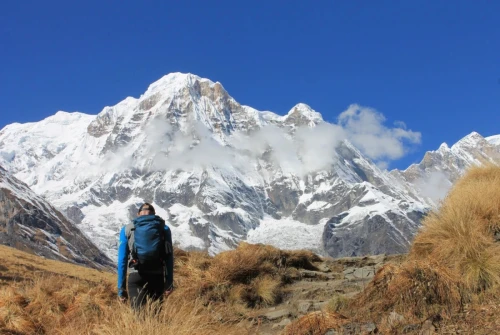
How Difficult Is the Nar Phu Valley Trek?
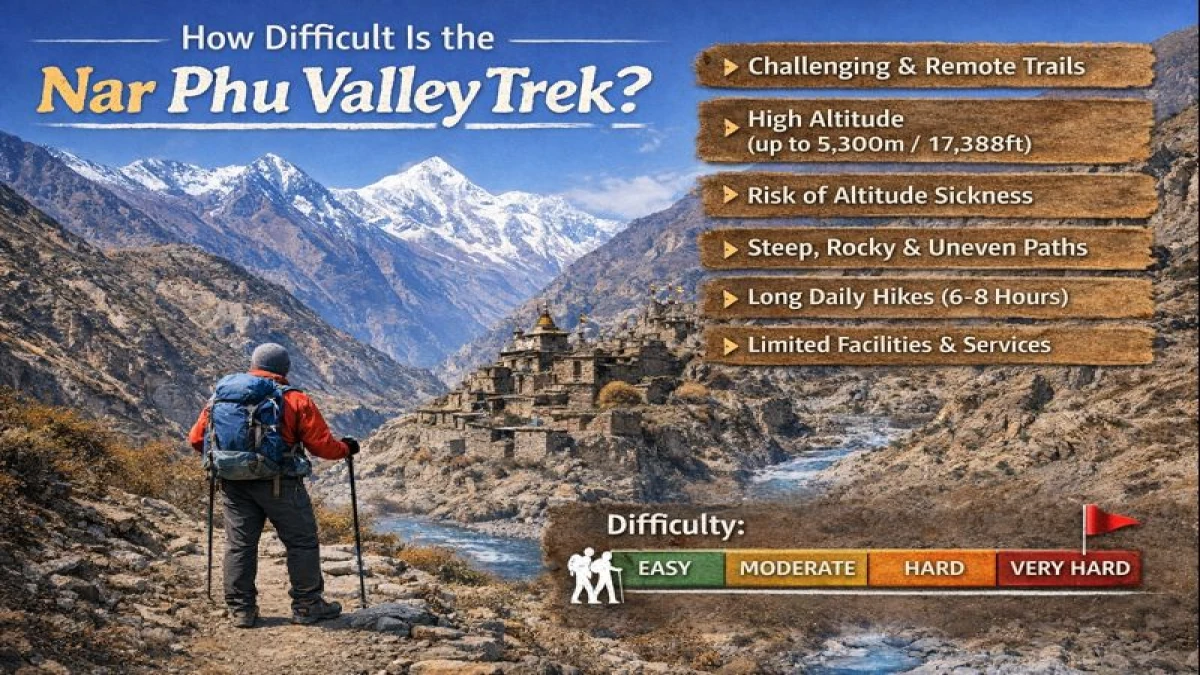
The Nar Phu Valley Trek is one of the most challenging and remote trekking routes in Nepal, located in the Annapurna region. Known for its rugged terrain and high-altitude conditions, it offers trekkers a true adventure. The trek's difficulty comes from its remoteness, technical terrain, and strict regulations. But for those prepared for its challenges, it promises an unforgettable experience.
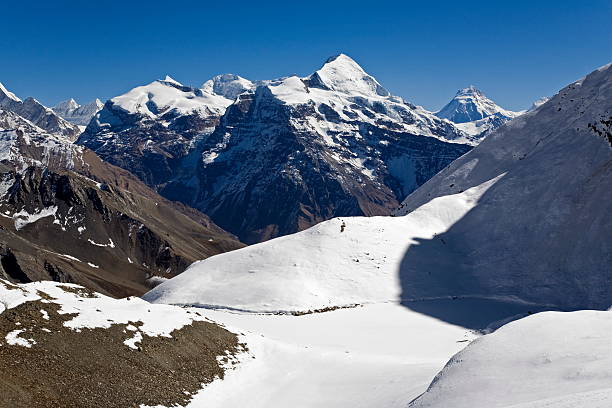
Key Challenges of the Nar Phu Valley Trek
The Nar Phu Valley Trek presents several significant challenges due to its rugged terrain, high altitudes, and remote location. Here's a breakdown of the key difficulties trekkers can expect:
- Restricted Access to the Nar Phu Valley: Access to the Nar Phu Valley is restricted, meaning that trekkers must obtain special permits to enter. These permits, along with the mandatory guide requirement, significantly increase the complexity and cost of the trek. The restricted area status helps protect the region but also limits the ease of access for trekkers, making it a more intricate and expensive trek than other routes in Nepal.
- High-Altitude Terrain and Isolation Above 4,000M in the Annapurna Region: The trek ascends to altitudes above 4,000 meters (13,123 feet), with some sections reaching over 5,000 meters (16,404 feet). As you venture deeper into the Annapurna Conservation Area, the remote nature of the trail makes it even more challenging. The lack of infrastructure and limited support services in these areas means that emergency evacuation could take longer, requiring careful planning and preparation.
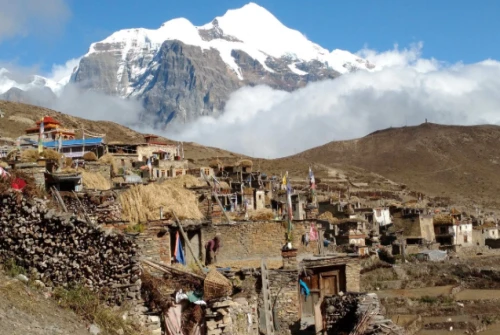
- Length and Physical Strain Through the Nar and Phu Villages: Spanning around 8-10 days, this trek requires a high level of physical endurance. Trekkers will face long, challenging days with steep ascents, rocky paths, and unpredictable terrain. As the trail passes through the isolated Nar and Phu villages, trekkers will encounter limited facilities and must navigate the difficulties of traveling through remote, high-altitude regions.
- Guide Requirement and No Solo Trekking: Solo trekking is prohibited in the Nar Phu Valley due to the remoteness and technical difficulty of the trail. All trekkers must be accompanied by a licensed guide, which adds to the overall cost and logistical requirements of the trek. While the guide helps ensure safety and navigation, it also means trekkers cannot enjoy the same level of independence as on other trails where solo trekking is allowed.
The Nar Phu Valley Trek is a challenging but highly rewarding experience, offering trekkers the chance to explore some of Nepal's most remote and unspoiled regions. High altitudes, physical demands, and restricted access all contribute to its level of difficulty, but for those who are properly prepared, it offers an adventure like no other.
Technical Challenges of the Nar Phu Valley Trek
While the Nar Phu Valley Trek is physically demanding, it also presents a range of technical challenges that will test even the most experienced trekkers. These challenges stem from the rugged terrain, altitude conditions, and unpredictable environmental factors. Here's a breakdown of the key technical difficulties:
1. Navigating the Rugged Terrain from Koto to Kang La Pass: The stretch from Koto to Kang La Pass (5,300 meters) is one of the most demanding sections of the trek. Trekkers will face steep inclines, rocky paths, and narrow ridges, requiring careful footing and attention to detail. As you approach Kang La Pass, the trail becomes more rugged, and you may encounter snow or ice, particularly during the colder months. This section involves some technical climbing, and the combination of altitude and terrain makes it one of the most difficult aspects of the trek.
2. Managing Altitude and Acclimatization in Phu Village: The trek's altitudes increase significantly, leading to a higher risk of altitude sickness. As trekkers reach Phu Village (approximately 4,000 meters), acclimatization becomes a critical factor. Spending an extra day in Phu allows your body to adjust to the lower oxygen levels, which is essential for reducing the risk of acute mountain sickness (AMS) in the higher regions. Skipping this important acclimatization period can lead to serious health issues, especially when you push forward to more elevated areas.
3. Weather Variability in the Upper Nar and Phu Regions: The upper Nar and Phu regions are known for their unpredictable weather. In winter, trekkers can expect heavy snowstorms that may block the path and make navigation more challenging. Strong winds and rain are also common in other seasons, and conditions can change rapidly as you gain altitude. Therefore, it’s essential to pack appropriate gear for extreme weather conditions, including waterproof jackets, thermal layers, and windproof clothing, to stay safe and comfortable.
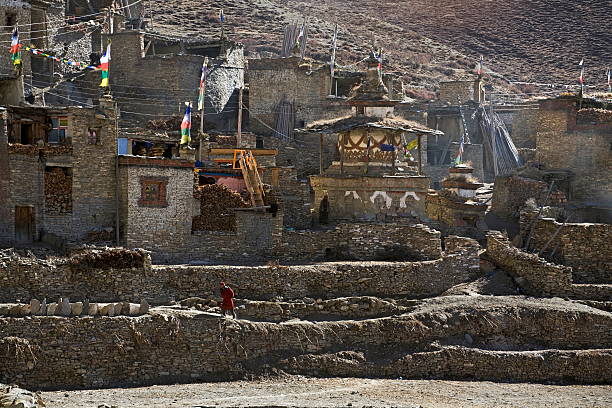
4. Physical Fitness and Stamina Requirements: The physical demands of the Nar Phu Valley Trek are substantial, with long days of trekking over steep ascents and rugged terrain. To succeed, trekkers must possess excellent cardiovascular endurance and muscular strength to handle prolonged physical exertion. Key sections, especially near Kang La Pass, involve some of the steepest climbs, and the added difficulty of high-altitude hiking can quickly drain your energy. Adequate fitness preparation before the trek is crucial to completing the journey successfully.
5. Language Barriers with Local Communities: In Nar Phu, many of the local people speak Tibetan or Nepali, and English is limited in the more remote villages. While your guide can help bridge the communication gap, trekkers may still find it challenging to interact with locals without a guide. Learning a few basic Nepali phrases or hiring a local guide will make the trek much easier, enabling smoother communication for directions, food orders, or emergency assistance.
The Nar Phu Valley Trek challenges trekkers with technical obstacles such as steep terrain, unpredictable weather, and high altitudes. It requires not only physical endurance but also mental toughness and preparation for the various technical challenges that arise during the journey. By adequately preparing for these obstacles, trekkers can safely navigate the trek and experience the beauty of this remote part of Nepal.
Difficulty of the Nar Phu Valley Trek Based on Its Itinerary
The Nar Phu Valley Trek is a challenging, high-altitude trek that demands both physical endurance and mental resilience. The difficulty of the trek is not uniform but varies based on the itinerary and daily conditions. Here’s a breakdown of the trek’s difficulty according to each day of the itinerary:
Day 1-2: Drive from Kathmandu to Koto
- Difficulty: Moderate
- Duration: 9-10 hours by jeep
- Details: The journey from Kathmandu to Koto is long and often bumpy, but it offers a good chance to begin acclimatizing to the altitude. While the drive is relatively easy, it’s important to take it easy during the long hours to adjust to the changing elevation as you make your way into the Annapurna region.
Day 3-4: Trek to Meta & Phu Village
- Difficulty: Moderate to Challenging
- Distance: 13-15 km
- Details: The trail from Koto to Meta and then to Phu Village introduces steep, rocky paths, and trekkers will start to feel the effects of altitude gain. This section is moderately challenging as the trail starts to rise, and altitude sickness may begin to affect some trekkers. The path is rugged, and the remote villages make it feel both thrilling and difficult, requiring steady pace and focus.
Day 5-6: Explore Phu Valley & Trek to Dharmashala (Nar Phedi)
- Difficulty: Challenging
- Details: As you gain elevation, the terrain becomes even more difficult, with steeper climbs and more rugged conditions. The section from Phu Village to Nar Phedi (Dharmashala) requires extra mental and physical endurance. This is an essential acclimatization period in Phu, where trekkers must rest and allow their bodies to adjust before pushing to higher elevations. The climb becomes physically taxing, and staying hydrated is crucial during this phase.
Day 7-8: Trek to Nar Village & Nagwal
- Difficulty: Challenging
- Details: The trek to Nar Village and onward to Nagwal is particularly demanding due to high-altitude sections and rugged terrain. This stretch requires a slow and steady pace to avoid altitude sickness. Nar Village is perched at an altitude of 4,110 meters, and the lack of infrastructure adds to the physical and mental strain. Keep in mind that these days are highly challenging as the altitude continues to climb, and the conditions grow tougher.
Day 9-10: Trek to Pisang & Drive Back to Kathmandu
- Difficulty: Moderate
- Details: The final days of trekking are less strenuous, as you descend from higher altitudes and the terrain becomes more manageable. However, trekkers may still experience fatigue from the previous days of demanding climbs. The descent to Pisang (via Ngawal) is physically easier, but the long drive back to Kathmandu (4-5 hours) may be tiring after 9 days of trekking. The change in altitude and relief from the tougher terrain bring some respite, though the trek’s overall physical demands make these last days challenging in their own way.
Practical Tips To Successfully Complete Your Nar Phu Valley Trek
- Understanding Weather and Choosing the Right Season: The best time to trek the Nar Phu Valley is during the spring (March to May) and autumn (September to November). During these seasons, the weather is relatively stable, and the views are stunning. However, trekkers must be prepared for sudden weather changes, including snow at higher altitudes.
- Terrain and Route Conditions: The trail involves rugged, rocky paths, river crossings, and some steep ascents. The path can be narrow and tricky in certain sections, particularly in the upper regions of the trek.
- Handling Altitude Sickness: The trek reaches altitudes above 5,400 meters (17,716 feet), which puts trekkers at risk of altitude sickness. It’s crucial to take it slow, hydrate, and acclimatize properly. Spending an extra day in Phu Village to adjust to the altitude is highly recommended.
Can Beginners Complete the Nar Phu Valley Trek?
The Nar Phu Valley Trek is challenging, but beginners can complete it with the right preparation. The biggest hurdle for novices is the altitude, with sections above 4,000 meters and the Kang La Pass reaching over 5,200 meters. Acclimatization is key, and spending time in Phu Village will help reduce the risk of altitude sickness.
The trek involves steep ascents and rocky terrain, requiring good physical fitness and endurance. Beginners should prepare by building cardio and strength, as the trek often involves 5-7 hours of hiking per day. Weather in the high-altitude regions can also be unpredictable, with cold nights and occasional snow, which adds to the difficulty.
Despite these challenges, beginners with strong fitness, mental resilience, and a licensed guide can successfully complete the trek. With proper preparation, the Nar Phu Valley Trek offers a rewarding adventure and an unforgettable experience in one of Nepal’s most remote regions.
Factors Affecting Difficulty Rating
- Terrain and Altitude Challenges: The most significant challenge on the Nar Phu Valley Trek is the altitude. As you approach Nar Village and Phu Valley, you’ll be trekking at over 4,000 meters, which can cause altitude sickness if not properly acclimatized. The steep ascents and rocky paths add physical difficulty, with sections requiring careful navigation on narrow, uneven terrain.
- Weather and Seasonal Variations: Weather in the Nar Phu Valley is unpredictable, especially at higher elevations. Snowstorms, heavy rain, and strong winds can occur unexpectedly, significantly impacting trail conditions and visibility. These rapid weather shifts make proper clothing and preparation essential, as temperatures can drop sharply, especially at night.
- Length and Duration: The trek spans 10 days, and depending on your pace, it can become physically demanding. Trekking for 5-7 hours daily, combined with high-altitude challenges, can be exhausting. Limited rest days may also add to fatigue, especially as the trek progresses into the more remote, higher-altitude regions. This makes pacing and acclimatization crucial to maintaining energy and avoiding overexertion.
Trek Preparation for the Nar Phu Valley Trek
The Nar Phu Valley Trek is a physically demanding journey, and thorough preparation is essential to ensure a successful and safe experience. Here’s how to prepare for the challenges you’ll face on the trail:
- Physical Fitness: Given the rugged terrain, steep ascents, and high-altitude conditions, physical fitness is crucial. Regular hiking, cardio, and strength training are the best ways to build endurance. Focus on exercises that target leg strength and cardiovascular health, as trekking for 5-7 hours daily requires both stamina and mental resilience. Prior experience with multi-day treks will also be beneficial, but with the right preparation, even beginners can take on the challenge.
- Trekking Gear: Packing the right gear is key to staying comfortable and safe. Bring high-quality trekking gear, including waterproof jackets, warm layers for cold nights, and sturdy boots for the rocky, uneven paths. A sleeping bag rated for cold temperatures is essential for the chilly nights, especially at higher altitudes. Don’t forget other essentials like trekking poles, a first aid kit, and a headlamp.
- Trek Permits: As the Nar Phu Valley is a restricted area, trekkers need special permits. You will require the Annapurna Conservation Area Permit (ACAP) and the Nar Phu Restricted Area Permit. These permits are generally arranged through your trekking agency, so be sure to plan ahead. The restricted area also means solo trekking is not allowed, and you must have a licensed guide for the duration of the trek.
- Acclimatization Day in Phu: Altitude sickness is a real concern, especially as you reach altitudes over 4,000 meters. Spending an extra day in Phu Village allows for proper acclimatization. This rest day helps your body adjust to the thinning air, reducing the risks associated with higher elevations and preparing you for the more challenging sections of the trek.
Tips for Overcoming Challenges
- Trek Slowly: The Nar Phu Valley is a high-altitude trek, so take your time to acclimatize and avoid altitude sickness.
- Stay Hydrated: Always carry sufficient water and stay hydrated.
- Pack Light, But Smart: Pack only essentials. Overloading your backpack will increase the difficulty of the trek.
- Be Prepared for the Unexpected: Carry extra clothing, snacks, and a first aid kit in case of unforeseen circumstances.
Frequently Asked Questions (FAQs) About the Nar Phu Valley Trek
1. What is the difficulty level of the Nar and Phu Valley Trek?
The Nar Phu Valley Trek is a challenging trek, suitable for experienced trekkers with a moderate to high level of fitness. The route includes high-altitude areas, rugged terrain, and steep ascents, making it more demanding than popular treks like the Annapurna Circuit. Acclimatization and mental toughness are key to completing the trek successfully.
2. Can beginners complete the Nar Phu restricted area trek?
While not recommended for absolute beginners, trekkers with some prior high-altitude trekking experience can attempt the Nar Phu Valley Trek. It is important to be physically fit, as the trek requires endurance to navigate steep climbs, rocky paths, and high-altitude regions. Trekkers should also be prepared for weather fluctuations and altitude sickness.
3. How long does the Nar Phu Valley Trek take?
The trek typically spans around 10 days. The itinerary includes acclimatization days, which help you adjust to the increasing altitudes. The trek begins with a jeep drive from Kathmandu to Koto and then follows a route through Nar Village, Phu Village, and ends at Pisang.
4. What is the best time to trek the Nar Phu Valley?
The best times to trek the Nar Phu Valley are during the spring (March to May) and autumn (September to November) months. During these periods, the weather is relatively stable with clear skies, making it ideal for trekking. However, trekkers must still be prepared for sudden weather changes and colder conditions at higher altitudes.
5. Do I need a guide for the Nar Phu Valley Trek?
Yes, a licensed guide is required for the Nar Phu Valley Trek because it is classified as a restricted area. Solo trekking is not allowed, and you will need to obtain special permits. A guide will not only help navigate the remote areas but also ensure your safety by assisting with acclimatization and handling emergencies.
6. How can I prevent altitude sickness during the Phu-Nar Trekking Circuit trek?
Altitude sickness is a common risk in the Nar Phu Valley due to the high elevations. To reduce the risk:
- Acclimatize properly by spending extra days in areas like Phu Village.
- Stay hydrated and eat regularly.
- Trek slowly to allow your body time to adjust to the altitude.
- Avoid overexertion in higher altitudes and be mindful of symptoms like dizziness, nausea, and headaches.
7. What kind of trekking gear do I need for the Trekking the Nar Phu Region ?
Essential gear for the trek includes:
- Trekking boots (preferably waterproof and well-broken-in)
- Warm layers for colder nights (a down jacket and thermal wear)
- Waterproof clothing (jacket, pants, and cover for trekking gear)
- Sleeping bag rated for cold temperatures
- Trekking poles to assist with steep ascents and descents
- First aid kit, including medications for altitude sickness and any personal prescriptions
8. Are there any specific permits required for the Nar Phu Trekking Route ?
Yes, trekkers must obtain the following permits:
Annapurna Conservation Area Permit (ACAP) and Nar Phu Restricted Area Permit. These permits can only be obtained through a registered trekking agency or in Kathmandu.
9. How physically demanding is the Kang La Pass Trek?
The trek is physically demanding due to the long trekking days, steep inclines, and rugged terrain. It’s important to train beforehand by doing cardio and strength exercises. While the trek isn't technically difficult, the high-altitude nature of the journey requires good fitness and stamina, especially in sections like the Kang La Pass.
10. What kind of weather can I expect during the Nar Phu Expedition ?
Weather in the Nar Phu Valley can be unpredictable, with snow possible during the winter months (December to February). In spring and autumn, expect clearer skies but colder nights. Temperatures can drop below freezing at higher altitudes. Always carry waterproof and warm clothing to handle sudden changes in weather.
11. How remote is the Nar Phu Valley Hiking Tour ?
The Nar Phu Valley is extremely remote. The villages are isolated, and the area is far from any major tourist infrastructure. While this adds to the trek's appeal for those seeking solitude, it also means that services like medical help, food, and water can be scarce in some sections. Trekking with a guide is essential for safety.
12. Can I trek the Hidden Nar Phu solo?
No, solo trekking is not allowed in the Nar Phu Valley due to its restricted status. You must trek with a licensed guide or as part of a group. This ensures your safety in case of emergencies and that you meet the legal requirements for trekking in the region.
Conclusion
The Off-the-Beaten-Path Nar Phu Trek is a challenging yet rewarding experience. While it is not for beginners or those new to high-altitude trekking, it’s a trek that offers unparalleled beauty and a sense of achievement. With proper preparation, fitness, and the right mindset, it is possible to successfully complete the Annapurna Nar Phu Trek. Would you like help expanding any specific section or tips for the trek?
 based on 270 reviews



.webp)