based on 270 reviews

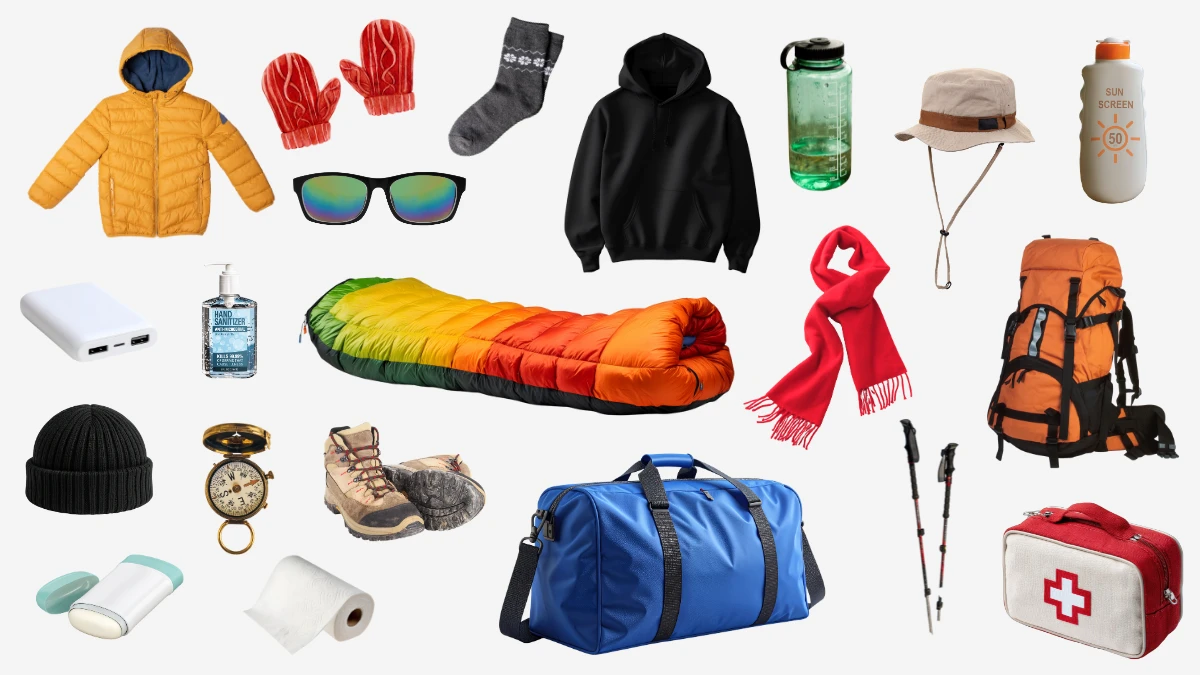
The Annapurna Base Camp trek stands as one of Nepal's most rewarding mountain adventures, drawing trekkers from across the globe to witness the dramatic amphitheater of towering Himalayan peaks. We understand that proper preparation makes the difference between an enjoyable journey and a challenging ordeal. This comprehensive guide provides everything you need to pack for the ABC trek, carefully organized by season to ensure you're optimally equipped regardless of when you embark on this extraordinary adventure.
Understanding the ABC Trek and Its Seasonal Variations
The ABC trek takes adventurers through diverse ecological zones, from subtropical forests and terraced farmlands to high-altitude alpine environments. The journey typically spans 7-12 days, reaching an elevation of 4,130 meters at Annapurna Base Camp. Seasonal weather patterns dramatically influence what you'll need to pack, making it essential to tailor your gear list to your trekking dates.
Essential Gear for All Seasons
Regardless of when you trek, certain items remain non-negotiable. We recommend starting with these fundamental essentials that every trekker should carry:
Backpack and Bag Systems: A comfortable 40-50 liter backpack serves as your primary carrying system. We suggest including a waterproof cover or pack liner to protect contents from rain and snow. Additionally, bring a duffel bag for items porters will carry, keeping your daypack manageable.
Footwear Foundation: Quality trekking boots with ankle support and excellent grip form the cornerstone of comfortable trekking. Break them in thoroughly before departure. Pack three pairs of moisture-wicking socks, including at least one thick pair for high-altitude cold.
Sleeping Essentials: While teahouses provide blankets, we strongly recommend bringing your own sleeping bag rated appropriately for your season. A silk or cotton sleeping bag liner adds warmth and hygiene.
Hydration and Nutrition: Carry at least two water bottles or a hydration system with 2-3 liter capacity. Include water purification tablets or a filtration system. Pack high-energy snacks like nuts, dried fruits, and energy bars to supplement teahouse meals.
Spring Season Packing List (March to May)
Spring brings stable weather, clear skies, and blooming rhododendron forests, making it peak trekking season. Temperature ranges vary significantly, from warm afternoons in lower elevations to freezing nights at base camp.
Clothing Layers for Spring: We recommend a comprehensive layering system beginning with three moisture-wicking base layer tops and two base layer bottoms. Add two comfortable trekking pants and one pair of thermal leggings. Include a fleece jacket, an insulated down jacket for high altitudes, and a waterproof shell jacket. Don't forget a warm hat, sun hat, gloves, and neck gaiter.
Spring-Specific Considerations: The moderate temperatures mean you'll transition between layers frequently throughout each day. UV radiation intensifies at altitude, making quality sunglasses with UV protection and SPF 50+ sunscreen absolutely essential. Spring also brings occasional afternoon showers, so waterproof gear remains important despite generally stable weather.
Summer/Monsoon Season Packing List (June to August)
The monsoon season presents unique challenges with heavy rainfall, obscured mountain views, and increased risk of leeches in lower elevations. However, fewer crowds and lush green landscapes attract adventurous trekkers.
Monsoon-Essential Gear: Waterproofing becomes paramount during these months. We emphasize bringing a high-quality rain jacket and rain pants with sealed seams. Pack extra waterproof stuff sacks for organizing gear inside your backpack. Include a backpack rain cover with secure attachment points. Gaiters protect boots and lower legs from moisture and leeches.
Clothing Adjustments for Monsoon: Light, quick-drying fabrics work best during monsoon trekking. Bring an extra pair of trekking pants and additional socks since you'll likely need to change wet clothing. Leech socks or chemical deterrents become valuable additions to your kit. Despite rainfall, high-altitude sections remain cold, so maintain the same insulation layers recommended for spring.
Autumn Season Packing List (September to November)
Autumn rivals spring as the premier trekking season, offering crystal-clear mountain vistas, stable weather, and comfortable temperatures. Post-monsoon clarity creates ideal conditions for photography and mountain viewing.
Optimal Autumn Layering: September remains relatively warm, gradually cooling through October and November. We suggest the same base layer system as spring, but emphasize bringing a warmer down jacket for late October and November treks. The temperature at base camp can drop significantly below freezing during these months. Pack liner gloves to wear under heavier gloves for extreme cold.
Autumn Advantages: The dry, stable weather means you can carry lighter rain protection, though we never recommend eliminating it. Air quality and visibility reach their peak, making this the best season for mountain photography. Bring extra camera batteries, as cold temperatures drain them quickly.
Winter Season Packing List (December to February)
Winter trekking to ABC requires serious preparation and appropriate gear. Extreme cold, snow-covered trails, and limited teahouse operations present significant challenges suited only for experienced trekkers.
Winter-Specific Insulation: Cold weather demands substantial upgrades to your insulation system. We recommend a four-season sleeping bag rated to at least -15°C. Bring heavy expedition-weight base layers, insulated trekking pants or down pants, a heavyweight fleece, and a thick down jacket rated for extreme cold. Pack insulated gloves with waterproof shells, a balaclava or face mask, and chemical hand and toe warmers.
Additional Winter Considerations: Microspikes or crampons become necessary for icy trail sections. Bring trekking poles with snow baskets for stability on snow-covered paths. Shorter daylight hours mean carrying a quality headlamp with extra batteries becomes more critical. Pack high-calorie foods, as your body burns significantly more energy maintaining core temperature.
Technical Gear and Accessories for All Seasons
Beyond clothing and seasonal items, several technical pieces enhance safety and comfort throughout your trek.
Navigation and Communication: While trails are generally well-marked, we recommend carrying offline maps on your smartphone or GPS device. Bring a portable power bank with sufficient capacity to recharge devices multiple times. Consider a satellite communication device for emergency situations, particularly during off-season treks.
First Aid and Medications: Assemble a comprehensive first aid kit including blister treatment, pain relievers, altitude sickness medication (Diamox), antibiotics, anti-diarrheal medication, and any personal prescriptions. Include a basic medical supply kit with bandages, antiseptics, and medical tape.
Documentation and Money: Carry your passport, travel insurance documents, trekking permits (TIMS and Annapurna Conservation Area Permit), and sufficient Nepali rupees in small denominations. Teahouses rarely accept cards, making cash essential.
Photography and Electronics: Protect cameras and electronics with waterproof cases or dry bags. Bring multiple memory cards and extra batteries. A lightweight tripod enables better low-light photography. Dust and moisture-proof storage prevents equipment damage.
Personal Care and Hygiene Items
Maintaining personal hygiene enhances comfort and prevents illness during your multi-day trek. We suggest bringing biodegradable soap, toothpaste, and toilet paper. Pack hand sanitizer, wet wipes, and a quick-dry towel. Women should bring sufficient feminine hygiene products as supplies in mountain villages may be limited.
Sun and Lip Protection: High-altitude UV exposure damages skin quickly. Apply and reapply SPF 50+ sunscreen throughout the day. Bring quality lip balm with SPF to prevent painful chapped lips in the dry mountain air.
Weight Management and Packing Strategy
Efficient packing directly impacts your trekking enjoyment. We recommend keeping your daypack weight under 8-10 kilograms. Utilize compression bags to minimize bulk and organize gear by category using stuff sacks. Distribute weight evenly with heavier items positioned close to your back and centered vertically.
Test your complete packing system before departure. Walk with your loaded backpack to identify uncomfortable pressure points or balance issues requiring adjustment. Remember that porters typically carry up to 15 kilograms, so strategic distribution between your daypack and porter bag optimizes both convenience and porter welfare.
Complete ABC Trek Packing List by Season
ESSENTIAL ITEMS FOR ALL SEASONS
Backpacks and Bags
- 40-50 liter trekking backpack with hip belt and chest strap
- Waterproof rain cover for backpack
- Duffel bag (60-80 liters) for porter-carried items
- Lightweight daypack (20 liters) for side trips
- Dry bags or waterproof stuff sacks (various sizes)
- Packing cubes for organization
Footwear
- Broken-in waterproof trekking boots with ankle support
- Camp shoes/sandals for teahouse evenings
- 4-5 pairs of moisture-wicking hiking socks
- 2 pairs of thick wool or thermal socks
- Gaiters (for snow, rain, and leech protection)
Head and Hand Protection
- Wide-brimmed sun hat or cap
- Warm beanie/winter hat
- Buff or neck gaiter
- Lightweight gloves (liner gloves)
- Warm insulated gloves or mittens
- Sunglasses with UV protection (Category 3 or 4)
- Spare sunglasses
Sleeping Gear
- Sleeping bag (rating depends on season - see seasonal lists)
- Sleeping bag liner (silk or cotton)
- Inflatable pillow (optional but recommended)
- Earplugs and eye mask
Hydration and Nutrition
- 2 x 1-liter water bottles (Nalgene or similar)
- Hydration bladder (2-3 liters) optional
- Water purification tablets or filter system
- Insulated bottle cover (for winter)
- Energy bars and snacks (nuts, dried fruits, chocolate)
- Electrolyte powder packets
Documents and Money
- Passport with Nepal visa
- Travel insurance documents (must cover high-altitude trekking)
- Trekking permits (TIMS card, ACAP permit)
- Extra passport photos (2-4)
- Photocopies of important documents
- Sufficient Nepali rupees in small denominations
- Credit/debit cards (backup)
- Emergency contact information
Electronics
- Smartphone with offline maps downloaded
- Portable power bank (20,000+ mAh)
- Charging cables and adapters
- Universal plug adapter (Nepal uses Type C, D, and M)
- Headlamp with extra batteries
- Camera with extra batteries and memory cards
- Waterproof phone case or dry bag
First Aid and Medications
- Personal prescription medications (full supply)
- Altitude sickness medication (Diamox/Acetazolamide)
- Pain relievers (ibuprofen, paracetamol)
- Anti-diarrheal medication (Imodium)
- Antibiotics (consult doctor)
- Antihistamines for allergies
- Throat lozenges
- Blister treatment (Compeed, moleskin)
- Bandages and gauze
- Medical tape
- Antiseptic cream/wipes
- Rehydration salts (ORS)
- Antacid tablets
- Motion sickness tablets
- Tweezers and scissors
- Digital thermometer
Toiletries and Personal Care
- Biodegradable soap
- Toothbrush and toothpaste
- Toilet paper (at least 2 rolls)
- Hand sanitizer (multiple bottles)
- Wet wipes/baby wipes
- Quick-dry towel (microfiber)
- Sunscreen SPF 50+ (at least 2 tubes)
- Lip balm with SPF (multiple)
- Moisturizer for dry skin
- Deodorant (optional)
- Nail clippers
- Razor (if needed)
- Feminine hygiene products (adequate supply)
- Menstrual cup (reusable option)
- Hairbrush/comb
- Hair ties
Miscellaneous Essentials
- Trekking poles (highly recommended)
- Whistle (for emergencies)
- Multi-tool or Swiss Army knife
- Duct tape (small roll)
- Zip ties and safety pins
- Lightweight padlock for bags
- Trash bags (pack out what you pack in)
- Notebook and pen
- Book or e-reader (for teahouse evenings)
- Playing cards or games
- Sewing kit (basic repairs)
SPRING SEASON (MARCH TO MAY) SPECIFIC LIST
Temperature Range: Lower elevations 15-25°C, Base Camp -5 to 5°C
Clothing - Base Layers
- 3 x moisture-wicking short-sleeve t-shirts
- 2 x long-sleeve base layer tops (merino wool or synthetic)
- 2 x base layer bottoms (thermal leggings)
- 3-4 pairs of hiking underwear (quick-dry)
- 2 sports bras (for women)
Clothing - Mid Layers
- 2 x comfortable trekking pants (zip-off/convertible recommended)
- 1 x trekking shorts
- 1 x thermal leggings/pants
- 1 x lightweight fleece jacket
- 1 x mid-weight fleece or softshell jacket
Clothing - Outer Layers
- 1 x insulated down jacket or synthetic puffy jacket
- 1 x waterproof and windproof shell jacket (Gore-Tex or similar)
- 1 x waterproof pants (rain pants)
Spring-Specific Items
- Extra sunscreen (UV radiation very high)
- Allergy medication (rhododendrons bloom)
- Lighter sleeping bag (0 to -5°C rating sufficient)
- Mosquito repellent (lower elevations)
SUMMER/MONSOON SEASON (JUNE TO AUGUST) SPECIFIC LIST
Temperature Range: Lower elevations 20-30°C, Base Camp 0-10°C (but very wet)
Clothing - Focus on Quick-Dry
- 4 x quick-dry t-shirts (you'll need extras)
- 3 x long-sleeve base layers
- 3 x base layer bottoms
- 5-6 pairs of quick-dry underwear
- Extra socks (6-7 pairs minimum)
Clothing - Mid and Outer Layers
- 3 x trekking pants (quick-dry essential)
- 1 x shorts
- 1 x thermal pants for high altitude
- 1 x fleece jacket
- 1 x down jacket (for base camp)
- 1 x HIGH-QUALITY waterproof jacket (sealed seams essential)
- 1 x waterproof pants with full-length zippers
Monsoon-Essential Items
- Heavy-duty backpack rain cover
- Multiple waterproof stuff sacks
- Waterproof phone pouch
- Gaiters (leech and water protection)
- Leech socks or salt for leech removal
- Extra plastic bags for wet/dry separation
- Lightweight umbrella (small and packable)
- Sleeping bag (0°C rating) in waterproof compression sack
- Sandals that can get wet
- Extra waterproof bags for electronics
Anti-Leech Kit
- Salt in shaker bottle
- Insect repellent with DEET
- Long socks that cover calves
- Tobacco or lemon juice (traditional deterrents)
AUTUMN SEASON (SEPTEMBER TO NOVEMBER) SPECIFIC LIST
Temperature Range: Early autumn 10-20°C lower, -5 to 5°C at altitude; Late autumn 5-15°C lower, -10 to 0°C at altitude
Clothing - Base Layers
- 3 x moisture-wicking base layer tops
- 2 x thermal long-sleeve tops (heavier for late autumn)
- 2 x thermal leggings
- 4 pairs of hiking underwear
Clothing - Mid Layers
- 2 x trekking pants
- 1 x insulated trekking pants (November)
- 1 x lightweight fleece
- 1 x heavyweight fleece or wool sweater
Clothing - Outer Layers
- 1 x down jacket (warmer rating for late October/November: -10°C)
- 1 x waterproof shell jacket
- 1 x waterproof pants
- Down vest (optional extra layer)
Autumn-Specific Items
- Sleeping bag (-5 to -10°C rating for late autumn)
- Liner gloves for photography/phone use
- Balaclava or face mask (November)
- Extra batteries (cold drains them quickly)
- Warmer hat for late season
- Chemical hand warmers (November)
WINTER SEASON (DECEMBER TO FEBRUARY) SPECIFIC LIST
Temperature Range: Lower elevations 5-15°C, Base Camp -15 to -5°C (extreme cold)
Clothing - Heavy-Duty Base Layers
- 3 x expedition-weight thermal tops
- 3 x expedition-weight thermal bottoms
- 5 pairs of thermal underwear
- 2 x heavyweight sports bras (women)
Clothing - Insulated Mid Layers
- 2 x insulated trekking pants
- 1 x down pants or insulated pants
- 1 x heavyweight fleece jacket
- 1 x wool sweater
- Thermal tights (extra layer)
Clothing - Extreme Cold Outer Layers
- 1 x expedition-grade down jacket (-20°C rating minimum)
- 1 x waterproof insulated jacket (shell + down combo ideal)
- 1 x waterproof insulated pants
- Down vest (additional layering option)
Winter-Essential Accessories
- Balaclava or full-face mask
- 2 pairs of heavy insulated gloves
- Liner gloves (wear underneath)
- Glove shells or mittens (over-gloves)
- Thick wool hat
- Neck warmer/buff (at least 2)
- Ski goggles (for snow and wind protection)
Winter-Specific Technical Gear
- Four-season sleeping bag (-15 to -20°C rating)
- Sleeping bag liner (adds 5-10°C warmth)
- Insulated sleeping pad (R-value 5+)
- Microspikes or crampons
- Trekking poles with snow baskets
- Insulated water bottle covers
- Thermos flask for hot drinks
- Chemical hand and toe warmers (multiple packs)
- Avalanche awareness (if trekking in heavy snow)
Additional Winter Items
- Extra headlamp batteries (cold drains them very quickly)
- Larger power bank (40,000 mAh recommended)
- Insulated camera case
- High-calorie snacks (nuts, chocolate, energy bars)
- Lip protection (extreme dryness)
- Moisture barrier cream for face
- Extra pairs of wool socks (7-8 pairs)
OPTIONAL BUT RECOMMENDED ITEMS
- Satellite communication device (Garmin inReach, SPOT)
- Lightweight tripod for photography
- Binoculars for wildlife and mountain viewing
- Book on Himalayan flora/fauna
- Travel journal
- Portable solar charger (monsoon less effective)
- Compression bags for efficient packing
- Stuff sacks in different colors (organization)
- Carabiners for hanging items
- Inflatable seat pad
- Trekking umbrella (sun and rain protection)
- Spare glasses/contact lenses (if applicable)
- Reading glasses (if needed)
- Entertainment (downloaded podcasts, music, movies)
ITEMS TO BUY/RENT IN NEPAL
Available in Kathmandu/Pokhara
- Sleeping bags (rental or purchase)
- Down jackets (rental or purchase - North Face copies)
- Trekking poles (rental or purchase)
- Backpacks (rental or purchase)
- Crampons and microspikes (rental)
- Water bottles (purchase)
- Headlamps (purchase)
- Trekking pants (purchase)
- Wool items (purchase - good quality)
Benefits of Buying Locally
- Lower cost than Western countries
- Last-minute forgotten items easily replaced
- Support local economy
- Rental options for expensive gear you'll use once
- Authentic yak wool products
ITEMS TO LEAVE AT HOME
- Cotton clothing (takes forever to dry)
- Heavy jeans
- Excessive toiletries (basics only)
- Hair dryer (no power at altitude)
- Pillow (inflatable ones are sufficient)
- Excessive clothing changes (laundry available)
- Valuables and jewelry
- Large books (use e-reader)
- Laptop (phone sufficient)
- Perfumes/colognes
WEIGHT DISTRIBUTION GUIDE
In Your Daypack (8-10 kg maximum)
- Water and snacks
- Rain gear
- Warm layers you might need
- First aid kit
- Camera and electronics
- Important documents
- Sunscreen and lip balm
- Toilet paper and wet wipes
- Headlamp
- Map and compass/GPS
In Porter Duffel Bag (15 kg maximum)
- Sleeping bag
- Extra clothing
- Extra shoes
- Toiletries (bulk items)
- Books and entertainment
- Extra snacks
- Non-essential electronics
- Spare batteries and chargers
Final Preparations and Pro Tips
Break in all footwear thoroughly before your trek to prevent painful blisters. Create a detailed packing checklist organized by category to avoid forgetting essential items. Purchase or rent specialized gear in Kathmandu or Pokhara if you lack certain items, where quality equipment is available at reasonable prices.
Consider the environmental impact of your trek by choosing reusable items over disposables, properly disposing of all waste, and respecting local communities and ecosystems. The Annapurna region's pristine beauty depends on responsible trekking practices from every visitor.