based on 270 reviews

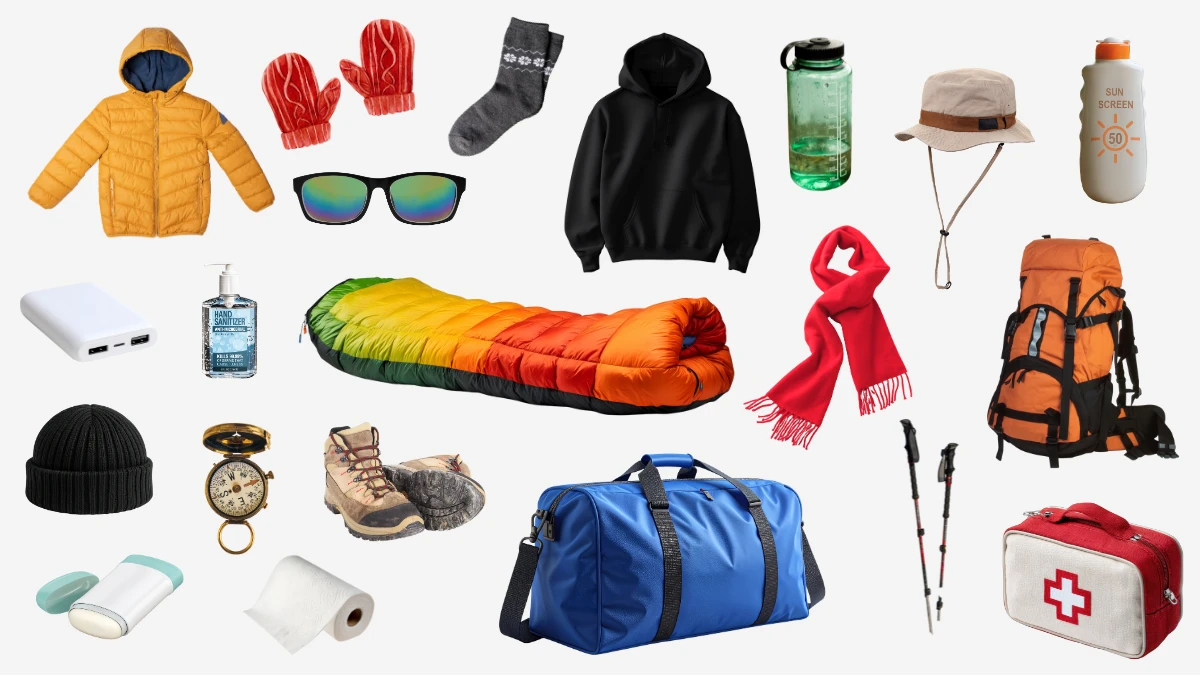
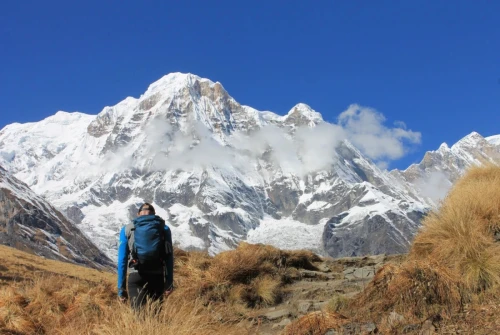
The Manaslu Circuit Trek stands as one of Nepal's most spectacular high-altitude adventures, circumnavigating the world's eighth-highest mountain at 8,163 meters. We understand that proper preparation distinguishes an extraordinary journey from a challenging ordeal, and meticulous packing forms the foundation of successful high-altitude trekking. This comprehensive guide provides detailed, season-specific packing recommendations that account for the dramatic climate variations you'll encounter throughout the year on this remarkable 14-18-day trek.
From the subtropical lower valleys, starting at approximately 700 meters, to the formidable Larkya La Pass at 5,160 meters, each elevation zone presents unique challenges that require specific equipment and clothing. We've developed this guide through extensive experience and feedback from countless trekkers who have completed this circuit, ensuring you're equipped with practical, tested advice rather than theoretical recommendations. Whether you're planning to trek during the crystal-clear autumn months, the blooming spring season, the challenging monsoon period, or the extreme winter conditions, this guide ensures you carry exactly what you need without the burden of unnecessary weight. Your safety, comfort, and enjoyment depend on bringing the right gear for the right season, and we're committed to helping you make informed packing decisions that will enhance every moment of your Manaslu Circuit adventure.
Essential Clothing for Spring Season (March to May)
Spring presents ideal trekking conditions with moderate temperatures and clear skies. We recommend a layering system that adapts to temperature fluctuations between lower valleys and high passes. Your base layer should include moisture-wicking thermal underwear, both tops and bottoms, in merino wool or synthetic materials. Pack at least three sets to maintain hygiene during the trek.
Mid-layer insulation requires careful consideration. We suggest bringing two fleece jackets of varying thickness, a lightweight option for valleys and a heavyweight version for higher altitudes. A down jacket rated for temperatures down to -15°C becomes essential as you approach Larkya La Pass at 5,160 meters.
Your outer shell must provide complete weather protection. Pack a waterproof and windproof jacket with taped seams, along with matching waterproof pants. Spring weather can be unpredictable, with occasional afternoon showers becoming more frequent as you gain elevation. For lower body wear, we recommend three pairs of convertible trekking pants that transform into shorts when temperatures rise in lower elevations. Add one pair of insulated pants specifically for high-altitude sections and rest periods at teahouses where heating may be minimal.
Monsoon Season Packing Requirements (June to August)
Trekking during the monsoon season demands exceptional rain protection equipment. While we generally advise against this period due to leeches, landslides, and obscured mountain views, those who proceed need comprehensive waterproofing strategies. Your rain gear must exceed standard requirements. Pack a high-quality rain jacket with pit zips for ventilation, waterproof pants with full-length zippers, a rain cover for your backpack, and waterproof stuff sacks for all clothing and electronics. We cannot overemphasise the importance of keeping dry clothing available.
Quick-drying fabrics become paramount during the monsoon. Avoid cotton entirely, opting instead for synthetic or merino wool materials that retain insulating properties even when damp. Pack extra base layers since drying time extends significantly during this season. Footwear considerations shift dramatically. Bring waterproof trekking boots with excellent ankle support and Gore-Tex lining. Pack three pairs of moisture-wicking socks and consider gaiters to prevent water from entering your boots during stream crossings and muddy trail sections.
Autumn Season Essentials (September to November)
Autumn represents the premier trekking season with stable weather, crystal-clear mountain panoramas, and moderate temperatures. Your packing strategy should balance warmth with weight efficiency. The temperature range during autumn varies considerably between day and night. We recommend starting with four base layer sets, two lightweight for daytime trekking and two heavyweight for evenings and high-altitude sections. This combination provides flexibility without excessive weight.
Your insulation layer should include two mid-weight fleece jackets and one premium down jacket with an 800-fill power rating or higher. As you ascend toward Larkya La Pass, temperatures can plummet to -20°C, especially during early morning crossings when most trekkers begin their ascent.
Pack trekking shirts in both long and short sleeves, preferably with UV protection rated at UPF 50+. The sun's intensity at high altitude demands serious skin protection. Include two pairs of trekking pants, one lightweight and one medium-weight, along with thermal leggings for layering. Don't overlook accessories. We consider essential autumn accessories to include a warm beanie, a sun hat with neck protection, lightweight gloves for daytime, heavyweight insulated gloves for high passes, and a buff or neck gaiter that serves multiple purposes.
Winter Season Preparation (December to February)
Winter trekking on the Manaslu Circuit requires extreme cold-weather preparation. Temperatures regularly drop below -25°C at high elevations, with intense winds creating dangerous windchill factors. Your core insulation system must include thermal base layers rated for extreme cold, a heavy fleece or wool mid-layer, a synthetic insulated jacket for active wear, and an expedition-grade down jacket rated to -30°C with a hood. Consider bringing down pants for the highest sections.
Hand and foot warmth becomes critical for safety and comfort. Pack heavyweight mountaineering gloves with removable liners, chemical hand warmers, insulated waterproof boots rated to -40°C, vapour barrier liners to prevent moisture buildup, and four pairs of heavyweight wool or synthetic socks. Your face protection must shield against brutal winds and intense solar radiation. Bring a balaclava or face mask, ski goggles for whiteout conditions, high-quality glacier sunglasses with side shields, and multiple buffs for layering protection.
Universal Footwear and Accessories
Regardless of season, certain items remain non-negotiable essentials. Your primary footwear should be sturdy trekking boots, properly broken in before departure, with excellent ankle support and suitable for crampon attachment in winter. Pack camp shoes or sandals for teahouse evenings, giving your feet essential recovery time. Include trekking poles with snow baskets, adjustable for varying terrain, which reduce knee strain by up to 25% during descents.
Technical Equipment and Navigation Tools
We recommend carrying comprehensive navigation equipment, including detailed trail maps, a compass, a GPS device or smartphone with offline maps, and a portable power bank with a minimum 20,000mAh capacity. Solar chargers prove valuable but shouldn't be your primary power source. Your illumination system should include a headlamp witha minimum 300-lumen output, spare batteries, and a backup headlamp. High-altitude teahouses may have limited lighting, and early morning starts require reliable light sources.
Health and Safety Essentials
A comprehensive first aid kit must include altitude sickness medication (Diamox), pain relievers, antibiotics prescribed by your physician, anti-diarrheal medication, blister treatment supplies, elastic bandages, and any personal prescription medications with extras. Water purification requires multiple methods, purification tablets, a filter system rated for bacteria and protozoa, and UV sterilisation devices. We recommend carrying three water bottles, including one insulated to prevent freezing in winter.
Pack sun protection items, including high-SPF sunscreen, lip balm with UV protection, and zinc oxide for face protection. The combination of high altitude and snow reflection creates extreme burning conditions.
Camping and Sleeping Equipment
While most trekkers use teahouses, your sleeping system significantly impacts rest quality. Bring a four-season sleeping bag rated to at least -20°C, a sleeping bag liner for added warmth and hygiene, and an inflatable sleeping pad with R-value above 5 for winter treks.
Personal Hygiene and Comfort Items
Maintain hygiene standards with biodegradable soap, quick-dry towel, toilet paper, and trowel for emergencies, wet wipes, hand sanitiser, and feminine hygiene products if applicable. These items weigh little but dramatically improve your trekking experience.
Documentation and Financial Essentials
Secure your critical documents, including your passport with Nepal visa, multiple passport photos for permits, comprehensive travel insurance documentation covering evacuation above 5,000 meters, permits for the Manaslu Conservation Area and restricted area, and emergency contact information. Carry sufficient cash in Nepali rupees, as ATMs become unavailable after Arughat. We suggest budgeting $30-40 daily for teahouse accommodation, meals, and incidentals.
Electronics and Entertainment
Bring essential electronics, including a camera with extra batteries and memory cards, a smartphone with downloaded offline maps and translation apps, a portable charger, a universal adapter, and reading material or downloaded entertainment for rest days.
Final Packing Strategy
We recommend a systematic packing approach using compression sacks to maximise space, waterproof stuff sacks for organisation, and keeping frequently needed items accessible in outer pockets. Test your fully packed backpack before departure—it should weigh no more than 15% of your body weight.
Remember that porters or pack animals can carry main luggage, allowing you to trek with a daypack containing water, snacks, extra layers, first aid, and valuables. This strategy reduces fatigue and injury risk on demanding trail sections. Your preparation determines your experience on the Manaslu Circuit Trek. By packing appropriately for your chosen season and anticipated conditions, you position yourself for a safe, comfortable, and truly unforgettable Himalayan adventure.
Detailed Packing List
CLOTHING SYSTEM
Base Layers
- Thermal underwear tops (3-4 sets)
- Spring/Autumn: 2 lightweight + 2 midweight
- Winter: 4 heavyweight merino wool or synthetic
- Monsoon: 4 quick-dry synthetic sets
- Thermal underwear bottoms (3-4 pairs)
- Same seasonal variations as tops
- Sports bras (3-4 for women)
- Moisture-wicking, supportive design
- Underwear (5-7 pairs)
- Quick-dry synthetic or merino wool
Mid Layers
- Lightweight fleece jacket (1)
- 200-weight fleece for valley trekking
- Heavyweight fleece jacket (1)
- 300-weight fleece for high altitude
- Insulated synthetic jacket (1)
- For active wear in cold conditions
- Down jacket (1)
- Spring/Autumn: -15°C rating, 700-fill
- Winter: -30°C rating, 800-fill or higher
- Include hood for added warmth
- Down pants (1 - Winter only)
- Essential for extreme cold at high passes
Outer Shell Layers
- Waterproof jacket (1)
- Gore-Tex or similar membrane
- Taped seams, adjustable hood
- Pit zips for ventilation
- Bright color for visibility
- Waterproof pants (1)
- Full-length side zippers for easy on/off
- Reinforced knees and seat
- Windproof soft-shell jacket (1 - optional)
- Breathable alternative for dry, windy days
Trekking Pants and Shorts
- Convertible trekking pants (2-3 pairs)
- Zip-off legs for temperature flexibility
- Quick-dry synthetic fabric
- Multiple pockets with secure closures
- Trekking shorts (1-2 pairs - Spring/Summer)
- Above-knee length recommended
- Insulated pants (1 pair)
- For high-altitude sections and evening wear
- Thermal leggings (1-2 pairs)
- For layering under trekking pants
- Waterproof rain pants (1 pair - Monsoon essential)
- In addition to shell pants
Shirts and Tops
- Long-sleeve trekking shirts (3-4)
- UPF 50+ sun protection
- Moisture-wicking fabric
- Button or zip ventilation
- Short-sleeve trekking shirts (2-3 - Spring/Autumn)
- Same technical specifications
- Long-sleeve thermal shirts (2 - Winter)
- Additional warmth layer
Accessories - Head, Hands, and Neck
- Warm beanie/winter hat (1-2)
- Covers ears completely
- Merino wool or synthetic
- Sun hat (1)
- Wide brim with neck flap
- Adjustable chin strap for windy conditions
- Balaclava or face mask (1-2)
- Essential for winter
- Recommended for autumn pass crossing
- Buff or neck gaiter (2-3)
- Multi-purpose: sun protection, warmth, face covering
- Lightweight liner gloves (1 pair)
- For photography and phone use
- Midweight trekking gloves (1 pair)
- Spring/Autumn: fleece or softshell
- Heavyweight insulated gloves (1 pair)
- Waterproof outer shell
- Winter: rated to -30°C
- Mittens (1 pair - Winter)
- Warmer than gloves for extreme conditions
- Glove liners (2 pairs)
- Silk or synthetic for added warmth
FOOTWEAR
Primary Trekking Boots
- Waterproof trekking boots (1 pair)
- Ankle support (mid to high cut)
- Gore-Tex or similar waterproof membrane
- Vibram or equivalent sole
- Spring/Autumn: 3-season boots
- Winter: 4-season mountaineering boots rated to -40°C
- Must be broken in before trek
- Consider boots with crampon compatibility for winter
Camp Footwear
- Lightweight camp shoes (1 pair)
- Down booties for winter
- Sandals with ankle straps for other seasons
- Crocs or similar for monsoon
- Running shoes or trail shoes (1 pair - optional)
- For lower elevation sections
Socks
- Trekking socks (5-6 pairs)
- Merino wool or synthetic blend
- Spring/Autumn: midweight
- Winter: heavyweight expedition socks
- Seamless construction to prevent blisters
- Sock liners (3-4 pairs)
- Thin synthetic or silk
- Reduces friction and moisture
- Vapor barrier liners (1 pair - Winter)
- Prevents moisture buildup in extreme cold
Foot Care
- Gaiters (1 pair)
- Essential for monsoon and winter
- Keeps debris, snow, and water out of boots
- Crampons (1 pair - Winter)
- Microspikes or full crampons depending on conditions
- Check compatibility with your boots
BACKPACK AND BAGS
Primary Backpack
Daypack (25-35 liters)
- Comfortable padded shoulder straps
- Hip belt for weight distribution
- Chest strap for stability
- Rain cover included or separate
- Multiple compartments for organization
- Hydration bladder compatible
Main Luggage
- Duffel bag (60-80 liters)
- For porter or pack animal to carry
- Lockable zippers
- Durable, weather-resistant material
- Compression straps
Organization Bags
- Compression stuff sacks (3-5)
- Different sizes for clothing organization
- Color-coded for easy identification
- Waterproof dry bags (3-5)
- Critical for protecting electronics, documents
- Various sizes (5L, 10L, 20L)
- Ziplock bags (multiple sizes)
- Additional waterproofing layer
- Organize small items
SLEEPING SYSTEM
Sleeping Bag
- 4-season sleeping bag (1)
- Spring/Autumn: -15°C to -20°C comfort rating
- Winter: -25°C to -30°C comfort rating
- Down fill recommended for weight-to-warmth ratio
- Mummy style for maximum warmth
- Water-resistant shell
Sleeping Accessories
- Sleeping bag liner (1)
- Silk or synthetic
- Adds 5-10°C warmth
- Keeps bag clean
- Can be used alone in lower elevations
- Inflatable sleeping pad (1)
- R-value 4.0+ for spring/autumn
- R-value 5.0+ for winter
- Lightweight and packable
- Include repair kit
- Inflatable pillow (1)
- Compact camping pillow
- Alternative: stuff sack with clothes
TREKKING EQUIPMENT
Trekking Poles
Adjustable trekking poles (2)
- Telescoping or folding design
- Anti-shock system
- Comfortable grips with wrist straps
- Interchangeable tips (rubber and carbide)
- Snow baskets for winter/high altitude
- Mud baskets for monsoon
Navigation Tools
- Detailed trekking map (1)
- Waterproof or laminated
- 1:50,000 or 1:100,000 scale
- Compass (1)
- Baseplate style with mirror
- GPS device or smartphone (1)
- Pre-loaded with offline maps
- Maps.me or similar app downloaded
- Extra protective case
- Altimeter watch (1 - optional)
- Tracks elevation gain/loss
- Helps monitor acclimatization
Illumination
- Headlamp (1)
- Minimum 300 lumens
- Red light mode for night vision preservation
- Multiple brightness settings
- Waterproof rating
- Backup headlamp (1)
- Smaller, lightweight option
- Extra batteries (lithium recommended)
- Sufficient for entire trek
- Keep warm in winter to maintain power
HYDRATION AND WATER TREATMENT
Water Bottles and Bladders
- Insulated water bottles (2)
- 1-liter Nalgene or similar
- Wide mouth for easy filling
- Prevents freezing in winter
- Hydration bladder (1 - 2-3 liters)
- For daypack use
- Insulated tube for winter
- Thermos flask (1 - Winter)
- 500ml-1 liter for hot beverages
Water Purification
- Water purification tablets (100+)
- Iodine or chlorine dioxide
- Backup to filter system
- Water filter (1)
- Pump, squeeze, or gravity system
- 0.1 micron filter minimum
- Rated for bacteria and protozoa
- Include replacement cartridges
- UV sterilizer (1 - optional)
- SteriPEN or similar
- Battery or rechargeable
- Collapsible water container (1)
- 5-10 liters for camp use
FIRST AID AND MEDICAL SUPPLIES
Medications
- Altitude sickness prevention
- Diamox (Acetazolamide) - prescribed by doctor
- Dexamethasone for emergencies
- Pain relievers
- Ibuprofen (anti-inflammatory)
- Paracetamol/Acetaminophen
- Aspirin
- Antibiotics (prescription required)
- Broad-spectrum for gastrointestinal and respiratory infections
- Azithromycin or Ciprofloxacin
- Gastrointestinal medications
- Anti-diarrheal (Imodium)
- Oral rehydration salts (ORS packets)
- Antacids (Tums or similar)
- Anti-nausea medication
- Respiratory medications
- Throat lozenges
- Cough suppressant
- Decongestant
- Personal prescriptions
- Sufficient supply plus 50% extra
- Carry in original packaging with prescriptions
First Aid Supplies
- Blister treatment
- Moleskin or blister plasters
- Compeed or similar hydrocolloid bandages
- Leukotape for prevention
- Bandages and dressings
- Adhesive bandages (various sizes)
- Sterile gauze pads
- Medical tape
- Elastic bandage wrap
- Butterfly closures
- Wound care
- Antiseptic wipes
- Antibiotic ointment
- Hydrocortisone cream
- Anti-fungal cream
- Tools and accessories
- Scissors (small, pointed)
- Tweezers (for splinters)
- Safety pins
- Disposable gloves
- Thermometer
- Digital preferred for altitude
- Emergency supplies
- Emergency blanket (space blanket)
- Trauma shears
- Triangular bandage
TOILETRIES AND HYGIENE
Personal Care
- Biodegradable soap (1 bottle)
- Multi-purpose: body, face, laundry
- Dr. Bronner's or similar
- Toothbrush and toothpaste
- Travel-size toothpaste
- Dental floss
- Deodorant (optional)
- Consider natural, unscented
- Shampoo (small bottle - optional)
- Biodegradable formula
- Body wipes or wet wipes (multiple packs)
- Unscented, biodegradable
- Essential for hygiene when washing unavailable
- Quick-dry towel (1)
- Microfiber, compact
- Medium size (60x120cm recommended)
- Toilet paper (2-3 rolls)
- Carry in ziplock bag
- Keep waterproof
- Trowel (1)
- Lightweight plastic or metal
- For burying waste in emergencies
- Hand sanitizer (100ml+)
- Alcohol-based, minimum 60%
- Multiple small bottles
- Feminine hygiene products (as needed)
- Sufficient supply for entire trek
- Menstrual cup as sustainable alternative
- Disposal bags
- Moisturizer (1 tube)
- For face and hands
- Non-greasy formula
- Lip balm with SPF (2-3 tubes)
- Minimum SPF 30
- Keep extras accessible
- Nail clippers
- Small mirror (1)
- Lightweight, unbreakable
Laundry Supplies
- Clothesline and clips (1 set)
- Lightweight cord
- 3-4 meters length
- Spring-loaded clips
- Laundry detergent packets (small)
- For washing clothes in teahouses
SUN AND SKIN PROTECTION
Sun Protection
- Sunscreen (SPF 50+)
- 2-3 tubes minimum
- Water-resistant formula
- Face and body coverage
- Zinc oxide stick (1)
- For nose, cheeks, ears
- Maximum protection in high altitude
- After-sun lotion (1 tube - optional)
- Aloe-based for sunburn relief
Eye Protection
- Glacier sunglasses (1 pair)
- Category 4 lenses
- 100% UV protection
- Side shields required
- Wraparound style recommended
- Backup sunglasses (1 pair)
- Category 3 minimum
- In case primary pair is lost/broken
- Ski goggles (1 pair - Winter)
- For whiteout conditions
- Anti-fog coating
- Eyeglass retainer strap (1)
- Prevents losing glasses in wind
ELECTRONICS AND POWER
Communication and Entertainment
- Smartphone (1)
- Offline maps downloaded
- Translation app (Nepali)
- E-books and entertainment
- Protective case (waterproof)
- Camera (1)
- DSLR, mirrorless, or action camera
- Weather-sealed preferred
- Lens cleaning kit
- Memory cards (2-3)
- Minimum 64GB each
- Keep backups separate
- Extra camera batteries (3-4)
- Lithium batteries perform better in cold
- Portable power bank (1-2)
- Minimum 20,000mAh capacity
- 30,000mAh+ for winter
- USB-C and USB-A ports
- Solar charger (1 - optional)
- 10-20 watt panel
- Supplement to power bank, not a replacement
- Universal adapter (1)
- India/Nepal Type C, D, and M sockets
- Charging cables (multiple)
- USB-C, Lightning, Micro-USB as needed
- Durable, reinforced cables
- Keep spares
- Headphones or earbuds (1)
- For entertainment during rest time
- E-reader or Kindle (1 - optional)
- Lighter than physical books
- Long battery life
Power Management
- Cable organizer pouch
- Keeps all cables and adapters organized
- Waterproof case for electronics
- Dry bag or hard case
- Protection from rain and moisture
DOCUMENTS AND MONEY
Essential Documents
- Passport (original)
- Valid for 6+ months beyond trek date
- Keep in a waterproof document holder
- Photocopies of passport (3 sets)
- Stored in separate locations
- Digital copies on phone/cloud
- Passport photos (6-8)
- 2x2 inch size
- For permits and emergencies
- Nepal visa
- Obtained on arrival or in advance
- Travel insurance documents (printed)
- Must cover trekking above 5,000m
- Emergency evacuation coverage mandatory
- Contact numbers clearly visible
- Policy number and claim procedures
- Trekking permits (originals)
- Manaslu Restricted Area Permit (RAP)
- Manaslu Conservation Area Permit (MCAP)
- Annapurna Conservation Area Permit (ACAP) for final section
- Keep organized and accessible for checkpoints
- Emergency contact information
- Written list of contacts
- Embassy information
- Trek agency contacts
- Family contacts
- Health records
- Vaccination records
- Blood type
- Allergies
- Medical conditions
- Doctor's prescriptions for medications
Financial Items
- Nepali Rupees (cash)
- Sufficient for entire trek: $600-$1,000
- Small denominations (100, 500 rupee notes)
- No ATMs after Arughat
- US Dollars (backup cash)
- $200-$300 in clean, new bills
- For emergencies
- Credit card (1-2)
- Visa widely accepted
- Notify the bank of travel plans
- Money belt or neck wallet
- Hidden under clothing
- For the passport and main cash
- Wallet for daily spending
- Small amount for easy access
FOOD AND NUTRITION
Snacks and Supplements
- Energy bars (15-20)
- High-calorie, nutrient-dense
- Variety of flavors to prevent taste fatigue
- Trail mix (500g-1kg)
- Nuts, dried fruits, and chocolate
- High fat and protein content
- Chocolate bars (10-15)
- Dark chocolate for antioxidants
- Quick energy source
- Electrolyte powder or tablets (20-30 servings)
- For hydration and mineral replacement
- Nuun, Gatorade powder, or similar
- Protein powder (optional)
- Single-serve packets
- If dietary requirements are not met by the teahouse food
- Instant coffee or tea bags (as needed)
- Personal preference items
- Teahouses provide these, but you may prefer your brand
- Multivitamin supplements (daily supply)
- Supports the immune system at altitude
- Vitamin C tablets (optional)
- Immune support
- Emergency food
- Freeze-dried meals (2-3 packets)
- In case of delays or teahouse closures
CAMPING AND COOKING (If Not Using Teahouses)
Note: Most Manaslu Circuit trekkers use teahouse accommodation. Include these items only if camping:
- Tent (4-season)
- Rated for high altitude and wind
- Freestanding design
- Footprint included
- Sleeping mat (insulated, R-value 5+)
- Camping stove (multi-fuel or gas)
- Gas canister availability varies
- Fuel bottles (1-2 liters)
- Cookware set
- Pot (2-3 liters)
- Pan
- Utensils
- Plates and bowls
- Water purification system (larger capacity)
- Food supply (entire trek duration)
- Freeze-dried meals
- Oats, pasta, rice
- Dehydrated vegetables
- Cooking oil
- Salt and spices
MISCELLANEOUS ESSENTIALS
Tools and Repair Kit
Multi-tool or Swiss Army knife
- Pliers, knife, scissors, screwdrivers
- Keep in checked luggage for flights
- Duct tape (small roll)
- Wrap around a water bottle or trekking pole to save space
- Repairs everything from gear to blisters
- Sewing kit (small)
- Thread, needles, safety pins
- Buttons and patches
- Gear repair supplies
- Sleeping pad repair kit
- Tent pole repair sleeve (if camping)
- Spare zipper pulls
- Seam sealer
- Cable ties/zip ties (10-15)
- Various sizes for gear repairs
Comfort and Entertainment
- Journal and pen (1 each)
- Document your journey
- Waterproof notebook preferred
- Playing cards or travel games (1 set)
- For rest days and evenings
- Book or e-reader (1)
- Light reading material
- Earplugs (2-3 pairs)
- Essential for sleeping in teahouses
- Foam or silicone types
- Eye mask (1)
- For quality sleep in shared rooms
- Whistle (1)
- Attached to the backpack for emergencies
- Universal distress signal
- Notebook and pencils (optional)
- For sketching or note-taking
Bags and Storage
- Trash bags (5-10)
- Heavy-duty for waterproofing
- Pack out all your trash
- Laundry bag (1)
- Separate dirty clothes
- Breathable mesh preferred
SEASONAL SPECIFIC ADDITIONS
Monsoon Season Extras (June-August)
- Leech socks (2 pairs)
- Tight-knit fabric worn over regular socks
- Essential for lower elevations
- Salt (small container)
- Natural leech repellent
- Extra waterproof bags (multiple)
- Everything must be double or triple-bagged
- Poncho or rain cape (1)
- Covers you and your backpack
- Ventilation better than a jacket alone
- Sandals with good tread (1 pair)
- For river crossings (more frequent in the monsoon
Winter Season Extras (December-February)
- Chemical hand warmers (20-30 packets)
- Disposable heat packs
- For hands, boots, sleeping bag
- Chemical toe warmers (20-30 packets)
- Adhesive strips for inside boots
- Insulated water bottle covers (2)
- Neoprene sleeves
- Emergency shelter (1)
- Bivy sack or emergency shelter
- In case of severe weather delays
- Insulated mug (1)
- For hot drinks throughout the day
OPTIONAL LUXURY ITEMS
These items add weight but improve comfort:
- Inflatable camp pillow
- Compression boots (battery-powered for recovery)
- Portable speaker (small, lightweight)
- Drone (if experienced; check permit requirements)
- Trekking umbrella (sun and rain protection)
- Camp chair (ultralight, 1-2 lbs)
- Binoculars (for wildlife and mountain viewing)
- Star chart or astronomy app (for incredible night skies)
WEIGHT MANAGEMENT TIPS
- Total backpack weight: Maximum 10-12kg (22-26 lbs) for daypack
- Duffel bag for porter: Maximum 15kg (33 lbs)
- Weigh everything before packing
- Eliminate duplicates where possible
- Choose multi-purpose items
- Pack the lightest options that still meet safety requirements
- Ship heavy items to the final destination if possible
- Test your full pack on training hikes
PRE-TREK CHECKLIST
One Month Before
- ☐ Break in new trekking boots (minimum 50km)
- ☐ Test all gear on training hikes
- ☐ Obtain travel insurance with high-altitude coverage
- ☐ Visit the doctor for prescriptions and a health check
- ☐ Begin altitude preparation if possible
- ☐ Confirm permits are being arranged
- ☐ Book flights and initial accommodation
Two Weeks Before
- ☐ Start packing and organizing gear
- ☐ Purchase remaining items from the checklist
- ☐ Make photocopies of all documents
- ☐ Notify bank and credit card companies of travel
- ☐ Download offline maps and apps
- ☐ Charge all electronics
- ☐ Test water filter and purification systems
- ☐ Prepare emergency contact information
One Week Before
- ☐ Final gear check against this list
- ☐ Weigh backpack and duffel
- ☐ Pack first aid kit and verify medications
- ☐ Organize documents in a waterproof folder
- ☐ Exchange money for Nepali Rupees
- ☐ Print travel insurance documents
- ☐ Pack snacks and energy foods
- ☐ Confirm trek start date with agency
Day Before Departure
- ☐ Final passport and ticket check
- ☐ Fully charge all devices
- ☐ Pack carry-on essentials separately
- ☐ Verify weight limits for flights
- ☐ Review itinerary and emergency procedures
- ☐ Leave copies of documents with family/friends
This comprehensive packing list ensures you're fully prepared for the Manaslu Circuit Trek regardless of which season you choose. Remember that proper preparation prevents problems, and every item on this list serves a specific purpose for your safety, comfort, and enjoyment. Pack thoughtfully, trek responsibly, and embrace the incredible adventure that awaits you in the Himalayas.

.webp)