History of Pashupatinath Temple in Kathmandu
The Pashupatinath Temple is one of Nepal’s most ancient and revered Hindu temples, believed to date back to the 5th century CE, making it a key cultural and spiritual landmark in South Asia. The temple is dedicated to Lord Shiva in his form as Pashupati, meaning “Lord of Animals,” highlighting Shiva's connection with both the natural world and its creatures. It is not only a significant religious site for Hindus in Nepal but also attracts pilgrims from across the globe.
The earliest written records of Pashupatinath's existence are found in ancient inscriptions that attest to its longstanding importance. According to local legend and historical accounts, the original temple structure was established by King Prachanda Dev, a Lichhavi ruler of ancient Nepal. However, the current temple structure, which stands as a magnificent symbol of Hindu architecture, was reconstructed and expanded during the reign of King Bhaskar Verma in the 17th century, after the earlier building faced various damages over time.
The significance of Pashupatinath has remained strong throughout the centuries. It has always been a key pilgrimage site for Hindus, not just in Nepal, but across the Indian subcontinent. The temple is particularly important during major Hindu festivals like Maha Shivaratri, where thousands of devotees gather to honor Lord Shiva. Over the centuries, it has gained immense popularity as a spiritual hub, attracting worshippers who seek to pay homage to Lord Shiva in the form of Pashupati.
Today, the Pashupatinath Temple remains a vital part of Hindu cultural heritage and continues to be a place of deep religious significance. As a UNESCO World Heritage Site, it is recognized for its historical value, stunning architecture, and enduring role in both religious practice and Nepal’s identity.
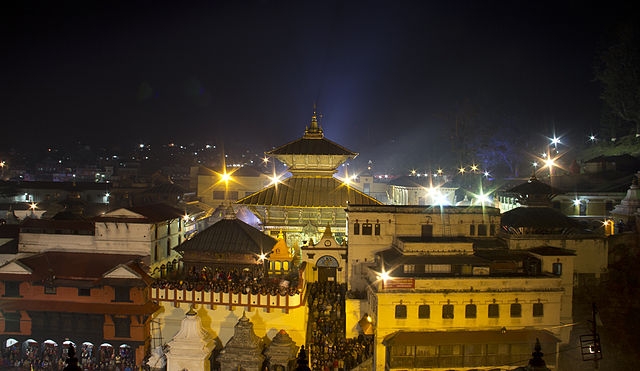
The Significance of Pashupatinath Temple in Nepal
The Kathmandu Pashupatinath Temple holds profound religious and cultural significance for Hindus across the world. As one of the holiest temples in the Hindu pilgrimage circuit (Chardham), it is revered alongside other sacred sites such as Badrinath, Dwarka, and Jagannath. For millions of devotees, Pashupatinath represents a spiritual destination that embodies the cycle of life, death, and rebirth.
Shiva Linga at Pashupatinath Temple
The temple is home to a revered Shiva Linga, a sacred symbol representing Lord Shiva, the supreme god of destruction, regeneration, and transformation. This formless, eternal presence of Lord Shiva is seen as the embodiment of the omnipresent, all-encompassing reality in Hinduism. Devotees come to worship at Pashupatinath to seek blessings for peace, prosperity, and spiritual liberation. The temple becomes a focal point of divine energy, especially during the Maha Shivaratri festival, a time when thousands of pilgrims from Nepal and around the world gather to offer prayers, perform rituals, and seek Shiva’s blessings for the cycle of life.
Aarti and Cremation Ghats
A distinctive feature of the Pashupatinath Temple complex is its cremation ghats situated along the banks of the Bagmati River. These ghats hold immense religious importance, as they are the place where the bodies of deceased Hindus are cremated in accordance with ancient Vedic rituals. It is believed that cremation at Pashupatinath, a site associated with Lord Shiva, enables the soul to attain moksha, or liberation from the endless cycle of birth and death. The sight of the Aarti (a sacred fire offering) performed at the ghats, along with the daily rituals and cremations, provides an awe-inspiring spiritual atmosphere. For many, the experience at Pashupatinath strengthens their connection with life and the afterlife.
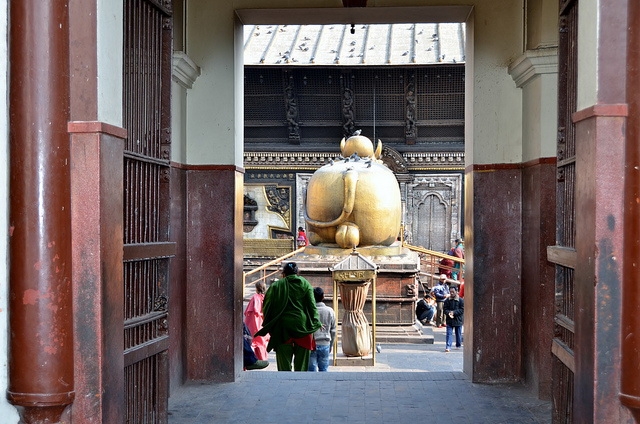
Vishwarup Darshan (Divine Cosmic Form of Lord Shiva)
One of the most profound spiritual experiences that the Pashupatinath Temple offers is the Vishwarup Darshan, a rare opportunity to witness Lord Shiva’s divine cosmic form. This sacred vision is considered to be the ultimate connection with the divine, where worshippers are believed to directly experience the immense spiritual presence of Lord Shiva. This rare and transformative experience holds the potential to deepen faith, elevate consciousness, and bring worshippers closer to the divine mysteries of the universe.
Pashupatinath Temple's Global Importance
As a UNESCO World Heritage Site, the Pashupatinath Temple in Kathmandu is not just a place of religious worship, but also a symbol of Nepal’s spiritual and cultural heritage. With its centuries-old history, the temple has attracted pilgrims from across the globe, particularly from South Asia, who come to pay their respects to Lord Shiva and to experience the temple's significance in Hinduism. It is widely regarded as a place where devotees can immerse themselves in divine energy and spirituality.
Pashupatinath’s role as a center of faith, worship, and spirituality makes it one of the most revered Hindu shrines in the world, where life and death converge, and the eternal truth of Lord Shiva shines through. Whether it's the quiet moment of a Shiva Darshan, the profound ritual of cremation, or the spiritual awakening during Maha Shivaratri, Pashupatinath Temple remains a timeless symbol of devotion, transcendence, and divine connection.
Architecture of Pashupatinath Temple of Nepal
The architecture of the Pashupatinath Temple is an outstanding representation of Nepalese pagoda-style architecture, renowned for its intricate carvings, golden details, and symbolic structures that reflect the deep religious and cultural heritage of Nepal. The temple complex, set in a serene location on the banks of the Bagmati River, consists of multiple elements that are both visually stunning and spiritually significant.
Main Temple: The Two-Tiered Pagoda
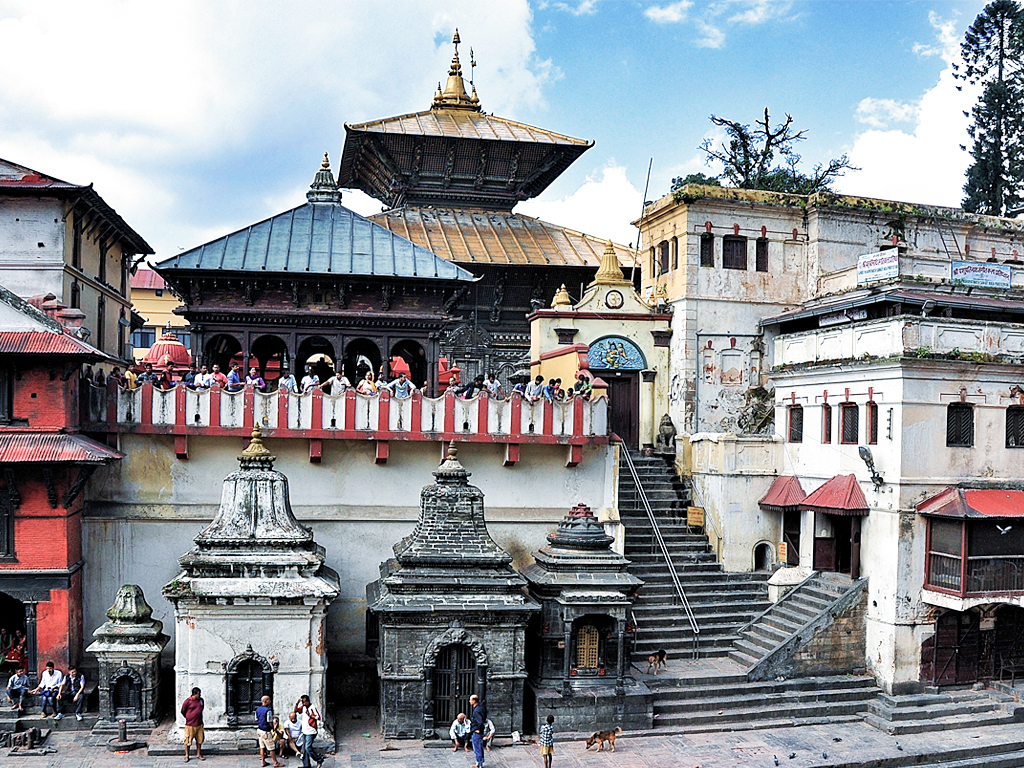
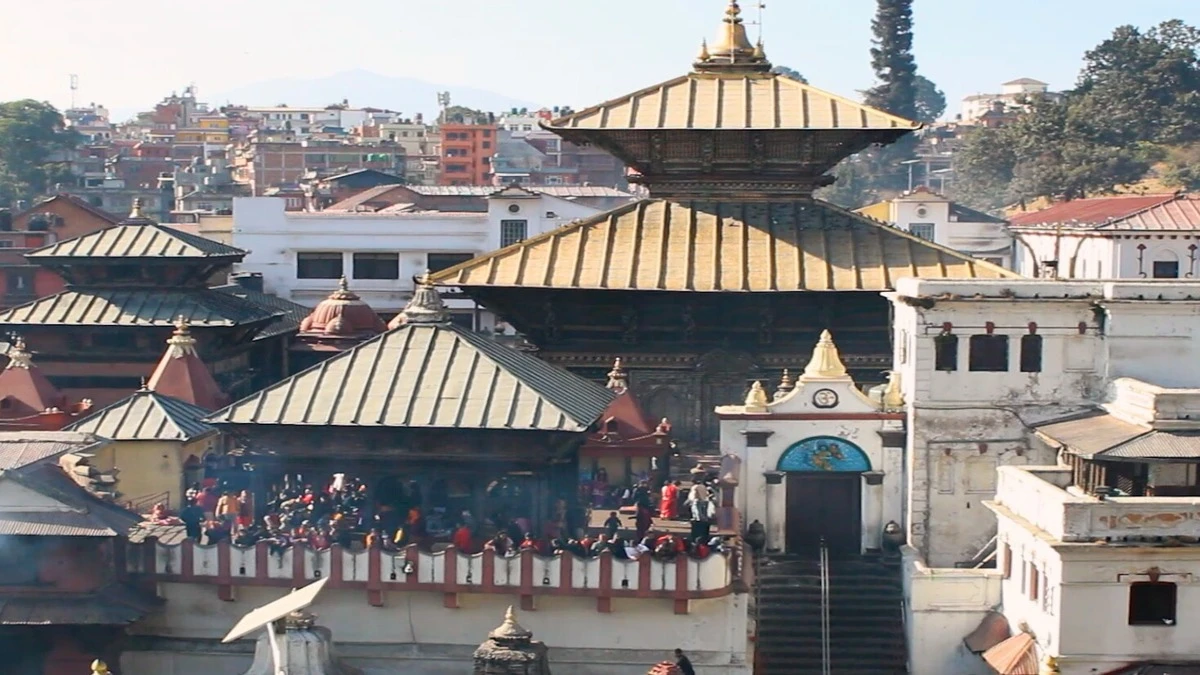
The main structure of the Pashupatinath Temple is a grand two-tiered pagoda with a stunning golden roof that catches the light of the sun. This iconic feature of the temple is surrounded by intricately designed silver doors, which add a layer of richness and reverence to the site. The inner sanctum of the temple houses the revered Shiva Linga, a sacred symbol representing Lord Shiva. In addition to the Shiva Linga, various statues and images of Hindu deities adorn the temple’s inner and outer walls, highlighting the diversity of worship practices in Hinduism. The architectural layout reflects a harmonious blend of spirituality and artistry, designed to create an atmosphere of awe and reverence.
The Ghat (Cremation Site)
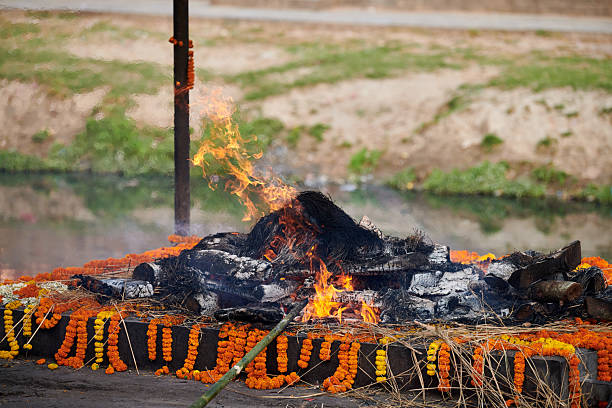
One of the most unique and spiritually profound aspects of the Pashupatinath complex is its ghats, where Hindu cremation rituals are carried out along the Bagmati River. The Arya Ghat is the most prominent cremation site, known for its sacredness and the belief that those cremated here are liberated from the cycle of life and death, attaining moksha. The ghats provide a visual and emotional connection between life, death, and the divine presence of Lord Shiva, symbolizing the cycle of life, destruction, and regeneration.
Temples and Shrines
Within the Pashupatinath Temple complex, several smaller temples and shrines are dedicated to various Hindu gods and goddesses. These shrines are dispersed throughout the area, each showcasing intricate woodwork and detailed carvings. Two particularly notable temples are the Maya Devi Temple and the Guhyeshwari Temple. These temples stand out for their exceptional craftsmanship, with fine wooden sculptures, carved figures, and symbolic representations of divine power. These smaller temples enhance the overall architectural beauty of the complex and deepen the spiritual experience for pilgrims.
The Golden Gate
The Golden Gate is one of the most iconic and renowned landmarks at Pashupatinath. This beautifully crafted gate, made entirely of gold, is an entrance to the sacred space of the temple, symbolizing the transition from the mundane to the divine. The Golden Gate serves as a visual representation of the sacredness of the temple and the journey of spiritual awakening. It is one of the most photographed parts of the complex and continues to be a focal point for both religious and cultural reverence.
Bhairabnath Temple
Inside the temple complex, the Bhairabnath Temple is dedicated to Bhairab, a fierce incarnation of Lord Shiva. Bhairab is considered the god of destruction and transformation, and his temple is an important spiritual site for those who seek to overcome fear, ignorance, and darkness. The temple is an excellent example of Nepalese temple architecture, featuring unique structures and carvings dedicated to this powerful deity.
Surrounding Structures: Holy Rivers, Ponds, and Monasteries
The architecture of Pashupatinath is not limited to the temple and its shrines. Surrounding the temple are numerous holy rivers, ponds, and monasteries, each contributing to the serene and spiritual ambiance of the entire complex. These surrounding elements reinforce the belief that the temple complex is a sacred landscape, designed to connect worshippers not just to the divine but to nature itself, with the Bagmati River flowing as a vital part of the ritual and spiritual practices.
The Pashupatinath Temple is a masterpiece of Nepalese architecture, where pagoda-style design, intricate woodwork, detailed carvings, and sacred structures come together to create an atmosphere of reverence and beauty. Whether it's the majestic Golden Gate, the spiritually significant ghats, or the intricate carvings found throughout its temples and shrines, the architectural elements of Pashupatinath enhance the deep spiritual connection felt by every devotee. As a UNESCO World Heritage Site, it stands as an iconic symbol of Nepal’s religious heritage and cultural grandeur.
What Makes Pashupatinath Temple Unique?
Pashupatinath Temple is a unique multireligious site, blending Hindu and Buddhist traditions. While primarily dedicated to Lord Shiva, the temple also attracts Buddhist pilgrims, with Buddhist stupas and monasteries around the complex.
Sadhus (Holy Men)
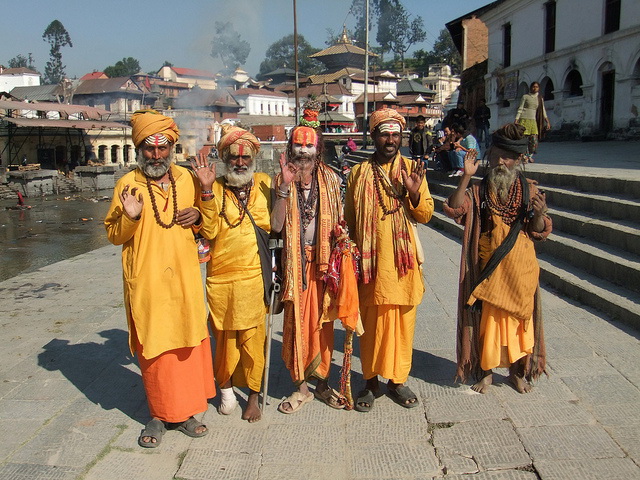
The temple is home to sadhus, holy men who practice asceticism. These holy men meditate and engage in spiritual practices, often seen in traditional attire, with faces smeared in ash and hair in dreadlocks. Visitors come to witness their profound lifestyle and spiritual devotion.
Cremation Ghats
The cremation ghats along the Bagmati River are central to the temple’s identity. Funeral rites are performed here, and it’s believed that those cremated at Pashupatinath attain moksha (liberation from the cycle of birth and death).
Maha Shivaratri Festival
Maha Shivaratri, the night dedicated to Lord Shiva, is the temple’s most significant festival. Devotees from Nepal and India gather to perform rituals, prayers, and fasting, while the temple complex is illuminated with oil lamps, creating a sacred and serene atmosphere.
Where is Pashupatinath Temple Located?
The Pashupatinath Temple is located in Kathmandu, the capital of Nepal, on the banks of the Bagmati River. It is situated approximately 5 kilometers east of the city center, near the Gaushala area.
Exact Location:
Coordinates: 27.7137° N, 85.2852° E
Address: Pashupatinath Temple, Pashupati Road, Kathmandu, Nepal.
Accessibility:
Thamel (tourist hub): 5 km (15 minutes by taxi).
Tribhuvan International Airport: 1 km (5 minutes by taxi).
Boudhanath Stupa: 3 km (10-minute drive).
The temple is easily accessible via private taxi, public buses, or even by foot from nearby areas. Visitors typically enter through the Golden Gate on the eastern side, where the famous cremation ghats by the Bagmati River can be seen.
How to Reach Pashupatinath Temple
Pashupatinath Temple is located in Kathmandu, Nepal, and is easily accessible from various parts of the city, as well as from India and Pokhara.
From Thamel (tourist hub): About 5 km (approximately 15 minutes by taxi).
From Tribhuvan International Airport: Around 3 km (approximately 10 minutes by taxi).
From Boudhanath Stupa: About 3 km (a 10-minute drive).
Public buses also run between Thamel and Pashupatinath Temple, or you can walk if staying nearby (around 20 minutes).
pokhara to pashupatinath temple distance
Distance: Approximately 200 km (about 6-7 hours by road).
Travel options include tourist buses, private vehicles, or local buses. The journey usually takes around 6 to 7 hours, depending on road conditions.
From India by Train:
There are no direct trains to Kathmandu, but you can take a train from Varanasi, Gorakhpur, or Raxaul to Janakpur or Bhairahawa. From there, you can continue your journey to Kathmandu by bus or private vehicle, which takes about 6–7 hours. Distance from Raxaul to Kathmandu pashupatinath temple is approximately 180 km (around 6–7 hours by road).
From India by Bus:
There are bus services from major cities like Delhi, Varanasi, and Raxaul to Kathmandu.Distance from Sunauli border to Kathmandu is Around 170 km, and the bus journey usually takes 6-8 hours depending on traffic and road conditions.
The temple is open 24 hours, but it’s especially lively during early mornings and evenings when aarti (prayer ceremonies) take place. Visitors should respect the no photography policy inside the main temple area.
Whether you’re traveling from Pokhara, India, or any part of Kathmandu, Pashupatinath Temple is well-connected, making it a must-visit spiritual destination.
Festivals Celebrated at Pashupatinath Mandir
Pashupatinath Temple in Kathmandu is the center of many major Hindu festivals, each bringing thousands of devotees to this sacred site. The most notable of these festivals are Maha Shivaratri, Teej, Janai Purnima, and Ekadashi. These celebrations are deeply rooted in the temple's traditions and spirituality.
Maha Shivaratri:
This is the most significant festival celebrated at Pashupatinath Temple, dedicated to Lord Shiva. It usually falls in February or March and is considered the night of devotion to Lord Shiva. Devotees engage in fasting, vigil, and prayers throughout the night. Thousands of pilgrims, including Sadhus (holy men), visit the temple to pray, offer prayers to the Shiva Lingam, and participate in rituals, such as offering milk, water, and beal leaves.
Teej:
Teej is a major festival in Nepal, primarily celebrated by women. It is a time for women to pray for their families' well-being, and many visit Pashupatinath Temple to perform rituals for the prosperity of their loved ones. The festival includes singing, dancing, and rituals dedicated to Lord Shiva, where women seek blessings for a happy and healthy life for their families.
Janai Purnima:
Janai Purnima is a festival where Hindu men, particularly Brahmins and Chhetris, change their sacred thread (Janai) and offer prayers for their spiritual and physical well-being. It is also a time for participants to wear a sacred thread around their wrists, symbolizing spiritual renewal and purity.
Ekadashi:
Ekadashi is observed every fortnight on the 11th day of the lunar month. Two major Ekadashis are celebrated at Pashupatinath:
Harishayani Ekadashi (in June/July) – A day dedicated to Lord Vishnu, marking the onset of the monsoon season.
Haribodhini Ekadashi (in October/November) – Celebrates the awakening of Lord Vishnu after his long slumber.
These festivals attract pilgrims from across the country and abroad, creating a vibrant atmosphere at the temple throughout the year, making Pashupatinath not just a place of worship but a hub of Nepalese religious culture.
Entry Fees for Kathmandu Pashupatinath Temple
The pashupatinath temple in Kathmandu has different entry fees for various categories of visitors. Below is the detailed breakdown of the entrance fees:
Visitor Type | Entry Fee |
Foreigners | NPR 1,000 |
Nepali Nationals | Free entry |
Children Under 10 | Free entry |
Nepali Residents | Free entry |
Why is Pashupatinath Temple Famous?
Pashupatinath Temple is renowned for its spiritual significance, unique rituals, and stunning architecture, making it a must-visit destination for Hindus and spiritual seekers worldwide. The temple is famous for several reasons:
Maha Shivaratri Festival: This annual festival is one of the largest and most significant Hindu celebrations. Devotees from all over Nepal and India gather to worship Lord Shiva and perform rituals and prayers.
Sacred Cremation Ghats: The cremation ghats along the Bagmati River are where Hindus perform last rites. It is believed that those cremated here attain moksha (liberation from the cycle of birth and death), making the ghats a spiritually important place.
Architectural Marvels: The golden roof of the main temple and its unique pagoda-style design are iconic features that attract visitors. The temple complex, with its intricate carvings and historical structures, is a visual masterpiece.
Vibrant Atmosphere: The temple is always full of sadhus (holy men), pilgrims, and devotees performing rituals. The constant flow of spiritual activities and the sacred energy make it a lively and spiritually charged place.
Pashupatinath Temple is not only a religious center but also a symbol of Hindu devotion, spirituality, and Nepalese heritage.
Why Do People Visit Pashupatinath Temple?
Pashupatinath Temple is one of the most holiest and significant religious sites in Nepal, attracting both Hindu devotees and tourists from all over the world. People visit the temple for various spiritual, cultural, and religious reasons, including:
Religious Significance:
Pashupatinath is one of the most important temples dedicated to Lord Shiva. As a Jyotirlinga and the patron deity of Nepal, Pashupatinath holds immense spiritual value, especially for followers of the Shaivism tradition. Devotees visit to seek blessings from Lord Shiva, perform religious rites, and offer prayers for spiritual growth and prosperity.
The Temple's Role in Hindu Rituals:
Pashupatinath is a sacred site for many Hindus to perform significant life rituals, particularly funeral rites. Visitors come to cremate their loved ones at the Pashupatinath Ghats along the Bagmati River. It is believed that cremating the deceased at Pashupatinath helps their soul attain moksha (liberation) and eternal peace.
UNESCO World Heritage Site:
As a UNESCO World Heritage Site, Pashupatinath Temple attracts tourists interested in exploring Nepal’s cultural and religious heritage. The temple complex is an architectural marvel, featuring ancient shrines, pagodas, and centuries-old monuments, making it a key destination for history and culture enthusiasts.
Festivals and Celebrations:
Pashupatinath becomes a focal point during major Hindu festivals, such as Maha Shivaratri (the night dedicated to Lord Shiva) and Tihar (Nepal's festival of lights). During Maha Shivaratri, thousands of pilgrims from Nepal and India gather at Pashupatinath, fasting and staying awake through the night in reverence to Lord Shiva, making it one of the most vibrant and spiritually charged times to visit the temple.
Meditation and Spiritual Retreats:
For many spiritual seekers, Pashupatinath offers a serene environment for meditation and reflection. The peaceful surroundings of the temple complex provide visitors with an opportunity to reconnect with their inner selves, seek spiritual healing, and find tranquility amidst the hustle and bustle of everyday life.
With its spiritual significance, deep-rooted cultural traditions, stunning architecture, and peaceful ambiance, Pashupatinath Temple remains a sacred destination for those seeking spiritual guidance, historical exploration, or simply a place of inner peace.
Famous Attractions of Pashupatinath Temple
Pashupatinath is not just about the main temple but also offers several other attractions that add to its cultural and spiritual appeal:
Main Temple: The Pashupatinath Temple itself is an iconic structure with a golden roof and intricate carvings, housing the sacred Shiva Linga. Only Hindus are allowed to enter the inner sanctum, but visitors can view the temple from the surrounding platforms.
The Bagmati River and Cremation Ghats: The Bagmati River that flows beside Pashupatinath is considered holy in Hinduism. On its banks, there are several cremation ghats (burning platforms), where Hindu funeral rites are performed. The ghats are an important feature for visitors, offering a chance to witness this sacred ritual and contemplate life's cycle.
The "Arya Ghat" Cremation Area:This is the primary cremation site where bodies are brought and set alight in accordance with Hindu funeral customs. Many visitors find it spiritually significant, and it’s a unique aspect of the Pashupatinath experience. The sight of the cremation rituals, carried out in full view of the sacred temple, is a poignant reminder of life's impermanence.
The 5-Storey Temple of Pashupatinath:Near the main temple, there is a five-story pagoda-style temple dedicated to Pashupatinath. It features intricate woodwork and architecture, giving visitors a deeper understanding of the traditional Nepalese pagoda style.
Bhairabnath Temple:Located in the same complex, this temple is dedicated to Bhairab, an incarnation of Lord Shiva. It's a popular site for devotees seeking blessings for protection and strength. The Bhairabnath Temple’s architecture and spiritual importance are notable.
Guhyeshwari Temple:Located nearby, this temple is dedicated to the goddess Parvati, Lord Shiva's consort. It is an important Shakti Peeth (a place of power for the goddess) in Hinduism, and visiting it is considered auspicious for devotees of Shaktism.
Statues and Shrines:Pashupatinath Temple is surrounded by a variety of small shrines and statues dedicated to various deities, including Lord Vishnu, Buddha, and various forms of Shiva. These include Nandi, Shiva’s bull, and the statue of the elephant-headed god, Ganesha.
Pashupatinath Cultural Museum:The Pashupatinath Museum is located near the temple and houses religious artifacts, historical items, and artwork related to Lord Shiva and the temple’s history. Visitors can explore this museum for deeper insight into the temple's cultural and religious significance.
Pashupati Area (Pashupatinath Temple Complex):The temple is surrounded by a large complex of temples, monasteries, ashrams, and pilgrim lodges. Walking around the temple complex offers a chance to explore different aspects of Hindu spirituality and experience the vibrant, peaceful atmosphere.
Other Attractions Near Pashupatinath:
Boudhanath Stupa: One of the largest Buddhist stupas in the world, Boudhanath is a short distance away from Pashupatinath. It’s another UNESCO World Heritage Site and one of the most famous places in Nepal for Tibetan Buddhists.
Kopan Monastery: Situated on a hilltop, this Buddhist monastery is famous for meditation and spiritual retreats. It’s a peaceful escape, offering incredible views of Kathmandu.
Thamel: Kathmandu’s lively tourist district, where visitors can find plenty of shops, restaurants, and cultural attractions. It’s the heart of Kathmandu’s tourism scene.
Who is the God of Pashupatinath Temple?
The primary deity of Pashupatinath Temple is Lord Shiva, one of the principal deities in Hinduism. Shiva is revered as the god of destruction and transformation, holding a vital role in the cosmic cycle of creation, preservation, and dissolution.
Lord Shiva as Pashupatinath:
The temple is dedicated to one of the most powerful forms of Lord Shiva, known as Pashupatinath, which translates to "Lord of the Animals." The name reflects Shiva's role as the protector of all living beings not only humans but also animals, birds, and all forms of life. The term "Pashu" means animal, and "Patin" means lord, highlighting Shiva's guardianship over both the physical world and the spiritual realms.
As Pashupatinath, Lord Shiva is revered as the protector and transformer, safeguarding all aspects of life. Devotees visit the temple to seek blessings from Lord Shiva for prosperity, protection, spiritual growth, and peace. Pashupatinath is thus a sacred site where followers worship Shiva's divine power, seeking liberation and tranquility.
Other Deities at Pashupatinath Temple:
While Lord Shiva is the central figure at Pashupatinath, there are several other important deities and spiritual entities present within the temple complex, reflecting the diversity of Hinduism:
Bhairab:Bhairab is a fierce manifestation of Lord Shiva and is worshipped in the Bhairabnath Temple located within the Pashupatinath complex. He represents the destructive aspect of Shiva, which is necessary for the process of creation and transformation.
Parvati:The consort of Lord Shiva, Parvati, is also venerated in the temple complex, particularly at the nearby Guhyeshwari Temple, which is dedicated to the goddess Parvati.
Ganesh:Lord Ganesh, the elephant-headed god of wisdom and remover of obstacles, is revered at Pashupatinath in the form of statues and shrines.
The Five Dhyani Buddhas:In some areas, there are depictions of Buddhist influences, such as the Five Dhyani Buddhas, each representing a different aspect of enlightenment. This highlights the intersection of Hinduism and Buddhism in Nepal.
The god of Pashupatinath Temple is Lord Shiva, specifically in his aspect as Pashupatinath, the lord of all creatures. He is worshipped as a symbol of destruction, renewal, and spiritual liberation. The temple also houses other deities like Bhairab, Parvati, and Ganesh, reflecting the rich tapestry of Hindu religious beliefs.
How Old is the Pashupatinath Temple?
The Pashupatinath Temple is over 2,000 years old, with its origins believed to date back to the 5th century CE. While the exact date of its construction is not definitively known, historical records and legends suggest that the temple was established during the reign of King Prachanda Deva of the Lichhavi dynasty, around 400–500 CE.
The early origins of the temple are tied to the creation of a shrine dedicated to Lord Shiva in the Kathmandu Valley, which later developed into the Pashupatinath Temple we see today. The Lichhavi period (approximately 400–750 CE) is considered the golden age of the temple’s construction, with significant expansions and developments taking place during this time. The earliest records of the temple's existence come from this period.
The temple has gone through numerous renovations, restorations, and reconstructions over the centuries, particularly after natural disasters like earthquakes. The most significant restoration efforts took place in the 17th century under the Malla kings and later, after the 2015 earthquake.
Historical Dates:
5th Century CE: The temple is believed to have been established during King Prachanda Deva's reign.
17th Century: Major renovations were carried out under the Malla kings.
2015: The temple complex, especially the main structure, suffered significant damage due to the Nepal earthquake, but it was restored afterward.
Despite the many renovations, the temple has maintained its spiritual significance and continues to serve as a major pilgrimage site, remaining a vital part of Nepal's religious heritage for over two millennia.
In Conclusion
The Pashupatinath Temple is a must-visit for anyone interested in Hindu spirituality, ancient rituals, and Nepal's rich cultural heritage. The combination of its religious significance, unique rituals, and scenic beauty make it one of the most important and captivating places in Nepal. Whether you're visiting for spiritual reasons, cultural exploration, or simply to witness its architectural grandeur, Pashupatinath offers a deeply moving experience.
Conclusion: Why Visit Pashupatinath Temple?
Pashupatinath Temple is an essential destination for anyone looking to explore Nepal's spiritual heritage and cultural significance. The temple serves as a unique convergence point for Hinduism and Buddhism, offering visitors a chance to immerse themselves in ancient traditions, sacred rituals, and awe-inspiring architecture. Whether you are a devotee, a history enthusiast, or simply a traveler, a visit to Pashupatinath provides an unforgettable experience that connects you with the soul of Nepal.
FAQs For Pashupatinath Temple
What does the sign outside Pashupatinath Temple proclaim?
The sign outside Pashupatinath Temple generally proclaims the sacredness and importance of the temple as a place of worship dedicated to Lord Shiva. It may also emphasize the sanctity of the site, the customs of the temple, and the importance of respectful behavior. It typically highlights that the temple is one of the holiest sites for Hindus and is a UNESCO World Heritage Site.
What did the author find at Pashupatinath Temple?
The author, in their visit to Pashupatinath Temple, would likely find a spiritual and serene atmosphere, where rituals, prayers, and offerings to Lord Shiva take place. They would observe devoted followers participating in daily ceremonies, including the evening aarti, and the bustling activities surrounding the temple complex. The author might also note the significance of the cremation ghats along the Bagmati River and the general reverence shown by the visitors.
How to go to Pashupatinath Temple from Mumbai?
To reach Pashupatinath Temple from Mumbai, you have a few options:
By Air: The quickest way is to fly from Chhatrapati Shivaji Maharaj International Airport (Mumbai) to Tribhuvan International Airport (Kathmandu). From the airport, you can take a taxi or local transport to Pashupatinath Temple, which is around 4 km away.
By Train: You can take a train to a major city like Delhi or Varanasi, and from there, take a flight to Kathmandu. However, this would take much longer and be less convenient than flying directly.
By Road: A long and less common option would be to drive to Kathmandu, but it takes around 4-5 days and involves traveling through the border.
How can I go to Pashupatinath Temple by train?
There is no direct train to Pashupatinath Temple, as it is located in Kathmandu, Nepal. You would need to take a train to a nearby Indian city like Varanasi or Gorakhpur, then continue your journey by bus or flight to Kathmandu. A more direct option is to fly to Kathmandu from your location.
What is the story of Pashupatinath Temple?
Pashupatinath Temple is one of the oldest and holiest Hindu temples dedicated to Lord Shiva, particularly in his form as Pashupati, the protector of animals. The story behind the temple dates back to ancient times, with legends mentioning the Pandavas' visit to the temple during the Mahabharata era. It is believed that the temple has been in existence since at least the 5th century CE, though its origins are tied to the reverence of Lord Shiva since pre-Vedic times.
Which god is worshipped in Pashupatinath Temple?
Pashupatinath Temple is dedicated to Lord Shiva, in his form as Pashupati, which means "Lord of the Animals." Lord Shiva is one of the principal deities in Hinduism and is revered for his role as the destroyer and transformer in the Hindu trinity (Trimurti).
Who were fighting outside Pashupatinath Temple?
There are no significant historical records of fighting outside the temple; however, like any major temple or religious site, there could occasionally be isolated incidents or disputes among visitors or local groups. These would be rare, as Pashupatinath Temple is generally known for its peaceful and spiritual atmosphere.
Is Pashupatinath Temple open today?
Pashupatinath Temple is generally open every day of the year, including today. However, opening hours may vary on holidays or during special events. Typically, it opens at 4:00 AM and closes at 7:00 PM. It's always a good idea to check for any temporary changes in schedule.
When to visit Pashupatinath Temple?
The best time to visit Pashupatinath Temple is during the early morning or late afternoon to witness the rituals and aarti (especially the evening aarti). Major festivals like Maha Shivaratri (celebrated in February or March) also attract large crowds and offer a unique experience. The months of October to April are considered ideal for visiting, as the weather is cooler and more pleasant.
What time does Pashupatinath Temple open?
Pashupatinath Temple opens at around 4:00 AM every day, with the first aarti ceremony held early in the morning. The temple remains open until about 7:00 PM, with evening rituals and the closing of the temple.
Which river flows next to Pashupatinath Temple?
The Bagmati River flows next to Pashupatinath Temple. This river holds great religious significance and is considered sacred by Hindus. Many devotees perform last rites and cremation ceremonies along its banks.
Why are only Hindus allowed in Pashupatinath Temple?
Pashupatinath Temple is considered a very sacred and exclusive site for Hindu worship, and traditionally, only Hindus are allowed to enter the innermost sanctum where the idol of Lord Shiva is placed. This restriction is rooted in religious customs that limit access to certain sacred spaces. Non-Hindus can still visit the outer areas and observe the rituals.
Where is Pashupatinath Temple in Nepal?
Pashupatinath Temple is located in Kathmandu, the capital city of Nepal, on the eastern side of the Bagmati River. It is around 4 kilometers from the center of Kathmandu and about 15 minutes by car from Tribhuvan International Airport.
What is Pashupatinath Temple famous for?
Pashupatinath Temple is famous for being one of the holiest temples dedicated to Lord Shiva, attracting millions of pilgrims each year. It is known for its rich cultural and religious history, daily rituals, including the evening aarti, and its proximity to the Bagmati River where cremations are often held. It is also a UNESCO World Heritage Site, making it one of the most important spiritual destinations in Nepal.
How to Get to Pashupatinath Temple? Distance from Pashupatinath to Kathmandu
Pashupatinath Temple is located in Kathmandu, the capital of Nepal. It is approximately 5 kilometers (about 15 minutes by taxi) from Thamel, the main tourist hub in Kathmandu.
Getting to Pashupatinath Temple:
From Thamel:The most convenient way to reach Pashupatinath Temple from Thamel is by taxi. It is a quick and practical option, especially for first-time visitors. You can reserve a taxi in advance, and it will take around 15 minutes to get to the temple, depending on traffic conditions.
By Public Transport:There are also public buses that run from Thamel to Pashupatinath, but taxis are the more straightforward and faster choice for those unfamiliar with the area.
Walking:If you are staying nearby, walking to the temple is also an option. It would take approximately 20 minutes to reach Pashupatinath from central locations in Kathmandu, like Thamel, though it involves some uphill walking.
Pashupatinath Temple is well-connected to the rest of Kathmandu, making it easily accessible for both locals and tourists.
What is the distance between Muktinath Temple and Pashupatinath Temple?
The distance between Muktinath Temple and Pashupatinath Temple is approximately 230 kilometers by road. It takes about 6 to 7 hours to travel by car or bus, depending on the route and road conditions.
What is the distance from Bhagalpur to Pashupatinath Temple?
The distance between Bhagalpur (Bihar, India) and Pashupatinath Temple is approximately 500 kilometers by road. It typically takes around 12 to 14 hours by road, depending on the mode of transport and road conditions.
What is the distance between Siliguri and Pashupatinath Temple?
The distance between Siliguri (West Bengal, India) and Pashupatinath Temple is approximately 550 kilometers by road. The journey usually takes around 14 to 16 hours by road, depending on traffic and road conditions.
 based on 270 reviews




.webp)