based on 270 reviews

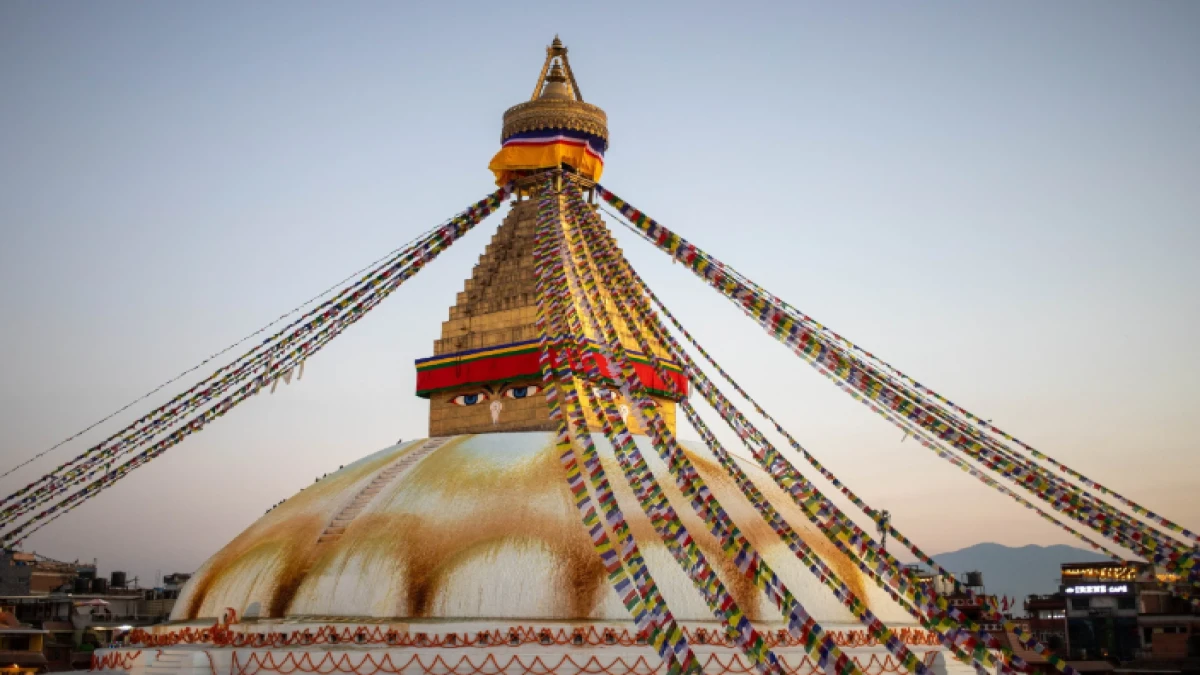
Introduction to Bouddha Stupa
Located in the heart of Kathmandu, Boudhanath Stupa, commonly known as Bouddha Stupa, is one of the largest spherical stupas in the world and a sacred spiritual center for Tibetan Buddhism. Recognized as a UNESCO World Heritage Site, this iconic monument is not just a religious site but a cultural, historical, and spiritual hub that attracts thousands of travelers, monks, and pilgrims every day.
We experience Buddha as more than a destination; it is a place where ancient rituals meet modern travel, where prayer flags flutter against the Himalayan sky, and where the peaceful rhythm of life invites every visitor to slow down.
History of Boudhanath Stupa
The origins of Boudhanath Stupa date back to the 5th century, during the reign of the Licchavi kings. According to historical records and local legends, the stupa was constructed as a symbol of enlightenment and compassion, deeply rooted in Buddhist philosophy. One of the most compelling legends tells the story of a humble woman named Jadzima, who sought permission from the king to build the stupa. Through dedication and perseverance, she and her sons completed the structure, making it a symbol of faith and determination.
Over centuries, Boudhanath became a major center for Tibetan refugees who settled in Nepal after the Chinese annexation of Tibet in 1959. This migration transformed the area into a vibrant Tibetan Buddhist enclave, filled with monasteries (gompas), prayer wheels, and traditional shops. Today, the stupa stands as a timeless guardian of Buddhist teachings, representing the five elements, earth, water, fire, air, and ether, in its architectural design.
Highlights of Boudhanath Stupa
1. Massive Mandala Structure
The stupa’s design follows a mandala, symbolizing the universe in Buddhist cosmology. Its white dome, topped with a golden spire, represents the path to enlightenment.
2. The All-Seeing Eyes of Buddha
At the top of the stupa, you’ll notice the iconic eyes of Buddha, gazing in all four directions. These symbolize wisdom and awareness, reminding visitors of the omnipresence of enlightenment.
3. Prayer Wheels and Spiritual Energy
Surrounding the stupa are hundreds of prayer wheels, inscribed with the mantra Om Mani Padme Hum. Spinning these wheels while walking clockwise (known as kora) is believed to accumulate good karma.
4. Vibrant Tibetan Culture
The Bouddha area is rich in Tibetan culture, with colorful monasteries, monks in maroon robes, and traditional handicraft shops selling thangka paintings, jewelry, and incense.
5. Sunset and Evening Atmosphere
As evening falls, the stupa transforms into a magical space with butter lamps glowing, monks chanting, and locals circling the stupa in peaceful devotion. This is one of the most serene experiences in Kathmandu.
Things to Do in Boudhanath Stupa
1. Perform the Kora (Circumambulation)
We begin by walking clockwise around the stupa, joining locals and monks in a spiritual ritual that is both calming and meditative. This simple act connects visitors to centuries of tradition.
2. Visit Monasteries (Gompas)
Explore nearby monasteries such as:
- Shechen Monastery
- Kopan Monastery
These monasteries offer insights into Buddhist teachings, meditation practices, and monastic life.
3. Enjoy Rooftop Cafés with Stupa Views
The area around Bouddha is filled with rooftop restaurants and cafés offering panoramic views of the stupa. Enjoy a cup of Tibetan butter tea or coffee while soaking in the atmosphere.
4. Shop for Souvenirs
Bouddha is one of the best places in Nepal to buy:
- Handmade jewelry
- Prayer flags
- Singing bowls
- Thangka paintings
These items are not just souvenirs; they carry deep spiritual significance.
5. Experience Local Food
Taste authentic Tibetan and Nepali dishes such as:
- Momos (dumplings)
- Thukpa (noodle soup)
- Butter tea
Food here reflects the fusion of cultures that define the Buddha area.
6. Observe Buddhist Rituals
Witness monks chanting, lighting butter lamps, and performing rituals. These experiences provide a rare glimpse into daily spiritual life.
Entry Fees and Permits for Boudhanath Stupa
For tourists visiting Boudhanath Stupa, an entry fee is required:
- Foreigners: NPR 400
- SAARC Nationals: NPR 100
- Nepali Citizens: Free
Tickets can be purchased at the entry gates surrounding the stupa area. Once inside, visitors are free to explore the stupa, nearby monasteries, and surrounding streets.
There are no additional permits required, making it one of the most accessible cultural attractions in Nepal.
Best Time to Visit Boudhanath Stupa
We recommend visiting during:
- Early Morning (5 AM – 8 AM): Peaceful, spiritual, fewer crowds
- Evening (5 PM – 7 PM): Magical atmosphere with lights and rituals
The best seasons are:
- Spring (March–May)
- Autumn (September–November)
These months offer clear skies and pleasant weather, enhancing the overall experience.
Travel Tips for Tourists
- Dress modestly, as it is a religious site
- Always walk clockwise around the stupa
- Remove shoes when entering monasteries
- Respect local customs and avoid loud behavior
- Carry small cash for donations or purchases
Why Boudhanath Stupa is a Must-Visit in Nepal
We consider Boudhanath Stupa to be one of the most powerful spiritual destinations in Asia. It is not just a monument; it is a living, breathing center of faith, where every prayer wheel spins, every chant, and every step tells a story. For travelers seeking culture, peace, and authenticity, Bouddha offers an experience that is both deeply personal and universally inspiring. Whether you are a spiritual seeker, a history enthusiast, or a curious traveler, this sacred site leaves a lasting impression.
Conclusion
A visit to Boudhanath Stupa is more than sightseeing; it is an immersive journey into Nepal’s spiritual heart. From its ancient history to its vibrant present, every element of Bouddha invites exploration and reflection. We walk away not just with photos, but with a sense of calm, connection, and cultural understanding that defines the essence of travel in Nepal.