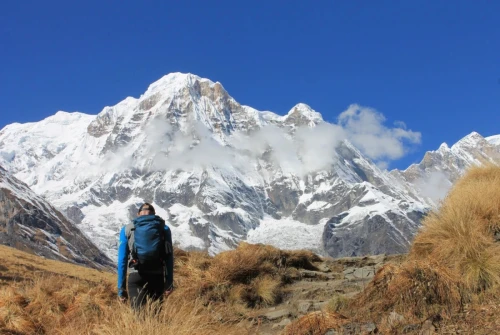
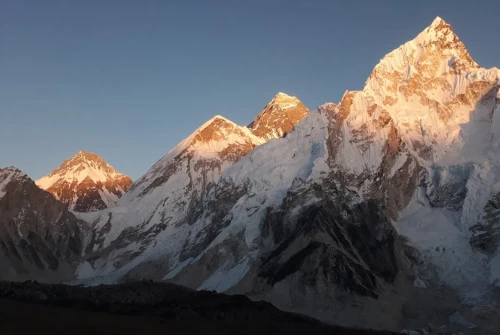
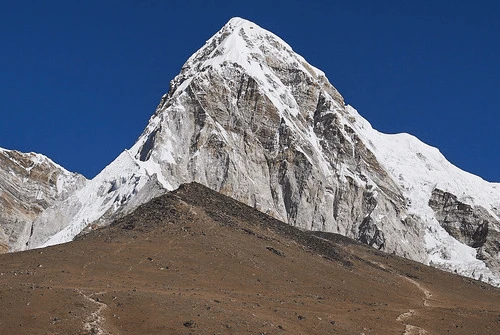
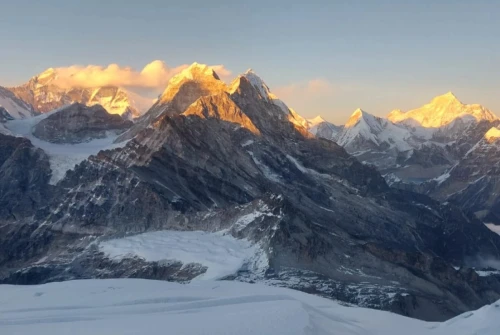
Trekking to Everest Base Camp is a once-in-a-lifetime adventure, taking hikers deep into the majestic Nepal Himalayas and offering unmatched views of the world’s tallest mountains, including Mount Everest (8,848 m / 29,029 ft). Known as one of the most iconic Nepal trekking routes, the journey is both challenging and rewarding. Along the trail, trekkers pass through high-altitude villages and scenic landmarks, including Lukla (2,860 m / 9,383 ft), Namche Bazaar (3,440 m / 11,286 ft), Tengboche Monastery (3,867 m / 12,687 ft), Dingboche (4,410 m / 14,468 ft), Lobuche (4,910 m / 16,109 ft), and finally reach Everest Base Camp (5,364 m / 17,598 ft). For an unforgettable panoramic view, many trekkers ascend Kala Patthar (5,545 m / 18,192 ft) to witness the sunrise over the Himalayas.
Before embarking on this epic Everest Base Camp trek, every traveler must secure the proper trekking permits.
In this comprehensive Everest Base Camp trek guide, we cover everything you need to know about EBC trek permits, including the Sagarmatha National Park entry permit, the Khumbu Pasang Lhamu Rural Municipality permit, their costs, where to obtain them, and the essential documents required. Understanding these permits is crucial for a safe, organized, and hassle-free Nepal trekking experience.
Whether you are a first-time trekker or a seasoned adventurer exploring the Himalayan trekking trails, this guide ensures you are fully prepared, allowing you to focus on the breathtaking landscapes and the unforgettable journey to Everest Base Camp.
Why Everest Base Camp Trek Permits Are Essential
Trekking to Everest Base Camp is one of the most iconic Nepal trekking adventures, but it takes place within Sagarmatha National Park and the Khumbu region, areas of immense ecological and cultural importance. Obtaining the proper Everest Base Camp permits is mandatory for all trekkers and plays a crucial role in safety, conservation, and sustainable tourism.
Protecting the Fragile Everest Ecosystem
The Everest region is a delicate Himalayan ecosystem. Sagarmatha National Park entry permits and Khumbu Pasang Lhamu Rural Municipality permits fund trail maintenance, waste management, and wildlife protection. This ensures that trekking in Nepal remains environmentally sustainable for future generations.
Complying with Nepal Trekking Regulations
All trekkers on the EBC trek must carry valid permits. These Nepal trekking permits ensure visitors comply with government rules, reducing risks on remote, high-altitude trails. Officials check permits at key entry points such as Lukla (2,860 m / 9,383 ft), Monjo (2,835 m / 9,301 ft), and Namche Bazaar (3,440 m / 11,286 ft) to maintain order and safety along the route.
Ensuring Trekker Safety in Remote Areas
High-altitude trekking comes with risks such as sudden weather changes and altitude sickness. Permit records allow authorities to track trekkers’ movements along the EBC trail, enabling rapid response during emergencies in areas with limited communication.
Supporting Local Communities and Sustainable Tourism
Permit fees directly benefit Sherpa communities along the trail, funding schools, healthcare, and infrastructure projects. This not only helps maintain cultural heritage but also promotes responsible tourism in the Khumbu region, ensuring trekking positively impacts the local economy.
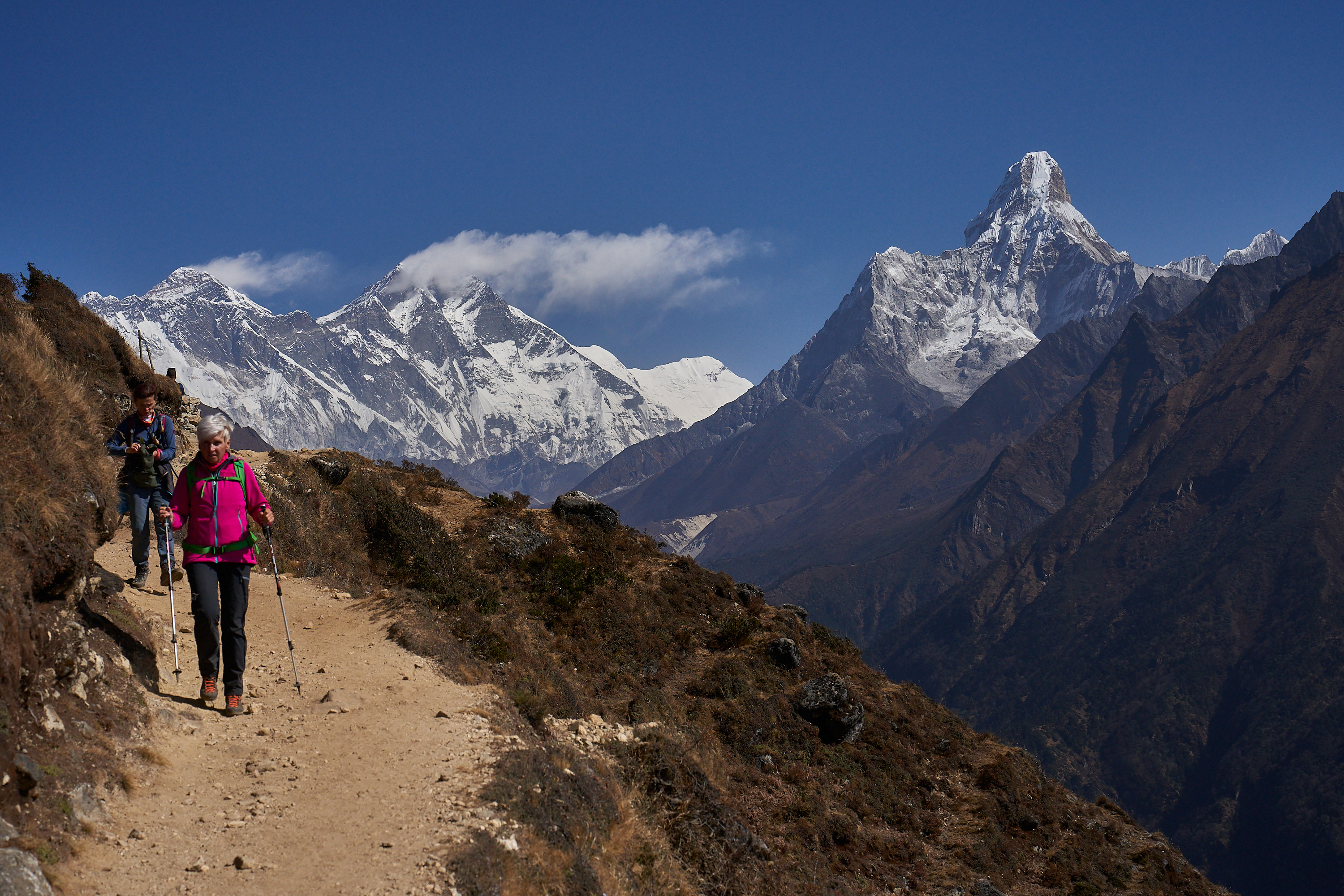
Takeaways for Everest Base Camp Trek
Mandatory Permits: Trekking in the Everest region without permits is illegal.
Checkpoints: Permits are verified at Lukla, Monjo, Namche Bazaar, and other key points.
Sustainability: Fees support conservation, safety, and local development.
For trekkers planning the Everest Base Camp trek, obtaining permits in advance guarantees a safe, legal, and hassle-free trekking experience in the heart of the Himalayas.
Main Permits Required for Everest Base Camp Trek
Trekking to Mt.Everest Base Camp requires a few essential permits to ensure safety, environmental protection, and support for local communities. Below are the main Everest Base Camp trek permits you need to know:
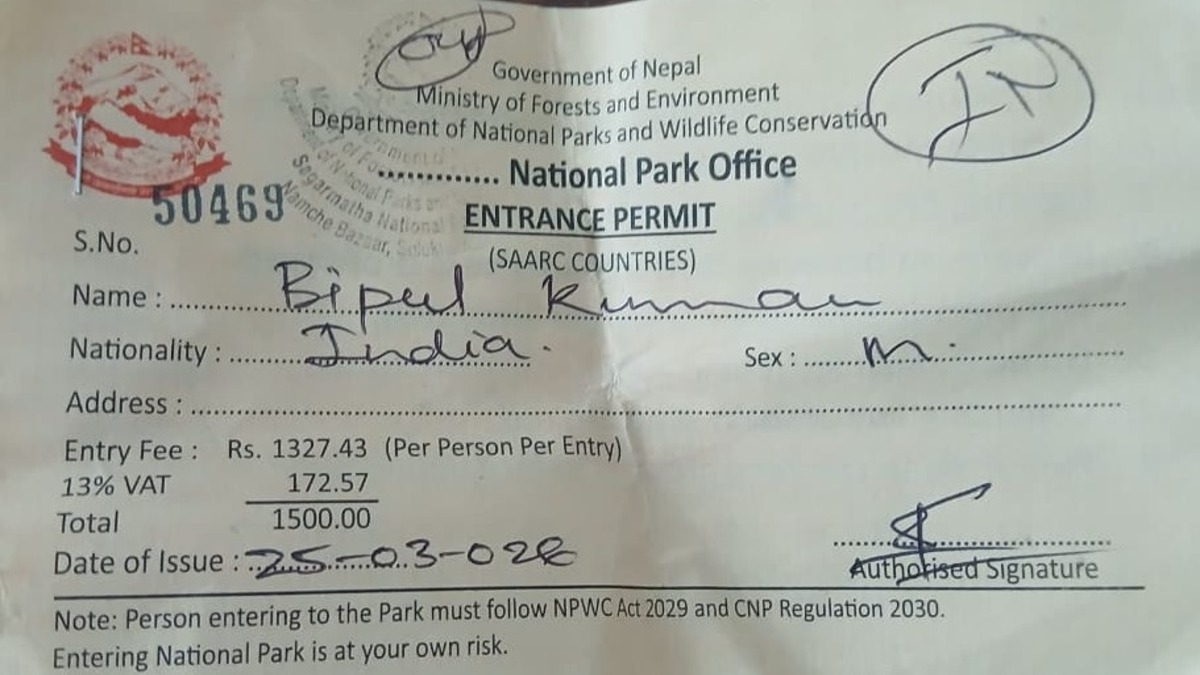
Sagarmatha National Park Entry Permit
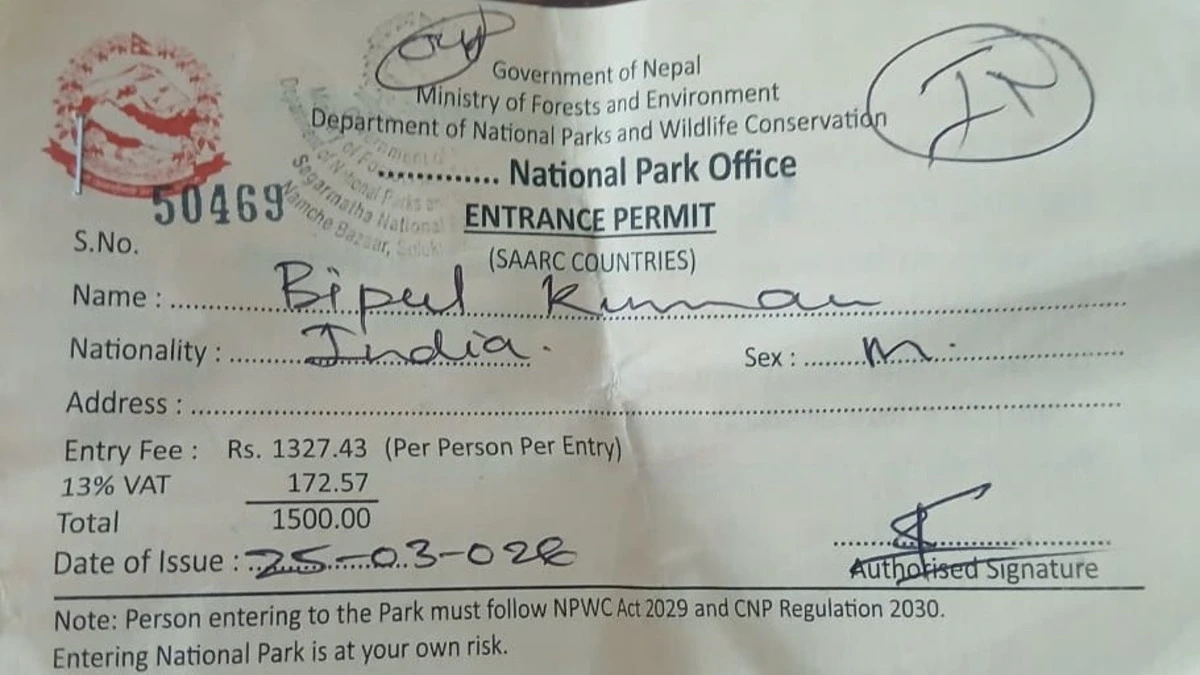
The Sagarmatha National Park Entry Permit is mandatory for anyone entering the protected park, including the Everest Base Camp area.
Cost :
Where to Obtain:
Kathmandu: Nepal Tourism Board, Thamel, Bhrikutimandap
Monjo: Park entrance (cash payment preferred)
Required Documents: Passport and payment
Why It’s Important:
This permit helps protect the Himalayan environment, including wildlife like snow leopards and red pandas, while supporting Sherpa communities along the Everest Base Camp trek route.
Khumbu Pasang Lhamu Rural Municipality Entry Permit
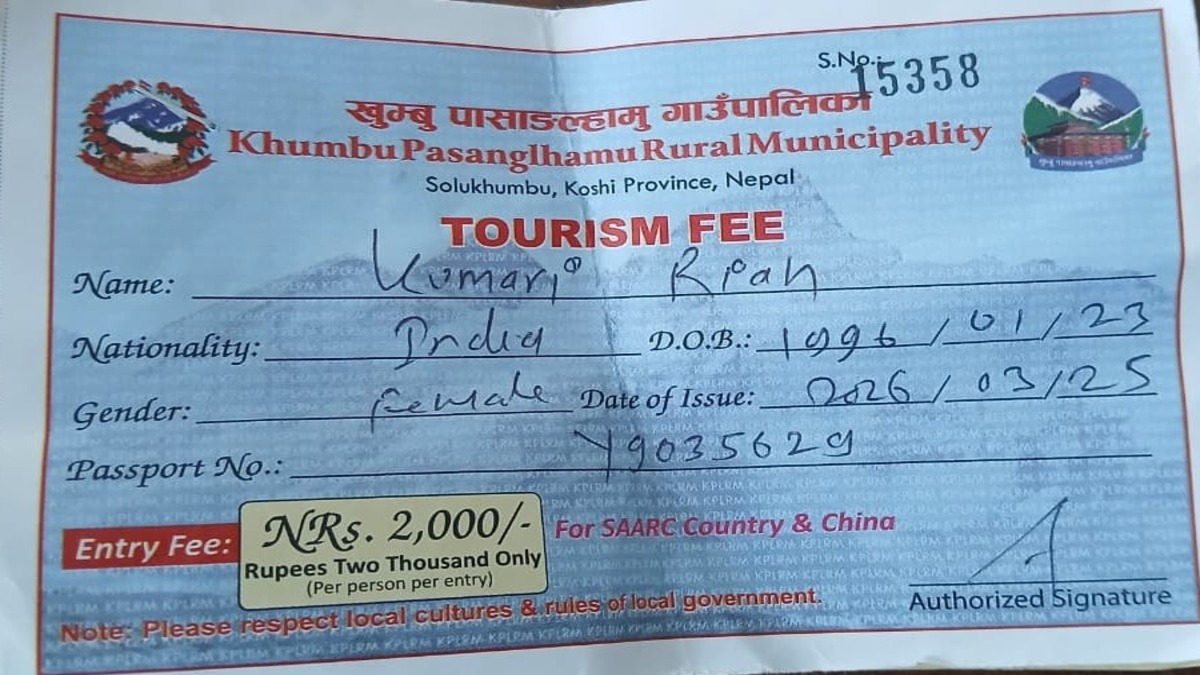
The Khumbu Pasang Lhamu Rural Municipality Permit is mandatory for all trekkers entering the Khumbu region and has replaced the old TIMS card system.
Cost:
Where to Obtain:
Required Documents:
Purpose:
Fees from this permit support local development projects, infrastructure improvements, and community programs in the Khumbu region, benefiting the people who live along the Everest Base Camp trek route.
Gaurishankar Conservation Area Permit
This permit is only required if trekking via the classic Jiri or Salleri route instead of flying to Lukla.
TIMS Card – Not Required for EBC
The Trekkers’ Information Management System (TIMS) card was previously required for most trekking routes in Nepal. However, since October 2018, it is no longer required for the Everest Base Camp trek, replaced by the Khumbu Pasang Lhamu Rural Municipality Permit.
| Permit Type | Cost (Foreigners) | Cost (SAARC) | Where to Obtain |
| Sagarmatha National Park | NPR 3,000 | NPR 1,500 | Kathmandu or Monjo |
| Khumbu Pasang Lhamu | NPR 3,000 | NPR 2,000 | Lukla or Monjo |
| Gaurishankar (Jiri Route) | NPR 3,000 | NPR 1,000 | Kathmandu |
Essential Documents for Everest Base Camp Trek Permits
Before starting your Mount EBC trek, it’s important to have all the required documents for trekking permits ready. Having these prepared ensures a smooth permit process and a hassle-free trek in the Nepal Himalayas.
Valid Passport
You must carry a passport with at least 6 months validity. This is mandatory for obtaining both the Sagarmatha National Park permit and the Khumbu Pasang Lhamu Rural Municipality permit.
Passport Photocopies
Bring photocopies of your passport pages. Officials may request these at permit offices or checkpoints along the Everest Base Camp trek route.
Passport-Sized Photos
Carry 2–4 recent passport-sized photos for permit applications. These are required for all EBC trekking permits.
Nepal Visa (If Applicable)
International travelers must have a valid Nepal visa, which can be obtained on arrival at Tribhuvan International Airport, Kathmandu, or in advance from a Nepali embassy.
High-Altitude Trekking Insurance
Although not always mandatory, it’s highly recommended to have insurance covering high-altitude trekking. This protects against emergencies such as altitude sickness, helicopter evacuation, or medical treatment in the Khumbu region.
Permit Fees and Payment
Ensure you have sufficient cash in Nepalese Rupees (NPR) to pay for all required permits. Card payments are often not accepted in remote areas like Monjo, Lukla, and Namche Bazaar.
Emergency Contact Information
Keep a list of emergency contacts including your tour operator, family, and local authorities. This is useful for safety checks and in case of high-altitude emergencies.
Trek Itinerary and Tour Operator Details
Carry your trek itinerary and details of your registered tour operator, if applicable. Officials may request this to confirm your trekking plans along the Everest Base Camp trail.
Where Everest Base Camp Trek Permits Are Checked
During your Everest Base Camp Hike, authorities strictly verify trekking permits at multiple points along the trail. Carrying your permits safely is essential, as officials may request to see them several times to ensure a safe and legal trekking experience in the Sagarmatha National Park and Khumbu region.
Lukla Airport (2,860 m / 9,383 ft)
Your permits are often checked upon arrival at Lukla Airport, the gateway to the Everest region. Officials confirm that you have the Sagarmatha National Park permit and, if applicable, the Khumbu Pasang Lhamu Rural Municipality permit before you begin trekking.
Monjo Checkpoint (2,835 m / 9,301 ft)
The Monjo checkpoint is the official entry to Sagarmatha National Park. Every trekker must present their permits here before continuing to higher-altitude villages like Namche Bazaar (3,440 m / 11,286 ft). This ensures compliance with Nepal trekking regulations and supports park conservation efforts.
Other Checkpoints Along the EBC Trail
Officials may also check permits at various locations along the Everest Base Camp trekking route, including:
Namche Bazaar (3,440 m / 11,286 ft)
Dingboche (4,410 m / 14,468 ft)
Lobuche (4,910 m / 16,109 ft)
These checks help authorities track trekkers in remote Himalayan regions, maintain trail safety, and protect the fragile mountain ecosystem.
Tip: Always carry your permits in a safe and accessible pocket. Losing or forgetting them can result in fines or restricted access to the Everest region.
Can Trekking Companies Arrange Everest Base Camp Permits?
Yes,All Nepal Hiking handles all permits for Everest Base Camp as well as all Nepal Tour and trekking adventures, ensuring your journey is smooth, safe, and fully compliant with Nepal trekking regulations.
Permits Arranged by All Nepal Hiking
Our team can organize all required permits before you start trekking, including:
Sagarmatha National Park Entry Permit – Mandatory for anyone entering the Everest region.
Khumbu Pasang Lhamu Rural Municipality Entry Permit – Required for trekking in the Khumbu region, replacing the old TIMS card.
Gaurishankar Conservation Area Permit (Optional) – For trekkers taking the classic Jiri or Salleri route.
All Nepal Hiking Handles Permits for All Nepal Hike and Trekking Routes
We make trekking simple by arranging permits for all popular Nepal hiking and trekking routes, including:
Why Choose All Nepal Hiking ?
Hassle-Free Permit Processing: Skip the paperwork and long lines at Kathmandu, Monjo (2,835 m / 9,301 ft), or Lukla (2,860 m / 9,383 ft).
Complete Documentation Support: Assistance with passports, photos, Nepal visa, high-altitude trekking insurance, and emergency contacts.
Expert Local Guides: Receive trail safety advice, altitude acclimatization tips, and cultural guidance for Himalayan treks in Nepal.
Legal and Safe Trekking: All permits are official, ensuring a fully legal and secure trekking experience.
With All Nepal Hiking, you can enjoy Everest Base Camp trekking or any Nepal hiking adventure without stress, focusing fully on the breathtaking Himalayan scenery.
Conclusion
Obtaining Everest Base Camp trekking permits is an essential step before embarking on this once-in-a-lifetime Himalayan adventure. The Sagarmatha National Park Entry Permit and the Khumbu Pasang Lhamu Rural Municipality Permit are mandatory for all trekkers, ensuring legal access, environmental conservation, and support for local Sherpa communities in the Khumbu region.
By planning ahead, preparing all required documents, and optionally using a professional trekking agency like All Nepal Hiking, you can enjoy a safe, smooth, and hassle-free Everest Base Camp trek. Whether it’s your first Himalayan trek or one of many Nepal hiking adventures, proper permit arrangements allow you to fully focus on the breathtaking scenery, towering peaks, and unforgettable experiences along the trail.
Start your journey with confidence, and let All Nepal Hiking help make your Everest Base Camp and other Nepal trekking adventures an extraordinary memory of a lifetime.
Frequently Asked Questions For Everest Base Camp Trekking Permits
Planning your Everest Base Camp trek can be overwhelming, and permits are one of the most common concerns for trekkers. Here’s everything you need to know, with answers based on official regulations and expert guidance from All Nepal Hiking .
Do you need a permit for Everest Base Camp trek?
Yes. All trekkers must have two main permits:
Sagarmatha National Park Entry Permit – mandatory for all EBC trekkers.
Khumbu Pasang Lhamu Rural Municipality Permit – required for the Khumbu region, replacing the old TIMS card.
Gaurishankar Conservation Area Permit – only required if trekking via the classic Jiri or Salleri route.
How much do Everest Base Camp permits cost?
Sagarmatha National Park Permit: 3,000 NPR (foreigners), 1,500 NPR (SAARC nationals), 100 NPR (Nepali citizens).
Khumbu Pasang Lhamu Rural Municipality Permit: 2,000 NPR per person for the first 4 weeks, 2,500 NPR after 4 weeks.
Gaurishankar Conservation Area Permit (optional): 3,000 NPR per foreigner.
Can you hike Everest Base Camp for free?
No. All foreign trekkers are required to pay for permits. Nepali citizens and children under 10 may receive discounted or free entry in certain cases.
Is a TIMS card required for Everest Base Camp?
No. The TIMS card (Trekkers’ Information Management System) is no longer required for EBC trekking. The Khumbu Pasang Lhamu Rural Municipality Permit replaces it.
Can you get permits online?
No. Currently, Everest Base Camp permits must be obtained physically in Nepal, either in:
Are trekking permits the same as climbing permits for Everest?
No. Trekking permits allow access to the trail and national park but do not allow climbing Mount Everest. Climbing requires a separate climbing permit from the Nepal Ministry of Tourism.
Can you trek without permits?
No. All trekking permits are mandatory. Authorities check permits at multiple points, including Lukla Airport (2,860 m / 9,383 ft) and Monjo (2,835 m / 9,301 ft).
Are permits refundable?
No. Once issued, permits are non-refundable.
Can trekking companies arrange permits for you?
Yes. All Nepal Hiking and most reputable trekking agencies can handle all your EBC permits, including Sagarmatha National Park and Khumbu Pasang Lhamu Rural Municipality permits, ensuring a hassle-free trekking experience.
What documents are needed for permits?
Valid passport (minimum 6 months remaining)
Passport-sized photos (2–4)
Nepal visa (if applicable)
Permit fees in Nepalese Rupees (cash preferred)
Proof of high-altitude trekking insurance (recommended)
Emergency contacts and trekking itinerary
Do permits cover other Nepal hiking routes?
No. Each trekking region in Nepal has its own permit system. All Nepal Hiking can arrange permits for all major trekking routes, including:
 based on 270 reviews


.webp)