Where Is Kathmandu Nepal Located?
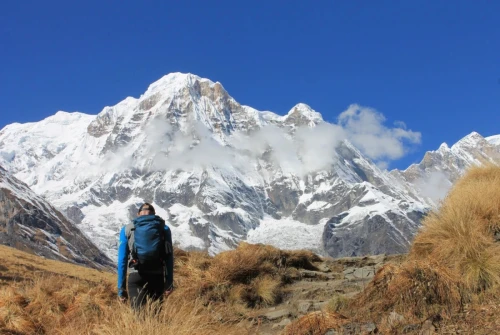
Kathmandu, the capital of Nepal, is situated in the Kathmandu Valley, in central Nepal. The city lies at an elevation of about 1,400 meters (4,600 feet) above sea level and is surrounded by a ring of hills and mountains, including Shivapuri, Phulchoki, Nagarjun, and Chandragiri. This natural bowl-shaped valley offers breathtaking views of the surrounding landscape, making it a unique geographical gem.
Geographically, Kathmandu is located between 27°27′ and 27°49′ N latitude and 85°10′ and 85°32′ E longitude. It shares borders with Bhaktapur and Kavrepalanchok districts to the east, Dhading and Nuwakot to the west, Nuwakot and Sindhupalchok to the north, and Lalitpur and Makwanpur to the south.
While Kathmandu is often associated with being near Mount Everest, the city is actually about 160 km (100 miles) away from the iconic peak. However, adventure seekers can still experience the Himalayan views with scenic flights or multi-day treks that can start from the Kathmandu Valley, making it the perfect gateway for those heading to Everest Base Camp or Annapurna regions.
A Brief History of Kathmandu
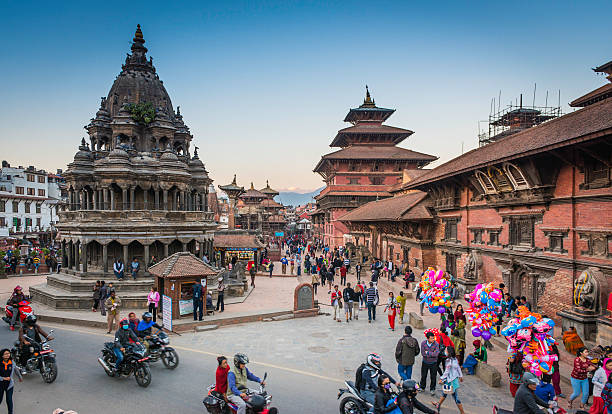
Kathmandu’s history is both fascinating and legendary. According to the Swayambhu Purana, the valley was once a vast lake known as Nagdaha, which was drained by the legendary figure Manjushree to create the city. Archaeological excavations suggest that Kathmandu has been inhabited since as early as 167 BC to 1 AD.
Kathmandu has witnessed the rule of several dynasties throughout its history, with the Licchavi period (around 4th to 9th century AD) being particularly influential. This era saw an architectural renaissance, with beautiful temples, palaces, and inscriptions that still adorn the city. The Malla period (12th to 18th century) further enriched the city, with the rise of artistic and architectural masterpieces.
Kathmandu’s rulers were instrumental in shaping the region’s spiritual landscape. It was during the Malla period that the city became a hub of Newar culture, and it was here that the Newar people—famous for their craftsmanship—left an indelible mark on the architecture, festivals, and traditions that define Kathmandu to this day.
is kathmandu in india ?
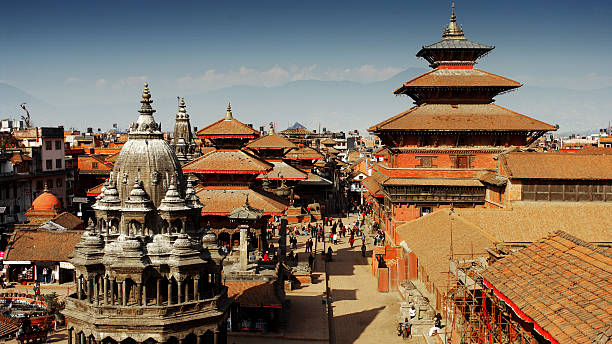
No, Kathmandu is not in India. It is the capital city of Nepal, which is a separate country to the north of India. Kathmandu is located in the Kathmandu Valley, surrounded by hills, and is about 160 kilometers (100 miles) south of the Himalayas. While Nepal shares a border with India to the south, Kathmandu itself is firmly within Nepal's borders.
Kathmandu is often considered the Gateway to the Himalayas, and it serves as the cultural, political, and economic hub of Nepal.
Cultural and Spiritual Significance of Kathmandu Nepal
Kathmandu is a city of contrasts, where ancient temples and shrines stand alongside modern infrastructure. It is one of the few places in the world where Hinduism and Buddhism coexist harmoniously, with both religious traditions deeply rooted in the city’s cultural fabric.
The Kathmandu Valley is home to seven UNESCO World Heritage Sites, many of which are within the city itself. These sites are not just tourist attractions; they are vital to the spiritual and cultural life of the valley.
Pashupatinath Temple – One of the holiest Hindu temples dedicated to Lord Shiva, located along the banks of the Bagmati River. This iconic temple attracts thousands of pilgrims and visitors annually.
Kathmandu Durbar Square – A historical palace complex surrounded by temples, monuments, and courtyards. The square is a UNESCO-listed site and a hub for cultural events and festivals.
Swayambhunath Stupa (Monkey Temple) – A sacred Buddhist site offering panoramic views of the city. It is a significant pilgrimage site for Buddhists, known for its stupa and the resident monkeys that roam the temple.
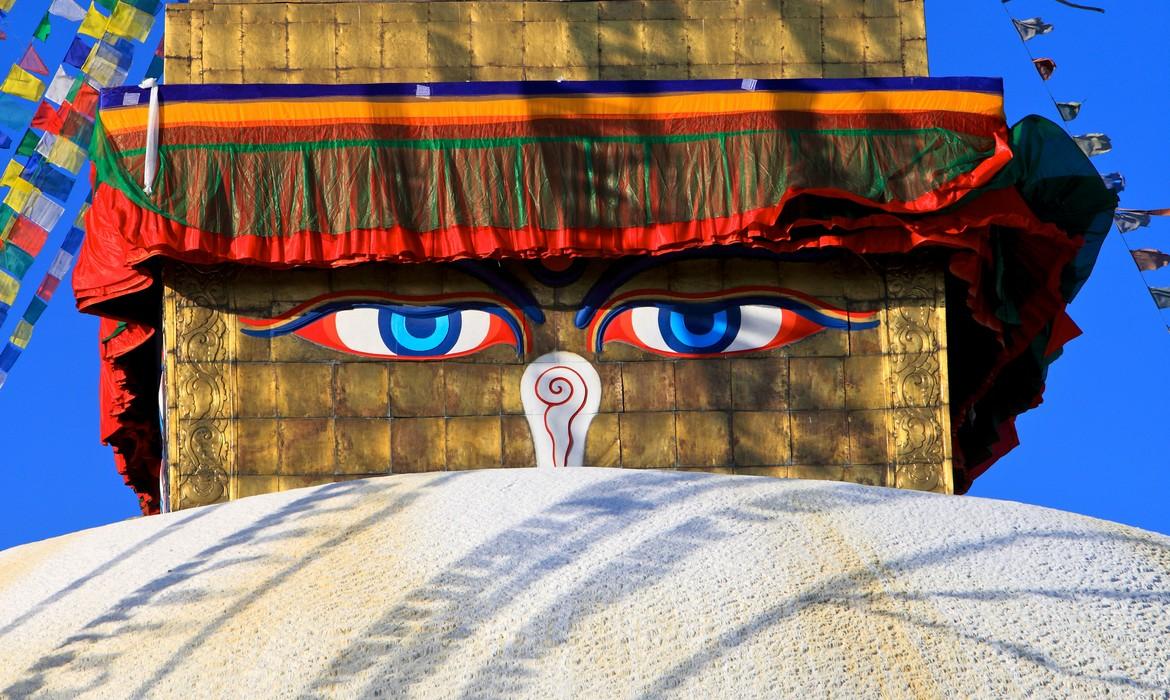
Boudhanath Stupa – A massive stupa that draws Buddhist pilgrims from around the world. It is one of the largest in Nepal and a key site for Tibetan Buddhists.
Patan Durbar Square – Located in the neighboring city of Patan, it’s another stunning example of Newar architecture. The square features beautiful temples, palaces, and courtyards, making it a prime example of Malla-era art.
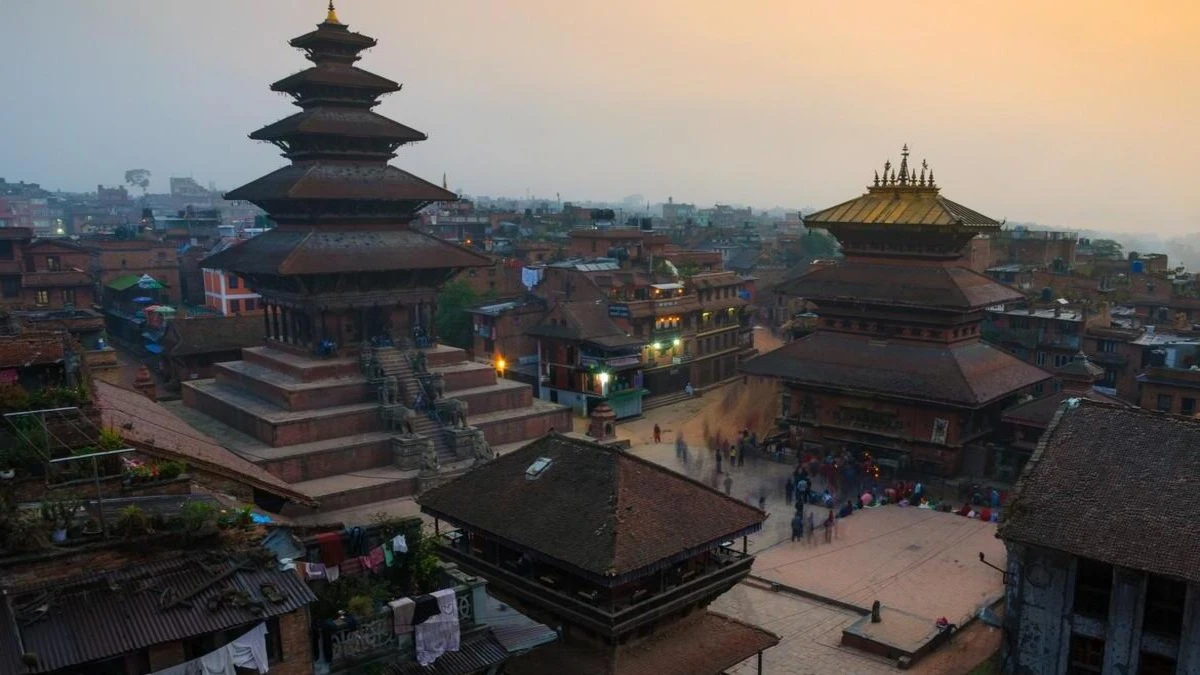
Bhaktapur Durbar Square – A well-preserved medieval square showcasing the brilliance of Malla-period architecture. The square is a UNESCO World Heritage Site, with ornate temples, palaces, and intricate woodwork.
Changunarayan Temple – The oldest Hindu temple still in use in the Kathmandu Valley. This temple, dedicated to Lord Vishnu, is a marvel of ancient architecture and a vital part of Kathmandu’s spiritual landscape.
The valley’s temples, shrines, and stupas serve as the backdrop to the daily lives of its residents. Religious festivals, which occur throughout the year, add color and life to the streets, as locals and tourists alike come together to celebrate centuries-old traditions. These festivals not only honor the religious deities but also showcase the city’s rich Newar culture, with vibrant processions, dance performances, and rituals that bring people together.
Kathmandu's Climate: When to Visit
Kathmandu enjoys a subtropical highland climate, characterized by four distinct seasons: spring, summer, autumn, and winter. Each season brings a different atmosphere to the city, so knowing when to visit can greatly enhance your experience.
Spring (March–May)
Spring is a beautiful time to visit Kathmandu as temperatures gradually warm up. The air is clear, offering stunning views of the Himalayas, and the landscape begins to bloom with vibrant flowers. Occasional rain showers keep the air fresh, making it a comfortable time for sightseeing. This is also a time when trekking around the Kathmandu Valley is quite popular due to pleasant weather.
Monsoon/Summer (June–August)
The monsoon season is the wettest time of the year in Kathmandu, with high humidity and heavy rains. While the lush greenery of the region thrives, the rains can cause disruptions to travel plans, and trekking conditions are less favorable. If you're planning on visiting during this period, be prepared for wet conditions and potential delays.
Autumn (September–November)
Autumn is widely regarded as the best time to visit Kathmandu. The weather is clear, cool, and dry, with minimal rain. The Himalayan mountains are particularly visible, providing breathtaking views. The temperature is comfortable for sightseeing, making it perfect for exploring the city's UNESCO World Heritage Sites, temples, and surrounding valleys. This is also the peak trekking season, with trekkers flocking to the Everest Base Camp and Annapurna Circuit.
Winter (December–February)
Winter in Kathmandu is generally mild and dry, with temperatures ranging from 2°C to 20°C. However, the mornings and evenings can get chilly. While this is a quieter season with fewer tourists, the crisp weather provides clear skies and excellent visibility for sightseeing. If you don’t mind the cold, winter is a peaceful time to experience Kathmandu’s culture and history without the usual crowds.
Best Time to Visit Kathmandu:
For the best weather and optimal conditions for outdoor activities like trekking and sightseeing, autumn (September to November) and spring (March to May) are ideal. Both seasons offer pleasant temperatures, clear skies, and a lively atmosphere.
The Natural Beauty of Kathmandu
While Kathmandu is celebrated for its rich history and cultural heritage, it is equally admired for its stunning natural beauty. Nestled within the Kathmandu Valley and surrounded by lush hills, the city offers incredible views of the Himalayas and a variety of outdoor activities that allow visitors to immerse themselves in nature.
Kathmandu Valley Viewpoints
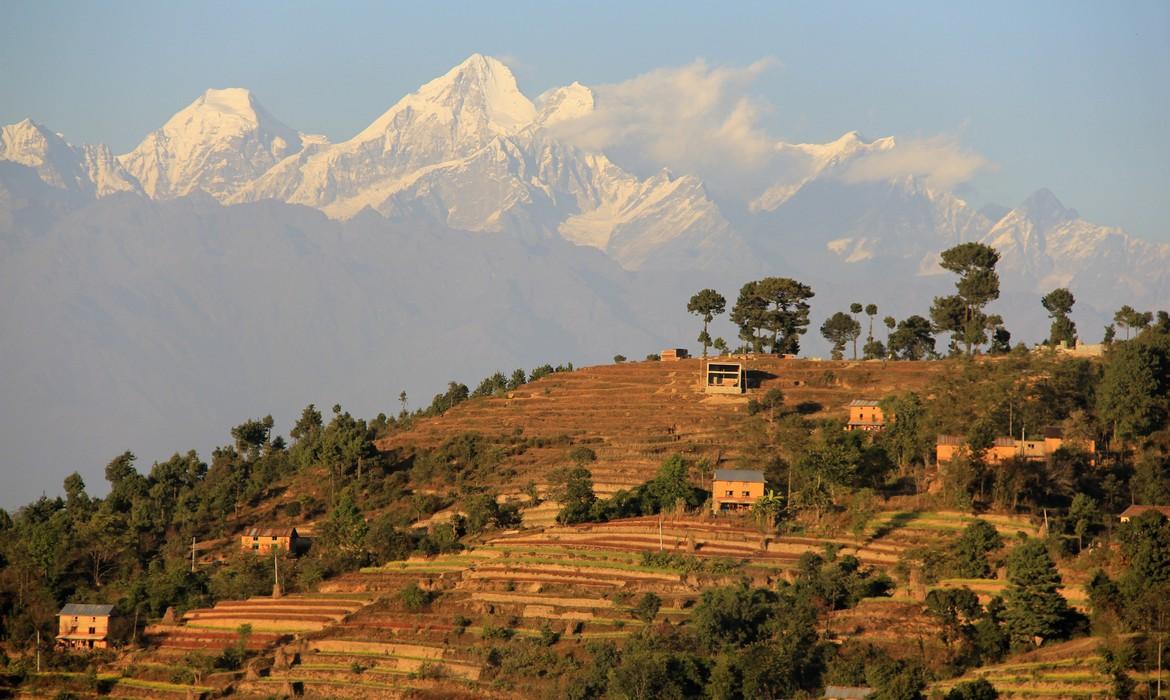
The hills surrounding Kathmandu provide some of the best scenic viewpoints in Nepal. Popular spots like Nagarkot and Chandragiri Hill offer breathtaking panoramic views of the valley, and on clear days, visitors can even catch a glimpse of the distant peaks of Mount Everest and the Annapurna Range. These locations are ideal for sunrise or sunset views, where the soft light casts a golden glow over the city and the surrounding landscapes.
Shivapuri National Park
Just a short drive from the city, Shivapuri National Park is an oasis of peace and natural beauty. The park is home to a rich variety of flora and fauna, including dense forests, rivers, and wetlands. It’s a haven for birdwatchers and nature enthusiasts, offering an array of hiking trails for all levels. The Shivapuri Hill trek, in particular, provides a challenging but rewarding hike, leading to a panoramic view of Kathmandu Valley and the majestic Himalayas in the distance.
Hiking and Hill Stations Around Kathmandu
Kathmandu’s proximity to the Himalayas makes it an excellent base for various hiking and trekking excursions. From short day hikes to more extended treks, there’s something for every type of adventurer. Trails such as the Nagarkot to Changu Narayan hike offer both cultural exploration and nature walks, while other nearby hill stations like Dhulikhel provide tranquil surroundings away from the hustle and bustle of the city.
The Tranquility of Kathmandu’s Green Spaces
Inside the city, there are also plenty of opportunities to enjoy nature. Garden of Dreams, a historical garden in the heart of Kathmandu, is a peaceful oasis perfect for relaxation. Patan Durbar Square and Bhaktapur Durbar Square are often surrounded by lush greenery, providing a serene setting to appreciate the harmony of nature and architecture.
How to Get to Kathmandu
Kathmandu, Nepal's vibrant capital, is well-connected by air, road, and even a combination of train and bus for those looking for an adventurous journey. Here’s a breakdown of the main ways to get to this captivating city:
By Air
The fastest and most convenient way to reach Kathmandu is by flying into Tribhuvan International Airport (KTM), the only international airport in Nepal. It serves as the primary gateway for travelers coming to Nepal, offering both international and domestic flights.
International Flights: Kathmandu is well-connected to major cities across Asia, the Middle East, and beyond, including Delhi, Bangkok, Doha, Dubai, and Singapore.
Domestic Flights: Kathmandu also connects with other key cities within Nepal, like Pokhara, Lukla (for Everest Region), and Chitwan.
Tip: The airport can get busy, so it's advisable to arrive early and expect some delays, especially during peak tourist seasons.
By Bus
For those seeking a more budget-friendly and scenic route, traveling by bus from neighboring countries is a great option. If you’re coming from India, direct buses run from major cities like New Delhi to Kathmandu. The journey typically takes about 18-24 hours depending on the route and traffic conditions.
New Delhi to Kathmandu: The most common bus route. You can find both private buses and government-operated buses.
Rural Regions: From cities like Varanasi or Lumbini, buses are available to Kathmandu, although the trip might take longer.
Tip: The bus journey is long, but it offers great views of the landscapes, including the Himalayas in the distance. Be sure to carry some snacks and water, as it can get tiring.
By Train and Bus
For the more adventurous traveler, a combination of train and bus offers a unique experience. This route is typically taken from India:
Train: First, take a train from Delhi to Gorakhpur, located near the Indian-Nepal border.
Bus: From Gorakhpur, take a bus to Sunauli, which is the border town between India and Nepal.
After crossing the border, another bus will take you directly to Kathmandu, which usually takes around 6-7 hours.
This method may take a couple of days, but it offers a rich, immersive experience of the Indian subcontinent’s landscapes and culture.
Additional Routes from China
If you are coming from China, there are direct bus routes from the Tibet Autonomous Region (Lhasa) to Kathmandu. These buses are often used by travelers exploring the Tibetan Plateau before entering Nepal.
Summary of Ways to Reach Kathmandu:
By Air: Fly directly into Tribhuvan International Airport from cities across Asia, the Middle East, and beyond.
By Bus: Budget-friendly option, especially from India, with direct buses from New Delhi and other major cities.
By Train and Bus: Take a train from Delhi to Gorakhpur, followed by a bus to the Nepal-India border and then onward to Kathmandu.
Tip: Make sure to check travel restrictions and visa requirements before embarking on your journey, especially if you're traveling overland from India or China.
How to Get to Kathmandu from Europe and America
Kathmandu, as Nepal's gateway city, is well-connected to the rest of the world, including Europe and America. Here's how you can travel to Kathmandu from both continents:
From Europe to Kathmandu
The most convenient way to reach Kathmandu from Europe is by air travel. Several airlines offer connecting flights from major European cities to Tribhuvan International Airport (KTM) in Kathmandu, often with a layover in the Middle East or Asia.
Popular Routes from Europe:
London to Kathmandu: Direct flights are rare, but several airlines offer connecting flights via the Middle East (e.g., Qatar Airways via Doha, Emirates via Dubai, or Turkish Airlines via Istanbul).
Paris to Kathmandu: Similar to London, you can take a flight with one stopover, often in Doha (Qatar Airways) or Istanbul (Turkish Airlines).
Frankfurt to Kathmandu: Flights from Frankfurt (Germany) are also available with a layover in the Middle East (e.g., Qatar Airways via Doha or Emirates via Dubai).
Amsterdam to Kathmandu: You can fly with KLM or Air France, which may have layovers in Doha or Dubai.
Flight Duration from Europe to Kathmandu:
London to Kathmandu: Approximately 12-13 hours (with one layover).
Paris to Kathmandu: Around 11-12 hours.
Frankfurt to Kathmandu: Roughly 10-11 hours.
Amsterdam to Kathmandu: About 11-12 hours.
Tip: Flights with layovers tend to be more affordable compared to direct flights, though they usually add 2-4 hours to your travel time.
From America to Kathmandu
Flying from America to Kathmandu involves at least one layover, often in Europe or the Middle East. Major US cities like New York, Los Angeles, and San Francisco offer connecting flights to Kathmandu, though direct flights are not available.
Popular Routes from America:
New York (JFK) to Kathmandu: Connecting flights are available through Qatar Airways, Emirates, and Turkish Airlines with layovers in Doha, Dubai, or Istanbul.
Los Angeles (LAX) to Kathmandu: Flights typically have layovers in Doha (Qatar Airways), Dubai (Emirates), or Istanbul (Turkish Airlines).
San Francisco (SFO) to Kathmandu: Similar to Los Angeles, you can fly via Emirates, Qatar Airways, or Turkish Airlines, with layovers in Dubai, Doha, or Istanbul.
Flight Duration from America to Kathmandu:
New York to Kathmandu: About 18-20 hours (with one layover).
Los Angeles to Kathmandu: Around 19-22 hours (with one layover).
San Francisco to Kathmandu: Roughly 18-20 hours.
Tip: Direct flights to the Middle East hubs like Dubai or Doha from major US cities are faster and often more affordable. From there, you can catch a direct flight to Kathmandu.
General Tips for Travelers from Europe and America:
Book in Advance: Flights from both Europe and America to Kathmandu can get expensive, especially during peak tourist seasons (March-May and September-November). Booking early can save you money.
Flexible Dates: If you have flexibility with your travel dates, it can help you find cheaper flights. Weekdays often have more affordable rates than weekends.
Travel Insurance: Make sure to arrange travel insurance before your flight, especially if you're flying long distances. It can cover unexpected situations, like flight delays or cancellations.
Layovers: If you're flying with a layover, consider exploring the stopover city for a day or two before continuing your journey. Cities like Istanbul, Dubai, and Doha are great places to spend a short amount of time during your journey.
What to Do in Kathmandu: Must-See Activities
Kathmandu offers an incredible mix of cultural, spiritual, and adventurous experiences, making it an ideal destination for all kinds of travelers. Whether you're seeking historical insights, spiritual enlightenment, or thrilling outdoor adventures, Kathmandu has something for everyone. Here are the top things to do in this vibrant city:
Explore UNESCO World Heritage Sites
Kathmandu is home to seven UNESCO World Heritage Sites, showcasing the richness of Nepal’s cultural and spiritual heritage. These ancient sites are scattered across the city and surrounding areas, offering visitors a deep dive into Nepal’s history and religious traditions. Some of the must-visit heritage sites include:
Pashupatinath Temple: A sacred Hindu temple dedicated to Lord Shiva, located on the banks of the Bagmati River. It’s one of the holiest pilgrimage sites for Hindus.
Boudhanath Stupa: A massive Buddhist stupa and one of the largest in the world. It’s a center of Tibetan Buddhism and a serene place to reflect.
Swayambhunath Stupa (Monkey Temple): A hilltop stupa offering panoramic views of the Kathmandu Valley. This site is rich in Buddhist symbolism.
Kathmandu Durbar Square: A historical palace complex surrounded by temples and courtyards, this square was once the royal seat of the Malla kings.
Patan Durbar Square: Known for its intricate Newar architecture and stunning palaces, this square is located in the ancient city of Patan.
Bhaktapur Durbar Square: A medieval square where you can witness Malla-period architecture and explore ancient temples, palaces, and monuments.
Changu Narayan Temple: The oldest Hindu temple still in use, it is dedicated to Lord Vishnu and is known for its historical inscriptions.
Trekking in the Himalayas
Kathmandu is the gateway to some of the most famous trekking routes in the world. Many trekkers use the city as their base before embarking on the Everest Base Camp trek, Annapurna Circuit, or Langtang Valley trek. These treks offer an opportunity to experience the grandeur of the Himalayas, trek through picturesque villages, and immerse yourself in the local Sherpa, Tamang, and Gurung cultures.
Everest Base Camp Trek: The ultimate bucket-list trek for adventure lovers, offering unparalleled views of Mount Everest.
Annapurna Circuit: A diverse trek that takes you through a variety of landscapes, from subtropical forests to alpine meadows, with spectacular views of the Annapurna range.
Langtang Valley Trek: A shorter trek with stunning mountain views and an opportunity to see the wildlife and culture of the Tamang people.
Shopping in Thamel
Thamel is the vibrant heart of Kathmandu, famous for its bustling streets lined with shops selling everything from handcrafted jewelry and pashmina shawls to trekking gear and unique souvenirs. Whether you're hunting for local crafts or international brands, Thamel is the perfect place to explore and shop. Some top items to look for include:
The lively atmosphere of Thamel also makes it a great place for dining and entertainment, with plenty of cafes, restaurants, and bars to relax after a day of shopping.
Cultural Experiences and Festivals
Kathmandu is a melting pot of cultures and traditions, and participating in or witnessing traditional Nepali festivals is an unforgettable experience. Some of the most significant festivals celebrated in Kathmandu include:
Dashain: The most important Hindu festival in Nepal, celebrated with family gatherings, sacrifices, and elaborate rituals.
Tihar: The Festival of Lights, similar to Diwali, is celebrated with much enthusiasm, where people decorate their homes with oil lamps and candles.
Holi: The Festival of Colors, a fun and chaotic celebration where locals throw colored powder at each other in the streets.
In addition to festivals, Kathmandu has many museums and cultural centers where you can learn about Nepali history, art, and traditions. Consider visiting the Nepal Museum, the Taragaon Museum, or the Patan Museum for an enriching cultural experience.
Take a Cooking Class
To truly understand Nepali culture, nothing beats learning how to cook some traditional Nepali dishes. Momo (dumplings) and Dal Bhat (lentil soup) are staples of Nepali cuisine, and taking a cooking class will allow you to learn how to make these iconic dishes yourself. Many local cooking schools and restaurants in Kathmandu offer classes, where you can not only learn to cook but also discover the essential spices and cooking techniques that make Nepali food unique.
Visit the Garden of Dreams
If you need a peaceful retreat from the hustle and bustle of Kathmandu, head to the Garden of Dreams, an oasis of tranquility in the heart of the city. This historic garden, built in the early 20th century, offers lush greenery, fountains, and colonial-era architecture, providing a serene place to relax and unwind.
Mountain Flights for Views of Everest
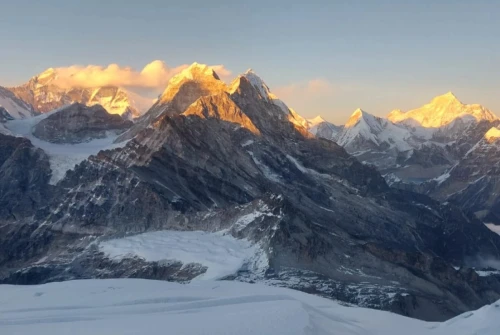
If you don’t have the time or inclination for a full-fledged trek to Everest, consider taking a mountain flight. These scenic flights depart from Kathmandu and offer breathtaking aerial views of the Himalayas, including Mount Everest, Lhotse, and Makalu. It’s a fantastic way to see the world’s highest peaks in all their glory without leaving the comfort of the plane.
Kathmandu is a city that never stops evolving, yet it never forgets its roots. It’s a place where the ancient meets the modern, where spirituality and culture blend seamlessly into daily life. Whether you’re visiting to immerse yourself in history, explore the vibrant markets, or embark on an adventure to the Himalayas, Kathmandu offers something for everyone.
So, pack your bags and prepare to experience the magic of Nepal’s capital. Kathmandu awaits with its rich history, welcoming people, and stunning landscapes.
Kathmandu Temperature & Weather in All Seasons
Kathmandu, nestled in the Kathmandu Valley at an altitude of about 1,400 meters (4,600 feet), experiences a temperate climate with distinct seasons: spring, monsoon/summer, autumn, and winter. The city's weather is generally mild and moderate throughout the year, making it a year-round destination for travelers. Below is a breakdown of Kathmandu’s temperature and weather across the different seasons:
Kathmandu valley in Spring (March - May)
Temperature Range: 10°C (50°F) to 25°C (77°F)
Weather: Spring in Kathmandu offers mild, pleasant weather. Days are generally warm, while nights remain cool. Occasional light showers can be expected, especially towards the end of the season as the monsoon approaches. The skies are generally clear, with the landscape beginning to bloom with wildflowers and greenery.
Best For: Trekking, sightseeing, and outdoor activities. The comfortable temperatures and blooming scenery make it a fantastic time for exploring the city and surrounding areas.
Kathmandu Nepal During Monsoon/Summer (June - August)
Temperature Range: 19°C (66°F) to 27°C (81°F)
Weather: The monsoon season brings heavy rainfall, high humidity, and cloudy skies to Kathmandu. Daily rain showers are common, making the city feel muggy due to the moisture in the air. While the temperatures are warm, they aren’t extreme, with highs usually in the 27°C (81°F) range.
Best For: If you don’t mind rain and humidity, this can still be a good time to visit as the valley becomes lush and green. However, trekking and outdoor activities are challenging due to slippery trails and unpredictable weather conditions.
Nepal Kathmandu valley in Autumn (September - November)
Temperature Range: 13°C (55°F) to 23°C (73°F)
Weather: Autumn is considered the best time to visit Kathmandu, with cool, dry, and clear weather. The monsoon rains end, leaving behind a clean atmosphere and stunning mountain views. The weather is perfect for trekking and sightseeing, as the skies are clear and the temperatures are moderate.
Best For: Outdoor activities, trekking, and exploring UNESCO World Heritage Sites. This season also coincides with major Nepali festivals, such as Dashain and Tihar, adding a vibrant cultural experience to your trip.
Kathmandu Nepal Kathmandu in Winter (December - February)
Temperature Range: 2°C (36°F) to 20°C (68°F)
Weather: Winter in Kathmandu is generally dry and mild, though the mornings and evenings can be quite cold, especially in January. Daytime temperatures are comfortable, but it can dip below freezing at night. Snowfall is rare within the valley, though the surrounding hills may receive snow during cold spells.
Best For: Sightseeing and city tours during the daytime. It’s ideal for those who don’t mind cooler weather, but you’ll need to dress warmly for the chilly mornings and evenings. High-altitude trekking is not recommended due to the cold, but lower-altitude treks remain possible.
Kathmandu Temperature by Season
Season | Temperature Range | Characteristics | Best Time for Visiting |
Spring | 10°C (50°F) to 25°C (77°F) | Mild, pleasant, occasional showers | Trekking, sightseeing, outdoor activities |
Monsoon/Summer | 19°C (66°F) to 27°C (81°F) | Warm, high humidity, heavy rainfall | Best avoided for outdoor activities |
Autumn | 13°C (55°F) to 23°C (73°F) | Clear skies, dry, pleasant temperatures | Trekking, sightseeing, cultural festivals |
Winter | 2°C (36°F) to 20°C (68°F) | Dry, mild days, cold nights | Sightseeing, city tours (bring warm clothing) |
Kathmandu’s temperate climate makes it a great destination throughout the year, but the best times to visit are during spring (March-May) and autumn (September-November), when the weather is most favorable for outdoor activities like trekking and sightseeing.
Winter is also an option for those prepared for chilly mornings and evenings, though high-altitude trekking is not ideal.
The monsoon season (June-August) is lush and green but brings heavy rain, making it less suitable for trekking and outdoor exploration.
No matter the season, Kathmandu offers something special—whether it’s the breathtaking Himalayan views, vibrant festivals, or exploring UNESCO World Heritage Sites.
Can you see everest from kathmandu ?
Yes, it is possible to see Mount Everest from Kathmandu, but only on clear days and from certain vantage points. Due to the distance (about 160 kilometers or 100 miles), the view is not always visible, especially when there are clouds or pollution in the air.
Here are some places where you can get a glimpse of Mount Everest from Kathmandu:
Nagarkot: A popular hill station located about 32 kilometers (20 miles) east of Kathmandu. On clear days, you can get a panoramic view of the entire Himalayan range, including Mount Everest.
Chandragiri Hill: Located around 7 kilometers southwest of the city, this hill offers stunning views of the Himalayas, including Everest, when the weather is clear.
Swayambhunath Stupa (Monkey Temple): While not directly in line with Everest, Swayambhunath offers a good vantage point over Kathmandu, and sometimes the mountains in the distance, including Everest, are visible.
Flight to Everest: For a more definitive view, you can take a mountain flight from Kathmandu. These flights, operated by local airlines, offer an incredible aerial view of Mount Everest and other peaks in the Himalayas. It's a popular activity for tourists who want to see Everest up close without trekking to its base camp.
If you're looking for a guaranteed view, the flight is the best option, but if you're in Kathmandu itself, the best chance is to head to a nearby hill station like Nagarkot or Chandragiri on a clear day.
what is the altitude of kathmandu ?
Kathmandu, the capital of Nepal, sits at an impressive altitude of 1,400 meters (4,600 feet) above sea level, nestled in the heart of the Kathmandu Valley. This elevation offers the city a temperate climate, making it a popular destination for trekking, sightseeing, and those wanting to explore Nepal’s natural beauty.
The elevation of Kathmandu also allows for breathtaking views of the Himalayas, including the distant peaks of Mount Everest on clear days. Its high-altitude position adds to its charm, making it the perfect starting point for adventure tourism and trekking expeditions in Nepal, such as the famous Everest Base Camp trek or Annapurna Circuit.
Whether you're hiking, exploring the city's UNESCO World Heritage Sites, or just enjoying the views, Kathmandu's unique elevation provides a refreshing escape with a perfect blend of cultural richness and mountain scenery.
What is the population of kathmandu ?
As of recent estimates, the population of Kathmandu is approximately 1.5 million people. This figure represents the population within the city itself. However, when you consider the entire Kathmandu Valley—which includes neighboring cities like Bhaktapur and Patan—the population rises to about 3 million.
Kathmandu is one of the most densely populated cities in Nepal and serves as the cultural and economic heart of the country. The city experiences rapid urbanization, with an influx of people from rural areas seeking employment and better opportunities.
Accommodation Options in Kathmandu Valley: Where to Stay in Kathmandu
Kathmandu offers a wide range of accommodations, from budget-friendly guesthouses to luxurious resorts, catering to the diverse needs of travelers. Whether you’re here to explore ancient temples, trek in the Himalayas, or enjoy the local culture, Kathmandu has a perfect place for you to stay. Below is an overview of some of the top hotels and accommodations in Kathmandu:
Budget Accommodation in Kathmandu
Kathmandu is a haven for budget travelers, especially in Thamel, where the streets are lined with guesthouses and hostels. Some popular budget-friendly stays include Kathmandu Guest House, which provides comfortable, affordable rooms and is located near many major attractions. For a sociable and affordable experience, Alobar1000 is a good option with its dorms and casual atmosphere. For a more peaceful retreat, Patan Peace Guest House offers a quiet environment near the historical Patan Durbar Square.
Mid-Range Hotels in Kathmandu Nepal
Kathmandu boasts many mid-range hotels that offer good comfort without breaking the bank. For example, Hotel Yak & Yeti in Durbar Marg offers a luxurious experience with a swimming pool, gardens, and excellent dining options. Hotel Malla, located in Thamel, is known for its great service and offers a more traditional Nepali style. For those visiting Patan, The Inn Patan provides a boutique experience with its unique design and proximity to Patan Durbar Square.
Luxury Hotels in Kathmandu Valley
If you're looking for a high-end stay, Kathmandu offers several luxury hotels equipped with world-class amenities. Hyatt Regency Kathmandu, located near Boudhanath Stupa, offers luxurious rooms, an outdoor pool, and a variety of dining options. Another top luxury hotel is The Dwarika’s Hotel, known for its traditional Nepali architecture, luxurious rooms, and exceptional services. Shangri-La Kathmandu, located centrally in the city, is perfect for those seeking elegance and comfort.
Boutique Hotels and Heritage Stays
Kathmandu is home to several boutique hotels that offer a unique, intimate experience. Bodhi Suites Boutique Hotel in Patan blends modern design with traditional Nepali elements, providing a serene stay close to the cultural sites of the area. Nepalaya Boutique Hotel in Thamel is a charming and cozy hotel with great views and personalized service. For a heritage experience, The Boudha Stupa Resort offers a peaceful environment with views of one of Nepal's most famous landmarks.
Eco-Friendly and Sustainable Accommodation
Kathmandu offers a selection of eco-friendly hotels that focus on sustainability. Kantipur Temple House, located in Thamel, uses solar energy and provides organic food options. The Eco Hotel in Patan is another great choice for environmentally conscious travelers, blending modern comfort with eco-friendly practices.
Popular Hotels with High Demand:
Ramada by Wyndham Kathmandu Dhumbarahi: Located in Dhumbarahi, this hotel offers a comfortable stay with modern amenities. It’s a popular choice for both business and leisure travelers.
Royal Tulip Kathmandu: A luxury hotel offering great service and excellent facilities. It's ideal for those seeking a more upscale experience.
Mercure Kathmandu: Situated in a prime location, Mercure Kathmandu offers modern amenities with a blend of comfort and style.
Lemon Tree Kathmandu: A popular mid-range hotel offering great service, modern rooms, and a cozy environment.
Unique Stays in Kathmandu:
Kathmandu Momo House: Enjoy delicious Nepali momos and local cuisine at this beloved restaurant, which offers an authentic cultural experience.
Kathmandu Kitchen and Bar: Known for its variety of Nepali dishes, this spot combines dining with a lively atmosphere.
Kathmandu 360 Retreat Tent: For the adventurous traveler, this offers a unique camping experience in Kathmandu Valley with the added comfort of modern amenities.
Conclusion: Best Areas to Stay in Kathmandu Valley
Kathmandu has something for every traveler. Thamel is the most popular area for budget travelers and those looking to experience Kathmandu's vibrant nightlife. Patan and Bhaktapur are great options for those looking to explore the rich history and culture of the Kathmandu Valley. Whether you're looking for a boutique hotel, a luxury resort, or a budget guesthouse, Kathmandu offers a diverse range of accommodations for every type of visitor.
So, whether you choose to stay at Ramada by Wyndham Kathmandu, Hyatt Regency Kathmandu, or Alobar1000, you're bound to have an unforgettable experience in the heart of Nepal.
Conclusion: Exploring the Magic of Kathmandu Valley
Kathmandu Valley is a captivating blend of rich history, diverse culture, and breathtaking natural beauty. Whether you are drawn to its ancient temples, vibrant festivals, or the stunning views of the Himalayas, the valley offers something for everyone. As the cultural heart of Nepal, it boasts an array of UNESCO World Heritage Sites, each telling a story of its glorious past and spiritual significance.
From trekking in the surrounding hills to experiencing the bustling streets of Kathmandu, the valley is an unforgettable destination for travelers seeking a unique blend of adventure and cultural immersion. Whether you're a history enthusiast, a nature lover, or simply someone looking to experience Nepal's warmth and hospitality, Kathmandu Valley promises an enriching experience.
No matter the season or purpose of your visit, Kathmandu and its surrounding areas will undoubtedly leave a lasting impression—making it a must-visit destination for anyone exploring Nepal tourism. Whether you’re visiting for a cultural experience, adventure activities, or simply to see the stunning Himalayan views, Kathmandu Valley offers the perfect blend of excitement and serenity.
 based on 270 reviews



.webp)


.webp)