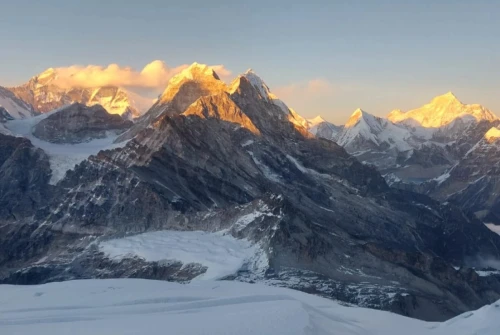
What is a Trekking Peak in Nepal?
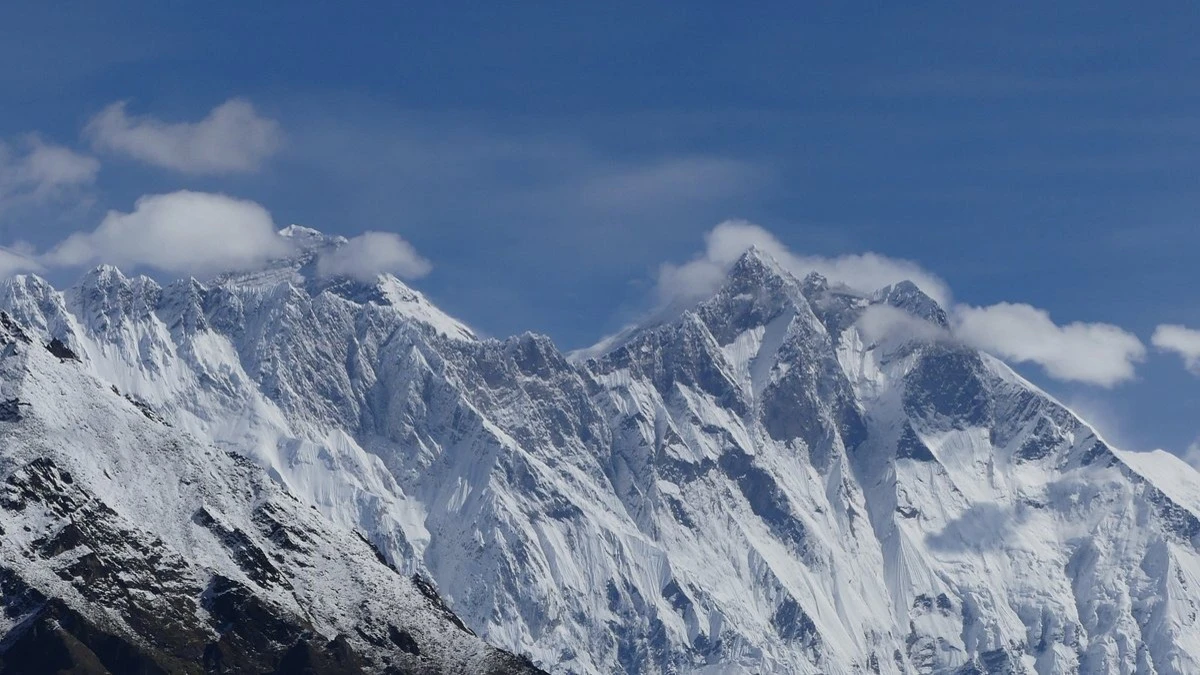
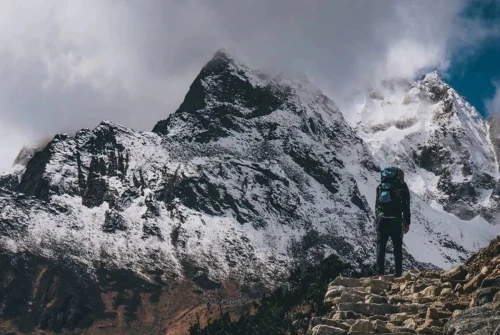
A trekking peak in Nepal is a Himalayan mountain that is ideal for climbers seeking moderate adventure, offering a less technical experience than major expedition peaks like Everest or Kanchenjunga.
Features of Trekking Peaks
Height: Most trekking peaks range from 5,800 to 6,500 meters, making them accessible for climbers with basic mountaineering experience.
Skill Level: These peaks require fundamental climbing skills such as using crampons, ice axes, and ropes, but do not demand advanced technical expertise.
Popularity: Trekking peaks are extremely popular among first-time climbers, adventure travelers, and trekking enthusiasts who want to experience Himalayan climbing without extreme risk.
Popular Trekking Peaks in Nepal
Some of the most sought-after trekking peaks include:
NMA Peak Permit Costs by Season
Foreign climbers must pay NMA fees per person to climb various peaks in Nepal. Below is a detailed seasonal cost table:
S.N. | Mountain/Peak | Height (m) | Himalayan Range | Spring (Mar–May) | Autumn (Sep–Nov) | Winter (Dec–Feb) | Summer (Jun–Aug) |
1 | Chulu East | 6584m | Damodar | USD 500 | USD 250 | USD 200 | USD 200 |
2 | Chulu West | 6419m | Damodar | USD 350 | USD 175 | USD 175 | USD 175 |
3 | Ghanja-la Chuli (Naya Kanga) | 5863m | Langtang Himal | USD 350 | USD 175 | USD 175 | USD 175 |
4 | Hiun Chuli | 6434m | Annapurna | USD 350 | USD 175 | USD 175 | USD 175 |
5 | Imja Tse (Island Peak) | 6165m | Khumbu Himal | USD 350 | USD 175 | USD 175 | USD 175 |
6 | Khongma Tse (Mehra Peak) | 5849m | Khumbu Himal | USD 350 | USD 175 | USD 175 | USD 175 |
7 | Kusum Kanguru | 6360m | Khumbu Himal | USD 350 | USD 175 | USD 175 | USD 175 |
8 | Kwangde | 6086m | Rolwaling Himal | USD 350 | USD 175 | USD 175 | USD 175 |
9 | Lobuje East | 6119m | Khumbu Himal | USD 350 | USD 175 | USD 175 | USD 175 |
10 | Mera Peak | 6470m | Khumbu Himal | USD 350 | USD 175 | USD 175 | USD 175 |
11 | Mt. ABI | 6043m | Mahalangur | USD 350 | USD 175 | USD 175 | USD 175 |
12 | Mt. Bokta | 6114m | Kanchenjunga | USD 350 | USD 175 | USD 175 | USD 175 |
13 | Mt. Chekigo | 6121m | Gaurishankar | USD 350 | USD 175 | USD 175 | USD 175 |
14 | Mt. Chola Tse | 6440m | Khumbu | USD 350 | USD 175 | USD 175 | USD 175 |
15 | Mt. Kyazo Ri | 6186m | Mahalangur | USD 350 | USD 175 | USD 175 | USD 175 |
16 | Mt. Langsisa Ri | 6412m | Jugal | USD 350 | USD 175 | USD 175 | USD 175 |
17 | Mt. Larkya Peak | 6416m | Manaslu | USD 350 | USD 175 | USD 175 | USD 175 |
18 | Mt. Lobuje West | 6135m | Khumbu Himal | USD 350 | USD 175 | USD 175 | USD 175 |
19 | Mt. Nirekha | 6159m | Mahalangur | USD 350 | USD 175 | USD 175 | USD 175 |
20 | Mt. Ombigaichen | 6340m | Mahalangur | USD 350 | USD 175 | USD 175 | USD 175 |
21 | Mt. Phari Lapcha | 6017m | Mahalangur | USD 350 | USD 175 | USD 175 | USD 175 |
22 | Mt. Yubra Himal | 6048m | Langtang Himal | USD 350 | USD 175 | USD 175 | USD 175 |
23 | Paldor Peak | 5903m | Ganesh Himal | USD 350 | USD 175 | USD 175 | USD 175 |
24 | Pharchamo | 6279m | Rolwaling Himal | USD 350 | USD 175 | USD 175 | USD 175 |
25 | Pisang Peak | 6091m | Damodar | USD 350 | USD 175 | USD 175 | USD 175 |
26 | Ramdong Go | 5900m | Rolwaling Himal | USD 350 | USD 175 | USD 175 | USD 175 |
27 | Singu Chuli (Fluted Peak) | 6501m | Annapurna Himal | USD 500 | USD 250 | USD 200 | USD 200 |
Seasonal Pricing Overview for Trekking Peaks in Nepal
Spring (March–May) is the peak climbing season in Nepal. This period is favored by climbers due to clear skies, moderate temperatures, and excellent weather conditions, making it the ideal time to summit trekking peaks. Permit fees are at their highest during spring because of the high demand. Popular peaks for spring climbing include Mera Peak, Island Peak (Imja Tse), and Lobuje East. Spring is perfect for climbers seeking both adventure and panoramic Himalayan views.
Autumn (September–November) is another high season for mountaineering in Nepal, offering stable weather and outstanding visibility. Autumn permits are slightly cheaper than spring, but it remains a busy season for popular trekking peaks. Climbers in this season can enjoy crisp Himalayan vistas with moderate crowds. Top peaks for autumn climbing include Lobuje East and Chulu East.
Winter (December–February) brings colder temperatures and occasional snowfall, creating challenging conditions for climbers. Permit fees are lower in winter, making it a budget-friendly option for experienced climbers. However, the harsh weather conditions require proper gear, acclimatization, and mountaineering skills. Peaks recommended for winter climbs include Kusum Kanguru and Khongma Tse.
Summer / Monsoon (June–August) is the off-season due to heavy rainfall, landslides, and high humidity. Most peaks have limited accessibility during this time, though permit fees are the lowest of the year. Climbers who choose summer expeditions can enjoy solitude and adventure, but careful planning is necessary to handle the monsoon conditions. Only certain peaks remain climbable during this season.
Tips for Budgeting Your Climbing Expedition
When planning a climbing expedition in Nepal, it is important to consider all costs carefully. Permit fees are charged per person and do not include additional expenses such as guides, porters, equipment, or insurance.
Popular peaks like Chulu East and Singu Chuli tend to be more expensive during peak season, so climbers should plan accordingly. Mid-range peaks such as Mera Peak or Lobuje East are often more affordable and suitable for beginners.
It is also essential to check the latest updates from the Nepal Mountaineering Association before planning your trip, as permit fees and regulations may change from year to year.
Best Seasons to Climb Nepal’s Trekking Peaks
Climbing a trekking peak in Nepal requires careful planning, and the season you choose can significantly affect both safety and overall experience. Spring, from March to May, is the peak climbing season, offering clear skies and moderate temperatures, making it ideal for summiting peaks like Mera Peak and Island Peak. During this time, permit fees are at their highest due to strong demand.
Autumn, from September to November, is the most popular season for climbers, with perfect weather and stunning Himalayan views, and permit fees are slightly lower than in spring.
Winter, from December to February, brings cold temperatures and snow, offering lower permit fees, but it is recommended only for experienced climbers due to the harsher conditions. Summer or the monsoon season, from June to August, is characterized by heavy rainfall, landslides, and limited accessibility to many peaks, though fees are at their lowest and some climbers still choose this season for a quieter experience.
How to Prepare for a Trekking Peak Expedition
Proper preparation is essential for a safe and successful trekking peak climb in Nepal. Physical fitness is a critical factor, and climbers should engage in cardio, strength training, and hiking practice to build endurance and stamina for high-altitude trekking. Acclimatization is equally important; a gradual ascent with rest days every 500–700 meters helps prevent altitude sickness and allows the body to adjust to thinner air.
Having the right gear is crucial for safety and comfort, including insulated boots, crampons, ice axes, ropes, and layered clothing suitable for Himalayan conditions. Climbers must also obtain an NMA trekking peak permit and carry proper documentation such as identification, insurance, and a detailed expedition itinerary.
Additional safety measures include a first aid kit, an oxygen supply, and hiring a local guide or porter for navigation and support. Proper planning and preparation ensure a successful high-altitude Himalayan climbing experience, whether attempting peaks like Mera Peak, Island Peak, or Lobuje East.
Differences Between Trekking Peaks and Expedition Peaks
Understanding the differences between trekking peaks and expedition peaks is important for climbers planning a Himalayan adventure in Nepal. Trekking peaks generally range from 5,800 to 6,500 meters in height and are considered moderate in difficulty, requiring basic mountaineering skills rather than advanced technical expertise.
They are beginner-friendly and more accessible to climbers who are new to high-altitude climbing. Popular trekking peaks include Mera Peak, Island Peak (Imja Tse), and Lobuje East. In contrast, expedition peaks are higher than 6,500 meters and demand technical climbing skills, advanced experience, and careful preparation.
Permit fees for expedition peaks are significantly higher, and these climbs are primarily attempted by experienced mountaineers seeking major Himalayan challenges, such as Everest and Annapurna. By understanding these distinctions, climbers can select a peak that matches their experience level, budget, and adventure goals while planning a safe and rewarding Himalayan expedition.
Safety Tips for Climbing Nepal’s High-Altitude Mountains
Climbing high-altitude mountains in Nepal is an exhilarating adventure, but safety must always come first. High-altitude climbing in Nepal carries risks such as altitude sickness, rapidly changing weather, and harsh terrain. Proper preparation and awareness can make your expedition both safe and enjoyable.
Preventing altitude sickness is essential. Climbers should ascend gradually, maintain proper hydration, and recognize early symptoms such as headaches, nausea, and dizziness. Taking rest days during the ascent allows the body to adjust to thinner air and reduces the risk of serious altitude-related illnesses.
Monitoring weather conditions in the Himalayas is crucial. Sudden storms, heavy snowfall, or strong winds can make climbing extremely dangerous. Planning climbs during favorable weather windows and staying updated on local forecasts can help prevent accidents.
Carrying the right mountaineering gear is critical for safety and comfort. Essential items include insulated clothing, ropes, crampons, ice axes, a first aid kit, and oxygen supplies. Proper equipment not only supports climbers physically but also reduces risk in challenging conditions.
Hiring experienced guides and porters is highly recommended for navigating the terrain safely. Local guides provide essential knowledge of the mountains, help manage logistics, and ensure climbers avoid unnecessary risks. Porters can carry heavy loads, allowing climbers to focus on the climb itself.
Emergency planning is another key aspect of safe climbing. Know the nearest rescue points, carry reliable communication devices, and ensure adequate insurance coverage for high-altitude expeditions. Being prepared for emergencies can be lifesaving in the Himalayas.
By following these safety tips for trekking peaks in Nepal, climbers can enjoy a rewarding Himalayan experience while minimizing risks and staying protected throughout their high-altitude adventure.
Conclusion
Understanding NMA trekking peak charges for foreign climbers is crucial when planning a Himalayan expedition. Knowing the permit fees for different peaks, along with seasonal variations, helps climbers manage their budget efficiently and choose the right time for their adventure.
Whether you aim for a challenging high-altitude expedition or a beginner-friendly trekking peak, preparation plays a key role. Proper mountaineering gear, physical training, and acclimatization are essential for safety and success in the Himalayas.
Climbing in Nepal is more than just reaching the summit. It’s about careful planning, following high-altitude safety measures, hiring experienced guides or porters, and respecting the mountain environment. A well-prepared climber can fully enjoy the breathtaking views, the serene landscapes, and the ultimate adventure experience.
By understanding trekking peak permits, seasonal climbing conditions, and expedition planning, foreign climbers can enjoy a safe, rewarding, and unforgettable Himalayan journey.
 based on 270 reviews