What Does Namaste Mean?
Namaste (Devanagari: नमस्ते) is a sacred and culturally significant greeting rooted in the ancient traditions of Nepal and India. Far more than a synonym for hello,the definition of Namaste represents a deep recognition of a person’s intrinsic worth. It is a soul-to-soul acknowledgment of the divine spark that resides within every individual.
The Physicality: Anjali Mudra & Pranamasana
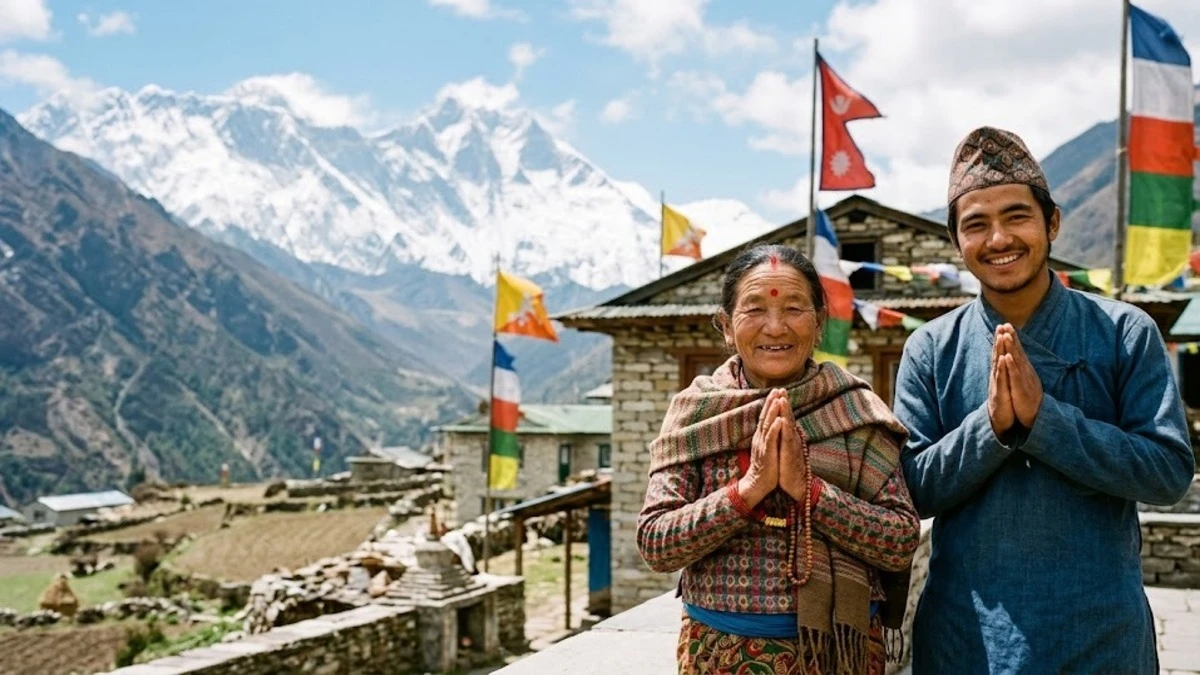
The act of saying Namaste is traditionally accompanied by a specific physical gesture:
Añjali Mudrā: Bringing both palms together at the heart center (the Anahata Chakra).
The Bow: A gentle forward tilt of the head, symbolizing humility.
Pranāmāsana: The formal name for the Namaste standing posture, often used as the starting position in Surya Namaskar (Sun Salutations).
The Literal Sanskrit Translation
When we break down the Sanskrit etymology, Namaste offers a powerful literal meaning:
"I bow to you."
In spiritual and yoga philosophy, this is expanded to the famous interpretation:
"The divine light within me honors the divine light within you."
Spiritual Significance: Honoring the Atman
Spiritually, the greeting conveys that every human being carries a sacred essence or Atman (the soul). By performing Namaste, we consciously move past the ego and social status to honor a shared humanity and universal consciousness. It is a reminder that, at our core, we are all connected by the same spiritual energy.
Etymology of Namaste: Unlocking the Sanskrit Roots
The etymology of Namaste is a masterclass in ancient linguistics. The word is not merely a label but a profound philosophical statement constructed from two distinct Sanskrit terms:
The Breakdown of Namaḥ and Te
Namaḥ (नमः): This root translates to “bow,” “reverence,” or “reverential salutation.” In a deeper Vedic context, Namaḥ signifies the negation of the self literally Na-ma (not mine). It symbolizes the complete surrendering of the ego to a higher power or the goodness in another.
Te (ते): A dative form of the personal pronoun, meaning “to you.”
The Grammar of Connection: Sanskrit Sandhi Rules
According to the Sandhi rules (the phonetic laws of Sanskrit grammar), when the visarga (the "ḥ" sound) in Namaḥ meets the consonant "t" in Te, it transforms into an "s" sound. Thus, Namaḥ + Te seamlessly becomes Namaste, literally meaning:
“Obeisance to you” or “I bow to you.”
Linguistic Roots in Dharmic Traditions
This linguistic structure highlights the word's deep-seated origins in Hinduism, Buddhism, and Jainism. The word is designed to address the Atman (the eternal soul) rather than the physical body or social persona. By using this specific Sanskrit salutation, the speaker acknowledges that the soul they are addressing is equal to their own, reinforcing the core Eastern philosophy of Non-duality (Advaita).
Historical and Scriptural Roots: The Ancient Origins of Namaste
Far from being a modern "yoga trend" or a contemporary social media buzzword, Namaste has deep Vedic roots spanning over 3,000 years. Its usage is meticulously documented in the ancient Indian scriptures, which establish it as a cornerstone of Dharmic etiquette and spiritual practice.
Namaste in the Sacred Vedas
The Vedas, the oldest layers of Sanskrit literature, contain several references to the act of Namas:
Rigveda (10.85.22): Mentions namas-krita as a sacred act of worship and adoration. It highlights that the gesture is a way to channel divine energy.
Atharvaveda (6.13.2): References the act of bowing (Pranāma) as a vital sign of respect and reverence, used to appease both the gods and the natural elements.
Taittiriya Samhita: Discusses the phonetic power of the word Namah in the context of sacrificial offerings, where it represents a total surrender of the self.
The Epics: Mahabharata and Beyond
In the Itihasa (historical epics), such as the Mahabharata, Namaste is portrayed as a sophisticated social and spiritual protocol.
Honoring Elders: It is described as a mandatory gesture for acknowledging elders, gurus, and royalty.
Deity Worship: The scriptures detail the use of the gesture during Puja (worship) to bridge the gap between the devotee and the divine.
Historical Significance in Archaeology
Beyond texts, archaeological evidence from the Indus Valley Civilization has uncovered terracotta figurines in the Namaste posture (palms pressed together), suggesting that this gesture has been a part of human civilization for millennia. This historical context proves that Namaste is a time-honored practice of reverence, humility, and spiritual acknowledgment.
How to Pronounce Namaste: The Authentic Way
While the Western "yoga-studio" pronunciation often sounds like "nah-mah-STAY," the authentic Sanskrit pronunciation is more rhythmic and softer. Correcting your pronunciation is a powerful way to show cultural respect and honor the language's sacred roots.
The Phonetic Breakdown
To say it like a native speaker in Nepal or India, break the word into three distinct sounds:
Na (न): Sounds like "nuh" (as in "nut"). The vowel is a short, neutral sound.
Ma (म): Sounds like "muh" (as in "mud"). Avoid the elongated "ah" sound.
Ste (स्ते): This is the most common error. The "st" is soft, and the "e" is a short, crisp "eh" (like the start of "egg").
Phonetic Guide: nuh-MUH-stheh
Tips for Authentic Enunciation
Shorten Your Vowels: Sanskrit is a rhythmic language. Avoid "dragging" the vowels. Keep the first two syllables quick and equal in length.
Soft "T" Sound: Unlike the hard English "T," the Sanskrit "t" is dental. Place your tongue just behind your upper front teeth to create a softer, almost "th-like" sound.
Even Emphasis: In English, we often stress the last syllable (STAY). In the authentic pronunciation, the emphasis is balanced across the word, creating a more melodic flow.
Why Pronunciation Matters
In the era of Global Cultural Awareness, making an effort to use the correct Sanskrit sounds distinguishes you as a mindful practitioner. It transforms the word from a "yoga buzzword" back into a sacred salutation.
Namaste vs Namaskar: Key Differences and Cultural Etiquette
While global audiences often use these terms interchangeably, in South Asian linguistics, there is a subtle but significant distinction. Understanding the difference between Namaste and Namaskar will help you navigate social and spiritual situations in Nepal and India with greater precision.
Feature | Namaste (नमस्ते) | Namaskar (नमस्कार) |
Literal Translation | "I bow to you" (Namaḥ + te) | "I perform the act of bowing" (Namaḥ + kara) |
Spiritual Tone | Highly personal; honors the Atman (soul) within a specific person. | Broad and formal; honors the Supreme Consciousness in all. |
Best Usage | Yoga sessions, spiritual settings, or greeting a single individual. | Formal events, public speaking, or greeting a group of people. |
Social Context | Intimate and reverent. | Socially authoritative and polite. |
When to Use Namaskar
The suffix "-kar" comes from the Sanskrit root kṛ, meaning "to do" or "to perform." Therefore, Namaskar is the formal act of offering salutation.
Addressing a Crowd: If you are speaking to a group, "Namaskar" is the appropriate collective greeting.
Formal Respect: It is often preferred when greeting high-ranking officials, gurus, or elders in a formal social setting.
When to Use Namaste
Namaste is more direct. Because "Te" means "To You" (singular), it creates a specific, 1-on-1 energetic connection.
Yoga & Meditation: This is why it is the preferred term in Hatha and Vinyasa yoga, as it seals the connection between the student and the teacher.
Personal Connection: Use it when you want to acknowledge the "divine spark" in a specific friend, colleague, or stranger.
The Spiritual Power of Namaste in Yoga: Beyond the Mat
In modern Hatha, Vinyasa, and Yin Yoga practices, Namaste is far more than a "closing ritual." It serves as a seal of the practice, a moment where the physical effort of asanas transitions into spiritual integration.
A Seal of Shared Energy (Prana)
During a yoga session, the collective breathing and movement create a unique "field" of shared energy or Prana.
The Integration: Saying Namaste at the end of class allows both the teacher and the students to acknowledge this energetic shift.
The Transition: It marks the transition from the external world of doing into the internal world of being, grounding the practitioner before they leave the studio.
Honoring the Lineage (Parampara)
Yoga is an ancient oral tradition passed down through the Guru-Shishya Parampara (teacher-disciple lineage).
Activating the Heart Chakra (Anahata)
The physical gesture of Namaste pressing the palms at the breastbone is a targeted energetic move:
Anahata Activation: This placement stimulates the Heart Chakra, the center of compassion, empathy, and unconditional love.
Balancing Polarities: By bringing the left (feminine/lunar) and right (masculine/solar) hands together, the practitioner creates a state of Hatha (union), balancing the brain's hemispheres and quieting the ego.
Recognition of Universal Light
The most famous interpretation in yoga"The light in me honors the light in you"is rooted in the philosophy of Advaita Vedanta (non-duality). It is a humble reminder that despite our different bodies and life stories, we are all connected by a universal consciousness.
Cultural Etiquette: Experiencing Namaste in Nepal and India
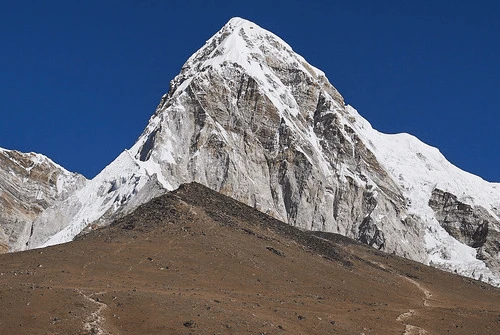
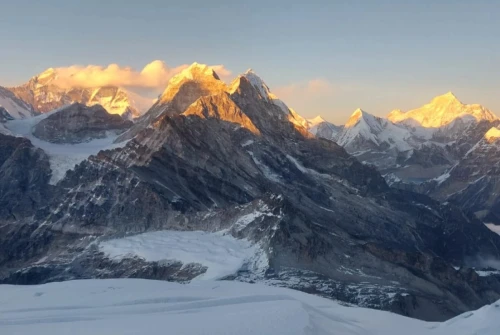
If you are planning a journey to South Asia, whether you are trekking the Annapurna Circuit, trekking the Mardi Himal ,exploring the Himalayas, or visiting the sacred temples of Kathmandu, Namaste will be the heartbeat of your social interactions.
In countries like Nepal and India, Namaste is not just a greeting; it is a vital part of the social fabric that maintains harmony and shows cultural respect.
Honoring Elders and Teachers (Gurus)
In South Asian culture, age is synonymous with wisdom. Using Namaste when meeting an elder (parents, grandparents, or senior community members) is a mandatory sign of deep respect.
Religious Rituals and Temple Etiquette
Namaste is the primary physical expression of devotion during Hindu and Buddhist rituals.
Darshan: When facing a deity in a temple (performing Darshan), practitioners use the Namaste gesture to offer their ego to the divine.
Sacred Sites: Whether you are at Pashupatinath Temple or the Ganges in Varanasi, you will see devotees and monks using this gesture to acknowledge the sacred energy of the space.
Daily Life: The Social Distance Greeting
Long before the world adopted contactless greetings, Namaste was the standard.
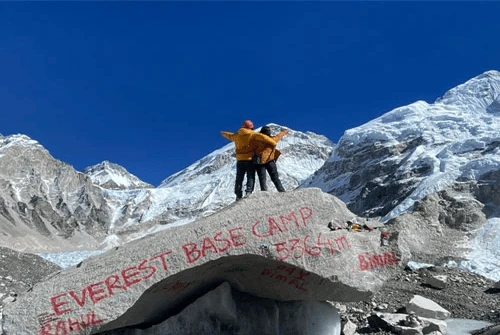
Respectful Space: From local shopkeepers in Thamel to mountain guides on Everest base camp route, Namaste replaces the Western handshake.
The Benefit: It allows for a warm, heartfelt connection without invading personal space, making it both a hygienic and spiritually respectful interaction.
Hospitality and Atithi Devo Bhava
In India and Nepal, the philosophy of "Atithi Devo Bhava" (The Guest is God) is paramount. When a local greets a traveler with Namaste, they are literally welcoming the "divine guest" into their space. Reciprocating with a sincere Namaste is the fastest way to build rapport and goodwill with locals.
Conclusion: Namaste as a Path to Global Unity
Namaste is far more than a word; it is a bridge between the physical and the spiritual realms. It is a reminder that we are not just biological beings, but carriers of a universal light. By practicing this sacred Sanskrit greeting mindfully, we cultivate a lifestyle of humility, harmony, and profound respect for all living things.
As we move toward a more connected and conscious world, the significance of Namaste continues to grow. Whether you are on a yoga mat, exploring the spiritual trails of Nepal, or simply greeting a friend, remember: you aren’t just saying hello you are honoring the sacred essence within another person.
Namaste FAQ
What is the literal and spiritual meaning of Namaste?
Namaste (नमस्ते) is an ancient Sanskrit salutation used predominantly in Nepal and India.
Literal Meaning: It is a compound of Namaḥ (bow/reverence) and te (to you), meaning "I bow to you."
Spiritual Meaning: It signifies that the divine spark or sacred essence (Atman) within the speaker recognizes and honors the same essence in the listener.
How do you pronounce Namaste correctly?
Authentic Namaste pronunciation differs from the common Western "nah-mah-STAY."
Namaste vs. Namaskar: What is the difference?
While used interchangeably, their cultural etiquette varies:
Namaste: More personal and spiritual; best for 1-on-1 interactions or yoga sessions.
Namaskar: A formal, collective greeting. It stems from Namaḥ + kara (the act of bowing). Use this for elders, dignitaries, or addressing a large group.
How do you perform the Namaste gesture (Anjali Mudra)?
The physical gesture is as vital as the word.
Anjali Mudra: Press your palms together at the heart center (Anahata Chakra).
The Bow: Gently tilt your head toward your fingertips, symbolizing the mind surrendering to the heart.
The Stance: Keep a straight spine (Pranāmāsana) to allow for balanced energy flow.
Why do we say Namaste at the end of Yoga classes?
In Vinyasa and Hatha Yoga, Namaste serves as a "seal" for the practice. It acknowledges the shared energy (Prana) created in the room and honors the Guru-Shishya Parampara (the ancient lineage of teachers).
Is Namaste used as a hello or a goodbye?
Answer: Both. Unlike English greetings, Namaste is a universal salutation. It is used to welcome someone or to bid them a respectful farewell, maintaining the same spiritual weight in both instances.
What are the historical origins of Namaste?
Answer: Namaste has Vedic origins dating back thousands of years. It appears in the Rigveda and Atharvaveda as a gesture of "reverential adoration." It remains a fundamental part of Hindu, Buddhist, and Jain traditions.
Is it cultural appropriation for non-Hindus to use Namaste?
Answer: Using Namaste is generally seen as cultural appreciation when done with sincerity and proper enunciation. To be respectful, avoid using it as a casual "yoga catchphrase" or on commercial merchandise without honoring its sacred roots.
What is the proper way to respond to Namaste?
The most polite response is to reciprocate. Bring your hands to your heart in Anjali Mudra, bow slightly, and repeat "Namaste." In Nepal and India, this mutual recognition is the cornerstone of social harmony.
Why is Namaste a contactless global greeting today?
In the modern, health-conscious era, Namaste has become a globally significant contactless greeting. It allows for deep human connection and acknowledgment of personal space without physical touch, making it a symbol of modern mindfulness.
 based on 270 reviews


.webp)