based on 270 reviews

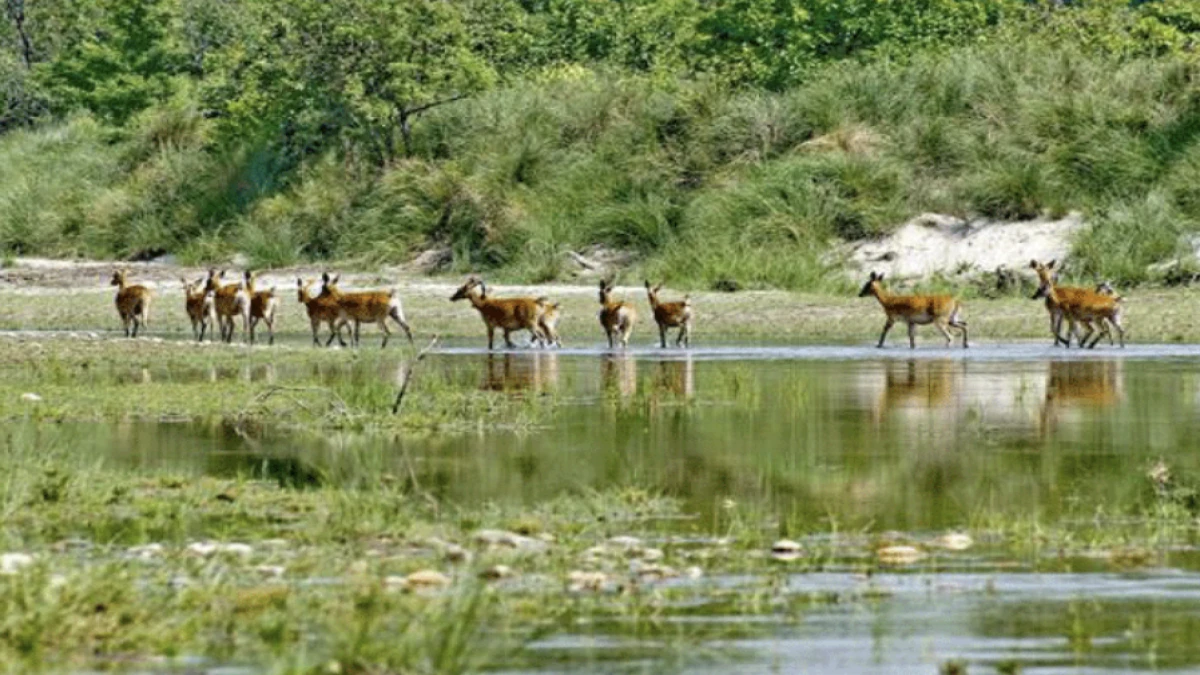
If we are looking for the best place to see wild Bengal tigers in Nepal, Bardiya National Park should be at the very top of our list. Tucked away in the far-western Terai region, Bardiya is Nepal's largest national park and one of the last truly wild, uncrowded wildernesses in South Asia. In this guide, we cover everything a traveler needs to know: how to get there, what wildlife to expect, when to go, and answers to the most frequently asked questions about planning a Bardiya safari.
Whether we are chasing our first wild tiger sighting, hoping to spot the greater one-horned rhinoceros, or simply looking for an authentic jungle experience far from the tourist crowds of Chitwan, Bardiya delivers an adventure that few other places in Nepal can match.
Where Is Bardiya National Park Located?
Bardiya National Park sits in Nepal's far-western lowlands (Terai), along the banks of the Karnali River, near the small town of Thakurdwara. Covering 968 square kilometers, it is officially the largest national park in Nepal, made up of dense sal forest, open grasslands, and riverine floodplain. Unlike Chitwan, which is a manageable few hours from Kathmandu, Bardiya is a genuine journey and that distance is precisely what has kept it wild.
Why Bardiya Should Be on Every Wildlife Traveler's List
The Best Place in Nepal to See a Wild Tiger
Bardiya is home to over 125 adult Royal Bengal tigers, giving it one of the highest tiger densities in Asia. Because the landscape here is more open than Chitwan's dense jungle — a mix of grassland and sal forest with natural waterholes — the odds of spotting a tiger in the wild are genuinely higher. Combined with far fewer visitors, tracking conditions in Bardiya are quieter, less disturbed, and more rewarding for serious wildlife watchers.
Rhinos, Elephants, and the "Big Three"
Alongside tigers, Bardiya is home to a growing population of greater one-horned rhinoceros, reintroduced from Chitwan and now regularly spotted along the Karnali floodplain, as well as wild Asian elephants that move between Bardiya and the Indian border. Spotting all three — tiger, rhino, and elephant — in a single trip is considered the ultimate Bardiya safari achievement.
Endangered Species Along the Karnali River
The Karnali River, which runs through the park, is one of the last strongholds for the critically endangered gharial crocodile and one of the very few places in Nepal where the endangered Gangetic river dolphin still survives. River excursions here combine wildlife spotting with simply stunning scenery.
A Birdwatcher's Paradise
Bardiya hosts hundreds of recorded bird species, including the Bengal florican, sarus crane, lesser adjutant stork, giant hornbill, and numerous raptors and kingfishers. The riverine forest along the Karnali is particularly rich for birding.
Authentic Tharu Culture
Bardiya is also home to the Tharu community, the indigenous people of the Terai, known for their natural resistance to malaria, vibrant hand-painted houses, and traditional way of life. Village walks, cultural performances, and homestays offer travelers a chance to connect with Tharu heritage alongside the wildlife experience.
A Brief History of Bardiya National Park
The area was originally set aside as royal hunting grounds in the 1960s, covering 368 square kilometers. It was officially declared the Royal Bardia Wildlife Reserve in 1982, and the Babai Valley was added in 1984. The park gained full national park status in 1988, with tiger conservation as its primary goal, and a 327 square kilometer buffer zone was added in 1997, co-managed by park authorities and local Tharu communities.
Safari Activities in Bardiya National Park
Jeep Safaris
Open-top 4WD jeep safaris cover the most ground and are ideal for reaching remote sections of the park. They are well suited to photographers and travelers who prefer not to walk long distances, with half-day safaris typically running three to four hours.
Walking Safaris
For a more immersive experience, guided walking safaris take small groups of two to three travelers, accompanied by two trained guides, deep into the jungle toward known watering holes and river crossings. Walking safaris require patience much of the day is spent waiting quietly — but they offer the closest, most authentic wildlife encounters.
Elephant-Back and Community Safaris
Community-managed elephant-back safaris in the buffer zone give travelers a height advantage in tall grassland, making it easier to approach rhinos and deer safely.
River Rafting on the Karnali
A rafting or canoe trip on the Karnali River combines wildlife spotting gharial crocodiles, mugger crocodiles, and possibly Gangetic dolphins — with beautiful scenery, and is often paired with a jeep safari for a fuller day.
Best Time to Visit Bardiya National Park
- Spring (March–May): The best season for tiger sightings, as hot weather draws animals to watering holes, though temperatures can be intense.
- Winter (November–February): Cooler and comfortable for travel, with excellent birdwatching, though tall grass can make wildlife harder to spot.
- Monsoon (June–September): Lush and green, but safaris are limited due to rain, and this is generally considered the off-season.
How to Get to Bardiya National Park from Kathmandu
- By flight: Fly from Kathmandu to Nepalgunj (about 1 hour), then drive 2.5–3 hours to Thakurdwara — the fastest and most comfortable option.
- By bus: A direct overnight bus from Kathmandu to Ambasa or Thakurdwara takes roughly 13–18 hours — the most budget-friendly option, but a long journey.
- By private car or jeep: A more comfortable and flexible option for small groups or families, though still a long overland journey.
What to Expect: Costs and Accommodation
Foreign visitor park entry fees typically range from around USD 15–25 per day. Accommodation ranges from budget lodges and homestays (roughly USD 10–20 per night) to higher-end eco-lodges offering full-board safari packages. Many lodges bundle park fees, guides, and safari activities into multi-day packages, so it is worth clarifying exactly what is included before booking.
Frequently Asked Questions About Bardiya National Park
How many tigers are in Bardiya National Park? Bardiya is home to over 125 adult Royal Bengal tigers, giving it one of the highest concentrations of wild tigers in Nepal.
Is Bardiya better than Chitwan for seeing tigers? Many experienced safari guides and travelers consider Bardiya's open grassland and waterhole landscape better suited to tiger spotting than Chitwan's denser jungle, combined with far fewer visitors overall.
How far is Bardiya National Park from Kathmandu? Bardiya is roughly 13–18 hours by bus, or about 1 hour by flight to Nepalgunj plus a 2.5–3 hour drive.
What is the best time to visit Bardiya National Park?March to May offers the best odds for tiger sightings due to hot weather drawing animals to watering holes, while November to February is more comfortable for general wildlife viewing and birding.
Is it safe to go on a walking safari in Bardiya? Walking safaris are led by trained, experienced guides and are generally considered safer in Bardiya than in Chitwan due to a smaller rhino population and far fewer sloth bear encounters, though all jungle safaris carry inherent wildlife risk.
Can I see rhinos in Bardiya National Park? Yes — Bardiya has a growing population of greater one-horned rhinoceros, reintroduced from Chitwan, with regular sightings along the Karnali River floodplain.
What other wildlife can I see in Bardiya besides tigers? Beyond tigers, Bardiya is home to wild elephants, one-horned rhinos, leopards, gharial crocodiles, Gangetic river dolphins, sloth bears, several deer species, and hundreds of bird species.
Do I need a guide to enter Bardiya National Park? Yes, a licensed guide is required for jungle activities such as walking safaris, both for safety and to comply with park regulations.
How many days should I spend in Bardiya National Park? Most travelers spend 2 to 4 days, allowing time for at least one jeep safari, one walking safari, and a cultural visit to a Tharu village.
Final Thoughts: Why Bardiya Deserves a Spot on Your Nepal Itinerary
For travelers willing to make the journey, Bardiya National Park offers something increasingly rare: a genuinely wild, uncrowded jungle safari experience in one of Asia's best remaining tiger habitats. Between the chance of a wild Bengal tiger sighting, encounters with rhinos and elephants, endangered river dolphins on the Karnali, and immersion in Tharu culture, Bardiya rewards those who venture beyond Nepal's more well-trodden safari routes with an experience they won't forget.


.webp)