based on 270 reviews

What Is the Age Limit for the Everest Base Camp Trek?
One of the most common questions travelers ask before planning the Everest Base Camp Trek is:What is the age limit for the Everest Base Camp Trek?
The simple answer is: There is no official age limit for the Everest Base Camp Trek.
The Government of Nepal does not set a minimum or maximum age restriction for trekking to Everest Base Camp. Thousands of trekkers from different age groups, including children, teenagers, adults, and senior adventurers, have successfully completed this legendary Himalayan journey.
However, age is only one factor. The real keys to a successful Everest Base Camp trek are physical fitness, good health, proper acclimatization, mental preparation, and choosing the right itinerary.
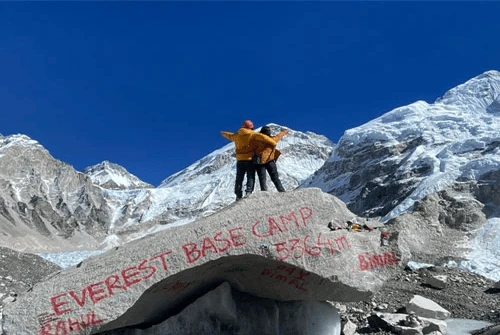
Located at an altitude of 5,364 meters (17,598 feet) above sea level, Everest Base Camp is a high-altitude destination. The challenge comes mainly from the thin air, long walking days, and changing mountain conditions rather than age itself.
Whether you are planning an Everest Base Camp family trek, traveling with teenagers, or fulfilling a lifelong dream after retirement, proper preparation can make this adventure possible.
Is There an Official Minimum or Maximum Age Limit for the Everest Base Camp Trek?
No. There is no official minimum age or maximum age limit for the Everest Base Camp Trek.
The Government of Nepal does not set a specific age restriction for trekkers traveling to Everest Base Camp. Unlike climbing Mount Everest, which requires technical climbing skills, mountaineering experience, and strict climbing regulations, the Everest Base Camp Trek is a non-technical high-altitude trekking adventure that is accessible to people of different age groups.
However, reaching Everest Base Camp at an altitude of 5,364 meters (17,598 feet) requires proper preparation, good health, and an understanding of high-altitude conditions. Age alone does not determine whether someone can successfully complete the trek.
Professional trekking companies and experienced guides usually evaluate a trekker’s readiness based on:
Physical fitness level and endurance
Previous hiking or trekking experience
Medical condition and overall health
Ability to walk 5–7 hours daily on mountain terrain
Ability to adapt to high altitude
Mental strength, patience, and determination
A healthy and well-prepared traveler in their 60s or 70s may successfully complete the Everest Base Camp Trek, while a younger traveler without proper training may find the journey challenging.The most important question is not:How old are you?
The better question is:Are you physically and mentally prepared for a high-altitude Himalayan adventure?
With the right training, gradual acclimatization, experienced local guides, and a suitable itinerary, the Everest Base Camp Trek can become a life-changing experience for adventurers of many ages.
What Is the Minimum Age for Everest Base Camp Trek?
Although there is no official Everest trek age limit, the recommended minimum age for the standard EBC trek is generally around 10 to 12 years old.
If you are planning a family trek to Everest Base Camp, children who join the journey should:
Enjoy outdoor activities and high-altitude hiking
Be physically active and conditioned for the trail
Be able to walk 5 to 6 hours per day on steep, uneven terrain
Understand basic mountain trekking safety rules
Be mature enough to communicate physical discomfort or altitude sickness symptoms immediately
Ultimately, a child’s ability to successfully complete the trek to Everest Base Camp depends much more on their individual physical fitness, mental maturity, and preparation than their exact age.
Can a 10-Year-Old Trek to Everest Base Camp?
Yes, a physically fit 10-year-old can successfully trek to Everest Base Camp with thorough preparation and the right support.
When planning an Everest Base Camp trek with kids, families should carefully consider the following adjustments:
A slower trekking pace to allow younger legs to keep up comfortably
Extra acclimatization days to safely prevent altitude sickness in children
Hiring a private guide and porter for personalized support and safety on the trail
Shorter daily walking distances to avoid physical exhaustion
Frequent rest and hydration breaks to keep energy levels and fluids up
A customized EBC itinerary, which is always highly recommended over a rigid, fixed-group departure schedule to allow for maximum flexibility.
Is Everest Base Camp Trek Safe for Teenagers?
Yes, the Everest Base Camp trek is safe for teenagers when approached with the right preparation. Teenagers between the ages of 13 and 18 often perform exceptionally well on the journey to EBC.
Young adventurers typically possess excellent energy levels and recover quickly from long, strenuous days of high-altitude trekking. Because of this, many teenagers successfully complete the hike to Everest Base Camp with their families every year.
For a safe and successful teenage Everest Base Camp adventure, make sure to focus on:
Regular physical training and cardiovascular conditioning before the trek
Staying hydrated by drinking plenty of water daily to combat dry mountain air
Eating nutritious, high-calorie meals to fuel long days on the trail
Walking at a steady, slow pace (bistari, bistari) to prevent overexertion
Following the trekking guide’s advice regarding altitude sickness prevention
Ultimately, tackling the rugged terrain of the Himalayas teaches teenagers invaluable lessons in patience, self-confidence, and resilience, all while creating unforgettable family trekking memories that will last a lifetime.
Can Adults Trek to Everest Base Camp?
Absolutely. Adults in their 20s, 30s, 40s, and 50s make up the largest demographic of Everest Base Camp trekkers. Most healthy adults can successfully complete the journey with proper physical preparation and altitude acclimatization.
The best Everest Base Camp trek training program focuses on building stamina and stamina through targeted exercises. To optimize your fitness prep for EBC, include:
Cardiovascular Training
Improve your aerobic endurance and lung capacity through consistent cardio workouts, such as:
Running and jogging
Cycling or spinning
Swimming
Day hiking on local trails
Stair climbing or using a StairMaster machine
Strength Training
Build lower-body strength and core stability to handle the rugged terrain with:
Squats and weighted squats
Lunges (forward and reverse)
Step-ups onto a bench or box
Targeted leg exercises to strengthen your calves, glutes, and hamstrings
Practice Hiking
Before arriving in Nepal for your Himalayan trekking adventure, it is highly recommended to:
Take weekend hikes on steep trails
Walk with a weighted backpack to simulate trekking conditions
Practice extended uphill and downhill walking to condition your knees and joints
Thorough trekking preparation drastically reduces muscle fatigue, lowers the risk of injury, and ultimately increases your overall enjoyment on the trail to Everest Base Camp.
Is There a Maximum Age Limit for Everest Base Camp Trek?
No, there is no maximum age limit for the Everest Base Camp trek.In fact, many active senior trekkers in their:
60s
70s
And even 80s
have successfully completed the hike to Everest Base Camp. With legendary adventurers and determined retirees proving that age is just a number on the trail, old-age hiking in the Himalayas has become more popular than ever.
For older adventurers, physical preparation, overall health, and a tailored approach become far more important than chronological age. If you are planning an Everest Base Camp trek for senior citizens, key factors to focus on include:
Heart Health & Cardiovascular Fitness
The high altitude of the Khumbu region places additional stress on your cardiovascular system. A comprehensive medical check-up before trekking is highly recommended to ensure your heart is ready for the elevation.
Lung Capacity
Good respiratory health and lung function help your body adapt to the lower oxygen levels found at high altitudes. Aerobic exercises like brisk walking, swimming, and cycling can help condition your lungs.
Joint Health & Mobility
Healthy knees, hips, and ankles are essential because the rugged trail to Everest Base Camp features rocky terrain, steep stone staircases, and hours of continuous downhill walking. Utilizing trekking poles is highly recommended to reduce impact and maintain balance.
Proper Acclimatization
Older bodies may take a bit longer to adapt to changes in elevation. To prevent altitude sickness in senior trekkers, it is vital to avoid rushing and allow ample time for your body to adjust.
Choosing a slower Everest Base Camp itinerary with built-in, extra rest days in places like Namche Bazaar and Dingboche will dramatically improve your safety, comfort, and success rate.
Why Fitness Matters More Than Age on Mount Everest Base Camp Trek
The ultimate challenge of the Everest Base Camp trek is not your chronological age—it is managing the extreme high altitude. Anyone, from young athletes to seasoned seniors, can experience altitude-related health issues regardless of their fitness level, age, or past hiking experience.
To put the journey into perspective, the Everest Base Camp elevation profile requires adapting to significant altitude gains over a short period:
Location | Altitude (Meters) | Altitude (Feet) |
Lukla (Trekking Start) | 2,860 m | 9,383 ft |
Namche Bazaar | 3,440 m | 11,286 ft |
Dingboche | 4,410 m | 14,468 ft |
Lobuche | 4,940 m | 16,207 ft |
Everest Base Camp (EBC) | 5,364 m | 17,598 ft |
Kala Patthar (Viewpoint) | 5,545 m | 18,192 ft |
Because oxygen levels drop significantly as you climb, every trekker must monitor themselves for symptoms of Acute Mountain Sickness (AMS). Common signs of altitude sickness on the EBC trek include:
Throbbing headache
Nausea or vomiting
Dizziness and lightheadedness
Loss of appetite
Unusual, extreme tiredness or fatigue
Difficulty sleeping or insomnia
Ultimately, physical fitness helps your body handle the exertion of daily trekking, but proper altitude acclimatization, staying well-hydrated, and keeping a slow, steady walking pace (bistari, bistari) remain the most essential high-altitude safety rules for every single age group.
Recommended Everest Base Camp Trek Duration by Age Group
Choosing the right Everest Base Camp trek itinerary depends heavily on finding a pace that matches your demographic's recovery and adaptation needs. A longer itinerary does not mean a weaker trekker; instead, it often creates a much safer, more successful, and highly enjoyable Himalayan trekking experience.
The table below breaks down the ideal EBC trek duration and primary safety focus for different age groups:
Age Group | Recommended Duration | Main Focus |
10–15 years | 15–16 Days | Slow pace, extra breaks, and dedicated family support |
16–50 years | 12–14 Days | Standard EBC itinerary and solid physical preparation |
50–65 years | 14–15 Days | Comfortable trekking pace and additional altitude rest days |
65+ years | 15–18 Days | Maximum altitude acclimatization and full private guide/porter support |
No matter your age, adjusting the number of days on the trail ensures that your body has the time it needs to safely adjust to the changing elevations of the Khumbu region.
Everest Base Camp Trek Tips for Families With Children
Planning a successful Everest Base Camp family trek requires extra preparation, flexibility, and a focus on safety. To ensure a memorable and comfortable journey for everyone, keep these essential family trekking tips in mind:
Choose a Private Trek
Booking a private Everest Base Camp trek instead of joining a fixed group tour is the best decision you can make for your kids. A private trek allows your family to:
Set your own comfortable walking pace
Add impromptu rest breaks throughout the day
Adjust the trekking itinerary on the fly if a child needs extra time to adapt
Pack Properly for Kids
Children feel the cold and fatigue faster than adults. Ensure your Everest Base Camp packing list for kids includes high-quality gear such as:
Multiple warm layers (thermal base layers, fleece, and a down jacket)
Well-broken-in, comfortable trekking shoes or hiking boots
Complete sun protection (UV sunglasses, wide-brimmed hats, and high-SPF sunscreen)
Their favorite comfort snacks from home to keep energy levels up
A dedicated personal water bottle or hydration bladder
Never Skip Acclimatization Days
When trekking with children in the Himalayas, cutting corners on safety is never an option. Scheduled altitude acclimatization days in key villages like Namche Bazaar and Dingboche are absolutely essential for helping younger bodies safely adjust to the thinning mountain air.
Everest Base Camp Trek Tips for Senior Travelers
With the right approach, senior trekkers can absolutely complete the legendary journey to Everest Base Camp safely and comfortably. By focusing on preparation, pacing, and support, older adventurers can ensure a successful Himalayan trekking experience. Follow these essential recommendations:
Start Training Early
Begin your Everest Base Camp physical preparation at least 3 to 6 months before your departure date. Your routine should focus on:
Low-impact cardiovascular exercises like swimming, cycling, and walking to build lung capacity
Strength training to protect your joints
Gradual practice hikes with a weighted backpack to simulate the trail
Use Trekking Poles
Adjustable trekking poles are an absolute must-have for older hikers. They help redistribute body weight, reduce joint impact on knees and hips by up to 25% on steep downhills, and significantly improve balance on rocky, uneven terrain.
Hire a Local Guide and Porter
To maximize your comfort and safety, book your journey through a reputable local trekking agency. Hiring a private guide and porter allows you to focus purely on your breathing, pacing, and enjoying the magnificent scenery without the physical strain of carrying heavy luggage.
Get Specialized Travel Insurance
As of 2026, travel insurance is legally mandatory for obtaining trekking permits in Nepal. Because standard travel insurance policies usually exclude activities at high elevations, senior travelers must choose a specialized high-altitude trekking insurance policy that explicitly covers:
Trekking and hiking up to 6,000 meters (to fully cover EBC and Kala Patthar)
High-altitude emergency helicopter evacuation
On-the-ground medical treatment and hospitalization costs in Kathmandu
Frequently Asked Questions About the Everest Base Camp Trek Age Limit
Can a 12-year-old trek to Everest Base Camp?
Yes, absolutely. A healthy, active 12-year-old with good physical preparation can successfully complete the Everest Base Camp trek. The key to a successful family trek to EBC at this age is having dedicated family support, incorporating a slower, child-friendly walking pace, and allowing ample time for proper altitude acclimatization.
Can a 70-year-old trek to Everest Base Camp?
Yes. Many active senior citizens in their 70s (and even 80s) successfully reach Everest Base Camp (EBC) every single year. When it comes to high-altitude trekking, your overall physical fitness, cardiovascular health, and pre-trek physical training matter far more than chronological age.
Is the Everest Base Camp trek difficult for older people?
While the rugged terrain and steep climbs of the Khumbu region are physically demanding, age alone does not dictate the Everest Base Camp trek difficulty. With targeted cardio and strength training beforehand, a slow and steady walking pace (bistari, bistari), and a safety-conscious, slower itinerary with extra rest days, the journey is highly achievable and safe for older hikers.
Is Everest Base Camp suitable for families?
Yes, EBC is a fantastic destination for an unforgettable family trekking adventure. To ensure safety and comfort for both children and parents, it is highly recommended to book a customized private trek through a reputable local trekking agency. This gives your family the ultimate flexibility to adjust walking distances and rest days as needed.
What is the best age to trek to Everest Base Camp?
There is no single "perfect" age to hike to Everest Base Camp. The best time to take on this legendary trail is simply when you are physically prepared, mentally motivated, equipped with the right high-altitude gear, and ready to safely experience the wonders of the Himalayas.
What is the minimum age recommended for children to do this trek?
While there is no government-mandated minimum age, most experienced trekking agencies and guides recommend a minimum age of 8 to 10 years old. Below this age, children may struggle to articulate symptoms of altitude sickness (such as dizziness or nausea), and the extreme cold and basic teahouse conditions can be highly challenging for very young kids.
Why do older trekkers sometimes have higher success rates than younger trekkers?
It is a common mountain phenomenon: older trekkers often have higher success rates because they tend to be more patient and disciplined. While younger hikers may overexert themselves by walking too fast in the early stages, senior trekkers are more likely to listen to their guides, maintain a slow and steady pace (bistari, bistari), and take high-altitude acclimatization seriously.
Can children under 18 trek to Everest Base Camp alone?
No. Unaccompanied minors are not allowed to trek alone in the Khumbu region. Teenagers under 15 must be accompanied by a parent or legal guardian. Older teenagers (aged 15 to 17) may be permitted to trek without a parent, but only if they are accompanied by a licensed local guide and have a signed parental consent disclaimer.
What should I do if my child or an elderly family member gets sick on the trail?
Safety always comes first. If anyone in your group shows signs of Acute Mountain Sickness (AMS)—such as a persistent headache, vomiting, or extreme fatigue—you must stop ascending immediately. If symptoms do not improve with rest, you must descend to a lower altitude. For severe cases, your licensed guide will coordinate an immediate emergency helicopter evacuation to a hospital in Kathmandu.
What is the best age for the Everest Base Camp trek?
There is no single best age to trek to Everest Base Camp. Success on this legendary trail depends on physical stamina, mental determination, and previous high-altitude trekking experience rather than age. Anyone in good health can complete the journey with proper EBC physical training and preparation.
Can any age group do the EBC trek?
Yes, the hike to Everest Base Camp is achievable for all age groups with a decent physical fitness level. However, due to unpredictable weather and extreme elevation gain, we advise against bringing children under 10 or senior citizens over 60 without a custom, slow-paced family trekking itinerary and a thorough pre-trip medical checkup.
When is the best time for an EBC family trek?
The absolute best trekking seasons for families and older travelers are Spring (March to May) and Autumn (September to November). These seasons offer stable weather, clear mountain views, and comfortable temperatures. Avoid winter and monsoon seasons to prevent injuries on wet or snow-covered trails.
How should we prepare our itinerary for kids and seniors?
Always request a customized, family-friendly EBC itinerary from your local trekking agency. Your custom plan should feature:
Shorter trekking days with less daily elevation gain
Adequate, built-in altitude acclimatization days
A flexible schedule to allow for extra rest, weather delays, or pacing adjustments
What are the training and nutritional needs for families?
Physical training: Focus on regular aerobic conditioning, leg strength, and family day-hikes to build endurance.
Nutrition: Keep energy high by eating carbohydrate-rich local meals (like Dal Bhat) and packing plenty of high-energy trekking snacks (protein bars, dried fruits, and nuts).
Hydration: Ensure everyone drinks at least 4 to 5 liters of clean water daily to prevent altitude sickness.
Do kids need trekking permits for Everest Base Camp?
Yes. All trekkers, including children, require two mandatory permits:
Sagarmatha National Park Entry Permit: NPR 3,000 ($23 USD) for foreign nationals (Free for children under 10).
Khumbu Pasang Lhamu Municipality Permit: NPR 3,000 ($23 USD) for foreign nationals (Free for children under 10).
Final Thoughts: Age Is Just a Number on the Everest Base Camp Trail
The legendary Everest Base Camp trek is not limited by a number on a birth certificate. Instead, it is a life-changing journey defined by physical preparation, mental determination, and a deep respect for the high-altitude environment of the Himalayas.
Whether you are a teenager searching for your first great mountain adventure, an adult fulfilling a lifelong bucket-list dream, or a senior explorer proving that age cannot limit your passion for discovery, the trail to Everest Base Camp welcomes you.
At All Nepal Hiking Pvt. Ltd., we specialize in designing safe, highly customized Everest Base Camp trek itineraries tailored for families, couples, solo travelers, and senior trekkers.Our experienced, licensed local guides provide:
Scientifically structured acclimatization planning to ensure a safe ascent
Flexible trekking schedules that adapt to your personal pace and needs
Safety-focused guidance on altitude sickness prevention
Personalized support from a dedicated team of local guides and porters
Ready to stand at the base of the world’s highest peak? Contact All Nepal Hiking today to start planning your custom, unforgettable Everest Base Camp adventure in 2027.