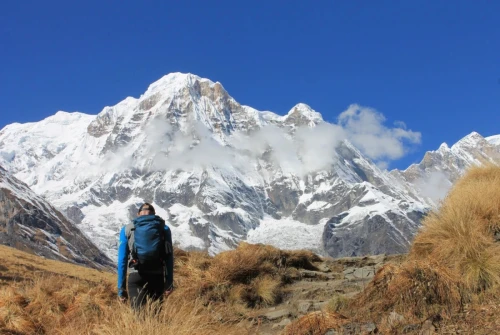
Everest Base Camp Trek Route and Map
The Everest Base Camp Trek route is one of the world’s most scenic and adventurous hiking trails, offering a once-in-a-lifetime experience for trekkers and travelers alike. The journey begins with a thrilling mountain flight from Kathmandu to Lukla (2,860 m) , one of the most spectacular and challenging airports in the world. From Lukla, the Everest Base Camp trail winds through lush valleys, suspension bridges, and traditional Sherpa villages filled with rich Himalayan culture.
As you trek toward Everest Base Camp, you’ll pass through famous waypoints such as Phakding, Namche Bazaar, Tengboche, Dingboche, Lobuche, and Gorakshep before finally reaching Everest Base Camp and the iconic Kala Patthar (5,545 m) renowned for its unmatched sunrise views of Mount Everest and the surrounding Himalayan giants.
Everest Base Camp Trek Distance and Elevation Profile
- Total Trekking Distance: 130 km / 80 miles (round trip)
- Average Walking Duration: 6–7 hours per day
- Starting Point Altitude: 2,860 m (Lukla)
- Highest Point: 5,545 m (Kala Patthar)
- Trek Duration: 12–14 days (standard itinerary)
The Everest Base Camp trail follows a gradual ascent, allowing for proper acclimatization and breathtaking scenery at every turn. It combines lush rhododendron forests, glacial valleys, and rugged mountain paths, making it one of the best trekking routes in Nepal for adventure seekers and hiking enthusiasts.
Main Highlights Along the EBC Trekking Route
- Namche Bazaar (3,440 m): The vibrant Sherpa capital, perfect for acclimatization, cafés, and stunning Everest views.
- Tengboche Monastery (3,867 m): A serene spiritual center of the Khumbu region, offering panoramic views of Ama Dablam and Everest.
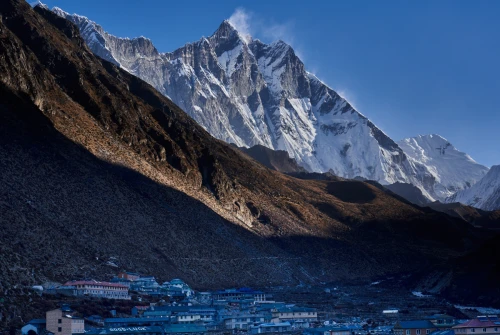
- Dingboche (4,410 m): Known as the gateway to high-altitude trekking, ideal for acclimatization hikes.
- Lobuche (4,940 m) & Gorakshep (5,164 m): Final settlements before reaching Everest Base Camp surrounded by glacial landscapes.
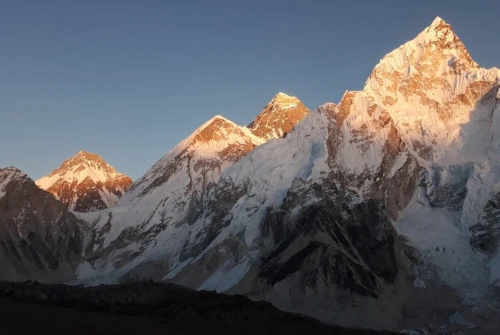
- Kala Patthar (5,545 m): The best viewpoint of Mount Everest, offering jaw-dropping sunrise and sunset panoramas.
EBC Trek Map
The Everest Base Camp Trek map follows a classic route through Sagarmatha National Park, connecting remote Himalayan settlements and glacial valleys. The path runs parallel to the Dudh Koshi River before ascending into the alpine wilderness of the Khumbu region. Most maps highlight key stops, altitude points, and acclimatization days to ensure a safe and rewarding trekking experience.
Pro Tip: Always carry an updated Everest Base Camp trek map (paper or digital) it helps track your progress, plan acclimatization stops, and explore side trails such as Everest View Hotel or Nangkartshang Peak.
Everest Base Camp Trek 14 Days Itinerary
The Everest Base Camp Trek 14 Days itinerary is the most popular and well-paced route, allowing enough time for proper acclimatization and scenic exploration. It takes you from the vibrant capital city of Kathmandu to the iconic Everest Base Camp (5,364 m) and the viewpoint of Kala Patthar (5,545 m) the best place to witness the sunrise over Mt. Everest.
Day 1: Arrival in Kathmandu (1,400 m)
- Arrive at Tribhuvan International Airport, Kathmandu.
- Transfer to your hotel.
- Attend a pre-trek briefing with your guide: review the trek, safety measures, and equipment.
- Optional: explore Thamel for trekking gear or local cuisine.
- Overnight: Kathmandu
Day 2: Fly from Kathmandu to Lukla (2,860 m) and Trek to Phakding (2,610 m)
- Early morning scenic flight to Lukla Airport, famous for its dramatic landing strip.
- Begin your trek along the Dudh Koshi River, passing pine forests and small Sherpa villages.
- Trek time: 3–4 hours
- Overnight: Phakding
Day 3: Trek from Phakding to Namche Bazaar (3,440 m)
- Cross suspension bridges over the Dudh Koshi River.
- Steady uphill trek to Namche Bazaar, the vibrant Sherpa hub.
- Enjoy views of Thamserku and Kusum Kanguru peaks along the way.
- Trek time: 6–7 hours
- Overnight: Namche Bazaar
Day 4: Acclimatization Day at Namche Bazaar
- Rest and acclimatize to the altitude.
- Optional hikes:
- Everest View Hotel for panoramic vistas of Everest, Lhotse, and Ama Dablam.
- Visit the Sherpa Museum to learn about local culture and mountaineering history.
- Stroll through local markets for souvenirs.
- Overnight: Namche Bazaar
Day 5: Trek from Namche Bazaar to Tengboche (3,867 m)
- Pass through rhododendron and pine forests.
- Cross the Dudh Koshi River and climb towards Tengboche Monastery, the spiritual center of Khumbu.
- Enjoy spectacular views of Ama Dablam and other peaks.
- Trek time: 5–6 hours
- Overnight: Tengboche
Day 6: Trek from Tengboche to Dingboche (4,410 m)
- Descend to Deboche and continue along the Imja Khola valley.
- Climb gradually to Dingboche, a picturesque village surrounded by high peaks.
- Trek time: 5–6 hours
- Overnight: Dingboche
Day 7: Acclimatization Day in Dingboche
- Optional hike to Nangkartshang Peak (5,083 m) for views of Makalu, Lhotse, and Ama Dablam.
- Rest and prepare for higher altitude trekking.
- Overnight: Dingboche
Day 8: Trek from Dingboche to Lobuche (4,940 m)
- Walk along glacial moraines.
- Visit the Everest Memorial dedicated to climbers who lost their lives on Everest.
- Trek time: 5–6 hours
- Overnight: Lobuche
Day 9: Trek to Gorakshep (5,164 m) and Hike to Everest Base Camp (5,364 m)
- Trek to Gorakshep, the last settlement before Base Camp.
- Continue to Everest Base Camp, where climbers stage for summit attempts.
- Return to Gorakshep for the night.
- Trek time: 7–8 hours round trip
- Overnight: Gorakshep
Day 10: Early Morning Hike to Kala Patthar (5,545 m), Trek to Pheriche (4,240 m)
- Sunrise hike to Kala Patthar for panoramic views of Everest, Lhotse, and Nuptse.
- Descend to Pheriche via Lobuche.
- Trek time: 7–8 hours
- Overnight: Pheriche
Day 11: Trek from Pheriche to Namche Bazaar
- Descend through Pangboche and Tengboche villages.
- Enjoy the cultural atmosphere and scenic river valleys.
- Trek time: 6–7 hours
- Overnight: Namche Bazaar
Day 12: Trek from Namche Bazaar to Lukla
- Continue descending via suspension bridges and Sherpa villages.
- Final trekking day with celebrations in Lukla.
- Trek time: 6–7 hours
- Overnight: Lukla
Day 13: Fly from Lukla to Kathmandu
- Morning flight back to Kathmandu.
- Transfer to your hotel.
- Rest or optional sightseeing: Garden of Dreams, local markets, or Thamel stroll.
- Overnight: Kathmandu
Day 14: Kathmandu Sightseeing or Departure
- Explore Kathmandu Valley:
- Pashupatinath Temple – UNESCO World Heritage Hindu temple.
- Boudhanath Stupa – iconic Tibetan Buddhist stupa.
- Swayambhunath (Monkey Temple) – panoramic city views.
- Departure from the airport for onward journey.
Why This 14-Day Everest Base Camp Trek Itinerary Is Ideal
- Balanced Trekking and Acclimatization: Carefully planned rest days in Namche Bazaar and Dingboche ensure safe acclimatization to high altitudes while keeping the trek enjoyable.
- Covers Major Highlights: Experience iconic Everest region landmarks, including Namche Bazaar, Tengboche Monastery, Everest Base Camp, and the unforgettable Kala Patthar sunrise.
- Suitable for All Trekkers: Designed for both beginners and experienced trekkers, offering a manageable pace with breathtaking views.
- Flexible and Customizable: Can be tailored with options like helicopter return, extra rest days, or cultural excursions in Kathmandu.
Mount Everest Base Camp Trek Cost 2026-2027
The Mount Everest Base Camp Trek cost varies depending on the type of package, services included, and travel preferences. Here’s a detailed breakdown for 2026 to help you plan your EBC trekking adventure in Nepal.
1. Trekking Package Types and Costs
Package Type | Cost (Per Person) | Inclusions |
Budget (Tea House Trek) | USD 1,200 – 1,400 | Guide, porter, trekking permits, domestic flight (Kathmandu–Lukla) |
Standard (Popular) | USD 1,500 – 1,800 | All meals, accommodation in teahouses/lodges, permits, guide, Lukla flights |
Luxury | USD 2,000 – 3,500 | High-end lodges, private guide & porter, helicopter return, premium meals |
2. Optional Upgrade: Helicopter Return from EBC
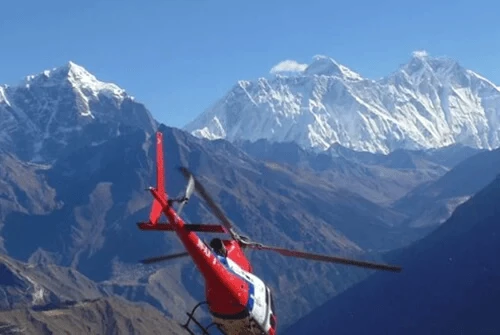
For travelers short on time or looking for an extra adventure, the Everest Base Camp Trek 10 Days with Helicopter Return is an excellent choice. After reaching Everest Base Camp or Kala Patthar, you can fly back to Lukla or Kathmandu, saving 2–3 trekking days and enjoying stunning aerial views of the Himalayas.
Everest Base Camp Trek Highlights
The Everest Base Camp Trek is not just a hike; it’s a life-changing adventure through the heart of the Himalayas. Here are the main highlights that make this trek truly unforgettable:
1. Scenic Kathmandu to Lukla Flight
Begin your journey with one of the most thrilling flights in the world, offering stunning aerial views of the Himalayan peaks, deep valleys, and snow-capped mountains.
2. Namche Bazaar – The Sherpa Capital
Explore Namche Bazaar (3,440 m), the vibrant trading hub of the Khumbu region. Acclimatize here while enjoying cafés, local markets, and panoramic views of Everest, Lhotse, and Ama Dablam.
3. Tengboche Monastery – Spiritual Heart of Khumbu
Visit the historic Tengboche Monastery (3,867 m), a center of Buddhist culture and spiritual heritage, surrounded by breathtaking mountain landscapes.
4. Majestic Himalayan Views
Marvel at iconic peaks including Mount Everest (8,848.86 m), Lhotse, Nuptse, and Ama Dablam throughout the trek. Every stop offers a new perspective of the towering Himalayan giants.
5. Sunrise at Kala Patthar
Witness the unforgettable sunrise from Kala Patthar (5,545 m) — the best viewpoint to see Everest and capture spectacular photographs of the surrounding peaks.
6. Warm Sherpa Hospitality and Culture
Experience the unique Sherpa lifestyle, including traditional foods, friendly interactions with locals, and learning about high-altitude mountain living.
7. Authentic Teahouse Trekking Experience
Stay in teahouses along the EBC route, offering cozy accommodations, hearty meals, and the chance to connect with fellow trekkers from around the world.
Pro Tip: Each stop along the Everest Base Camp trekking route offers its own charm from cultural immersion in Sherpa villages to awe-inspiring Himalayan landscapes, making this trek a complete Everest travel adventure.
Everest Base Camp Trek Difficulty and Fitness Level
The Everest Base Camp Trek 14 Days is considered moderate to challenging, making it suitable for both first-time trekkers and experienced hikers. While technical climbing skills are not required, a good level of fitness, endurance, and acclimatization is essential to complete this high-altitude adventure safely.
Key Challenges of the EBC Trek
- High Altitude:Trekking up to 5,545 meters (Kala Patthar) exposes you to thin air and reduced oxygen levels. Proper acclimatization is crucial to avoid altitude sickness.
- Long Walking Days:Daily trekking ranges from 5–7 hours, with some steep sections, rocky paths, and glacial trails. Physical preparation and stamina help make each day manageable.
- Cold Weather in High-Altitude Areas:Temperatures drop significantly at higher elevations, especially at night. Layered clothing, warm gear, and thermal protection are necessary for comfort and safety.
Fitness Recommendations for the Everest Base Camp Trek
- Cardiovascular Training: Running, cycling, or brisk walking for 45–60 minutes, 4–5 times per week.
- Strength Training: Focus on legs, core, and back muscles to handle long ascents and carrying a backpack.
- Endurance Hiking: Practice hikes with a loaded backpack to simulate trekking conditions.
- Acclimatization: Include rest days at Namche Bazaar and Dingboche to adjust to high altitude.
Pro Tip: With proper preparation, pacing, and gradual acclimatization, even first-time trekkers can safely enjoy the Everest Base Camp Trek 14 Days, witnessing breathtaking Himalayan scenery and unforgettable cultural experiences.
Best Season for Everest Base Camp Trek
Choosing the right season for Everest Base Camp Trek is crucial for safety, visibility, and overall trekking experience. The EBC trek can be done almost year-round, but the best conditions are during spring and autumn.
1. Spring (March – May)
- Weather: Mild and stable, perfect for trekking.
- Scenery: Rhododendron forests are in full bloom, adding vibrant colors to the valleys and hills.
- Visibility: Clear skies allow stunning mountain views, including Everest, Lhotse, Nuptse, and Ama Dablam.
- Advantages: Pleasant temperatures, fewer clouds, and ideal for photography.
2. Autumn (September – November)
- Weather: Crisp, dry, and stable — considered the peak trekking season.
- Scenery: Post-monsoon freshness keeps the air clean and the skies clear.
- Visibility: Excellent, offering panoramic views of the Himalayas.
- Advantages: Ideal for trekkers seeking crowd-free trails early in the season or vibrant cultural experiences in Sherpa villages.
3. Winter (December – February)
- Weather: Cold, especially at higher altitudes.
- Advantages: Fewer trekkers, more serene trails, and unique snow-covered landscapes.
- Disadvantages: Lower temperatures, icy paths, and occasional snowfall at high altitudes.
Pro Tip: For first-time trekkers, spring and autumn are recommended for Everest Base Camp Trek 14 Days, offering the perfect combination of comfort, scenic beauty, and safety. Winter trekking is ideal for experienced hikers seeking solitude and snowy landscapes.
Everest Base Camp Trek Packing List & Gear Recommendations
Packing the right gear is essential for a safe, comfortable, and enjoyable Everest Base Camp Trek 14 Days. Here’s a comprehensive checklist for your high-altitude adventure:
1. Footwear & Socks
- Sturdy trekking boots with good ankle support and grip.
- Warm trekking socks : wool or synthetic blends to prevent blisters.
2. Clothing Layers
- Base layer: Moisture-wicking t-shirts and thermal leggings.
- Mid layer: Fleece jacket or insulated layer for warmth.
- Outer layer: Waterproof and windproof jacket and pants.
- Additional: Comfortable trekking pants and shirts for lower altitudes.
3. Warm Gear
- Down jacket for high-altitude cold nights.
- Sleeping bag rated for sub-zero temperatures.
- Gloves, hat, and scarf/buff to protect extremities from frostbite.
- Sunglasses with UV protection to prevent snow blindness.
4. Trekking Accessories
- Trekking poles for stability on rocky and icy trails.
- Daypack for daily essentials.
- Headlamp with extra batteries for evening and early morning treks.
5. Hydration & Nutrition
- Refillable water bottle or hydration bladder
- Water purification tablets or filter to ensure safe drinking water
- Snacks: Energy bars, nuts, and chocolates for long trekking days.
6. Health & Safety
- Personal first aid kit (bandages, blister pads, antiseptic)
- Prescription medications and high-altitude medications (if needed)
- Sunscreen and lip balm with high SPF
- Hand sanitizer and wet wipes for hygiene
7. Optional Items
- Camera or GoPro for capturing breathtaking Himalayan views
- Travel insurance documents and trekking permits
- Lightweight travel towel and toiletries
Pro Tip: Packing light but smart is key. Focus on layers, warm clothing, and essentials. You'll carry your backpack for 6–7 hours daily on the EBC trek. Most teahouses provide basic amenities, so you don’t need to overpack.
Cultural Experience and Local Lifestyle on Everest Base Camp Trek
The Everest Base Camp Trek is not just a high-altitude adventure, it's also a deep cultural journey through the heart of the Khumbu region, home to the resilient Sherpa community.
1. Explore Tengboche Monastery
Visit the historic Tengboche Monastery (3,867 m), the spiritual center of the Khumbu. Witness Buddhist rituals, prayer ceremonies, and stunning prayer flags, offering insight into Sherpa spirituality.
2. Interact with Local Families
Trek through villages like Namche Bazaar, Pangboche, and Dingboche, and experience the warm hospitality of the Sherpa people. Learn about their daily routines, traditional farming, and high-altitude lifestyle.
3. Taste Authentic Sherpa Cuisine
Savor local dishes such as dal bhat (lentil soup with rice), momo (dumplings), and butter tea, providing both cultural insight and energy for trekking.
4. Learn Traditional Himalayan Lifestyles
Discover traditional architecture, prayer flags, mani stones, and local customs, all set against the breathtaking backdrop of the Himalayas. Every village along the EBC trek tells a story of resilience, spirituality, and mountain living.
Pro Tip: Engaging with the local culture adds depth to your Everest Base Camp trekking experience, making it not just a physical journey, but a transformative cultural adventure.
Optional Everest Base Camp Trek with Helicopter Return
For trekkers who are short on time or want a unique experience, the Everest Base Camp Trek 14 Days with Helicopter Return is an excellent option.
1. How It Works: After reaching Everest Base Camp (5,364 m) or Kala Patthar (5,545 m), you can take a helicopter flight back to Lukla or Kathmandu. This saves 2–3 trekking days while providing a spectacular aerial perspective of the Khumbu region.
2. Benefits of the Helicopter Return
- Time-saving: Complete your trek faster without missing the highlights.
- Spectacular views: Enjoy panoramic aerial shots of Everest, Lhotse, Nuptse, Ama Dablam, and surrounding peaks.
- Comfort & safety: Reduce physical strain and fatigue, especially at high altitudes.
- Flexible itineraries: Ideal for short-duration travelers, seniors, or those with limited trekking experience.
3. Practical Considerations
- Helicopter flights are weather-dependent, so flexibility in scheduling is important.
- Advanced booking is recommended, particularly in peak trekking seasons (Spring and Autumn).
- Some luxury trekking packages include the helicopter return, while others offer it as an optional add-on.
Pro Tip: The EBC helicopter return is perfect for combining adventure with convenience allowing you to experience the Himalayas from both ground and sky.
Everest Base Camp Trek Permits & Fees 2026/2027
To trek the Everest Base Camp 14 Days, all trekkers must obtain the necessary permits. These ensure both safety and conservation of the Khumbu region.
1. Required Permits for EBC Trek
- Sagarmatha National Park Permit
- Required for entry into Sagarmatha National Park, a UNESCO World Heritage Site.
- Fee: NPR 3,000 (approx. USD 20).
2.Khumbu Pasang Lhamu Rural Municipality Permit
- Issued by the local municipality to regulate trekking in the Khumbu region.
- Fee: NPR 3,000 (approx. USD 20).
Tip: Permits are usually included in most EBC trek packages and can also be obtained at the entry points through registered trekking agencies.
Everest Base Camp (EBC) Trek FAQs
Planning an Everest Base Camp (EBC) Trek often brings up common questions. Here are answers to the most searched queries:
1. How long is the Everest Base Camp Trek?
The standard Everest Base Camp Trek 14 Days itinerary covers approximately 130 km (80 miles) round trip, depending on acclimatization stops and weather conditions. Trekkers typically spend 12–14 days completing the journey.
2. How difficult is the Everest Base Camp Trek?
The trek is moderate to challenging. While no technical climbing skills are required, trekkers should have good fitness and stamina. Daily walking ranges from 5–7 hours, with high-altitude sections up to 5,545 m (Kala Patthar).
3. Can I do Everest Base Camp Trek solo?
Yes, solo trekking is possible. However, hiring a licensed guide and porter is highly recommended for safety, navigation, and cultural insight, especially in remote high-altitude areas.
4. What is the altitude of Everest Base Camp?
Everest Base Camp is located at 5,364 meters (17,598 ft). For panoramic views of Everest and surrounding peaks, trekkers often hike to Kala Patthar (5,545 m).
5. What is the best time to do the Everest Base Camp Trek?
The best seasons are:
Spring (March–May): Rhododendron forests in bloom, mild weather, clear mountain views.
Autumn (September–November): Crisp air, stable weather, and post-monsoon clarity perfect for photography and trekking.
6. What permits are required for the Everest Base Camp Trek?
You’ll need:
Sagarmatha National Park Permit
Khumbu Pasang Lhamu Rural Municipality Permit
Permits can be obtained through trekking agencies or at entry points.
7. What is the cost of Everest Base Camp Trek 14 Days?
Budget: USD 1,200 – 1,400 (tea house trek)
Standard: USD 1,500 – 1,800 (meals, guide, accommodation included)
Luxury: USD 2,000 – 3,500 (helicopter return, private guide, high-end lodges)
8. Can beginners do the Everest Base Camp Trek?
Yes! With proper fitness, acclimatization, and pacing, beginners can complete the trek safely while enjoying Sherpa culture, teahouse stays, and Himalayan scenery.
9. Is there an option for helicopter return from Everest Base Camp?
Yes, many travelers choose the EBC Trek with Helicopter Return after reaching EBC or Kala Patthar, saving 2–3 days and enjoying aerial views of the Khumbu region.
10. What should I pack for the Everest Base Camp Trek?
Essential gear includes: trekking boots, warm clothing, layers, down jacket, sleeping bag, trekking poles, gloves, hat, water bottles, and a personal first-aid kit.
Plan Your Everest Base Camp Trek with All Nepal Hiking
Ready to embark on the Everest Base Camp Trek 14 Days? Our team at All Nepal Hiking is here to help you plan a safe, memorable, and hassle-free adventure in the Himalayas.
Get in Touch
- Email: [email protected]
- Phone/WhatsApp: +977-9861021317
- Website: www.allnepalhiking.com
- Office Address: Kathmandu, Nepal
Why Contact Us?
- Customized itineraries to suit your fitness, time, and preferences
- Guides & porters with expert knowledge of the Khumbu region
- Permits & logistics handled for a stress-free trek
- Support before, during, and after your trek
Tip: Reach out early to secure your preferred trekking dates, especially during peak seasons (Spring & Autumn). Our team can also arrange helicopter returns, luxury packages, or group treks to fit your needs.
Final Thoughts:Why Choose Everest Base Camp Trek 14 Days?
The Everest Base Camp Trek 14 Days is more than just a trek; it’s a life-changing adventure that combines majestic Himalayan landscapes, Sherpa culture, and a sense of personal achievement.
Whether you choose a standard 14-day EBC trekking package or the helicopter return option, this legendary trail offers:
- Breathtaking panoramic views of Everest, Lhotse, Nuptse, and Ama Dablam.
- Immersive Sherpa cultural experiences in villages like Namche Bazaar, Tengboche, and Dingboche.;
- Well-paced itineraries for safe acclimatization and high-altitude trekking.
- A comfortable teahouse stays along the Khumbu route.
For a reliable and hassle-free trekking experience, many travelers book their Everest Base Camp Trek 14 Days with All Nepal Hiking, ensuring professional guides, secure permits, and comprehensive support throughout the journey.
 based on 270 reviews



.webp)