based on 270 reviews


Tsho Rolpa is one of Nepal's most remarkable high-altitude glacial lakes, located in the remote Rolwaling Valley of Dolakha District. Surrounded by rugged Himalayan mountains, glaciers, and traditional mountain settlements, this destination offers a rewarding adventure for travelers who want to experience a quieter side of Nepal.
At an altitude of about 4,580 meters above sea level, Tsho Rolpa has a beautiful glacier landscape that helps us understand how climate change is changing the Himalayas. Traveling towards a lake involves trekking across forests, riversides, rural communities, and more challenging mountainous areas.
While there are many popular treks in Nepal like Tsho Rolpa Lake Trek which is crowded, this one has less traffic around it. Nevertheless, due to its height, climate variability and lack of amenities it needs proper planning.
In this guide, you will learn where Tsho Rolpa is located, how to reach it, the best time to visit, what to expect along the trail, and how to prepare for a safe and enjoyable trek.
Where Is Tsho Rolpa Located?
The Tsho Rolpa is located within the Rolwaling Valley of Dolakha district, Bagmati province, northeast Nepal. The lake is located inside a larger area called Gaurishankar Conservation Area which has mountains, glaciers and traditional villages.
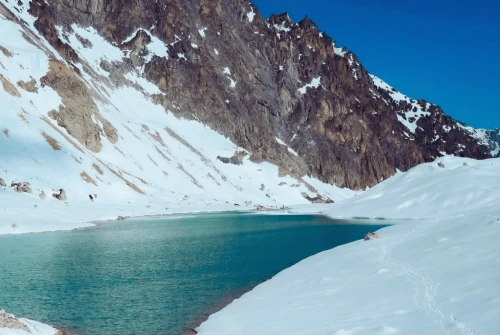
Glacial melt water feeds this lake which comes from a nearby glacier called Trakarding Glacier. The high altitude location provides an impressive scenery for rocky cliffs, glaciers and icy streams.
One way to describe Tsho Rolpa is that it's a big glacier lake in Nepal. It is an increasingly significant issue for scientists and people who are worried about glaciers melting due to climate change as well as possible catastrophic events like glacial lakes bursting.
Mountain people of Rolwaling valley have a strong influence from Tibetan Buddhism culture nearby them. The villages on a trekking trail offer an opportunity for learning about traditional ways of life as well as enjoying nature’s splendor in the mountains.
Why Is Tsho Rolpa Worth Visiting?
Tsho Rolpa is more than a scenic lake. It combines dramatic mountain scenery, remote trekking, cultural encounters, and an opportunity to observe the changing Himalayan environment.
1. A Spectacular High-Altitude Glacial Lake
Lake is an important part to visit during a hike. The glaciers are surrounded by rocks and icy peaks near it which gives an impression of being completely different than Nepal's lowlands and woods.
Around 4,580 meters above sea level, there is a distinct alpine environment. The vegetation is sparse; temperature drops rapidly while there are towering mountains around us.
The conditions are variable throughout the year, so the lake might look different due to weather, seasons, and snow/ice amounts.
2. Incredible Views of the Rolwaling Himalayas
The trekking trail provides panoramic views to the mountains around it such as Gaurishankar and others located within the Rolwaling area.
With distance from the path through valleys there is a change of landscape where it goes from green hills and forests to rocky slopes, open pastures, and glaciers.
Morning light is ideal to take great shots of mountains. However, clouds, snow, and changing weather can reduce visibility.
3. Traditional Mountain Villages
The journey passes through settlements such as Simigaun, Beding, and Na, depending on the selected itinerary.
These villages offer a glimpse into life in a remote Himalayan valley. Visitors may see traditional homes, Buddhist cultural features, prayer flags, and farming or livestock activities.
Travelers should respect local customs, ask permission before photographing residents, and support locally operated lodges and services whenever possible.
4. A Less-Crowded Trekking Experience
In comparison to Nepal’s oldest treks like Rolwaling Valley, it is less crowded than them.
This trip would be ideal for people who like hiking on mountainsides, staying at small towns, and visiting places outside of typical treks.
However, it is far from being simple. Fewer facilities and longer distances between services make planning especially important.
How High Is Tsho Rolpa Lake?
Tsho Rolpa is located at approximately 4,580 metres above sea level, or around 15,026 feet.
At this elevation, the amount of available oxygen is considerably lower than at sea level. Even people who are physically fit may notice that walking uphill requires more effort.
The altitude is one of the most important factors to consider when planning the trek.
Before visiting Tsho Rolpa:
Increase elevation gradually where the itinerary allows.
Walk at a steady pace and avoid unnecessary rushing.
Pay attention to headaches, nausea, dizziness, unusual fatigue, or other symptoms of altitude sickness.
Do not ascend further if symptoms develop or worsen.
Descend and seek medical assistance if serious symptoms occur.
Severe breathlessness at rest, confusion, or difficulty walking normally can indicate a medical emergency. Immediate descent with assistance is essential.
Tsho Rolpa Trek Itinerary: A Suggested 9-Day Plan
Tsho Rolpa typically has a trek of about 7 to 10 days duration that varies according to start location, speed of walker and altitude acclimation plan. More time will be required for traveling in/out of Kathmandu.
This document is an example of a nine day hiking plan. The actual stage of travel and overnight stop must be verified by an experienced guide as roads may close or trails might become inaccessible at any time while accommodations are available for travelers to stay there during their trip.
Day 1: Drive from Kathmandu to the Dolakha Region
Begin with a road journey from Kathmandu toward the Dolakha area and the Rolwaling Valley trailhead.
Travel time depends on the route, traffic, road conditions, and final starting point. The journey may be long, particularly on rougher sections of road.
Use the day to organize your equipment, purchase any remaining supplies, and confirm your walking plan.
Overnight: A suitable local settlement or accommodation near the planned trailhead.
Day 2: Trek Toward Simigaun
Start walking toward Simigaun, a mountain settlement associated with the entrance to the Rolwaling Valley.
The trail includes uphill sections and changing terrain. Take your time, especially if you have recently arrived from Kathmandu.
Spend the evening resting and preparing for the next day's walk.
Overnight: Simigaun or another confirmed stop along the route.
Day 3: Trek Toward Dongang
Continue deeper into the valley through forested slopes and sections alongside the Rolwaling River.
The landscape becomes increasingly remote, with fewer opportunities to purchase supplies. Keep water and snacks accessible during the walk.
Overnight: Dongang or a nearby available lodge.
Day 4: Trek Toward Beding
Follow the trail farther into the Rolwaling Valley, passing mountain scenery and smaller settlements.
Beding is an important village in the valley and offers an opportunity to experience the region's distinctive cultural setting.
Maintain a comfortable pace and monitor how you feel as the elevation increases.
Overnight: Beding.
Day 5: Trek to Na Village
Continue toward Na, a high-altitude settlement used by local communities and livestock herders.
The surrounding terrain becomes more open, and the mountain environment is increasingly noticeable.
This is a good point to review your physical condition, check the weather, and discuss the following day's plan with your guide.
Overnight: Na or another confirmed accommodation option.
Day 6: Visit Tsho Rolpa Lake and Return
Begin early for the journey to Tsho Rolpa. The trail climbs through high-altitude terrain, where walking can be challenging because of the elevation and uneven ground.
Allow enough time to reach the lake, enjoy the scenery from a safe location, and return according to your guide's instructions.
Do not approach unstable lake margins, glacier edges, or restricted areas for photographs.
Overnight: Return to Na if trail conditions and the itinerary allow.
Day 7: Trek Back Toward Beding
Begin the return journey through the Rolwaling Valley.
Although descending may feel less demanding on your breathing, uneven ground can put pressure on your knees and ankles. Use trekking poles if helpful and maintain a controlled pace.
Overnight: Beding or a confirmed lower settlement.
Day 8: Trek Toward Simigaun or the Roadhead
Continue descending toward the lower valley, following the route confirmed by your guide.
The day's walking distance depends on the overnight stop and local trail conditions. Avoid extending the day too much simply to save time.
Overnight: A suitable local lodge or settlement near the roadhead.
Day 9: Return to Kathmandu
Travel by road back to Kathmandu, allowing flexibility for traffic and possible delays.
If your schedule is tight, consider adding an extra day as a buffer rather than relying on a fixed arrival time.
Important: This itinerary is a planning example, not a guaranteed route schedule. Some operators use different stages, and acclimatization days may be needed. The itinerary should be adjusted to your fitness, health, and current local conditions.
Spring: March to May
Spring offers a combination of milder daytime conditions in the lower valley and mountain scenery that becomes increasingly visible when the weather is clear.
Lower forest sections may display seasonal flowers, while higher elevations remain cold.
Spring is a good option for trekkers who want to experience the changing landscapes of the Rolwaling Valley.
Autumn: September to November
Autumn is another popular trekking season in Nepal. Following the monsoon, clearer skies may improve visibility of the surrounding peaks.
October and November are often attractive months for high-altitude trekking, although cold temperatures remain possible, especially in the mornings and evenings.
Winter: December to February
Winter brings colder temperatures, possible snow, and potentially difficult trail conditions.
High-altitude sections may become harder to access, and accommodation or transport options may be limited. Winter trekking should be considered only after checking current conditions and arranging suitable support.
Monsoon: June to August
Heavy rainfall can make lower trails slippery and increase the risk of landslides and road disruption.
Clouds may also obscure mountain views. Travelers considering this period should obtain reliable local weather and route information before departing.
How Difficult Is the Tsho Rolpa Trek?
The Tsho Rolpa Lake Trek is best approached as a demanding high-altitude trekking journey rather than a casual hiking trip.
The route includes long walking days, uphill and downhill sections, uneven trails, and a final approach to a lake at approximately 4,580 metres.
The difficulty depends on your fitness, experience, acclimatization, and the itinerary you choose.
Is Tsho Rolpa Suitable for Beginners?
A beginner with good fitness might be able to complete a trek with proper training and assistance; however, it is not an ideal option for someone who has never been hiking long distances over mountains.
Walk up a hill before you leave for an extended hike to try out your shoes and pack.
Individuals who have little knowledge about hiking may want to hire a skilled local guide and choose an itinerary which provides enough time for acclimation.
What Makes the Trek Challenging?
The main challenges include:
High elevation and the risk of altitude sickness
Long walking days and steep trail sections
Cold temperatures and rapidly changing weather
Limited services in remote settlements
Road delays and the possibility of itinerary changes
Technical mountaineering equipment is not normally needed for the standard out-and-back lake trek, but routes continuing across high mountain passes involve a different level of risk and preparation.
What Should You Pack for Tsho Rolpa?
Packing for a high-altitude trek requires more attention than preparing for a short walk near Kathmandu or Pokhara.
Clothing
Moisture-wicking base layers
Warm fleece or insulated jacket
Waterproof and wind-resistant outer layer
Trekking trousers and thermal layers
Warm hat, gloves, and spare socks
Comfortable clothing for lodge evenings
Trekking Equipment
Well-fitting trekking boots with good grip
Backpack with a rain cover
Trekking poles
Headlamp and spare batteries
Reusable water bottles or a hydration system
Sunglasses and high-SPF sunscreen
Sleeping bag suitable for expected temperatures, if required by your accommodation plan
Health and Safety Essentials
Personal medication and basic first-aid supplies
Water purification tablets or a suitable filter
Energy-rich snacks
Identification and required permit documents
Fully charged phone and power bank
Travel insurance that explicitly covers trekking at the planned altitude and emergency evacuation
Responsible Tourism in the Rolwaling Valley
The Tsho Rolpa's natural surroundings and its people make up a part of this place to visit. Travel responsibly protects us all.
People may help out by taking away trash from places where it needs proper treatment instead of throwing it in landfills or using disposable products like plastic bags while visiting a place.
When possible choose local hotels to stay at a place that is owned by locals while also being respectful of their culture, religion and land ownership rights. Get consent to take pictures of individuals and enter temples as well as other places like museums.
A trekking tour led by an experienced local guide will provide tourists insight into traditional customs as well as ecological issues faced in that area.
Changing landscapes of lakes remind us about how dynamic Himalayan places can be. Travel responsibility means being respectful towards locals as well as aware about ecological hazards.
Tsho Rolpa vs. Other Treks in Nepal
Tsho Rolpa offers a different experience from Nepal's more established trekking routes.
Tsho Rolpa Lake Trek: Best for travelers seeking a remote glacial lake, high-altitude landscapes, and a quieter valley experience.
Everest Base Camp Trek: Better suited to travelers who want an extended expedition, famous Himalayan views, and Sherpa cultural experiences.
Annapurna Base Camp Trek: A good choice for people interested in a well-established route leading into a dramatic mountain sanctuary.
Gokyo Lakes Trek: Ideal for travelers interested in a series of high-altitude lakes, glacier scenery, and expansive views in the Everest region.
When choosing your route, compare the required days, elevation, physical demands, accommodation, budget, and available support rather than choosing only by scenery.
Frequently Asked Questions About Tsho Rolpa
How high is Tsho Rolpa Lake?
Tsho Rolpa is approximately 4,580 metres above sea level, making altitude awareness and gradual ascent important parts of the trip.
How many days does the Tsho Rolpa Trek take?
The trekking portion commonly takes around 7–10 days, depending on the itinerary and acclimatization needs. Allow additional time for road travel from Kathmandu and back.
Where does the Tsho Rolpa Trek start?
The route begins in the Dolakha region and follows the Rolwaling Valley toward settlements such as Simigaun, Beding, and Na. The precise trailhead depends on road access and the chosen itinerary.
Do I need a guide for Tsho Rolpa?
A knowledgeable local guide is strongly recommended for navigation, safety, local knowledge, and support with logistics. Confirm the current legal guiding and permit requirements before departure.
Is Tsho Rolpa the largest glacial lake in Nepal?
Tsho Rolpa is widely described as one of Nepal's largest glacial lakes. Exact rankings can depend on the measurement date and definition used, as glacial lakes change over time.
Can I visit Tsho Rolpa throughout the year?
The lake is in a high-altitude environment, so access and conditions vary by season. Spring and autumn are generally preferred, while winter snow and monsoon rainfall may make the journey more difficult.
Is Tsho Rolpa suitable for a day trip?
No. Reaching Tsho Rolpa from Kathmandu requires road travel followed by several days of trekking. Plan a multi-day journey with appropriate accommodation and safety arrangements.
Final Thoughts: Explore the Dramatic Beauty of Tsho Rolpa
Tsho Rolpa is an amazing place where you can explore another aspect of Nepal's Himalayan mountains. Glacier landscapes, traditional village life in mountains and remoteness to Rolwaling valley make it an unforgettable trip.
Also, it needs to be considered for its height and glacier conditions while being planned properly. Select a suitable season to travel during which you have sufficient time for acclimatizing before starting your journey; check if there are any restrictions on routes or permits required at that particular period of year.
For more trekking inspiration, destination guides, and Himalayan travel information, visit All Nepal Hiking. With responsible preparation and respect for the mountain environment, a journey to Tsho Rolpa can become a rewarding part of your Nepal adventure.