based on 270 reviews


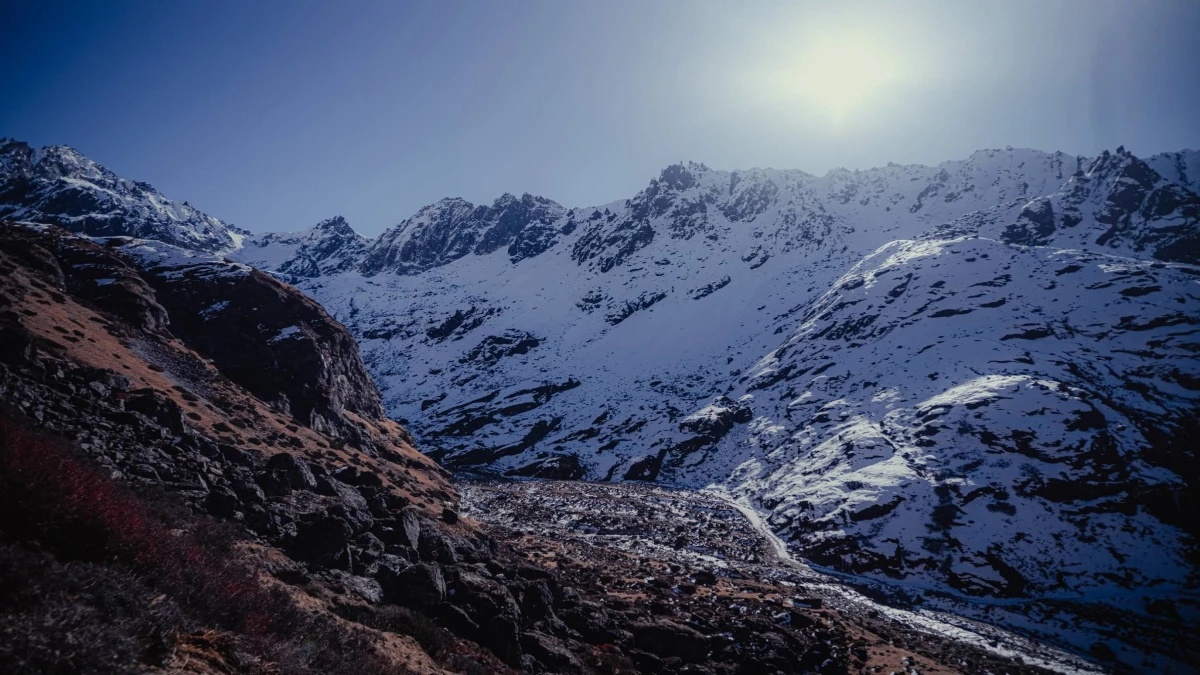
Far away from Nepal's busy trekking routes and crowded mountain destinations, there is a beautiful Himalayan settlement where traditional lifestyles, ancient culture, and dramatic mountain landscapes remain closely connected. Olangchung Gola, also known as Walungchung Gola, is one of the remote villages in the Taplejung district of eastern Nepal.
Located within the Kanchenjunga region, this historic settlement provides an alternative perspective to more well-known trekking routes (i.e. Everest Base Camp and Annapurna). A combination of stone built homes, Buddhist culture, trail systems in the mountains, yak herding, and the overall peacefulness that comes with being high up in the Himalayas make for a very unique trip.
For travellers who want to understand Nepal beyond its famous trekking destinations, Olangchung Gola is a remarkable place to explore.
At All Nepal Hiking, we believe that Nepal's beauty is not limited to its famous mountains. Some of its most meaningful travel experiences can be found in remote villages where local culture and nature remain part of everyday life.
This guide covers everything you need to know about Olangchung Gola, including its location, history, culture, trekking routes, best seasons, accommodation, transportation, and practical travel tips.
1. Where Is Olangchung Gola Located?
Olangchung Gola is a small Himalayan town located in the northeastern part of Nepal. Specifically, it can be found in the upper Tamor River valley, which is a portion of the much larger Kanchenjunga region. The Kanchenjunga region is known throughout the world for its dramatic views of mountains, its traditional communities, and its incredible biodiversity.
The village is located at around 3,200 meters above sea level. Elevation measurements vary depending on where you are in the community.
Reaching Olangchung Gola is achieved through a remote mountainous road and walking trail, unlike other places that are accessible via conventional tourist transportation. The area’s isolation allowed it to retain a large portion of its traditional culture.
The village is surrounded by forested hills, high mountain landscapes, river valleys, and settlements that reflect the cultural diversity of eastern Nepal.
Quick Location Facts
Village: Olangchung Gola
District: Taplejung
Province: Koshi Province
Country: Nepal
Region: Kanchenjunga
Approximate elevation: 3,200 metres
Main river valley: Tamor River
Main cultural influence: Tibetan Buddhist traditions
Travel experience: Remote village exploration and trekking
2. Why Is Olangchung Gola Called a Forgotten Himalayan Village?
Olangchung Gola may be considered an abandoned Himalayan village due to its remoteness from Nepal’s main tourist attractions.
While thousands of tourists come to Everest, Annapurna, and Langtang annually, relatively few go there.
However, the word forgotten does not mean that the village has lost its identity or history. Instead, it reflects its geographical isolation and limited exposure to mainstream tourism.
There are several reasons why Olangchung Gola stands out:
Traditional architecture: The village features stone-built houses that reflect the practical design of high-altitude Himalayan settlements.
Living Buddhist culture: Monasteries, prayer flags, and Buddhist customs remain important parts of local life.
Remote mountain surroundings: Its location offers a peaceful experience away from heavily visited trekking corridors.
Traditional livelihoods: Animal husbandry, local trade, and agriculture have historically supported mountain communities.
Cultural heritage: The village has strong historical and cultural connections with Tibetan-influenced communities of the Himalayan borderlands.
For travellers interested in authentic village experiences, Olangchung Gola offers an opportunity to appreciate a different side of Nepal.
3. History and Cultural Heritage of Olangchung Gola
Olangchung Gola is an ancient site of commerce between Himalayas, traditional migration paths and cross-border cultural interactions to Nepal-Tibet area.
Historically, communities in this part of Taplejung maintained connections with settlements across the northern Himalayan frontier. Trade in locally available goods, livestock products, and other supplies played an important role in supporting mountain livelihoods.
The people of Olangchung Gola are associated with the Walung community, whose cultural practices have strong Tibetan Buddhist influences.
You can notice this cultural identity through:
Traditional stone houses and settlement patterns.
Buddhist monasteries and religious practices.
Prayer flags and prayer wheels.
Local festivals and community gatherings.
Traditional food and clothing.
Respect for mountain landscapes and religious places.
The cultural experience is one of the most interesting reasons to visit Olangchung Gola. Visitors should remember that this is a living community, not simply a tourist attraction. Respecting local customs, asking permission before taking photographs, and supporting local businesses can make a positive difference.
4. Top Attractions and Things to Experience in Olangchung Gola
Olangchung Gola is not a destination built around luxury hotels, commercial entertainment, or crowded sightseeing spots. Its attraction lies in its natural surroundings and cultural experiences.
4.1 Explore the Traditional Himalayan Village
Walking through the settlement is one of the best ways to experience Olangchung Gola.
The traditional stone houses, narrow village paths, and mountain backdrop create a distinctive Himalayan atmosphere. You can observe local lifestyles, understand traditional architecture, and experience the peaceful rhythm of a remote mountain community.
4.2 Visit Local Buddhist Religious Sites
Buddhist traditions are deeply connected with the cultural identity of the village.
Visitors may explore local monasteries and religious sites where prayer flags, prayer wheels, and traditional Buddhist symbols reflect the spiritual life of the community.
Remember to maintain silence in religious spaces and follow local guidance.
4.3 Enjoy the Himalayan Mountain Scenery
The surrounding landscape is one of the strongest reasons to visit.
You can enjoy mountain valleys, rugged hillsides, flowing rivers, alpine vegetation, and beautiful views of the eastern Himalayan landscape.
On clear days, the mountain scenery makes an excellent setting for photography.
4.4 Experience Local Food and Hospitality
Food is an important part of understanding life in remote Himalayan villages.
Depending on availability, visitors may experience traditional meals such as:
Dal bhat with seasonal vegetables.
Tibetan-style noodles and soups.
Tsampa and other traditional grain-based foods.
Butter tea and local tea.
Locally prepared potato and vegetable dishes.
Food availability can be limited, so visitors should not expect the same variety found in Kathmandu or major trekking centres.
4.5 Experience the Peaceful Mountain Lifestyle
One of the most memorable parts of visiting Olangchung Gola is simply spending time in the village.
Observe the daily routines, enjoy the mountain atmosphere, learn about traditional livelihoods, and interact respectfully with local residents.
This is an excellent destination for travellers who value cultural experiences as much as mountain scenery.
5. Singjema Lake and Samdo Lakes: Hidden Natural Attractions Near Olangchung Gola
For travellers who have extra time and are physically prepared for high-altitude walking, the landscapes beyond Olangchung Gola offer another reason to explore this region.
Some notable attractions include:
Singjema Lake: A high-altitude destination surrounded by rocky mountain landscapes and alpine terrain. The journey requires careful preparation because of its elevation and remote location.
Samdo Lakes: These high-altitude lakes are located beyond Singjema. The journey involves a demanding climb towards a mountain pass. The views of the lakes and surrounding mountains make this an attractive destination for experienced trekkers.
Chhyer Valley: This valley is known for its open alpine surroundings, grazing grounds, and beautiful mountain scenery. It is also an important resting area along journeys towards higher elevations.
These destinations should be treated as separate high-altitude excursions rather than easy village sightseeing. Weather, trail conditions, altitude, and local guidance should determine whether the journey is suitable.
6. How to Reach Olangchung Gola from Kathmandu
Reaching Olangchung Gola is an adventure in itself. Because of its remote location in northern Taplejung, the journey requires a combination of road transportation and trekking.
Step 1: Kathmandu to Bhadrapur
Travellers can take a domestic flight from Kathmandu to Bhadrapur in eastern Nepal. The flight is a convenient way to reach the eastern part of the country.
Alternatively, you can travel overland, although this requires considerably more time.
Step 2: Bhadrapur to Taplejung
From Bhadrapur, continue towards Phungling, the district headquarters of Taplejung.
Depending on road conditions and transportation availability, this journey can take most of a day or longer.
Step 3: Taplejung to the Trekking Trailhead
From Phungling, travel towards the accessible roadhead for the Olangchung Gola route.
The approach may involve reaching areas such as Tapethok and Lelep, depending on current road and trail conditions.
Step 4: Trek to Olangchung Gola
The final approach follows remote trails through the upper Tamor Valley.
The walking route passes through settlements, forests, river valleys, and mountain landscapes before reaching Olangchung Gola.
A commonly reported approach from the Taplejung side takes approximately four to five walking days, but the actual duration depends on the starting point, road access, weather, and daily walking arrangements.
Important: Road access and trail conditions in this region can change. Confirm the latest transportation arrangements with a local trekking agency before fixing your itinerary.
7. Suggested Olangchung Gola Trekking Itinerary
The following is a sample 13-day travel plan, including travel from Kathmandu. It is a planning framework, not a guaranteed fixed itinerary. The trekking stages should be adjusted according to the current roadhead, accommodation, weather, and group fitness.
Day | Route | Main Activity |
1 | Kathmandu – Bhadrapur | Flight and overnight stay |
2 | Bhadrapur – Taplejung | Road journey to Phungling |
3 | Taplejung – Lelep area | Travel towards the trekking approach |
4 | Lelep – Upper Tamor trail | Begin trekking |
5 | Upper Tamor trail – Intermediate settlement | Continue through the river valley |
6 | Intermediate settlement – Olangchung Gola | Reach the village |
7 | Olangchung Gola | Explore village and cultural sites |
8 | Olangchung Gola | Rest and local exploration |
9 | Olangchung Gola – Return trail | Begin return journey |
10 | Return trail – Intermediate settlement | Trek downhill |
11 | Intermediate settlement – Lelep area | Continue towards the roadhead |
12 | Lelep – Taplejung | Road journey |
13 | Taplejung – Bhadrapur – Kathmandu | Return journey |
If you want to visit Singjema and Samdo Lakes, you should add extra days. The itinerary will need to be extended, with suitable acclimatization and local guidance.
For a longer Himalayan adventure, Olangchung Gola can also be combined with the Lumba Sumba Pass or Kanchenjunga trekking routes. These are demanding journeys and require separate route planning.
8. Best Time to Visit Olangchung Gola
Choosing the right season is important because Olangchung Gola is located in a high-altitude Himalayan environment.
The most favourable general periods are spring and autumn.
Spring (March–May)
Spring is a beautiful time to explore the region. The weather generally becomes more favourable, mountain vegetation starts growing, and the surrounding landscape becomes more colourful. April and May are particularly worth considering.
Autumn (September–November)
Autumn generally offers clearer mountain views after the monsoon. October and November are especially suitable for trekking, although cold temperatures become more noticeable at higher elevations.
Winter (December–February)
Winter brings very cold conditions, possible snowfall, and difficult high-altitude trail conditions. Travel requires careful planning and current local weather information.
Monsoon (June–August)
Heavy rainfall can affect roads and walking trails. Landslides, muddy paths, and poor visibility may make travel difficult. This is generally a less favourable period.
Our recommendation: Plan your Olangchung Gola visit during April–May or October–November, while checking local conditions before departure.
9. Accommodation and Food in Olangchung Gola
Accommodation in Olangchung Gola is simple compared with popular trekking destinations such as Namche Bazaar and Ghorepani.
Travellers should expect basic local lodges, homestay-style accommodation, or rooms in community-run guesthouses, depending on availability.
Accommodation Facilities
You may find:
Basic rooms with simple bedding.
Shared toilet facilities.
Common dining spaces.
Traditional local houses.
Limited hot-water facilities.
Do not expect luxury hotels, attached bathrooms, or modern facilities everywhere.
Food Availability
Food options are also relatively limited.
Common meals may include:
Dal bhat.
Rice and vegetable dishes.
Potato-based meals.
Noodles and soups.
Traditional Tibetan-influenced food.
Tea and butter tea.
It is advisable to carry a few additional snacks and confirm meal arrangements before reaching the village.
10. Permits and Entry Requirements for Olangchung Gola
One of the most important things to understand before visiting Olangchung Gola is its location within the Kanchenjunga region and the applicable protected-area and restricted-area regulations.
The area has special trekking requirements, particularly for foreign visitors.
1. Kanchenjunga Conservation Area Permit (KCAP)
The village is within the Kanchenjunga Conservation Area. Visitors must follow the conservation area's entry requirements and obtain the applicable permit.
2. Restricted Area Permit (RAP)
Foreign trekkers travelling through designated restricted sections must obtain the relevant restricted-area permit before entering.
3. Registered Trekking Guide
Foreign visitors should arrange their trip through an authorised trekking agency and follow the applicable guide and group requirements for restricted areas.
4. Identification Documents
Carry valid identification and the documents required for the permits.
Permit rules and fees can change, so confirm the latest requirements with the Department of Immigration, the Department of National Parks and Wildlife Conservation, or a registered trekking agency before travelling.
11. Essential Packing List for Olangchung Gola Trek
Because the village is remote and the surrounding trekking routes reach high elevations, proper preparation is essential.
Here is a practical packing checklist:
Comfortable, well-broken-in trekking boots.
Warm down jacket and insulating layers.
Waterproof jacket and trousers.
Thermal base layers.
Warm gloves, socks, and woollen hat.
Trekking trousers and comfortable clothing.
Sunglasses and sun protection.
Reusable water bottles.
Water purification supplies.
Personal first-aid kit and prescribed medicines.
Headlamp and spare batteries.
Power bank and charging cables.
Personal toiletries and quick-dry towel.
Sleeping bag suitable for expected temperatures.
Snacks and energy food.
Cash and copies of travel documents.
Pack according to the season and expected weather. Avoid carrying unnecessary weight, but do not compromise on essential warm clothing and safety equipment.
12. Difficulty Level of the Olangchung Gola Trek
Olangchung Gola is best suited to travellers who are comfortable with remote mountain journeys and basic trekking facilities.
The overall difficulty can be considered challenging, particularly because of its remote location, limited infrastructure, and high-altitude surroundings.
Some of the main challenges include:
Long walking days: Reaching the village requires several days of trekking.
High altitude: The village is around 3,200 metres above sea level, and nearby excursions reach considerably higher elevations.
Limited accommodation: Facilities are basic, and availability should be confirmed in advance.
Unpredictable weather: Mountain weather can change quickly, affecting visibility and trail conditions.
Limited communication: Mobile connectivity and charging facilities may be unreliable.
Remote medical access: Medical facilities are limited, so an appropriate emergency plan is essential.
Travellers should prepare through regular physical activity, plan adequate acclimatization, and avoid rushing their journey. Anyone experiencing possible altitude sickness symptoms should stop ascending and seek appropriate medical assistance.
Olangchung Gola is not an ideal first trekking destination for someone without preparation or support. An experienced local guide and a properly organised itinerary are strongly recommended.
13. Important Travel Tips Before Visiting Olangchung Gola
Before starting your journey, keep these practical points in mind:
Arrange a local guide: A knowledgeable guide can help with navigation, cultural understanding, and local arrangements.
Check road conditions: Remote roads can be affected by rainfall, landslides, and seasonal changes.
Carry sufficient cash: ATMs and banking facilities are not readily available in remote settlements.
Prepare for basic facilities: Accommodation, food, electricity, and communication services may be limited.
Respect local culture: Follow monastery customs and ask before photographing residents.
Allow extra travel days: Delays caused by transportation or weather are possible.
Prepare for altitude: Ascend gradually and include appropriate acclimatization days.
Arrange travel insurance: Ensure your insurance covers trekking at the maximum altitude of your planned route and emergency evacuation where applicable.
Check permits in advance: Confirm the latest regulations before entering the conservation and restricted areas.
Avoid travelling alone on unfamiliar remote trails: Use appropriate local support.
14. Why Choose All Nepal Hiking for Your Olangchung Gola Adventure?
Exploring remote Himalayan destinations requires more than simply following a trekking route. It involves understanding local conditions, respecting communities, preparing for changing weather, and organising a safe and comfortable journey.
At All Nepal Hiking, we focus on helping travellers experience Nepal through its mountains, traditional villages, and cultural heritage.
Our local trekking knowledge and personalised trip-planning approach can help you organise an adventure that matches your interests, available time, and trekking experience.
Whether you want to discover Olangchung Gola, explore the Kanchenjunga region, or combine your journey with other remote Himalayan destinations, our team can help you plan your Nepal adventure.
Explore the hidden beauty of eastern Nepal with All Nepal Hiking and experience a side of the Himalayas that many travellers never get to see.
Olangchung Gola is not a destination built around luxury hotels, commercial entertainment, or crowded sightseeing spots. Its attraction lies in its natural surroundings and cultural experiences.
Conclusion: Discover the Hidden Beauty of Olangchung Gola
Olangchung Gola is more than just a remote village in eastern Nepal. It is a destination where traditional Himalayan lifestyles, Buddhist culture, mountain landscapes, and historical connections come together.
Unlike Nepal's crowded trekking destinations, this village offers a quieter opportunity to understand the country's cultural and geographical diversity. From exploring traditional stone houses to experiencing local hospitality and walking through the beautiful upper Tamor Valley, every part of the journey offers something different.
For travellers looking beyond the usual Himalayan routes, Olangchung Gola deserves a place on their Nepal travel list.
Plan your next adventure with All Nepal Hiking and discover the hidden Himalayan destinations that make Nepal truly special.
Frequently Asked Questions About Olangchung Gola
1. In which district is Olangchung Gola located?
Olangchung Gola is located in Taplejung District, Koshi Province, eastern Nepal. It falls under Ward No. 7 of Phaktanglung Rural Municipality, near the Nepal–Tibet border.
2. What is the altitude of Olangchung Gola?
Olangchung Gola is situated at approximately 3,200 metres (10,499 feet) above sea level. Some geographical mapping sources record elevations of around 3,334 metres, depending on the precise location.
3. What is the distance between Taplejung and Olangchung Gola?
The trekking distance from Taplejung to Olangchung Gola is approximately 65 kilometres, and the journey generally takes four to five days on foot. The actual distance and duration depend on the starting point, road access, and trekking route.
4. What are the top 5 most beautiful villages in Nepal?
Nepal has many beautiful villages, each offering different landscapes and cultural experiences. Five remarkable destinations worth exploring are:
Bandipur, Tanahun: Famous for traditional Newari architecture, peaceful streets, and panoramic Himalayan views.
Ghandruk, Kaski: A beautiful Gurung settlement offering spectacular views of the Annapurna and Machhapuchhre mountains.
Marpha, Mustang: Known for its whitewashed houses, traditional Thakali culture, and apple orchards.
Kagbeni, Mustang: A historic Himalayan village featuring traditional architecture, monasteries, and dramatic mountain landscapes.
Olangchung Gola, Taplejung: A remote settlement known for its Tibetan-influenced culture, stone houses, historic trade connections, and peaceful mountain surroundings.
The order is subjective rather than an official ranking.
5. Why is Olangchung Gola famous?
Olangchung Gola is famous for its remote Himalayan location, traditional Walung community, Buddhist heritage, historic trade connections with Tibet, and traditional stone and timber houses.
6. How many days are required to visit Olangchung Gola?
A complete journey from Kathmandu generally requires around 12–14 days, depending on transportation, trekking pace, and time spent exploring the village. Additional days are needed for nearby high-altitude attractions.
7. What is the best time to visit Olangchung Gola?
Spring (March to May) and autumn (September to November) are generally the best seasons. April, May, October, and November are particularly worth considering for mountain scenery and trekking conditions.
8. Is Olangchung Gola suitable for beginner trekkers?
Olangchung Gola is a challenging remote trekking destination because of its high elevation, long walking days, and limited facilities. Beginners should travel with experienced local support and a properly planned itinerary.
9. Do I need a permit to visit Olangchung Gola?
Yes. Visitors must follow the Kanchenjunga Conservation Area entry requirements. Foreign trekkers may also require a Restricted Area Permit, depending on their route. Check the latest regulations with an authorised trekking agency before travelling.
10. Can I reach Olangchung Gola by road?
Road access is available towards parts of the Taplejung region, but reaching Olangchung Gola generally requires trekking along remote mountain trails. Road conditions and accessible starting points can change with the season.
11. Is accommodation available in Olangchung Gola?
Yes, basic accommodation may be available through local lodges, homestays, or guesthouse-style facilities. However, facilities are limited compared with popular trekking destinations, so arranging accommodation in advance is recommended.
12. What can I see in Olangchung Gola?
Visitors can explore traditional stone houses, Buddhist religious sites, local cultural traditions, mountain valleys, and the surrounding Himalayan landscape. High-altitude excursions towards Singjema Lake and Samdo Lakes are also possible with additional time and preparation.
13. What is the local community of Olangchung Gola called?
Olangchung Gola is home to the Walung community, which has strong Tibetan cultural and Buddhist influences. Its traditional lifestyle, language, architecture, and historical trade connections make the village culturally distinctive.
14. Can Olangchung Gola be combined with the Kanchenjunga Trek?
Yes. Olangchung Gola can be included in a wider Kanchenjunga-region trekking adventure. It can also be connected with longer routes towards Lumba Sumba Pass, depending on the itinerary, weather, and trekking experience.
15. Is mobile network available in Olangchung Gola?
Mobile network coverage can be limited and unreliable because of the village's remote geographical location. Visitors should prepare for limited internet access and arrange alternative communication for emergencies.
16. Why should travellers visit Olangchung Gola?
Travellers should visit Olangchung Gola to experience Nepal's lesser-known Himalayan culture, traditional village life, historical trade heritage, and peaceful mountain scenery. It is an excellent destination for those interested in exploring beyond Nepal's popular trekking routes.