based on 270 reviews


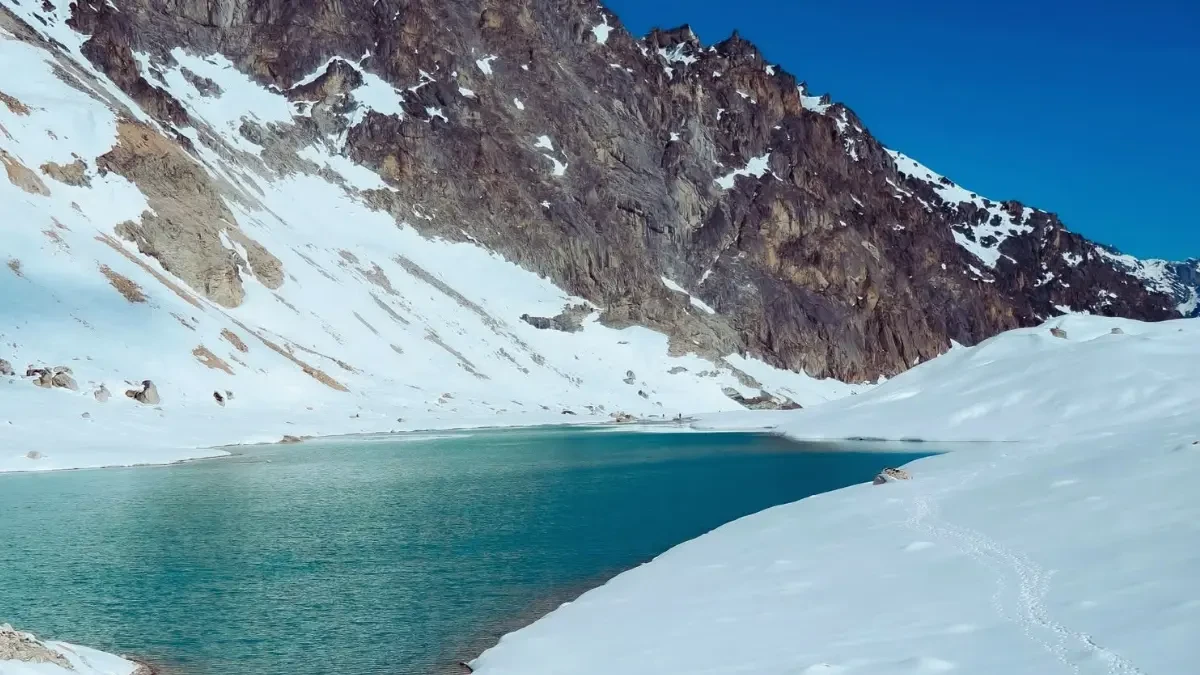
If you have spent any time on Instagram or TikTok lately, you have probably seen clips of a glowing turquoise alpine lake surrounded by rugged Himalayan peaks.
That trending destination is Manjushree Lake (approx. 4,850 m).
Tucked high above the sacred Lapchi Kang valley in northern Dolakha, near the border with Tibet, Manjushree Lake has quickly become Nepal’s most exciting off-the-beaten-path adventure. Unlike crowded commercial trails like Everest Base Camp or Poon Hill, this route offers raw wilderness, rock-hewn road tunnels, and ancient meditation caves where Buddhist masters meditated centuries ago.
Here is the complete guide to the Manjushree Lake Trek—covering route logistics, trail difficulty, itinerary, costs, and essential safety tips.
Quick Facts: Manjushree Lake
| Detail | Quick Fact |
|---|---|
| Location | Lapchi Valley, Bigu Rural Municipality, Dolakha, Bagmati Province |
| Conservation Area | Gaurishankar Conservation Area (GCAP) |
| Lake Altitude | Approx. 4,850 meters (15,912 ft) |
| Base Settlement | Lapchi Village (~3,670 m) |
| Duration from Kathmandu | 7 to 8 Days |
| Trek Difficulty | Moderate (up to Lapchi) / Challenging (Summit Lake Day) |
| Road Distance | Approx. 155–170 km from Kathmandu to Lamabagar roadhead |
| Best Seasons | Autumn (Sept–Nov) & Spring (March–May) |
| Permits Required | Gaurishankar Conservation Area Permit (GCAP) & TIMS Card |
Why is Manjushree Lake Trending?
Manjushree Lake has captured attention across social media for three main reasons:
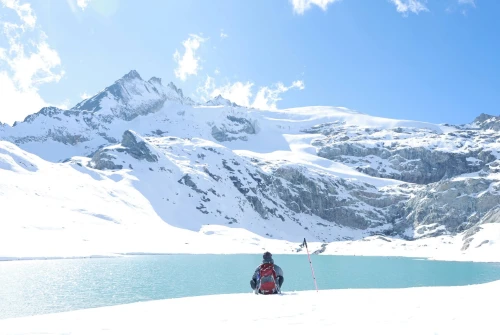
- Striking Turquoise Waters: Tucked in a high alpine bowl above the yak pastures of Lapchi, the lake glows vivid turquoise on clear days, framed by views of peaks like Gaurishankar (7,134 m) and Melungtse.
- The "Tunnel Road" Adventure: Reaching the roadhead at Lamabagar requires driving through narrow rock tunnels blasted through cliffs for the Upper Tamakoshi Hydropower Project.
- Untouched Solitude: There are no commercial guest houses, luxury lodges, or crowded dining halls here. You experience an authentic Himalayan wilderness and centuries-old pilgrimage culture.
The Spiritual Heart: Milarepa’s Sacred Legacy
Before reaching the lake, your route passes through Lapchi Kang, revered alongside Mount Kailash and Tsari as one of the three most sacred mountain pilgrimage sites in Tibetan Buddhism.
In the 11th and 12th centuries, the renowned Tibetan poet-saint Jetsun Milarepa spent years meditating in the caves around Lapchi. While walking through the valley, you will encounter active religious landmarks:
- Rechen Cave: Located about a 30-minute walk from the main village.
- Sephuk Cave: A sacred meditation cave situated higher up the valley.
- Choro Gephel Ling Monastery: Founded in the 1830s, this historic monastery still serves local monks and spiritual retreatants.
Cultural Note: Lapchi remains an active spiritual sanctuary. Always walk clockwise around chortens and mani walls, keep your voice low near hermitages, and leave no trace.
How to Reach Manjushree Lake from Kathmandu
The journey combines an overland drive along the Araniko Highway and Tamakoshi River corridor followed by trekking into the high valley:
Kathmandu → Charikot → Singati → Lamabagar → Lumnang → Lapchi Village → Manjushree Lake
Step 1: Kathmandu to Lamabagar (2,050 m)
Drive 8 to 10 hours by local bus (departing Jadibuti) or private 4WD jeep. The route passes through Charikot and Singati before entering the deep gorge of the Tamakoshi River. You will drive through the hydropower project rock tunnels before reaching Lamabagar.
Step 2: Lamabagar to Lapchi Village (3,670 m)
The trek takes 1 to 2 days of hiking through Lumnang. The trail winds through river gorges, waterfalls, and pine forests before opening into wide alpine pastures dotted with yaks, mani stones, and prayer flags.
Step 3: Lapchi Village to Manjushree Lake (4,850 m)
The lake day is a demanding out-and-back mountain hike. You climb roughly 1,200 vertical meters over unmarked alpine terrain, scree, and boulder fields to reach the lake basin, returning to Lapchi before sunset.
Suggested 8-Day Trekking Itinerary
Taking 8 days allows for adequate acclimatization, which is essential before attempting a 4,850-meter lake excursion:
- Day 1: Kathmandu to Lamabagar (2,050 m) - Drive 8–10 hours via Charikot and Singati. Overnight in a basic local lodge.
- Day 2: Lamabagar to Lumnang (approx. 2,800 m) - Trek along the Tamakoshi River valley. Overnight in a herder homestay or tent.
- Day 3: Lumnang to Lapchi Village (3,670 m) - Hike up past chortens and alpine meadows into the Lapchi settlement. Overnight in a family homestay.
- Day 4: Acclimatization in Lapchi - Visit Choro Gephel Ling Monastery and hike up to Milarepa’s Rechen Cave to adjust to the altitude.
- Day 5: Lapchi to Manjushree Lake (4,850 m) & Return to Lapchi - Early departure around 5:30 AM. Climb through high pastures and boulder fields to reach Manjushree Lake. Return to Lapchi before dusk (7–8 hours total).
- Day 6: Lapchi to Lamabagar - Descend back through the valley to the Lamabagar roadhead.
- Day 7: Lamabagar to Charikot - Transfer by local jeep or private vehicle to Charikot.
- Day 8: Charikot to Kathmandu - Drive 5–6 hours back to Kathmandu via the Araniko Highway.
Trek Difficulty & Trail Realities
While the walk from Lamabagar to Lapchi is a manageable village hike, the day hike to Manjushree Lake is physically demanding:
- Rapid Altitude Gain: Gaining 1,200 meters in a single morning puts your body in thin air where oxygen levels are significantly lower than at sea level.
- Unmarked Paths: There is no paved or manicured trail to the lake. The route crosses moraine, steep scree, and loose boulder fields.
- No Facilities at the Lake: There are no tea stalls, water stations, or shelters at the lake. You must carry all water, food, and layers.
- Unpredictable Weather: High winds, cloud cover, and sudden snowfall can develop quickly above 4,500 meters.
Safety Warning: Never skip your acclimatization day in Lapchi. If you feel severe headaches, nausea, or dizziness, stop ascending immediately and head down.
Accommodation, Food & Money
- Lodging: Accommodation in Lamabagar consists of simple local lodges. In Lumnang and Lapchi, you stay in family homestays or tents. Rooms are wood-heated, and facilities are basic.
- Meals: Wholesome local Dal Bhat, boiled potatoes, noodles, and hot butter or black tea.
- Electricity & Connectivity: Charging points and mobile networks are rare beyond Singati. Carry a reliable, high-capacity power bank.
- Cash is Mandatory: There are no ATMs or electronic payment options past Charikot/Singati. Trekkers should carry adequate cash in small notes from Kathmandu.
Best Time to Visit
- Autumn (October to November) — Best Season: Clear skies, stable mountain weather, and sharp visibility for photography.
- Spring (March to May) — Pleasant & Scenic: Warmer days and blooming rhododendron forests in the lower river valleys.
- Avoid Monsoon (June to August): Heavy rains trigger rockfalls, landslides, and road blockages along the Tamakoshi gorge.
- Winter (December to February): Freezing temperatures, ice, and heavy snow often close off the higher trail to the lake.
Recommended Packing Checklist
- Clothing: Thermal base layers (merino wool), fleece jacket, windproof shell, and a down jacket rated to -10°C.
- Footwear: Broken-in, waterproof trekking boots with firm ankle support and wool hiking socks.
- Gear: Trekking poles (crucial on loose moraine), a 4-season sleeping bag, UV-protection sunglasses, and a headlamp with extra batteries.
- Health & Logistics: Water purification tablets or filter, insulated thermos bottle, first-aid kit with Diamox, offline maps, and physical permit documents.
Trek Responsibly with All Nepal Hiking
Manjushree Lake offers a rare Himalayan experience: wild, peaceful, spiritually profound, and completely removed from commercial tourism.
Because the route to the lake is unmarked and the high altitude requires careful pacing, traveling with a licensed local guide ensures safety and respect for the local community.
At All Nepal Hiking, our government-registered team organizes all Gaurishankar Conservation Area permits, arranges 4WD overland transfers, and provides experienced mountain guides familiar with the Dolakha and Lapchi valleys.
Looking to explore Nepal's quiet trails? Check out our Manaslu Circuit Trek and Tsum Valley Guide, or contact All Nepal Hiking to plan your custom Manjushree Lake journey.