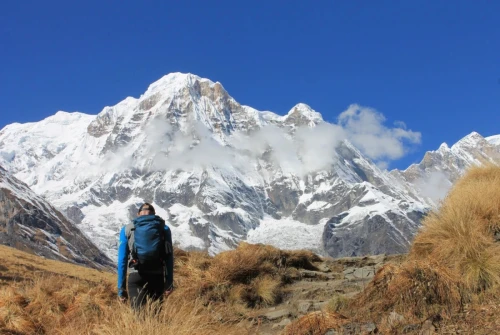
Is December a Good Time for the Mount Everest Base Camp Trek?
Yes,The December Trekking to Everest Base Camp is an excellent choice for trekkers who prefer peaceful trails, stunning winter scenery, and clear Himalayan views. As winter begins, the weather remains relatively stable during the first half of the month, making it a great time to explore the Everest region.
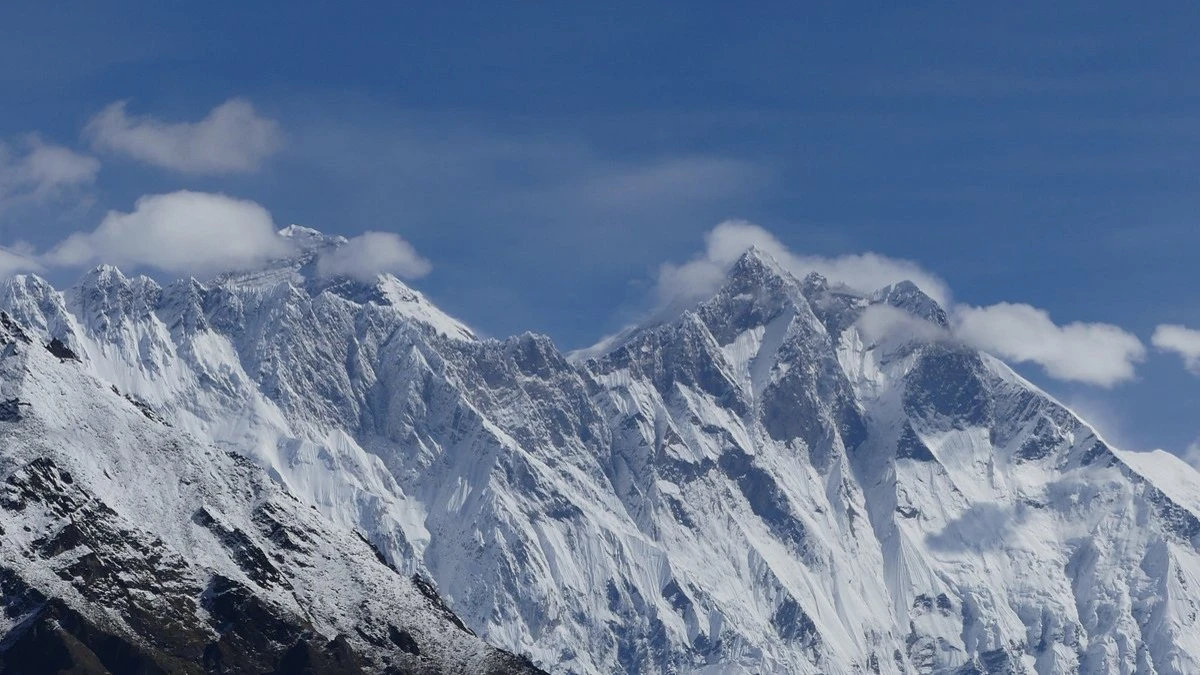
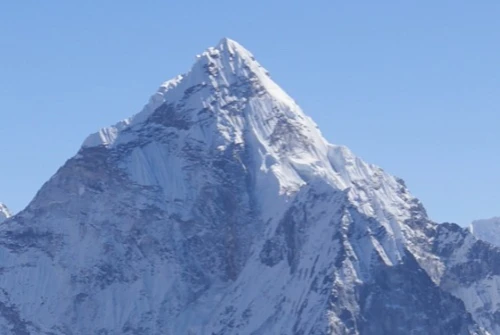
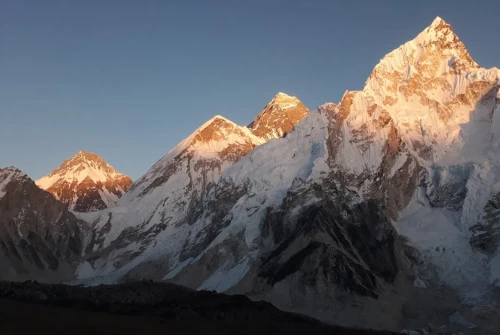
Unlike the busy trekking seasons of October and November, December offers fewer crowds, quieter tea houses, and easier accommodation availability. The dry winter air also provides exceptional visibility, allowing trekkers to enjoy breathtaking views of Mount Everest, Lhotse, Nuptse, Ama Dablam, and other snow-capped peaks.
Pros of Everest Base Camp Trek in December
Fewer trekkers and peaceful hiking trails
Crystal-clear mountain views and excellent photography opportunities
Direct Lukla flights from Kathmandu
Easier access to tea houses and accommodation
Dry weather with minimal rainfall
A unique winter trekking experience in Nepal
Cons of Everest Base Camp Trek in December
Extremely cold mornings and nights, especially above 4,000 meters
Shorter daylight hours require early starts each day
Snow and icy sections can make trails slippery
Heavy snowfall may occasionally affect trail conditions and flights
Some tea houses at higher elevations may close later in the month
With proper winter gear, good physical preparation, and guidance from an experienced operator like All Nepal Hiking, the Everest Trek in December 2026-2027 can be one of the most rewarding and memorable trekking adventures in Nepal.
Why Trekking to EBC in December?
Although December is considered the off-season for the Everest Base Camp Trek, it offers several unique advantages for trekkers seeking a quieter and more rewarding Himalayan experience. If you value peaceful trails, spectacular mountain photography, and authentic cultural encounters, Everest in December is an excellent choice.
Fewer Crowds and Peaceful Trails
Unlike the busy spring and autumn seasons, December brings significantly fewer trekkers to the Everest region. The trails become quieter, tea houses are less crowded, and you'll have more opportunities to enjoy the stunning Himalayan scenery at your own pace. Popular stops like Namche Bazaar, Tengboche, Lobuche, and Gorak Shep feel much more relaxed, creating a more personal trekking experience.
Crystal-Clear Mountain Views
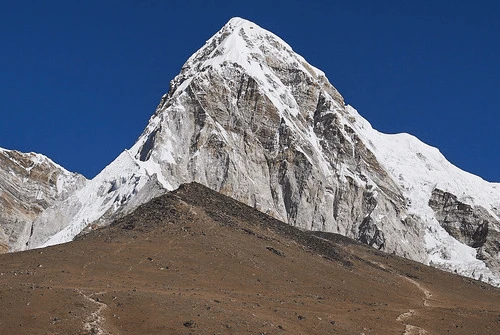
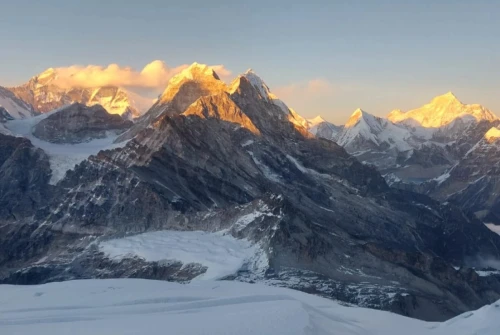
December's dry winter weather offers some of the clearest skies of the year. The crisp air provides exceptional visibility, revealing breathtaking views of Mount Everest, Lhotse, Nuptse, Ama Dablam, Pumori, and the Khumbu Glacier. Sunrise from Kala Patthar is particularly unforgettable, with golden alpenglow illuminating the snow-covered Himalayan peaks.
Authentic Sherpa Culture
With fewer visitors, you'll enjoy more meaningful interactions with local Sherpa families and experience the warm hospitality of traditional mountain tea houses. Visiting Tengboche Monastery and nearby Sherpa villages during the quieter winter season offers a more authentic glimpse into life in the Everest region.
Off-Season Advantages
Trekking in December comes with several practical benefits, including easier accommodation availability, more personalized service at tea houses, and a peaceful atmosphere throughout the trail. While rooms can be colder and menu options may be slightly limited at higher elevations, the rewards of fewer crowds, spectacular winter scenery, and a true Himalayan adventure make the Everest Base Camp Trek in December a memorable experience. With proper planning and support from All Nepal Hiking Company, you can enjoy a safe, comfortable, and unforgettable winter trek to Everest Base Camp.
Everest Base Camp Weather & Temperature in December
December brings cold but incredibly stable weather throughout the Everest region. The skies remain deep blue and cloudless, offering some of the year's best panoramic mountain views. While daytime temperatures are comfortable while walking under the sun, nights become brutally cold, especially once you cross the 4,500-meter mark.
Location | Elevation | Average Day Temperature | Average Night Temperature |
Lukla | 2,860m | 12°C | 0°C |
Namche Bazaar | 3,440m | 9°C | -4°C |
Tengboche | 3,860m | 6°C | -8°C |
Dingboche | 4,410m | 4°C | -12°C |
Lobuche | 4,940m | 1°C | -16°C |
Gorak Shep | 5,164m | 0°C | -18°C |
Everest Base Camp | 5,364m | -2°C | -18°C to -25°C |
Snowfall Expectations
Snowfall becomes more frequent as the month progresses into late December. Higher elevations such as Lobuche, Gorak Shep, Kala Patthar, and Everest Base Camp often receive fresh powder, creating postcard-perfect Himalayan landscapes. However, fresh snowfall also means trekkers should carry microspikes for traction on icy trails.
Direct Lukla Flights in December
One of the biggest advantages of the Mount Everest Base Camp Trek in December is the convenience of direct flights from Kathmandu to Lukla. After the busy autumn trekking season, air traffic decreases, allowing most Lukla flights to operate from Tribhuvan International Airport, Kathmandu, instead of Manthali Airport (Ramechhap). This saves trekkers from the additional 4–5-hour drive to Manthali, making travel more comfortable and efficient.
Benefits of Lukla Flights in December
Direct flights from Kathmandu (weather permitting)
Less airport congestion and shorter waiting times
Reduced travel time with no transfer to Manthali Airport
Fewer flight delays due to lower air traffic
A smoother and more relaxed start to your Everest Base Camp Trek
Lukla Flight Cost (Kathmandu–Lukla)
Round-trip flight: Approximately $430 – $500 USD per person
Flights operate from Kathmandu during December, depending on weather conditions.
While mountain weather can always affect flights to Lukla, December's generally dry and stable conditions often provide reliable flying weather, making it one of the most convenient months to begin your Everest adventure.
Challenges of Trekking to Everest Base Camp in December
The Everest Base Camp Trek in December offers incredible winter scenery, but it also comes with challenges that require proper preparation. Understanding these conditions will help you stay safe and enjoy a successful trek.
Extreme Cold
Winter temperatures become increasingly cold as you gain altitude. At Everest Base Camp and Kala Patthar, nighttime temperatures can fall to -20°C to -25°C or even lower. Wearing proper winter clothing, including thermal base layers, insulated gloves, a quality down jacket, and a four-season sleeping bag, is essential to stay warm and reduce the risk of frostbite and hypothermia.
Shorter Daylight Hours
December has fewer daylight hours, so trekkers should begin walking early each morning. Reaching your destination before sunset is important, as temperatures drop rapidly after dark and icy trails become more difficult to navigate.
Snow and Icy Trails
Higher sections of the trail, especially above 4,000 meters, are often covered with snow and ice. Slippery paths around Lobuche, Gorak Shep, and Kala Patthar require extra caution. Microspikes, trekking poles, and sturdy waterproof hiking boots provide better stability and safety on frozen trails.
Flight and Accommodation Challenges
Although Lukla flights generally operate directly from Kathmandu in December, mountain weather can still cause delays or cancellations due to fog or strong winds. It's recommended to include one or two extra buffer days in your itinerary. While most tea houses remain open during early December, some lodges at higher elevations may close later in the month because of fewer visitors.
Altitude Sickness and Winter Conditions
Cold weather does not reduce the risk of Acute Mountain Sickness (AMS). In fact, dry air and freezing temperatures can increase dehydration, making proper hydration and acclimatization even more important. Drinking plenty of water, ascending gradually, taking acclimatization days, and trekking with an experienced guide from All Nepal Hiking Company can significantly improve your safety and overall trekking experience.
Everest Base Camp Trek Itinerary in December
A well-planned Everest Base Camp Trek itinerary in December allows enough time for proper acclimatization while adapting to winter weather conditions. Most trekkers complete the journey in 12–15 days, depending on their pace, fitness level, and itinerary.
Standard 12-Day Everest Base Camp Trek Itinerary
Day | Route | Trekking Time |
Day 1 | Fly Kathmandu → Lukla, Trek to Phakding | 3–4 hrs |
Day 2 | Phakding → Namche Bazaar | 6–7 hrs |
Day 3 | Acclimatization Day in Namche Bazaar | 3–4 hrs (optional hike) |
Day 4 | Namche Bazaar → Tengboche | 5–6 hrs |
Day 5 | Tengboche → Dingboche | 5–6 hrs |
Day 6 | Acclimatization Day in Dingboche | 3–4 hrs (optional hike) |
Day 7 | Dingboche → Lobuche | 5–6 hrs |
Day 8 | Lobuche → Gorak Shep → Everest Base Camp → Gorak Shep | 7–8 hrs |
Day 9 | Gorak Shep → Kala Patthar → Pheriche | 7–8 hrs |
Day 10 | Pheriche → Namche Bazaar | 6–7 hrs |
Day 11 | Namche Bazaar → Lukla | 6–7 hrs |
Day 12 | Fly Lukla → Kathmandu | 35 min |
Acclimatization Days
Proper acclimatization is essential for a safe Everest Base Camp Trek in December.
Day 3 – Namche Bazaar: Hike to the Everest View Hotel (3,880 m) for stunning views of Mount Everest before returning to Namche to sleep.
Day 6 – Dingboche: Take an acclimatization hike to Nagarjun Hill (5,100 m) or enjoy views toward Ama Dablam Base Camp.
These rest days help your body adjust to the altitude and significantly reduce the risk of Acute Mountain Sickness (AMS).
Alternative Itineraries
If you have limited time, several alternative options are available:
10-Day Express Everest Base Camp Trek: A faster itinerary that skips an acclimatization day. This option is not recommended during December due to colder temperatures and the increased risk of altitude sickness.
Everest Base Camp Trek with Helicopter Return: Trek to Everest Base Camp and return to Kathmandu by helicopter from Gorak Shep, saving time while enjoying spectacular aerial views of the Himalayas.
For a safe, comfortable, and well-organized Everest Base Camp Trek in December, All Nepal Hiking offers flexible itineraries, experienced local guides, and expert support throughout your Himalayan adventure.
Everest Base Camp Trek Permits and Documentation
Before starting the Everest Base Camp Trek in December, you'll need two mandatory trekking permits. These can be obtained in Kathmandu or along the trekking route.
Sagarmatha National Park Entry Permit
This permit is required to enter Sagarmatha National Park, a UNESCO World Heritage Site that includes the Everest region.
Cost: NPR 3,000 (approximately USD 20) for foreign nationals
Purpose: Entry into the protected Everest region
Validity: Valid for the entire trek
Available at: Nepal Tourism Board (Kathmandu) or the Monjo entry checkpoint
Khumbu Pasang Lhamu Rural Municipality Permit
This local permit supports infrastructure and community development in the Khumbu region.
Cost: NPR 3,000 (approximately USD 20)
Purpose: Local government trekking permit
Available at: Lukla or the Monjo checkpoint
When you book your Everest Base Camp Trek with All Nepal Hiking, all required permits and documentation can be arranged in advance, allowing you to enjoy a hassle-free trekking experience.
Accommodation and Food on the Everest Base Camp Trek in December
The Mt.Everest Base Camp Trek in December offers a unique teahouse trekking experience. While accommodation options remain available throughout the route, facilities become more limited at higher elevations due to the winter season. Proper planning and flexibility are essential for a comfortable journey.
Lodge and Teahouse Availability in December
Accommodation availability varies depending on altitude:
Lower elevations (Lukla to Namche Bazaar): Almost all teahouses remain open year-round with good availability.
Mid elevations (Tengboche to Dingboche): Around 60–70% of lodges operate, though some may close in late December due to low tourist numbers.
High elevations (Lobuche and Gorak Shep): Very limited lodge options, so early arrival or advance booking is strongly recommended.
Because some lodges close during winter, trekkers should remain flexible with daily distances and timing.
Food, Heating, and Facilities
Teahouse facilities are basic but sufficient for winter trekking:
Heating: Common dining rooms are warmed using wood or yak-dung stoves. Heating may cost around NPR 300–500 per evening.
Rooms: Bedrooms are unheated, so a high-quality sleeping bag is essential for warmth during cold nights.
Food options: Menus mainly include dal bhat (rice and lentils), noodles, pasta, soups, and potatoes. Fresh vegetables become limited above Namche Bazaar due to winter supply restrictions.
Hot drinks: Tea, coffee, and hot lemon (NPR 150–300) are highly recommended for hydration and warmth.
It is strongly advised to avoid alcohol during the trek, as it can increase dehydration and worsen the risk of altitude sickness (AMS).
Booking Tips for Winter Trekking
Lukla to Namche Bazaar: Walk-in accommodation is usually available with ease.
Above Dingboche: It is better to pre-book lodges or have your guide arrange accommodation in advance.
Gorak Shep: Only a few lodges operate in December, and late arrivals (after 3 PM) may struggle to find rooms.
For a smoother experience on the Everest Base Camp Trek in December 2026-2027, booking through All Nepal Hiking ensures reliable accommodation arrangements, even during the quieter winter trekking season.
Everest Trek Cost and Budget in December 2026
Planning the Everest Base Camp Trek in December requires understanding the full breakdown of trekking expenses. While the winter season can sometimes offer slightly lower accommodation rates due to fewer trekkers, additional costs such as cold-weather gear and contingency planning should also be considered.
Permits, Accommodation, and Daily Expenses
Below is an estimated cost breakdown for the Everest Base Camp Trek budget in Nepal:
Category | Cost (USD) | Notes |
Sagarmatha National Park Permit | $20 | Required for all trekkers |
Khumbu Pasang Lhamu Permit | $20 | Local municipality permit |
TIMS Card (if applicable) | $23 | Often managed by trekking agency |
Lodge Accommodation | $15 – $20 per night | Higher prices at higher altitude |
Meals per Day | $30 – $50 | Dal bhat is cheapest; Western meals cost more |
Hot Shower | $5 – $10 | Limited availability above Dingboche in winter |
WiFi / Charging | $10 – $15 per device | Slow and unreliable at higher elevations |
Daily trekking expenses typically range between $30 – $75 per day, depending on food choices and comfort level.
Emergency and Contingency Costs
One important factor to consider during the Everest Base Camp winter trek is emergency evacuation: Helicopter evacuation cost: $4,500+ (depending on location and situation)
For this reason, having comprehensive travel insurance covering high-altitude trekking and helicopter rescue is essential.
Budget Tips for Everest Base Camp Trek in December
Trekking in December may slightly reduce accommodation costs due to lower demand
Carry extra cash as ATM access is limited in the Everest region
Avoid unnecessary luxury meals at high altitude to control costs
Book through All Nepal Hiking to get transparent pricing and avoid hidden charges
With proper planning, Mount Everest in December can be both cost-effective and unforgettable, offering a high-value Himalayan adventure with fewer crowds and incredible winter scenery.
Safety and Emergency Preparation for Everest Base Camp Trek in December
Safety is the most important factor when planning the Everest Base Camp Trek in December. Winter conditions in the Himalayas significantly increase risks such as cold exposure, altitude sickness, and weather-related disruptions. Proper preparation and awareness are essential for a safe and successful trek.
Altitude Sickness Awareness (AMS)
Acute Mountain Sickness (AMS) can affect any trekker, regardless of fitness level.
Common symptoms:
Headache
Nausea or vomiting
Dizziness
Fatigue
Loss of appetite
Difficulty sleeping
Prevention tips:
Ascend gradually using the “climb high, sleep low” method
Stay well-hydrated throughout the trek
Take acclimatization days seriously in places like Namche Bazaar and Dingboche
Avoid alcohol and smoking
Treatment:
If symptoms worsen, the only effective treatment is immediate descent to a lower altitude. Medication such as Diamox may help mild cases but should not replace proper acclimatization.
Cold Weather and Environmental Risks
Winter conditions in the Everest region require extra caution:
Frostbite risk: Always cover exposed skin, especially fingers, toes, nose, and ears above 4,500 meters
Hypothermia prevention: Stay dry, change wet clothing immediately, and consume warm, high-energy meals regularly
Avalanche awareness: While rare on the main Everest Base Camp trekking route, fresh snowfall can increase risk in sections near Lobuche and Gorak Shep
Because of these risks, trekking with an experienced guide from All Nepal Hiking is strongly recommended for real-time safety decisions and route adjustments.
Communication and Emergency Rescue
Mobile network: Ncell and Nepal Telecom work in lower regions such as Lukla and Namche, but coverage becomes weak or unavailable at higher elevations
Satellite communication: Guides often carry satellite phones for emergency contact
Helicopter evacuation: Costs range from $4,000 to $7,000, depending on location and situation
It is also recommended to register your travel plans with your embassy before starting the trek in Nepal.
Travel Insurance Requirements
Comprehensive travel insurance is mandatory for high-altitude trekking in Nepal.
Minimum recommended coverage:
At least $100,000 medical coverage
Helicopter rescue up to 6,000 meters altitude
Emergency evacuation and hospitalization
Recommended insurance providers:
World Nomads
Global Rescue
CEGA
Your policy must explicitly cover:
High-altitude trekking (up to Everest Base Camp region)
Winter trekking conditions
Emergency helicopter evacuation
Trip cancellation due to weather delays
Always read the fine print carefully, as some policies exclude trekking or mountaineering activities, which can result in denied claims.
With proper preparation, the Everest Base Camp Trek in December becomes not only safer but also more enjoyable, allowing you to fully experience the beauty of the Himalayas with confidence and peace of mind.
Cultural Highlights: Festivals in Nepal (December)
The Everest Base Camp Trek in December is not only about breathtaking Himalayan landscapes but also about experiencing Nepal’s rich cultural heritage. December is a festive month, offering trekkers a chance to witness traditional celebrations across different communities.
Christmas and New Year Celebrations
In major tourist hubs like Kathmandu and Pokhara, December brings a festive atmosphere with colorful lights, decorated streets, Christmas trees, and special events. Restaurants and hotels offer festive menus, while live music and cultural programs create a lively holiday vibe for visitors and locals alike.
Experiencing these festivals during your Everest Base Camp winter trek adds a unique cultural dimension to your Himalayan adventure, blending mountain exploration with authentic local traditions.
Udhauli Parva
Celebrated by the indigenous Kirat community, Udhauli Parva marks the seasonal migration of animals, birds, and people to lower, warmer regions. The festival is highlighted by the traditional Sakela dance, performed in groups with rhythmic movements that celebrate nature and ancestral traditions.
Tamu Losar
The Gurung community celebrates Tamu Losar, their traditional New Year, in late December. The festival features vibrant cultural attire, traditional music, folk dances, and communal feasts, showcasing the rich heritage of the Himalayan hill communities.
December Packing List for Everest Base Camp Trek
Packing correctly is one of the most important factors for a successful Everest Base Camp Trek in December. Winter conditions in the Himalayas can be extremely cold, and having the right gear ensures comfort, safety, and survival in sub-zero temperatures.
Technical Clothing
1x insulated down jacket (windproof/waterproof outer layer)
1x hard-shell rain jacket
1x waterproof trekking pants
2–3x thermal base layers (merino wool preferred)
2–3x quick-dry trekking shirts
1x fleece mid-layer
1x pair heavy winter gloves + liner gloves
Footwear & Headwear
Waterproof trekking boots (broken-in)
Camp shoes or lightweight sandals
3–4 pairs wool trekking socks + liner socks
Gaiters for snow protection
Warm fleece beanie
Sun hat (for lower altitude trekking days)
UV-protection sunglasses
Hydration & Electronics
2 reusable water bottles (insulated preferred)
Water purification tablets or filter
High-lumen headlamp
Extra batteries
Power bank (20,000mAh or higher)
Smartphone or camera
Hardware & Essentials
Four-season sleeping bag (-10°C to -20°C rated)
50–70L backpack or duffel bag (with porter support)
20–30L daypack
Trekking poles (shock-absorbing)
Quick-dry towel
First aid kit (blister care, painkillers, Diamox)
Sunscreen, lip balm, toiletries
For the Everest Base Camp winter trek, always prioritize warmth, waterproof protection, and layering flexibility. Booking your trek with All Nepal Hiking ensures you also get expert guidance on gear selection and proper winter preparation for a safe and comfortable Himalayan adventure.
Who is the Everest Base Camp Trek in December For?
The Everest Base Camp Trek in December is best suited for trekkers who are seeking a more peaceful, raw, and less crowded Himalayan experience. This winter trek is ideal for landscape photographers, experienced hikers, and solitude-seekers who are comfortable with cold conditions and want to enjoy the Everest region in its most pristine form.
With fewer trekkers on the trail, crystal-clear mountain views, and quiet teahouses, December offers a rare opportunity to experience the Himalayas without the crowds of peak season. However, it does require proper preparation, high-quality winter gear, and a willingness to adapt to freezing nighttime temperatures and changing weather conditions.
For those who are well-prepared, the Everest Base Camp winter trek becomes a truly unforgettable adventure and a rewarding milestone in the heart of the Himalayas.
Everest Base Camp Trek Cost (2026 Prices)
The Everest Base Camp trek cost in 2026 depends on several factors, including transportation, group size, accommodation standards, guide services, permits, and the type of trekking package you choose. Whether you are a solo traveler, a couple, or joining a small group, selecting the right package can help you enjoy the best Himalayan experience within your budget.
Our Short Everest Base Camp Trek Package offers an affordable and well-organized adventure starting from USD 1,499 per person. For travelers joining our fixed departure groups, the special group price is available at USD 1,399 per person.
This package is designed for trekkers who want a comfortable, safe, and memorable journey to Everest Base Camp with experienced local guides, proper acclimatization, and excellent support throughout the trek.
Join Our Fixed Departure Everest Base Camp Trek Groups – 2026
Our guaranteed Everest Base Camp Trek fixed departures from Kathmandu and Pokhara are perfect for solo travelers, couples, and small groups looking for an affordable and professionally organized Himalayan adventure.
Departure Date | Duration | Price | Availability |
September 4 & September 22, 2026 | 14 Days | USD 1,399 per person | Book Now |
October 13 & October 23, 2026 | 14 Days | USD 1,399 per person | Book Now |
November 1 & November 16, 2026 | 14 Days | USD 1,399 per person | Book Now |
December 3rd, December 17 (Christmas Special) & December 23 (New Year Special), 2026 | 14 Days | USD 1,399 per person | Book Now |
Why Choose Our Everest Base Camp Trek Package?
Our Everest Base Camp trek package includes everything you need for a safe and enjoyable Himalayan adventure, including experienced guides, organized logistics, accommodation support, permits, and local expertise.
With a fixed departure trek, you can enjoy:
Affordable group pricing
Experienced local trekking guides
Small-group trekking experience
Well-planned acclimatization schedule
Hassle-free trekking arrangements
Support from the beginning to the end of the journey
Book your Everest Base Camp Trek 2026 early to secure your preferred departure date and experience the legendary trail to the world's highest mountain.
Everest Base Camp Trek in December: Final Thoughts
The Everest Base Camp Trek in December is a unique winter adventure that offers peaceful trails, fewer crowds, and breathtaking Himalayan scenery. With crystal-clear views of Mount Everest, Lhotse, Nuptse, Ama Dablam, and the surrounding peaks of the Khumbu Valley, this trek is perfect for those seeking a quiet and authentic Everest Base Camp winter trek experience.
Although winter brings cold temperatures, shorter daylight hours, and possible Lukla flight delays, the reward is unmatched mountain visibility and a truly serene trekking atmosphere. Proper preparation, high-quality winter gear, and flexibility are essential for a safe and successful journey.
This Everest Base Camp Trek in December is best suited for adventurous trekkers, photographers, and nature lovers who prefer solitude over crowds. With expert support from All Nepal Hiking, your Everest Base Camp trekking package in Nepal becomes a safe, well-organized, and unforgettable Himalayan adventure.
Everest Base Camp Trek in December FAQs
Is December a good time for the Everest Base Camp Trek?
Yes, the Everest Base Camp Trek in December is a great choice for trekkers who prefer fewer crowds, crystal-clear mountain views, and peaceful trails. The weather is generally stable with excellent visibility, making it one of the best off-season trekking experiences in Nepal.
How cold is Everest Base Camp in December?
Temperatures at Everest Base Camp in December can be extremely cold. Night temperatures range between -18°C to -25°C, while daytime temperatures usually stay between -2°C to 5°C, depending on altitude and weather conditions.
Does it snow during the Everest Base Camp Trek in December?
Yes, snowfall is common during December, especially at higher elevations such as Lobuche, Gorak Shep, and Everest Base Camp. Snow is more frequent in the second half of the month, creating beautiful winter landscapes.
Are Lukla flights available in December?
Yes, Lukla flights in December usually operate from Kathmandu Airport due to lower traffic after the peak trekking season. However, flights are still weather-dependent and may face occasional delays or cancellations.
What sleeping bag is required for the Everest Base Camp winter trek?
A four-season sleeping bag rated to at least -20°C is strongly recommended for the Everest Base Camp winter trek, as teahouses are not heated and nighttime temperatures drop significantly.
Is altitude sickness still a risk in December?
Yes, Acute Mountain Sickness (AMS) remains a major concern regardless of season. Cold weather does not reduce altitude risk, so proper acclimatization, hydration, and a steady trekking pace are essential.
Can beginners do the Everest Base Camp Trek in December?
Yes, beginners can complete the trek if they are physically fit and well-prepared. However, it is highly recommended to trek with an experienced guide from a trusted company like All Nepal Hiking due to winter conditions and cold temperatures.
What is the biggest advantage of trekking to Everest Base Camp in December?
The main advantages of the Everest Base Camp Trek in December include peaceful trails, fewer trekkers, stunning Himalayan visibility, and a magical winter landscape with snow-covered peaks and quiet teahouses.
 based on 270 reviews



.webp)